
Furutech NCF Power Vault Review
Introduction to Furutech
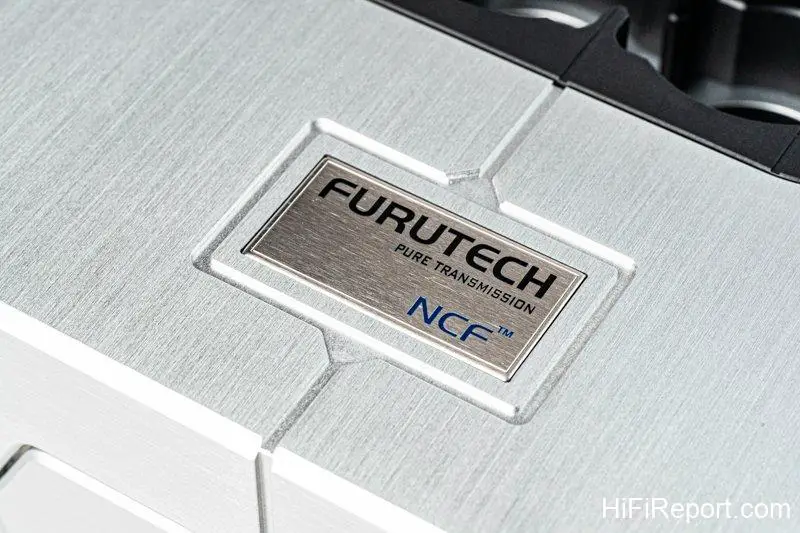
Japan’s Furutech is a classic brand in the realm of audio cables and accessories. For decades, they have upheld the principle of “Pure Transmission,” focusing on audio cables, power connectors, signal terminals, and various accessories designed to enhance audio performance, establishing a strong position in the market.
Their brand new NCF Power Vault power distributor can be considered Furutech’s flagship product in this category. It represents the current state-of-the-art expression of their “Pure Transmission” philosophy.
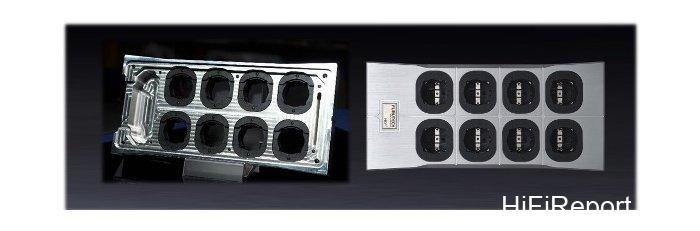
Generous 8 Power Outlets
Power distributors are an indispensable accessory for audiophiles. Standard wall outlets typically offer only two sockets, with four being uncommon. While this might suffice for a simple three-component system (digital source, integrated amplifier, speakers), it becomes insufficient for split systems, such as a digital transport paired with a DAC, or a preamplifier and power amplifier combination.
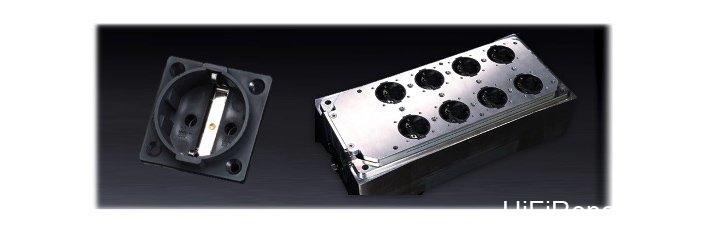
The NCF Power Vault is remarkably generous, providing a total of 8 outlets. For audiophiles with multiple components, this eliminates concerns about running out of available sockets.
A Classic Japanese Brand Focused on Audio Accessories
Starting with cables and evolving into a comprehensive range of audio accessories, Furutech, founded in 1988, not only boasts a long history but is also the brand of choice for collaboration among many high-end audio cable manufacturers. This signifies that the quality of Furutech’s power connectors, RCA, and XLR terminals is sufficient to enhance the performance of other cable brands.
Furthermore, Furutech’s product pricing over the years has generally kept pace with inflation, rarely seeing arbitrary price hikes. Their relatively high cost-performance ratio and reasonable pricing are key reasons why Furutech has earned the trust of many enthusiasts over the long term.
To Filter or Not to Filter?
Undoubtedly, the NCF Power Vault commands a premium price, representing Furutech’s “current state-of-the-art” in power distributors. It incorporates all of Furutech’s power-related technologies.
There have long been two main schools of thought regarding power distributors: one advocates for incorporating filtering circuitry, while the other prefers a simple power distribution block that only distributes power and entirely eschews any filtering. Both approaches have their proponents. Those who favor filtering believe it effectively removes unnecessary interference from the mains power. Those against filtering argue that filtering circuitry can potentially limit current flow, causing power amplifiers to sound weak or “soft” during high-power output.
How did Furutech choose? They didn’t choose a side; they offer both types. Their product line includes both filtered and non-filtered series.
The State-of-the-Art Unfiltered Design
The NCF Power Vault is Furutech’s flagship “completely unfiltered” power distributor. The other flagship in their lineup is the e-TP80S NCF, which features filtering.
This product strategy is designed to satisfy audiophiles regardless of their preference. Whether you believe filtering is better or not, Furutech provides a corresponding power distributor.
The debate over filtering versus non-filtering has persisted among audiophiles for decades, and a definitive answer remains elusive, as the design theories presented by different manufacturers each have their basis. A common compromise is to pair digital sources, or high-clock-rate digital streaming players and DACs, with a “filtered” power distributor. These front-end components consume relatively little power, so filtering is less likely to negatively impact dynamic range but can reduce the interference of power noise on these types of devices.
However, for amplifiers, especially high-power power amplifiers, it is generally recommended not to use a filtered power distributor. Instead, a simple power distributor is preferred, allowing power to flow directly to the equipment, with the power distributor serving solely as a power distribution function.
Integrating All Exclusive Technologies
As Furutech’s flagship unfiltered power distributor, the NCF Power Vault incorporates all of Furutech’s top-tier exclusive technologies.
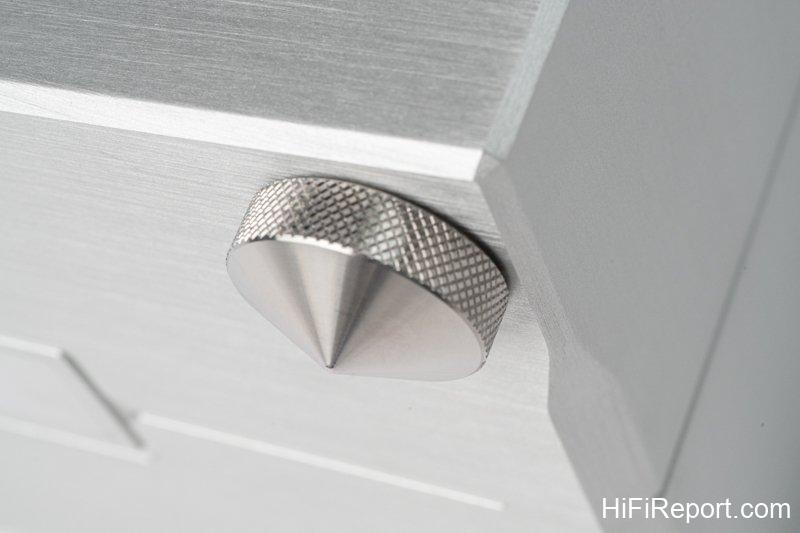
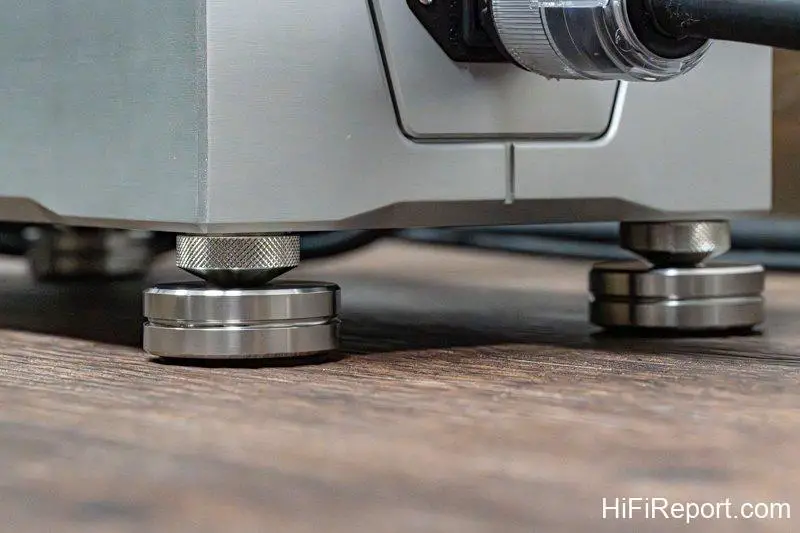
The model name, NCF Power Vault, signifies this. NCF represents Furutech’s unique special formula, while “Power Vault” evokes the idea of a power distribution block that is as sturdy and impenetrable as a fortress, utilizing a heavy-duty chassis for vibration damping.
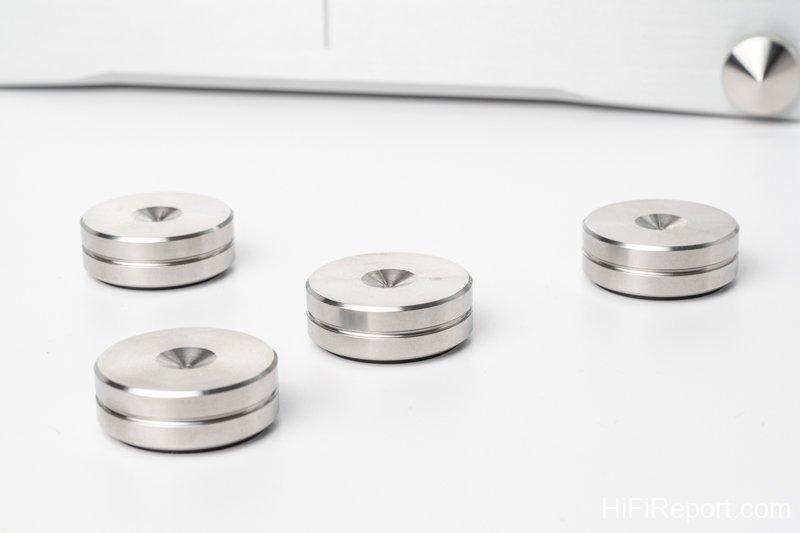
The Most Secure Fortress for Power
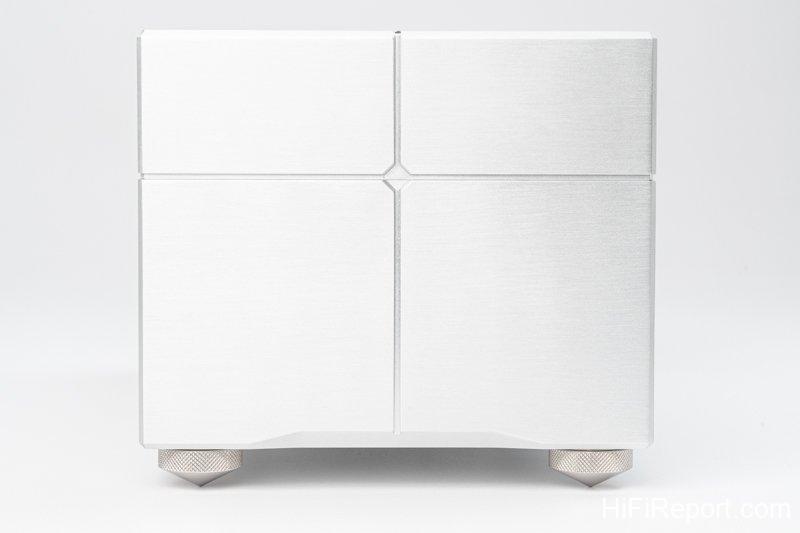
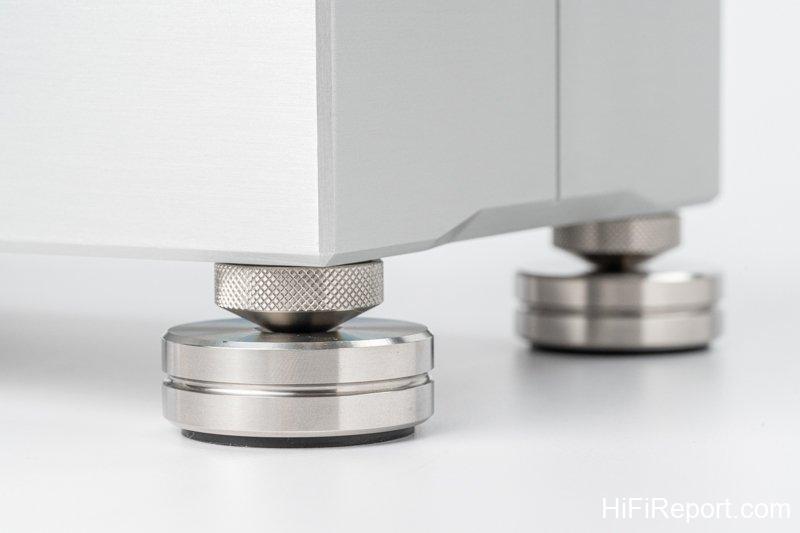
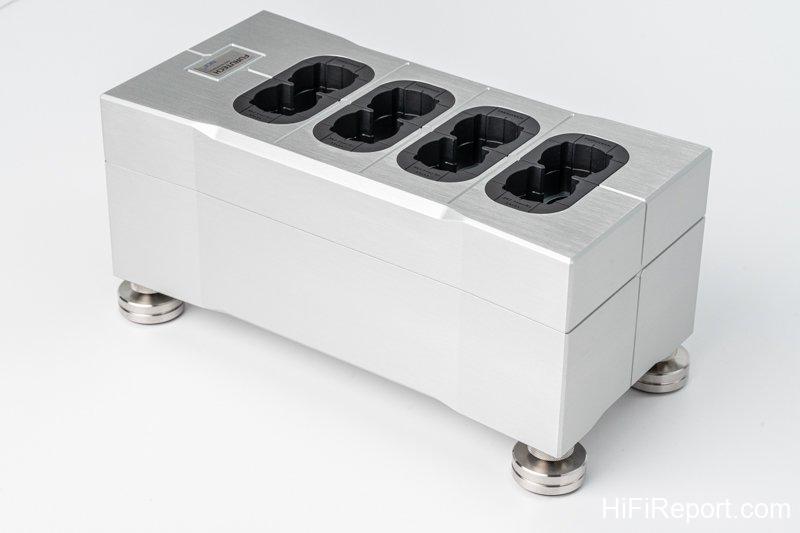
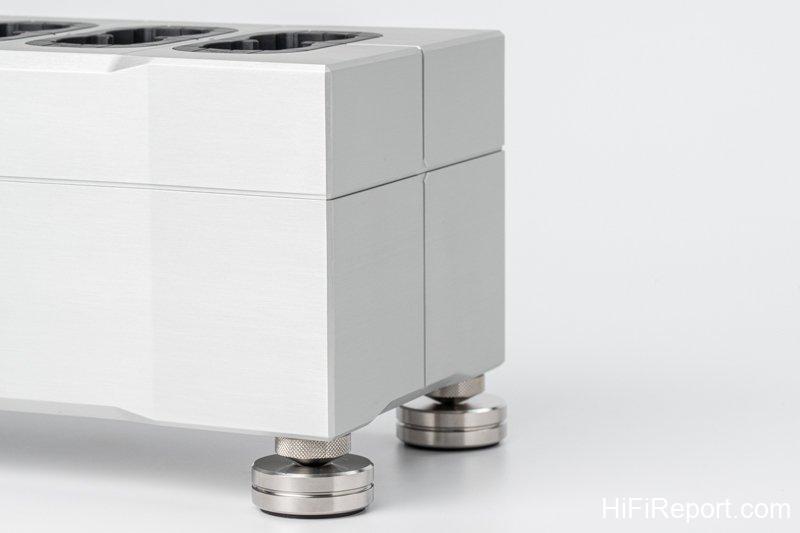
What is the purpose of a chassis as sturdy and impenetrable as a fortress? The intuitive answer is to use a high-mass metal chassis to suppress vibrations as much as possible when electricity flows through it. Furutech previously offered the Pure Power 6 NCF, which already featured a substantial chassis, but the NCF Power Vault’s chassis is even heavier and more robust, and it provides 8 outlets, making it more practical.
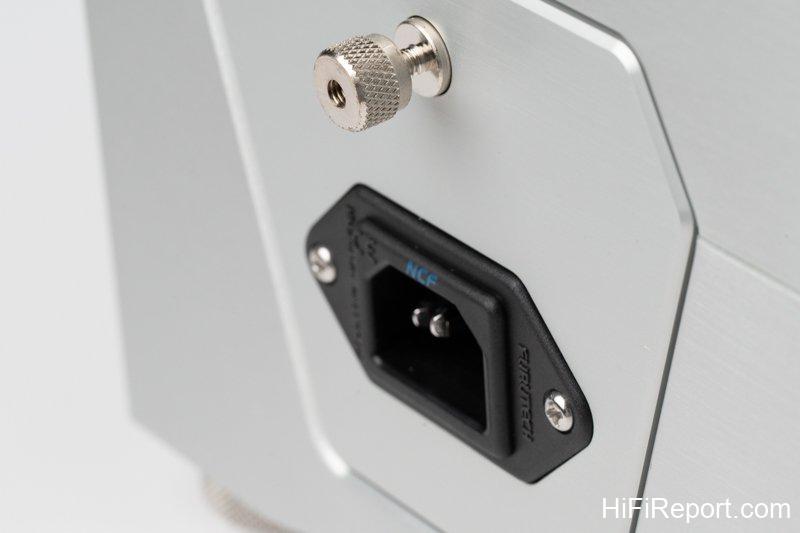
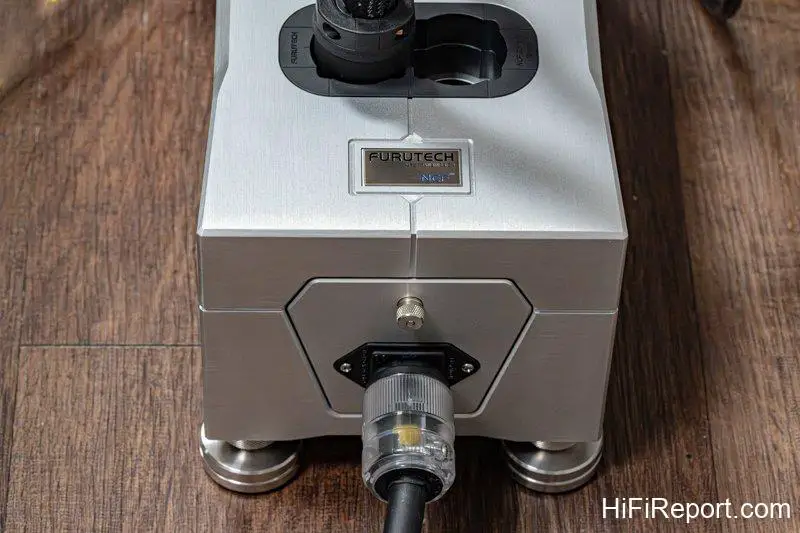
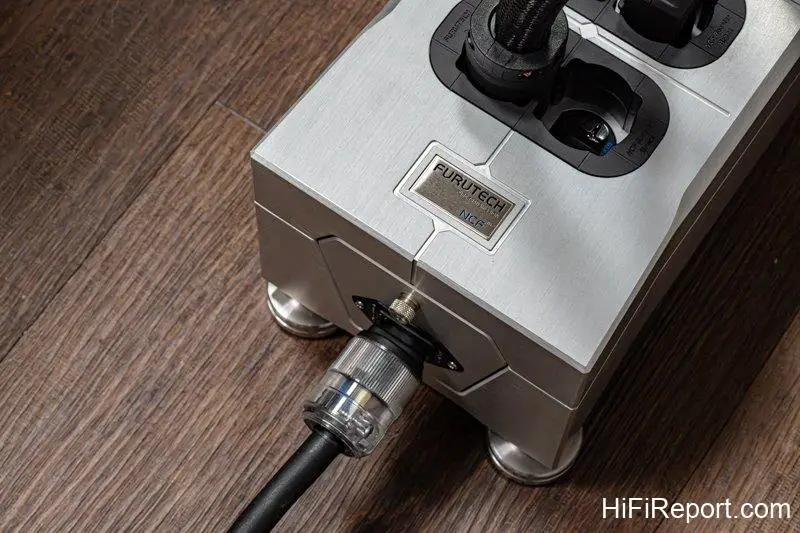
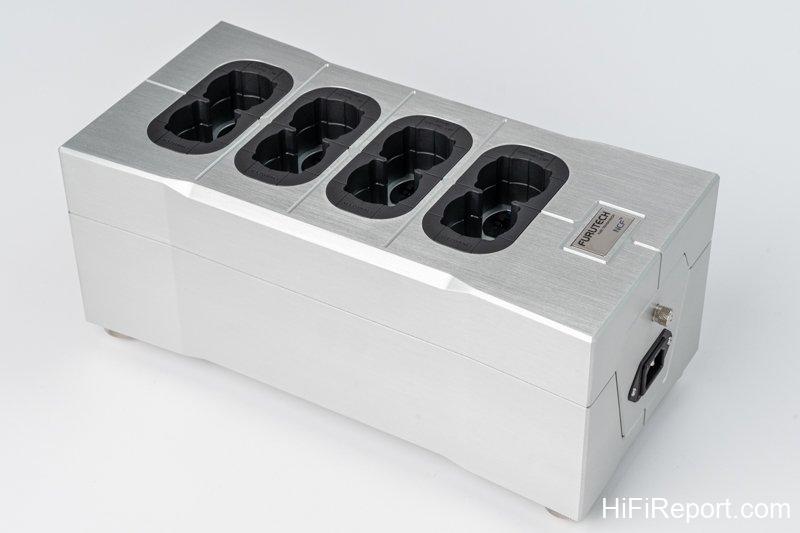
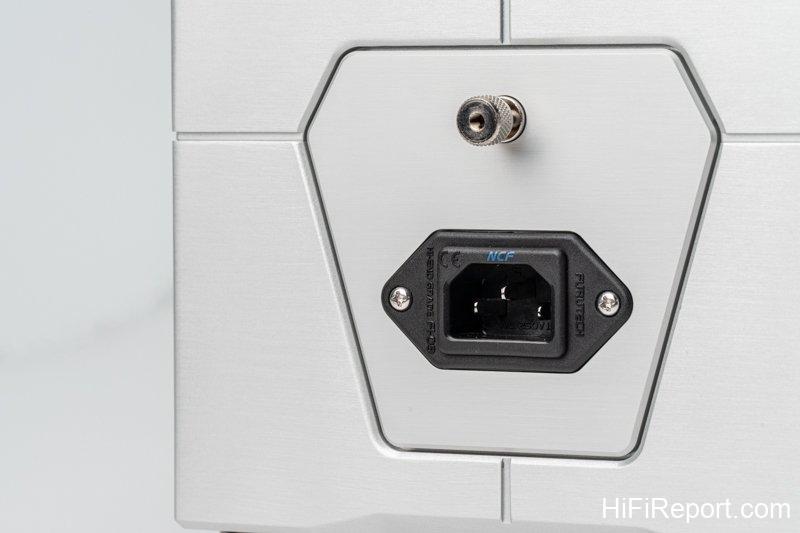
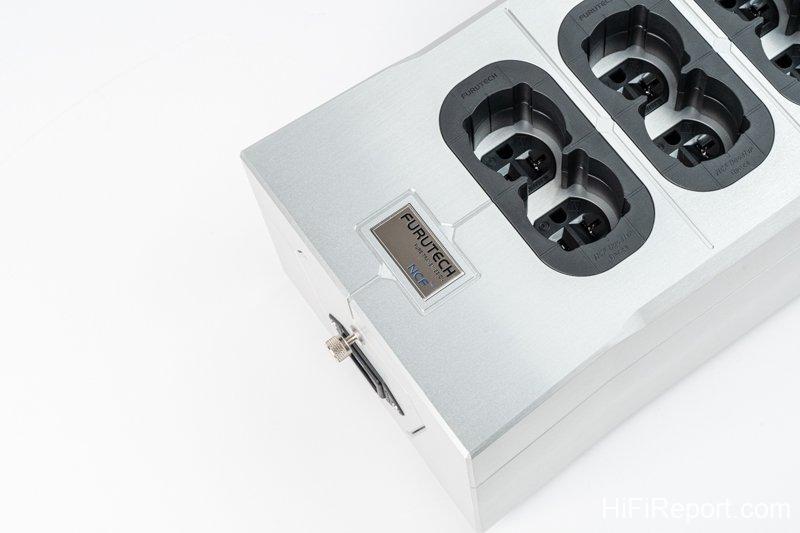
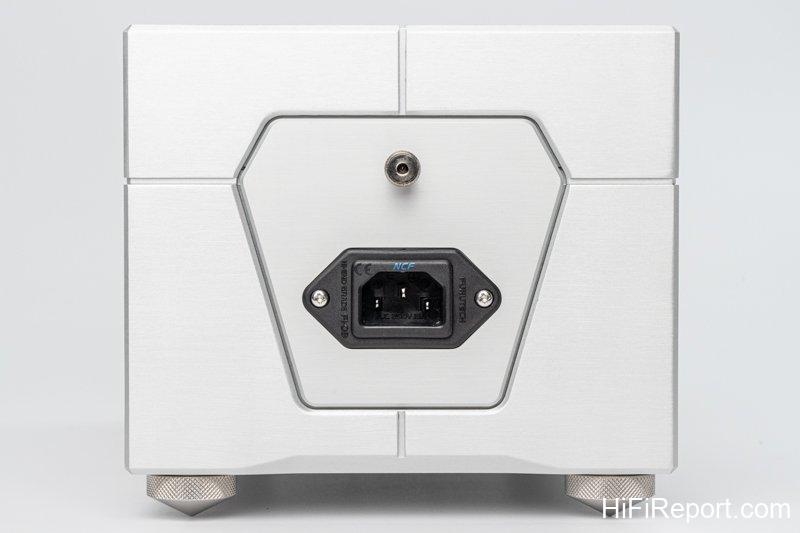
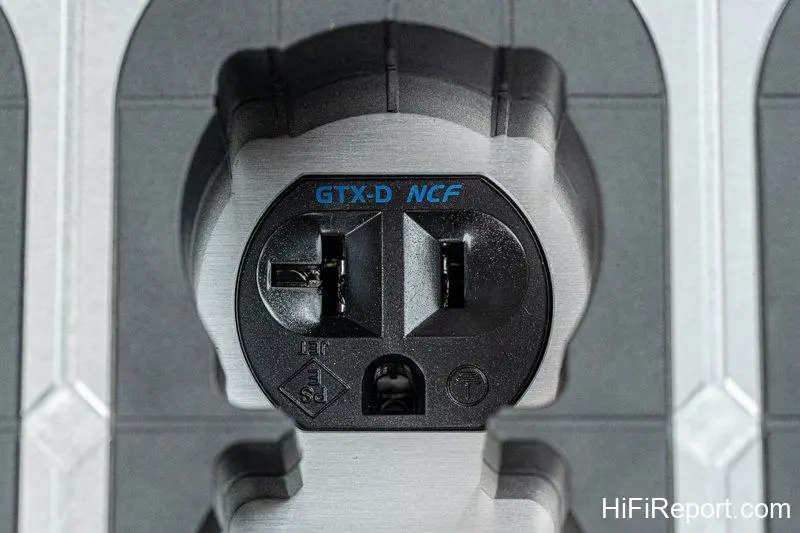
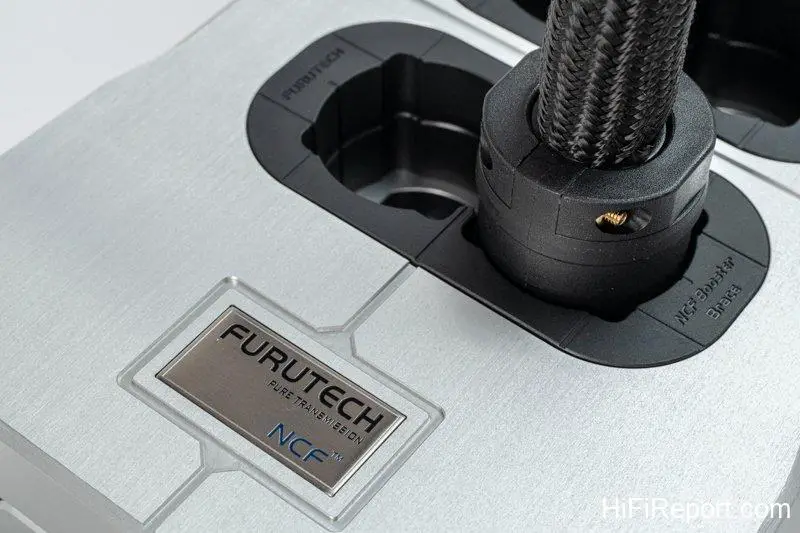
Following the path of mains power entering the NCF Power Vault, it uses an FI-09 NCF-Alpha 15A IEC inlet. Through the internal wiring, power is distributed to four GTX-D NCF duplex outlets, each providing two power outlets, for a total capacity to power 8 devices.
Internal Wiring: Highest Grade Single Crystal Oxygen-Free Copper
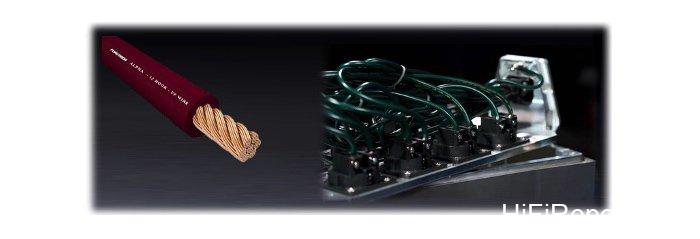
To distribute power from a single input to 8 outputs requires internal wiring. The NCF Power Vault utilizes Alpha-12 OCC single crystal oxygen-free copper for its internal wiring. This is Furutech’s patented cable, where the Alpha-12 conductor is composed of 7 strands, each made up of 19 cores of 0.18 mm OCC conductors twisted in a specific structure, providing excellent conductivity and ultra-low impedance.
The insulation for the Alpha-12 OCC uses audio-grade PVC, which minimizes capacitance and inductance and provides excellent damping to the wire itself, preventing negative interference from vibration.
NCF Booster Brace Secures Power Plugs
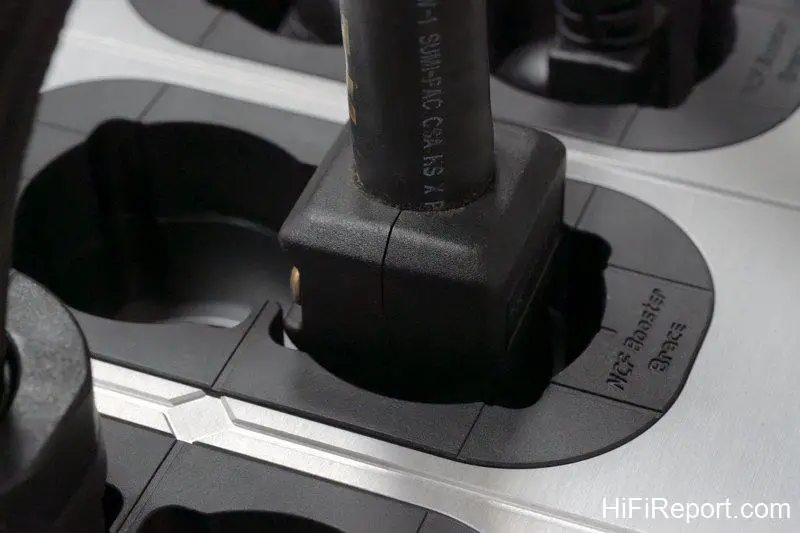
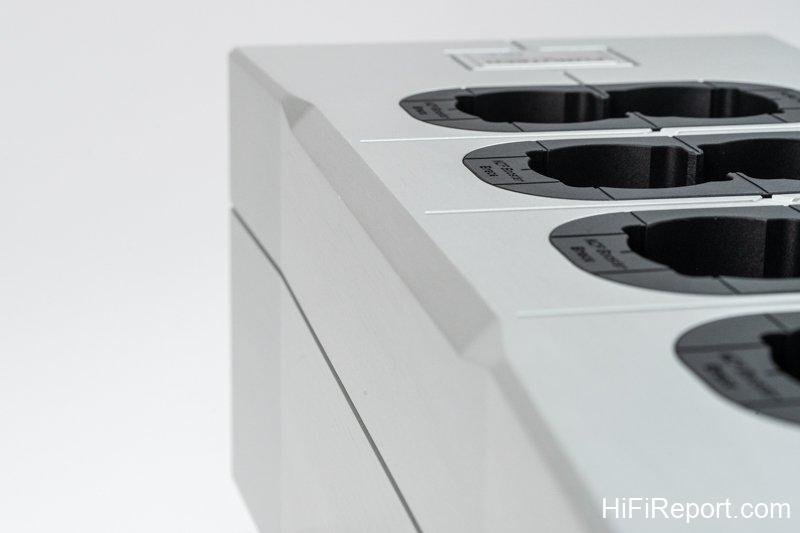
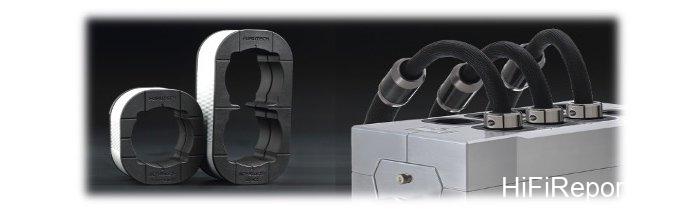
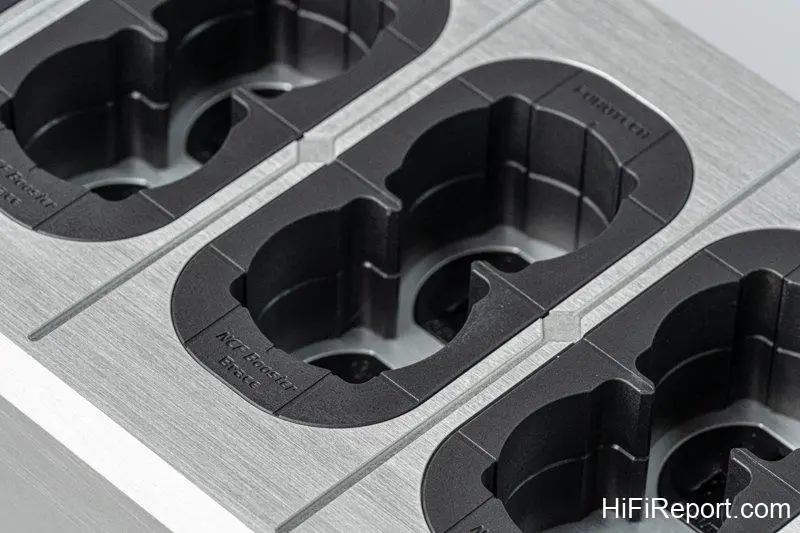
The NCF Power Vault’s emphasis on vibration damping is taken to the extreme. Above the GTX-D NCF outlets, Furutech has added NCF Booster Braces. These effectively reinforce the outer part of the power cable connection, providing mechanical damping against vibration. The internal mix includes NCF material, which eliminates static electricity and suppresses noise.
In the NCF Booster Brace section, we begin to see the NCF designation, representing Furutech’s unique patented formula, Nano Crystal Formula, which is now in its second generation.
NCF is Furutech’s Exclusive Anti-EMI Formula
According to official Furutech documentation, NCF is a nano-crystalline formula with two electrical properties: firstly, NCF generates negative ions to eliminate static electricity; secondly, it converts thermal energy into far infrared radiation for dissipation. Furutech combines this with nano-sized ceramic particles and carbon powder to enhance the “piezoelectric effect,” giving NCF both electrical and mechanical damping properties.
In addition to NCF, the NCF Power Vault also contains Formula GC-303, a special material used to absorb EMI electromagnetic interference. This material, combined with the NCF Power Vault’s star grounding system, directs excess power noise to the ground, preventing interference with audio equipment.
Two-Stage Alpha Process
Beyond the meticulously designed structure and the use of all of Furutech’s exclusive patented formulas, the components also undergo a two-stage Alpha process. The first stage is ultra-low temperature cryogenic treatment, where all metal parts are frozen at extremely low temperatures before being slowly warmed up. The manufacturer claims this process improves conductivity, but I see it as an additional form of annealing that helps stabilize the working properties of the metal.
The second step of the Alpha process uses Furutech’s exclusive Ring Demagnetization, ensuring that every metal component in the NCF Power Vault is completely non-magnetic.
Assembly Requires Special Tools and Specific Torque
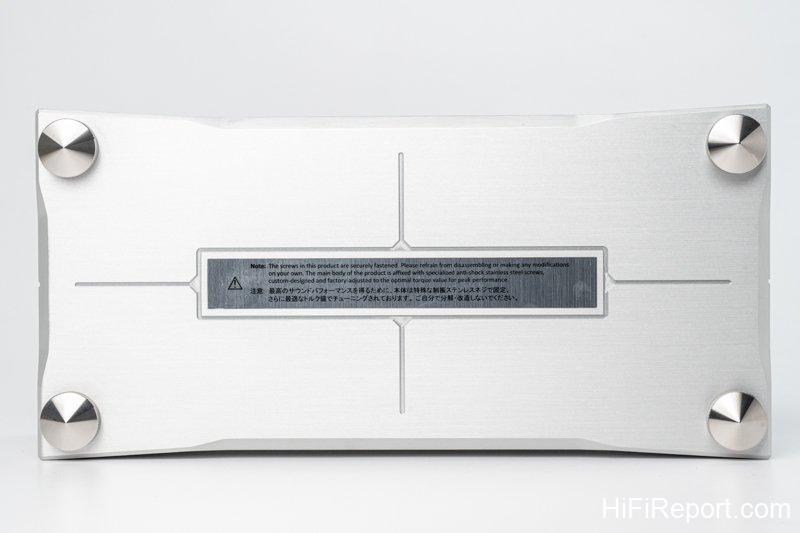
After the metal components have undergone the two-stage Alpha process, assembly is even more intricate. The mechanical structure utilizes a double-axis locking system, requiring proprietary special tools to tighten the NCF Power Vault’s chassis to a specific torque.
Therefore, the NCF Power Vault’s fortress-like construction isn’t just achieved through double-axis locking; the specific torque applied is also crucial. Consequently, although I initially intended to disassemble the NCF Power Vault to take some internal photos for you, upon learning this, I abandoned the idea. I opted instead to find original manufacturer photos to supplement this review. Even if I could disassemble the NCF Power Vault, reassembling it without the special tools and knowing the specific torque would likely diminish its performance significantly.
Meticulous Star Grounding
Weighing 11.5 kg, the NCF Power Vault’s weight alone demonstrates the ample use of CNC-machined aluminum alloy. Combined with the electrical and mechanical damping properties of NCF, it effectively eliminates static electricity, EMI, and vibration interference. The internal star grounding system, coupled with GC-303, directs absorbed EMI noise directly to ground, and all metal components must undergo the two-stage Alpha process.
Auditioning with Two Audio Systems
Based on the design principles, the NCF Power Vault is grounded in solid engineering. It’s time now to test the sonic performance of the NCF Power Vault power distributor.
For the audition, I used two systems. The first, more affordable setup, was a complete Rega system: a Saturn MK3 CD player, paired with an Elixcit MK5 integrated amplifier, and Aya speakers. The second system was HiFiReport’s own reference system, featuring Wilson Audio Alexia V speakers, EAR 868P preamplifier and 509 MK II power amplifiers, and YBA CDT-450 and Merging NADAC as sources.
Three Major Sonic Improvements
Regardless of whether I was using the more affordable Rega system or the tube-based EAR pre/power amplifiers, the benefits brought by the NCF Power Vault could be summarized as follows: First, the musical background became significantly quieter and darker, and the soundstage’s 3D sense was more transparent and expansive. Second, the mid-high frequencies became brighter but with reduced harshness, as if the notes had been polished, making for a more listenable experience. Third, the density of the mid-low frequencies increased, and the low frequency coherence and articulation improved.
However, when initially testing with the EAR system (front/power amps, CDT-450, NADAC – five components), I only connected the pre and power amps to the NCF Power Vault. The CDT-450 and NADAC were on a different rack and already plugged into a different power strip, so they weren’t connected to the NCF Power Vault.
Connect All Equipment to the Same Power Strip
As a result, the perceived improvement in power quality was not as noticeable as it was with the two-component Rega system. It was only after I rerouted the power cables for the CDT-450 and NADAC and plugged them into the NCF Power Vault that I experienced the same level of upgrade as with the Rega setup.
What mistake did I make as the editor-in-chief? The NCF Power Vault provides 8 outlets precisely so you can connect all your equipment to the same power distributor. The key isn’t just how many high-quality materials the NCF Power Vault uses or how well it’s made; the most important thing is grounding! With everything connected to the same power distributor, the grounding will be consistent.
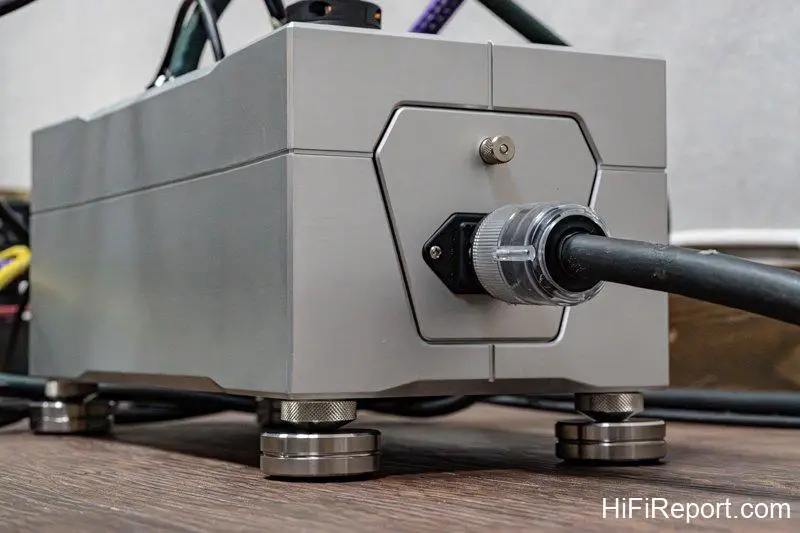
If you’re even more dedicated, you can run a ground wire from all your plugged-in equipment and connect it to the grounding terminal on the NCF Power Vault. This common grounding will yield even better results.
I first saw this method of grounding all plugged-in equipment to a single point years ago while interviewing Westlake in the US. Their setup was similar to a recording studio, with numerous pieces of equipment. Over a dozen machines were all grounded to the chassis of a DAC. So, to maximize the performance of the NCF Power Vault, it’s not enough to simply fill all 8 outlets; you can also let it serve as the grounding commander, connecting everything to the NCF Power Vault’s chassis (via the small screw near the power input).
The Quieter the Listening Environment, the More Obvious the Effect
Furthermore, the NCF Power Vault’s ability to create a quieter musical background and enhance dynamic contrast relies on a quiet listening environment to fully appreciate the benefits of the power upgrade. For example, when auditioning at HiFiReport, I had to turn off the air conditioning to clearly hear the NCF Power Vault’s improvements.
However, I had to turn off the air conditioning because we use a water-cooled system connected to the building, unlike the variable-refrigerant-flow systems common in homes, which is relatively noisy. Hence, I must turn it off for critical listening.
You might ask why I don’t invest in replacing the air conditioning? Unfortunately, the building does not allow additional piping, so HiFiReport has to continue using the noisier indoor water-cooled air conditioning.
Clearer Spatial Comparison of Different Versions
To appreciate how the NCF Power Vault enhances the soundstage, chamber music with relatively simple arrangements is the easiest to evaluate. Moreover, it’s best to compare different versions of the same piece.
For instance, Beethoven’s “Violin Sonata No. 5: Spring.” The version most familiar to audiophiles is probably the Philips recording by David Oistrakh and Lev Oborin. The violin’s tone is focused slightly left of center in the soundstage, while the piano is positioned to the right, with a warm and rich tone. Using this version as a standard, comparing other recordings reveals subtle changes in the 3D soundstage.
Listening to the Philips recording by Arthur Grumiaux and Clara Haskil (editor’s note: the original text mentions Szeryng and Haebler, but Grumiaux/Haskil is another famous Philips version of Spring Sonata, often cited for its intimacy; I will adjust based on the sonic description provided which better matches this comparison), the instrument shapes and positions are similar, but Grumiaux’s violin tone is more focused, and Haskil’s piano is slightly brighter. The soundstage feels a bit smaller, but the sense of musical intimacy is enhanced. In contrast, the Oistrakh version feels like it was recorded in a larger concert hall, while the Grumiaux version suggests a smaller performance space.
Using the NCF Power Vault for comparison, the differences in soundstage spatiality between the two Philips recordings become even more apparent. Musically, both are excellent interpretations of Beethoven, but the NCF Power Vault brings out more details from the recording venue, making the musicians’ performance seem more alive. Moreover, the violin and piano notes, when paired with the NCF Power Vault, gain that refined quality, as if they’ve been polished anew, making for a truly exhilarating listening experience.
Low Frequencies Gain Snap and Solidity
Furthermore, to experience the enhanced low-frequency snap and power added by the NCF Power Vault, I highly recommend the Jacques Loussier Trio’s jazz adaptations. I used to frequently use their recordings for reviews, less so in recent years. However, while preparing a presentation on “The Interaction and Exchange between Classical and Jazz Music,” I rediscovered their CDs and have been using them more frequently in reviews again.
For example, listening to “Vivaldi: The Four Seasons,” their jazz trio adaptation of the classic “Four Seasons.” The recording technique is superb, the tone is beautiful, and each instrument is recorded with great fullness. Listening to the first movement of “Spring,” the jazz drums and double bass form the rhythmic backbone of the swing feel. The tinkling cymbal sounds, contrasting sharply with the bass drum and double bass, create a lively foundation before the piano introduces the melody. Even without the NCF Power Vault, the recording is excellent, but with the power distributor added, the low frequencies gain better impact, greater elasticity, and during forte passages, the bass drum sounds as if it jumps right out. The clarity of individual notes during double bass solos is also more pronounced.
Switching to the third movement of “Winter,” the final track on the CD. The allegro “Winter” actually begins with an adagio piano solo. The NCF Power Vault makes the piano notes sound clearer and brighter. When the double bass joins, the lower register becomes full and rich. The jazz drums introduce rhythmic variations, and with the NCF Power Vault, the dynamic fluctuations are more vivid, and the contrast between soft and loud passages is more dramatic. Entering the allegro section, the music should be more cheerful, but the melody is in a minor key, retaining the “Winter” chill. However, the energetic jazz drums and double bass enhance the excitement of the listening experience.
Enhancing Musical Liveliness – Worth It!
Overall, while the NCF Power Vault appears to be a high-priced power distributor (approximately $8,370 USD), compared to European and American high-end brands, Furutech’s pricing remains “justifiable.” Technically, it incorporates Furutech’s accumulated expertise, and the materials used demonstrate the NCF Power Vault’s solidity. Based on sonic performance for the price, I believe it is well worth it. The NCF Power Vault enhances the 3D soundstage perception and the low-frequency articulation, both of which are crucial for adding liveliness to recordings. With 8 power outlets, you can connect all your equipment, simultaneously addressing grounding issues. The NCF Power Vault is truly noteworthy.
Specifications
* Type: Power Distributor
* Body: Premium CNC-machined aluminum alloy, finished with hairline surface and anodizing
* IEC Inlet: FI-09 NCF (R) – α Pure Copper Rhodium Plated
* Outlets: GTX-D NCF (R) Duplex Sockets × 4
* Internal Wiring: Alpha-12 (α-treated with deep cryogenic and demagnetizing process)
* Dimensions: Width 350 × Height 169 × Depth 137 mm (excluding foot spikes and pads)
* Weight: 11.5 kg