
Furutech Project V1-L Cable Review
“Project V1” represents Furutech’s latest flagship series, surpassing all previous offerings. Following the highly acclaimed launch of the Project V1 flagship power cable, Furutech introduced the second wave of products in the series: the Project V1-T tonearm cable and the Project V1-L flagship signal cable. The signal cable comes in both XLR (Project V1-L-XLR) and RCA (Project V1-L-RCA) versions.
This marks our first opportunity to delve into a thorough audition of these new flagship products. Based on past experiences reviewing Furutech cables, their performance consistently delivers surprises. Furutech’s R&D team embodies an uncompromising spirit, perpetually striving for improvement, meticulously attending to every minute detail without losing sight of the music’s inherent essence. The increasing adoption of Furutech terminals by High-End audio manufacturers stands as the ultimate testament to their product confidence.
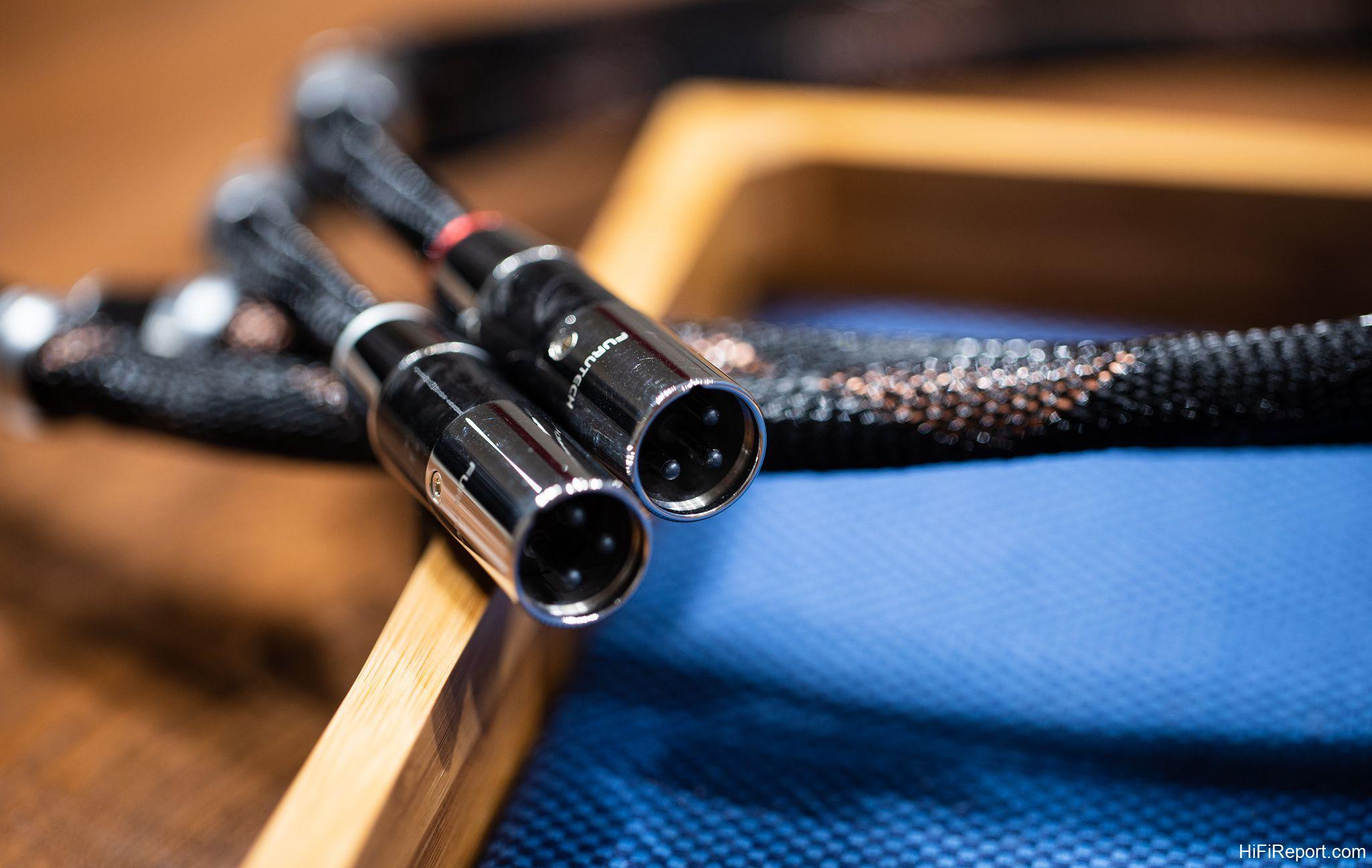
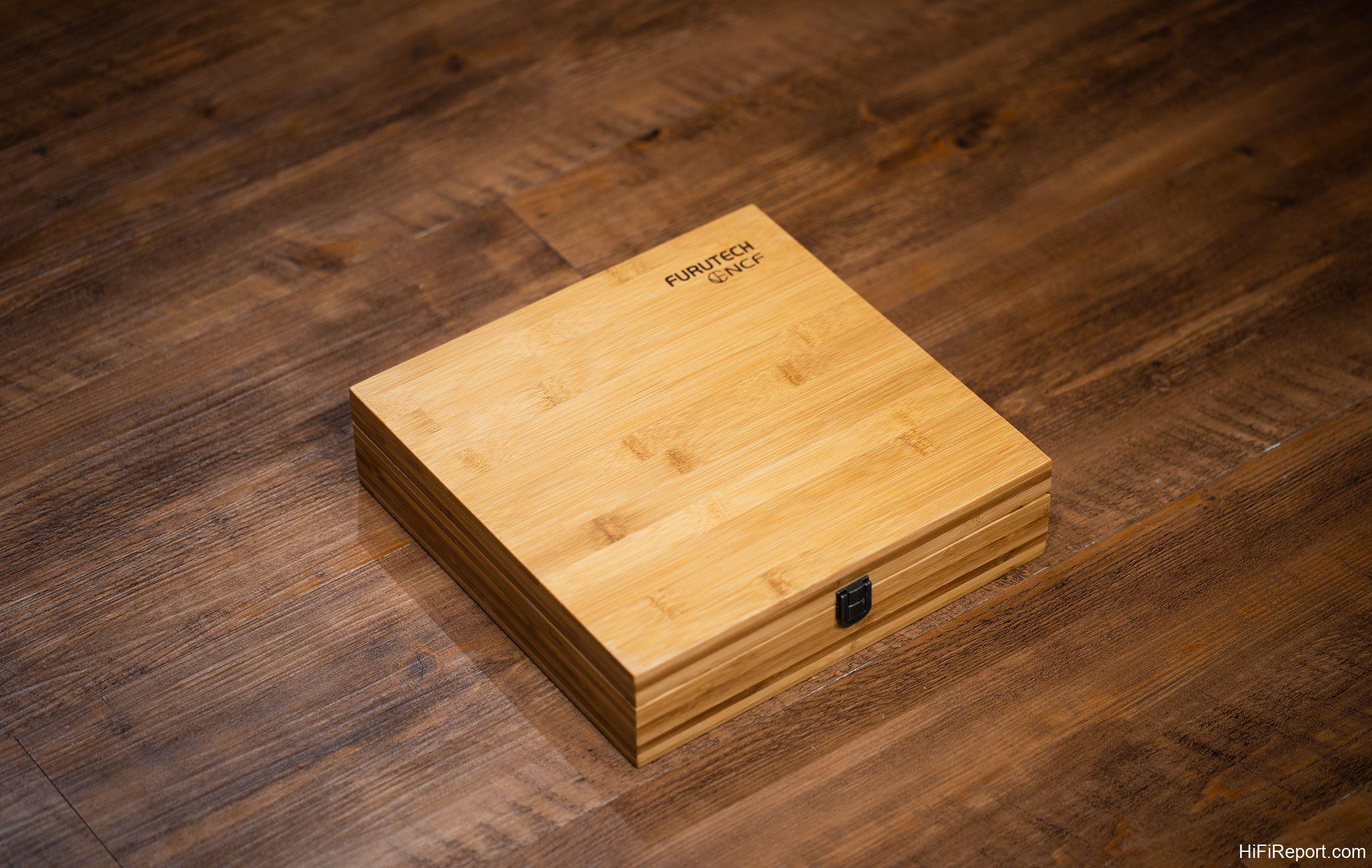
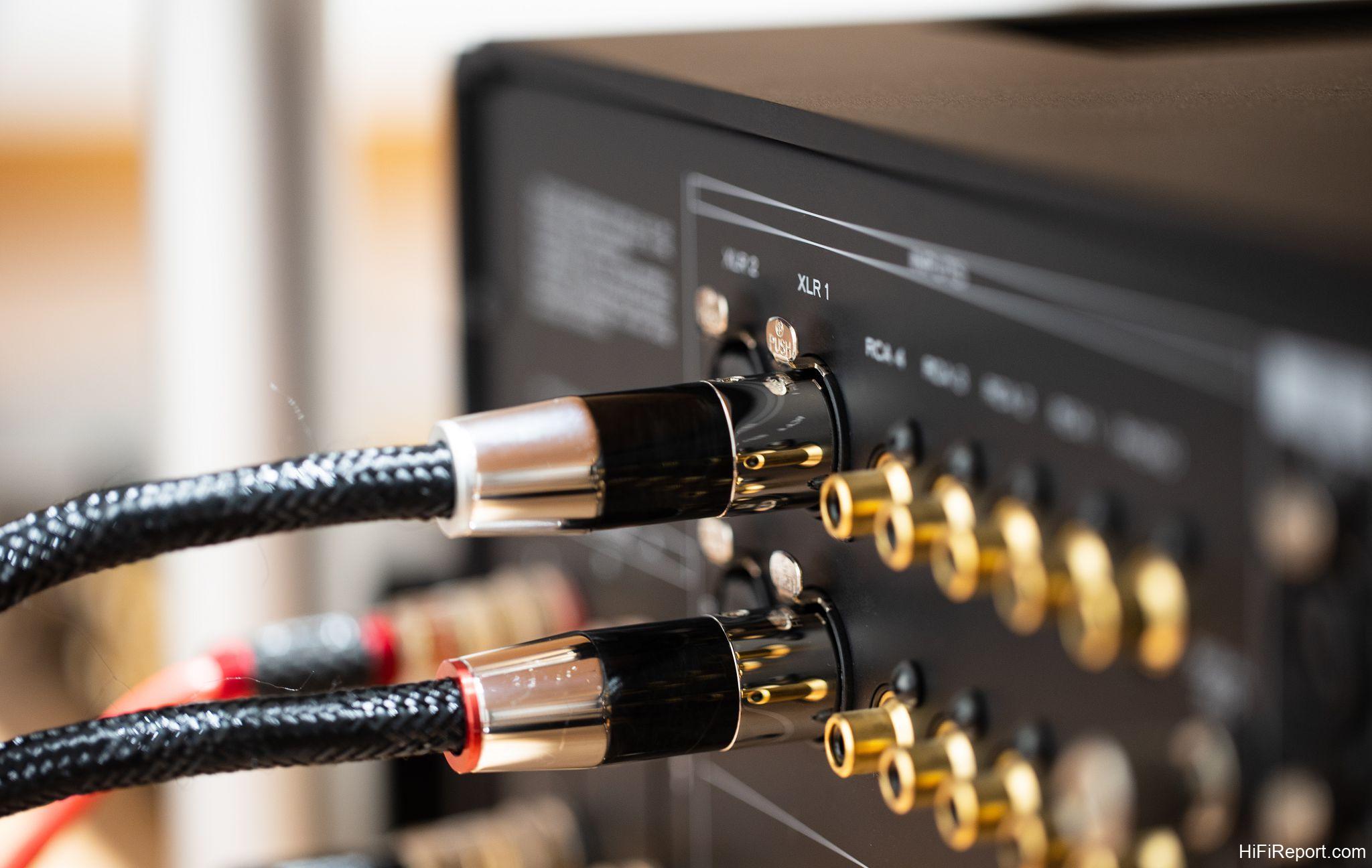
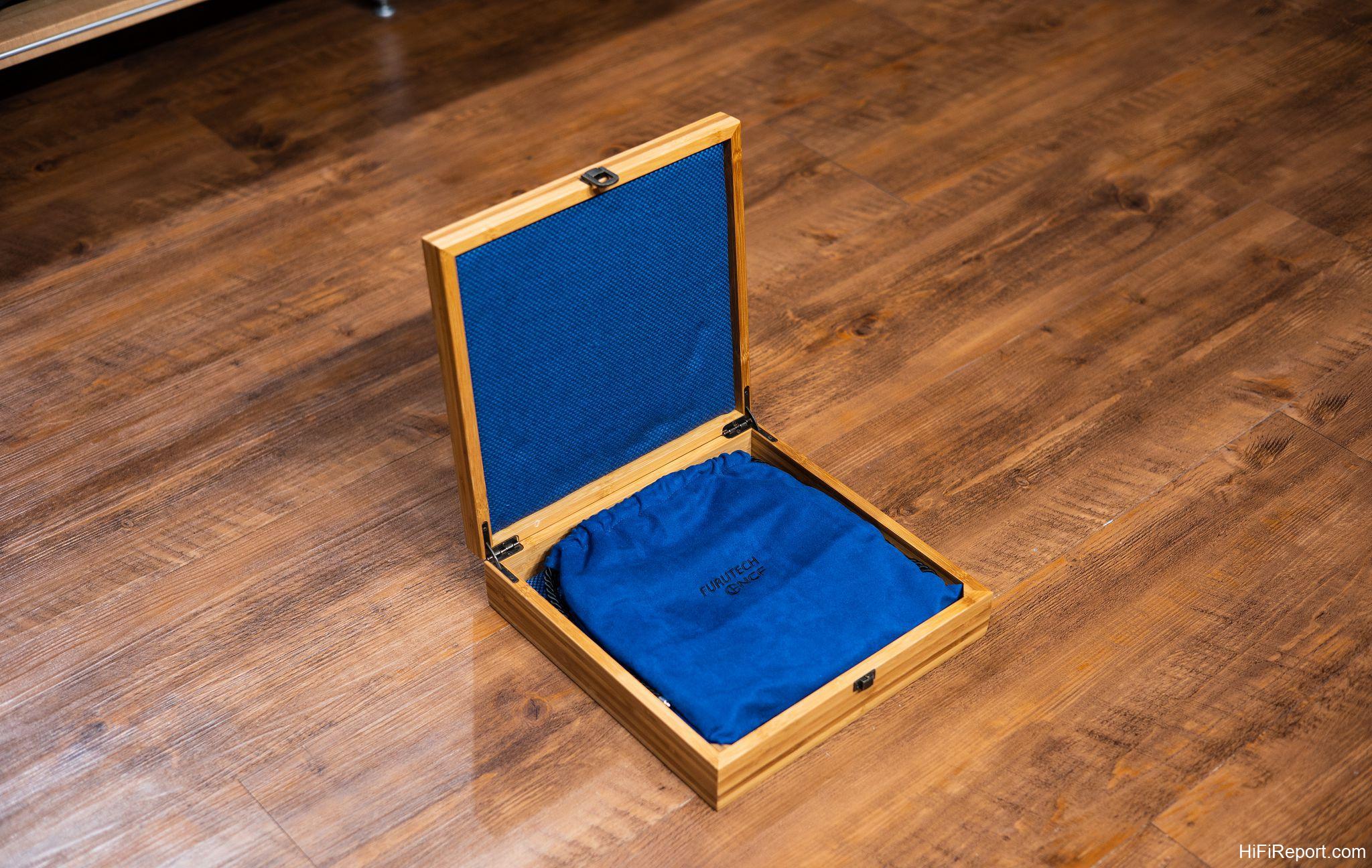
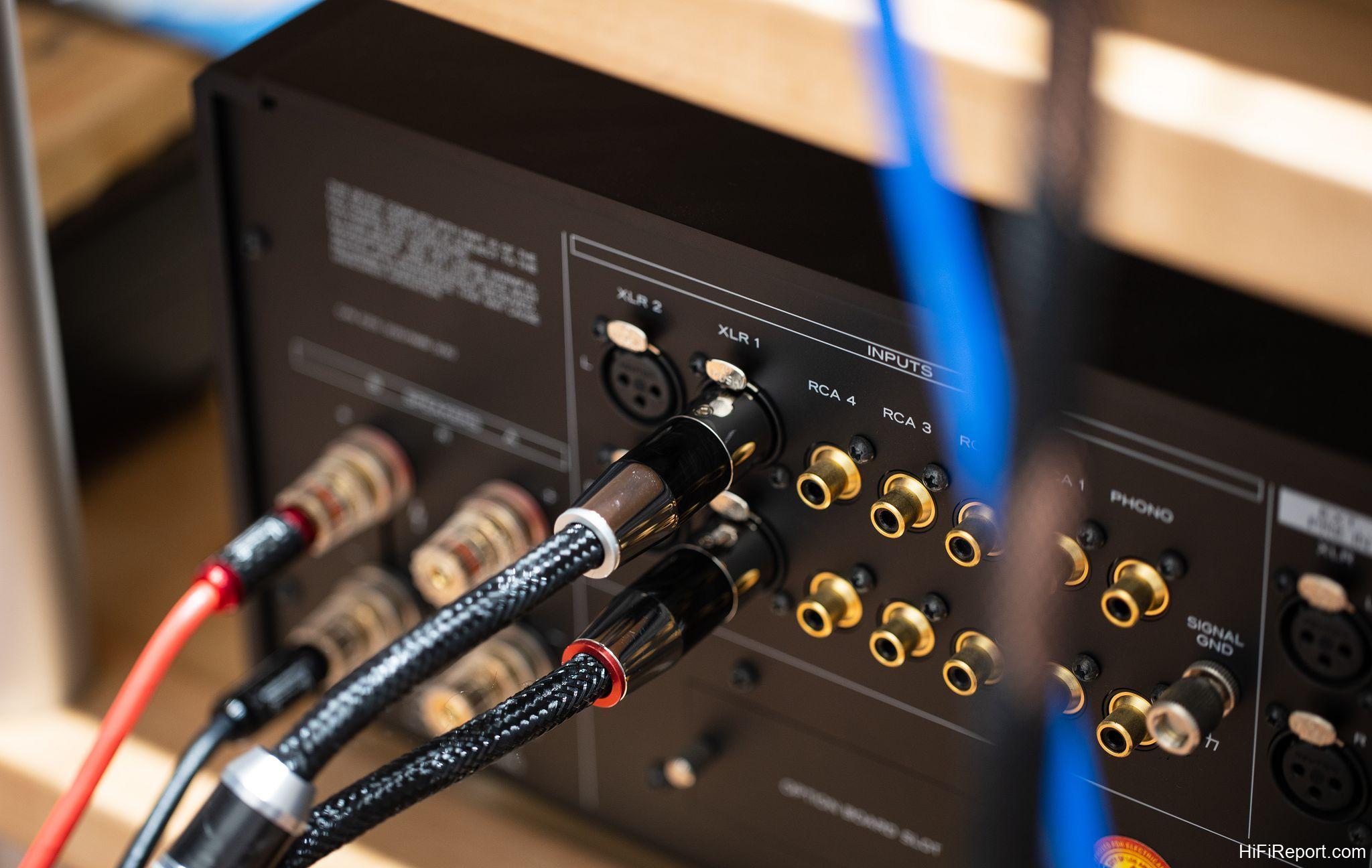
The new flagship series distinguishes itself right from the packaging. Furutech’s attention to detail is unwavering. The Project V1 series adopts exquisitely crafted wooden boxes for packaging, featuring shock-absorbing materials inside. The cables are further protected by blue velvet pouches. Our test unit was the XLR version, with a standard length of 1.2 meters. It is terminated with Furutech’s top-tier CF-601M NCF(R)/CF-602F NCF(R) balanced connectors.
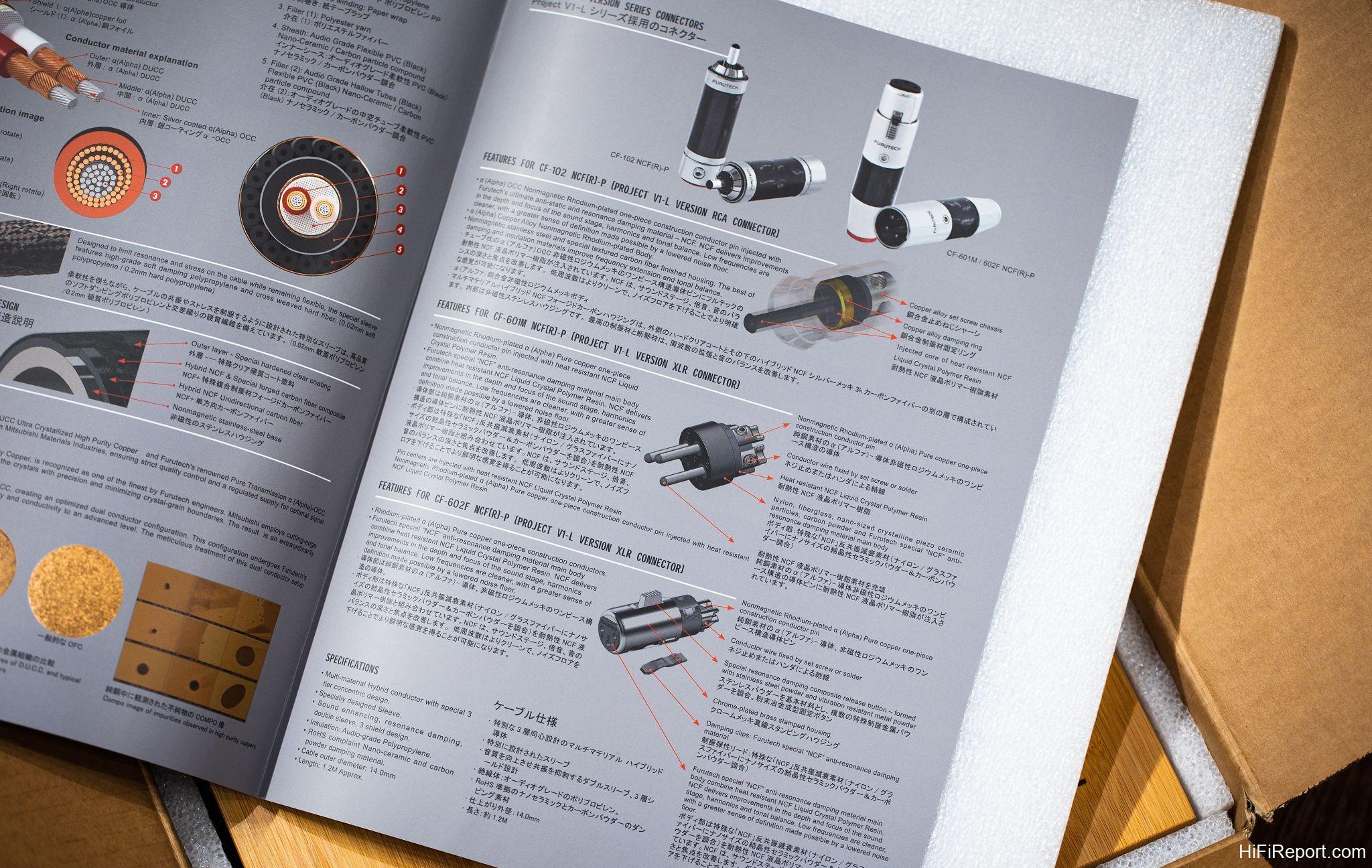
These connectors feature one-piece formed α (Alpha) pure copper rhodium-plated core conductors (pins), infused with heat-resistant NCF liquid crystal polymer resin. The connector body incorporates nylon, fiberglass, nano-crystal piezoelectric ceramic particles, carbon powder, and Furutech’s proprietary NCF anti-vibration damping material. The outer shell is constructed from multi-layered composite materials, including NCF, carbon fiber, non-magnetic stainless steel, and various other damping and insulating materials.
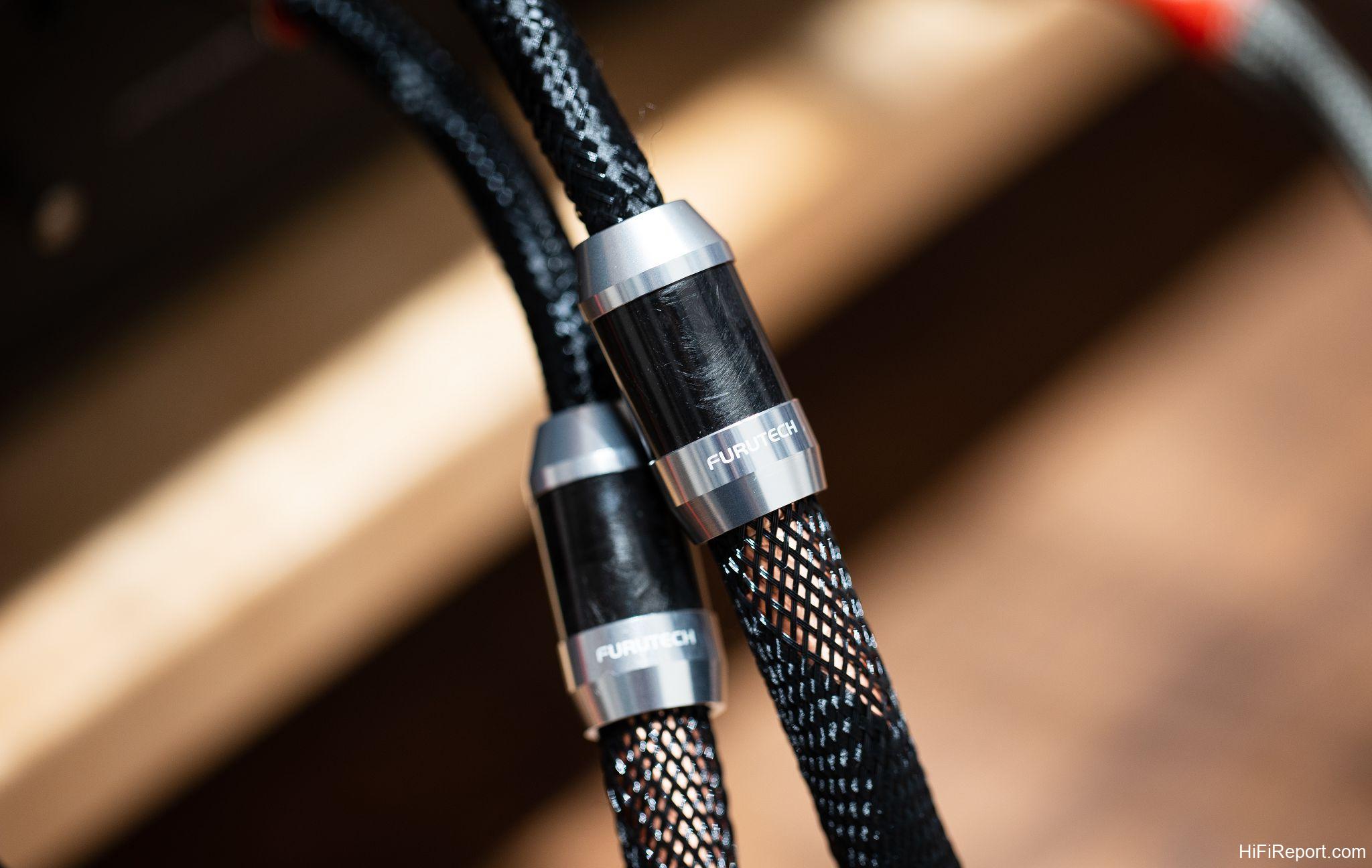
The connectors alone are a level of engineering prowess that leaves other manufacturers in the dust. The cable body features Furutech’s meticulously designed metal carbon fiber damping rings, engineered to eliminate mechanical vibrations and electromagnetic interference.
Advanced Shielding and Flexibility
Even the outermost braided shield is meticulously designed, capable of suppressing vibrations while maintaining cable flexibility. It utilizes high-grade soft damping polypropylene, interwoven with rigid fibers (0.02mm soft polypropylene / 0.2mm hard polypropylene).
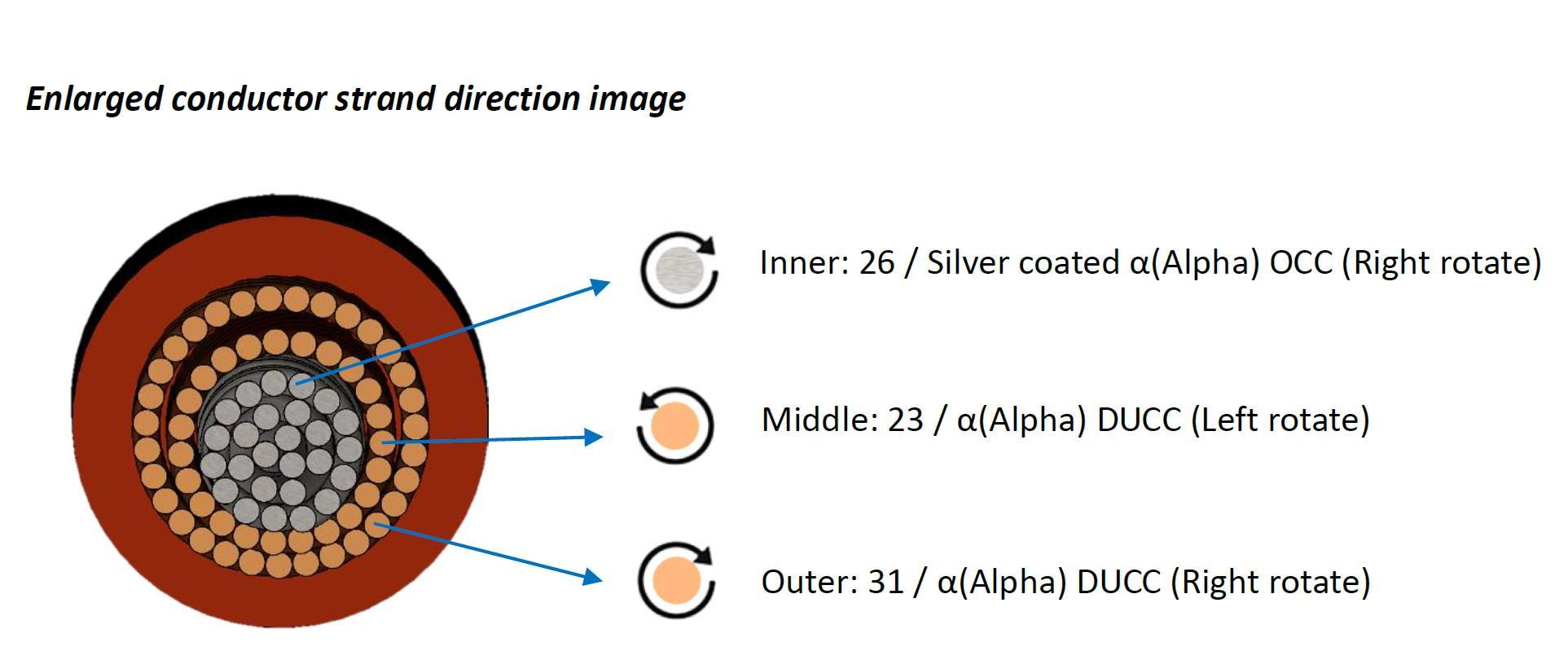
Regarding conductors, the Project V1-L employs Furutech’s hybrid structure. The inner layer is made of α (Alpha) OCC silver-plated single-crystal copper, while the outer layer utilizes α (Alpha) OCC-DUCC, a combination of DUCC (Ultra Crystallized High Purity Copper) and α (Alpha) OCC. DUCC is an ultra-high crystalline purity copper meticulously controlled and supplied by Mitsubishi Materials Industries of Japan, considered the finest conductor material currently accessible to Furutech engineers. The conductors undergo a unique cryogenic and demagnetizing treatment, optimizing their conductivity and purity. Throughout the cable, Furutech extensively incorporates NCF (Nano Crystal2 Formula) technology.
Scientific Development and Manufacturing
Furutech-developed cable connectors have gained global recognition, adopted by countless cable manufacturers worldwide, particularly in the high-end and ultra-expensive segments. The reason is simple: exceptional design, manufacturing capabilities, and ultimate quality. Cable manufacturers, when sourcing materials and components, exercise professional diligence, meticulously selecting from suppliers because these components will be integrated into their own branded products.
There is no room for compromise. The fact that Furutech is chosen by predominantly high-end cable manufacturers underscores the industry’s recognition of Furutech’s ability to meet the critical nuances of cable design and their deep understanding of how audio cables should perform. Furutech also produces a wide range of finished cables, covering virtually every type used in audio systems. This review focuses on the flagship signal cable, Project V1-L XLR. For those familiar with Japanese culture, the “Project” designation typically signifies products that are “proud,” “highly valued,” and “resolutely developed.”
Furutech’s official introduction of this flagship signal cable highlights the materials, technologies, manufacturing details, meticulousness, and design sophistication, all underscoring the brand’s inherent strength. Looking at cable brands globally, only a handful of manufacturers possess a similar level of explanatory capability. Furthermore, Furutech distinguishes itself by handling everything in-house, from development to manufacturing, maintaining a complete production chain and controlling all aspects of technology and quality.
Neutral Sonic Character
Listening to Igor Levit’s “Beethoven: The Complete Piano Sonatas” using the Furutech Project V1-L XLR flagship signal cable, the piano notes emerged from an utterly silent background with striking immediacy. The contrast between silence and music was exceptionally high, allowing for the perception of a genuinely pure and unadulterated piano sound. Whether in hushed nuances or dynamic bursts of intensity and speed, the sound remained remarkably pure and neutral.
I couldn’t discern any overt warmth or coolness in the sonic signature; instead, the system seemed to faithfully convey the musical passages with unwavering fidelity, offering an abundance of musical content. The Furutech Project V1-L XLR presented a sonic foundation with a palpable solidity and substantial presence, exhibiting a full-bodied yet controlled power. It was neither overly gentle nor aggressively forward, akin to savoring the unadulterated flavor of fresh, natural cuisine. It conveyed an elusive neutrality, devoid of coloration, with no frequency band—high, mid, or low—protruding or receding. The piano retained a consistent thickness across its entire range, from deep bass notes to soaring highs. The low frequencies maintained both speed and clarity, the highs remained transparent and expansive, and the midrange possessed a focused image and solid presence.
Tightly Integrated Soundstage and Dynamic Range
Referencing Katie Melua’s “Wonderful Life,” the Furutech Project V1-L XLR signal cable brought a tighter, more cohesive sonic texture and enhanced overall dynamics. The sonic landscape showcased greater contrast between peaks and troughs, with a more controlled low-frequency response that contributed to a more focused and full-bodied sound. Vocals exhibited improved separation from the background, positioning them closer to the listener, revealing finer details with greater clarity. The gentle nuances and intricate inflections of the voice were rendered distinctly and delicately, with a smooth, translucent quality. The improvement in vocal reproduction alone was immediately apparent.
In terms of instrumental performance, the cable demonstrably enhanced dynamics and resolution. The background low frequencies, after switching to the Project V1-L XLR, sounded more comfortable and relaxed, exhibiting a natural expansiveness without becoming diffuse or blurry. The low end remained controlled, maintaining excellent definition and substantial weight, revealing a solid density. Crisper instrumental sounds displayed precise localization, with a layered presentation relative to vocals and low frequencies, creating a sense of depth that enhanced sonic three-dimensionality. The dynamic nuances were abundant and vividly rendered, contributing to a broader soundstage while maintaining a tight, cohesive, and richly detailed sonic picture.
Expanded Musical Scale and Sonic Perfection
Moving on to The Civil Wars’ “Talking In Your Sleep,” comparing the sound with and without the Project V1-L XLR signal cable revealed a quieter, more transparent background after the cable upgrade. This significantly enhanced the opening percussive elements. The resonant strikes in the silence sounded more substantial, the muffled thuds deeper, and the sense of air more pronounced. Beyond enhancing the three-dimensionality of the percussion, it also imparted a quality of transparency to the overall sound. The instrumental presentation felt more expansive, extending further outwards on both sides. Crucially, this increased spaciousness did not come at the expense of sonic substance. Instead, the sound became richer and more vibrant. The percussion and overall musical texture blended more seamlessly and smoothly.
Vocals, in contrast to the instruments, seemed to move slightly more towards the center. The concentrated central image sounded more substantial, while the sound radiating outwards from the center possessed greater force. The unique character of the vocal timbre was also more distinctly highlighted. Male vocals gained a warmer, richer tone, while female vocals acquired a more luminous edge, sounding effortlessly natural. The overall effect was akin to expanding the entire musical scale, eliminating any sense of compression. High frequencies avoided any hint of congestion, and the low frequencies opened up further. Even with the increased width, height, and depth, the sonic elements maintained appropriate spacing, each occupying its designated space and contributing to a cohesive whole. Despite the enhanced dynamism, the listening experience remained comfortable and fatigue-free.
Refined and Unveiled Sonic Essence
Listening to Billy Raffoul’s “Could You Be Mine?” with the Project V1-L XLR signal cable, the improvement in sonic detail and control was immediately noticeable. Despite the track’s relatively prominent low frequencies, even at slightly elevated volumes, the bass remained controlled and proportionate, filling the space adequately without becoming overwhelming. The low frequencies swept across the soundstage with authority, yet the separation remained excellent. The ample bass did not obscure other sonic elements. The music remained remarkably excellent even at higher volumes, delivering full-bodied energy with outstanding resolution and timbre.
Instrumental performance also felt true to the original recording. The guitar strings possessed a full-bodied tone, with a richly resonant character that traced out clean, dynamic arcs, imbuing the notes with greater rhythmic drive. The accompanying cymbal work exhibited a crisp texture, the metallic quality of the instrument vividly rendered, imbuing the sound with both brilliance and crispness, allowing it to stand out within the overall musical texture. The vocals, with their slightly raspy quality, conveyed a relaxed, effortless atmosphere, adding considerable contrast to the song. Overall, the Project V1-L XLR signal cable effectively refined and untangled areas of the original recording that previously sounded strained or complex, especially in the chorus. Each instrument became more clearly defined, exhibiting a vibrant and luminous quality, making the listening experience more relaxed and fluid.
Furutech Project V1-L Flagship Signal Cable
* Multi-material hybrid conductor with a unique 3-layer concentric design

* Specially designed cable sleeve
* Sound enhancing, resonance damping, dual sleeve, 3-shield design
* Insulation: Audiophile-grade Polypropylene
* RoHS compliant Nano Ceramic and Carbon Powder damping materials
* Outer Diameter: 14.0mm
* Length: Approximately 1.2 meters