
Furutech Project V1-L XLR Signal Cable Review
Among the myriad of cable brands available, Japan’s Furutech has consistently remained on my list of “must-consider” options. This is primarily because their product technology is transparent, their materials are robust, and their pricing is relatively reasonable, making you feel like you’re truly getting your money’s worth. The only slight drawback was the absence of a true flagship product to go head-to-head with other manufacturers’ top-tier Hi-End cables.
That changed in 2023 when Furutech finally unveiled their super-heavyweight contender, the Project V1 power cable. This cable represents the culmination of nearly 40 years of Furutech’s technological expertise. Not only are the conductor, shielding, and insulation crafted from the finest materials currently available, but the company’s acclaimed NCF advanced technology is also utilized extensively.
Delving deeper reveals an unprecedented level of internal complexity; every single step in the process reflects the meticulous craftsmanship of a dedicated artisan.
While priced in the hundreds of thousands (NTD, which translates to a significant USD figure), the Project V1 doesn’t rely on outlandish storytelling. Instead, its solid design and materials speak volumes, directly translating into outstanding sound quality that justifies its premium cost. For audiophiles at the pinnacle of the hobby, it represents a relatively sound investment in cabling.
Project V1 Signal Cables Arrive
Given the sheer complexity and meticulous design of the Project V1 power cable, manufacturing costs were undoubtedly high. I initially thought it might be a unique technical showcase for Furutech. However, in 2024, news emerged that the company would be launching Project V1 signal cables. This announcement was not only surprising but also ignited my curiosity. How would Furutech condense the intricate structure of the Project V1 into the smaller form factor of a signal cable?
The thought immediately piqued my interest. Therefore, when Chung Man (the distributor) delivered the cable to the office this month, I eagerly took on the review task, seizing the opportunity to experience the power of Project V1 cables once again.
Unboxing and First Impressions
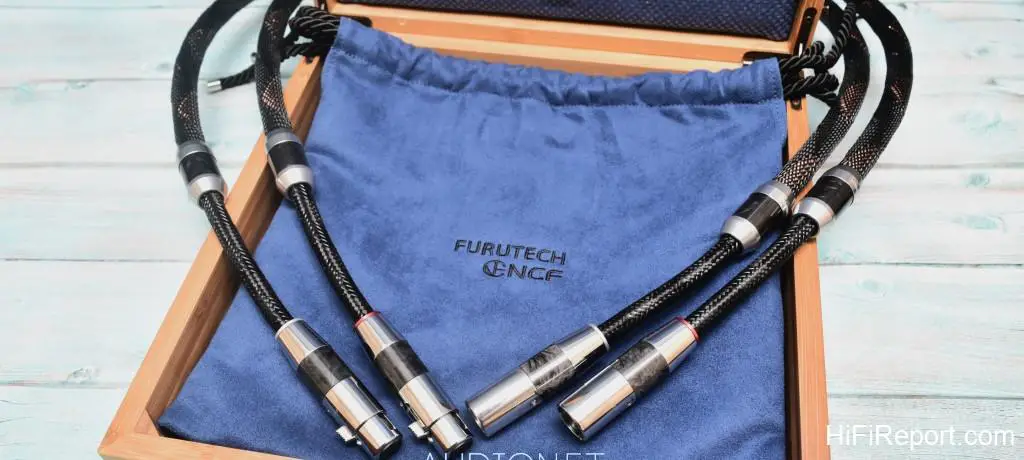
The focus of this review is the balanced version, the Project V1-L XLR. It carries on the premium treatment of the Project V1 power cable, arriving nestled in a substantial bamboo box. Inside, the cable itself is further protected by a luxurious blue velvet pouch. Even before listening, the sense of high quality is palpable.
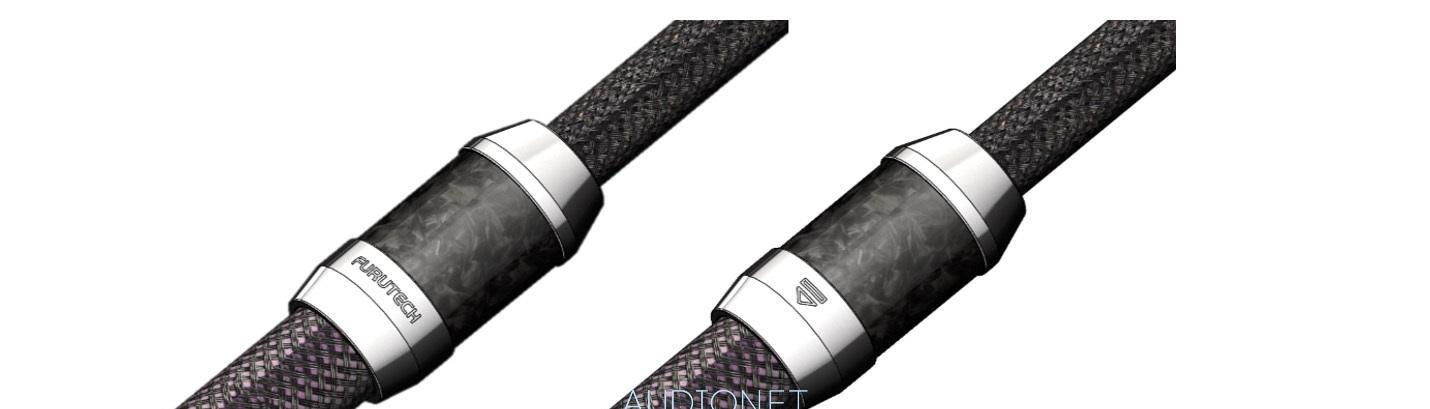
Upon holding the Project V1-L XLR, I was pleasantly surprised. Unlike the thick and heavy Project V1 power cable, the V1-L XLR’s body is remarkably light and flexible, making it easy to bend and route. This practical design instantly boosted my favorable impression. Externally, besides the signature Project V1 carbon fiber damping ring, the dust netting features gold-thread patterns, distinct from the power cable version.
I personally find it looks considerably more refined, and paired with the exclusive bamboo box packaging, it exudes a rich Japanese aesthetic.
External Design and Connectors
Further investigation revealed that the woven netting on the Project V1-L XLR cable body is quite sophisticated. It’s made from a special 0.02mm soft damping polypropylene interwoven with 0.2mm cross-braided hard fibers. Beyond its aesthetic appeal and refined feel, this material functions to suppress resonance and stress. Compared to standard nylon dust netting, it also contributes to a better sense of musical vitality.
Combined with the damping ring on the cable body, it helps reduce mechanically and electrically induced distortion.
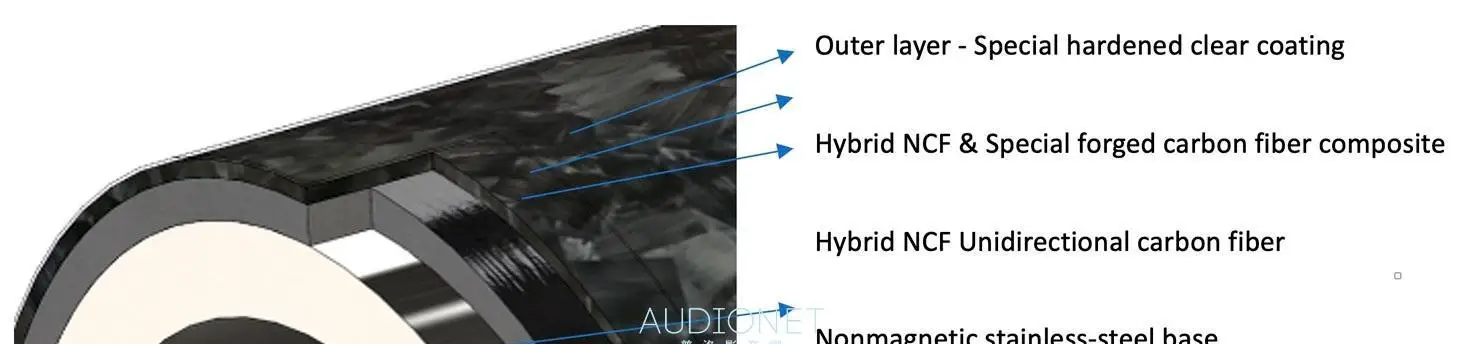
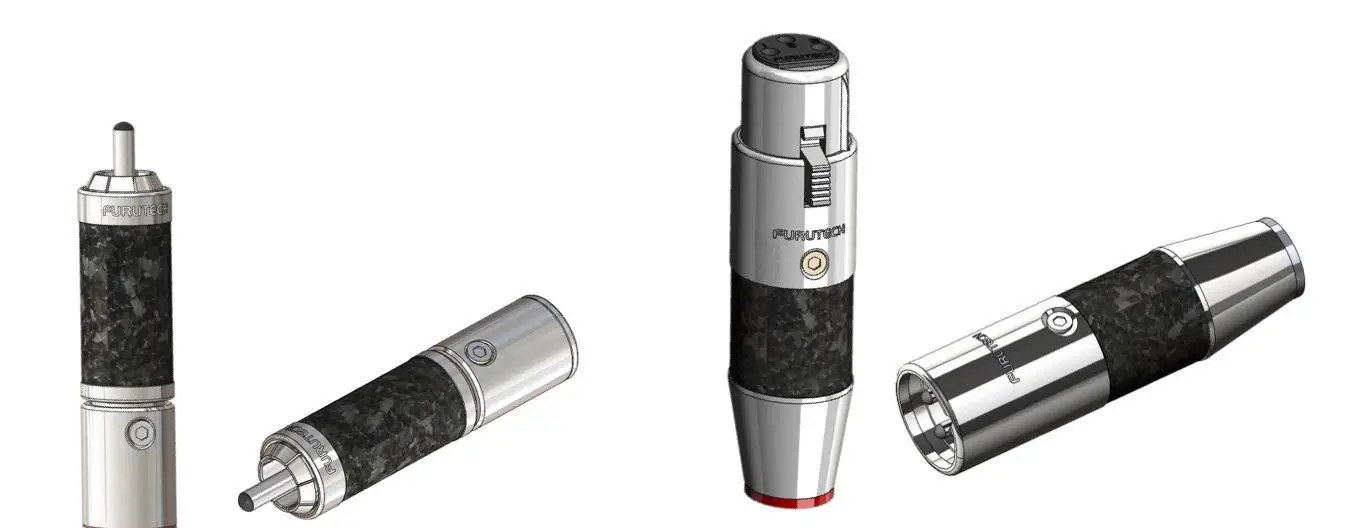
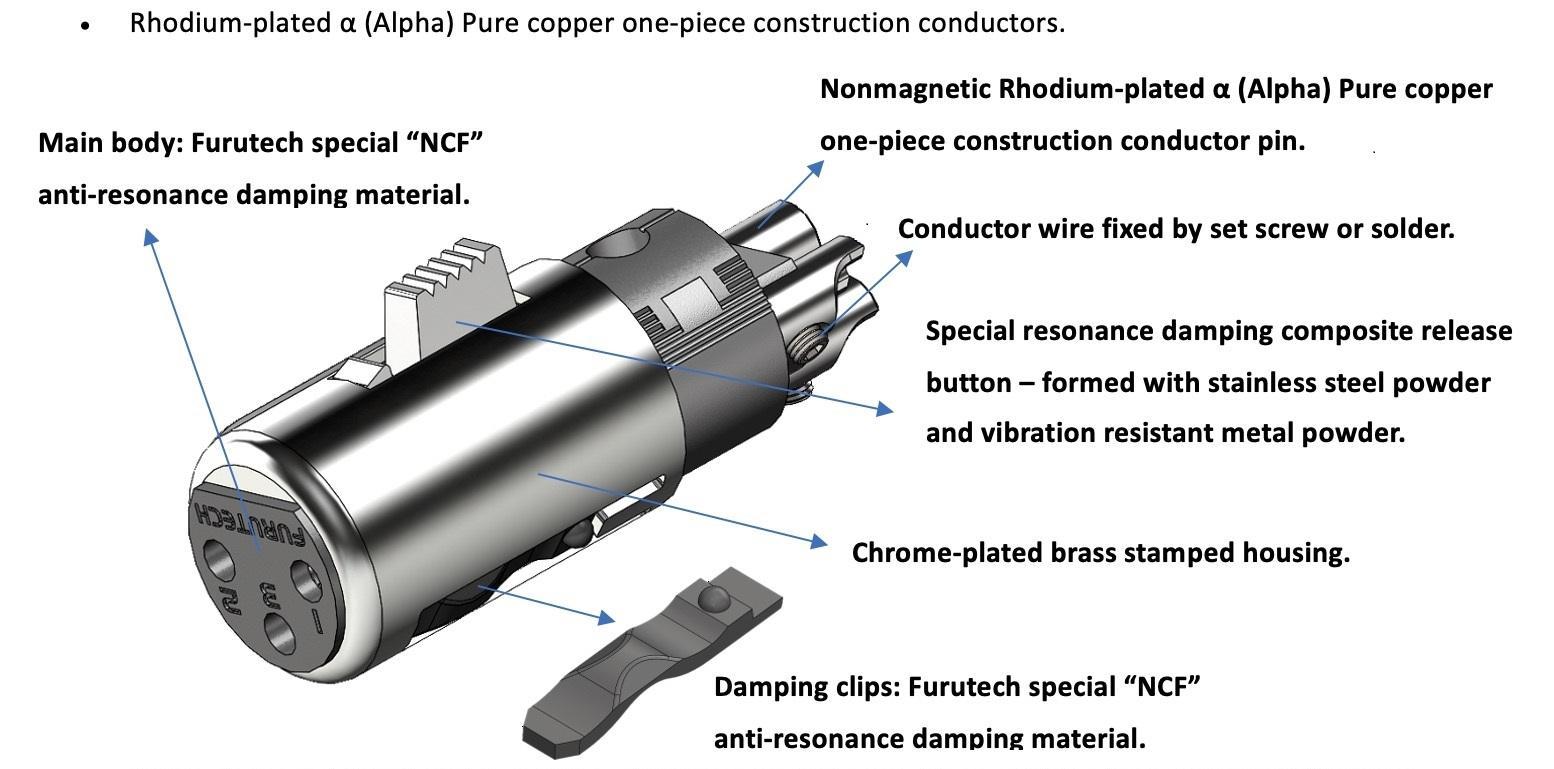
Turning to the XLR connectors, the cable utilizes Furutech’s current top-of-the-line CF-601M/CF-602F NCF(R)-P plugs. Don’t underestimate these small XLR connectors; they are packed with extensive NCF technology. First, the connector housing is stamped from brass and then rhodium-plated for increased hardness.
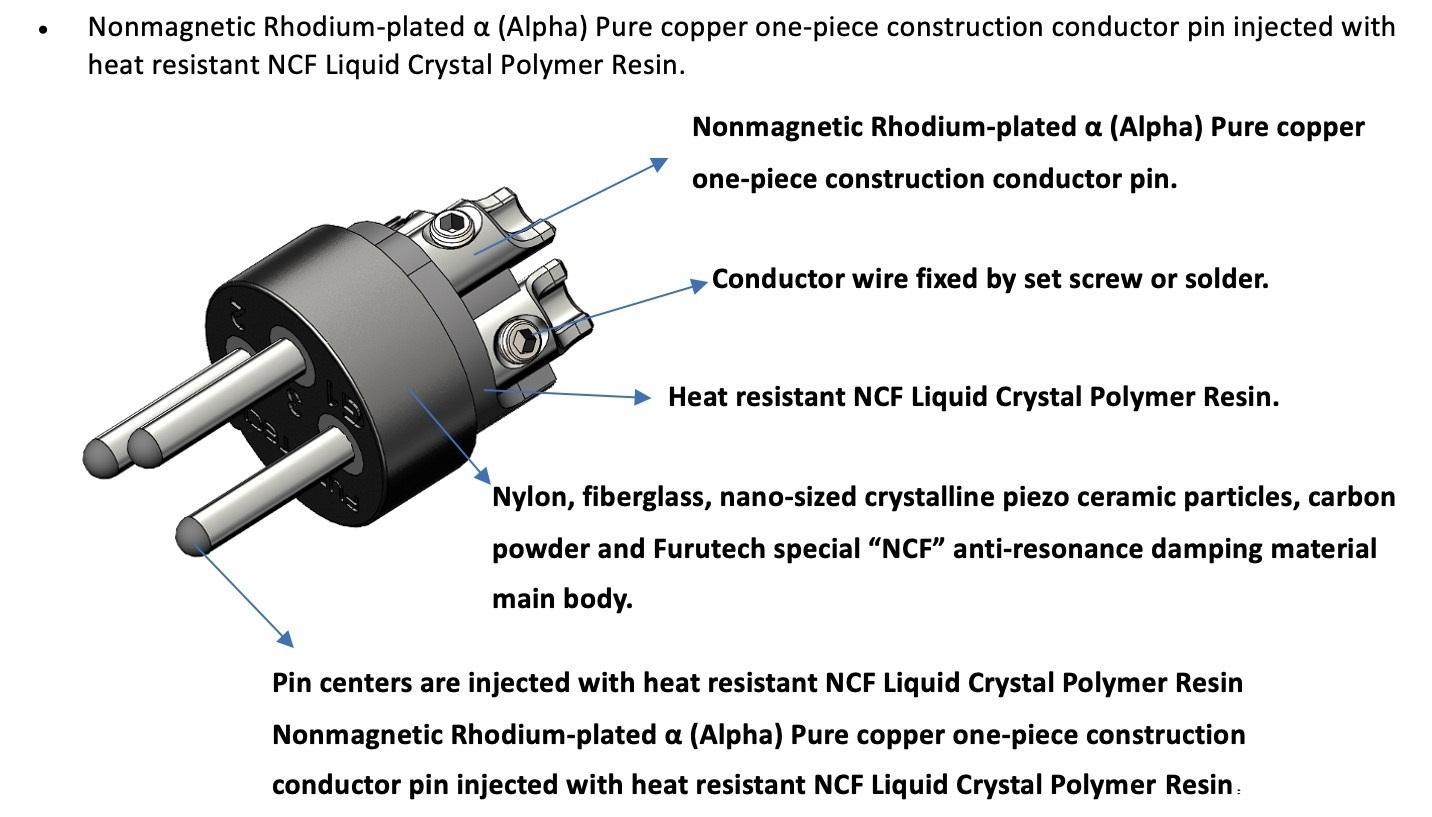
All the visible black plastic parts on the connector are made from NCF resin, a blend of nano-ceramic particles and carbon powder damping materials, providing anti-static and vibration-damping properties.

The connector waist features a carbon fiber-like design, which is actually composed of four stacked layers. From the inside out, the first layer is a non-magnetic metal structure, followed by two layers made from a blend of NCF and carbon fiber, and finally, the outermost layer is a special hardened transparent damping coating. Furthermore, these connectors are a special version exclusive to the Project V1 series and are not sold separately.
The irregular carbon fiber pattern gives them a unique aesthetic appeal.
Inside the connector, the conductor contact clips and the three XLR pins are integrally formed from Alpha pure copper. The pins are hollow and filled with NCF resin. The “Alpha” process involves a two-step cryogenic and demagnetization treatment. The first step uses liquid nitrogen or helium to reach extremely low temperatures (-196°C to -250°C) before slowly returning to room temperature. This process relieves internal stress in the metal, resulting in a tighter molecular structure.
The second step uses specialized equipment to demagnetize the parts, enhancing the conductivity of the pure copper.
Intricate Cable Body Structure
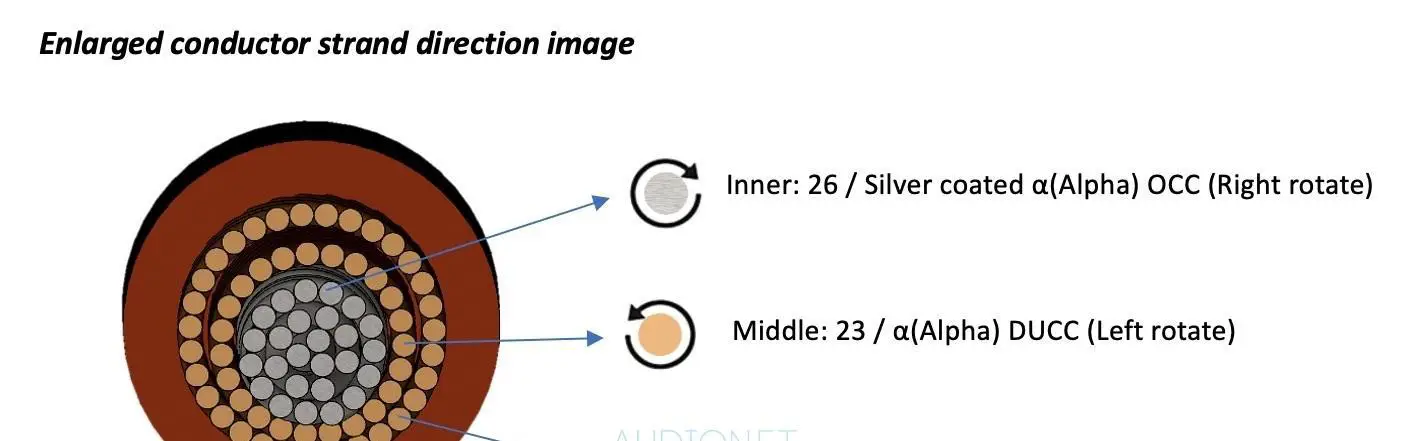
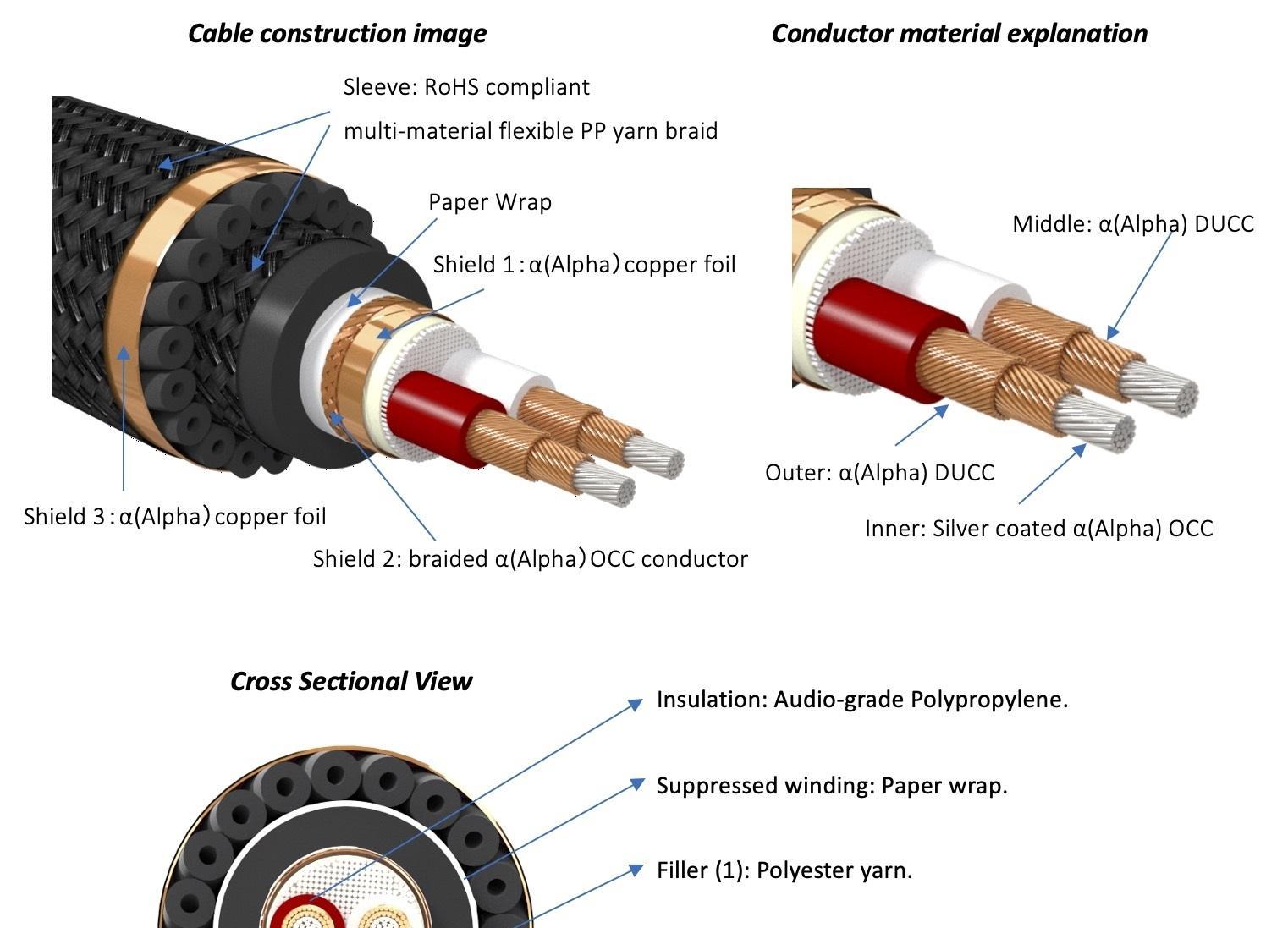
Now, let’s delve into the most crucial aspect of the Project V1-L XLR: the cable body structure. Looking at the cross-section diagram, you’ll be amazed to find that Furutech has indeed transplanted the structure of the power cable onto the signal cable! Starting from the inner layer, there are two independent conductors for the positive and negative signals. Each conductor is composed of two types of materials: silver-plated Alpha-OCC and Alpha-DUCC.
Within a single conductor, there are a total of three layers of strands. The innermost layer consists of 26 strands of multi-core silver-plated Alpha-OCC conductors twisted to the right. The middle layer is made of 23 strands of Alpha-DUCC twisted to the left. The outermost layer comprises 31 strands of Alpha-DUCC twisted to the right. The entire conductor assembly is then insulated with audio-grade PP (polypropylene).
While OCC single-crystal copper is widely known, DUCC ultra-crystallized copper is currently used exclusively in the Project V1 series. Developed by Mitsubishi Materials Industries of Japan, DUCC employs precise crystal arrangement to minimize the impact of crystal boundaries on conductivity and is considered one of the best conductor materials available to Furutech engineers today.
Both conductor types undergo Furutech’s Alpha process and are then blended to achieve optimal conductive characteristics.
Surrounding the two conductors are polyester fiber damping threads, commonly found in Japanese cables. These are wrapped in paper and serve as vibration dampers for the conductors, reducing sonic coloration caused by minute vibrations. Outside the damping layer are two layers of shielding. The inner layer is copper foil made from Alpha copper material, and the outer layer is a braided shield of Alpha-OCC single-crystal copper.
Following these two layers of metallic shielding is another layer of paper wrapping. Then comes the insulation, made from a special black PVC material containing ceramic and carbon microparticles. This material is similar in function to Furutech’s renowned NCF material, possessing anti-static properties that reduce the impact of tiny electrical charges within the insulation on signal transmission.
The black insulation is covered by a woven nylon fiber layer, adding to the cable’s damping characteristics. Surrounding this layer are 19 hollow carbon fiber PVC plastic damping tubes arranged externally. This is a very critical design element. It not only provides excellent cushioning and damping properties for the cable but its hollow structure also creates numerous air gaps, forming an “air insulation” effect.
Compared to common insulation materials like PVC or PE, air insulation achieves the lowest capacitance and inductance, allowing for unimpeded signal transmission.
The array of damping tubes is then wrapped by a third layer of Alpha copper foil shielding to block external noise interference, before finally being encased in the black woven dust netting visible on the surface. It’s hard to imagine that after such complex, layered construction, the final cable product can be so flexible. This is likely part of Furutech’s engineering magic!
It also demonstrates that even while striving for excellence in cable structure, the company doesn’t compromise on practicality; every detail has been meticulously considered.
Listening Environment and Overall Impressions
For my listening test, I connected the COS D10 V2 streaming DAC to the Chord Ultima integrated amplifier using the Project V1-L XLR, with Revival Audio ATALANTE 4 floorstanding speakers. My reference cable for comparison was the entry-level Furutech FA-αS22 signal cable from our office. Upon switching to the Project V1-L XLR, the familiar sense of upgrade returned.
This cable’s sonic character mirrors that of the power cable counterpart: neutral and balanced across all three frequency bands, with exceptionally strong energy.
I noticed vocals and instruments gained a more sculpted and energetic presence, while the soundstage became more three-dimensional with precise positioning. Details were abundant yet not overly analytical; the sound wasn’t just forceful but also refined and nuanced, with a palpable sense of texture and moisture.
Performance with Different Genres
Playing “Boccherini: Guitar Quintets” by the Spanish chamber orchestra La Real Cámara, switching to the Project V1-L XLR instantly delivered a dramatically dark and silent background, creating a stark contrast with the vividly defined instrument outlines. The soundstage expanded outwards, with every instrument positioned precisely, painting a three-dimensional sonic picture. The violin sounded dense, with glossy decay and sharp dynamics during forceful bowing.
The cello was stable and solid, devoid of any bloat, with clear and natural bowing textures. The previously subtle guitar accompaniment became more prominent, with a round and sweet plucked tone carrying the authentic resonance of the wooden body.
When the music featured sections with multiple instruments playing together, the cable’s strengths truly shone. The performance felt as if its speed had slowed down, allowing for a detailed appreciation of each instrument’s timbre. Even with a massive amount of musical information, everything remained orderly and coherent, showcasing the intricate layering characteristic of chamber music.
The Project V1-L XLR’s bass quality is also captivating, characterized by its tight and resolving nature. Listening to “に” from Utada Hikaru’s “Bad Mode” album, the cable’s dark background deepened the sense of space. The opening piano notes were crystal clear, with ethereal sustain slowly expanding outwards, leaving a lingering resonance. Utada Hikaru’s voice became more lifelike, with a realistic and three-dimensional outline, completely free from any harshness.
Every detail of her lips and teeth, every breath transition, felt intimately close and transparent.
With this cable, the low end of the song gained better control. The electronic bass had focused, elastic impact, and its ample energy was managed effortlessly, without any sense of excess. Similarly, playing “Hot For Teacher” from Van Halen’s “1984” album, the opening machine-gun like drum hits were punchy and concise. Each kick drum felt like a solid burst of air hitting the chest, making the incredibly fast rhythm exhilarating!
Simultaneously, even amidst the electric firework of the guitar solo, the distinct note separation was maintained, giving Van Halen’s aggressive guitar tone a more solid penetrating power that was utterly thrilling to listen to.
Conclusion: Unlocking System Potential
Once you’ve experienced the Furutech Project V1-L XLR signal cable, it’s genuinely hard to let go. It delivers a balanced sound without any peculiar sonic coloration, while simultaneously offering powerful energy and explosive detail. It relentlessly strives to showcase every audio characteristic that audiophiles seek. Specifically, if your system suffers from a lack of dynamics or insufficient resolution, this cable is the perfect remedy.
Regardless of where it’s implemented in your setup, it can fully unleash the maximum potential of your equipment, providing a comprehensive improvement in sound quality.
Specifications
* Product Type: XLR Balanced Interconnect Cable
* Conductor Material: Alpha OCC and Alpha DUCC blended conductors
* Shielding: Alpha copper foil, Alpha copper braid
* Insulation: Special PVC material containing ceramic and carbon particles
* Connectors: CF-601M, 602F NCF (R)-P XLR balanced connectors