
Goldmund Telos 670 Integrated Amplifier Review
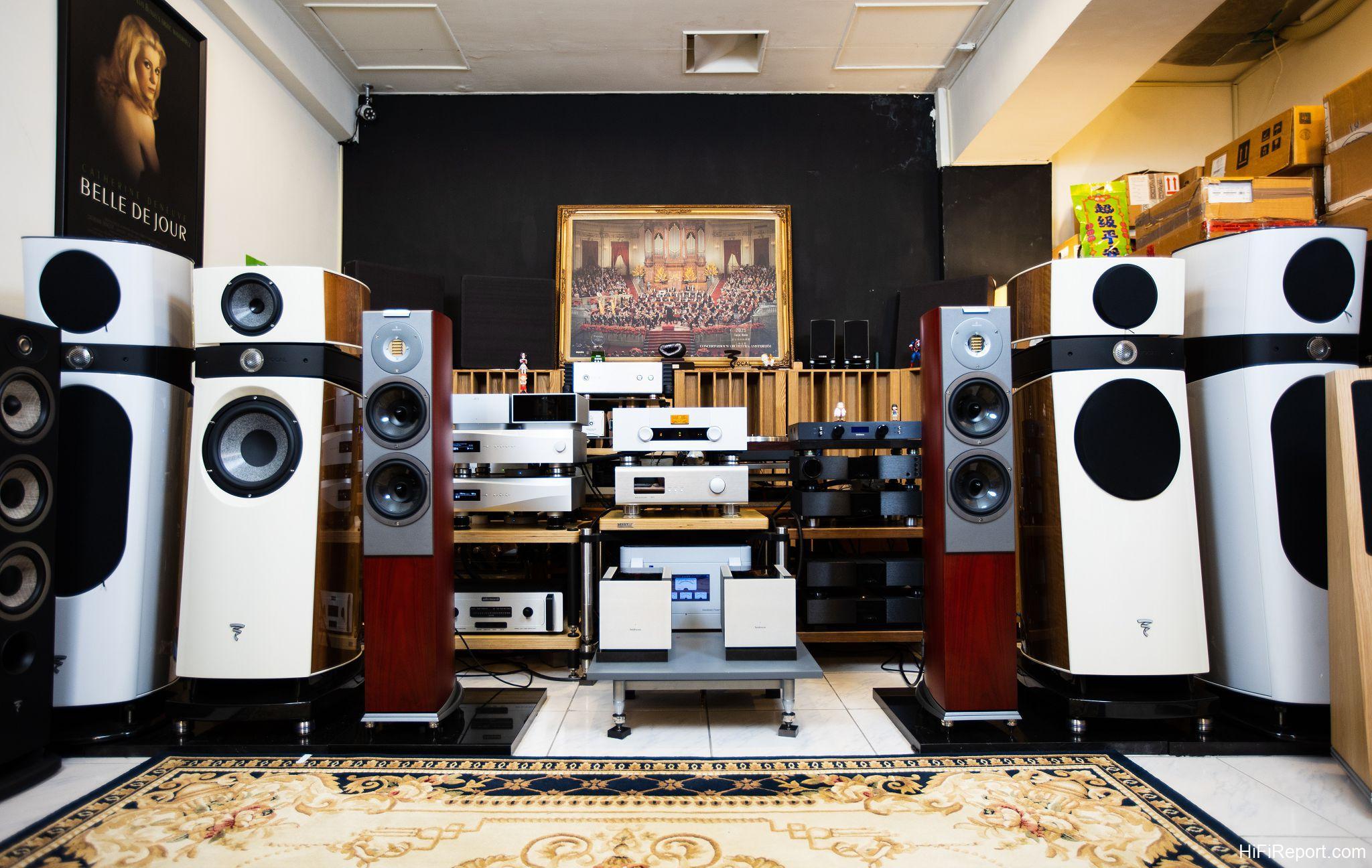
Goldmund introduced the Telos 670 integrated amplifier last year, targeting mid-tier audiophiles seeking a streamlined solution. This single-chassis amplifier delivers refined tone and ample driving power without requiring complex component matching, saving rack space while maintaining high-end performance. We recently visited HiFiReport Audio to audition this prestigious integrated amplifier.
Currently sold exclusively at HiFiReport with private listening appointments available, the showroom offers a wide selection of partner equipment—an ideal setup for audiophiles looking to conduct final listening evaluations.
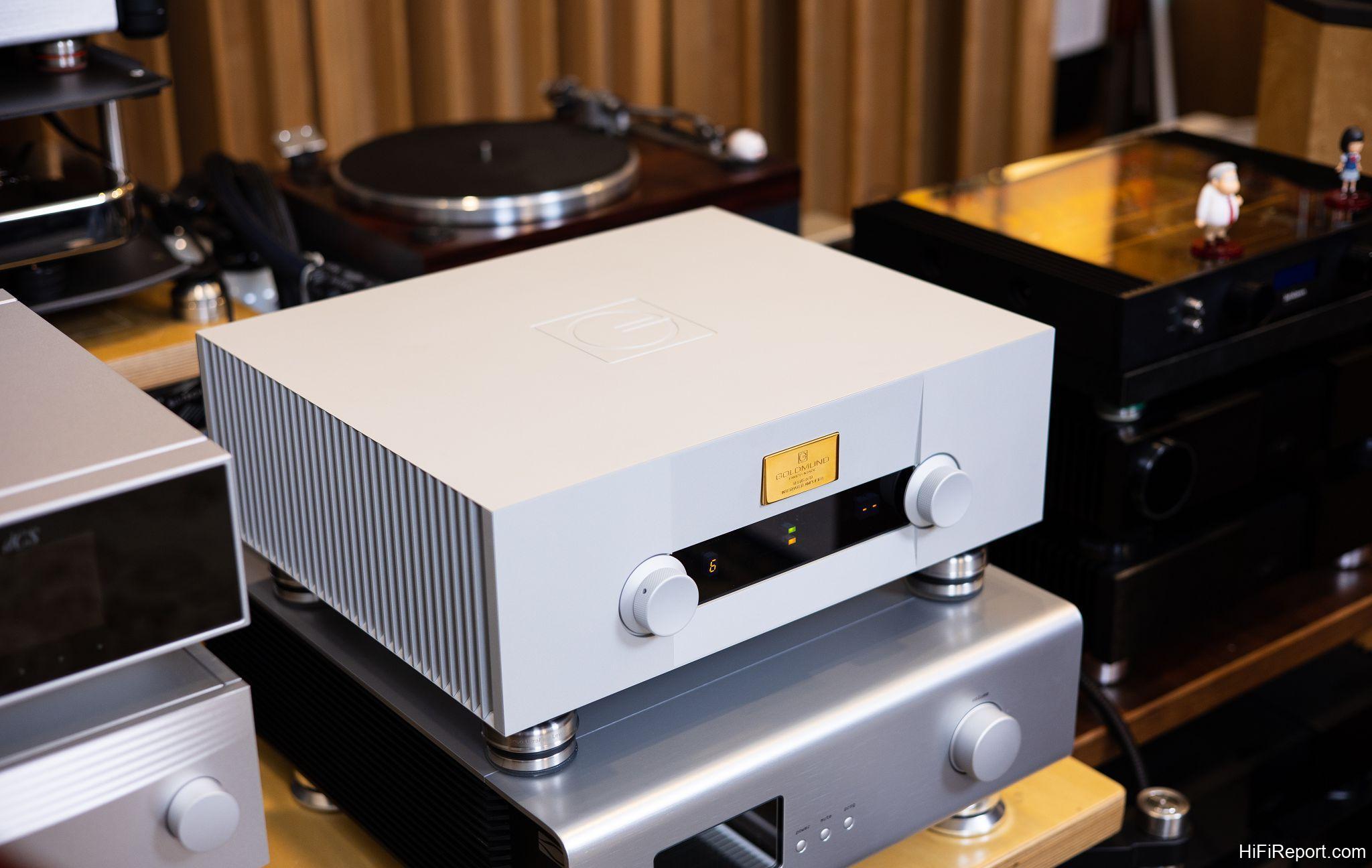
Positioned just below the flagship Telos 690, the Telos 670 offers discerning listeners a luxury solution that simplifies system configurations without sacrificing sound quality. Combining a preamplifier, a robust Class AB power amplifier, and a high-resolution DAC module, it effortlessly delivers a stable 2 x 215W into an 8-ohm load (peaking up to 250W).
It fully inherits Goldmund’s signature aesthetic and sonic philosophy—effortless purity devoid of harshness, high dynamic range, and flawless physical engineering.
The Telos 670 incorporates Goldmund’s proprietary Telos® Class AB amplification circuit, the culmination of over 40 years of continuous research and development. This circuit architecture boasts an exceptionally wide bandwidth and near-zero harmonic distortion.
It effectively eliminates intermodulation distortion (IMD) and transient intermodulation distortion (TIM), providing outstanding linear playback and maintaining total musical signal integrity whether operating at high power output or low listening levels.
Furthermore, the Telos 670 features an exceptionally low output impedance to significantly enhance micro-dynamics. This design maintains precise control over speaker woofers, preventing inertial overshoot to yield tight, multi-layered, and nicely textured low frequencies. Inside the chassis, a Dual-Circuit Architecture strictly separates low-current and high-current signal paths.
This physical isolation completely eliminates internal electromagnetic crosstalk, resulting in a virtually pitch-black noise floor.
The Telos 670 also incorporates Goldmund’s renowned Mechanical Grounding technology and a seamless enclosure. Its 10mm aluminum front panel and 30mm thick heat-dissipating chassis form a natural Faraday cage, providing 100% shielding against external electromagnetic (EMI) and radio-frequency (RFI) interference. The heavy heat-dissipation design ensures complete thermal stability without needing active cooling fans, completely eliminating mechanical noise.
Underneath, conical feet coupled with a mass-optimized structure rapidly drain internal micro-resonances and external vibrations to the ground, keeping the entire frequency spectrum free from resonance interference.
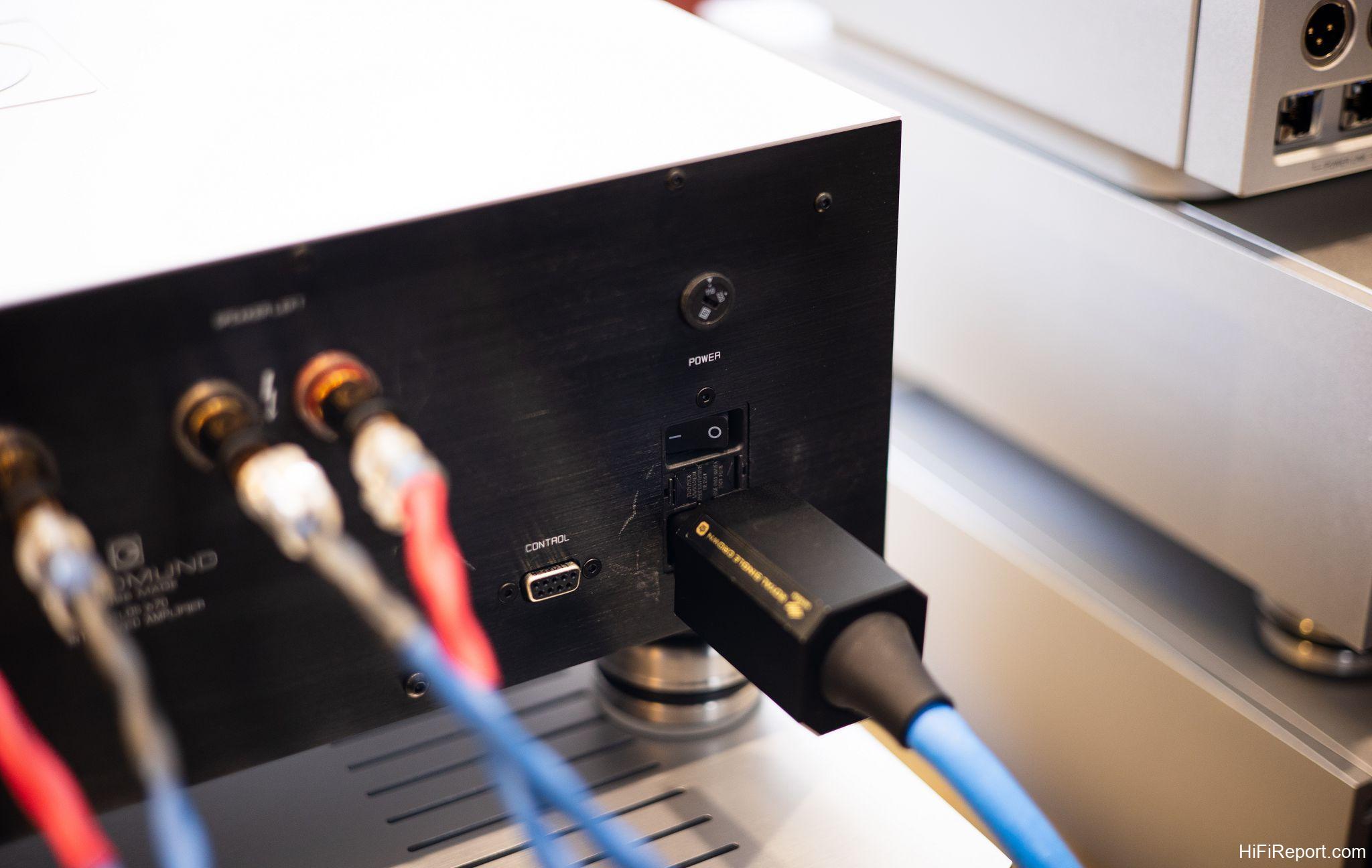
*(Note: HiFiReport paired the amplifier with third-party isolation feet during the audition.)*
The dedicated all-aluminum remote control elevates the overall user experience.
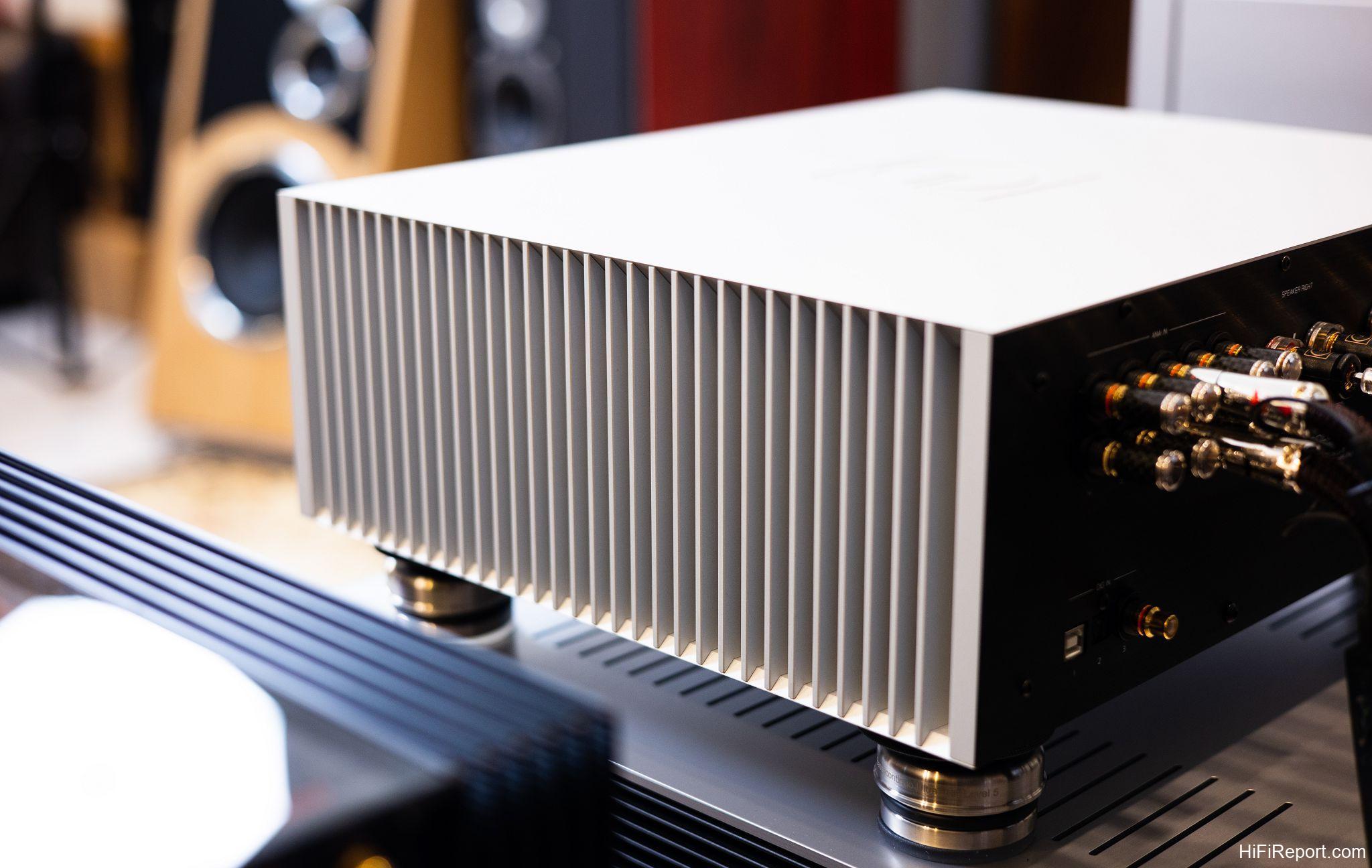
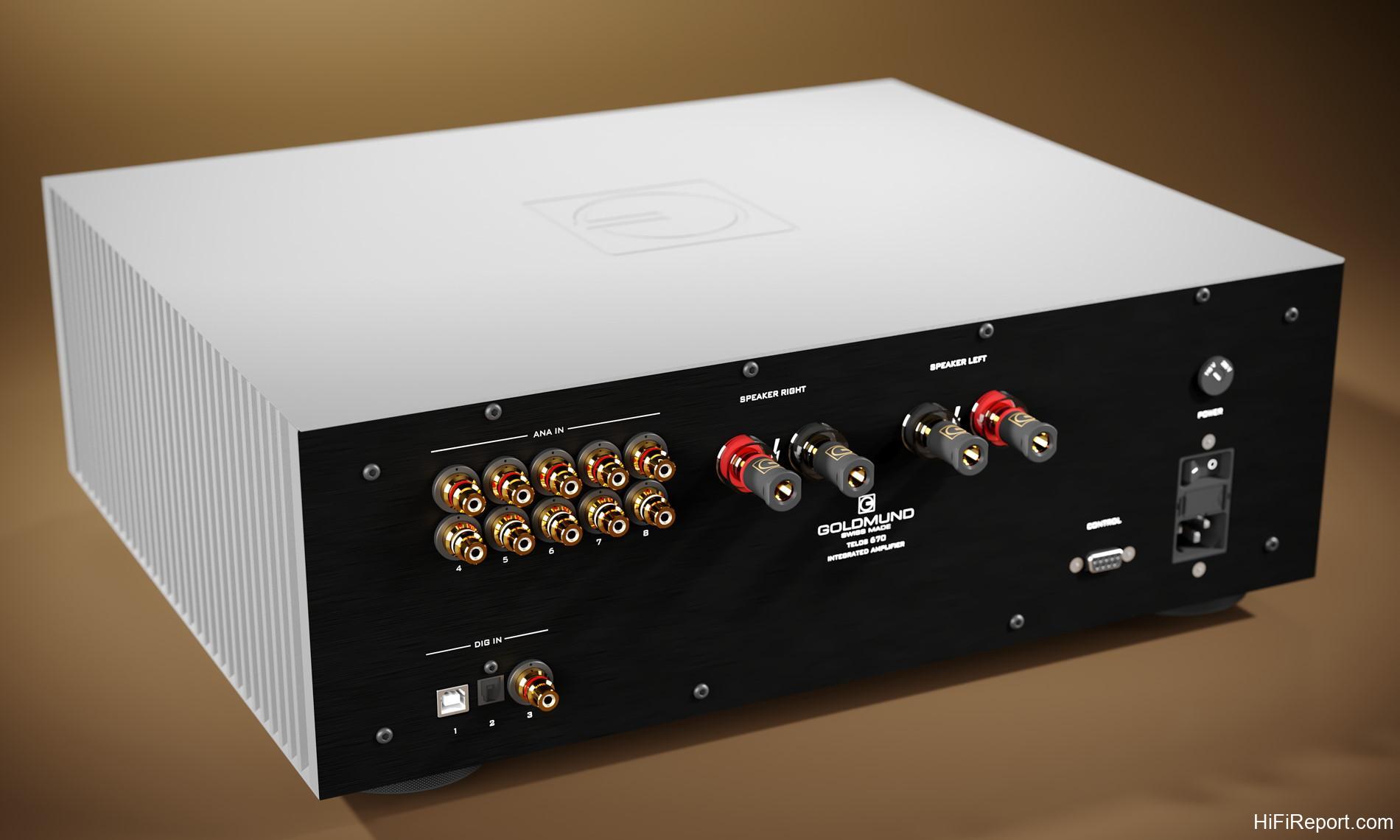
In addition to five sets of RCA analog inputs, the amplifier features a built-in high-resolution DAC with USB, Optical (Toslink), and Coaxial (S/PDIF RCA) digital inputs. It supports digital audio formats up to PCM 32-bit / 384 kHz and DSD128 (DoP).
Open and Radiant Soundstage
Listening to film maestro John Williams’ *John Williams in Vienna*, the Goldmund Telos 670 integrated amplifier not only reproduced grand and composed orchestral passages, but also conveyed an effortless, expansive, and radiant soundstage. It showcased the effortless command of a world-class conductor and orchestra; notes and rhythm flowed with zero drag, delivering a crystalline yet smooth texture.
The amplifier added just the right amount of body and weight, leaving the listener energized and thoroughly engaged.
In terms of dynamics and detail, the performance was both natural and refined. Large-scale orchestral pieces never caused listening fatigue or strain. Details remained abundant at low listening volumes, while higher volumes yielded greater spatial extension and scale. The amplifier demonstrated effortless control over the speakers and sound, giving the impression that everything was firmly in hand.
Frequency balance was exceptionally well-proportioned, with highs, mids, and lows contributing equally without masking one another, delivering an uncompromisingly high level of sound quality and an utterly unforced listening experience.
Lush Transparency and Refinement
Switching to Janine Jansen’s *Vivaldi: The Four Seasons*, the Telos 670 rendered a highly refined tone brimming with transparency and a lustrous sheen. When listening to violin-centric music, it elevated the instrument’s timbre, making it all the more engaging and non-fatiguing. This recording already possesses beautiful tone, but through this system, the tonal colors of each season danced gracefully with crystal clarity.
Whether rendering the passionate intensity of Summer or the harsh chill of Winter, the music retained an elegant poise.
In the violin’s upper register, the Telos 670 exhibited a crystal-like clarity and extension. Instrument contours and dynamics were etched with precision, yielding pinpoint imaging within the soundstage. Front-to-back layering and depth were exceptionally clear, evoking the feeling of breathing crisp, pristine Alpine air.
Natural and Intimate Vocal Presence
Finally, listening to Eva Cassidy’s live recording *Live at Blues Alley*, the realistic sense of presence is one of my favorite aspects of this album, where slight microphone distortions actually enhance the intimacy. What makes Eva’s live performance soulful is its human warmth—it feels real precisely because it isn’t sterile perfection.
This raw style of recording has gained appreciation in recent years, much like popular “first-take” recordings from modern artists that demand genuine talent alongside simplicity and sincerity.
The Telos 670 reproduced this recording with remarkable authenticity, excelling particularly in micro-detail resolution. Rather than inflating instrument or vocal dimensions, it rendered details delicately and unpretentiously. Image outlines were crisp yet transparent; the smooth, refined texture rendered her vocals captivatingly lifelike. The vocal presentation was neutral and honest without excessive coloration, yet conveyed deep emotional resonance and subtle breathing nuances.
Video Demonstration
Goldmund Telos 670 Specifications
* **Amplifier Topology**: Proprietary Telos® Class AB
* **Rated Output Power**: 2 x 215 Wrms @ 8 Ω / 1% THD (up to 250W peak)
* **Total Harmonic Distortion (THD+N)**: < 0.08% (unloaded, 20 Hz to 20 kHz, 30 Vrms output)
* **Intermodulation Distortion (IMD SMPTE)**: < 0.02% (unloaded)
* **Output Noise Floor**: < 10 μV (20 Hz to 20 kHz, analog inputs shorted)
* **Damping Factor**: 600 @ 1 kHz / 8 Ω
* **Gain**: 35 dB
* **Dynamic Range**: 100 dB (22 kHz flat measurement bandwidth, True RMS)
* **Analog Inputs**: 5 x RCA line-level inputs
* **Digital Inputs**: 1 x USB Type-B (Audio Class 2.0), 1 x Optical (Toslink), 1 x Coaxial (S/PDIF RCA)
* **Digital Decoding Support**: PCM up to 32-bit / 384 kHz; DSD up to DSD128 (DoP)
* **Power Supply Configuration**: 2 x 300 VA toroidal transformers, 13,600 μF total filter capacitance
* **Dimensions (W × H × D)**: 44 × 16 × 39.5 cm
* **Net Weight**: 24.5 kg