
IsoTek V5 Sigmas Power Conditioner Review
Over the past two years since the pandemic, I have covered nearly 30 Hi-Fi shows in Europe. IsoTek power conditioners are undoubtedly the most favored by manufacturers for use in exhibitions. Their visibility is unmatched by any other brand. The outstanding performance of IsoTek products has long been recognized, with distributors in nearly 50 countries worldwide and countless users.
Founded in the UK in 2001, IsoTek is a company that has been dedicated from the outset to designing, developing, and producing high-quality power-related products. Even within cables, they focus solely on power cords, demonstrating their dedication to crafting the best products without distraction.
Although IsoTek’s product range is limited to power-related items, their product categorization is quite detailed, with prices ranging from a few thousand to nearly a million, catering to various user needs. IsoTek products are not only beneficial for audio but also significantly enhance video quality. Good power is like pure water, a fundamental improvement from the ground up.
V5 (Version 5) is IsoTek’s latest series of power conditioners. According to IsoTek’s official information, the V5 series is not just a simple, partial upgrade but a completely new design from the ground up. It represents a comprehensive enhancement, from PCB design architecture and components used to current handling capabilities. The overall DC resistance is near a perfect 0 ohms, and the surge protection capability has also been significantly increased.
Silver and Black Options
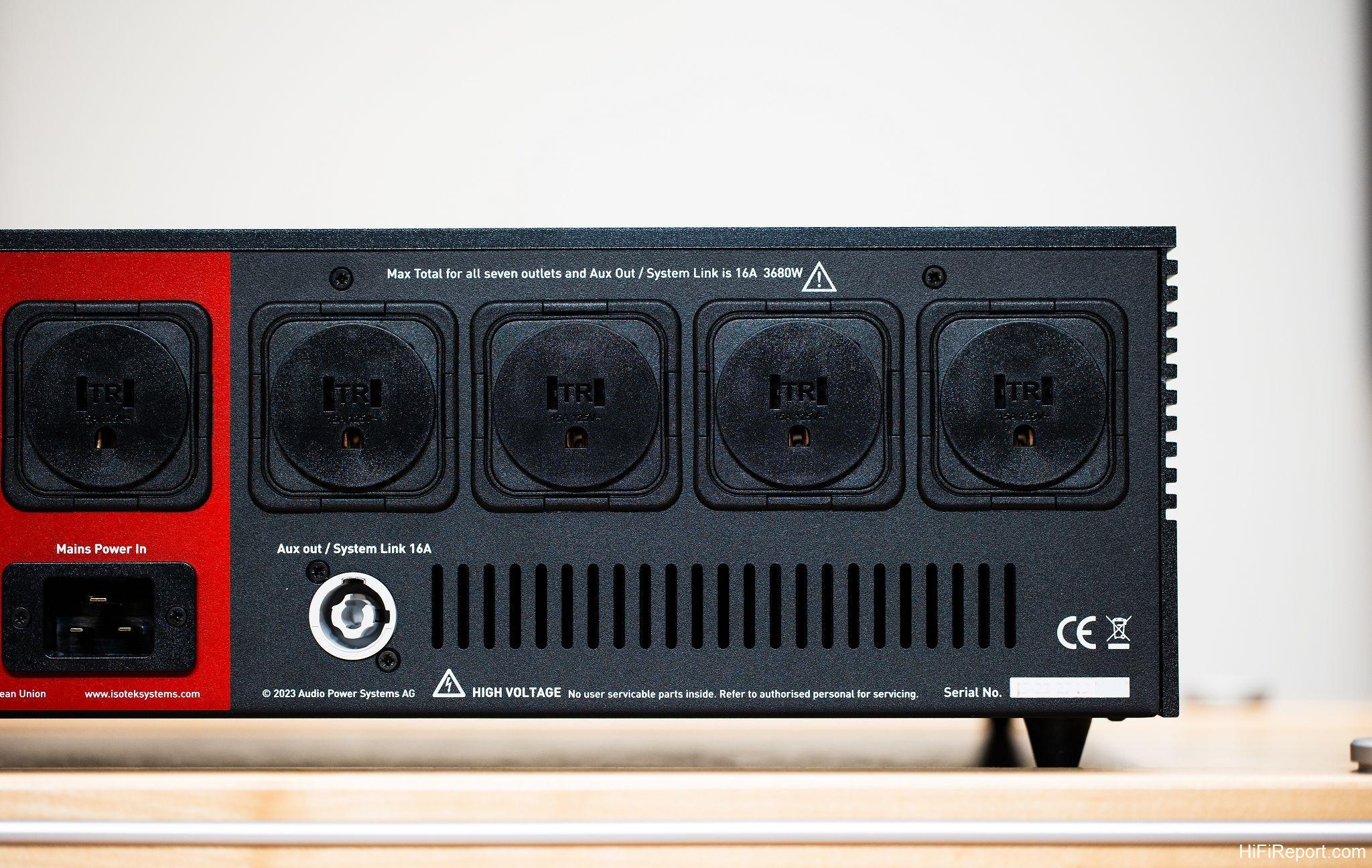
This review focuses on the V5 Sigmas, the flagship model in the V5 series. It is the high-output version of the V5 Aquarius we previously reviewed, offering four 10A and three 16A power outlets with a Star-earthed Network. The 16A outputs are driven by a lightweight version of Titan’s Direct-Coupled circuit, specifically designed for equipment with extremely high current and very low impedance requirements, such as power amplifiers, subwoofers, and active speakers.
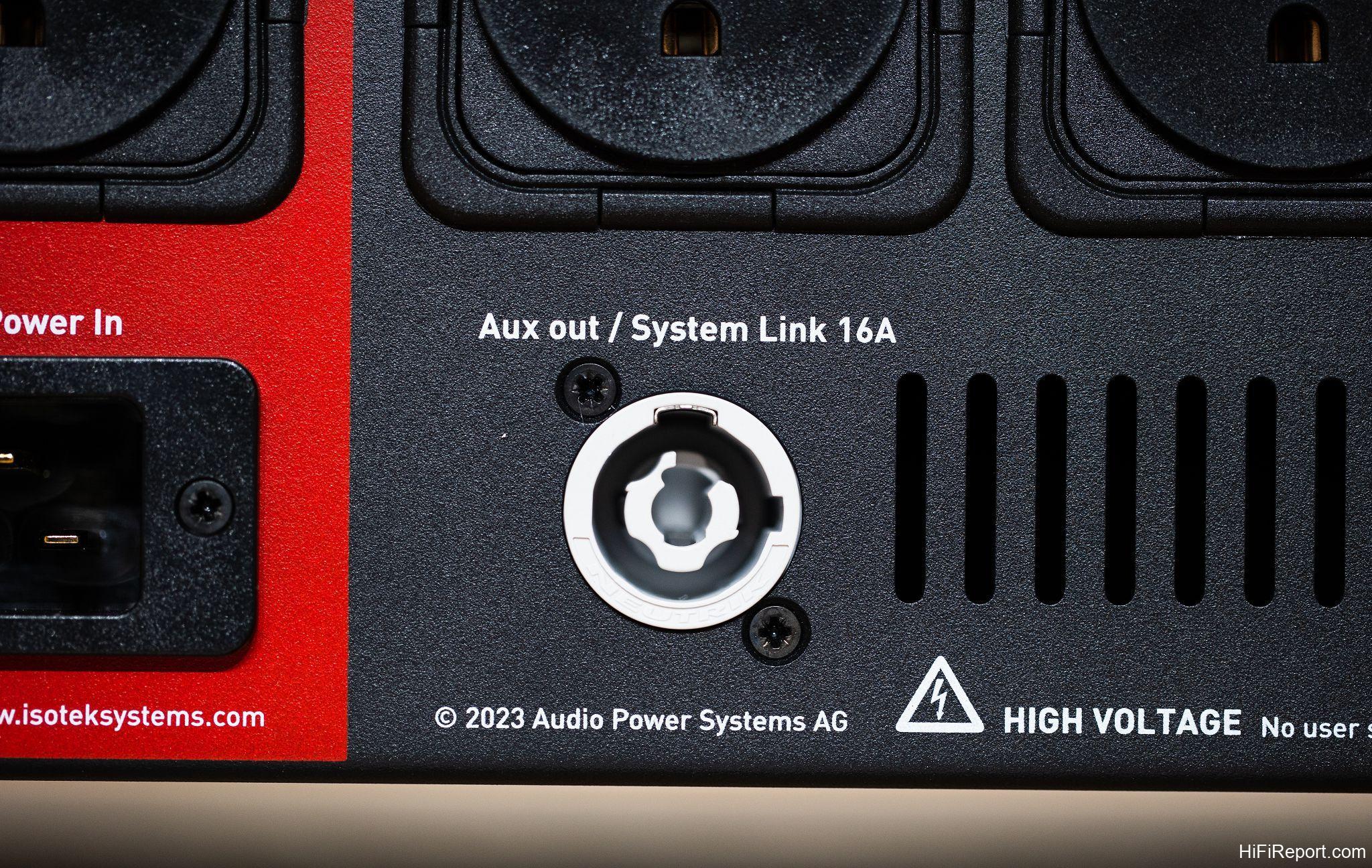
The four 10A outputs are primarily intended for source components, employing IsoTek’s exclusive Adaptive Gating technology. This technology automatically detects the impedance of the connected equipment to deliver the most optimal pure power. Consequently, the purification circuitry of the V5 Sigmas is more precise than that of the V5 Aquarius. The V5 Sigmas also features IsoTek’s proprietary System Link interface, which maintains the continuity of the entire power grounding system when multiple IsoTek products are connected in series.
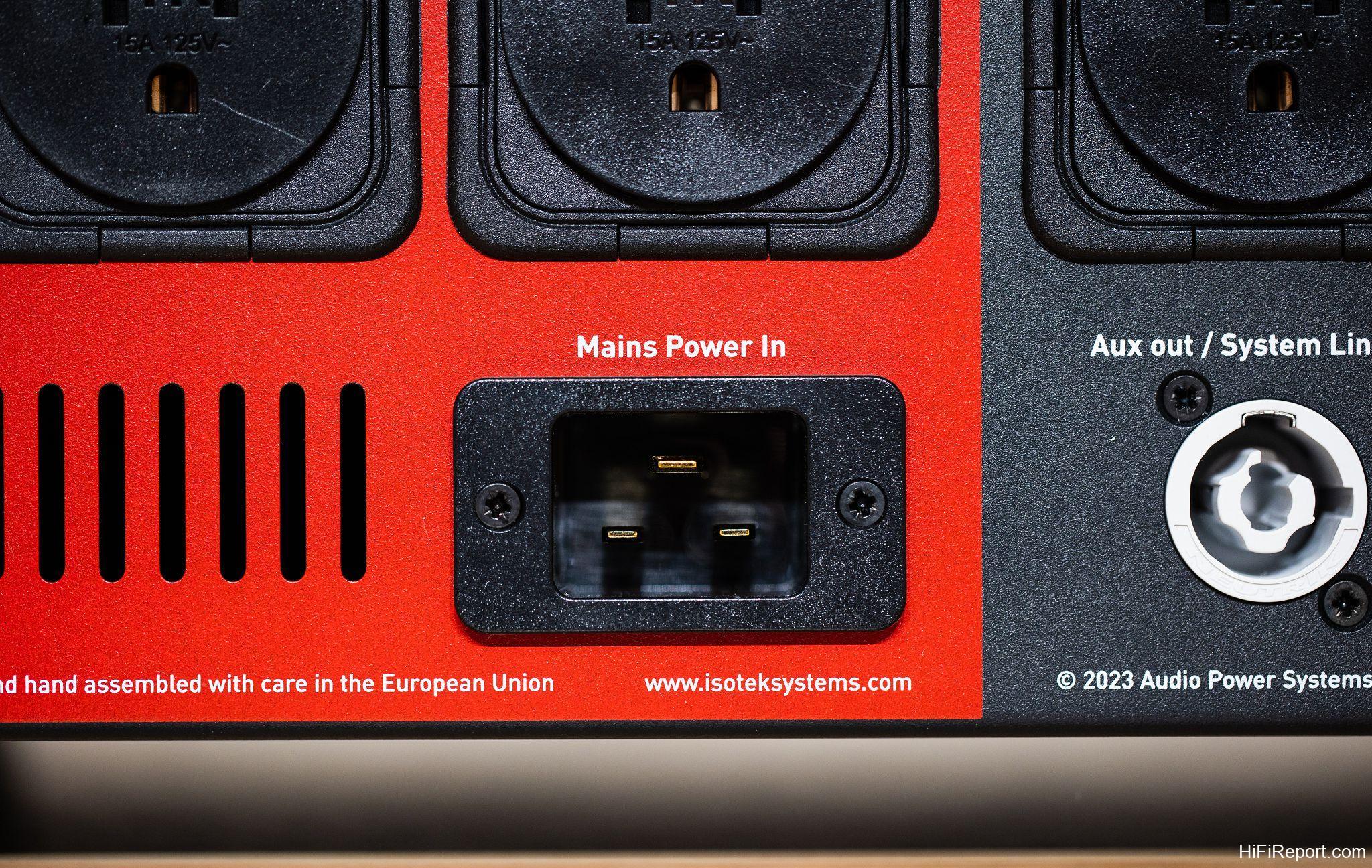
The V5 Sigmas comes standard with an IsoTek EVO3 Premier power cable. The power input of the V5 Sigmas is a 20A specification, so including a 20A power cable as standard is not only convenient for users but, more importantly, ensures the sound quality is guaranteed by the manufacturer. The IsoTek EVO3 Premier features 99.9999% silver-plated OFC oxygen-free copper conductors, FEP insulation, and audiophile-grade 24K gold-plated OFC oxygen-free copper power connectors.
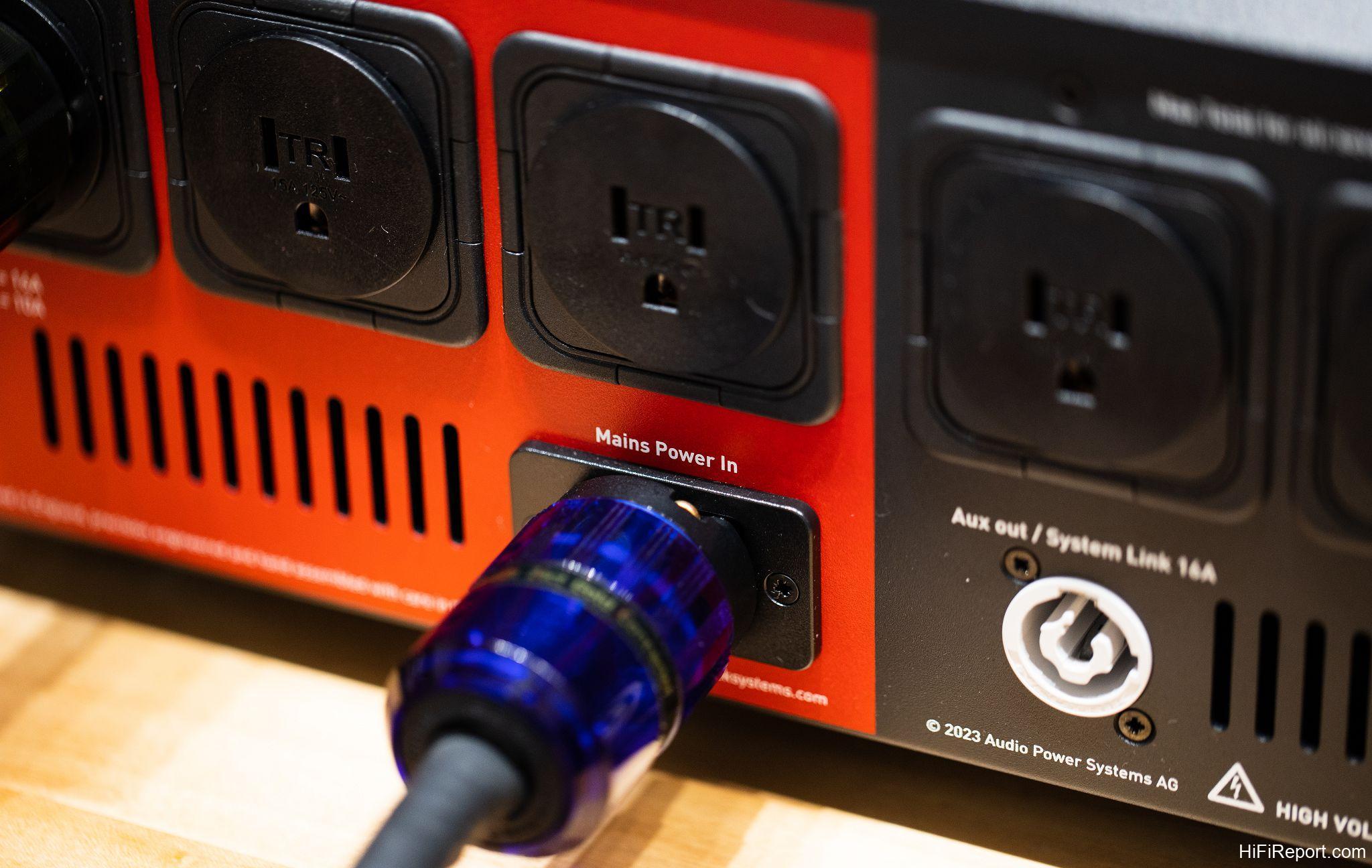
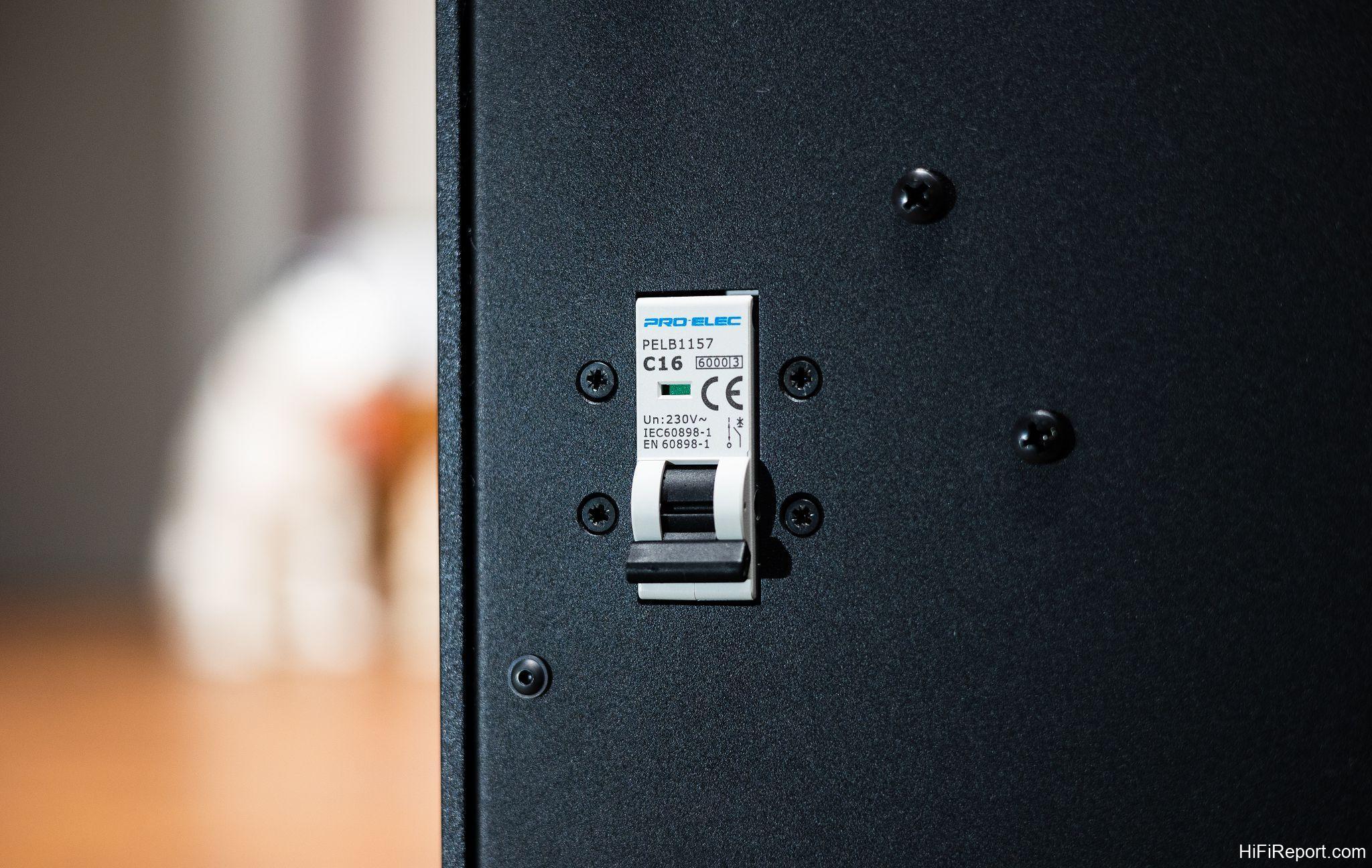
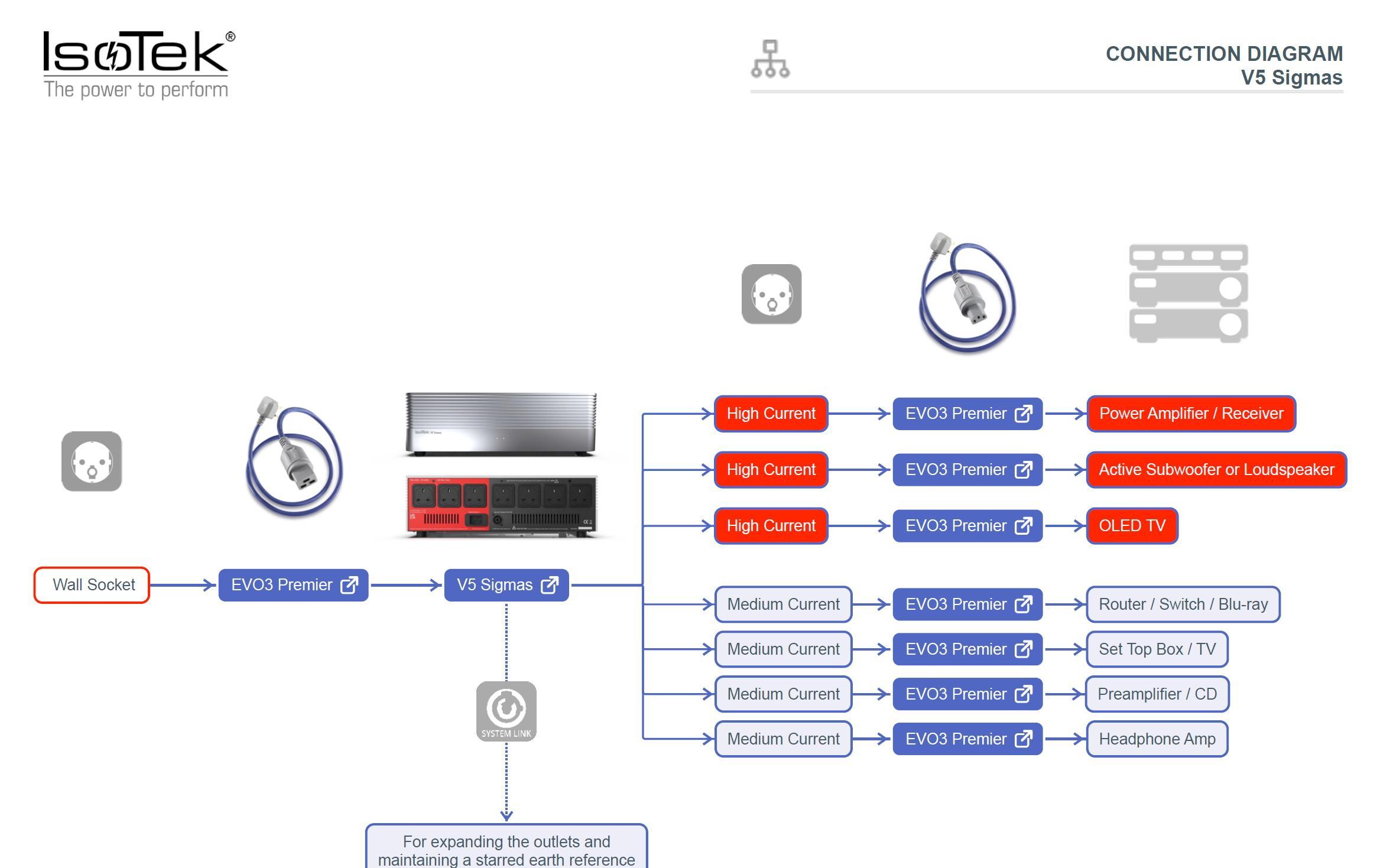
Two circuit breakers are located on the bottom panel. The upper one is a 16A breaker, corresponding to the high-output sockets (the three red sockets on the left). The lower one is a 10A breaker, corresponding to the medium-output sockets (the four black sockets on the right).
Compared to the V5 Aquarius and the previous EVO3, the V5 Sigmas significantly improves performance by reducing resistance and increasing current intensity by over 35%, with a 40% improvement in current handling capability. Each of the V5 Sigmas’s seven output sockets has its own dedicated power circuitry, and each socket undergoes multi-stage power purification processing.
This drastically reduces the two major power problems in audio systems: Common Mode and Differential Mode noise. RFI reduction capability is up to 80dB. Furthermore, IsoTek’s KERPc (Kirchhoff’s Equal Resistance Path) technology ensures that the impedance and current delivered to each output socket are equal. Internal wiring uses the highest grade of high-purity OCC (Ohno Continuous Cast) single-crystal silver-plated oxygen-free copper, with Teflon (Fluorinated Ethylene Propylene, FEP) as a Virtual Dielectric of Air dielectric. The surge protection capability of the V5 Sigmas is as high as 121,500A.
Common Mode Noise: Typically refers to RFI radio frequency interference, such as from mobile phones and wireless networks, which pollutes the power supply. Differential Mode Noise: All electrical appliances generate noise that pollutes the power supply, including audio equipment itself. IsoTek provides a simple and clear introductory video; those interested can click on the link to watch.
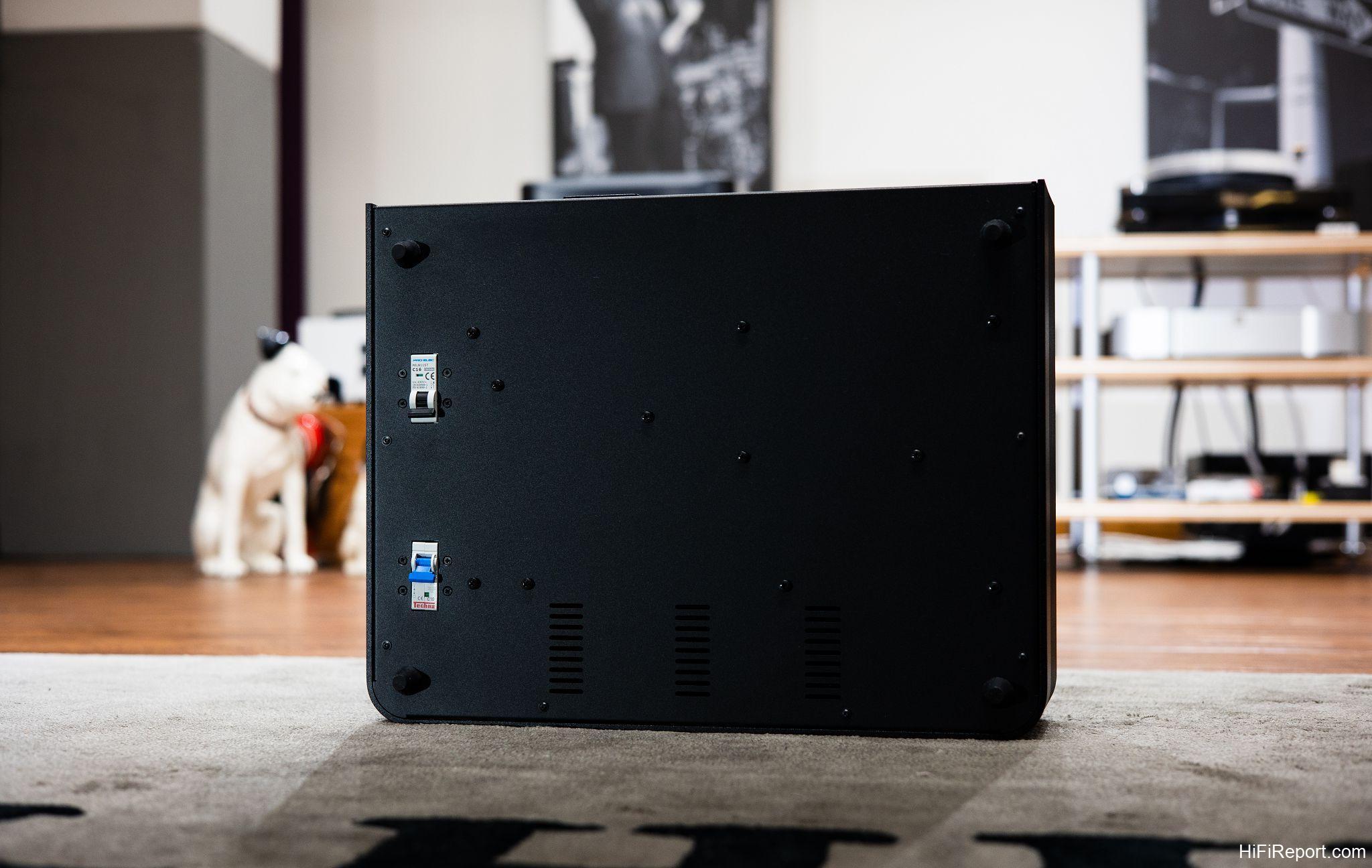
The diagram illustrates the usage of the V5 Sigmas. Power amplifiers, which require more power, should use the red output sockets. Conversely, equipment that does not require high power, such as source components, should use the black output sockets.
Power: System Foundation
Whether a newcomer or a seasoned audiophile, most have heard or know that power is the crucial foundation for good sound in a system. Electricity not only powers the equipment but also carries the music signal, transmitting it between components. The signal ultimately amplified by the amplifier is essentially an electrical signal, and the power driving the speakers is also electrical. Therefore, the purity of the electricity itself naturally affects the music reproduced.
Can electrical signals be impure? In our environment, there are many radio signals that can enter system cables. If cables are not well-designed, they will act like antennas, attracting these radio signals. Furthermore, in a home’s electrical network, many appliances share the same circuit loop. Appliances themselves, including audio equipment, generate negative electrical signals that feed back into the network, commonly referred to as noise. This noise can eventually enter audio equipment and be played through the speakers.
Additionally, voltage fluctuation issues, whether insufficient or excessive, can affect equipment performance to varying degrees. It’s best to avoid these issues if possible. Thus, there are many methods and related equipment on the market for power conditioning, providing users with more refined options.

High-End Perfection
IsoTek specializes in designing power-related products for audio and video equipment, including cables, power conditioners, and accessories. They have extensive experience in designing power conditioners, which are not only practical but also cater to the advanced needs of high-end users, such as protection, safety, high current supply capability, ease of use, high-quality aesthetics, shelf-friendly dimensions, and after-sales service.
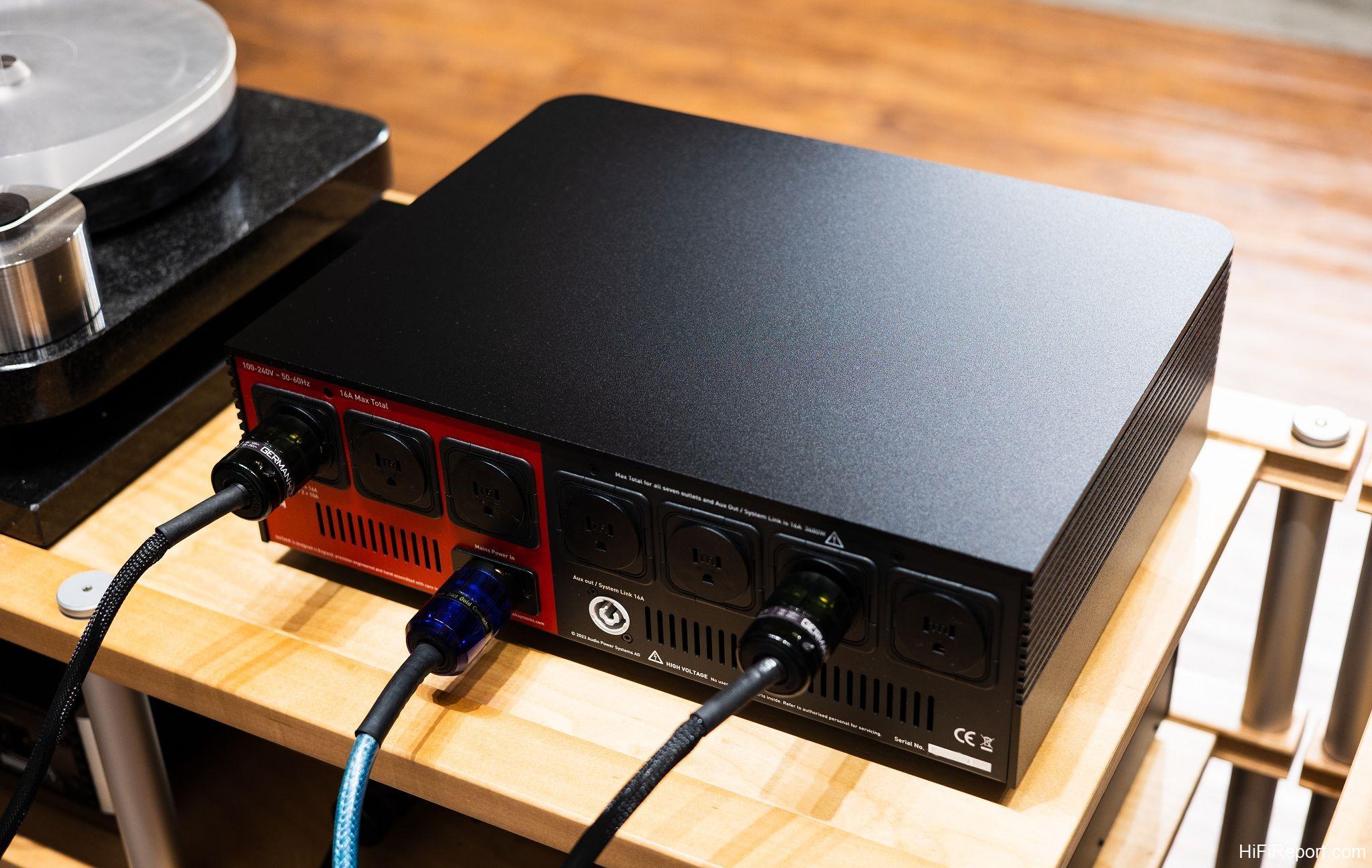
The V5 Sigmas is a very comprehensive and high-level power conditioner, offering 7 output sockets, each with an independent power purification module, further preventing mutual interference between audio components—a specification not always offered by other brands. The V5 Sigmas divides the 7 outputs into two categories: 3 for equipment requiring high current and 4 for equipment requiring medium to small current. The rear panel features attractive and clear labeling, making it simple and easy to use. Good design extends beyond the internal components; enabling users to understand at a glance and use without doubt is also a design capability that modern high-end products should possess.
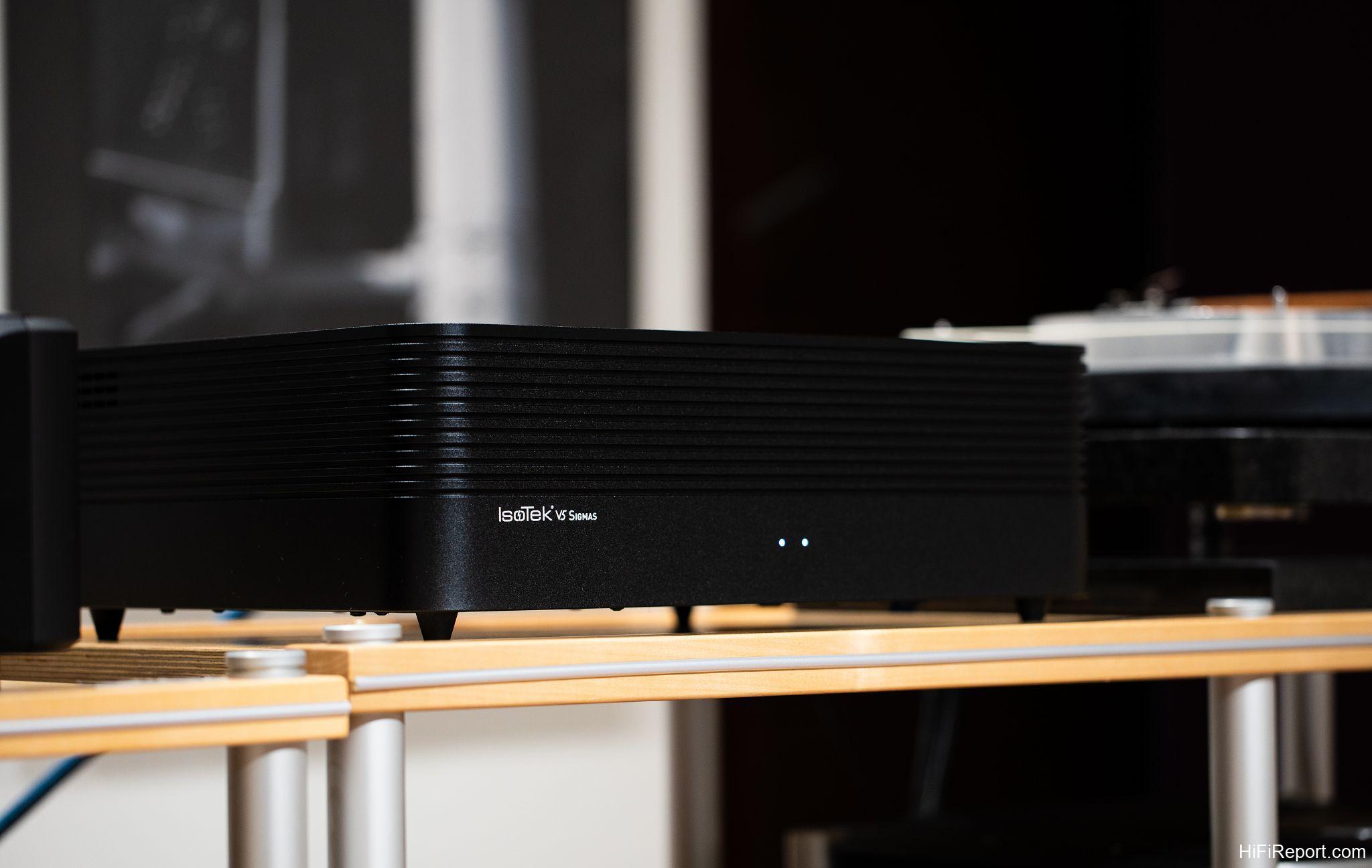
The V5 Sigmas power switches are located on the bottom panel, with separate switches for the two categories mentioned earlier. Two indicator lights on the front panel correspond to the on/off status of the two categories, allowing users to easily verify the status. The V5 Sigmas boasts a very appealing appearance, resolving aesthetic concerns for high-end users. Many feature-rich and effective equipment on the market are often marred by unappealing aesthetics, indirectly giving consumers a reason to reject them. IsoTek’s products clearly address this aspect as well.
Quiet Background, Expressive Music
Listening to Dua Lipa’s “Training Season,” after adding the IsoTek V5 Sigmas, the cleanliness of the sound noticeably improved. The most significant change was the transformation in the blackness of the musical background. This kind of dynamic and rich pop music allows one to better appreciate the impact of a quiet background.
The graininess of the sound became almost imperceptible, and the texture of the sound improved, becoming more refined, with better image focus. Additionally, the bass became very clean. The low frequencies and electronic rhythms that underpin the music sounded comfortable and smooth, not at all noisy or disruptive. You can hear the rich arrangements and instrumentations in the pop music, with the three-dimensionality and layering typical of audiophile recordings.
Melodious and Delicate Sound
Listening to Hilary Hahn’s “On J.S.Bach: Violin Concertos,” the improvement in background blackness was immediately noticeable. The IsoTek V5 Sigmas makes it feel as if only the music exists in the sound space. Turning off the lights further enhances this, creating an experience akin to a private concert.
Even when intentionally increasing the volume, while the soundstage expands, there’s no sense of graininess or bloat, and the focus remains solid. The performance also gains a crystalline sheen, and you can feel the sound quality improve, becoming more transparent and cohesive. The friction of the violin bow on the strings has both defined lines of contact and natural smoothness. As the scales rise and fall, the music draws the listener into a calm and melodious inner world.
Effortless Detail Retrieval
For this evaluation, I first listened to Glen Hansard’s song “You Will Become.” After connecting the equipment to the IsoTek V5 Sigmas, without changing the volume, the power of the sound was noticeably enhanced. During the listening session, there was construction nearby, causing some ambient noise.
Even under these conditions, it was remarkably easy to hear details in the song that are typically lost or overlooked. Even in the quieter, gentler opening, I was surprised at how effortlessly I could appreciate the many nuances. The overall sonic texture also felt much more graceful. I was already satisfied with the texture of the instruments in the song, but now not only are their shapes distinct, but their tactile presence is also very three-dimensional.

After connecting the equipment to the IsoTek V5 Sigmas, in addition to maintaining excellent texture, I gained a greater appreciation for the abundant details. For example, the instruments’ dynamic articulation became very lively, and the sound of the strings gained more spaciousness, highlighting their elasticity more distinctly. The sound also became more three-dimensional and deep, as if a previously tense feeling had been released, becoming much more relaxed. The piano sound in the latter part of the track also felt more dynamic.
It already sounded fluid before, but in comparison, the notes after connecting the V5 Sigmas were more three-dimensional, less flat, and had a realistic sense of movement. The atmosphere of the track was also conveyed very thoroughly. Even with the rapid and ethereal playing of background strings or piano, the lingering, heavy feeling in the song remained, as if the air in the space was thin and filled with the dense music, making even breathing feel like an emotionally charged release.
Solid Sound, Original Flavor
Next, I listened to Keren Ann’s “Beautiful Day.” Again, without adjusting the volume, the sound felt perceptibly amplified. The string sounds at the beginning of the track were already quite beautiful, with a very pleasant tone and clear, precise localization. However, after listening again with the IsoTek V5 Sigmas connected, the original sound felt like a few twinkling stars in the vast night sky—excellent and beautiful but somewhat thin.
Now, in addition to maintaining its consistently excellent performance, the sound’s decay feels wider and more expansive, no longer feeling thin. The string sounds are still like twinkling stars in the night sky, but the background is richer, and the tactile sensation seems closer to the listening position, making the overall experience feel richer.
The vocals also felt much more solid. Comparing the sound before and after, both felt very gentle and sweet, but with the IsoTek V5 Sigmas, the foundation of the sound felt thicker. It’s as if the original performance, while highlighting the gentleness of the voice, was somewhat light or floaty. Now, it feels more substantial. The sound’s foundation sounds more stable and grounded, providing a greater sense of contrast.
The occasional low-frequency thumps in the background in the latter half of the track also improved. Comparing the performance before and after using the IsoTek V5 Sigmas, the original sound’s impact was somewhat stiff and sounded a bit dull. Now, it sounds much more lively, sweeping away the lifeless feeling and sounding quite vibrant, like a heartbeat. It effortlessly connects the listener with the song, easily spreading the music throughout the space, synchronizing with the listener.
Natural and Lively Sound
Finally, I listened to Priscilla Ahn’s song “Leave the Light On” for reference. After comparing the differences before and after using the IsoTek V5 Sigmas, I personally felt that the improvement in vocals was more pronounced in this track. Whether or not the equipment was connected to the IsoTek V5 Sigmas, the vocals were clear and projected in front of me, with a clean background and a gentle, delicate tone.
However, with the power conditioner connected, the vocal body became more focused and substantial, possessing a fleshy fullness. Despite this added weight, it still maintained its gentle character. The musical experience felt richer and more satisfying overall, resulting in a fuller sound.
The instruments also showed varying degrees of improvement, with the most noticeable being in sound localization. Initially, the positions of the instruments were already clearly audible. However, comparing before and after using the IsoTek V5 Sigmas, the original sound felt somewhat rigid. The left-right localization even felt too assertive, and the perceived soundstage was somewhat compartmentalized, with distinct gaps.
Now, while the sounds are still clearly located on the left and right, you no longer distinctly hear or see the speakers. Instead, there’s a very natural and seamless left-right integration. The perceived soundstage appears more holistic and balanced, without being segmented into left, center, and right sections. This makes the perceived soundstage and spatiality more comprehensive and immersive.
IsoTek V5 Sigmas Power Conditioner
Key Features
* Suitable for various audio and video equipment
* Reduces RFI noise by 80dB
* 7 optimized power outlets, effectively eliminating common mode and differential mode noise
* 4 independent sockets (maximum 10A) dedicated to small to medium current equipment
* 3 independent sockets (maximum 16A) dedicated to high current equipment, suitable for power amplifiers, subwoofers, active speakers, TVs, etc.
* 121,500A surge protection
* Star-earthed network
* Silver-plated single-crystal oxygen-free copper, FEP Teflon virtual air dielectric.
* System Link allows expansion with other IsoTek products, offering optimized use and excellent compatibility
* Standard IsoTek EVO3 Premier power cable
Specifications
* Output sockets: 7 (4 medium/small current, 3 high current)
* Standard power input: 16A IEC C20
* Standard voltage: 100-240V / 50-60Hz
* Medium/Small current: 115V x4 (10A 1,150W total)
* High current: 115V x3 (16A 1,840W total)
* Surge protection: 121,500A
* Dimensions: 445 x 150 x 350mm (W x H x D)
* Weight: 15kg