
JCAT USB Isolator Review
When discussing PC-based playback software, JPLAY is indispensable. Even before “Computer as Source” (CAS) became popular, JPLAY was already on the market, aiming to achieve the best possible sound. It allows computers to dedicate maximum resources to music playback, minimizing interference from other software and hardware. Through continuous evolution, JPLAY now boasts even stronger playback capabilities and integrates seamlessly with Tidal and Roon.
To further enhance CAS performance, JPLAY has expanded beyond software to launch the JCAT hardware series. This includes femtosecond USB cards, linear power supplies, various USB and network cables, and today’s subject: the USB Isolator, a USB signal isolator.
Marcin is the key figure behind JPLAY/JCAT.
The JCAT USB Isolator provides full galvanic isolation, effectively blocking all noise originating from the computer and delivering a pristine USB signal. It supports USB Hi-Speed (480 MBit/s) and the power current required for signal transmission (2.5 kV). Furthermore, it incorporates high-speed FPGA circuitry to re-clock the USB signal. The chassis is crafted from aluminum, providing shielding against electromagnetic interference (EMI/RFI), further reducing noise.
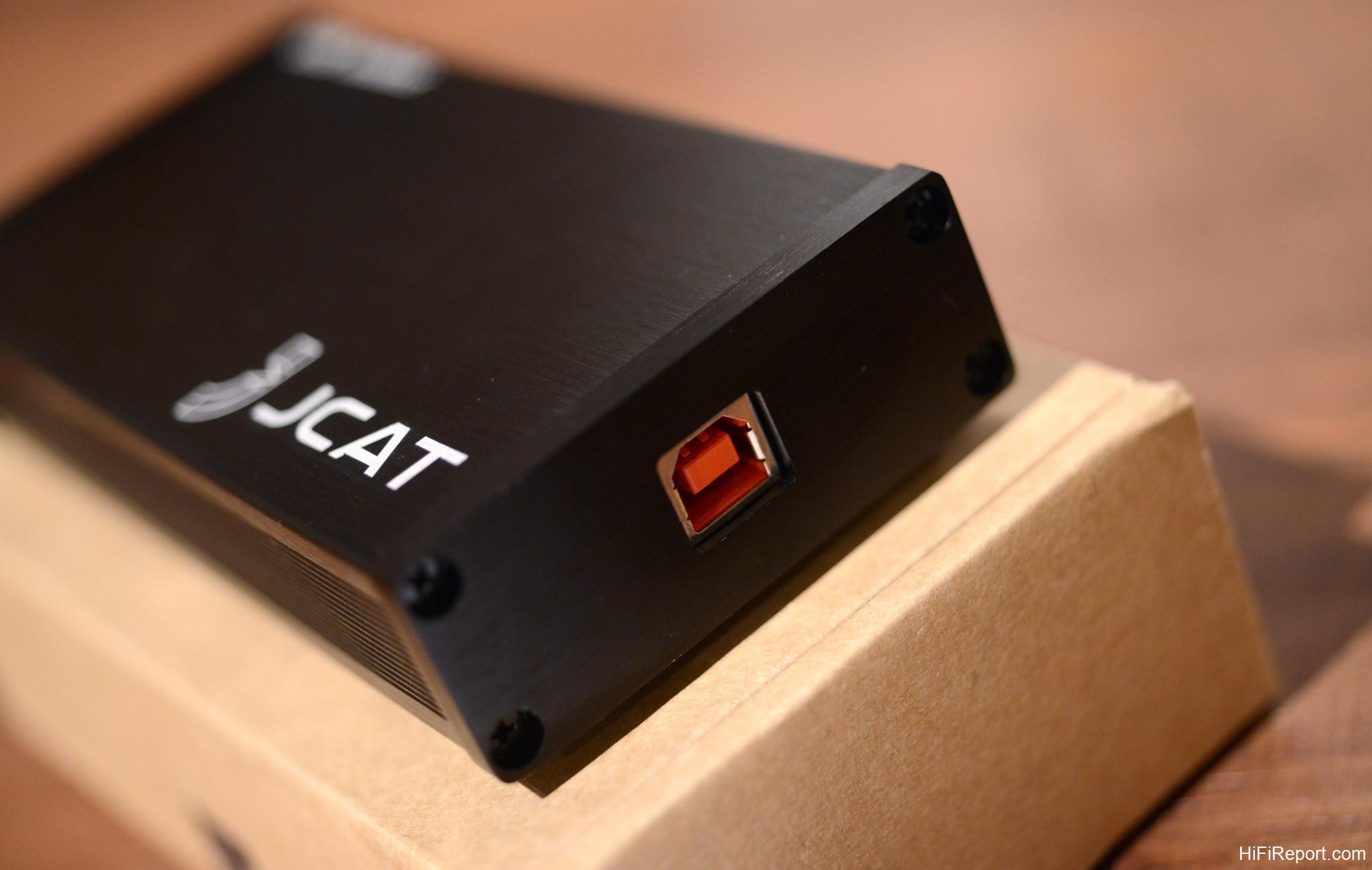
The technology inside the JCAT USB Isolator is derived from the renowned company Intona. It features a Type-B USB port on the PC side and a Type-A port on the device side. Its dimensions are 13 x 6.5 x 2.5cm, it weighs 170g, and it is priced at Euro 365.
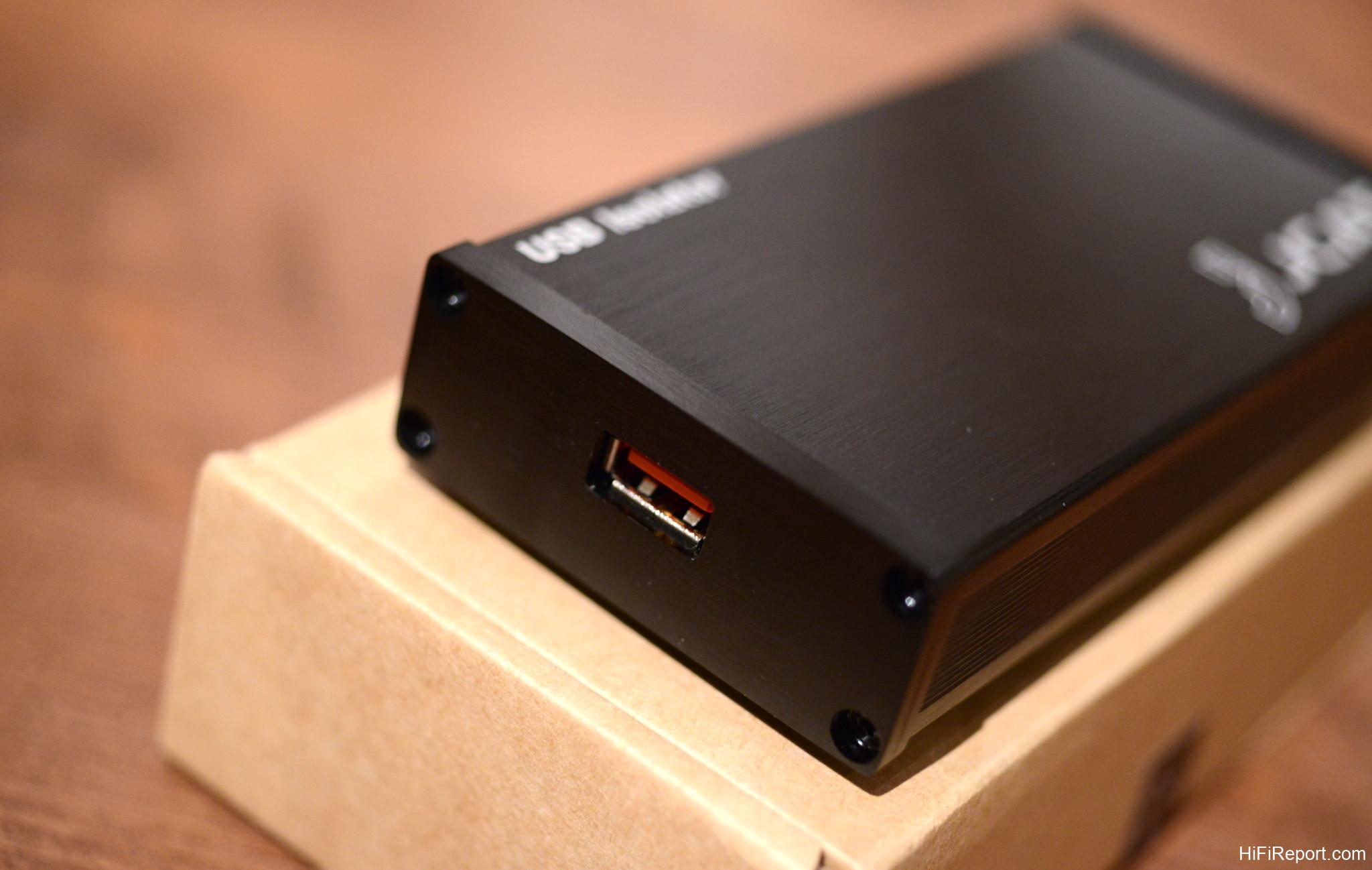
Type-A (device-side).
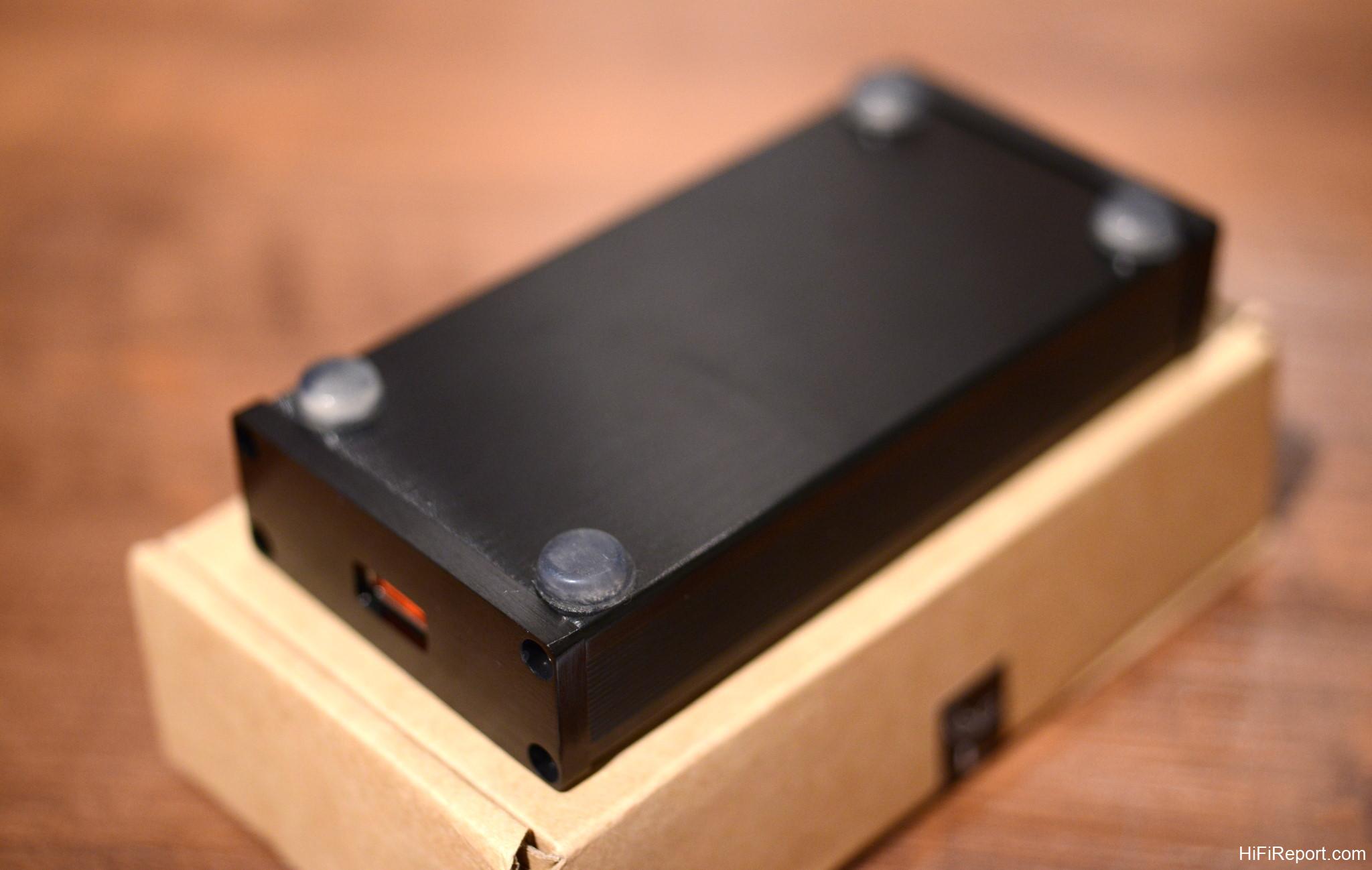
The underside thoughtfully features transparent non-slip pads.
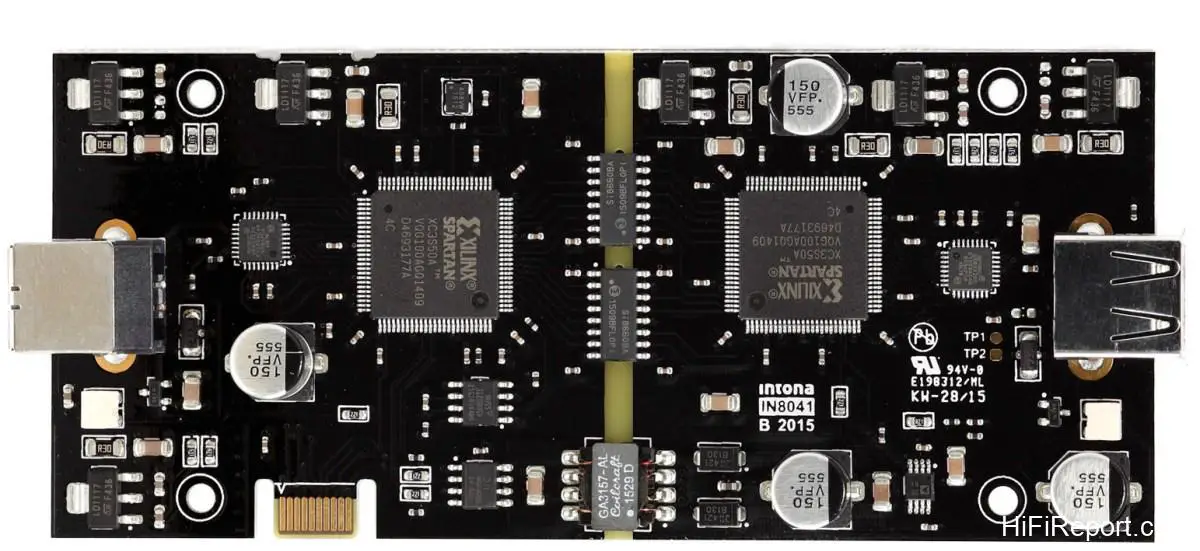
Internally, the JCAT USB Isolator utilizes an ultra-low-noise linear regulation onboard and incorporates dual Xilinx Spartan XC3S50A chips.
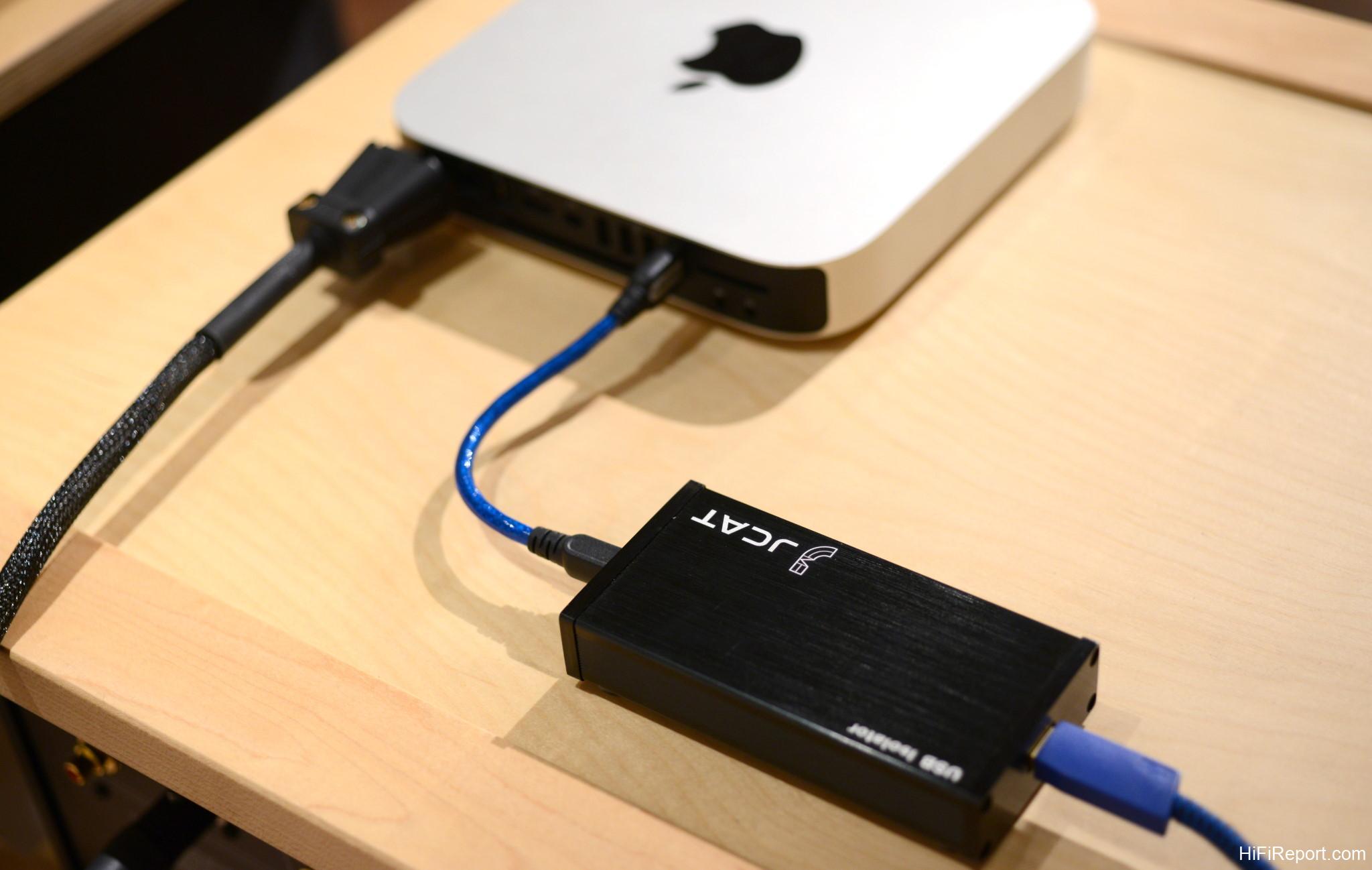
Using the JCAT USB Isolator is straightforward: simply insert it between your computer and USB DAC’s existing USB cable. This means users will need an additional USB cable. The JCAT USB Isolator requires no external power supply or driver installation and supports all operating systems, music formats, and sampling frequencies.
The USB connection to the USB DAC remains unchanged.
The USB DAC used for the listening test was the built-in DAC of the Esoteric K-03X.
Sound Quality Improvement
The testing method was simple: repeatedly listen to the system with and without the JCAT USB Isolator to discern any differences. To be honest, the initial impression was subtle. However, after extended listening, it became clear that going back to a system without the JCAT USB Isolator was undesirable. It demonstrably reduces noise, resulting in a blacker background, which in turn enhances dynamics, reveals more detail, and improves resolution.
Crucially, it achieves these improvements without altering the inherent sonic character of the system. Many audio components or cables can improve certain aspects of sound but often at the cost of changing the system’s original sonic signature. The JCAT USB Isolator avoids this issue entirely. Therefore, for anyone using USB in their audio system, I can confidently recommend the JCAT USB Isolator. It provides a genuine improvement in sound quality without any negative side effects.
Currently, the manufacturer operates a direct-sales model, so interested buyers can order directly from the official website.
JCAT USB Isolator Specifications
* World’s first consumer product featuring industrial-grade high-speed USB isolation technology from Intona. * Provides galvanic isolation up to 2.5 kV at any speed, up to USB 2.0 (480 MBit/s). * Plug & Play, no driver installation required. * Supports all USB-Audio formats and sampling frequencies. * No external power supply needed, employs an ultra-low-noise linear regulation onboard. * Enhanced USB connectors (Type-B on PC-side, Type-A on device-side). * Aluminum chassis.
* Dimensions: 13 x 6.5 x 2.5cm. Weight: 170g