
Marten Coltrane Quintet SE Review
Before delving into the Coltrane Quintet SE, let’s take a brief look back at Marten’s history. Founded in Sweden in 1998 by Leif Mårten Olofsson, the Olofsson family has long-standing ties to music. His grandfather, Josef Olofsson, was a violin maker aspiring to craft instruments like those of Stradivari, while his maternal grandfather was a violinist who played on one of his grandfather’s creations. Thus, both sides of the family tree were intertwined with music.
Leif Mårten Olofsson built his first pair of speakers in the 1970s, naturally at a DIY level. After founding Marten, driven by a passion for jazz music, he named his speaker models after renowned jazz musicians. The inaugural model was the Mingus, a two-way bookshelf speaker featuring a ceramic tweeter and a ceramic mid-bass driver. Both drivers were manufactured by Accuton, and it was indeed the adoption of these incredibly fast-transient ceramic drivers that set Marten speakers apart.
Marten’s second speaker, the Miles, was a 2.5-way, three-driver floorstander. In 2003, Marten introduced the Coltrane, which generated considerable buzz by upgrading the tweeter from ceramic to diamond – marking the beginning of Marten’s widespread recognition. This was followed in 2006 by the even more advanced Coltrane Supreme. In 2007, the brand name was shortened from Mårten Design to simply Marten, with the little circle above the ‘a’ becoming the larger circle in the company’s logo.
2012 saw the launch of the Django XL. This represented a departure in design from the Coltrane, being a three-way, five-driver speaker utilizing three bass drivers, yet surprisingly affordable. The Django XL brought renewed attention to Marten. Starting in 2012, Marten collaborated with Accuton to develop the CELL series drivers, which led to the introduction of the Coltrane Supreme 2 in 2014. CELL drivers have been in use ever since. What makes the CELL drivers special?
The drivers for high, mid, and low frequencies are aligned on the same vertical axis. This ensures consistent acoustic centers, eliminating the need for crossover networks to correct phase differences, which is why Marten now employs first-order crossovers.
Concurrently with the development of the Coltrane Supreme 2, Marten began experimenting with recording in their own listening room. CDs recorded there were played back through the Coltrane Supreme 2 in the same space, and listeners consistently felt the playback was indistinguishable from the live performance. This led to the release of “Supreme Sessions 1” in 2014, a CD owned by many audiophiles, followed by a second volume and recordings by “Rhythm Art Duo” and “Duo Granmo-Berg”.
In 2015, Marten began developing the new Coltrane 3 using CELL drivers and incorporating the same first-order crossover network as the Coltrane Supreme 2. Today, Marten remains an independent family company, with Leif Mårten Olofsson overseeing design, and his brothers Jörgen (CEO) and Lars Olofsson (Art Director) also involved in the business.
Looking at the intervals between Marten’s product releases, it’s clear they don’t change models lightly. They plan meticulously and only launch new products when significant improvements have been achieved. The Coltrane Quintet SE, introduced at the Munich High End show this past May, is a prime example. It instantly became one of the most captivating new products at the exhibition. Counting the years, its release comes roughly 9 years after the Coltrane 3.
Design and Build Quality
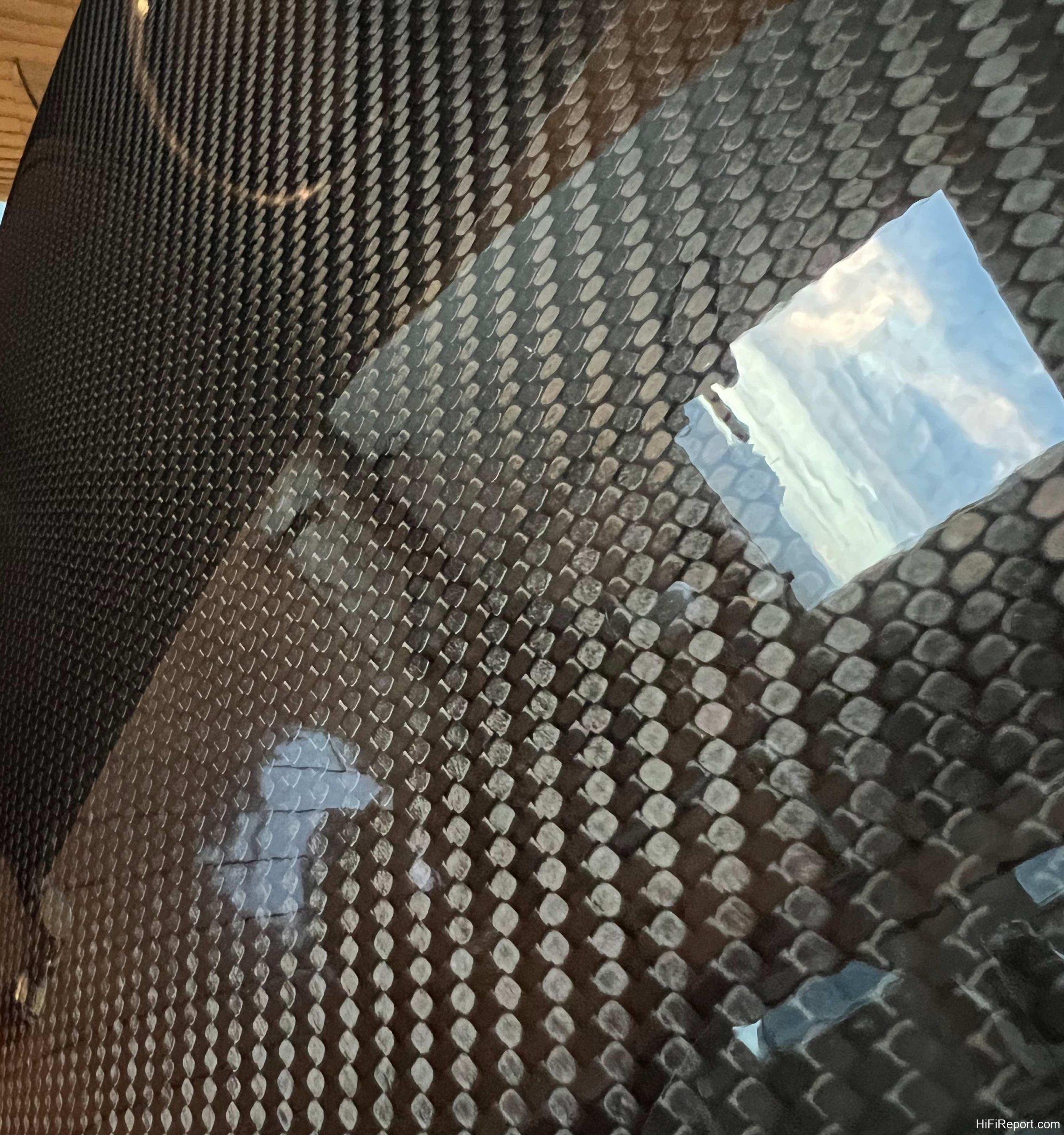
Honestly, pictures alone don’t fully convey the exquisite craftsmanship of the Coltrane Quintet SE. You absolutely need to see the actual speakers up close to truly appreciate the emotion evoked by their stunning cabinet. Especially that entirely curved carbon fiber enclosure – seeing the beautiful weave pattern and the mirror-like lacquer finish up close is simply breathtaking.
Just thinking about how it’s formed layer by layer from carbon fiber molded precisely, then meticulously sanded to a surface so fine even a fly couldn’t land on it, makes you instinctively desire it.
Equally impressive is the baffle, which is a substantial 20-30mm thick. It’s constructed from solid wood layered with fiberboard and aluminum plate. I spent considerable time examining it, unable to figure out how this entire baffle is joined to the carbon fiber cabinet, as not a single screw is visible. Even the five drivers show no visible screws.
Of course, I know the drivers must be mounted from the inside of the baffle and screwed in from behind, so there are no fixing screws visible on the front. But how is the baffle itself attached to the carbon fiber cabinet? It remains a mystery.
Comparing the cabinets of the Coltrane Quintet SE and the Coltrane 3, the Quintet SE measures 41.2 x 120.5 x 74 cm, while the Coltrane 3 is 39.5 x 122 x 64 cm. In terms of height, the latter is actually 2 cm taller, but the former is 10 cm deeper and about 2 cm wider. The overall cabinet volume of the Coltrane Quintet SE is 25% larger, and the Quintet SE weighs in at a hefty 115 kg compared to the Coltrane 3’s 87 kg. Both speakers utilize the same two 10-inch aluminum sandwich cone bass drivers.
It’s thanks to that 25% increase in volume that the Coltrane Quintet SE extends down to 18Hz, compared to the Coltrane 3’s 20Hz. Both models reach up to 60kHz (+/-2dB) on the high end. Perhaps you’re thinking, “Is a difference of 2Hz really that significant?”
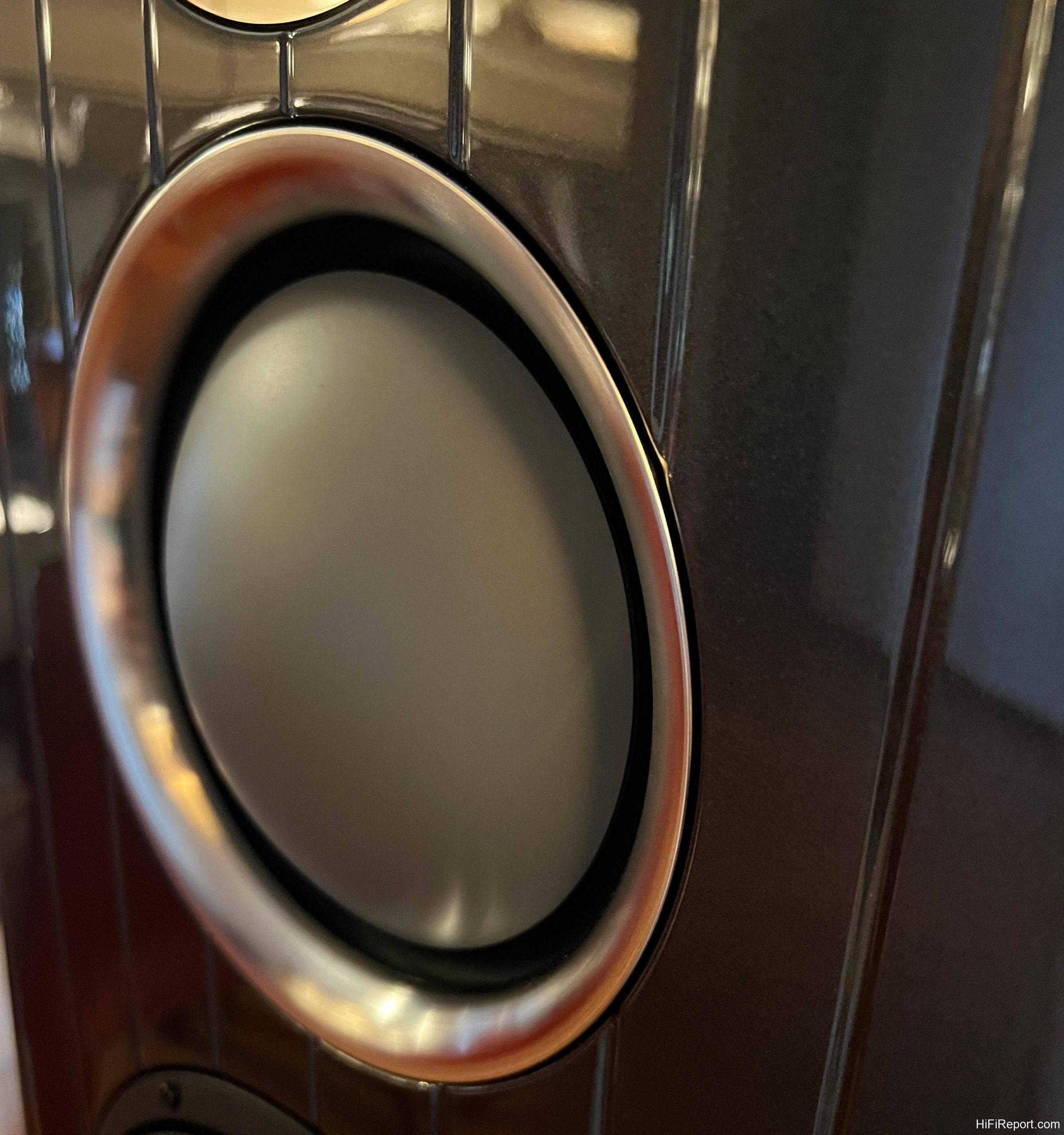
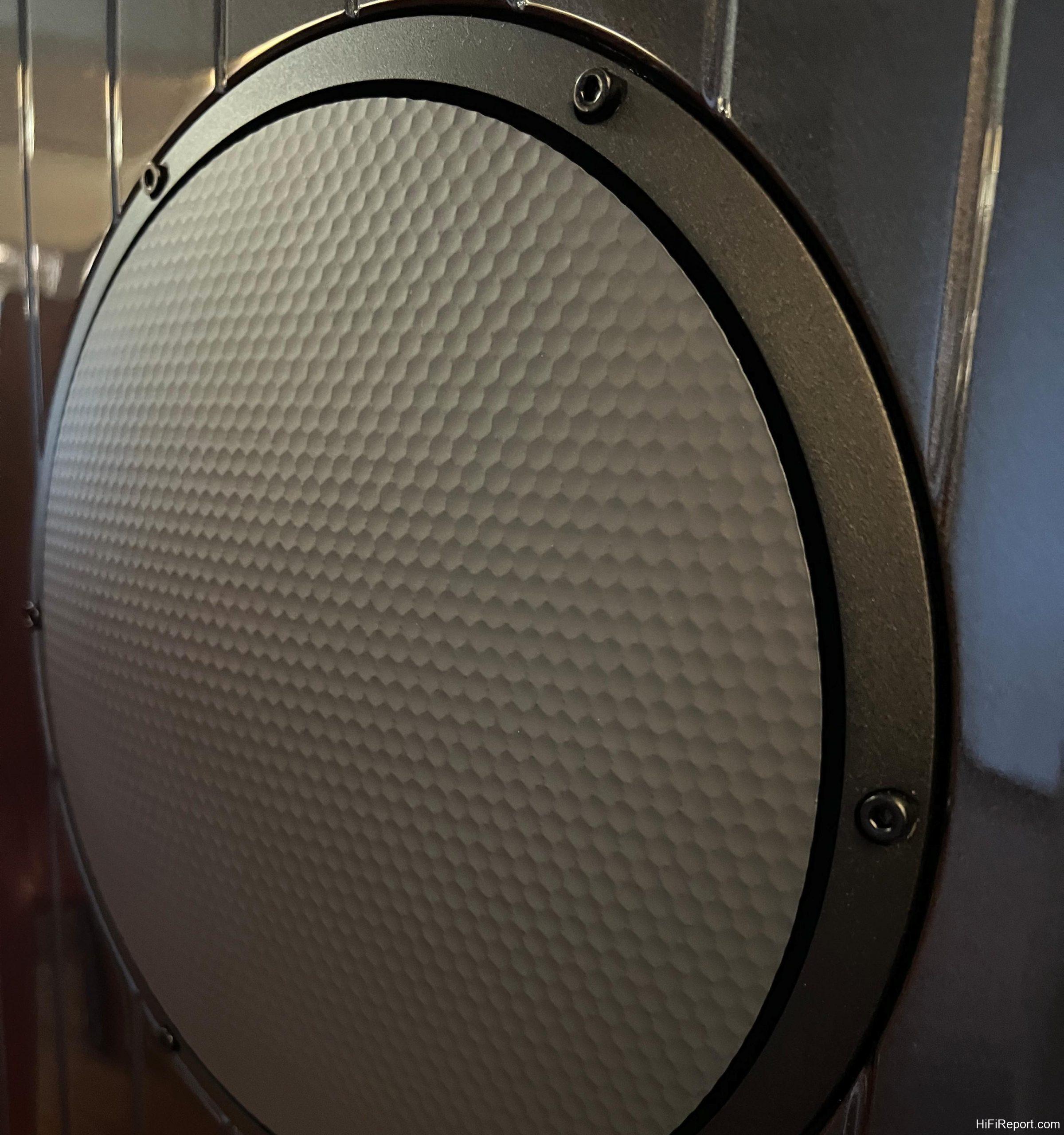
Even if you deem 2Hz unimportant, the Coltrane Quintet SE features an additional 3-inch beryllium dome mid-tweeter, and its 7-inch mid-woofer utilizes a carbon fiber cone. This is a complete departure in design from the Coltrane 3, which uses only one 7-inch ceramic mid-range driver. As for the tweeter, both models employ a 1-inch diamond dome. It’s important to note that Marten emphasizes their drivers are custom-made, not off-the-shelf units.
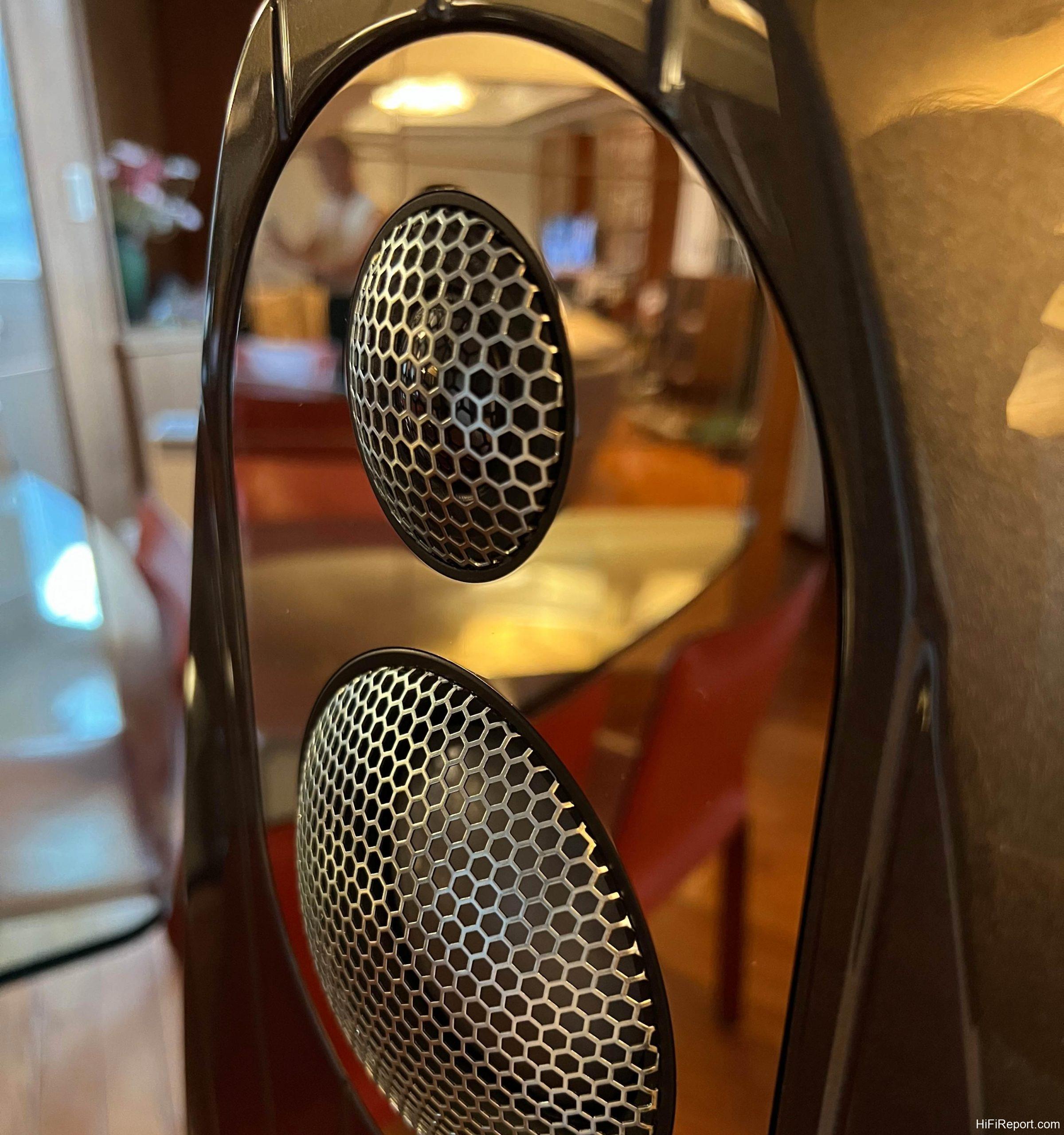
The diamond tweeter, beryllium mid-tweeter, and carbon fiber mid-woofer used in the Coltrane Quintet SE are custom-ordered from a specific manufacturer (not Accuton). While the two 10-inch bass drivers visually resemble those custom-made by Accuton for the Coltrane 3, their magnetic assemblies are entirely different and newly designed.
I checked the Accuton website for their 3-inch beryllium mid-tweeter and 7-inch carbon fiber mid-woofer, but found no information on these specific drivers, suggesting they were indeed specially developed for Marten by another manufacturer.
Driver Technology and Crossover
Why opt for a beryllium dome mid-tweeter? Naturally, because this diaphragm material is incredibly stiff and lightweight, allowing it to effortlessly extend the mid-frequency range upwards and downwards, enhancing the overall performance of the upper frequencies. This mid-tweeter handles the frequency range from 1kHz to 6kHz, a rather distinctive crossover point.
This beryllium mid-tweeter first appeared in their Mingus Septet model (which also uses five drivers), and currently, only the Coltrane Quintet SE and Mingus Septet feature this beryllium dome mid-tweeter.
Looking at the Coltrane Quintet SE’s crossover design, the two 10-inch bass drivers are responsible only for frequencies below 170Hz. This allows the bass to be reproduced deeply, powerfully, smoothly, and forcefully, fully presenting all the low-frequency effects in a recording. From 170Hz to 1kHz, the 7-inch mid-woofer takes over. This is a discerning approach, as this frequency range encompasses the fundamentals of most instruments and voices.
Reproducing this with a 7-inch driver ensures ample fullness and the ability to handle high power, which is far more sophisticated than having a 5-inch or 6-inch mid-range driver handle frequencies up to 2kHz. The frequency range from 1kHz to 6kHz is rich in instrumental harmonics and is crucial for determining the accurate timbre of instruments and voices. Using a 3-inch beryllium dome mid-tweeter here is also a clever strategy.
As for the 1-inch diamond tweeter, it primarily reproduces the harmonics of instruments and voices. If you put your ear close, you’ll mostly hear sibilance interspersed with faint hints of instruments and voices. Without this diamond tweeter extending the frequency range up to 60kHz, the sound of the Coltrane Quintet SE wouldn’t be so sweet, so luminous, and the tonal quality wouldn’t be so beautiful.
Physical Features and Setup
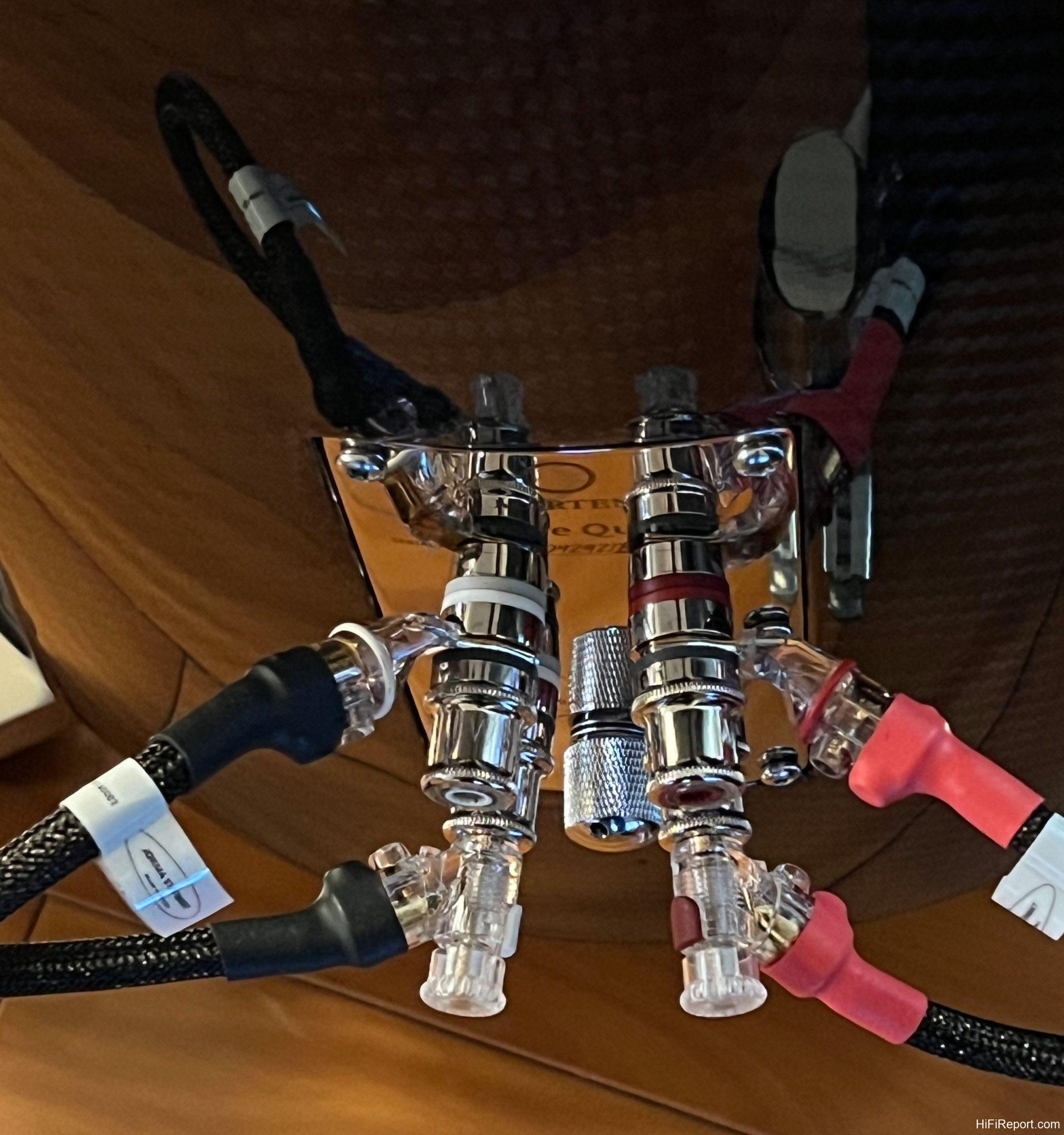
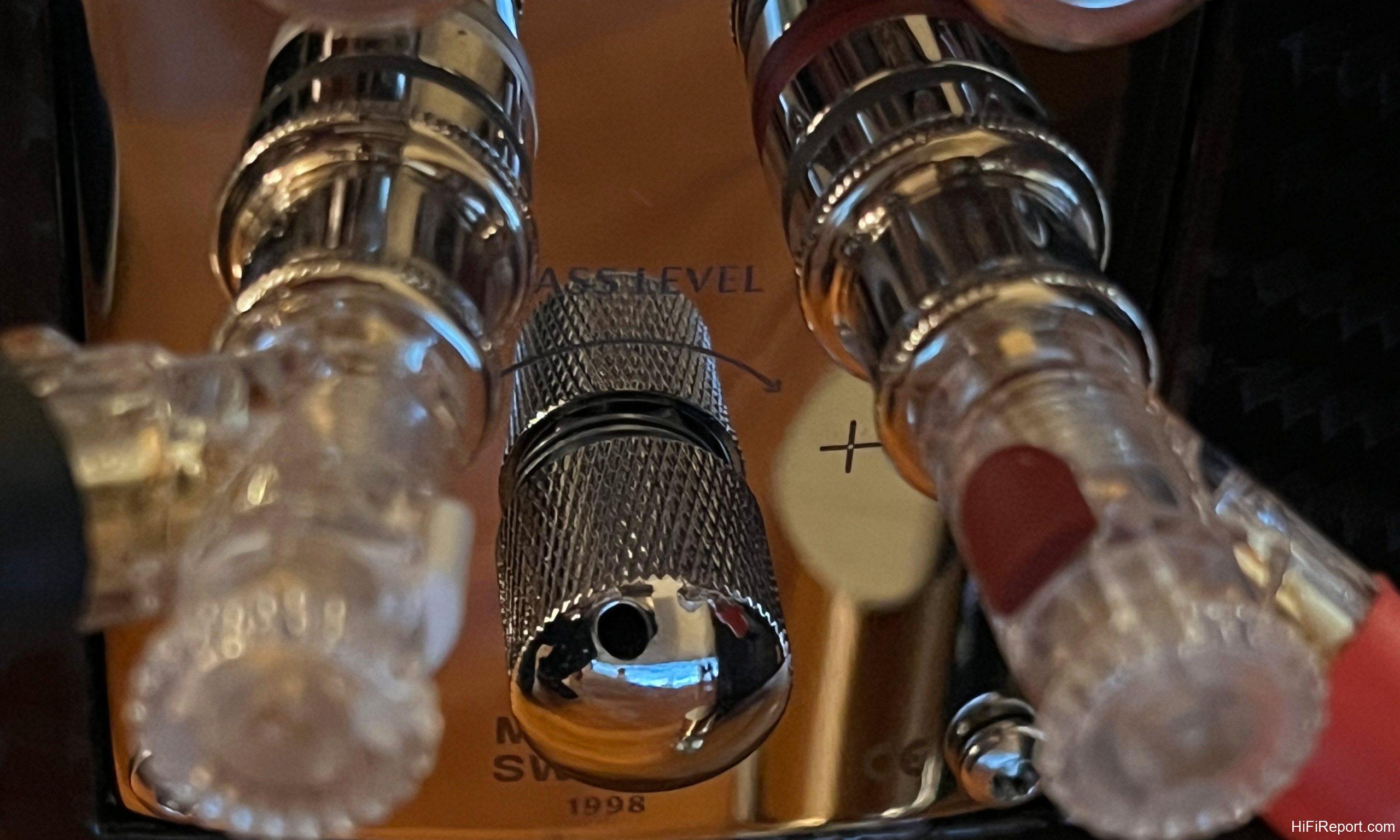
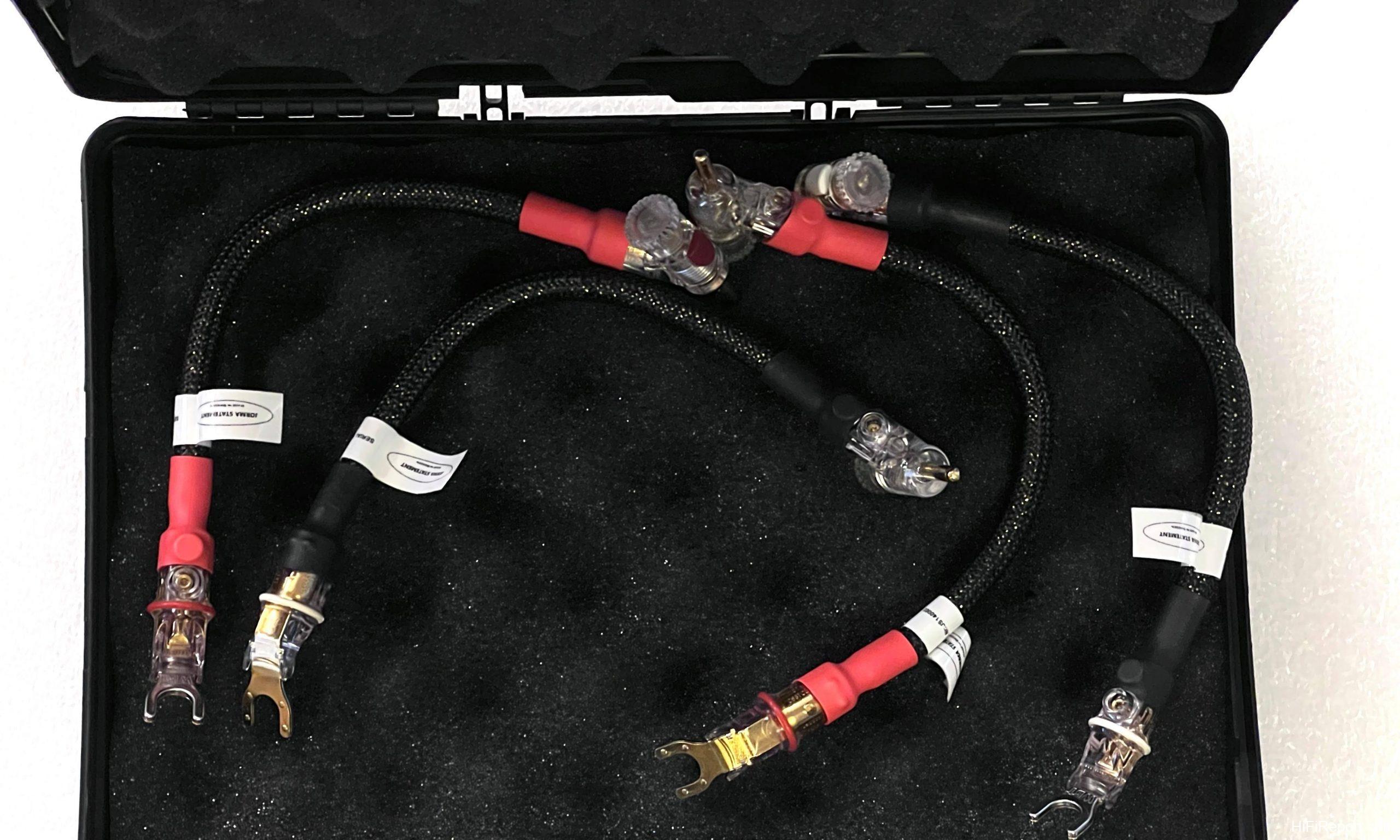
The Coltrane Quintet SE also features dual speaker terminals, supplied with Jorma jumpers, allowing for single-wire connection. Below the speaker terminals, there’s a knob for adjusting bass level. The two 10-inch bass drivers in the Coltrane Quintet SE are very capable of producing substantial bass. If using them in a smaller listening space, it’s advisable to slightly attenuate the bass level.
Incidentally, the internal wiring of the Coltrane Quintet SE also uses Jorma cables, but the pair I listened to is the Statement Edition, which means it uses Jorma’s flagship Statement internal wiring.
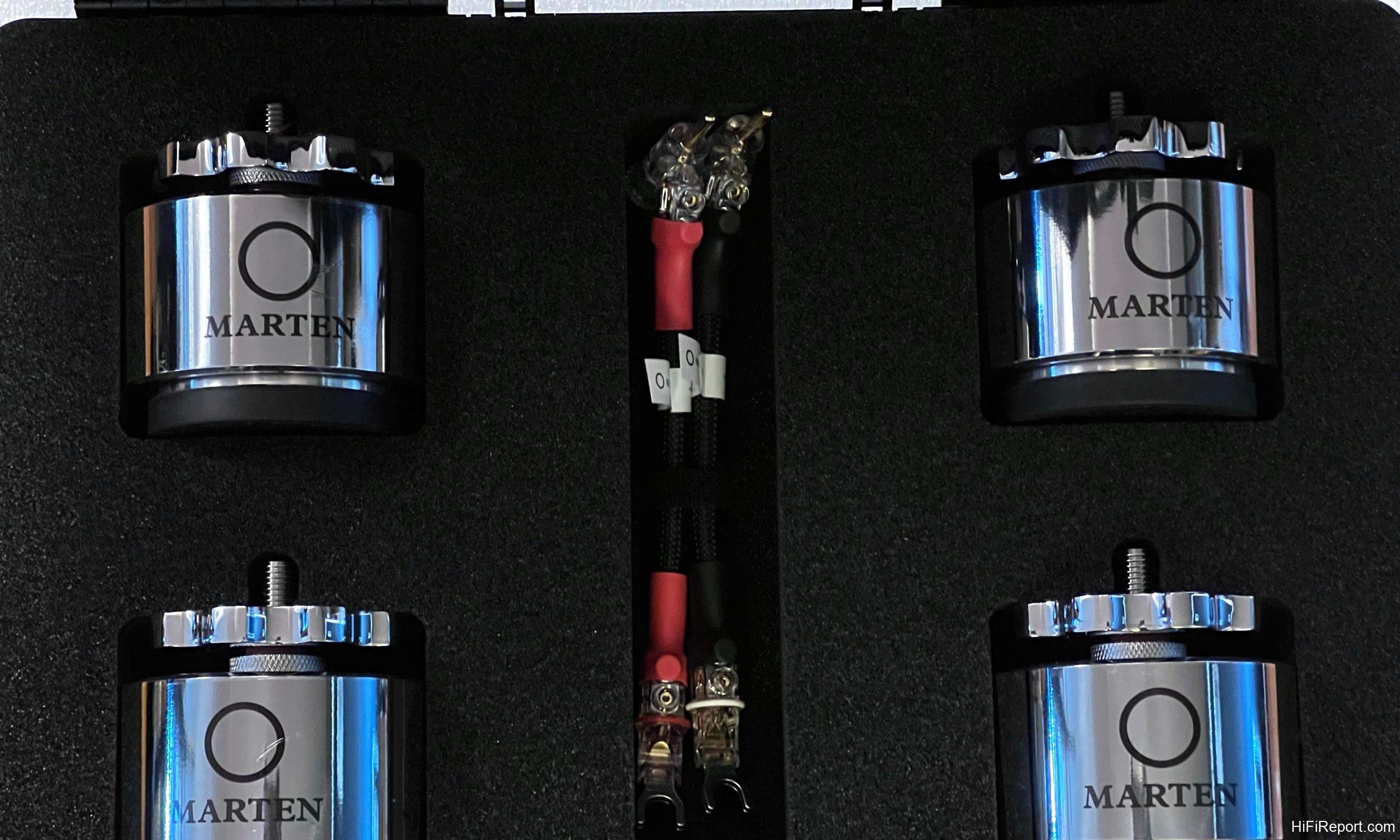
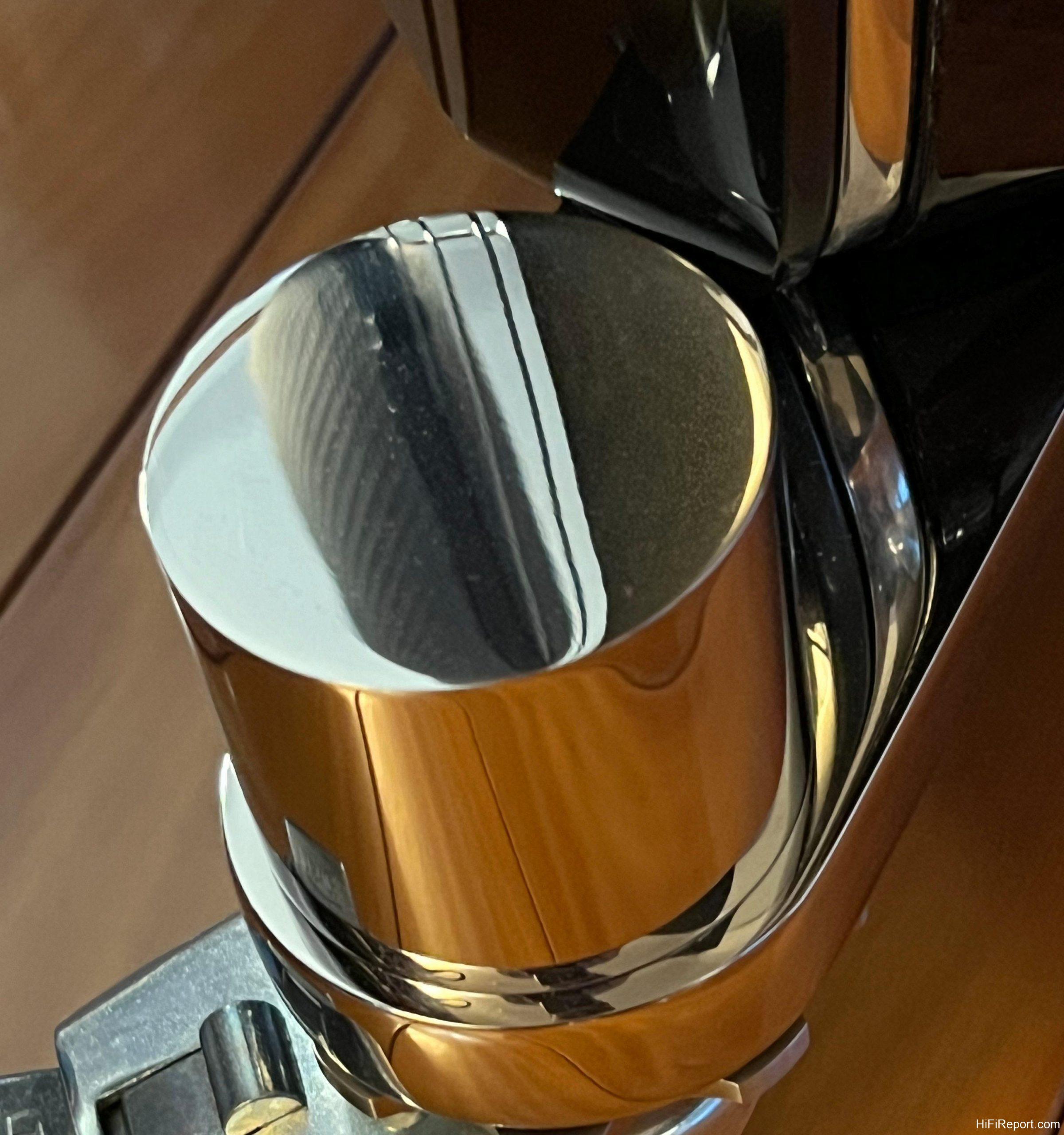
Finally, let’s talk about the Coltrane Quintet SE’s feet. When unboxed, the Coltrane Quintet SE comes fitted with castors. These castors are very smooth, allowing you to move the 115 kg cabinets with minimal effort. Once the user has positioned the speakers optimally, they remove the castors and replace them with Marten’s Isolator feet. These four feet and the plinth are made of stainless steel polished to a mirror finish, which looks stunning.
By the way, the Coltrane Quintet SE is a bass-reflex design, with a large-diameter port located at the bottom rear of the cabinet. You can feel it by reaching under the cabinet base.
Associated Equipment and Amplifier Pairings
I listened to the Coltrane Quintet SE in my open-plan living space. The amplifiers I used included the Goldmund Telos 690 integrated amplifier, a McIntosh C55 preamplifier paired with two MC451 mono power amplifiers (driving them with the 300-watt solid-state section), and a Spectral DMC 30SS with a Pass X350.5. I also attempted to drive them with an Audio Note Meishu Phono 300B Tonmeister.
Let’s start with the Audio Note integrated amplifier, which produces only 8 watts per channel. I could only use it for small-scale music like violin sonatas, cello sonatas, or string quartets, and the volume was limited. But honestly, the sound performance was quite good, especially in terms of timbre, which had its own unique character. However, for pop music or large-scale classical music, it was limited and felt constrained, unable to fully exert control.
Of course, this pairing was just an experiment; it’s unlikely anyone would actually pair these 8-watt 300B tube amps with the Coltrane Quintet SE.
When I used the Pass X350.5 system to drive the Coltrane Quintet SE, the results were actually quite good. It drove them very well, with an expansive soundstage, ample power, bright and vivid sound, full bass, very focused mid-range, and a high-frequency range that was slightly aggressive but still acceptable. However, when using the McIntosh pre/power combination, I felt it wasn’t a good match. On one hand, the high frequencies were too prominent, and on the other, the bass was a bit “heavy.”
The overall music sounded insufficiently warm, leaning towards a harder presentation.
When I paired the Coltrane Quintet SE with the Goldmund Telos 690 integrated amplifier, I thought it was absolutely fantastic. The magic of equipment matching is truly unpredictable. Firstly, it allowed the Coltrane Quintet SE to fully unleash the beauty of its tonal quality. I wouldn’t say the superb tonal quality and timbre of the top-tier drivers were completely unimpaired, but they were definitely approaching their peak performance.
Secondly, with the 690 driving the Coltrane Quintet SE, the soundstage was both wide and deep, feeling completely unrestrained, as if it had room to fully express itself. Thirdly, the transient response I heard was incredibly fast, resulting in lively and vivid music that was clear but never aggressive. In these three aspects, the Telos 690 decisively outperformed the other amplifier setups. Therefore, the final listening evaluation was conducted with the Goldmund Telos 690.
The digital sources included a Wadax Studio Player SACD/CD transport and a Weiss DAC 502 4ch.
Frankly, the five drivers used in the Coltrane Quintet SE could be considered top-tier performers, and its internal first-order crossover network represents the pinnacle of passive crossover design. Could such a speaker possibly produce poor sound? Only if the designer were a novice or someone with “wooden ears” who couldn’t discern good sound. But Leif Mårten Olofsson is an experienced veteran designer who also pays special attention to listening room acoustics and even produces recordings.
Would such a designer have “wooden ears”?
Initial and Home Listening Impressions
My first encounter with the Coltrane Quintet SE was at the Munich High End show in May 2024. My notes from that listening session read: “This was the official launch venue for the Marten Coltrane Quintet, paired with Halcro amplifiers, which haven’t been seen much lately. I must say this was one of the best sounds I’ve heard at an exhibition. The Marten sound was soft yet warm, relaxed, and the downward extension and quantity of the bass were astonishing.
The transient response of percussion was extremely fast. This was undoubtedly one of the best sound performances at the show.”
My second encounter with the Coltrane Quintet SE was at the TAA Yuanshan Hotel Audio Show in August 2024. The system there used an MSB Cascade DAC (a three-piece digital source) and an MSB S500 stereo power amplifier. The sound I heard there was not the soft and warm sound from Munich, but rather a clear, high-resolution, sweet, and crisp sound.
So, what was the sound performance like when I listened to the Coltrane Quintet SE at home? It was very close to a fusion of the sound heard in Munich and at the Yuanshan Hotel show, but with added vibrancy, crispness, sweetness, and an expansive soundstage with clear layering. Let me analyze it point by point below.
Sonic Performance Analysis
The Coltrane Quintet SE exhibits incredibly fast transient response, a speed that most speakers simply cannot achieve. For example, when listening to “Bubbles” from Yosi Horikawa’s album “Wandering,” the effect of the electronic synthesizer mimicking a bouncing ping pong ball is extraordinarily “realistic.” This realism is largely created by the ultra-fast transient response.
Another example is “Soli2de” from Emiel Scholsberg’s album “Reference Recordings II.” Although this track sounds very gentle, almost all the instruments present can be used to test the Coltrane Quintet SE’s transient response. This includes the quick decay and elasticity of the kick drum, the strike of cymbals, the textural rendition of the electric bass, and the playing of the guitar and various percussion instruments. Simply put, this track should sound gentle yet respond quickly.
Some speakers can sound gentle but are slow to react; others can react quickly but the sound becomes hard. The Coltrane Quintet SE, however, manages to sound both gentle and fast, which is where it surpasses others.
The Coltrane Quintet SE is capable of reproducing large-scale, complex, and dynamic music – those explosive climaxes – with astounding realism, rendering kick drums, string sections, woodwinds, and brass distinctly and clearly, without any muddle. For instance, listening to the fourth movement of Tchaikovsky’s “Symphony No. 4” conducted by Franz Welser-Möst with the Cleveland Orchestra, the physical, solid, and soft-yet-bouncing air pushed out by the kick drum is remarkable.
Even more challenging is its ability to convey the texture of bowing and the beautiful quality of the string section during tutti passages. This is truly difficult; most speakers turn this into a chaotic mess, making it impossible to discern the realism and beauty of the strings.
Even more demanding was the Coltrane Quintet SE’s rendition of the final chorus from Mahler’s Symphony No. 2 in the scene from the Bernstein biopic “Maestro.” The preceding sections with solo singers and orchestral accompaniment were relatively easy to reproduce. The real challenge came during the massive final chorus, organ, and orchestra’s explosive climax.
However, the Coltrane Quintet SE not only conveyed the texture of the brass but also kept the continuous kick drum strikes crystal clear, maintained the choir’s layering without confusion, and delivered the earth-shaking bass from the organ without compromise. More importantly, this passage did not devolve into a chaotic lack of distinction between layers, which is truly impressive.
Bass and Detail Performance
The Coltrane Quintet SE’s bass performance is truly outstanding. It’s not only ample in quantity but also extends deep, with incredibly high bass resolution. When listening to Malia & Boris Blank’s album “Convergence,” the electronic bass frequencies in the music were rendered with crystal clarity. Furthermore, the bass was cohesive and took shape, allowing you to hear the textural nuances the recording engineer created.
Listening to “Sister Rosetta Goes Before Us” from Robert Plant and Alison Krauss’s album “Raising Sand,” the immense and impactful bass was also sung with astonishing clarity, while still allowing the violin to produce a beautiful tone.
Listening to “Jarðartrá” from Eivør’s album “Enn,” which might sound like a muddy mess on typical speakers, with the bass effect indistinguishable and even the mid and high-frequency accompaniment intertwined and unclear, the Coltrane Quintet SE managed to resolve this track from low to high frequencies with absolute clarity. The bass was ample and sufficiently elastic.
The Coltrane Quintet SE is also incredibly adept at revealing details. When I listened to “Beginnings Are Such Delicate Times” from “Dune: Part Two,” the initial bass impact was instantly impactful. What follows is a long, quiet passage. If your listening environment has high background noise, the subtle sounds in the quiet section will be masked, leaving you wondering what on earth Hans Zimmer was thinking.
If your home is quiet enough, you’ll hear many details from the electronic synthesizer music. If your speakers are good enough, your amplifier is good enough, and your listening environment is quiet enough, you can even hear the subtle sound of wind blowing fine sand.
The Coltrane Quintet SE’s detail retrieval capability is extraordinary, able to excavate all the various details in this piece, while also excelling in presenting layering, soundstage width and depth, sense of space, and even clearly tracking the trajectory of low-frequency movements.
Let’s take another track, “Wolf Totem” by the Mongolian heavy metal band The HU, from their album “The Gereg.” This piece contains a wealth of detail, but simultaneously has many heavy rhythmic impacts. Most speakers might lose many details due to the impact of the heavy beats, making the music sound relatively monotonous, or even unbearable.
The Coltrane Quintet SE, on the other hand, can effortlessly handle those heavy beats while simultaneously allowing the subtle, complex instrumental arrangements to emerge. This makes the heavy metal rock music not only non-fatiguing but also sound incredibly rich in musical detail.
Instrumental and Vocal Timbre
When listening to piano, violin, and cello through the Coltrane Quintet SE, they are not only incredibly realistic but also possess exquisite tonal beauty. The cello is not ponderous or dull; instead, it is supple and lively, and when played in the higher register, you can even hear a touch of sweetness. This was true when listening to performances by Fournier, Starker, Yo-Yo Ma, and Sheku Kanneh-Mason.
The violin fully reveals the distinct sonic character of different recordings and different instruments. For example, recordings by Perlman, Kremer, Hilary Hahn, and Nemanja Radulovic all yielded entirely different violin sounds.
The texture of piano playing and its harmonics are exceptionally rich, and the tone possesses a beautiful luster. Simply listening to Murray Perahia playing Mozart’s “Piano Concerto No. 21” (with the English Chamber Orchestra) was utterly captivating and enchanting, simply breathtakingly beautiful. Listening to Till Fellner’s performance of Beethoven’s “Piano Concerto No. 5” (conducted by Kent Nagano with the Orchestre symphonique de Montréal), my heart was filled with happiness.
Can the sonic effect of a piano truly bring about a feeling of happiness? It’s true! That crystalline clarity, that woody resonance, that luster, the subtle clicking texture of the keys hitting the strings—it’s genuinely moving.
Conclusion
The Marten Coltrane Quintet SE is undoubtedly a speaker that is brilliant in every aspect. From its external craftsmanship to every facet of its sonic performance, it is virtually flawless. While listening to it, I felt as though I was immersed in a beautiful life experience, rather than merely writing an equipment review.
Because its sound performance is so extraordinary, I seized the opportunity to listen to as much of my streaming playlist as possible, fully absorbing and savoring the music, allowing a correct and beautiful impression to remain in my mind for future reference and comparison. The Marten Coltrane Quintet SE is truly an outstanding speaker capable of bringing immense happiness to the listener!
Specifications
* Type: Four-way, five-driver, bass-reflex floorstanding speaker
* Drivers: 1x 1-inch Diamond dome tweeter, 1x 3-inch Beryllium dome mid-tweeter, 1x 7-inch Carbon Fiber mid-woofer, 2x 10-inch Aluminum sandwich cone woofers
* Year of Introduction: 2024
* Frequency Response: 18Hz-60kHz (±2dB)
* Crossover Points: 170Hz, 1kHz, 6kHz
* Sensitivity: 89dB (2.83V, 1 meter)
* Nominal Impedance: 4 Ohms
* Dimensions (WHD): 412×1205×740mm
* Weight: 115 kg
Key Features
* Exquisite craftsmanship, curved carbon fiber cabinet.
* All drivers are specially custom-made to the highest standard.
* Unique crossover design.
* Sound performance capable of bringing immense happiness.