
NAD C538 + C328 Review
In recent years, the trend in music listening has shifted towards files and cloud-based solutions, like high-resolution audio boasting better sound quality or streaming services promising greater convenience. Yet, I believe a significant number of people still prefer the traditional method of CD playback.
Why CD Playback Remains Relevant
After all, digital streaming has its complexities; achieving high-resolution playback involves many details and learning curves (such as collecting, playing, and supporting DSD files), while network streaming can introduce network-related issues and potentially lower data rates than CD.
For many, CD remains the simplest and most accessible way to enjoy music. Open the disc tray, insert the disc, press PLAY, and you’re instantly listening. There’s nothing complicated to think about. While the music plays, you can pore over the liner notes, lyrics, or admire the exquisite artwork on the album cover. This tangible sense of ownership and collection is something digital files or streaming cannot replicate. Furthermore, CD offers the most stable sound quality.
Although the data rate might not match today’s high-resolution files, it is undeniably of a certain standard, and playing them on a good system ensures excellent sound reproduction.
NAD’s Commitment to CD
Sadly, many audio brands in Europe and America, driven by market considerations, have ceased producing CD players, particularly affordable ones. Fortunately, the renowned British manufacturer NAD takes a different view. NAD still values the needs of traditional audio enthusiasts and has consequently launched the new Classic series, featuring several CD players and integrated amplifiers. These components are reasonably priced, making them easily accessible to consumers.
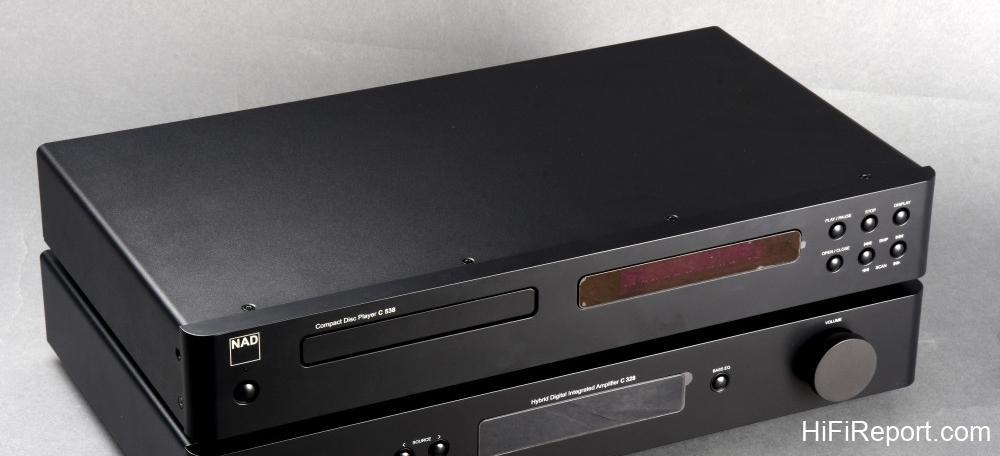
The C538 is effectively the final piece of the new Classic series puzzle, being the latest and most affordable CD player within the range.
NAD C538 CD Player: Design and Components
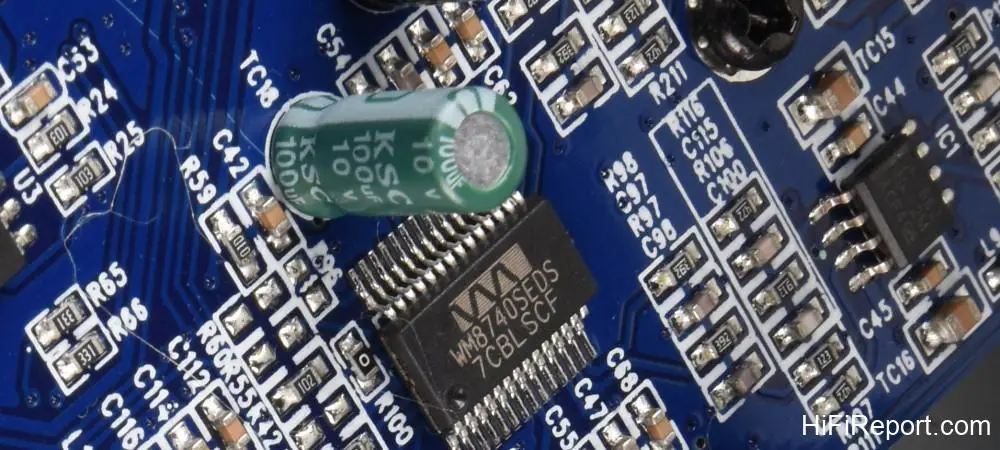
Let’s examine the C538’s design. Given its modest price point, it’s impossible to employ overly expensive components. However, critical sections feature designs appropriate for dedicated two-channel audio equipment. For the crucial digital-to-analog conversion stage, it utilizes the Wolfson WM8740 DAC chip. This DAC boasts a THD+N of -102dB and supports resolutions up to 24bit/192kHz.
Crucially, it also possesses a warm and engaging sonic character and has been incorporated into numerous players, preamplifiers, and DAP players over the years.
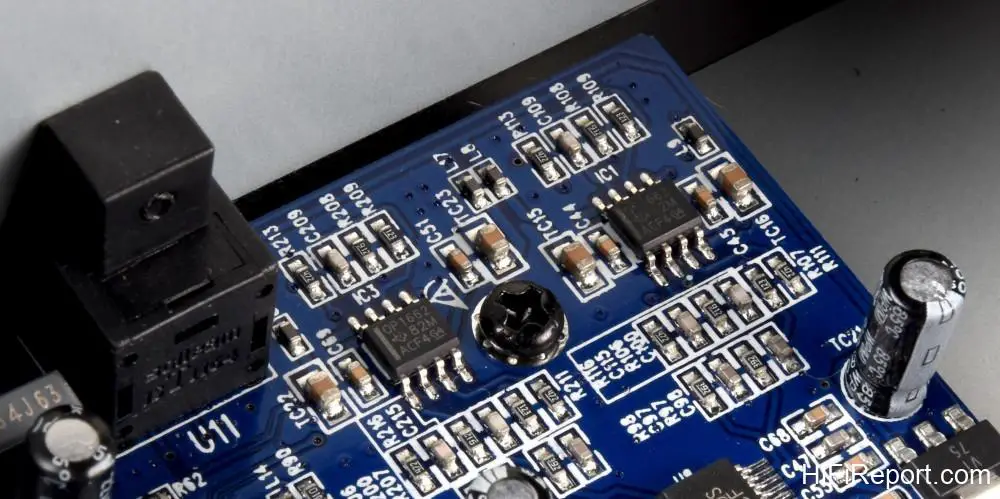
The internal amplification circuitry employs OP AMP components equivalent to those found in higher-end models like the C 568. For power, it’s equipped with a power module specifically customized by NAD. To prevent noise from the power module from affecting the audio circuits, the power module is strategically placed on the far left of the chassis, while the audio circuit mainboard is situated on the far right.
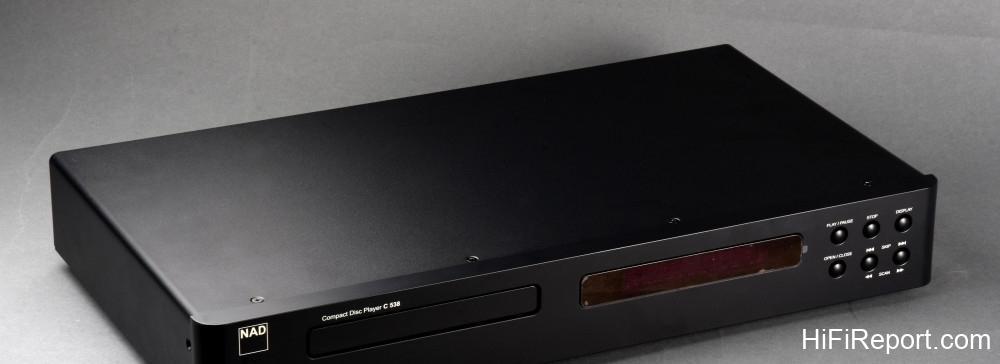
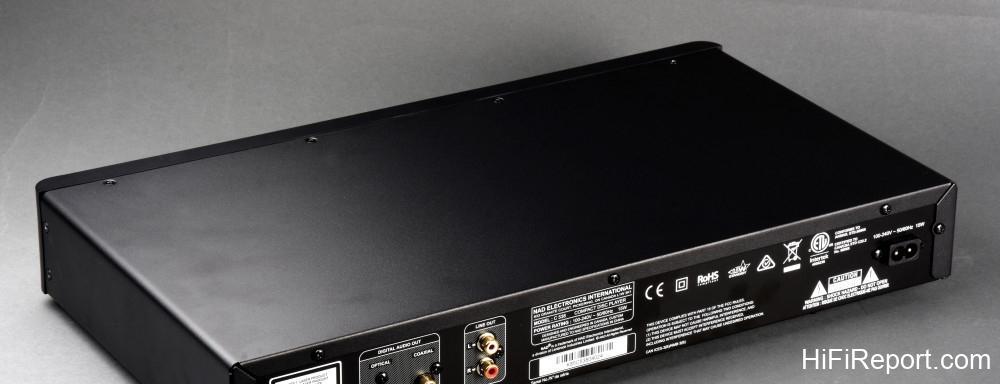
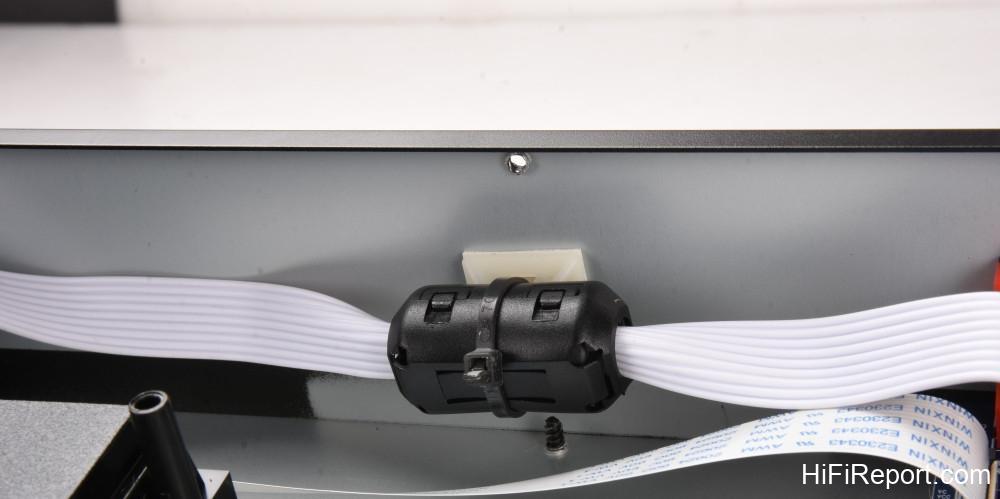
Connecting cables between the power module and the audio mainboard include ferrite rings to suppress EMI electromagnetic interference. Finally, the C538 also features a detachable power cord (figure-eight connector), allowing users to upgrade the power cable in the future for potential sound quality improvements – a design appreciated by many audio enthusiasts.
Building a System: The C538 and C328 Pairing
For an ideal pairing with the C538, integrated amplifiers from the same C series are the best choice. They are similarly affordable, and together they create a cohesive visual and sonic system.
For instance, in our review setup, we paired the C538 with the C328, NAD’s most entry-level integrated amplifier. Priced in the under $700 range, the combined cost is just over $1000, making it affordable for young professionals and even students. The saved budget can then be invested in speakers or cables.
NAD C328 Integrated Amplifier: Features and Technology
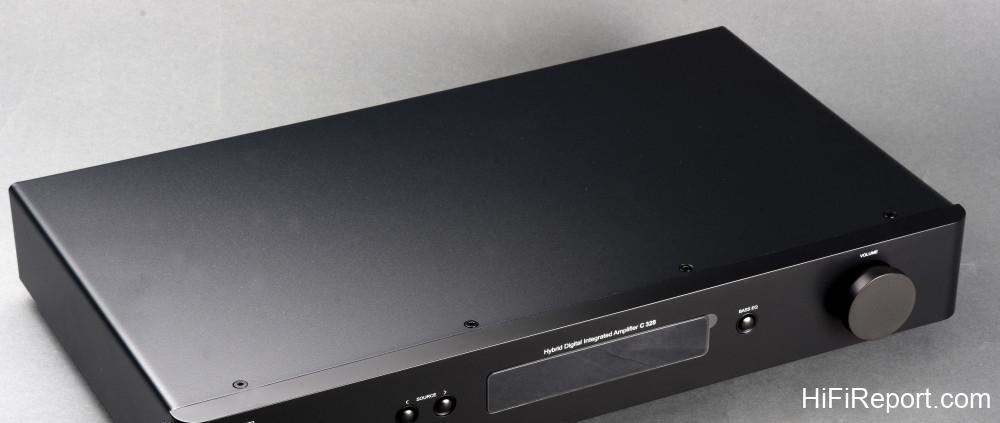
Although the C328 is priced under $700, its features and design are remarkably comprehensive, truly earning it a high value-for-money reputation. First, the C328 isn’t just a simple integrated amplifier; it also includes Bluetooth and an MM phono stage. The former allows you to connect your phone or tablet wirelessly to stream internet radio, Spotify, or YouTube music.
Furthermore, its Bluetooth isn’t standard low-quality Bluetooth but incorporates apt-X coding technology, providing a higher data rate during wireless transmission. The MM phono stage enables you to connect a turntable and enjoy vinyl. Combined with the C538 mentioned earlier, this forms a complete system capable of handling CDs, vinyl, and Bluetooth streaming.
The C328’s preamplifier circuit uses NAD’s newly developed Hybrid Digital circuitry, supporting both digital and analog audio inputs. Even when using Bluetooth playback, it achieves low noise and low crosstalk performance. The power amplifier stage employs highly efficient Class D amplification technology, derived from the renowned Hypex UcD Class D module, known for its robust, fast, and efficient characteristics.
For an entry-level integrated amplifier, incorporating such an amplification circuit is quite impressive. Ultimately, the C328 delivers a continuous power output of 50 watts per channel (8 ohms), with peak transient power reaching up to 210W per channel (2 ohms), offering decent drive for an entry-level product.
Future Expansion: Adding a Subwoofer
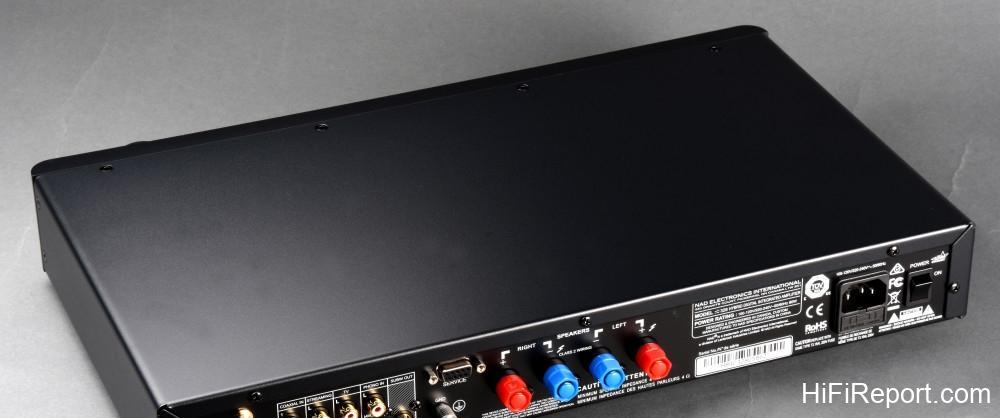
Many entry-level users opt for bookshelf speakers for their systems, which can somewhat limit bass performance. While perhaps acceptable initially, after a few years, users might desire improved low-frequency extension. The C328 offers upgrade potential in this area as well, featuring a subwoofer output terminal on the rear, allowing you to connect an active subwoofer and create a 2.1-channel system configuration.
Listening Experience: Sound Performance
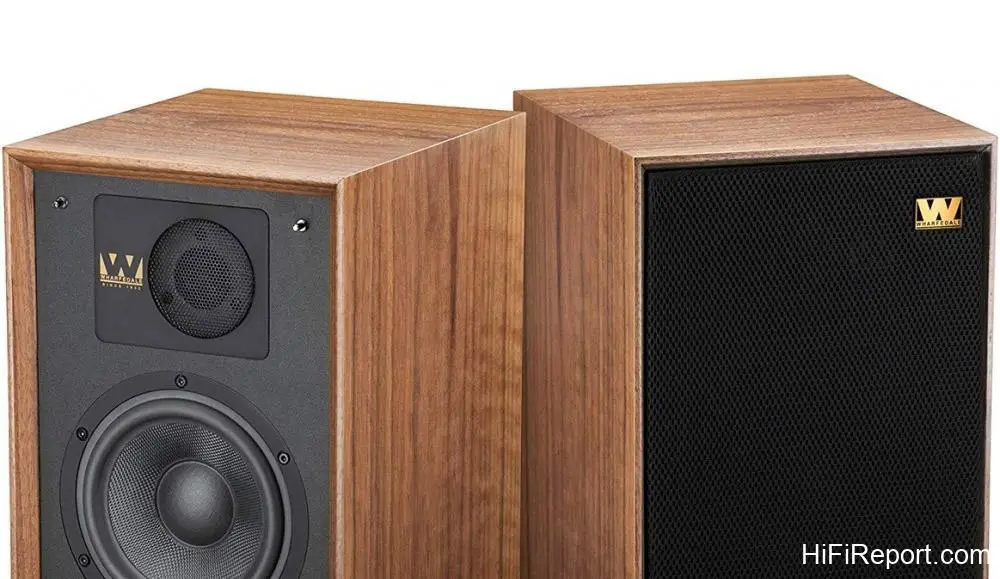
Moving on to sound performance, we paired the system with the Wharfedale Denton 85th Anniversary speakers, which are also reasonably priced at around $1000-$1100 and are a revamped classic, making them a good choice. After playing some familiar CD tracks, we found that this combination presented a relatively relaxed and comfortable sound signature, without excessive aggression. Instrumental performances had a gentle texture.
Coupled with the Wharfedale Denton 85’s characteristic emphasis on the midrange, this system rendered vocals with considerable charm, sounding as if the musicians were singing to us intimately in a room. The vocal density was good, and listening for a while revealed a sense of warmth and moisture in the voices, avoiding dryness or stiffness. While the absolute sound quality might not compare to NAD’s higher-end models, it comfortably satisfies many aspects of two-channel audio listening.
Detailed Sound Impressions
I’ll use the example of the EASCA 2009 test disc. Track 3, Chris Jones: “No Sanctuary Here,” showcased a thick, substantial male voice with clearly defined imaging. Track 4, Steve Strauss: “Youngstown,” began with a kick drum strike, revealing very fine details of the drumhead vibration. Although limited by the speaker design, the extreme low-frequency extension wasn’t exceptionally deep, but the solid energy of the mid-bass was palpable.
Track 5, Allan Taylor and Chris Jones: “The Tennessee Waltz,” started with the casual chatter of a few singers, immediately revealing a very clear soundstage and natural-sounding voices, as if the musicians were chatting closely with me in the room. Just one album allowed me to identify many pleasing elements.
Playing the “Opus 3-Showcase” album, the first track, “I Can’t Get Started,” a jazz club recording, reaffirmed that this affordable system can present a very clear soundstage. Even with the speakers not widely separated, the jazz club’s acoustic space was clearly rendered between the two speakers, extending inwards. When playing “Where The Green Grass Grows,” I again heard warm, full-bodied vocals, with a sense of temperature and moisture, making the singing sound truly heartfelt.
Dedicated CD Player vs. Blu-ray Player
I’m sure entry-level enthusiasts will have this question: “Since both play CDs, wouldn’t it be more cost-effective to buy a Blu-ray player? After all, Blu-ray players have more features and can still be integrated into a two-channel system.” We anticipated this point, but we conducted the comparison again this time. We compared several Blu-ray players in the under $350-$400 range, and the C538 easily demonstrated its advantages.
Most Blu-ray players tend to produce a thinner, harder sound, and their soundstage localization isn’t precise enough, which consequently affects their overall soundstage presentation. The main reasons are the inclusion of numerous video processing components and network streaming functionalities within the chassis, coupled with the use of components not designed specifically for dedicated audio, making it difficult to eliminate distortion and noise.
The NAD combination, however, is different. In comparison, its noise floor is quieter, offering clearer sonic outlines and better layering. With appropriate placement and adjustment, it achieves solid imaging and a distinct soundstage – elements crucial for the enjoyment of two-channel audio. Therefore, if you intend to listen to music long-term, I recommend opting for a dedicated CD player like the C538; otherwise, you’ll likely regret it in the future.
Conclusion: The Simple Pleasure of CD
Working at a magazine, I’ve encountered many new audio products in recent years that are primarily digital stream components. Testing with CDs as the main source was a somewhat rare experience this time. I must say, returning to CD is truly a simple pleasure. There’s no need to worry about digital file format compatibility or getting used to different streaming service interfaces. Simply insert the disc into the tray and hit play. Then, just relax and enjoy the music.
Your mind can be completely free, easily achieving a stress-relieving effect. If you also desire this simple way of listening to music, this NAD combination is accessible at a minimal cost.
C538 CD Player Specifications
* Disc Playback Formats: CD/CD-R/CD-RW
* DAC: Wolfson 24bit/192kHz
* Digital Outputs: Coaxial/Optical
* Analog Output: RCA
* Output Voltage (RCA): 2.2 +/- 0.1V
* Frequency Response: 20Hz~20kHz (+/-0.5dB)
* Distortion (THD+N): <=0.01% (ref.1kHz, Audio LPF) * Signal-to-Noise Ratio (S/N): >=110dB (ref. 1kHz, A-weighted)
* Channel Balance: +/- 0.5 dB (ref 0dB, 1kHz)
* Channel Separation: >=90 dB (ref.1kHz)
* Dimensions: 435W × 70H × 249D mm
* Net Weight: 3.0 kg
C328 Integrated Amplifier Specifications
* Type: Hybrid Digital Integrated Amplifier
* Frequency Response: 20Hz~20kHz (+-0.3dB, 1kHz)
* Signal-to-Noise Ratio (S/N): >98dB
* Total Harmonic Distortion (THD): <0.03% * Continuous Output Power: Class D, >50W (8ohm)
* Maximum Output Power: 210W (2ohm)
* Digital Inputs: Coaxial × 2, Optical × 2
* Analog Inputs: 2RCA × 3 (including Phono MM input)
* Subwoofer Output: RCA (SUBW OUT)
* Wireless Connectivity: Bluetooth, supports apt-X
* Headphone Output: 6.5mm
* Maximum Current Output: >18A (into 1 ohm, 1ms)
* Dimensions: 435W × 70H × 285D mm
* Weight: 4.9 kg