
Nordost QBASE Reference Review
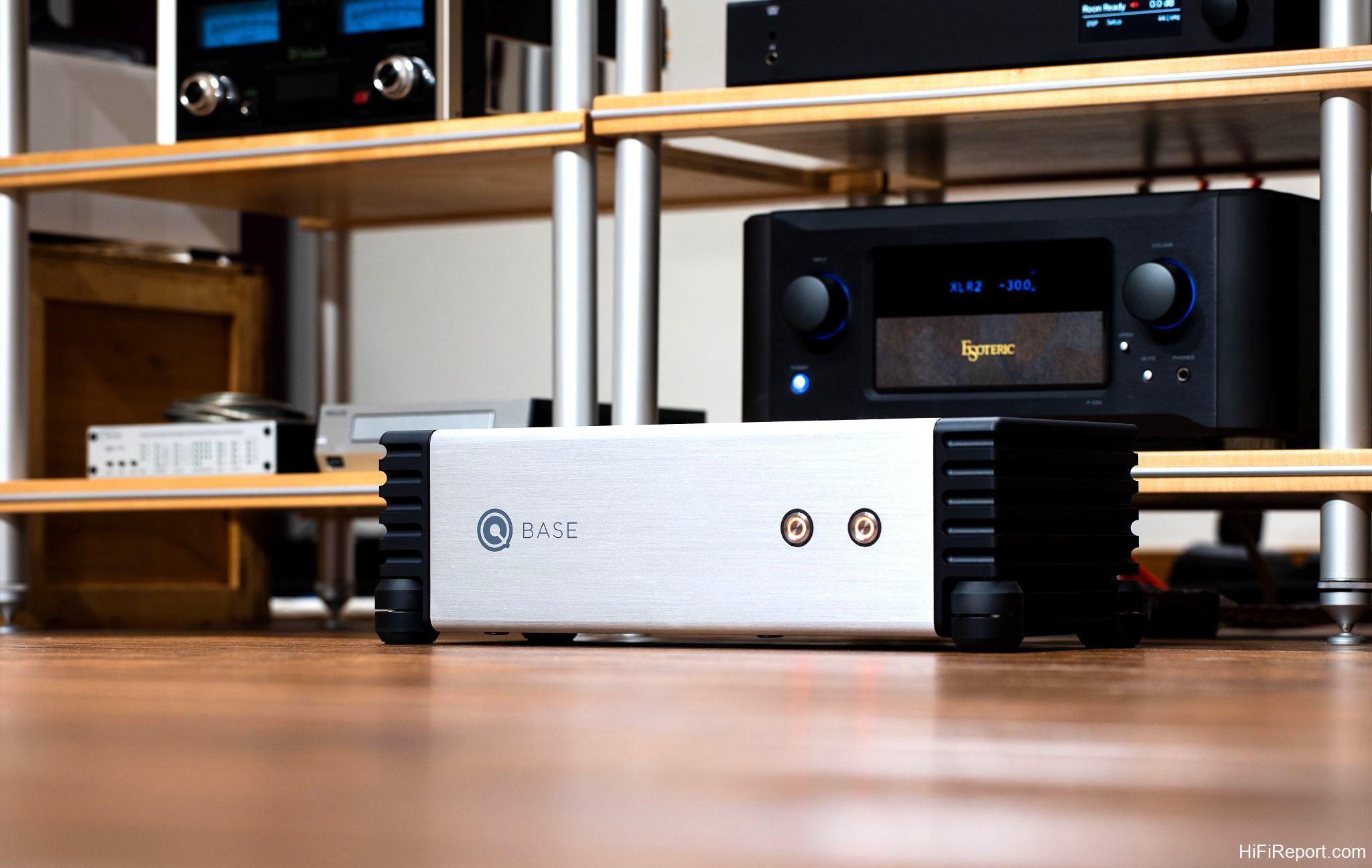
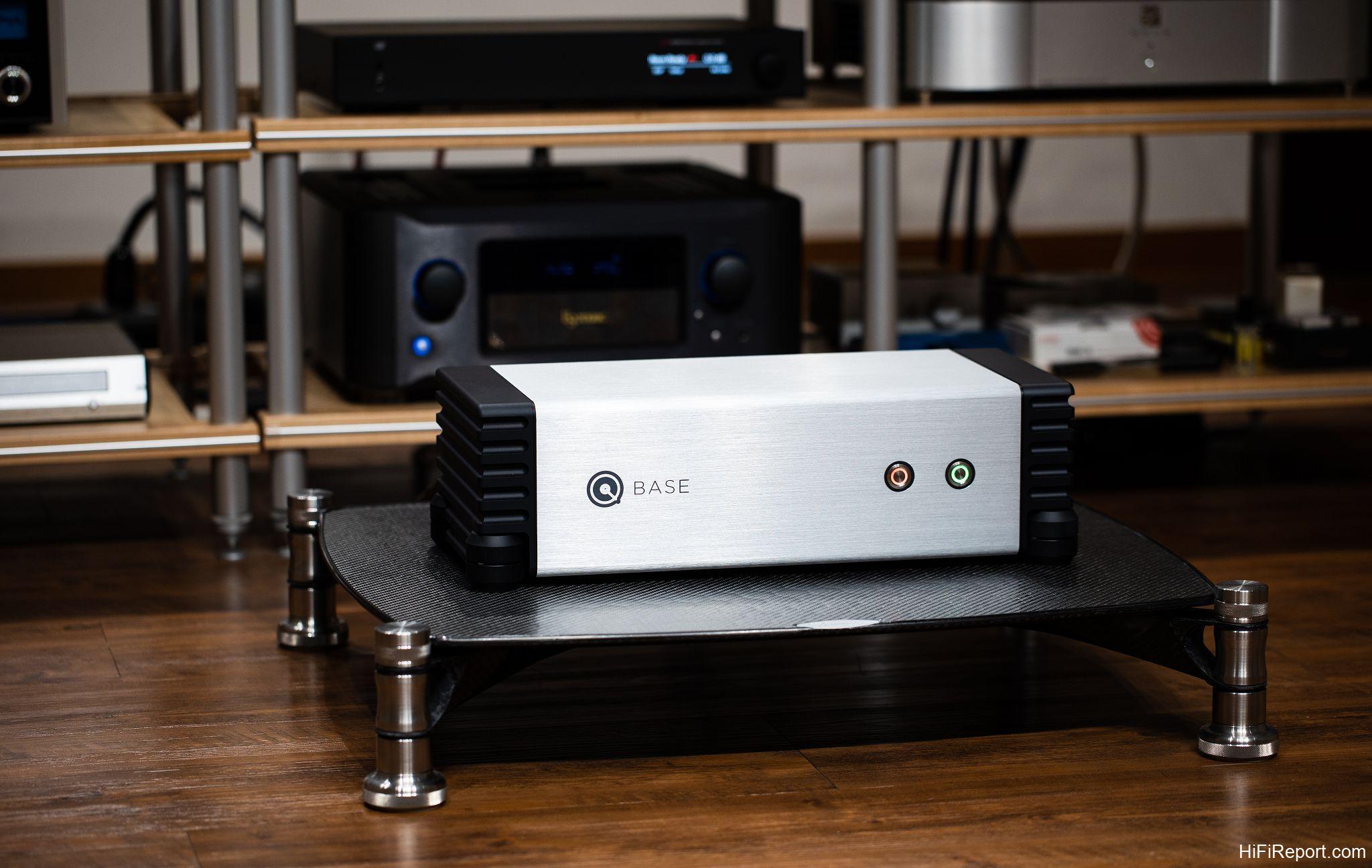
Nordost, the American cable giant, is renowned not only for its exceptional cables but also for its power, grounding, and resonance control products. These offerings incorporate unique technologies and deliver significant sonic improvements, earning them widespread acclaim among audiophiles. The QBASE Reference is Nordost’s latest flagship power distribution unit, boasting ten outlets.
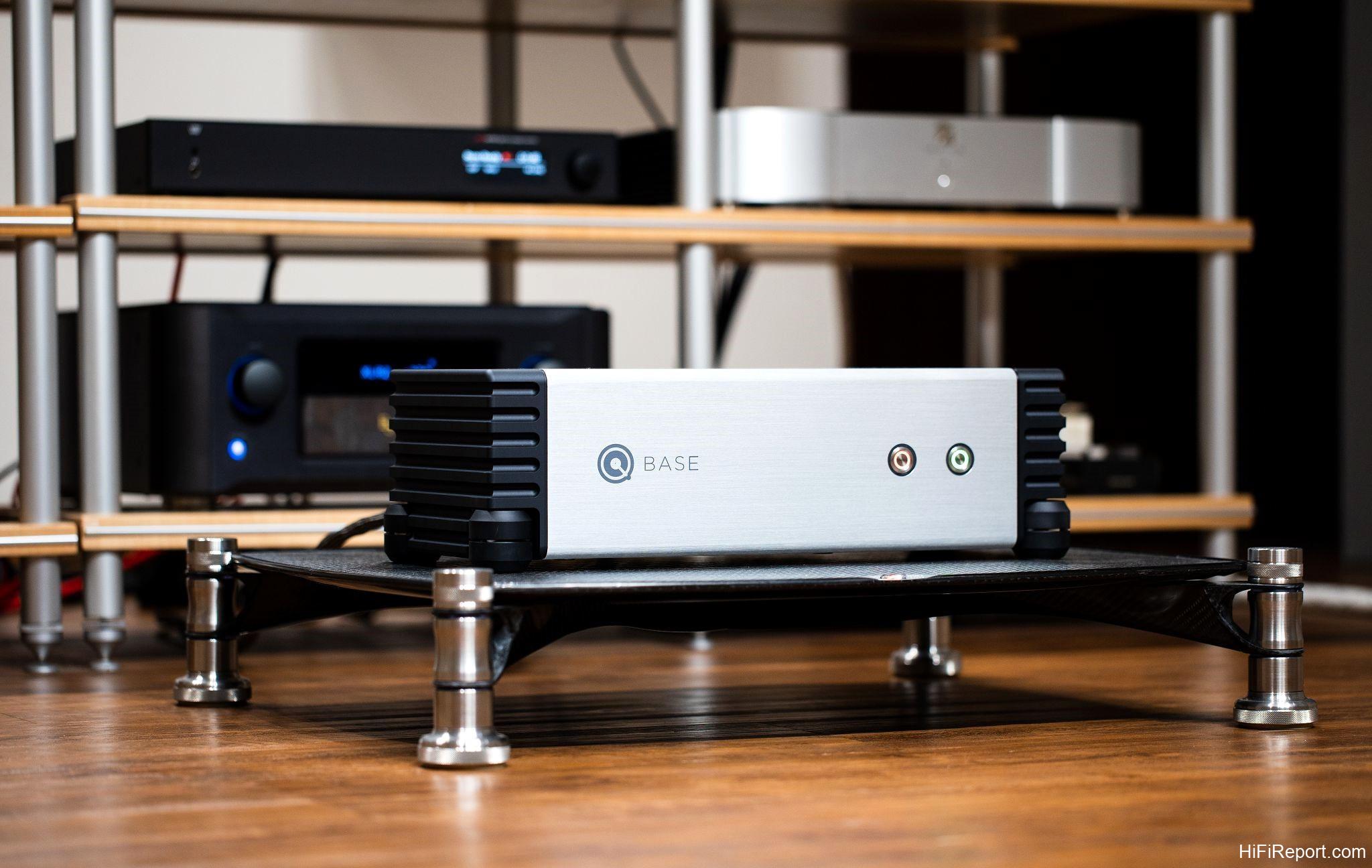
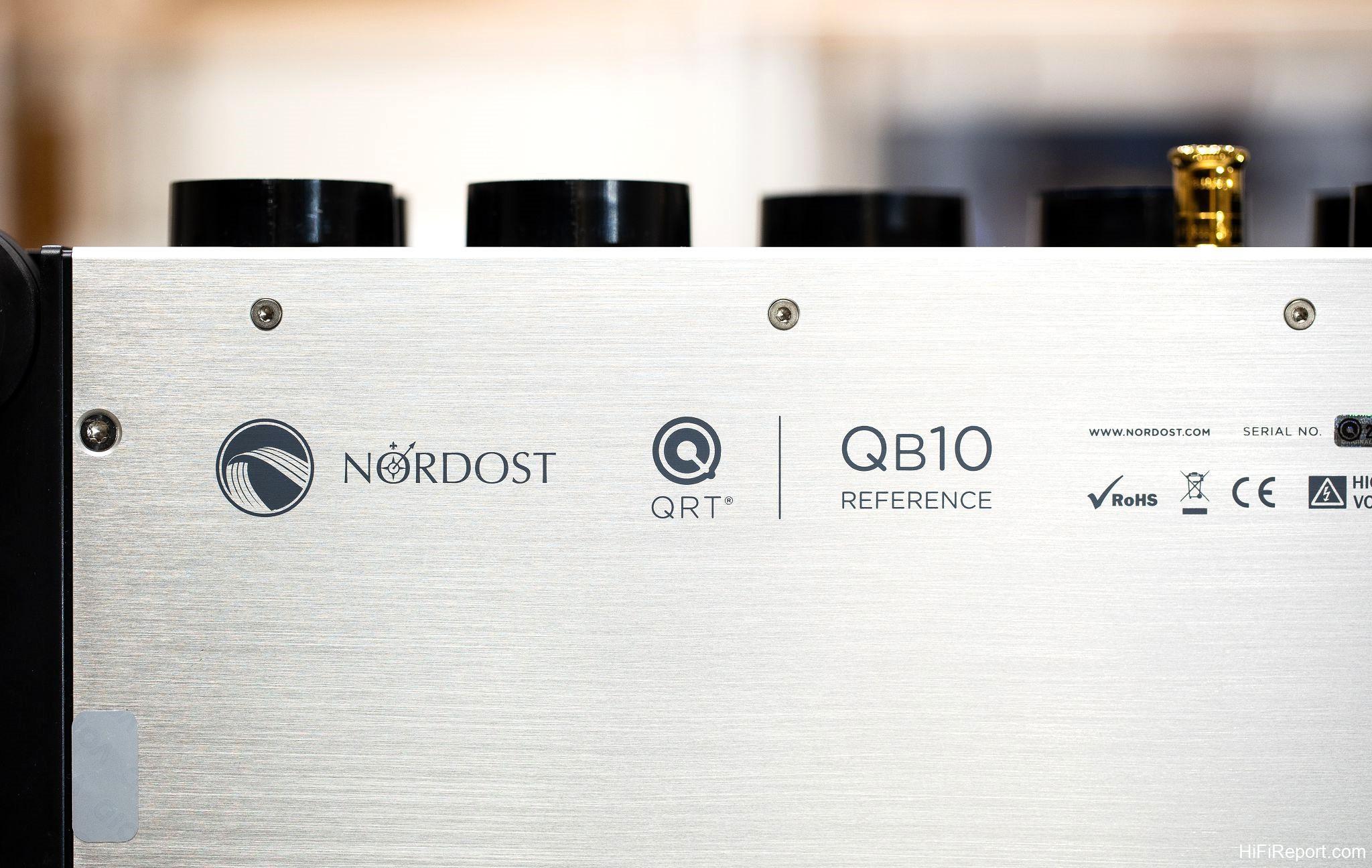
Following their established naming convention (QB4, QB6, QB8), the QBASE Reference could also be referred to as QB10. Visually, the QB10 is considerably larger than previous QBASE models. While earlier iterations adopted a strip-like design, the QBASE Reference presents as a substantial, three-dimensional enclosure. This increase in size is not merely due to the added outlets; it signifies a more advanced internal architecture.
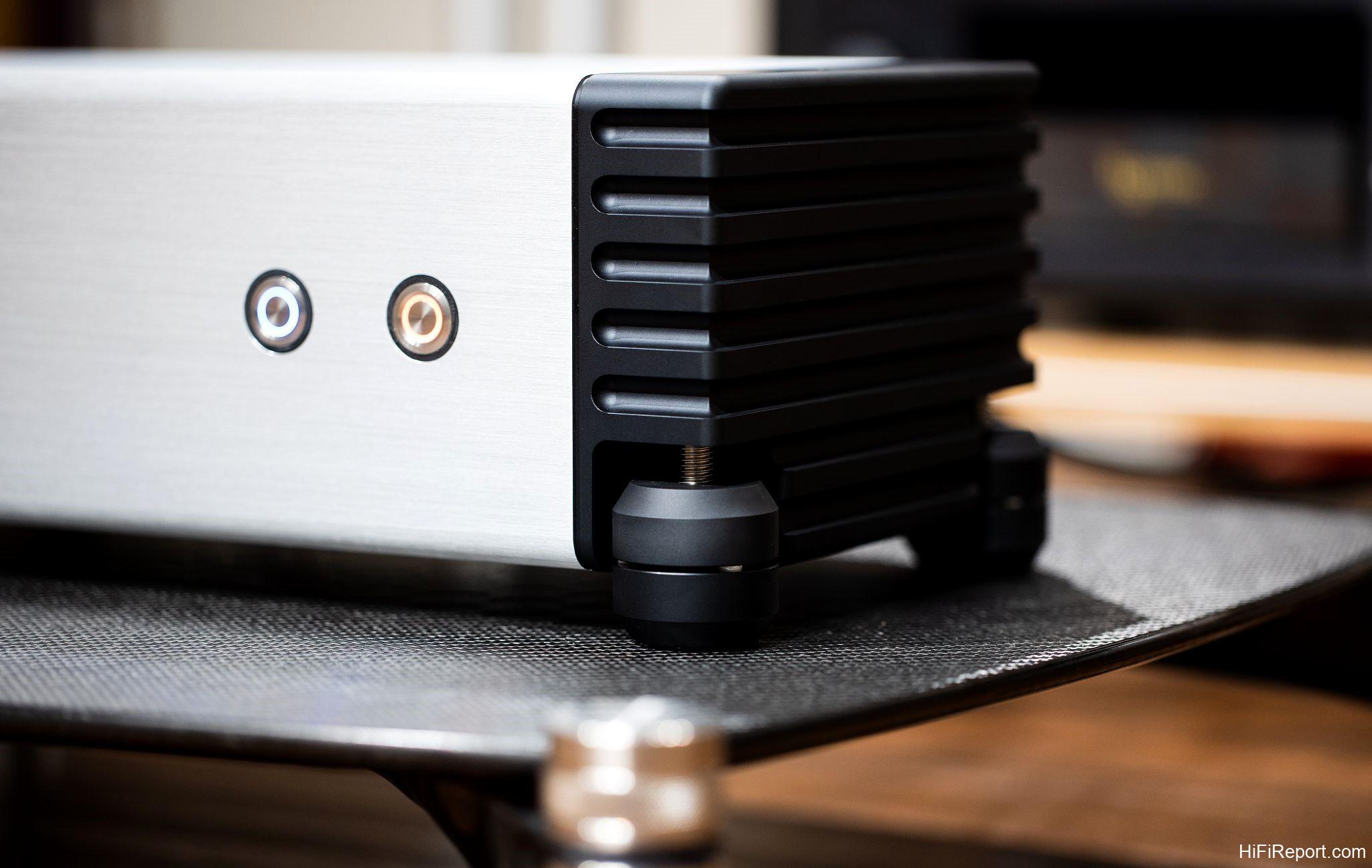
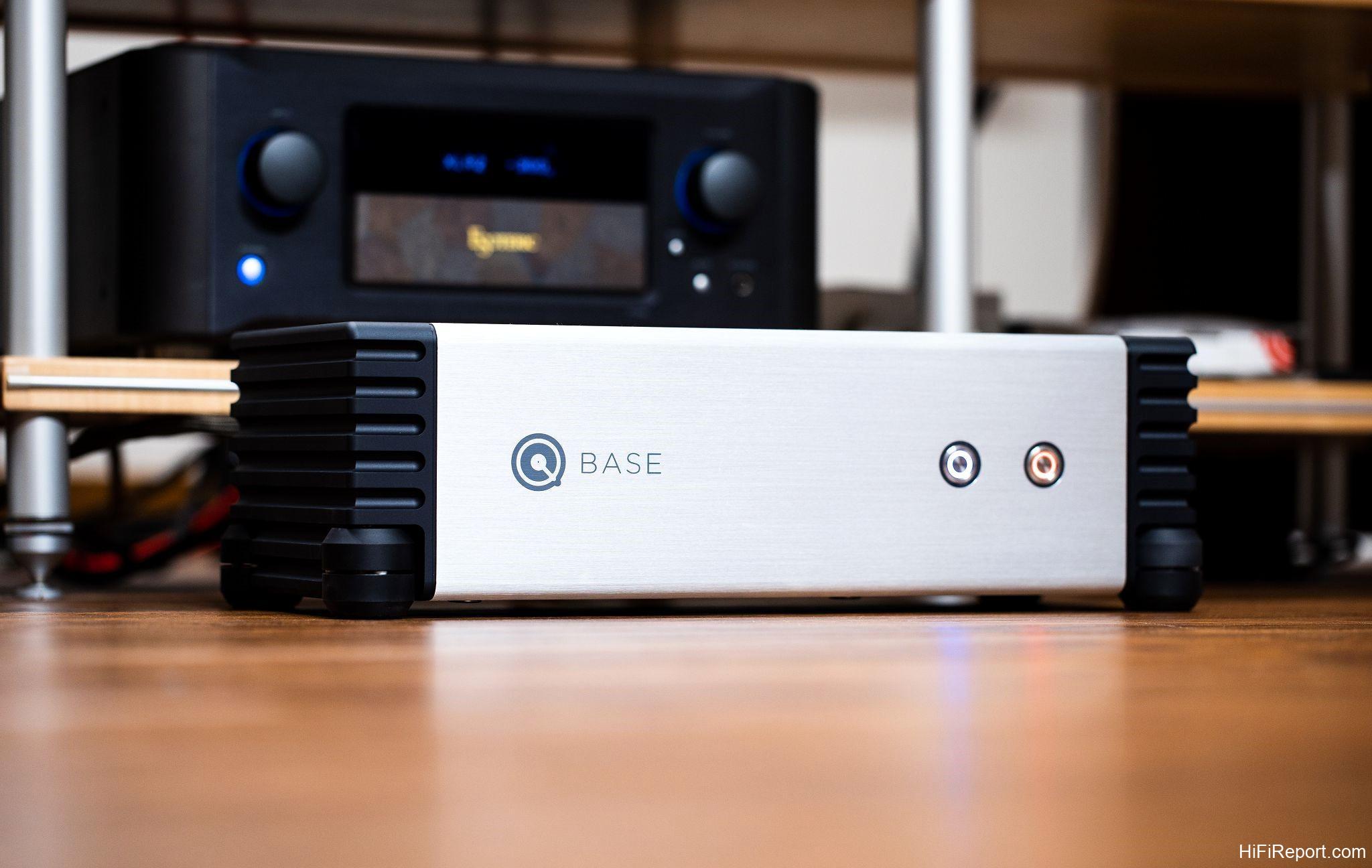
The QBASE Reference features a dual primary earth design and incorporates QSINE and QWAVE technologies directly within its chassis. Two front-panel LED buttons control the activation of QSINE and QWAVE.

It is crucial to clarify that the QBASE Reference is not a traditional power conditioner, which are often perceived as compressing dynamics and bandwidth. Nordost explicitly states on their website that the QBASE Reference is a filter-less power distribution unit. It employs passive and active technologies to prevent distortion and eliminate noise without compromising dynamics or bandwidth, and importantly, without altering the inherent sonic characteristics of the connected components.
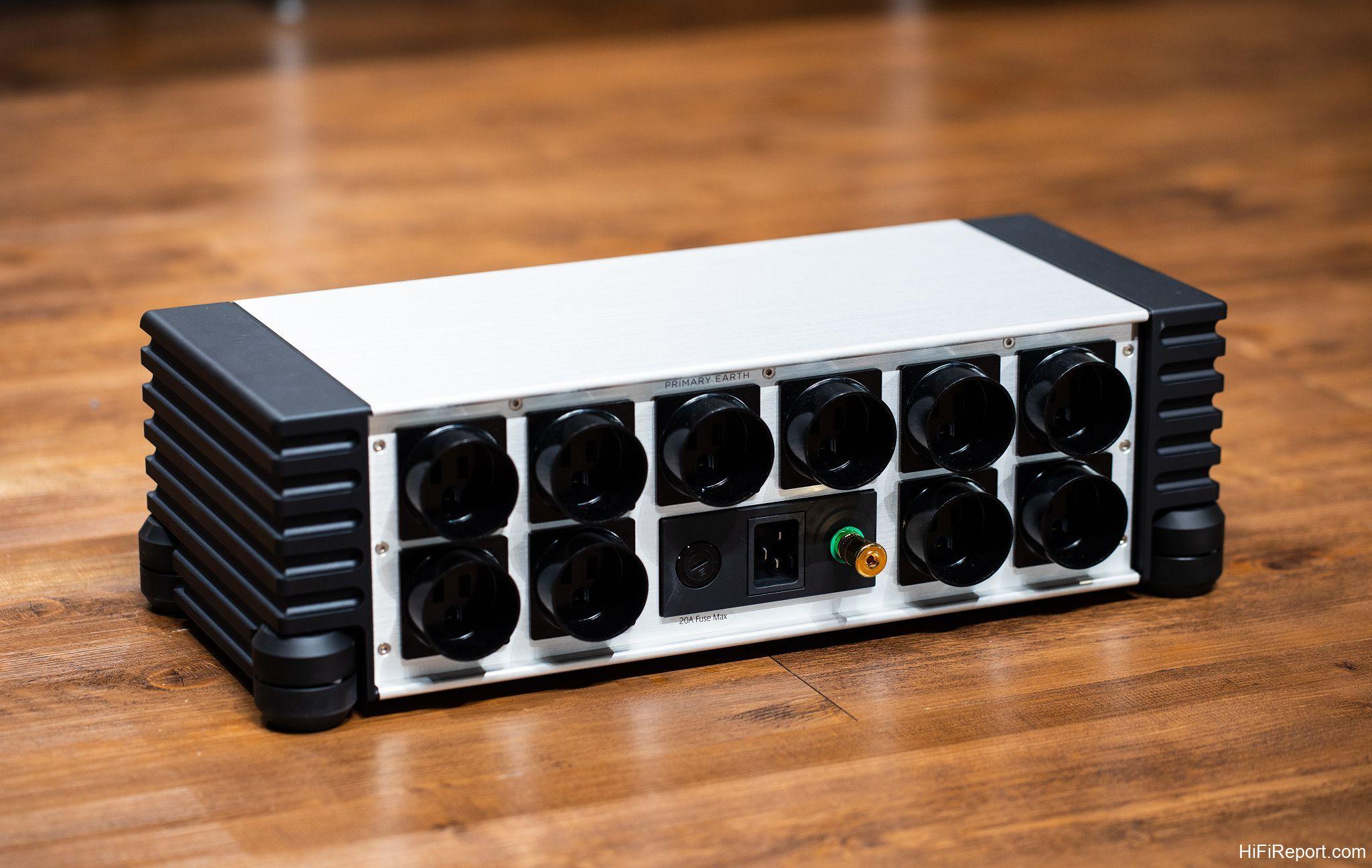
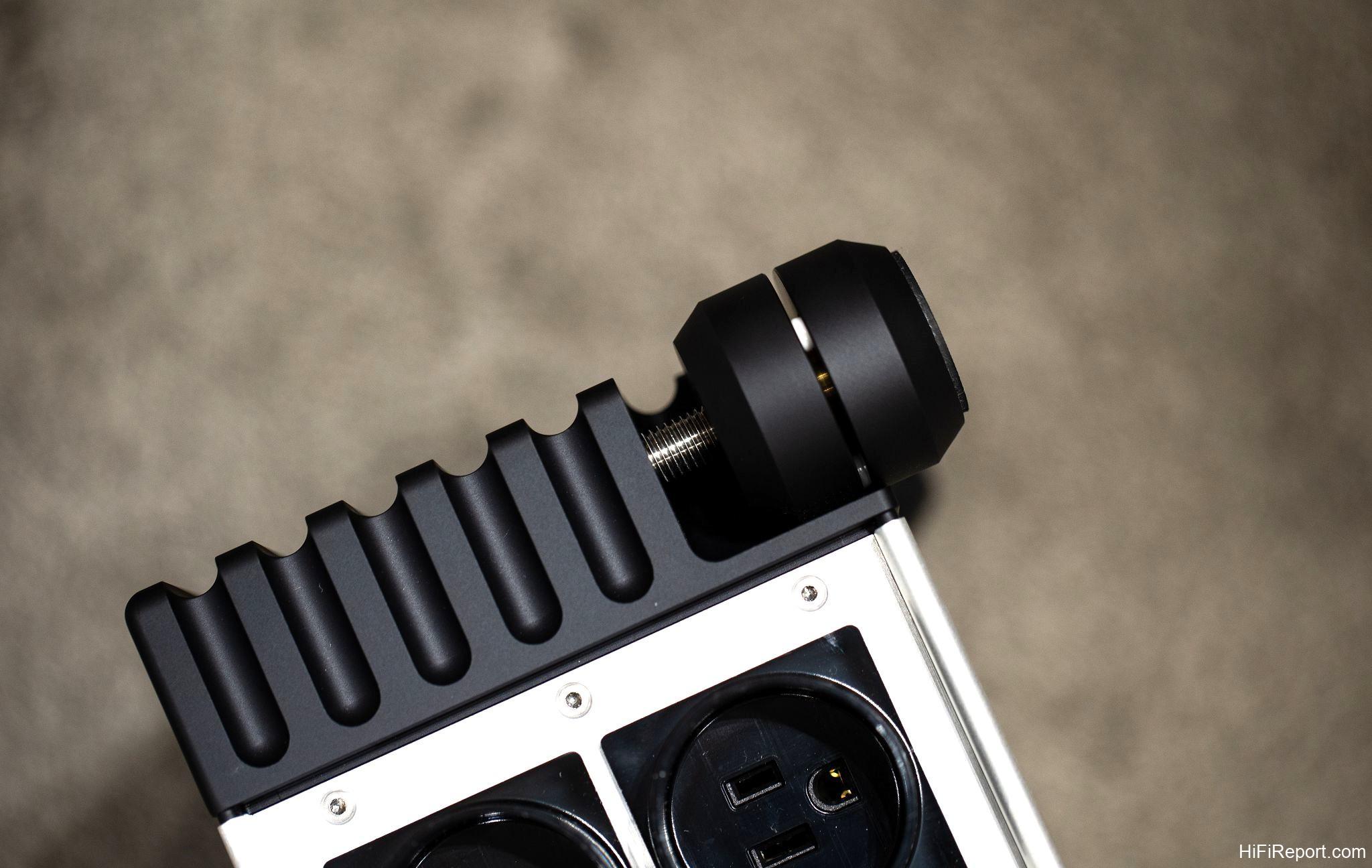
The QBASE Reference provides ten outlets, with the central two featuring a Dual Primary Earth design. It’s important to note that the power input specification is 20A, differing from standard configurations. The pin configuration is a straight line () for live, neutral, and ground, requiring a 20A power cable or a 20A adapter.
Key Features
* **Star Earth Topology:** Each outlet has an independent ground, ensuring stray voltages and eddy currents converge at a single grounding point. * **Specialized PCB Design:** Features symmetrical live/neutral architecture, independent grounding, and Voltage Directionality Technology. * **Integrated QSINE & QWAVE:** User-selectable QSINE AC Enhancers and QWAVE AC Line Harmonizers.
* **QSINE:** A passive field generator that introduces specific frequency magnetic fields into the circuit path, reshaping the AC sine wave and reducing EMI noise. * **QWAVE:** An active design that calculates and injects a specific pulse frequency range directly into the AC circuit path, optimizing the AC signal for connected audio equipment to better control harmonics and overtones.
* **Optimized QPOINT Resonance Synchronizer Technology:** Ensures consistent operation across all components and circuit boards, eliminating electrical noise and enhancing coherence and timing. * **Dual Primary Earth Design:** Synchronizes grounding for dual-mono preamplifiers using two power cords. * **Nordost Micro Mono-Filament Internal Wiring:** High-speed signal transmission capabilities.
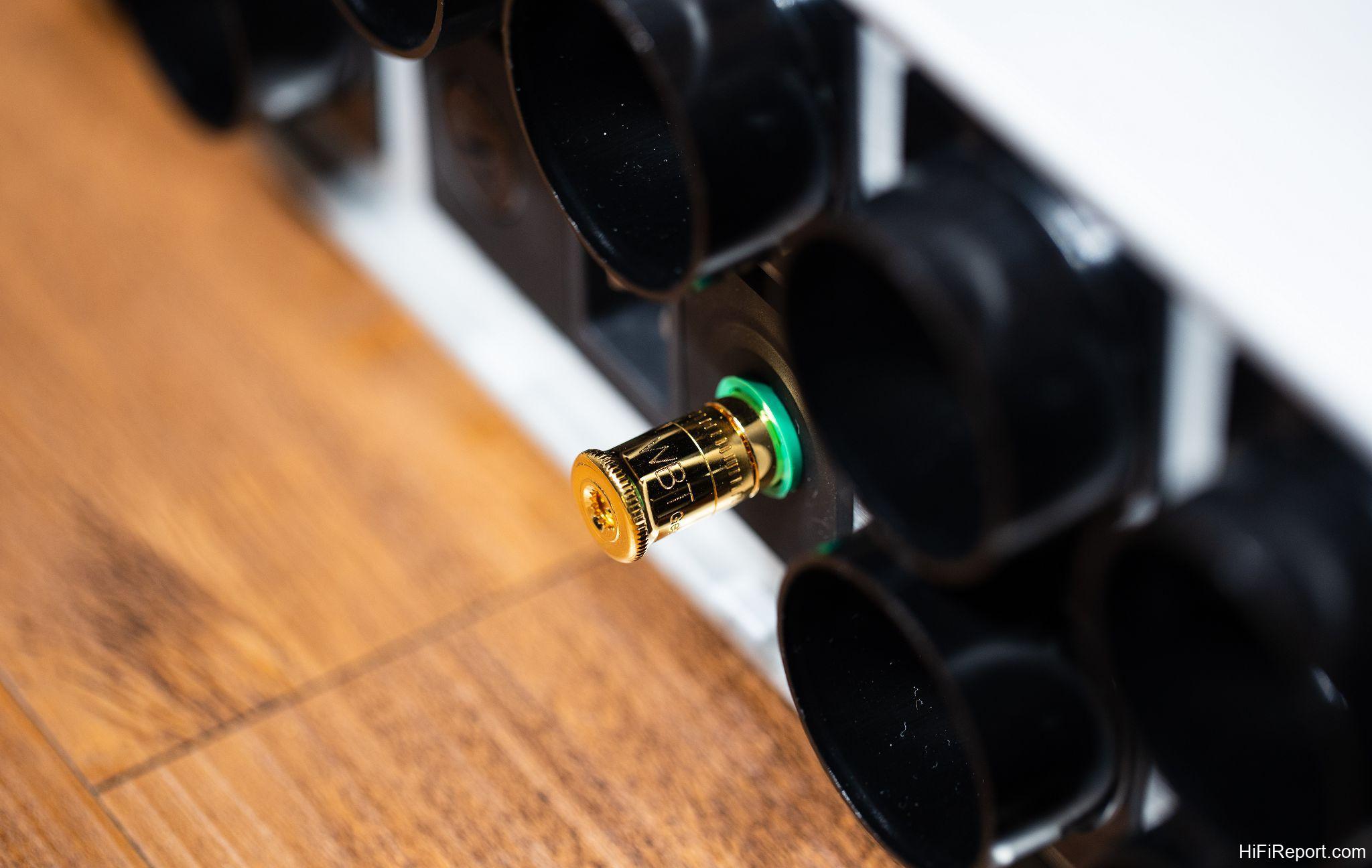
* **Pre-QKORE Grounding Design:** Fully independent and compatible with QKORE’s LVAP (Low Voltage Attractor Plate) technology. * **Integrated Nordost Sort Füt Feet:** Effectively isolates and eliminates electrical and mechanical vibrations, with adjustable height for leveling.

Bottom Design & Feet
The QBASE Reference’s underside reveals further design intricacies, including the dual primary earth design switch (accessible by opening the silver circular cover). The four corners are fitted with height-adjustable Nordost Sort Füt feet.
Pre-QKORE Compatibility
The Pre-QKORE grounding design ensures seamless compatibility with QKORE’s LVAP technology.
Front Panel Controls
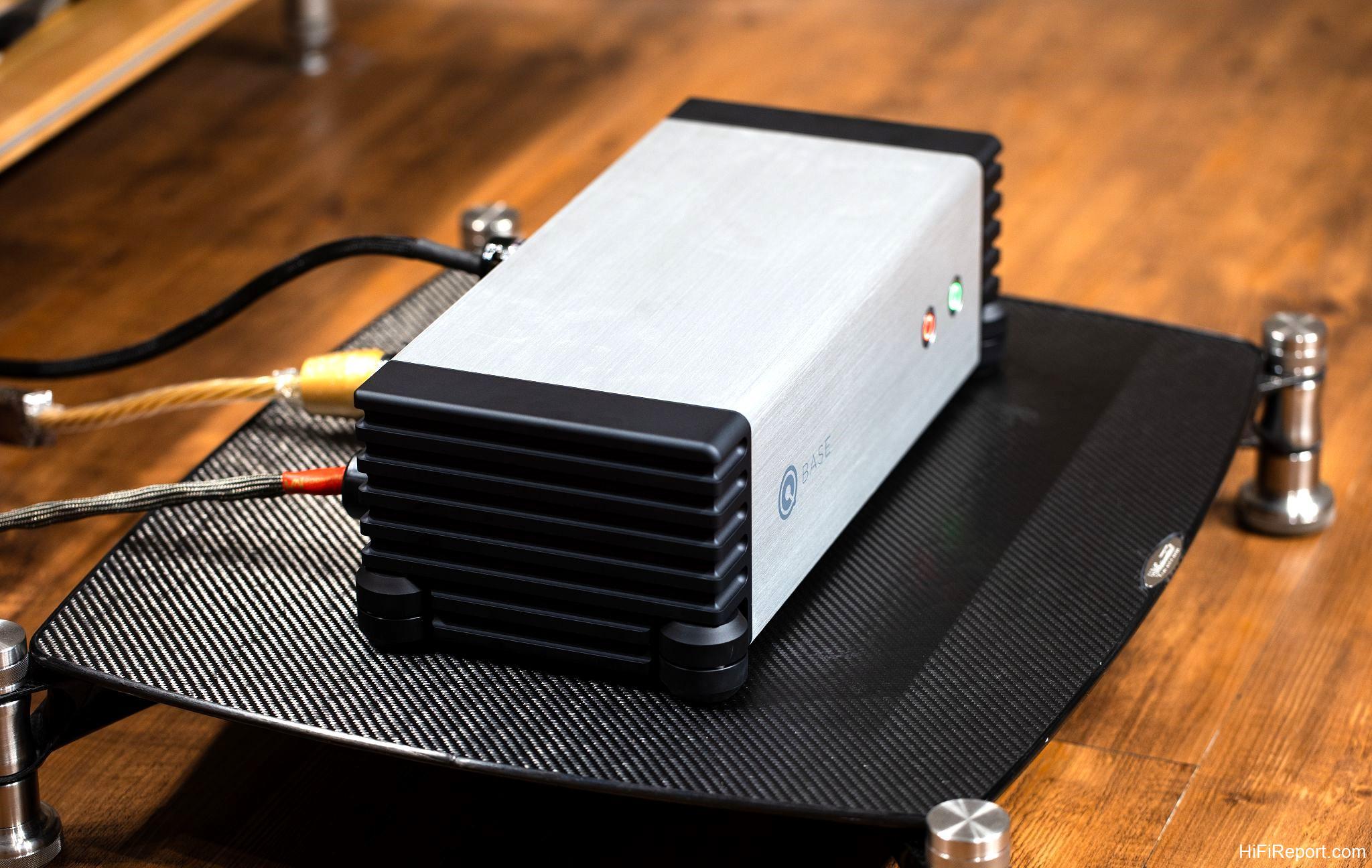
The front panel buttons control QSINE and QWAVE activation. The left button controls the left circuit, and the right button the right circuit.
* **LED Off:** Both QSINE and QWAVE are disabled.
* **Blue LED:** QWAVE is enabled.
* **Red LED:** QSINE is enabled.
* **Green LED:** Both QSINE and QWAVE are enabled.
Science Enhancing Art
Nordost cables are already well-established in the audiophile community due to their aesthetics, sonic performance, and price. Products outside of their cable lines often carry the QRT designation, which originated from an independent company that later merged with Nordost. QRT specializes in power conditioning, grounding, power distribution, network switches, and accessories designed to enhance audio system performance.

Culmination of Research
QBase is the product family name for Nordost QRT power distribution units. Historically, a number was appended to denote the number of outlets, with QB8 being the previous top-of-the-line model offering eight outlets. The QBASE Reference, or QB10, is the new flagship, providing ten outlets. While classified as a power distribution unit, it functions more like a power processor. Consistent with the QBase philosophy, it avoids traditional filtering to prevent dynamic compression.
Star grounding, a standard practice, is employed, and it can be further enhanced with Nordost QRT grounding devices. The third-generation QB8 emphasized mechanical vibration control within the unit itself. The QBASE Reference inherits these design principles, resulting in a robust and stable chassis. The four height-adjustable feet each incorporate three ceramic balls for mechanical vibration isolation.
The most significant advancement in the QBASE Reference is the integration of Nordost’s other sound-enhancing technologies with user-selectable activation. During listening tests, we systematically evaluated the sonic impact of these features.
Pinpoint Imaging & Enhanced Soundstage
Immediately upon integrating the QBASE Reference, the improvement was striking. Listening to “Hey Now” from London Grammar’s *If You Wait*, the difference was immediately apparent. The QBASE Reference dramatically improved sonic focus and imaging precision. The instrumental introstage expanded outwards, creating an immediate sense of three-dimensional space. The centrally positioned vocals gained noticeable solidity.
Compared to the presentation without the QBASE Reference, where images, especially vocals, were slightly blurred at the upper and lower extremes, the QBASE Reference sharpened the focus, akin to tightening a fist. This improvement was consistent across all sonic images, not just the central vocal. The layering and depth of soundscapes also became more pronounced and distinct, presented with remarkable clarity and separation. Similarly, with Natalie Merchant feat.
Abena Koomson-Davis’s “Big Girls” from *Keep Your Courage*, the addition of the QBASE Reference significantly enhanced the overall three-dimensionality of the music. Vocal lines and melodies became clearer and more naturally rendered, without any artificial etching or harshness.
Uncompressed & Cleaner Bass
Listening to Billie Eilish’s “Bad Guy,” the QBASE Reference also improved bass performance. The enhancement wasn’t about increased energy or impact, but rather cleaner, less muddy bass. The low frequencies exhibited a more concise and controlled decay. Crucially, there was no sense of compression. Many worry that power conditioning products might restrict dynamics, but the QBASE Reference completely avoids this.
Moving to more dynamic tracks from Imagine Dragons’ *Evolve*, the bass performance mirrored the observations with Billie Eilish – cleaner, clearer, with improved control and transient response. Furthermore, the QBASE Reference did not alter the inherent tonal character of the system, which already had a slightly warm and full-bodied sound.
The consistent impression was that the QBASE Reference enhanced sonic performance without changing the system’s fundamental sonic signature, eliminating any concern about altering system voicing. The primary improvements were in enhanced musical flow, improved coherence, and a more three-dimensional soundstage.
Purer, More Ordered Playback
Next, I explored the QBASE Reference’s switchable features using familiar tracks. There are four settings: all features off, QWAVE only, QSINE only, and both QWAVE and QSINE enabled. The controls are touch-sensitive rather than push-button, requiring only a light tap to switch settings. Internally, there are two sets of QWAVE and QSINE circuits, allowing for independent control, although during our listening session, we operated both sets in sync.
Switching between settings revealed subtle improvements at each stage. Comparing the “all off” state to “all on,” using John Coltrane’s *Blue Train*, the music exhibited a more ordered presentation with all features engaged. It’s a subtle but noticeable sense of ease, coherence, and improved sonic purity and density. Throughout the entire testing process, the impact of the QBASE Reference, both with and without its additional features, was immediately apparent and significant.
The effects of QWAVE and QSINE become more pronounced after extended listening and careful switching, revealing their cumulative impact on the overall musical presentation.
Expansive Soundstage & Comfortable Listening
For my evaluation, I began with Boyce Avenue and Emma Heesters’s cover of “I Like Me Better.” Listening to the track before introducing the QBASE Reference, the music felt comfortable and pleasant, with a light and refreshing quality. Upon connecting both the DAC and amplifier to the Nordost QBASE Reference (QB10), the immediate impression was a widening of the soundstage.
The sonic image expanded significantly to the left and right, becoming not only broader but also more sculpted and three-dimensional. The bass became fuller and more substantial, while the separation between male and female vocals became clearer, and instrumental textures gained richness. Compared to the original presentation, the notes now possessed a more defined and tangible presence.

Switching on the QWAVE function (blue LED), the sound became slightly lighter. While maintaining the same solidity, fullness, and dynamic range, the perceived soundstage seemed to recede slightly, creating a greater sense of depth. The initial presentation, without QWAVE, felt somewhat direct and focused, with the sound more concentrated at a specific point. Activating QWAVE resulted in a more expansive and deeper sonic image, creating a more comprehensive and complete picture.
Previously, the sound might have felt slightly thick, overly full, or too close. With QWAVE, the listening experience became more relaxed and less fatiguing, while maintaining the same focused and solid sonic character, establishing a more comfortable listening distance.
Balanced Sound & Enhanced Instrumentals
Moving to Judith Owen’s “Happy This Way,” I again compared the sound with and without the QB10. I found the sonic distribution to be significantly more balanced with the QB10 in place. Initially, the piano sounded beautifully open and expansive, with a well-balanced bass foundation. However, the vocals felt somewhat detached, positioned rigidly in the center, seemingly separated from the instruments.
With the QB10, the vocals gained breadth and fullness, seamlessly integrating with the piano horizontally. The original presentation felt like a grand stage, but with vocals that seemed somewhat isolated. Now, the stage remained expansive and grand, but the vocals possessed a more commanding presence, better integrated with the overall performance, creating a more cohesive and satisfying listening experience.
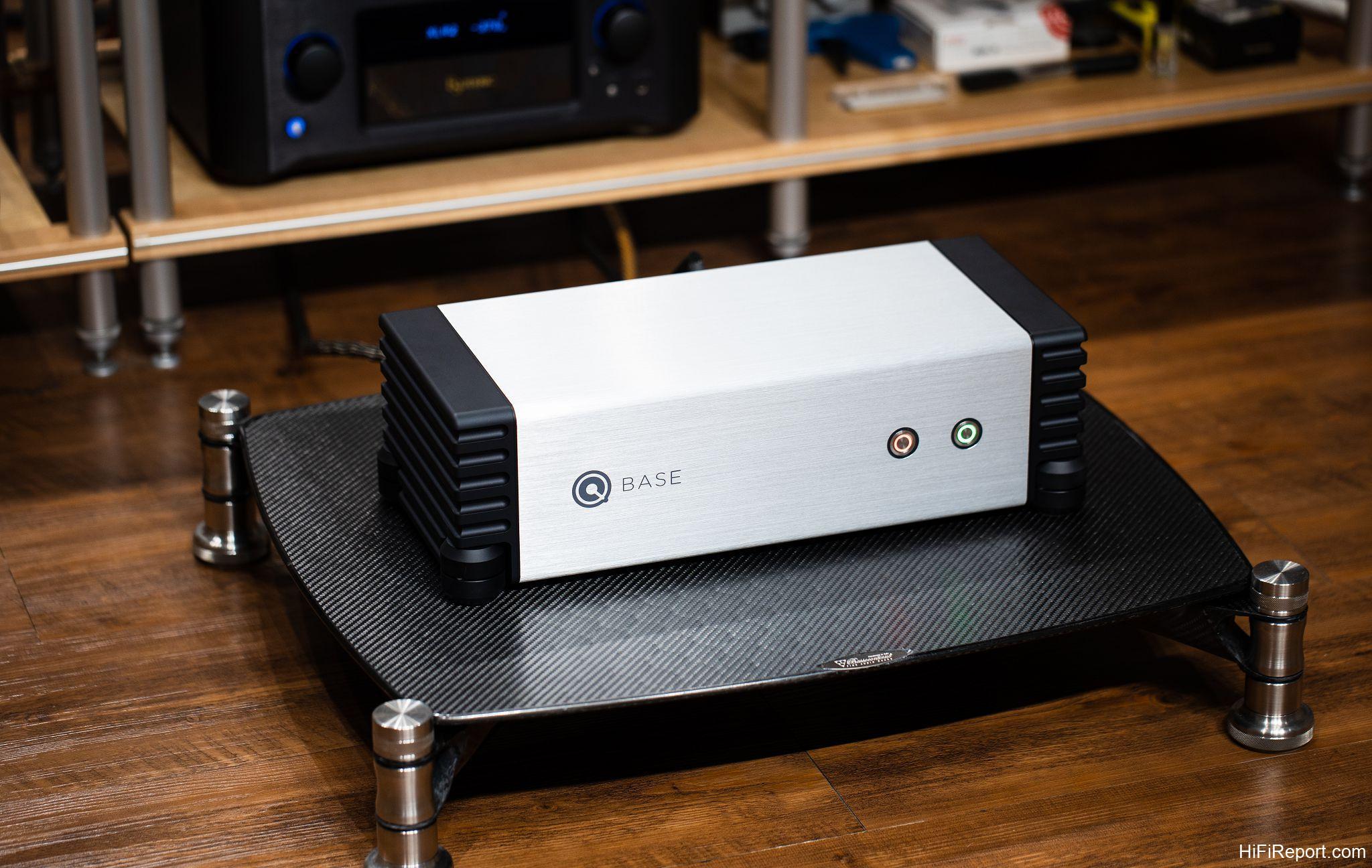
Switching to QSINE (red LED), I felt the most significant improvement in instrumental presentation. The opening piano notes, initially unremarkable beyond their lively and bright character, became significantly more captivating with QSINE engaged. The piano tone gained a subtle sheen, and the high frequencies became more transparent. While the sonic impact might have been slightly less forceful, the piano notes exhibited a shimmering, pearl-like quality.
Overall, the piano already possessed excellent texture and articulation, but QSINE added a touch of fluidity and nuance, making the sound less rigid and more expressive. The already impressive bass, however, seemed to lose a bit of air and bounce, gaining a touch more thickness. Listeners can experiment to determine which presentation best suits their preferences.
Height, Depth & Width Improvement
Listening to Fredrika Stahl’s “Stuck on a Stranger,” the vocals already sounded quite spacious, and the difference with and without the QB10 was less pronounced. However, the most noticeable improvement was in sonic coherence. Without the QB10, the piano felt slightly lacking in bass, positioned somewhat centrally in height, while the vocals seemed positioned slightly higher, creating a sense of separation. With the QB10, the vocals gained some width and significant vertical fullness.
The bass also became more prominent, and the piano seemed to sink slightly lower in the mix. The previously perceived separation vanished, replaced by a seamlessly integrated sonic image. Even the sudden cymbal crashes sounded more airy and less abrupt, enhancing the overall smoothness of the track.
Finally, engaging both QWAVE and QSINE (green LED), I found that the overall contrast of the track improved, with enhanced detail retrieval. Vocals exhibited greater dynamic range, with stronger passages becoming more powerful and softer passages becoming more delicate. The perceived distance between the vocal source and the listener remained similar, but the depth and layering within the presentation deepened significantly. The piano tone also gained a more refined and pleasing edge.
The most noticeable improvement was in sections where drums, cymbals, and piano played together. Initially, the piano might have sounded slightly weak when competing with the powerful drums and cymbals. With both QWAVE and QSINE engaged, while the piano might still be slightly less forceful overall, its presence became more defined and luminous, making it less likely to be overshadowed by the other instruments.
Overall, different musical styles benefit from different combinations of QB10 features, offering a rich palette of sonic flavors to suit diverse listener preferences.
Nordost QBASE Reference Power Distributor Specifications
* **AC Outlets:** 10 US, EU (Schuko) or AUS
* **AC Inlet:** IEC C-20 (20/16 Amp)
* **Dimensions:** 48.3 x 20.3 x 14.0 cm
* **Weight:** 11.75 kg