
Nordost QNET Switch Review
The market for network switches has seen a surge in recent years, with many audio brands throwing their hats into the ring. Even the renowned American cable manufacturer, Nordost, recently introduced their own network switch, the QNET. Since merging with the US power brand Quantum, Nordost has consistently released products under the QRT series, including the QSource linear power supply, QBase power distributors, QPoint resonance harmonizers, and others.
The QNET is the latest addition to this esteemed lineup. When I first wrote about this network switch as a new product announcement, what struck me most, aside from its distinctive appearance, was its undeniably steep price tag! With a retail price exceeding USD $3,000, it’s nearly double the cost of most audiophile-grade switches. This only fueled my curiosity about the level of streaming quality enhancement it could truly deliver.
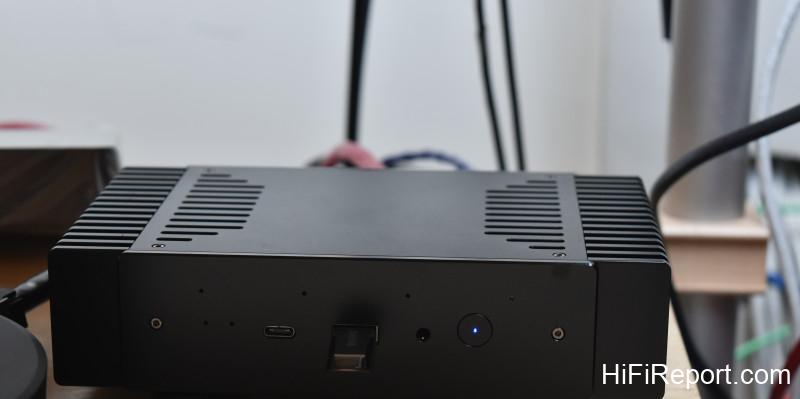
Just as my anticipation was building, I received an invitation from the distributor, Alpha Audio, to attend a demonstration of the QNET at DingJie Audio, using their complete system. In the past, “equipment catering” events like this were typically reserved for bulky, high-value components that were difficult to bring into the office.
The fact that the distributor specifically requested using DingJie Audio’s full setup for a small switch added an extra layer of mystique to the QNET, making me incredibly eager to hear it.
Design and Features of the QNET
Before heading to DingJie for the audition, it’s important to understand the QNET’s design philosophy. According to Nordost, the product, from its individual components to its overall form, was entirely newly designed from the ground up. The goal was to enhance digital signal integrity while achieving extremely low noise performance. Indeed, some audiophile network switches on the market utilize existing off-the-shelf modules with modifications, rather than starting from scratch.
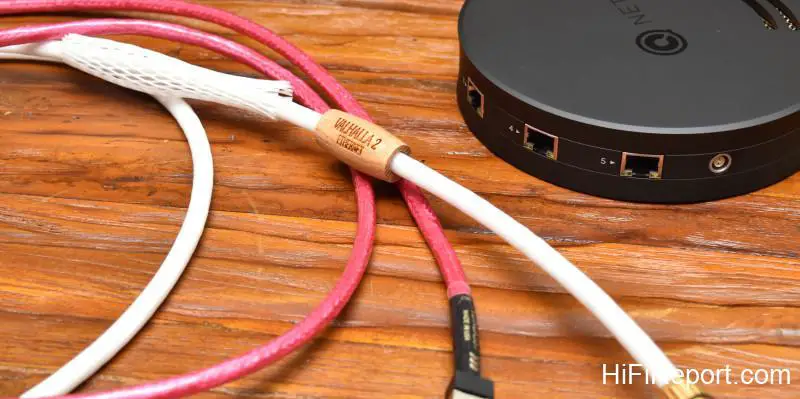
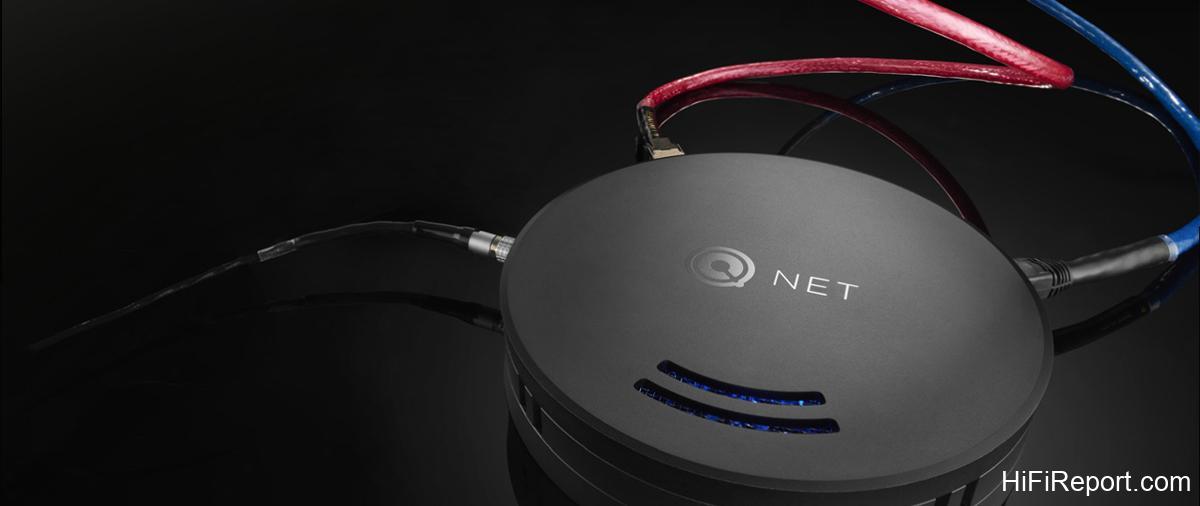
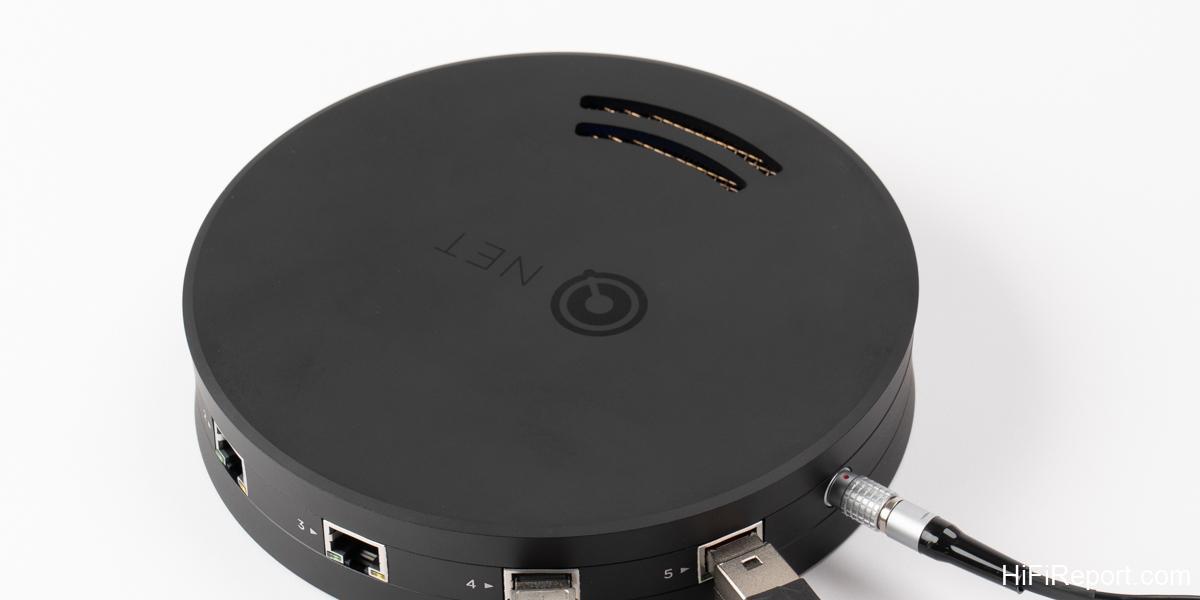
This often results in conventional rectangular chassis designs. Furthermore, standard IT products don’t prioritize noise isolation; to save space, network ports are often closely packed together, which can lead to interference. The QNET, however, features a novel circular chassis design with five RJ45 ports positioned around the circumference. My initial thought was that this layout would increase the spacing between ports, effectively reducing crosstalk.
Beyond its unique shape, the chassis maintains the typical exquisite craftsmanship found in the QRT series, employing an all-aluminum alloy construction. This not only looks good but also helps reduce electromagnetic interference and improves heat dissipation.
Next, the QNET differentiates its five RJ45 ports based on network bandwidth. Three ports support 1000BASE-T (1 Gbps), suitable for connecting routers and other general network devices. The remaining two ports are fixed at 100BASE-TX (100 Mbps). Nordost recommends using these for connecting primary audio equipment, as they are said to more effectively reduce noise interference and deliver superior dynamic range, soundstage, and resolution.
Naturally, the QNET also incorporates a low-noise master clock internally. Featuring an ultra-low noise, stable oscillator, it performs network signal reclocking to minimize digital jitter and phase distortion. Finally, the QNET’s internal circuitry is powered by six independent power regulators, each supplying specific components. This ensures the purity of the power supply and minimizes interference.
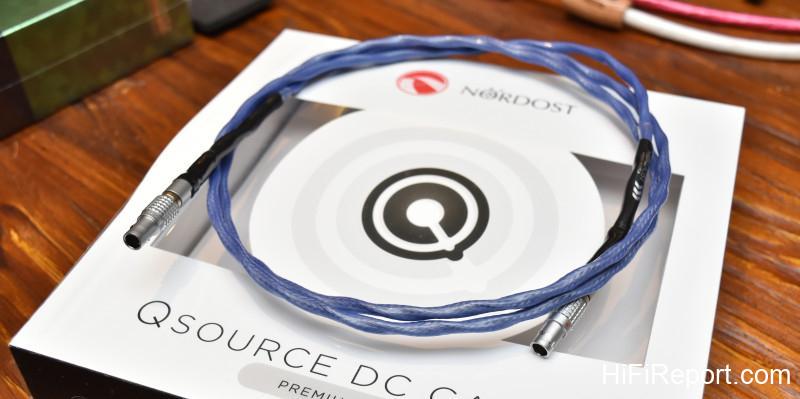
For external power, the QNET doesn’t use the common 2.5mm or 2.1mm DC connectors, but rather an industrial-grade 2-pin terminal, accompanied by a dedicated 9V DC power supply. Users looking to further enhance audio performance can upgrade the QNET’s power source with Nordost’s QSource linear power supply.
The Audition Environment: DingJie Audio’s Reference System
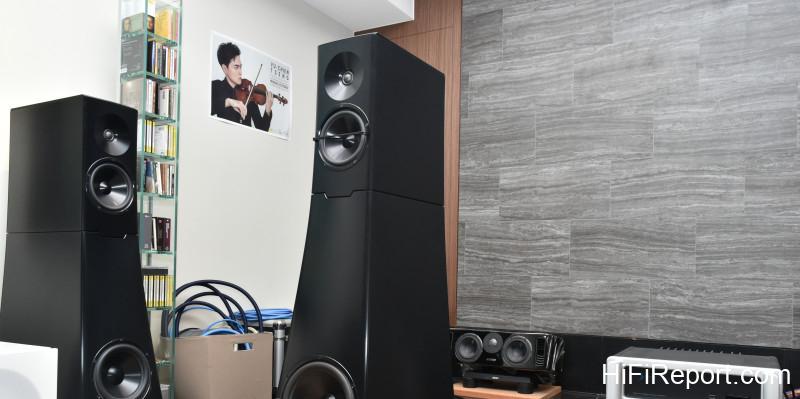
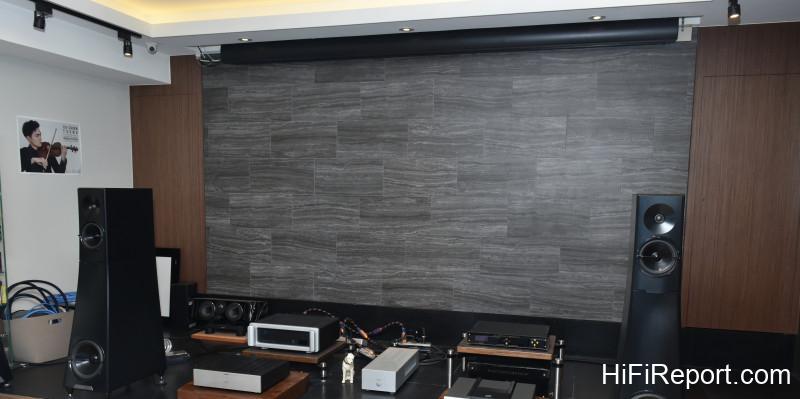
Upon arriving at the listening session, the QNET was already warmed up and playing music. DingJie’s listening room is rectangular, broadly divided into two areas. The entrance leads to a smaller system facing the reception counter, while the inner section houses the main system.
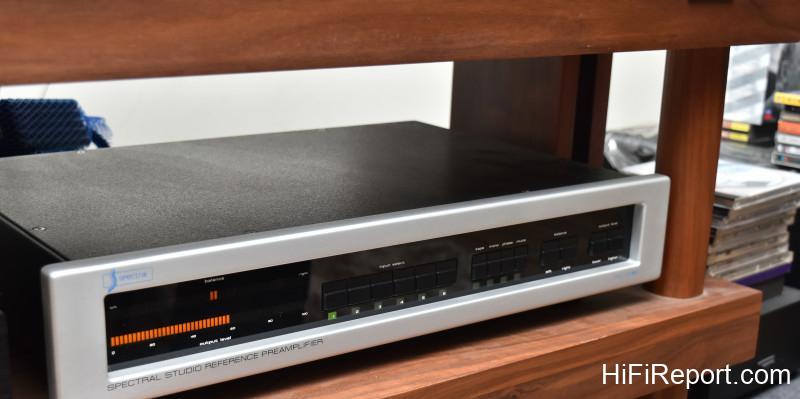
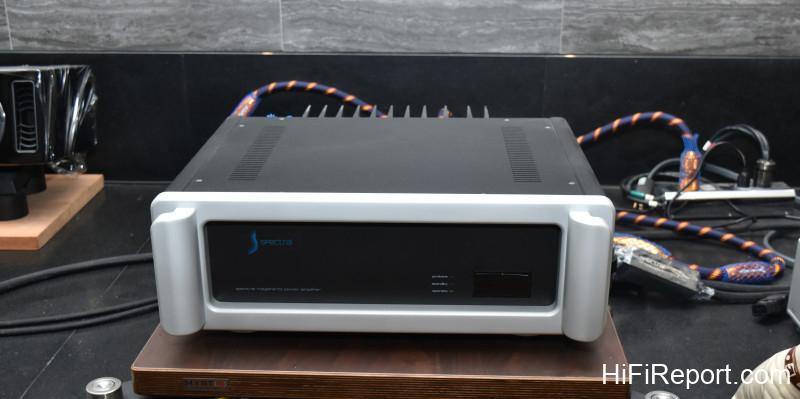
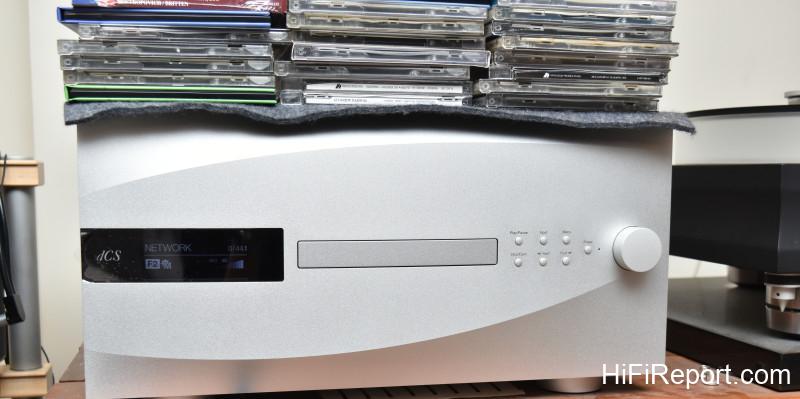
This primary setup features DingJie’s signature YG Acoustics Hailey 2.2 loudspeakers paired with Spectral’s flagship series components: the DMC-30SV Reference preamplifier and the DMA-260 S2 Stereo Reference power amplifier. The source is a top-tier dCS Vivaldi One CD player/streamer used for decoding, with a Rock Roon Optimized Core Kit i7 handling streaming playback. The entire system’s power is processed by a custom isolation transformer specially ordered by Mr. Zhang, the owner of DingJie.
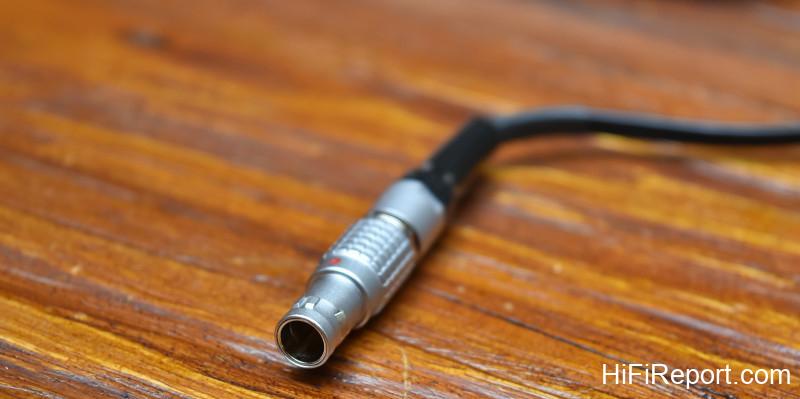
I was quite surprised upon seeing it, as its size is comparable to a small refrigerator, boasting a total power capacity of 10 kVA – that’s right, ten thousand watts! One can only imagine the exceptional purity and dynamic performance this system is capable of.
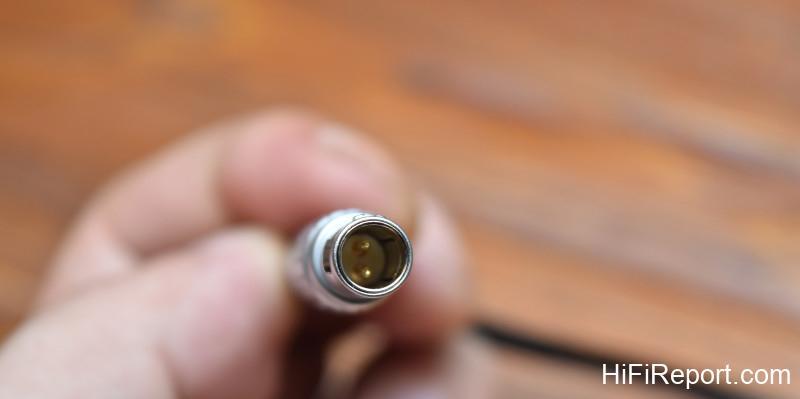
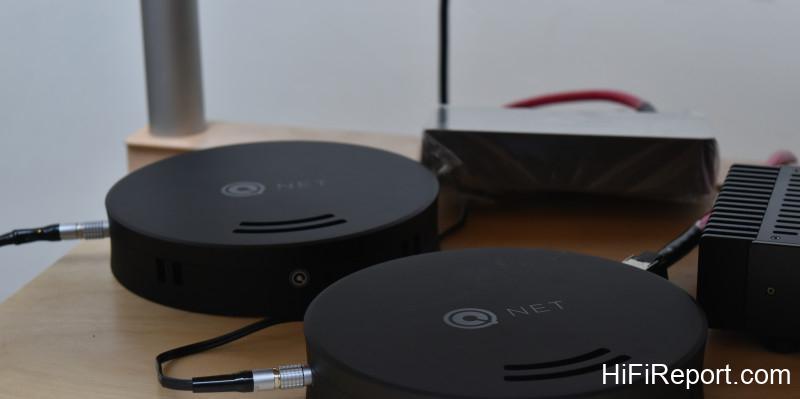
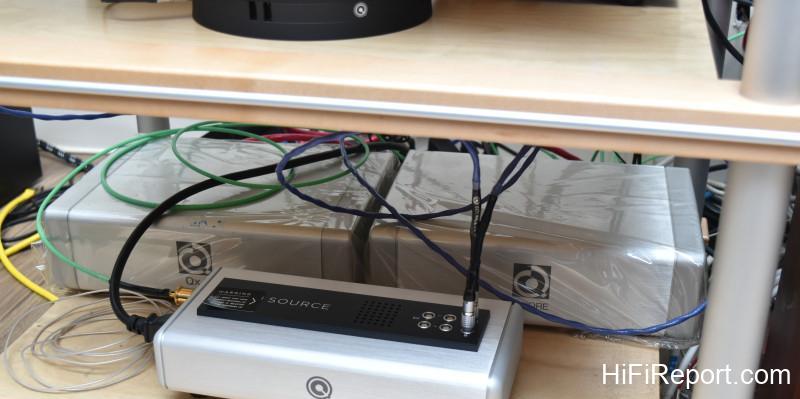
Did you think that was the end of it? Mr. Zhang’s approach to network signal processing is even more extreme! After the network router, two Nordost QNET switches are connected in series – widely considered the ultimate audiophile switch configuration. The network cables used are also exclusively Nordost products: a mid-range HEIMDALL 2 and a flagship VALHALLA 2. Furthermore, both QNET switches are powered by Nordost QSource linear power supplies.
These QSources are then connected to a Nordost QX4 Quantum Resonance power purifier and a Nordost QKore 6 ground unit. This setup utilizes nearly the entire range of QRT series components, maximizing their effect. This elaborate configuration simultaneously isolates the switches from power line noise and minimizes the noise generated by the switches themselves. It is, without a doubt, the most meticulous streaming front-end system I have ever seen!
Initial Sonic Impressions
The audition began with Mr. Zhang conducting the demonstration calmly, yet the music selections were clearly chosen with great care. Starting with simple vocals and acoustic guitar, the arrangements gradually expanded, allowing the listener to progressively understand the system’s capabilities. What was striking was that on the DingJie system, vocals didn’t possess an exaggerated sense of size or aggressive sibilance. Classical music lacked overly dramatic, “larger than life” effects.
At first listen, it didn’t immediately strike you as being overtly “audiophile.” However, the longer you listened, the more you were gradually drawn in. This musical magic can be best described as “restrained realism.” Every note sounded completely neutral and uncolored, subtly captivating you and making you increasingly immersed and enchanted by the music’s beauty.
As the listening session progressed, I realized that Mr. Zhang wasn’t playing any stereotypical “audiophile” recordings. The music was all “ordinary” software that you and I listen to regularly, yet the system reproduced it with incredible ease and naturalness. I believe only when an audio system achieves perfect balance can it reproduce anything thrown at it faithfully, reaching the true state of “original sound reproduction.”
Just as I was completely absorbed, Mr. Zhang suddenly played a familiar audiophile recording. The exaggerated vocal sibilance, boosted bass energy, and other colorations inherent in the recording were immediately exposed, sounding particularly jarring and unnatural on this system. It was then that I understood why the distributor insisted on the demonstration at DingJie Audio. When the QNET is placed in such a completely neutral system, its effects become far more apparent.
Conversely, it’s like a head-on challenge, where the strengths and weaknesses are immediately evident. This shows the immense confidence Alpha Audio has in the QNET.
Listening Test Methodology
The QNET testing process was also quite unique. Mr. Zhang had me start by listening to the most “audiophile” configuration: two switches in series. Then, we switched to using just one QNET. Finally, we compared its performance to a standard IT-grade switch.
Detailed Performance Analysis
The QNET’s performance was genuinely outstanding. Compared to other network switches I’ve heard in the past, I believe its greatest strengths lie in its extremely high sound density and sense of airiness.
In the two-switch configuration, playing Tracy Chapman’s a cappella song “Behind the Wall,” there was absolutely no hint of background impurity. The voice emerged from a completely black background, creating a vivid and prominent vocal outline. It was as if countless details in the air condensed naturally into the musical form. Tracy Chapman’s voice sounded clear and transparent, without any harsh edges in her articulation and no exaggerated sense of bloat.
You could hear the delicate resonance of her throat, as if Tracy Chapman herself were standing right there, singing with incredible realism.
Next, we played blues guitarist Joe Bonamassa’s live performance at the Royal Albert Hall. This demonstrated how naturally the QNET portrays space. From the very beginning, you could feel the expansive concert hall unfolding in the air. This was followed by a series of powerful drum rolls. The drum impact was solid and impactful, again with no sense of bloat.
With the hall’s natural reverberation, the moment the drum skin was struck was filled with airiness, and you could hear the dynamic control, allowing the sound to decay naturally. The guitar plucks were clean and transparent, revealing excellent elasticity. Subtle string vibration details were laid bare, creating an immersive, live-like experience.
Finally, playing the first movement of Saint-Saëns’ “Danse Macabre” performed by Kyung Wha Chung, the QNET created an expansive and deep soundstage right from the start. Instrument positioning was three-dimensional. The subtle scraping sound of the double bass emerged from the pure black background, followed by the string section playing in unison with a steady momentum. The pace was fast, and the energy control was incredibly sharp.
The complex string arrangements sounded perfectly ordered and layered, without any sense of bloat or delay. Kyung Wha Chung’s violin sounded sweet and lustrous, yet it wasn’t a colored sweetness, but the genuine sweetness emanating from the instrument itself. It faithfully presented the full details of the bowing and the warm woody timbre. This high density and elastic instrument texture is something I rarely encounter in most streaming systems.
Then, Mr. Zhang continued the playback using just one QNET. The sonic advantages of the QNET were still present: the string texture was dense, the background was black, the soundstage was open, and instrument shapes were clear and prominent. However, it was noticeable that the sound density with just one switch was less solid compared to using two in series. That sense of unwavering stability, almost approaching analog, was slightly diminished.
But audio upgrades are always an endless journey, and truthfully, the sound quality with a single QNET is already excellent; using two in series simply magnifies its power! Towards the end of the audition, the system was switched to an affordable IT-grade switch. The effect was harsh – an immediate onset of digital hardness. The music’s liveliness dropped a level, and the soundstage felt more congested and less open.
Conclusion
This validated my past experience: most affordable network switches offer noticeable improvements in reducing musical noise and harshness, but the benefits tend to stop there. The QNET’s advantage lies in not only excelling at these basic functions but also allowing you to hear a truer, more beautiful musical texture. Compared to a standard network switch, the QNET represents a difference between “negative to zero” and “negative to positive” in sound quality improvement.
In my view, the QNET has moved beyond being just an “audio accessory.” Both in terms of price and sound quality, it acts more like a standalone Hi-End audio component. Even though its price is on the higher side, I believe it is absolutely worth it!