
Phoenix USB Innuos Reclocker Review
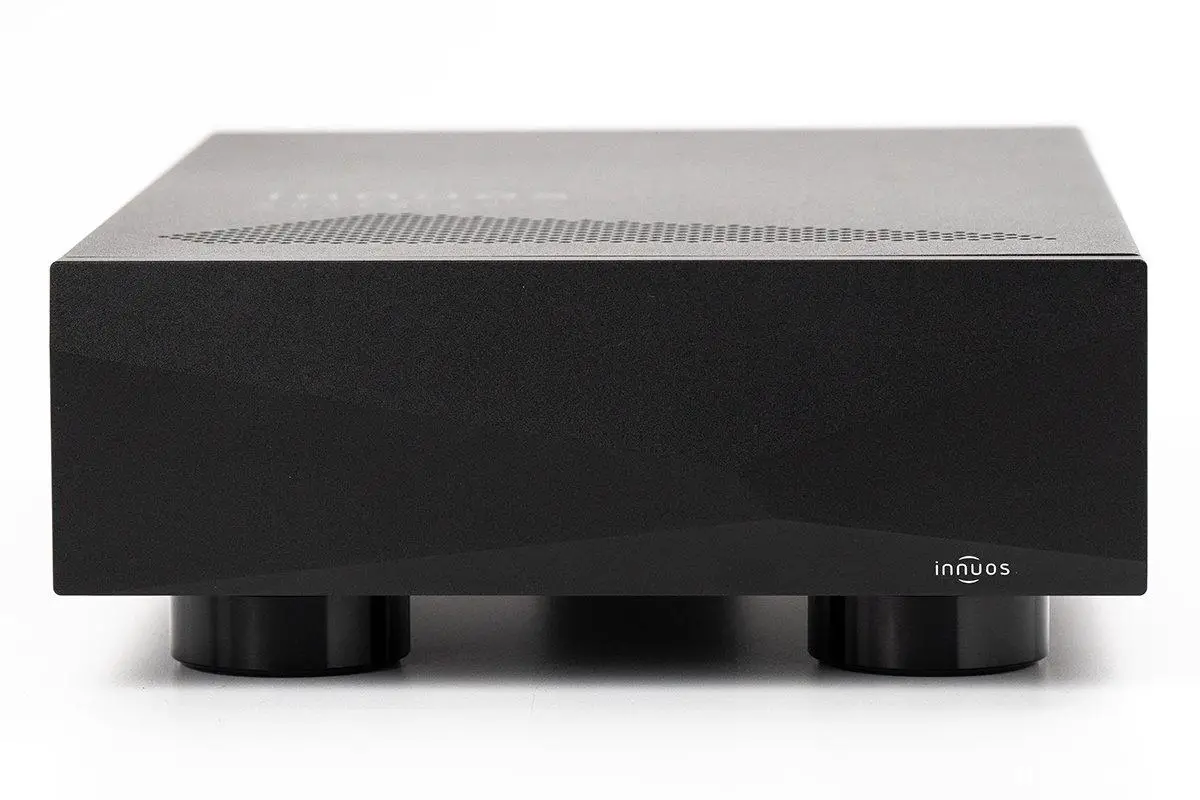
Innuos, the digital streaming specialist, launched the Phoenix series three years ago, comprising two distinct products.
These are not streaming transports, nor music servers, and certainly not streaming players. They appear to be supporting actors in a digital streaming system, yet they are pivotal to sound quality. They are the Phoenix USB and Phoenix NET.
Phoenix Series: Born from Flagship Development
At the audio exhibition in December 2023, Steven Gomez, Innuos’ International Sales Director, visited Taiwan. During an interview, I inquired about these two products.
Gomez revealed that the Phoenix series was born somewhat serendipitously.
During the development of their flagship music server, the Statement, Innuos incorporated noise isolation circuitry at the network input and power regeneration and signal synchronization technologies for the USB interface.
The Statement’s sound quality leaped forward after these technologies were implemented. This inspired Innuos to consider developing standalone products. They reasoned that if these two technologies could be made into independent units, they could enhance the listening experience for a broader range of streaming enthusiasts, regardless of whether they used Innuos products.
And so, the Phoenix USB and Phoenix NET were conceived.
Prior to interviewing Steven, I had just completed my review of the Pulse.
I found the Pulse’s digital playback to be musically engaging, with a natural, smooth, and elegant sonic character. I openly shared my impressions with Steven.
Mere weeks after the exhibition, the Phoenix USB arrived for review. What fortuitous timing! With the interview fresh in mind and hands-on experience now possible, I was determined to thoroughly understand the Phoenix USB.
“Three Pillars”: Signal Re-clocking, Timebase Precision, and Linear Power
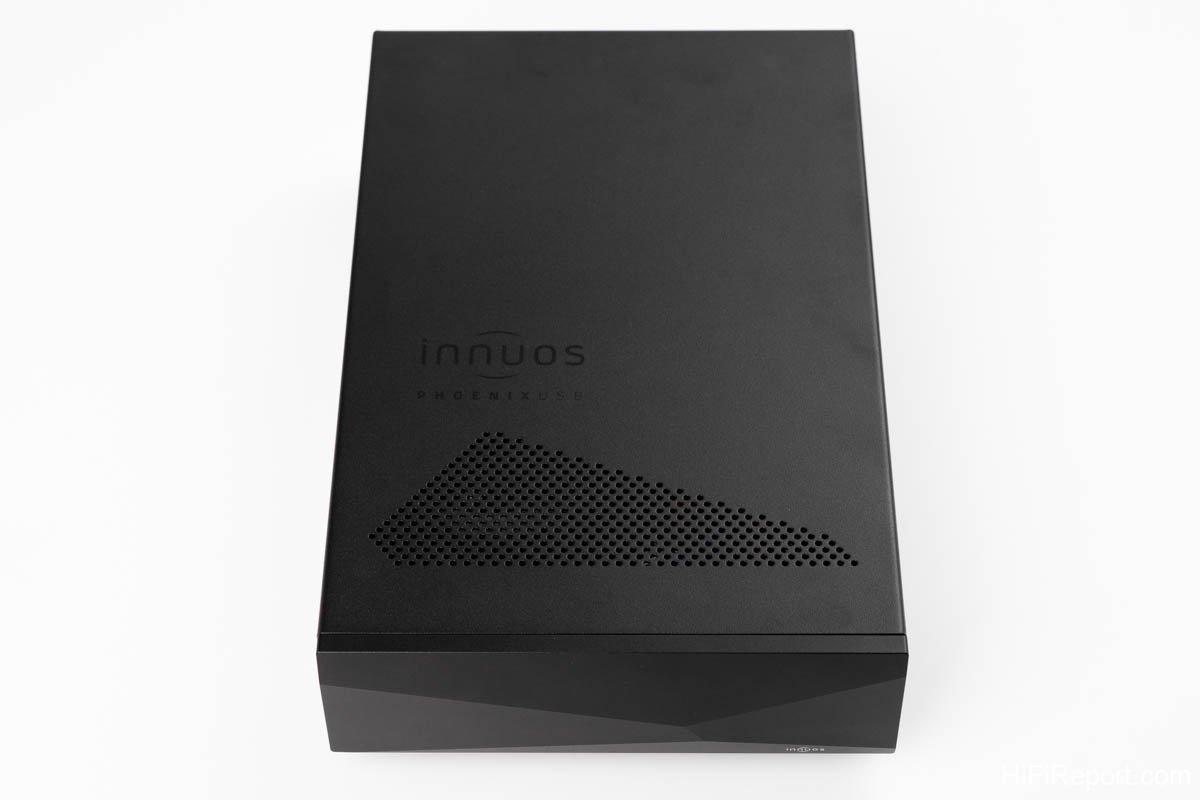
So, what exactly is the Phoenix USB? As the name suggests, it’s undoubtedly related to USB transmission.
Some might categorize it as a DDC (digital-to-digital converter), but the manufacturer refrains from this label. Innuos designates it as a “Reclocker,” which is precisely that – a timebase or clock regenerator.
Its rear panel is straightforward: a USB Type-B input and a USB Type-A output. It doesn’t perform any digital interface conversion. Instead, it serves to refine the digital signal from a music server or streamer, processing it through the Phoenix USB before it reaches the DAC for decoding.
What specific functions does it offer? The Phoenix USB performs three key tasks: USB signal regeneration, clock regeneration, and linear power supply.
Independent Power for USB Chipset
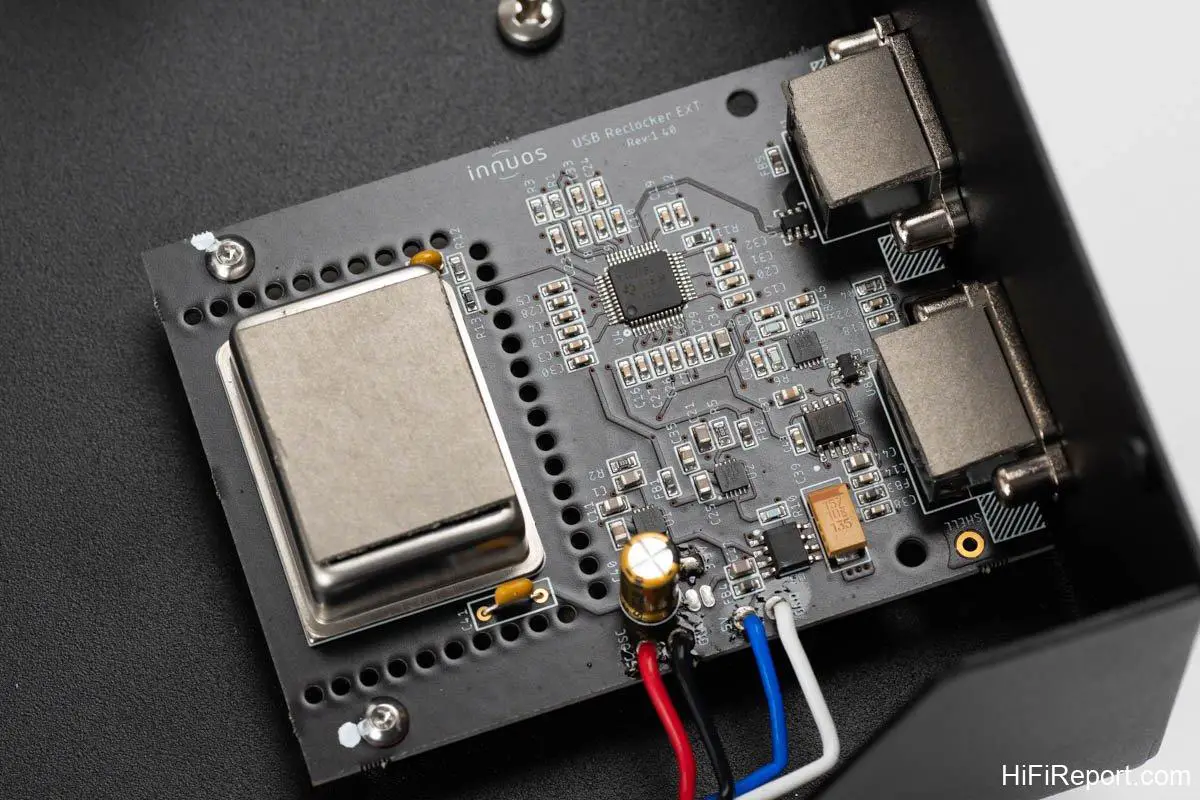
Firstly, concerning USB signal regeneration, the Innuos Phoenix incorporates a dedicated USB chipset. Crucially, it employs three LT3045 regulators, each with its own independent linear power supply, to feed the three voltage rails of the chipset.
The repeated emphasis on “independent” underscores the core design principle: achieving optimal voltage regulation through isolated power delivery to ensure unwavering chip stability.
OCXO Clock: The Heart of Precision
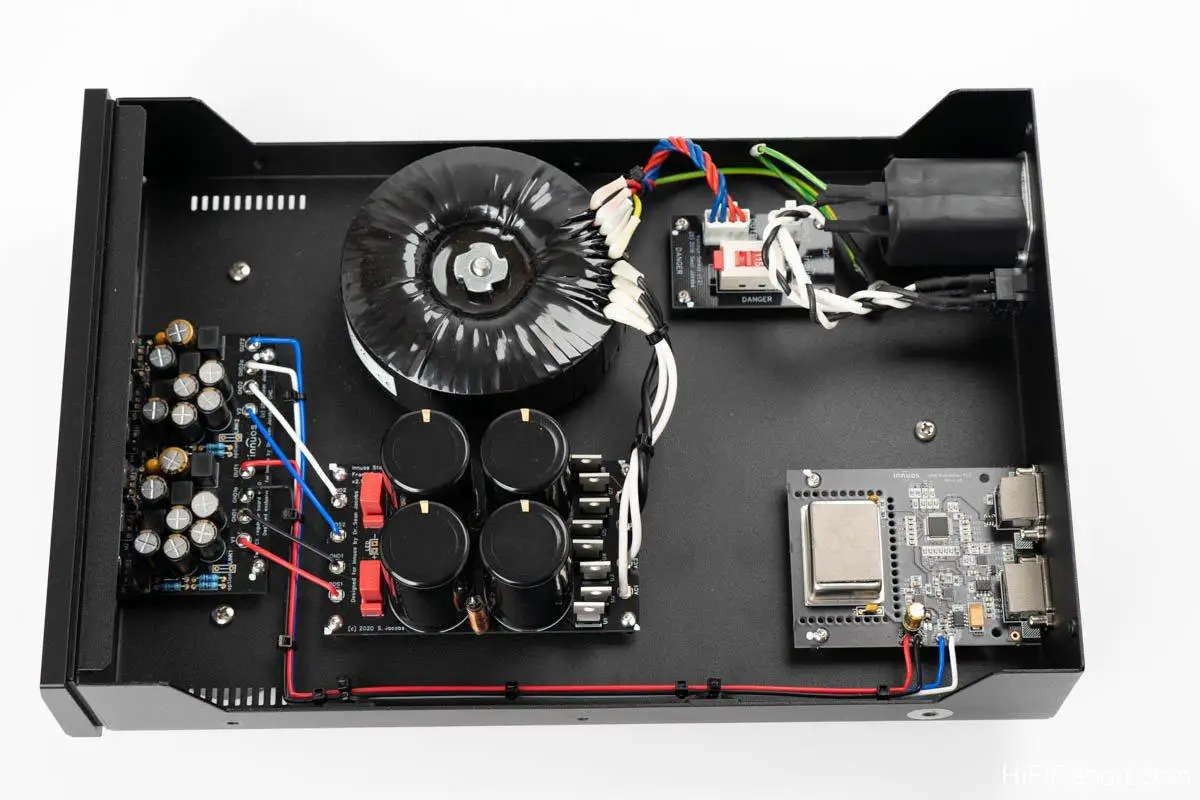
Secondly, the Phoenix USB features a high-precision 24MHz, 3ppb OCXO (Oven Controlled Crystal Oscillator) clock generator, positioned as close as physically possible to the USB chipset.
This strategic placement, combined with the inherently accurate OCXO clock, ensures the USB signal benefits from the highest possible timing precision, minimizing jitter and timing errors.
This approach mirrors audiophiles’ practice of adding external 10MHz clocks to digital sources to improve performance. In this context, the Phoenix USB can be viewed as an “external clock specifically for USB transmission.”
We recognize the sonic benefits of external clocks for DACs and CD players, so why should we overlook the critical issue of timebase errors in USB digital streaming?
Power Supply Expertise by Sean Jacobs
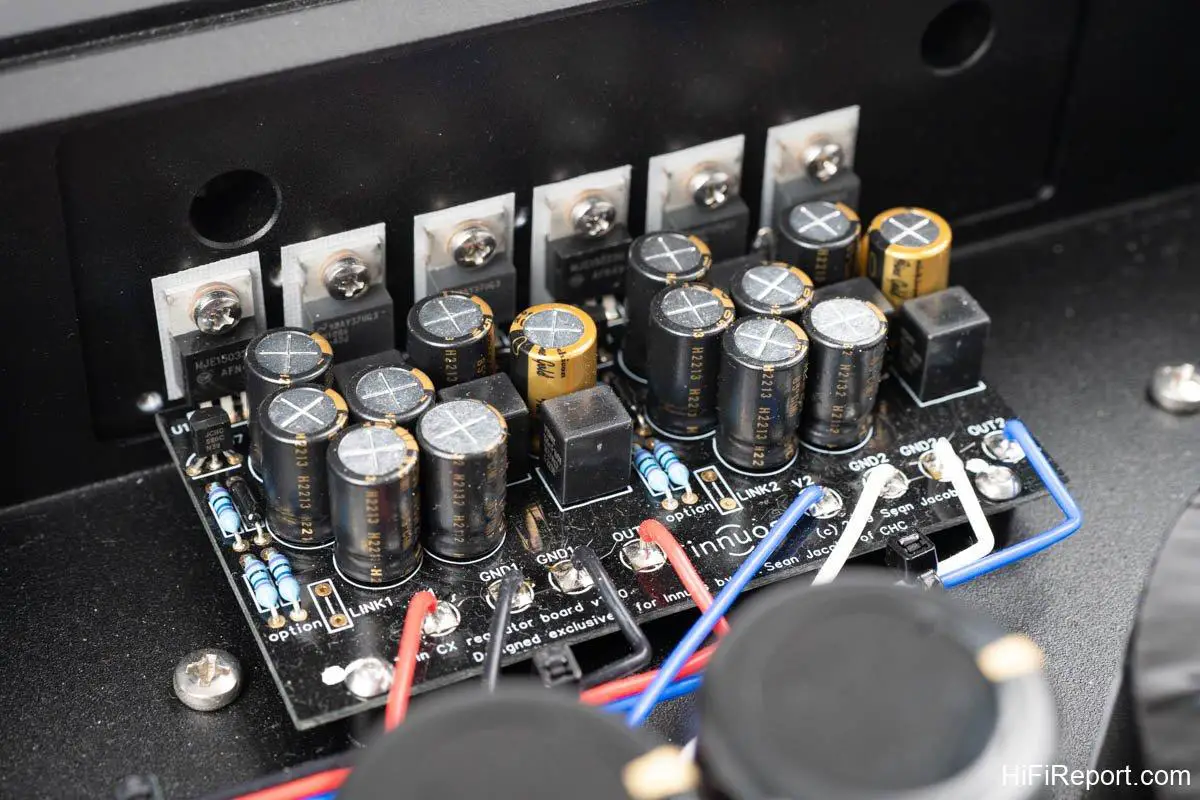
Thirdly, and crucially, to guarantee the stability of the aforementioned components, a robust power supply is paramount. Innuos partnered with power supply specialist Sean Jacobs for this critical aspect.
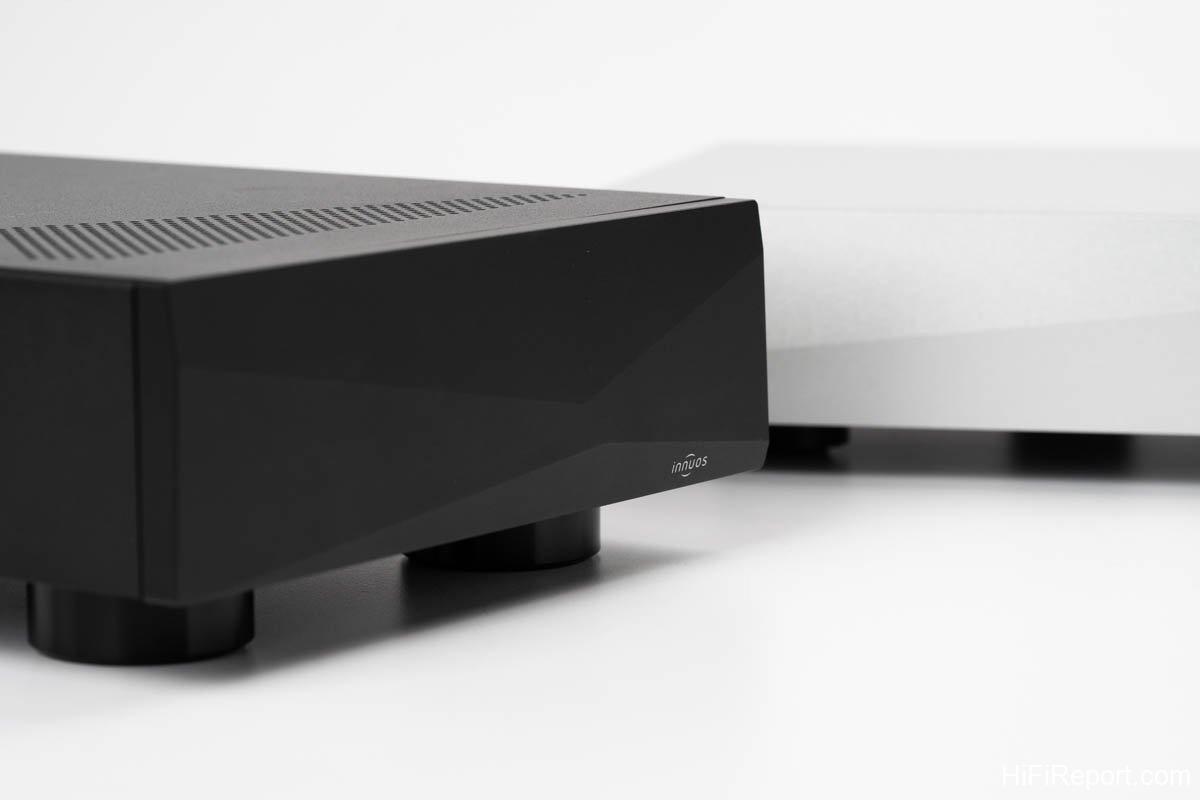
Sean Jacobs has a distinguished track record of designing power supplies for numerous high-end audio manufacturers. His company, Custom HiFi Cables Ltd., offers both its own line of power supplies and bespoke custom design services. Notably, Innuos products already utilize RECAP2 LPS linear power supplies designed by Sean Jacobs.
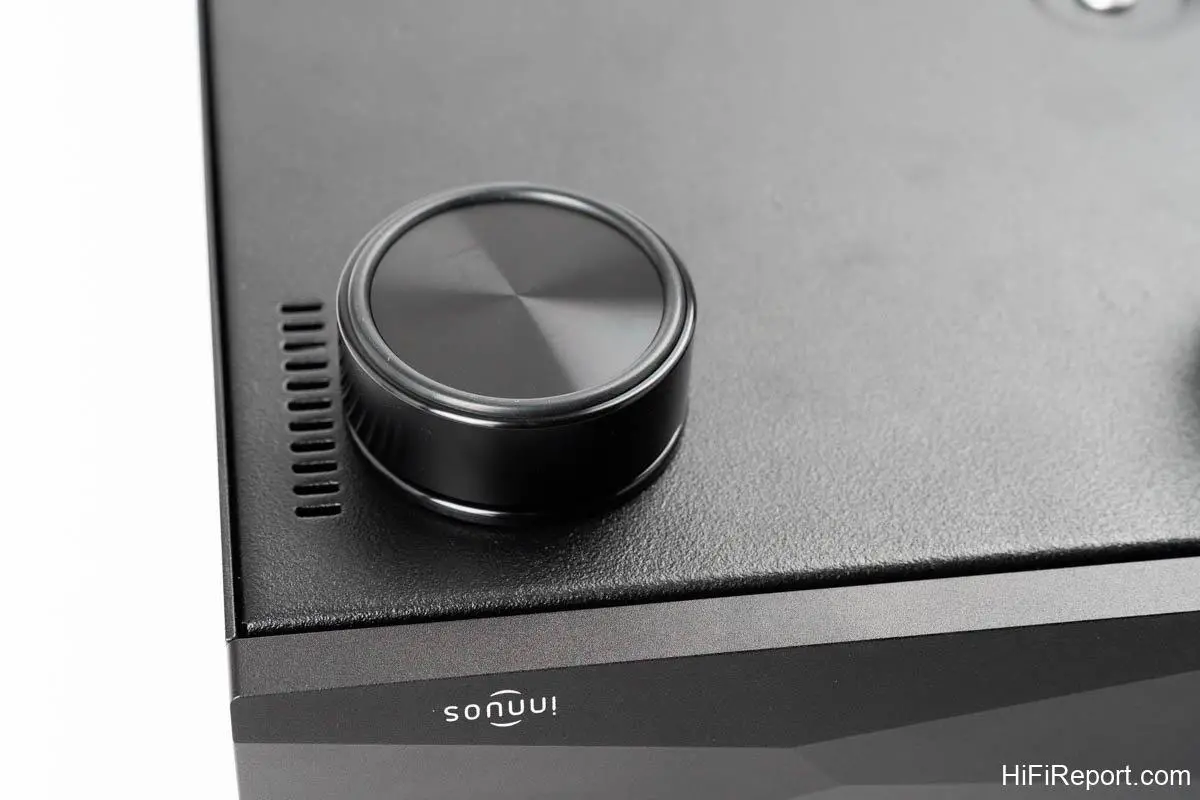
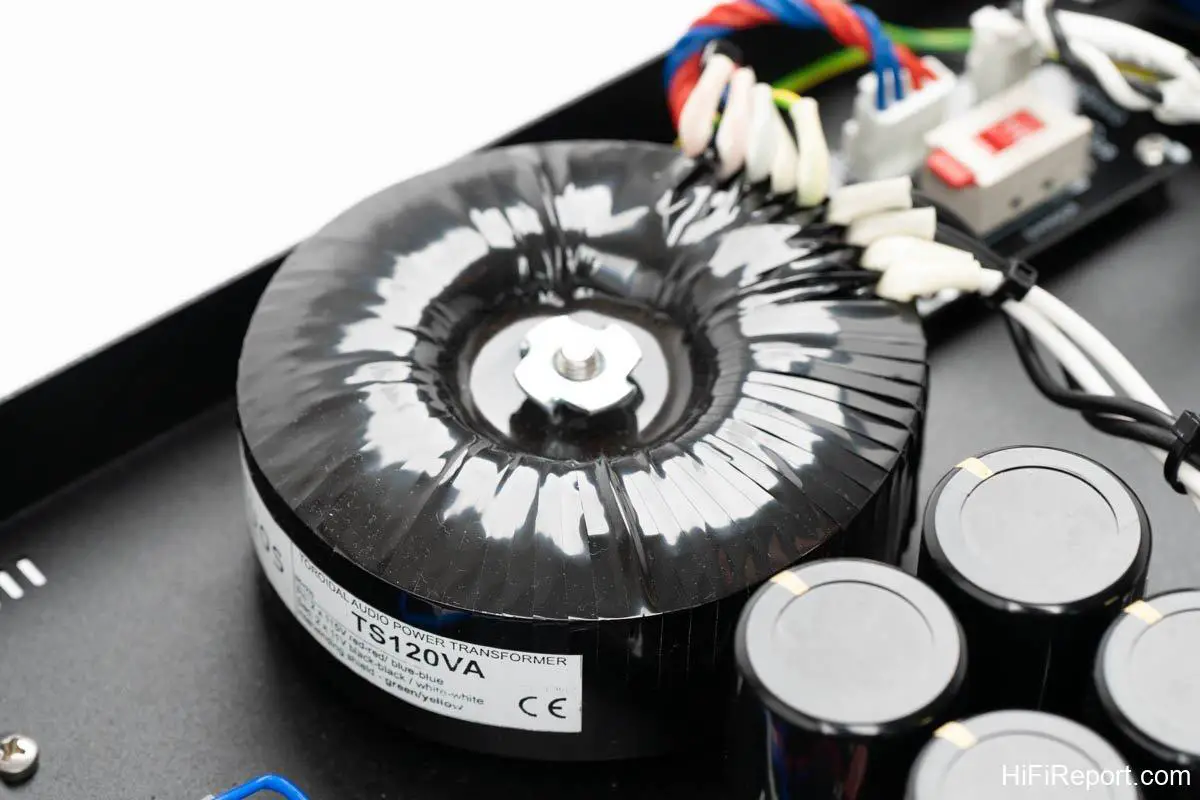
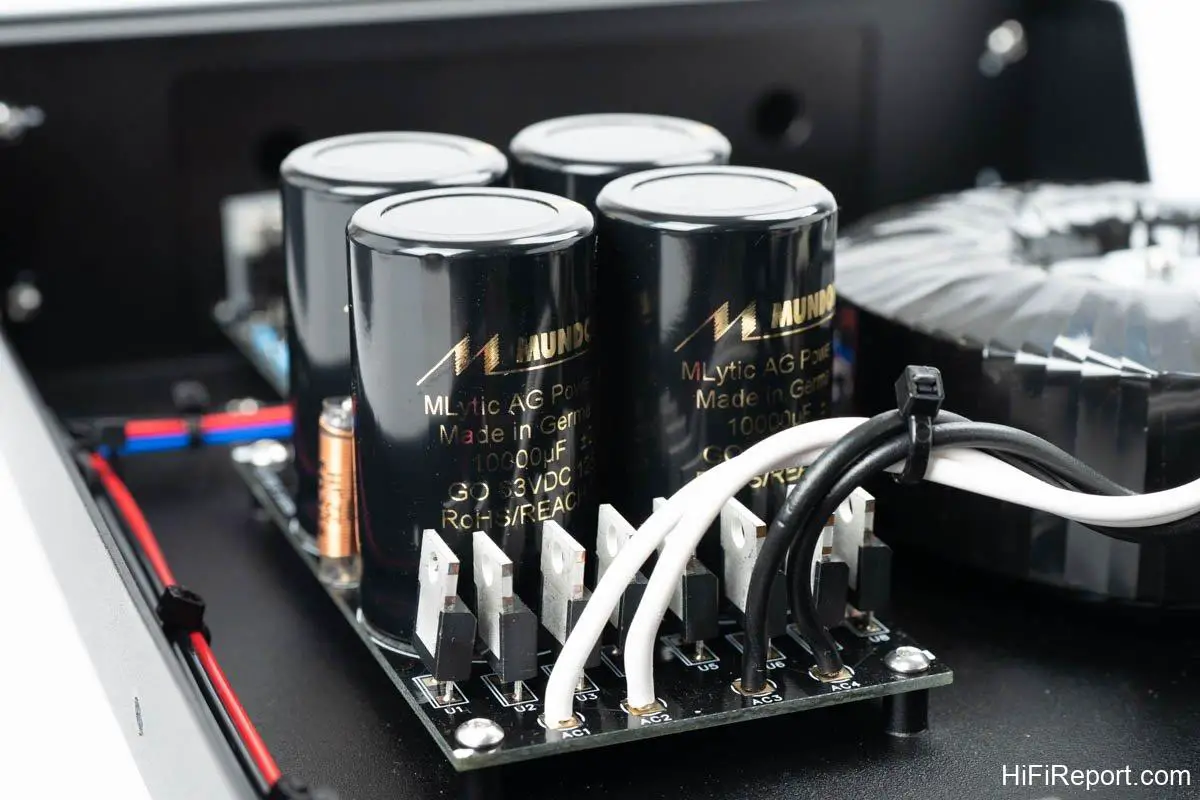
The power supply section within the Phoenix USB occupies a significant portion of its internal space. A substantial toroidal transformer lends considerable weight, and two completely independent power supplies are employed: one dedicated to USB regeneration and the other to the OCXO clock.
The capacitor bank is particularly impressive. Four substantial 10,000uF capacitors, manufactured by Mundorf, are utilized.
This level of total capacitance is not just generous for a USB reclocker, but would be considered ample even for many amplifiers.
During the photoshoot, my colleague remarked with genuine surprise, “I’ve never seen anything quite this extravagant.”
Pulse and Phoenix USB: A Synergistic Listening Experience
Having prior experience reviewing the Innuos Pulse and with the insights provided by Steven Gomez, I was not only intrigued by the potential of the Phoenix USB but also eager to assess how Innuos might be leveraging it to bridge the sonic gap between their various streaming products and the flagship Statement.
Consequently, I requested that the Innuos Pulse be included with the Phoenix USB for this evaluation, allowing me to assess their combined performance.
The following listening impressions are based on using the Pulse as a streaming transport and comparing the sound “with” and “without” the Phoenix USB in the signal path.

It’s important to note that the benefits of the Phoenix USB are not limited to Innuos products. Using it with streamers from other brands, or even with a computer-based audio setup, would likely yield similar, or potentially even more pronounced, improvements.
The sonic enhancements delivered by the Phoenix USB are immediately and undeniably apparent. No critical listening or A/B comparisons are really necessary; simply playing a track with and without the Phoenix USB reveals the difference in an instant.
With the Phoenix USB engaged, the sonic image sharpens, outlines become more defined, details become more readily discernible, and dynamic contrasts are heightened.
The sense of musical space expands noticeably, with front-to-back depth and left-to-right width increasing, creating a more immersive and holographic soundstage.

Increased precision translates to improved transient response. The attack and decay of notes become cleaner and more articulate, lending a newfound confidence and immediacy to the music, significantly enhancing its overall liveliness and engagement.
The primary concern with devices designed to enhance precision and detail is the potential for the sound to become overly clinical, sterile, or “digital” sounding. This is a valid concern, and one I shared.
However, the Innuos Phoenix USB completely avoids this pitfall. The sonic improvements it brings are not associated with any unwanted digital artifacts. On the contrary, the vibrant and organic quality of the sound actually leans towards a more analog-like presentation.
“Wow, the Clarity is Stunning! There’s No Going Back”
Listening to Bertrand Renaudin and Olivier Cahours’ album “Douo,” it felt as if the stage lighting had been dramatically intensified, bringing the interplay between the guitar and drums into sharper focus.
Indeed, the clarity and vividness of the soundstage were so striking that it was akin to actually witnessing the two musicians performing live before me.
The guitar’s resonant body produced captivating timbral richness. Aggressive plucking resulted in impactful transients, with notes soaring forth like arrows in flight.
The drum kit’s impact intensified noticeably, and the dynamic range between the softest brushstrokes and the loudest crashes expanded considerably.
Even the most delicate, whisper-quiet passages remained clearly defined and palpable. The taut, controlled drum sounds added a tangible sense of physicality to the drumming performance.
Heavy drum strikes landed with the force of a physical blow – more powerful, more focused, more visceral. Ouch, that’s impact!
Bypassing the Phoenix USB and connecting the USB cable directly to the DAC? The music remained, and the dialogue between Renaudin’s guitar and Cahours’ drums was still enjoyable. However, in direct comparison, the sonic picture became noticeably blurred and flattened. The contrast between sonic layers diminished, becoming constrained. The dynamic impact softened and weakened, losing its punch.
Once you’ve experienced playback with the Phoenix USB in the system, there’s simply no turning back. The improvement is addictive.
Beyond Imaging: A Sonic Texture Revolution
The benefits extend to vocal performances as well. With the Phoenix USB in place, subtle nuances in a singer’s voice become more apparent, dramatically enhancing the realism and presence of the vocal image.
Consider Anne Sofie von Otter’s compilation album “Naive.” On the track “Dis, quand reviendras-tu?”, von Otter imbues Barbara’s iconic song with a touch of art song elegance.
French pronunciation, with the exception of guttural sounds, primarily occurs in the front of the mouth, contributing to the language’s characteristic agility. These subtle articulations are rendered with significantly enhanced clarity thanks to the Phoenix USB, further enriching the sonic imagery. It not only delineates von Otter’s facial features with greater precision but also conveys a more vivid range of expressive nuance.
In her rendition of Edith Piaf’s classic “La vie en rose,” von Otter forgoes Piaf’s signature melancholic inflection. Her voice, rounder and sweeter, makes this “rose-tinted life” even more enchanting.
The instrumental accompaniment in this track is richer and more layered than the previous one, incorporating not only piano and guitar but also double bass and a string quartet. With the Phoenix USB, the accompanying instruments are rendered with greater clarity and separation, establishing distinct layers within the soundstage.
Pay particular attention to the double bass, which appears intermittently throughout the track. Its low notes are not only deep and extended but also possess a richer, more palpable texture. This improvement in textural fidelity is noteworthy and deserves particular mention.
Orchestral Grandeur: Layering Unleashed
While textural refinement is evident in intimate settings, the Phoenix USB’s impact extends far beyond the micro-details. When listening to large-scale orchestral works, it becomes clear that its influence is not limited to the microscopic, but equally transformative on the macroscopic scale of musical presentation.
Listening to Myung-Whun Chung conducting the Orchestre de l’Opéra Bastille in Saint-Saëns’ Symphony No. 3, the myriad musical nuances embedded within Saint-Saëns’ score are brought to light with the assistance of the Phoenix USB.
Three particularly significant improvements stand out.
Firstly, the Phoenix USB dramatically enhances spatial layering. The depth and width of the soundstage expand considerably, unfolding in a clearly defined, ordered, and stratified manner.
This sense of layered depth was inherently present in the recording, but was being masked by interference during digital transmission. Now, with the “sonic lens” cleaned, everything comes into sharp focus.
Analog Purity: Digital Sound Banished
Secondly, the Phoenix USB achieves this enhanced clarity without imparting any unwanted digital artifacts or harshness. Instead, it imbues the sound with a heightened sense of refinement and sophistication. This particular recording of Saint-Saëns’ Third, my personal favorite, showcases the Orchestre de l’Opéra Bastille’s unique sonic signature, a characteristic French orchestral color that is particularly evident in the Adagio section of the first movement.
The string texture is exquisitely delicate, yet possesses a subtle sheen. This sheen, in turn, exudes an air of elegance, and that elegance is further elevated by an undeniable refinement and poise. It’s simply breathtakingly beautiful.
Dynamics Unleashed, Bandwidth Expanded, Harmonics Revealed
Thirdly, the Phoenix USB not only expands the dynamic range but also allows the frequency bandwidth to extend more naturally and effortlessly, particularly in the lower registers.
The aforementioned sheen and brilliance are intrinsically linked to the improved reproduction of overtones and harmonics. When the digital signal is rendered with greater precision and purity, the complex harmonic structure inherent in the recording is reproduced more completely and faithfully.
What I hadn’t fully anticipated was the extent to which the bass frequencies would also benefit from the reduction of digital signal distortions.
I previously mentioned the enhanced texture of the double bass. Here, I must commend the organ’s profound and resonant low frequencies. The organ notes not only extend deeply but plumb the very depths, not only reaching great depth but also maintaining clear articulation and definition. And crucially, these deep organ tones integrate seamlessly into the musical fabric, never sounding detached or obtrusive.
I had initially assumed that adding a clock to a digital source would primarily improve the mid and high frequencies, enhance image outlines, and sharpen focus. However, the benefits extend far beyond these aspects.
A Word of Caution: Once Heard, Forever Desired
Revisiting the Innuos Pulse with the Phoenix USB in the chain, the music becomes even more captivating and immersive.
In my previous review of the Pulse, I was already deeply impressed by Innuos’ technical expertise. This evaluation of the Phoenix USB only serves to reinforce my high regard for their engineering prowess.
For some, the price of the Phoenix USB may represent a significant investment.
However, when considering that it functions as a dedicated, high-performance clock generator specifically optimized for USB transmission, and factoring in the transformative sonic improvements it brings to streaming playback, I am confident that discerning listeners will recognize its inherent value.
Regardless of whether you are currently an Innuos music server or streamer user, the Phoenix USB can undoubtedly elevate your USB streaming experience to new heights.
The only real consideration before making a purchase is this: once you’ve experienced your system with the Phoenix USB, there is truly no turning back. The upgrade is simply too compelling to relinquish.
Specifications
* Type: USB Reclocker
* Input: USB Type-B x1
* Output: USB Type-A x1
* Dimensions: 215 x 342 x 87 mm (WxDxH)
* Weight: 5 kg