
Piega Coax 511 Review
Piega, a Swiss brand designing and manufacturing loudspeakers, was founded in 1986. With its design and production headquarters nestled on the shores of Lake Zurich in Horgen, Piega has released nearly a hundred loudspeaker models over the past 30 years. This review focuses on the Coax 511, a three-way floorstanding speaker from their new generation Coax series.
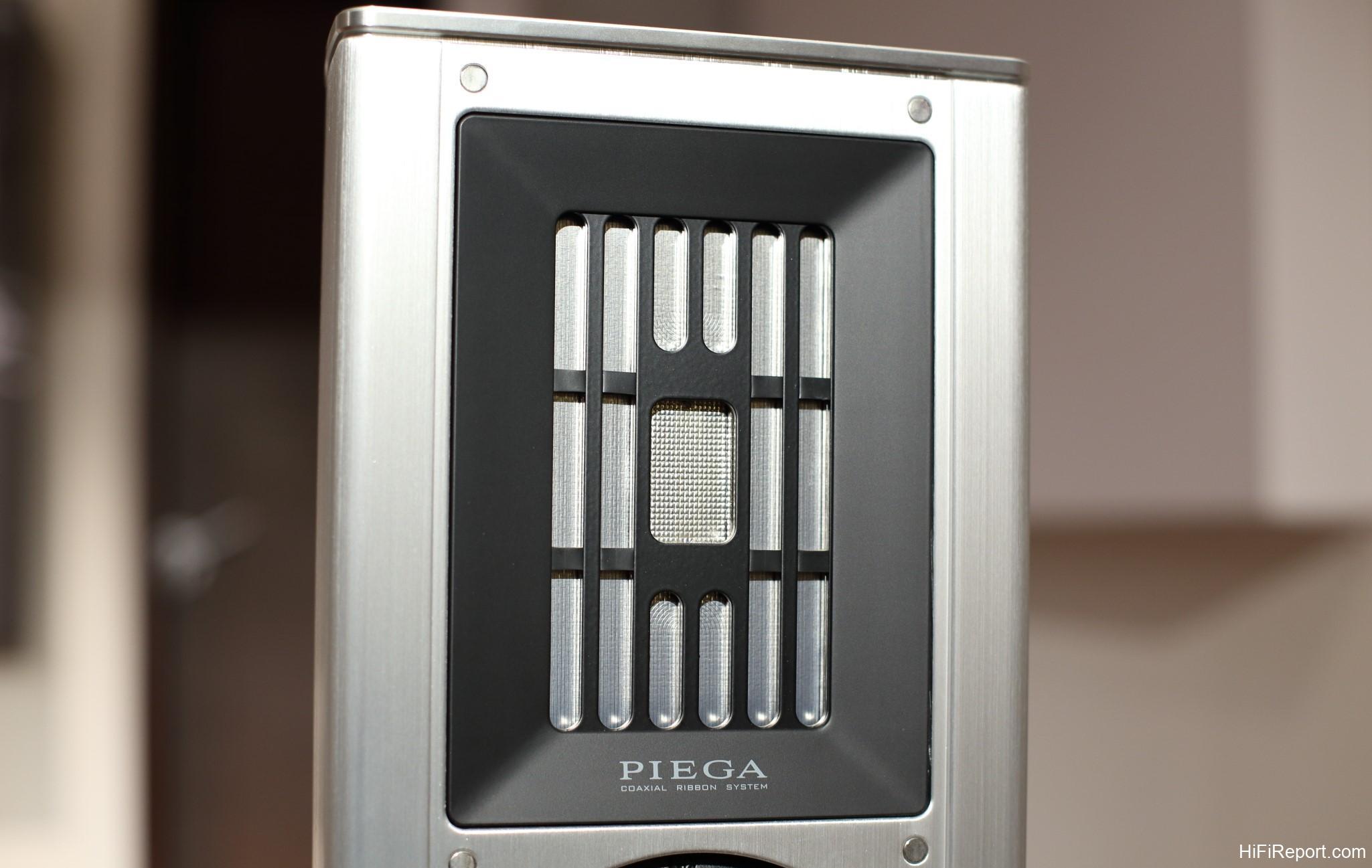
It features a coaxial ribbon tweeter and midrange driver, housed in an all-aluminum cabinet, staying true to Piega’s consistent design principles.
Three Decades of Heritage
This review marks our first formal assessment of Piega products in recent years, making it fitting to delve into their background. Piega was established in 1986 by Leo Greiner and Kurt Scheuch. Leo took charge of finance and operations, while Kurt spearheaded product design and innovation. Today, the second generation of family members has joined Piega, continuing the dedication to bringing music to life from their lakeside headquarters.
Kurt (left) and Leo (right) in Leo’s Horgen garage in 1987, soldering wires to an aluminum ribbon tweeter. This was Piega’s first loudspeaker series. Even in these early days, Piega’s design aesthetic, as seen in the background speaker, bore a striking resemblance to their current models.
High-End Aesthetics and Performance
Piega’s guiding principle is to design aesthetically pleasing, high-quality loudspeakers within reasonable parameters—a principle that aligns perfectly with the demands of High-End audio. For 30 years, they have continuously refined their sound through innovation, the use of superior materials, and a fearless approach to experimentation.
Beyond innovation, Piega also prioritizes product longevity, ensuring that whether a customer’s product is new or old, they can consistently enjoy the pleasure of music.
Piega’s headquarters in Horgen.
The Core of Ribbon Technology
Two key technologies define Piega. The first is their Ribbon Technology. Piega’s ribbon technology isn’t limited to just tweeters; it extends to the midrange as well, known as Linear Drive Ribbon (LDR). The diaphragm is constructed from aluminum and arranged coaxially, creating a unified sound source and precise time alignment.
The Coax series, for instance, employs a coaxial ribbon midrange and tweeter unit. Ribbon drivers are not easily manufactured. Piega’s are meticulously handcrafted by skilled technicians, a time-consuming process, especially in bonding the aluminum diaphragm with the voice coil and magnets. Piega has produced a detailed video showcasing this manufacturing process, featuring Mario Ballabio from the Ribbon Department demonstrating the craftsmanship.
The video underscores the vital role of experienced technicians in achieving the final product quality (video is in German with English subtitles).
Solid Aluminum Cabinet Construction
Piega’s second core technology is their aluminum loudspeaker cabinet. Characterized by a slender, space-saving form factor, these cabinets are crafted from single blocks of extruded and machined aluminum. Utilizing Tension Improve Modules (TIM) technology, the cabinet is placed under controlled tension. This design effectively prevents cabinet vibrations from causing detail loss, ensuring a more stable sound.
Any unavoidable micro-vibrations are then eliminated by innovative elastic damping films.
The all-aluminum cabinet used in the Coax series, pictured, is formed using 7500 tons of pressure to extrude and machine a single block of aluminum. This construction is crucial in preventing cabinet vibrations from affecting sound quality.
Extended High-Frequency Response
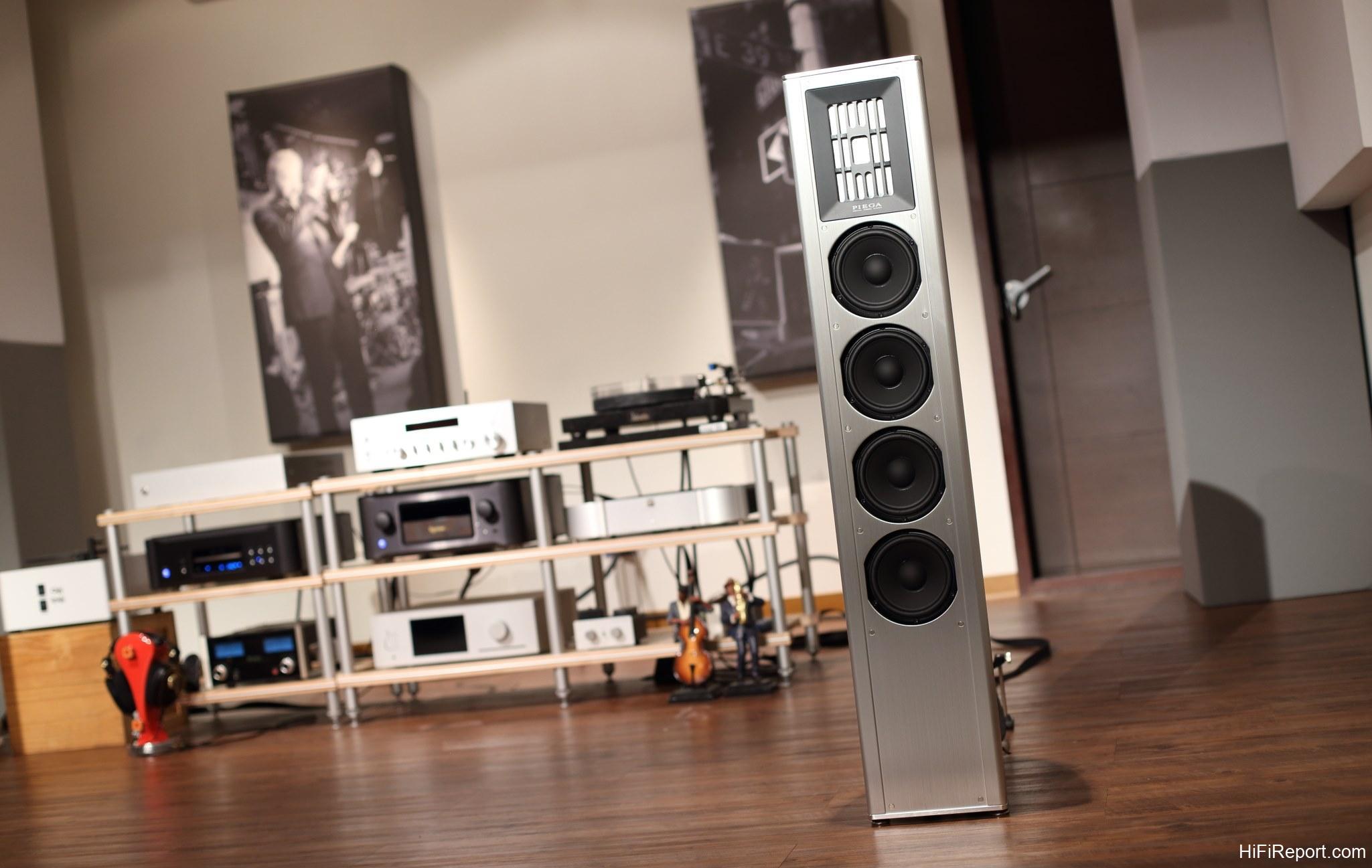
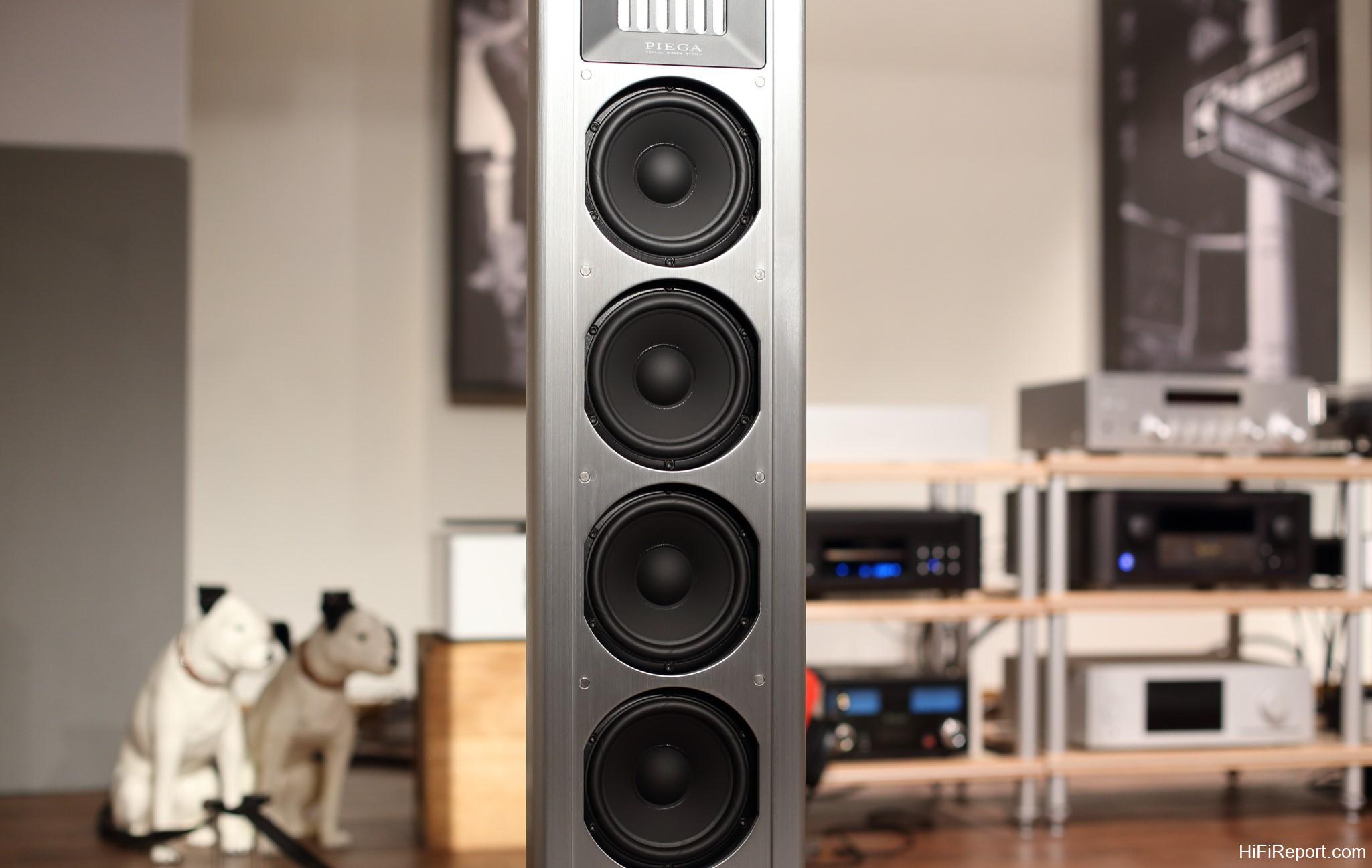
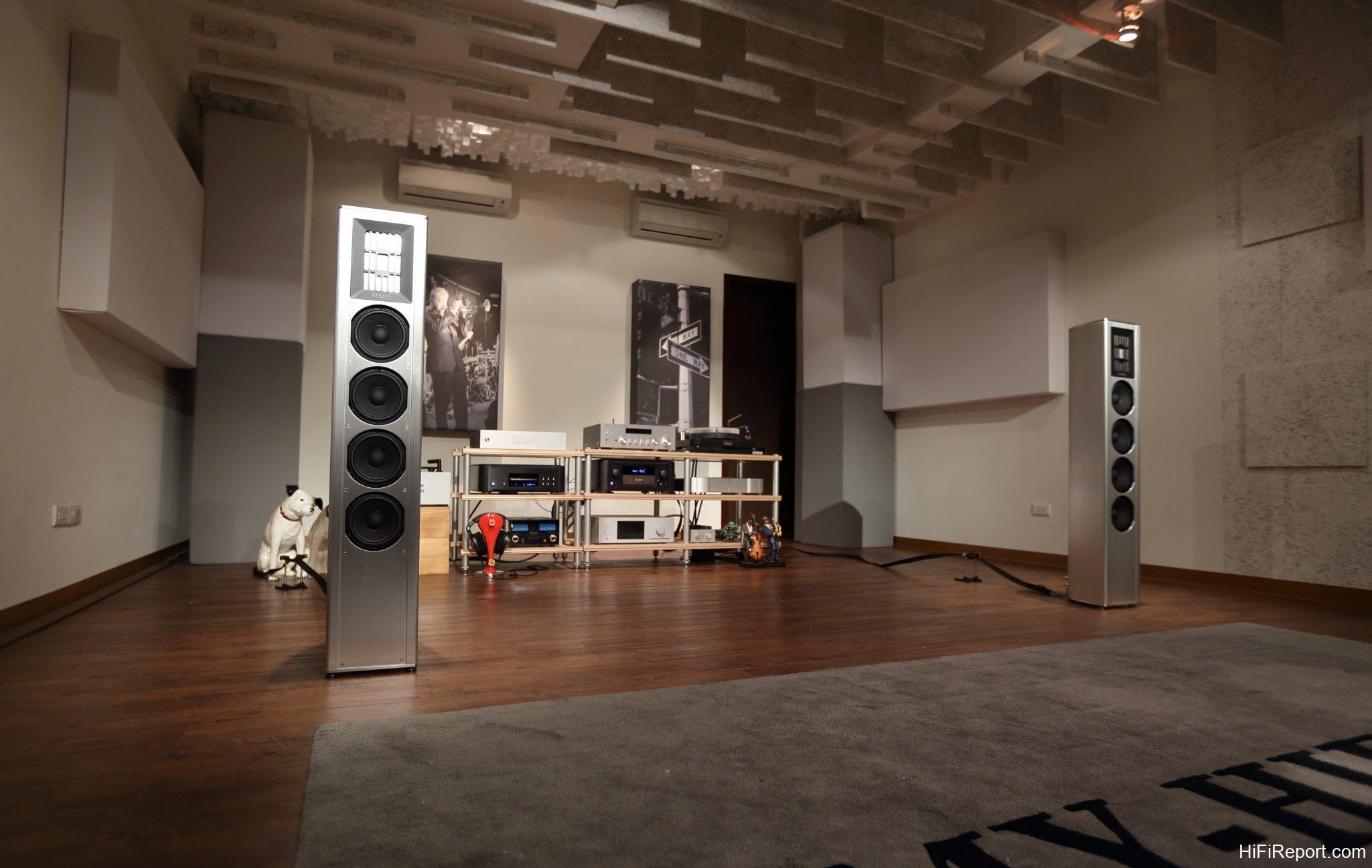
Returning to the Coax 511 floorstanding speaker, it stands at 115cm tall, with a width of only 22cm and a depth of 25cm, weighing 32kg. Thanks to the ribbon tweeter, the frequency response extends up to 50kHz, while the four bass drivers allow it to reach down to 32Hz. These are remarkable specifications for a speaker of this size. The Coax 511 is recommended for amplifiers between 20-250 watts, has a 4-ohm impedance, and a sensitivity of 90dB.
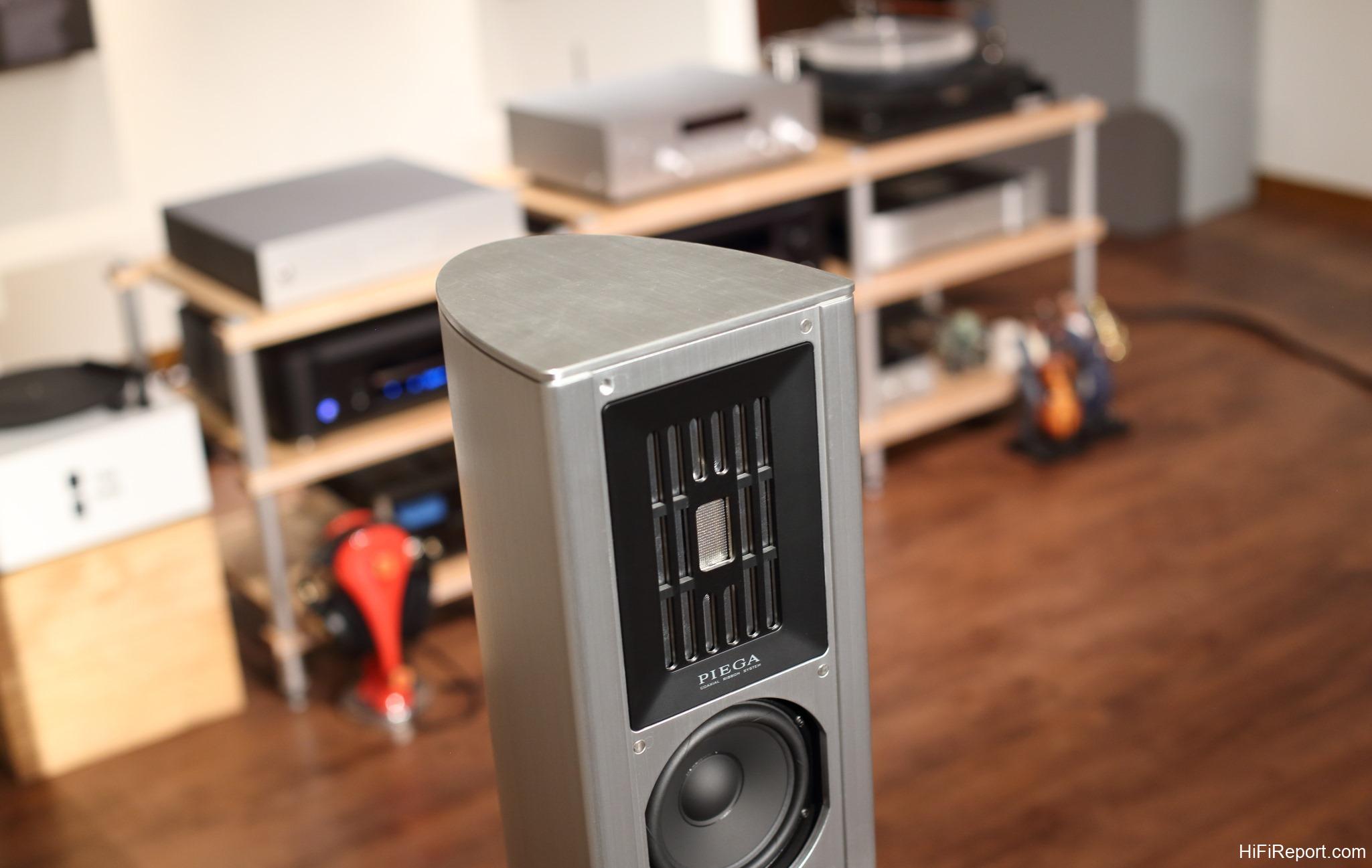
With the grille removed, the flat coaxial midrange-tweeter unit and four bass drivers are revealed.
The Coax 511 naturally uses a coaxial ribbon midrange-tweeter, model Coax C111. As seen in the photo, the central tweeter and surrounding midrange diaphragm have slightly different corrugation patterns.
New UHQD Bass Drivers
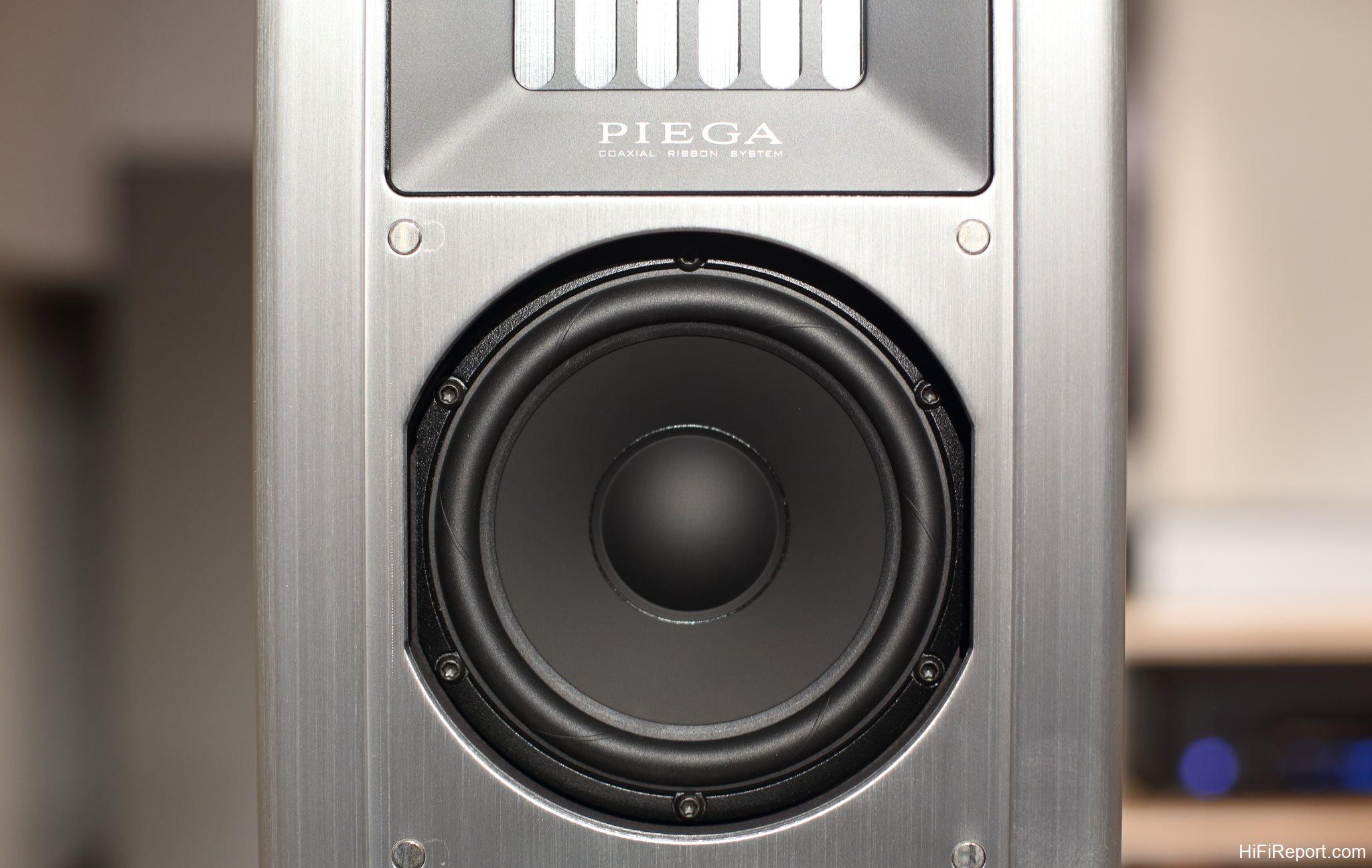
The Coax 511 incorporates four 16cm bass drivers, two of which are actively driven, meaning they are magnet-driven (not to be confused with active speakers). The other two are passive radiators, lacking magnets and relying on internal cabinet pressure to move their diaphragms. This configuration is designed to enhance the depth and quantity of low frequencies.
Piega refers to these bass drivers as UHQD units, featuring titanium voice coil formers, newly shaped surrounds, coatings, and aluminum diaphragms.
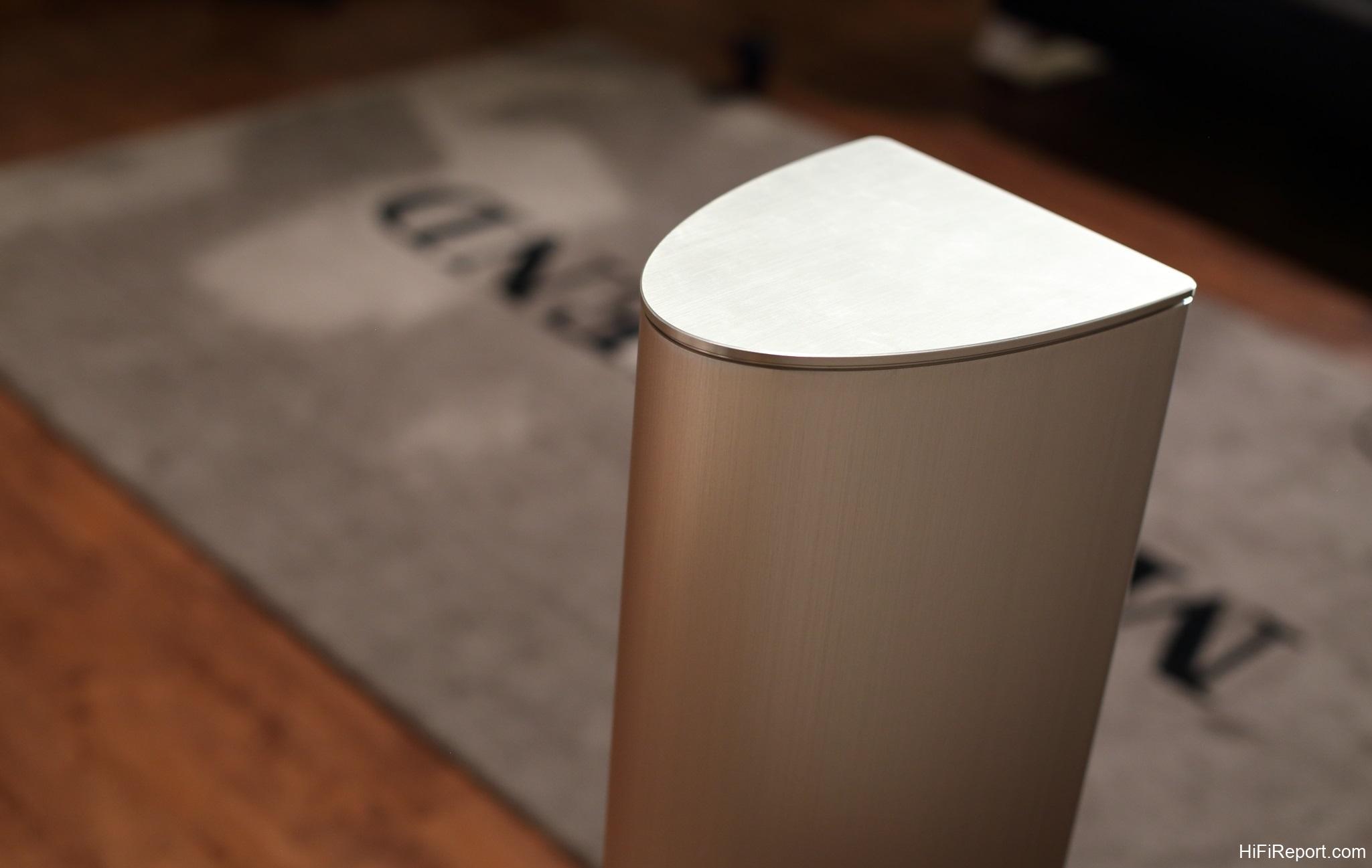
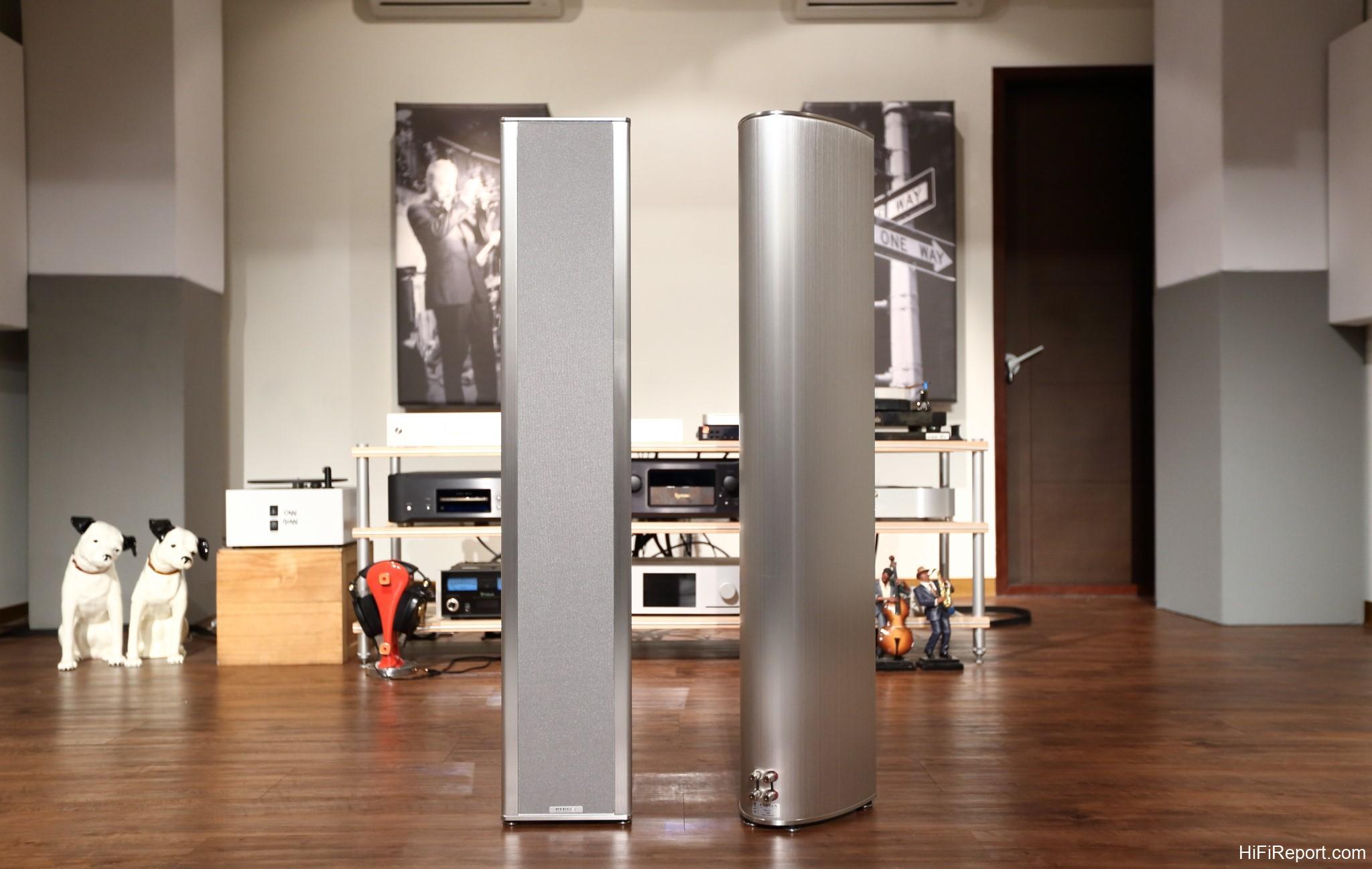
The cabinet exhibits a curved rear profile, lending an overall refined and space-conscious aesthetic.

The speaker’s rear curvature is elegant, with a pleasing tactile quality.
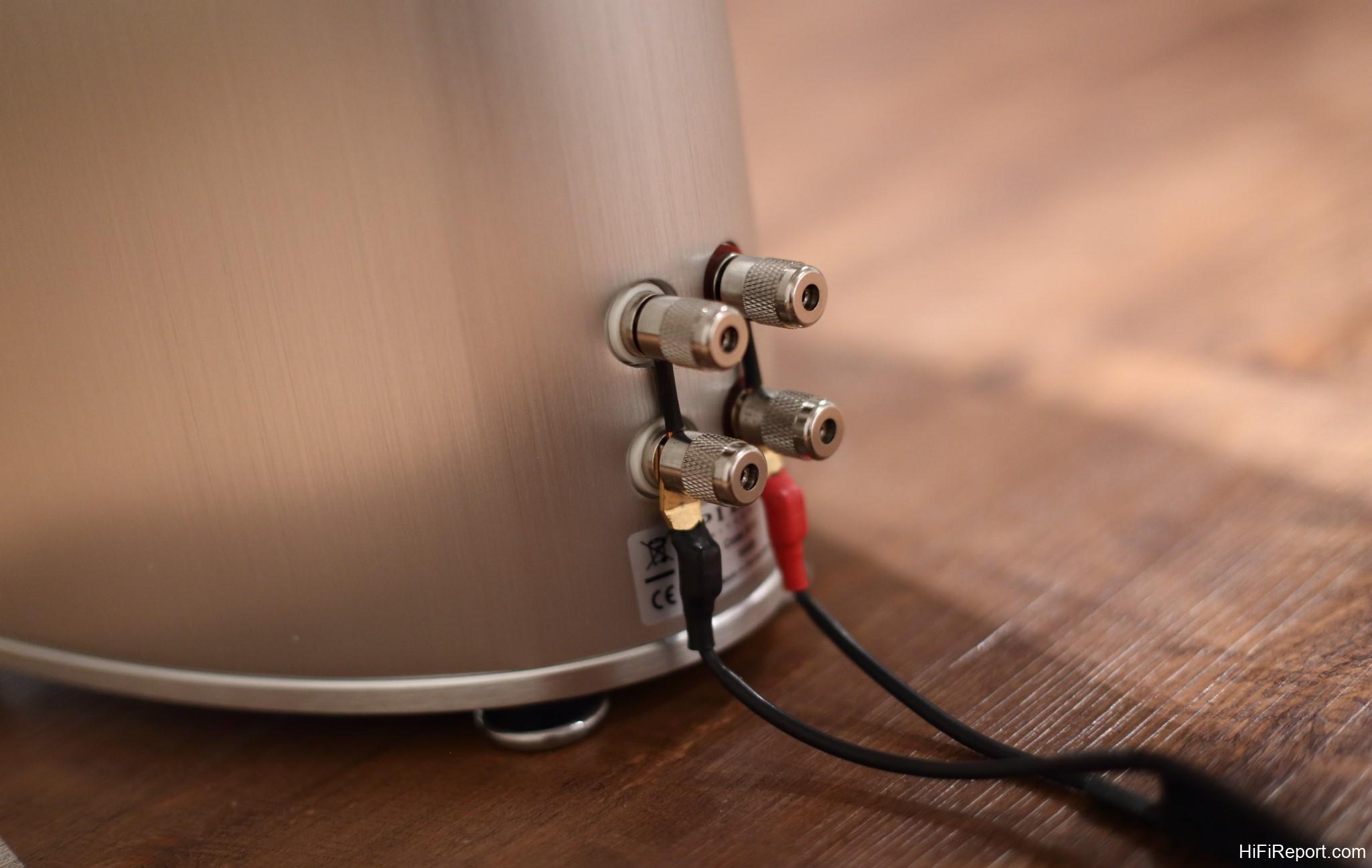
The speaker terminals are in sets of four, allowing for bi-wiring. Factory-supplied jumpers are included for immediate use with a single pair of speaker cables.
The new UHQD technology bass driver of the Coax 511.
Piega speakers embrace a refined approach, intentionally designing cabinets that are more suitable for smaller spaces, yet their sonic performance is anything but diminutive.
Let’s now delve into the listening experience.
Substantial and Defined Midrange
I began by playing Allan Taylor’s “Song For The Road” from the SACD produced by Stockfisch. Despite the Coax 511 utilizing a ribbon midrange and tweeter, the sound was devoid of any metallic harshness or sharpness. Instead, it presented a remarkably substantial vocal presence. While not overtly thick, it was natural and weighty, instantly dispelling any concerns about the ribbon midrange. This album is exceptionally well-produced, but not particularly notable for its soundstage ambiance.
However, when played through the Piega Coax 511, the sense of soundstage envelopment was surprisingly pronounced, with distinct front-to-back layering. The vocal texture was smooth and the extension natural. In the low frequencies, the performance truly defied its size, effortlessly reproducing ample and grounded bass.
Fast and Agile Reproduction
Moving to Chie Ayado’s , the second track, “Sunny,” features a dynamic band performance. The Coax 511 immediately captured my attention with its speed. It rendered this upbeat and lively track with remarkable sunshine and positivity, truly embodying the song’s title. Listening to saxophone and drums through the Coax 511 was a genuine pleasure. The speed was quick and agile, without any lingering or sluggishness. The saxophone’s penetration and timbre were exceptional.
The drums, whether rapid-fire beats or cymbal harmonics, highlighted the speaker’s strengths and advantages. Furthermore, the synergy with the vocals was seamless. It’s rare to encounter a system that presents both instrumental and vocal elements with such vividness and natural coherence. This single track alone compelled me to listen to it twice more.
Detailed and Coherent Sonic Character
Next, I played from 2017. From the first track, Danny Chan’s rendition of “Tonight, Precious Moments,” the distinct guitar performance and Chan’s tender, delicate vocals were immediately apparent. The bass frequencies were appropriately balanced. Notably, the entire track presented vivid imaging, with each instrument clearly positioned and layered, against a clean background with excellent overall depth.
Track 4, Lowell Lo’s “Who is Your True Love,” primarily focuses on vocals and piano in the midrange and high frequencies. The Coax 511 exhibited consistent timbre and speed across this range, creating a seamless sonic tapestry. In numerous vocal-and-piano-centric tracks, the reproduction was consistently outstanding.
In track 5, “La Campanella,” the opening violin and triangle strikes immediately conveyed a sense of sonic purity and exceptional extension. Salvatore Accardo’s violin solo showcased a wealth of technique, perfectly complementing the London Symphony Orchestra under Charles Dutoit’s baton. The entire piece sounded balanced and fluid, offering sheer musical enjoyment.
Immersive Soundstage and Natural Harmonics
Then, I played Eagles’ . The immersive quality is the greatest pleasure of listening to live recordings. Everything—the performance, vocals, audience cheers, and ambiance—contributes to the experience. Regardless of recording post-production, a system that delivers a natural, balanced, and musically engaging soundstage is the ideal presentation.
While the Coax 511 is a lean and compact floorstanding speaker, not a large, imposing behemoth, it still satisfies the listener’s desire to be enveloped in rich music. It delivers a substantial and consistent timbre in most midrange and high-frequency ranges, with harmonics extending naturally to create a sense of space. The four bass drivers contribute to deep and ample low frequencies.
Listening to this album was a perfect demonstration. The band performance, vocals, and audience enthusiasm, along with detail, spatial cues, and naturalness, were all present. While it couldn’t transport us back to the actual event, it provided ample sonic information to evoke memories and imagination, allowing us to become fully immersed in the music.
Unembellished Natural Sound
Finally, I played Jay Chou’s debut album, . Back in the day, it revolutionized pop music lyrics, style, and delivery with its creativity and groundbreaking approach. As a high school student at the time, I felt like Alice entering Wonderland for the first time. Each song was full of surprises and unbelievable, leaving a lasting impression. His subsequent works have largely stemmed from this album.
This album features some simple sound effects and also captures Chou’s more authentic vocal recordings. The Coax 511 effectively reproduced these pop songs, delivering a natural, musically engaging sound without unnecessary coloration or exaggeration, allowing the original essence of to shine through.
Balancing Hi-Fi Credibility and Aesthetic Appeal
The Piega Coax 511 is a distinctive speaker. Its coaxial midrange and tweeter design, particularly with ribbon drivers, is uncommon, resulting in exceptional sonic coherence in timbre, speed, and imaging. This offers a significant advantage across a wide range of musical genres. The bass drivers provide ample deep and powerful low frequencies. Its slender cabinet is well-suited to modern homes, and the all-aluminum exterior complements various interior styles.
Swiss-made products are often associated with high-quality craftsmanship, and owning the Piega Coax 511 offers both sonic excellence and aesthetic appeal.
Piega Coax 511 Floorstanding Speaker Highlights
* Swiss brand, manufactured locally
* Coaxial ribbon midrange-tweeter design
* Excellent cabinet vibration control
* Refined and space-saving cabinet
* Exceptional sonic extension and speed
* Coherent midrange-tweeter timbre
* Ample bass response
* Energy and control exceeding its physical size
Piega Coax 511 Technical Specifications
* Recommended Amplifier Power: 20 – 250 Watts
* Sensitivity: 90 db/W/m
* Impedance: 4 ohms
* Frequency Range: 32 Hz – 50 kHz
* Design: Three-way floorstanding speaker
* Bass Drivers: 2 x 160 mm UHQD
* Passive Radiators: 2 x 160 mm UHQD Passive
* Midrange/Tweeter: C111 Coaxial ribbon
* Connection: Bi-Wiring / PIEGA Multi Connectors
* Dimensions: (H x W x D) 115 x 22 x 25 cm
* Weight: 32 kg