
PS AUDIO PerfectWave DirectStream DAC Review
For four decades, PS Audio has cultivated a reputation built on unwavering focus and a proactive approach to the high-fidelity audio industry. Their philosophy is simple yet profound: to design, hand-build, and deliver high-end audio systems that audiophiles can depend on. This commitment to musical authenticity, uncompromising quality, and responsible manufacturing has garnered them the trust and admiration of discerning listeners across the globe.
The PS Audio PerfectWave Memory Player is engineered to handle both standard CD and high-resolution audio formats. It’s compatible with CD and DVD discs, and remarkably, can even play 24-bit/192kHz high-resolution WAV files from DVDs. For users embracing high-resolution downloads from platforms like HDtracks, the PerfectWave system provides seamless playback, including support for DSD files via DoP.
What sets the PerfectWave Memory Player apart from conventional CD transports is its unique approach to data retrieval. Instead of directly feeding the digital signal to the DAC, it first extracts the music from the disc and stores it in an internal solid-state memory buffer. This memory buffer then serves as the source for the digital output to the DirectStream DAC.
This ingenious method effectively isolates the playback from the mechanical limitations of the disc transport, mitigating jitter and timing errors. By decoupling the audio stream from the transport’s clock, the system achieves a purer signal delivery. You’ll even observe this buffering in action – if you eject a CD during playback, the music will continue for a short period, drawing from the buffered data.
The unit arrives securely packaged, encased in a double-layered cardboard box with internal packaging designed for excellent shock absorption and protection during transit.
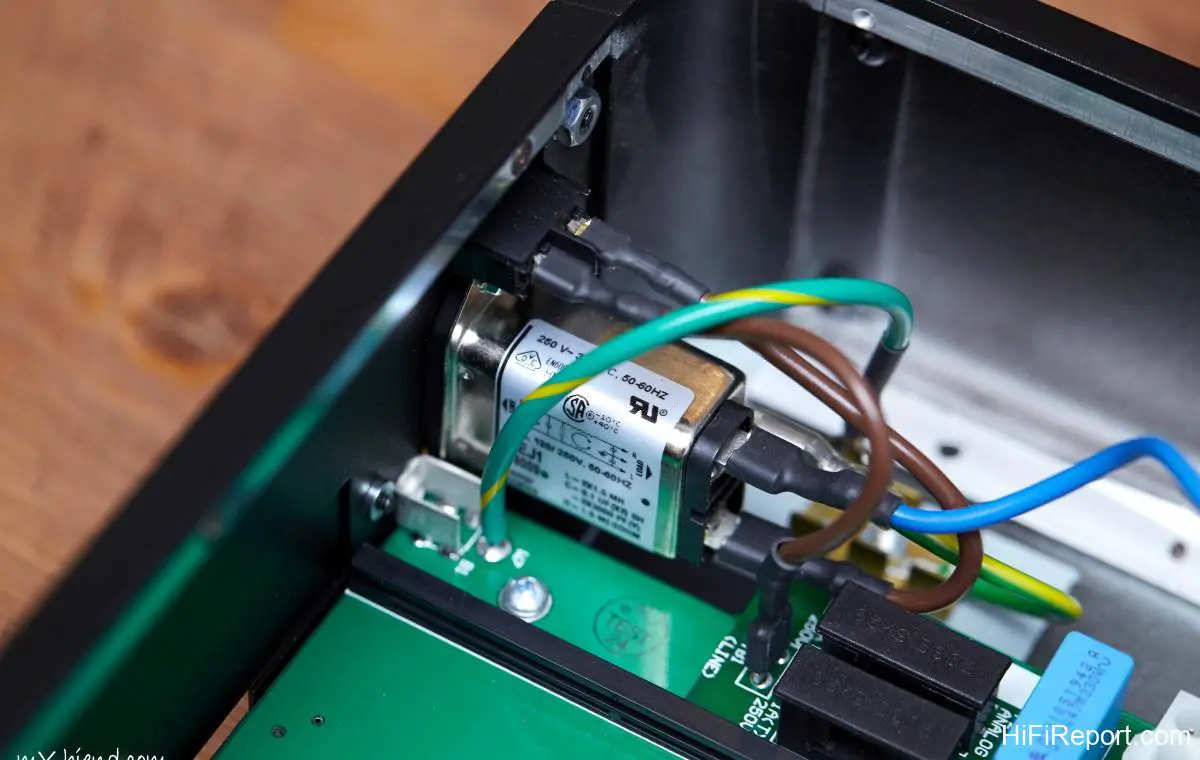
Each unit undergoes a meticulous quality control process, evidenced by personnel signatures, dates, and roles – even including the final packer. This demonstrates a highly responsible approach to manufacturing.
The PerfectWave Memory Player weighs approximately 20 pounds, exhibiting a robust yet manageable build. The chassis finishing is exceptional, conveying a sense of high quality and meticulous craftsmanship.
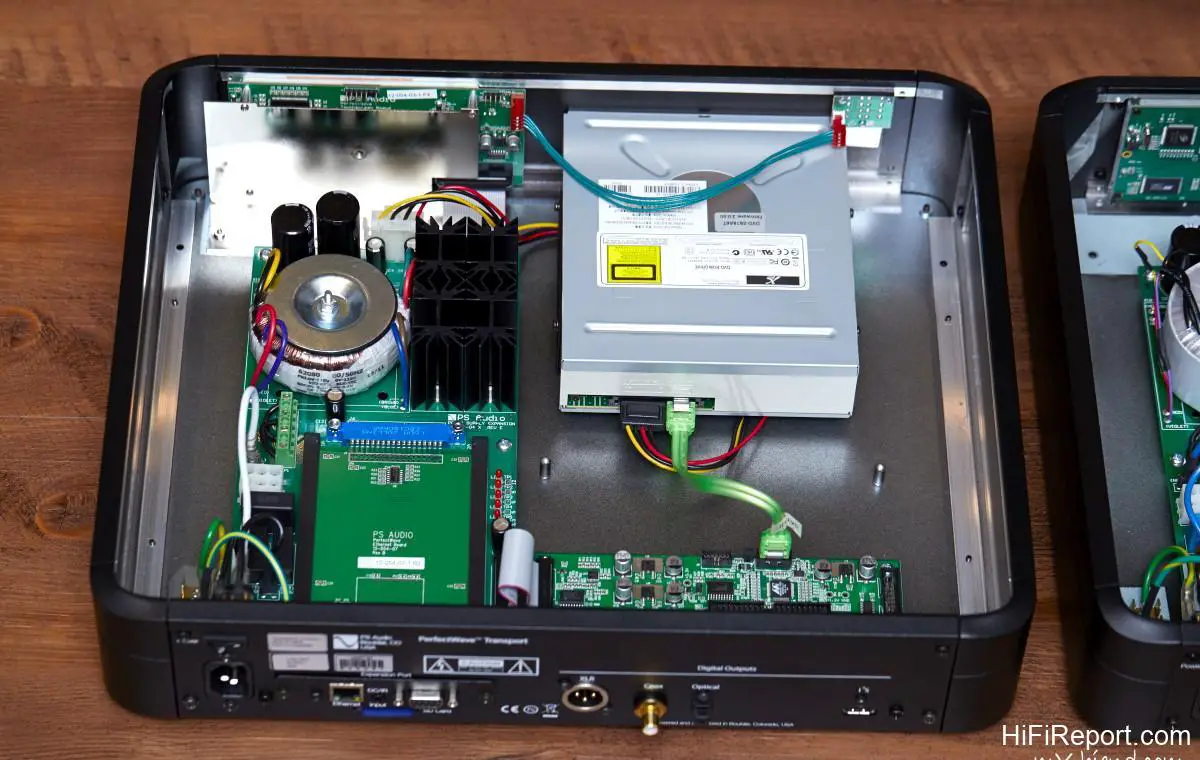
The review sample provided to HiFiReport came in an all-black finish, with a silver option also available. Both color schemes are understated, emphasizing the inherent quality and ease of integration into various audio setups. The front panel is clean and functional, featuring a color touchscreen display on the right and the disc transport subtly integrated to the left of the PS Audio logo, which also serves as the power switch.
The right side of the front panel is dominated by a visually appealing display screen, framed by hand-polished piano black lacquer, adding a touch of elegance.
The rear panel offers a comprehensive array of output options, including four digital outputs via I2S and S/PDIF interfaces. The I2S interface, utilizing an HDMI connector for connection to the DAC, is PS Audio’s recommended method for optimal performance, surpassing traditional S/PDIF in sonic quality. Conventional digital outputs often require three separate clocks to merge information streams before reaching the DAC, a process that inherently compromises sound quality compared to I2S.
Beyond I2S, PS Audio has implemented NativeX technology to further mitigate common S/PDIF limitations. Additional digital outputs include balanced XLR, coaxial, and optical. While the optical output is limited to a maximum of 24-bit/96kHz, the other three outputs support high-resolution audio up to 24-bit/192kHz.
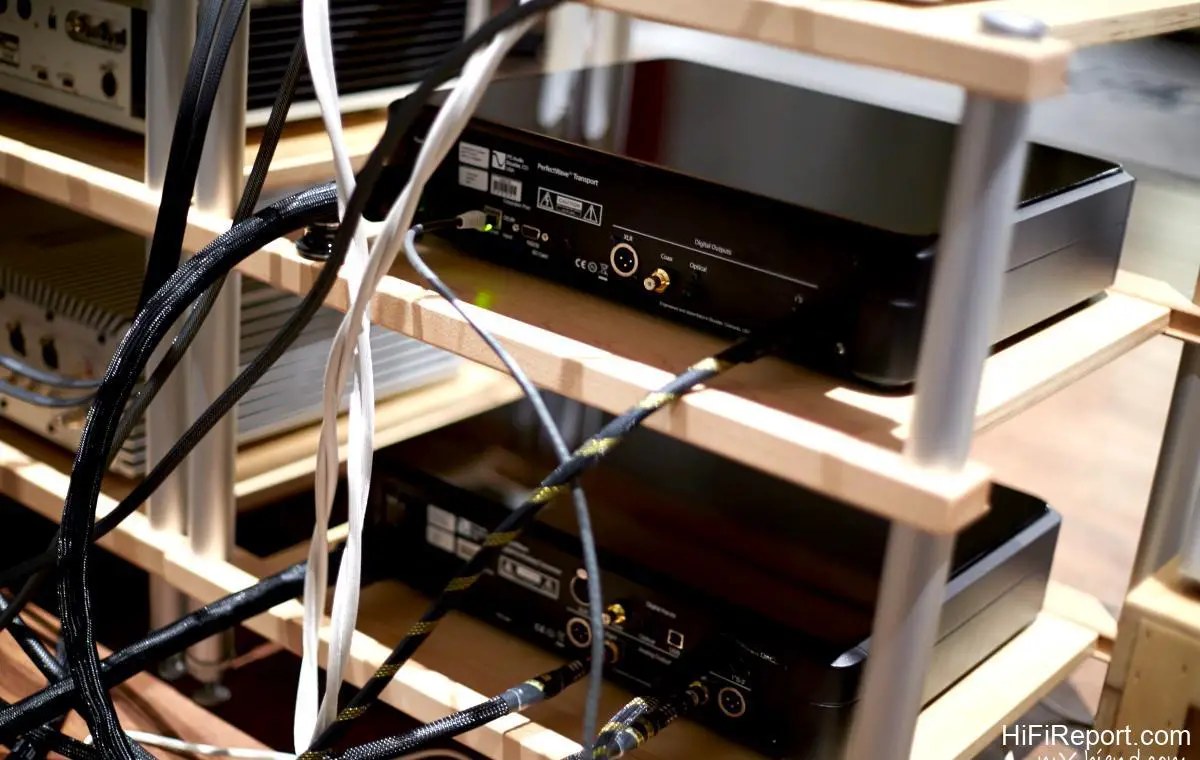
The left side of the rear panel houses the power connector and an Ethernet port. This Ethernet connection allows the unit to access PS Audio’s online database for retrieving album art and music information. Downloaded album art and metadata are stored on an SD card inserted into the rear panel slot. It’s important to note that the SD card is dedicated solely to this purpose; music files stored on the SD card cannot be played directly by the PerfectWave Memory Player.
Additional rear panel connections include an RS232 port and a DC/IR input, likely for integration and control with other components like the DirectStream DAC.

**Specifications:**
* Memory Player
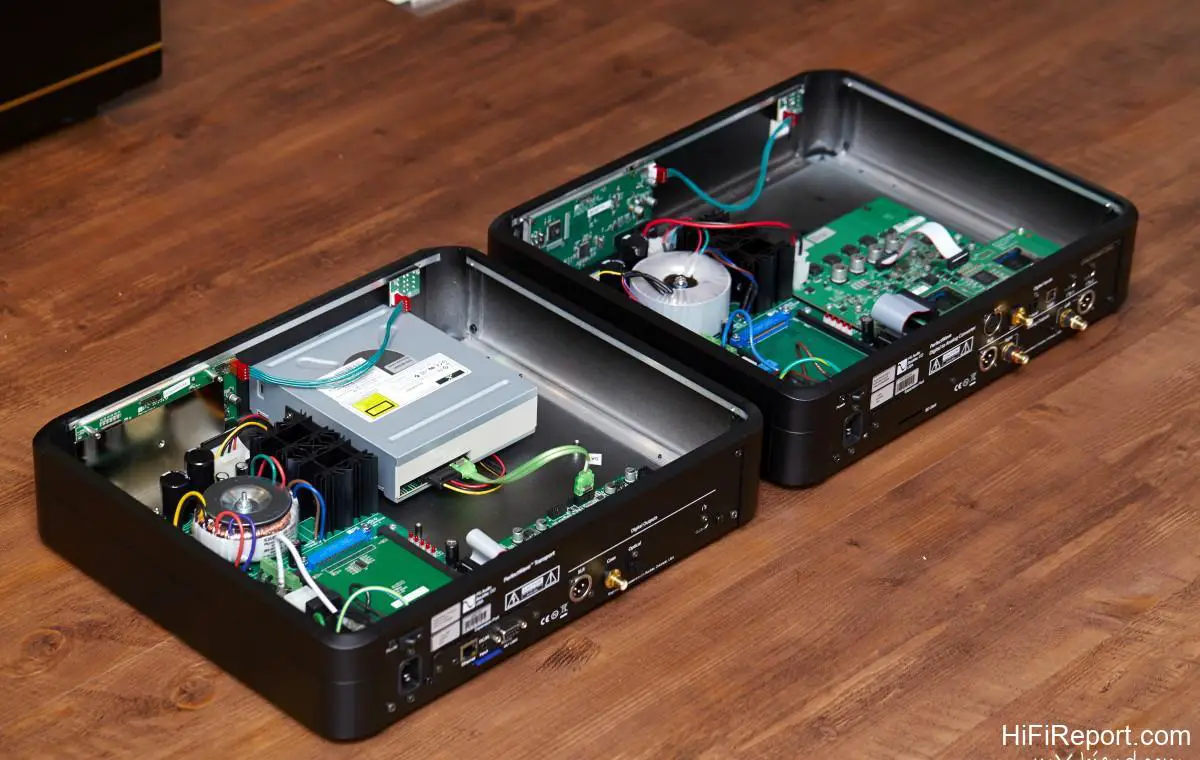
* Built in Boulder
* Plays 192kHz 24 bit WAV files
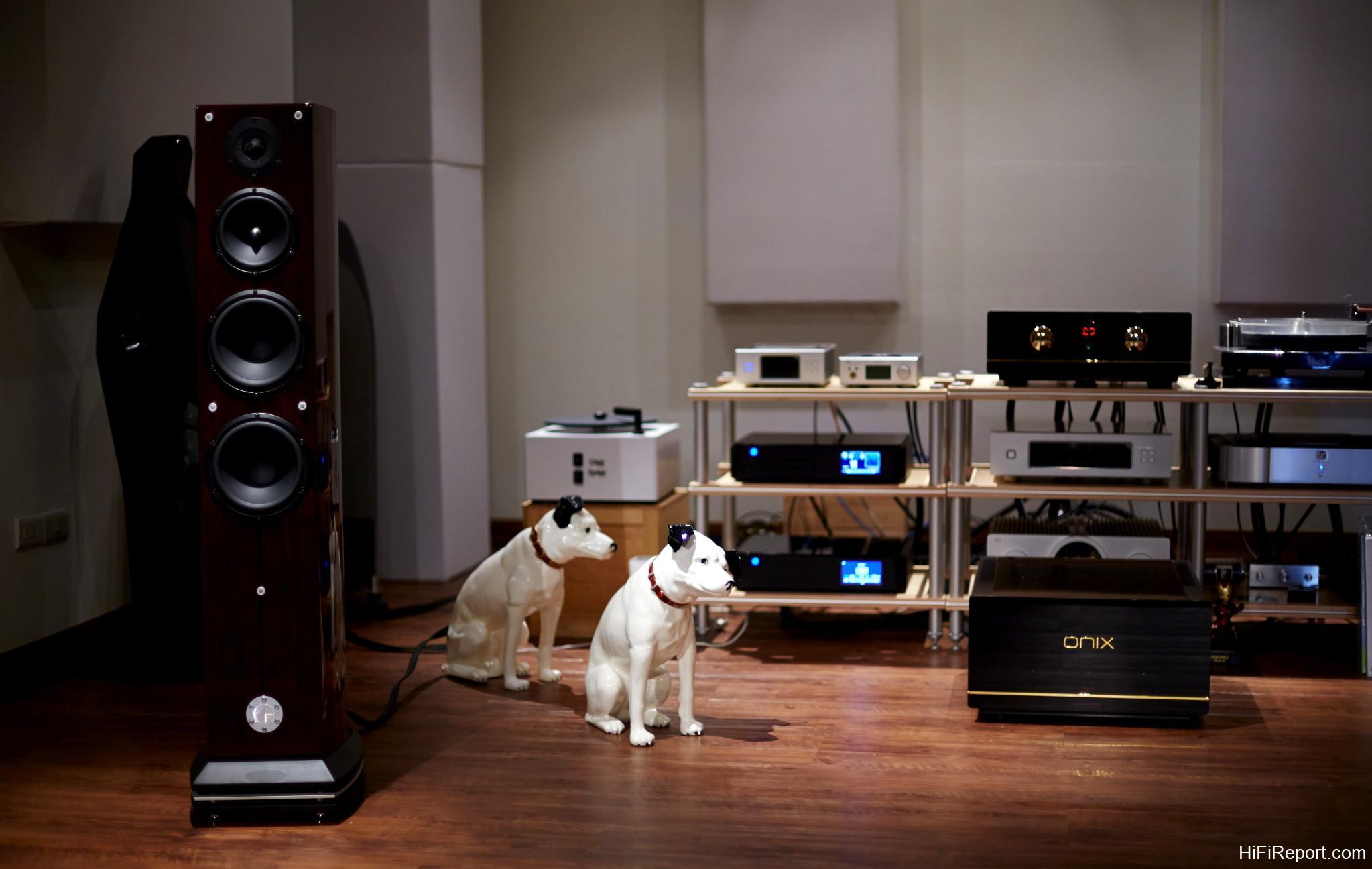
* Plays DoP encoded DSD files
* Native I2S output
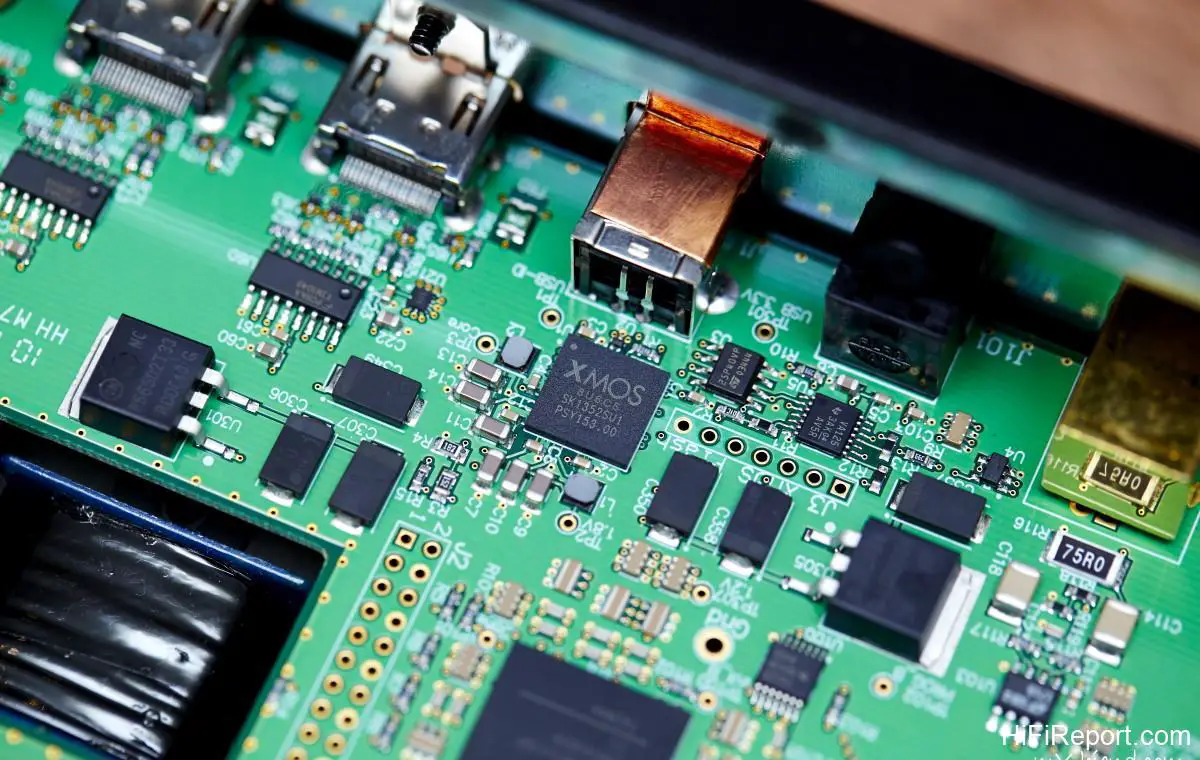
* 4 digital asynchronous outputs
* Built in Digital Lens
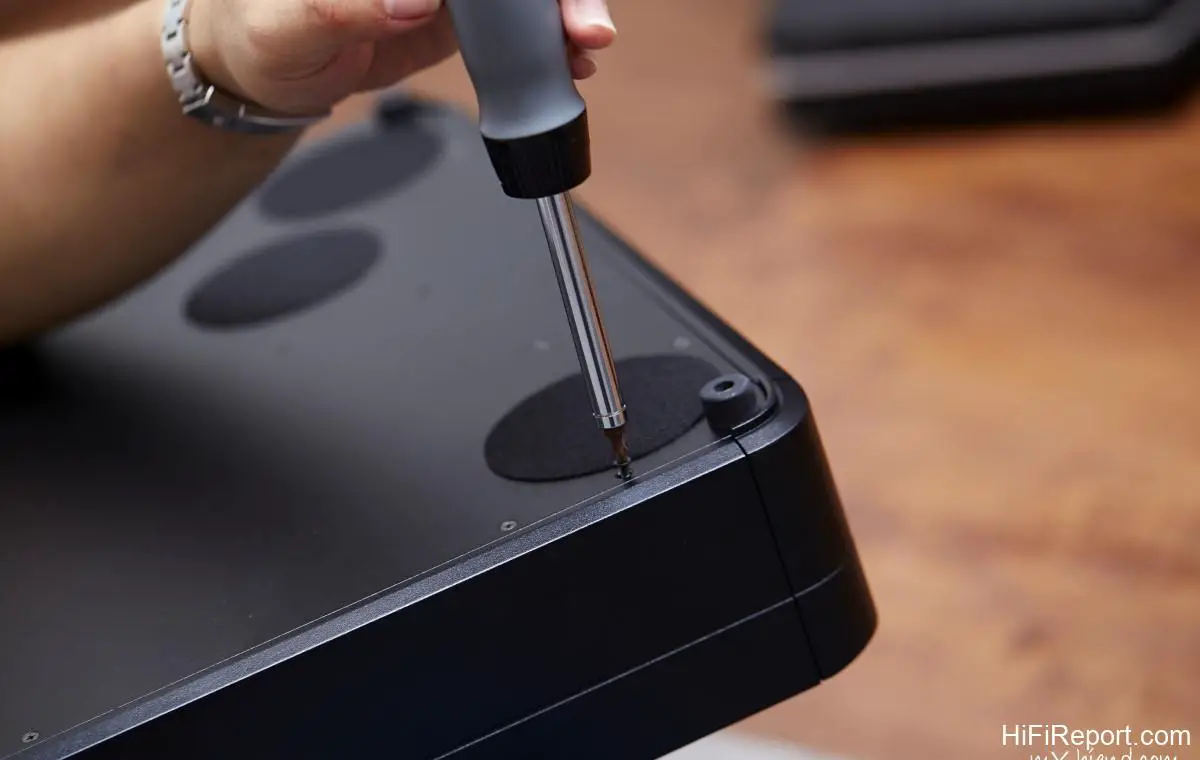
* Color touch screen with album cover art
* Fixed low jitter PerfectWave clocks
PS AUDIO DirectStream DAC Unboxing
The DirectStream DAC represents PS Audio’s pinnacle of digital-to-analog conversion technology to date. They believe the DirectStream unlocks previously obscured digital information, hidden within our music files. Regardless of the source – CD, downloaded files, DSD, or PCM – the DirectStream aims to extract more complete and richer digital information, transforming it into a pure analog signal ready for amplification.
The defining characteristic of the DirectStream DAC is its unique approach to digital signal processing. It upsamples all incoming digital signals, whether PCM or DSD, to an astounding 10 times the DSD rate before converting them to a pure 1-bit DSD digital signal for the final D/A conversion into analog. DSD 1-bit, inherently closer to analog in its recording nature compared to multi-bit PCM, bypasses the complexities and potential artifacts of traditional PCM decoding.

This method strives to capture the entirety of the original musical information and nuance. Achieving seamless PCM to DSD conversion is technically challenging, and the DirectStream employs 66-bit fixed-point FIR filters to address common PCM headroom issues and reduce noise in the 20-100kHz range. The emphasis is on optimal sonic performance, prioritizing sound processing hardware over sheer processing speed.
While most DACs rely on off-the-shelf decoder chips, PS Audio argues that this approach often involves compromises. The DirectStream, in contrast, utilizes a custom-designed decoding system specifically tailored to its architecture. It seamlessly converts both PCM and DSD formats to DSD internally. The DirectStream’s output stage features a passive, high-speed Class A amplifier coupled with passive, high-performance output transformers.
These transformers primarily serve as galvanic isolation between the DAC and external circuitry. An integrated, near-perfect volume control within the DirectStream allows for direct connection to power amplifiers, minimizing signal degradation and preserving musical detail. Unlike many high-end DACs that employ multiple master clocks, potentially creating synchronization challenges, the DirectStream utilizes a single, high-quality, low-jitter, low-phase-noise master clock from Crystek.
For users wishing to integrate the DirectStream with computer audio or home networks, an optional Network Bridge provides Ethernet connectivity. USB connectivity is also available for direct computer connection, offering a fully synchronous 24-bit/192kHz path. The DirectStream further offers a phase (polarity) inversion switch, allowing users to experiment with absolute phase to potentially optimize sound reproduction in their systems.
Output gain adjustment (both single-ended and balanced) is also provided to ensure optimal compatibility with a wide range of amplifiers and speaker sensitivities.
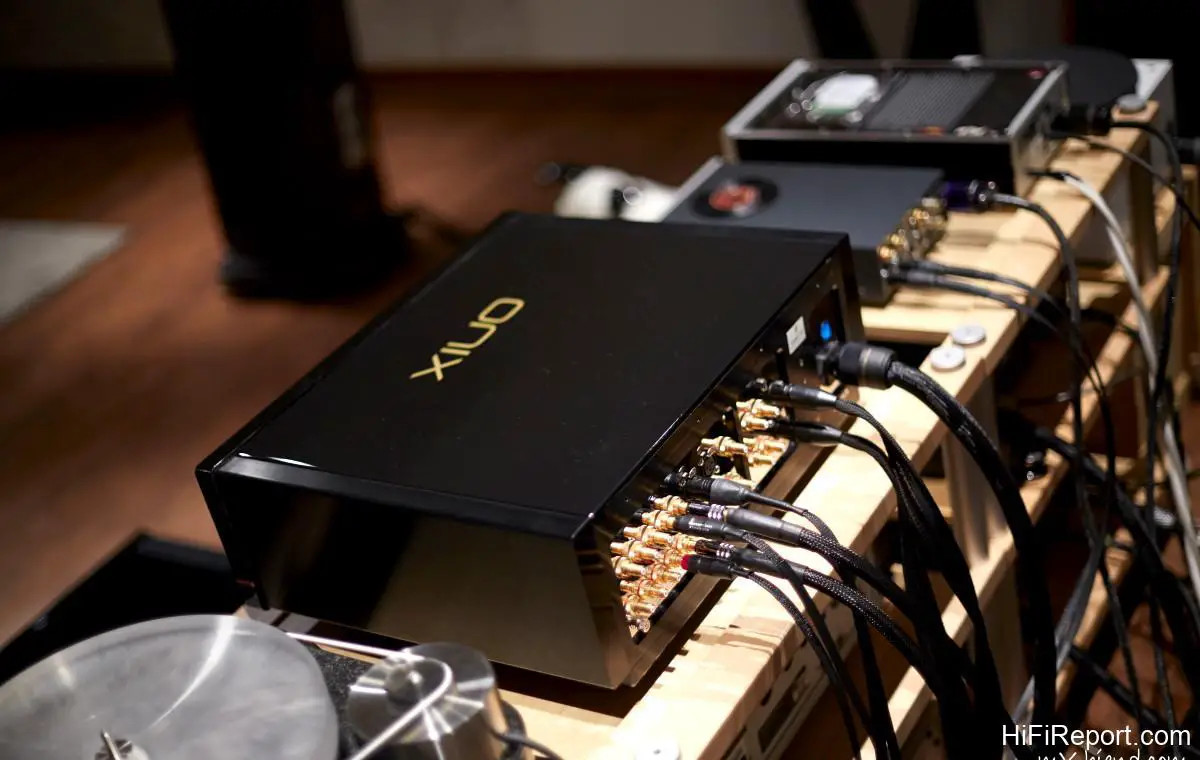
The rear panel of the DirectStream DAC features seven digital inputs (upper section): two I2S, coaxial, balanced XLR, TOSLINK, USB, and a Network Bridge slot.
**Supported Maximum Sampling Rates:**
* I2S, S/PDIF, USB — 44.1kHz ~ 192kHz 16bit, 24bit, DSD 64, DSD 128
* TOSLINK – 44.1kHz ~ 96kHz 16bit, 24bit
**Outputs:** RCA / XLR Unbalanced / Balanced (X2)
**Specifications:**
* Pure 100% DSD based D to A Converter
* Resolution perfect volume and balance controls built in
* Upsamples PCM and DSD to 10x DSD rate
* Purely passive transformer coupled output
* Improves imaging and soundstage
* Simple, direct signal path with one master clock
* Hand written filters, processors and upsamplers
* Immune to incoming jitter problems from different sources
* Increased digital headroom
* No off-the-shelf IC DAC chips used
* Uncovers musical details masked by typical PCM based processors
* 7 digital inputs
* Fully balanced from input to output
* Color touch screen
System Setup and Listening Impressions
Integrating the PS Audio PerfectWave Memory Player (PMP) and DirectStream DAC into a system is straightforward. The PMP can be connected to the network and an SD card inserted, primarily for automatic album art and information retrieval. Once configured, simply inserting a CD triggers automatic downloading and display of album artwork, provided the album is recognized in the database. Naturally, newer or more obscure releases may not have readily available artwork.
Connection between the PMP and DirectStream DAC is established via HDMI (I2S), PS Audio’s preferred interface for this system, although standard digital outputs are also available. The HDMI connection is reputed to offer superior sonic performance, and was thus the initial connection method explored. The color touchscreen interface on the PMP allows for intuitive control even without the remote.
Album information is automatically downloaded when connected to the internet and an SD card is inserted.
The accompanying system, while previously auditioned, offered fresh insights in this particular configuration.
Initial listening impressions of this source combination reveal exceptional bandwidth and detail retrieval. The sonic character leans towards refinement and subtlety, with a remarkably quiet background. This sonic purity is likely attributable to PS Audio’s expertise in power conditioning and the PMP’s memory-buffered playback mechanism.
The I2S interface is also likely a contributing factor to the system’s impressive bandwidth capabilities.
FPGA Architecture & 10x DSD Upsampling
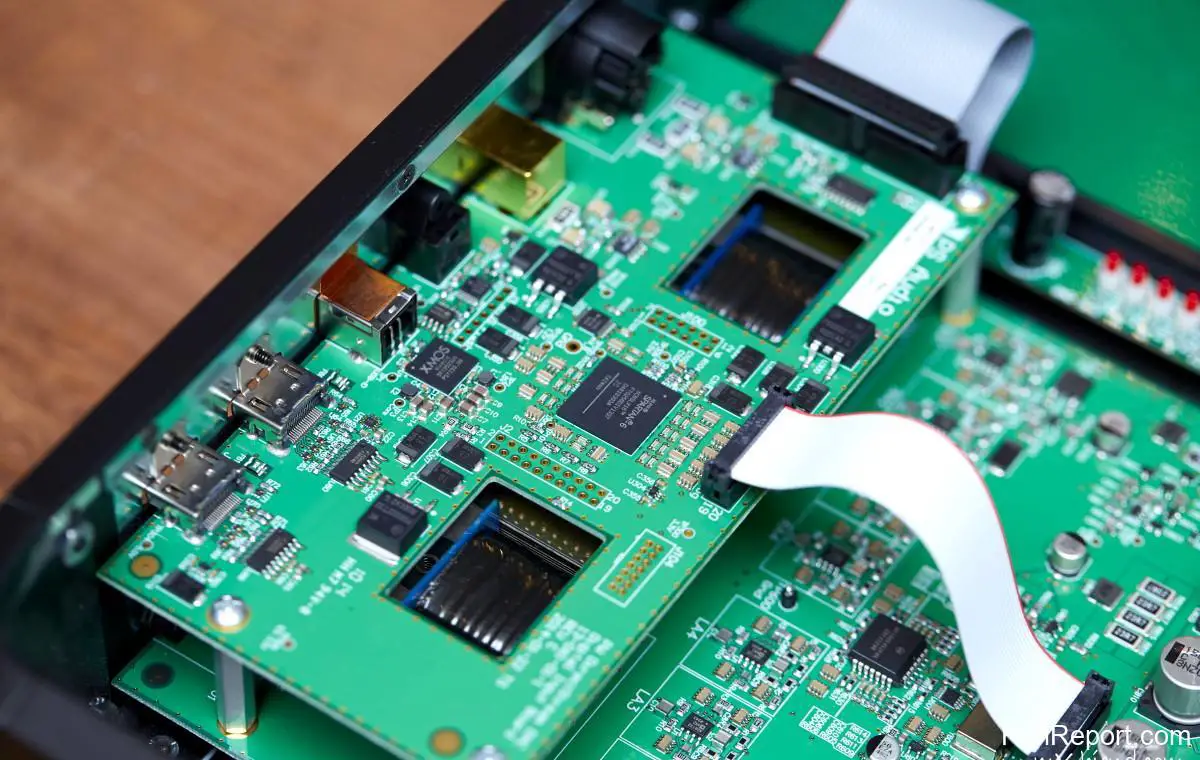
The DirectStream DAC, beyond its DAC functionality, also incorporates preamplifier capabilities. Its design is a collaborative effort between Ted Smith, the primary designer, PS Audio CEO Paul McGowan, and Arnie Nudell, co-founder of Infinity. At its core, the DirectStream utilizes an FPGA (Field Programmable Gate Array) as its primary processing engine, instead of conventional off-the-shelf chips.
This FPGA-centric approach, adopted by only a handful of manufacturers, often yields exceptional sonic results.
The DirectStream consistently maintains a high level of sonic performance across various input sources. This consistency is attributed to a proprietary, ultra-fast sampling rate conversion and identification method, effectively mitigating the sonic impact of different cables, jitter, and data quality variations. All incoming audio signals are automatically upsampled to 10 times the DSD 2.8MHz rate within the DirectStream, culminating in a DSD 5.6MHz output and “passive” analog filtering stage.
The decision to center the DirectStream around a DSD architecture is driven by several key advantages:
1. **Direct DSD to Analog Conversion:** DSD conversion to analog is inherently more direct, requiring only a low-pass filter. 2. **Linearity of DSD:** DSD is fundamentally linear, making it more challenging for PCM architectures to achieve equivalent voltage accuracy. 3. **Robustness to Over-Specification Signals:** DSD exhibits graceful degradation when exceeding specification limits, whereas PCM can suffer more significant sonic consequences under similar conditions. 4.
**Uniform Bit Weighting in DSD:** All bits in DSD have equal weight. Single-bit errors are less likely to be audible or easily measured. In contrast, PCM bit weights are not uniform, potentially leading to more significant issues with errors. PCM systems often require more robust error correction for a given signal-to-noise ratio. 5. **Prevalence of Sigma-Delta Modulation:** Many PCM DAC chips and A/D converters are actually based on sigma-delta modulation (DSD) principles.