
PS Audio SACD/CD Player Review
The DirectStream Memory Player (DMP) marks a significant milestone as PS Audio’s first transport capable of playing SACDs. Historically, due to SACD’s intellectual property protections, many transport manufacturers were restricted from producing devices that could transmit the raw DSD music files from SACDs. After years of dedicated effort, PS Audio overcame these limitations to create the DirectStream Memory Player, fully unleashing the potential of the SACD format.
Unearthing Hidden Details
The DirectStream Memory Player’s prowess extends beyond simply reading raw DSD files from SACDs. PS Audio emphasizes that their research and development efforts have enabled the DMP to extract the deepest and most detailed musical signals from CDs. This allows audiophiles to rediscover their existing collections, experiencing previously unheard musical nuances and emotional depth within their cherished and familiar albums.
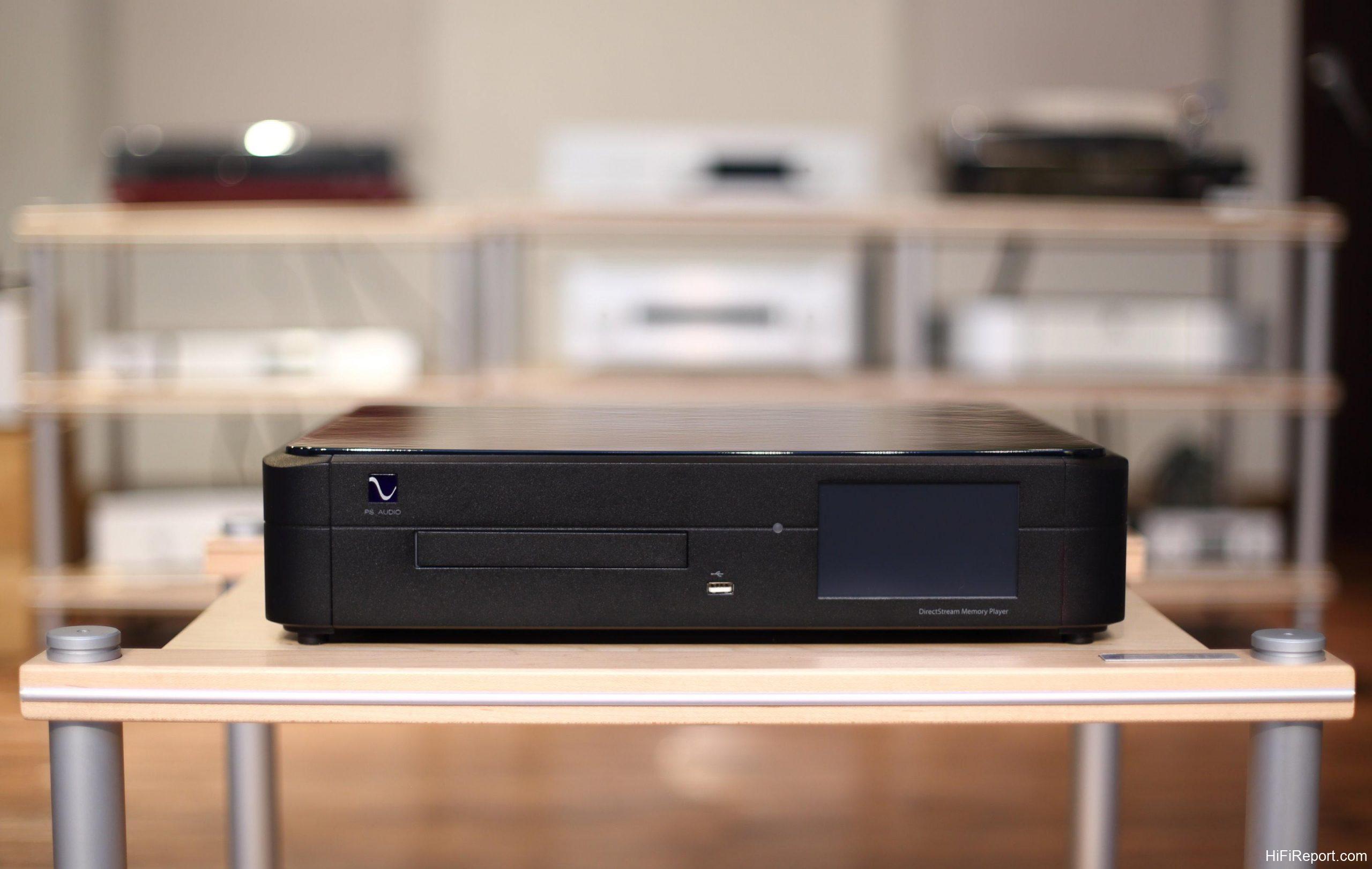
The DMP maintains the full-size chassis dimensions and structural design of the previous PerfectWave series. This approach to cost control is a deliberate strategy by PS Audio, ensuring users can access high-quality equipment at a reasonable price—a cornerstone of PS Audio’s sales philosophy.
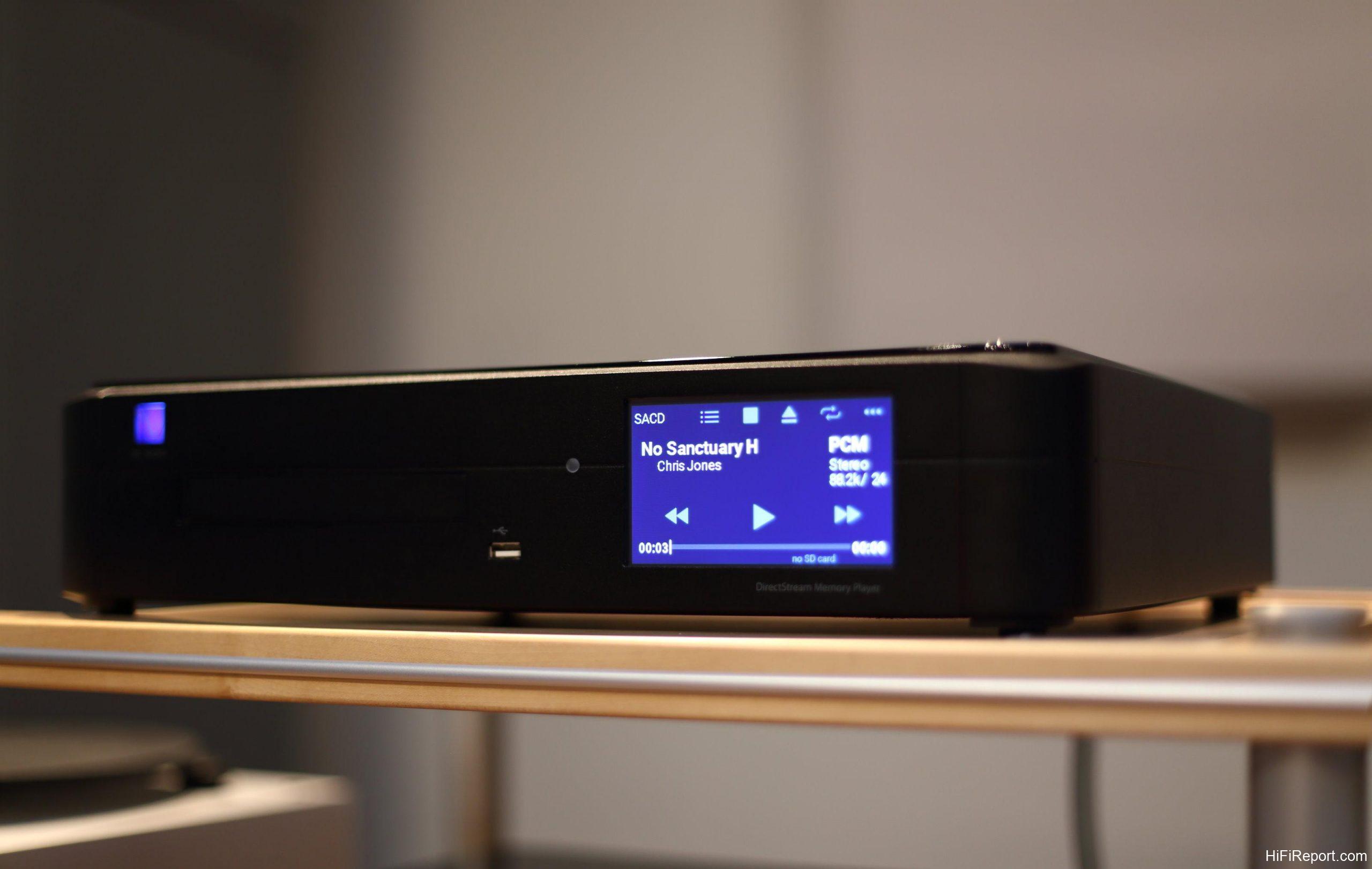
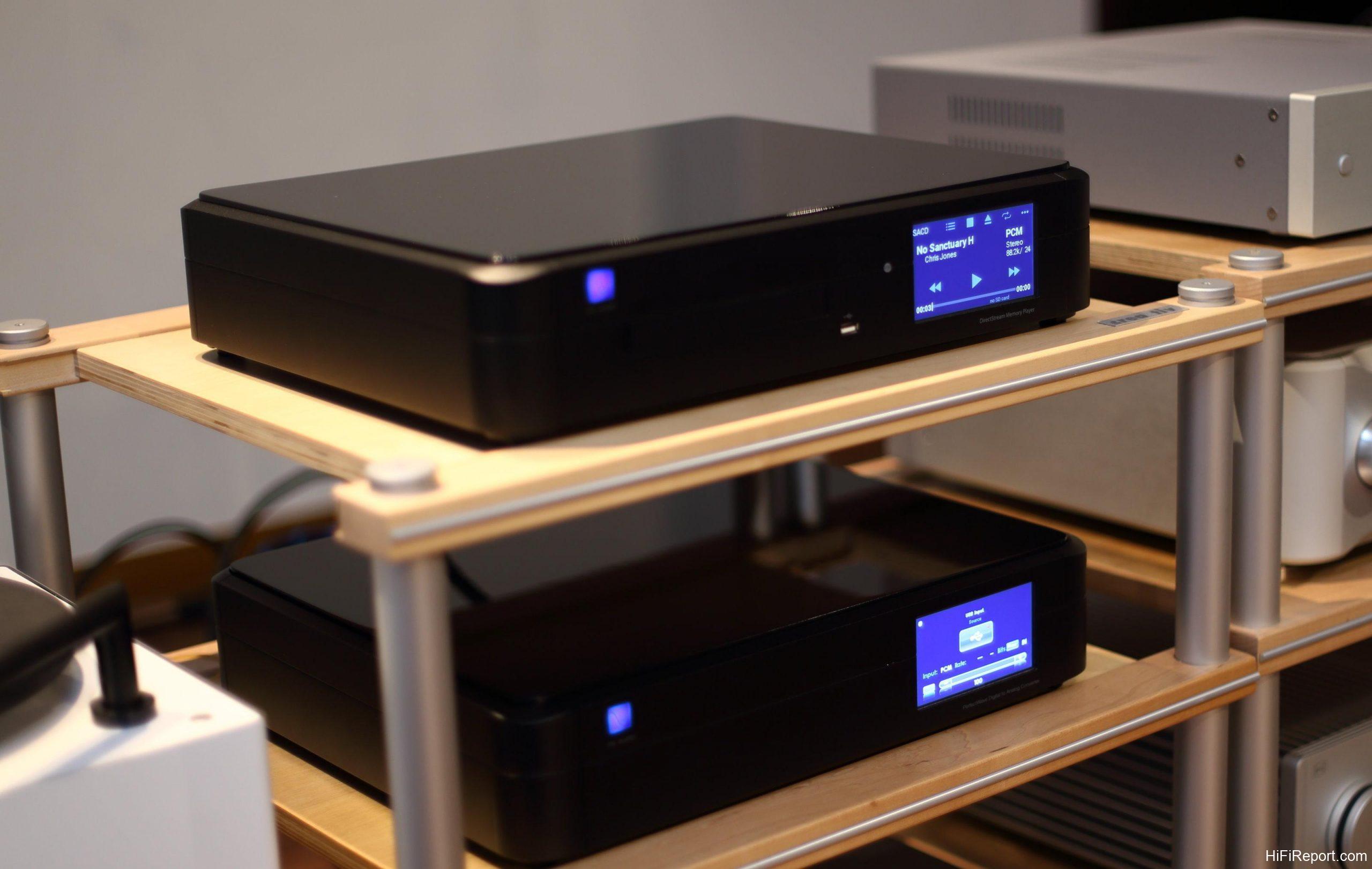
The front panel features a logo in the top left corner that illuminates in blue when powered on, serving as the standby switch. Pressing it puts the unit into standby mode. The disc transport mechanism is also located on the left side of the front panel, adjacent to a USB input. This USB port facilitates music playback from portable hard drives, with intuitive control handled via the touchscreen display on the right.
The rear panel of the DMP is straightforward, primarily focused on digital outputs. It includes three RCA coaxial outputs, one AES/EBU output, and crucially, three I2S HDMI outputs. On the left side, there’s an Ethernet port and an SD card slot.
Cutting-Edge Digital Lens Technology
At the heart of the DMP lies PS Audio’s “Digital Lens” technology, originally conceived in 1993 by company owner Paul McGowan and chief engineer Bob Stadtherr. This technology prioritizes the integrity of digital signal transmission, minimizing the impact of electronic and mechanical interference as the signal travels from the transport to the DAC.
Of course, the “Digital Lens” technology has evolved significantly over time, and the version implemented in the DMP represents substantial advancements.
In digital signals, timing accuracy, or jitter, is paramount, particularly noticeable in the relatively lower resolution of CD playback. Past iterations of “Digital Lens” primarily utilized intelligent memory buffering to isolate the optical laser mechanism from digital signal processing, with jitter correction applied by a low-jitter clock before transmission.
The new “Digital Lens” technology in the DMP further refines this by incorporating buffer memory play and an FPGA (Field-Programmable Gate Array) logic chip to comprehensively address timing, noise, and isolation issues. The design team has reduced reliance on extensive memory capacity and achieved even greater precision in digital music signal timing.
The DMP’s digital processing architecture has been completely redesigned, featuring a custom-programmed FPGA chip, intelligent memory buffering, bidirectional isolation design, and ultra-low jitter, short-path output control.
Breaking SACD Playback Barriers
Historically, Sony and Philips, the developers of SACD, implemented stringent restrictions on the transmission and duplication of SACD content to protect creators’ intellectual property. Playback was typically limited to devices from approved brands, and transmitting SACD data to external devices was generally prohibited.

PS Audio successfully negotiated an agreement allowing the DMP to read and transmit DSD files from SACDs to external DACs, while still preventing unauthorized copying of the file content to other storage media.
Users familiar with PS Audio products likely know that the company strongly recommends HDMI connections, specifically the I2S interface. For the DMP, one of its key functions is transmitting DSD files from SACDs. While transmission options include I2S, coaxial, and AES/EBU outputs, only I2S can achieve native DSD file transmission. The other methods utilize DoP (DSD over PCM), which encapsulates the DSD data within PCM packets for transmission to the DAC.
While debates exist regarding whether DoP alters the file content, the fact that I2S offers native DSD transmission makes it the unequivocally superior choice for purists. The rear panel Ethernet port enables the DMP to automatically download album information, including cover art and track details. This download occurs automatically the first time an album is played, and the information is stored on the SD card for subsequent access.
As long as the album information is available online, it will be automatically downloaded and displayed on the screen. For most albums, finding this information is generally successful, unless the title is exceptionally obscure.

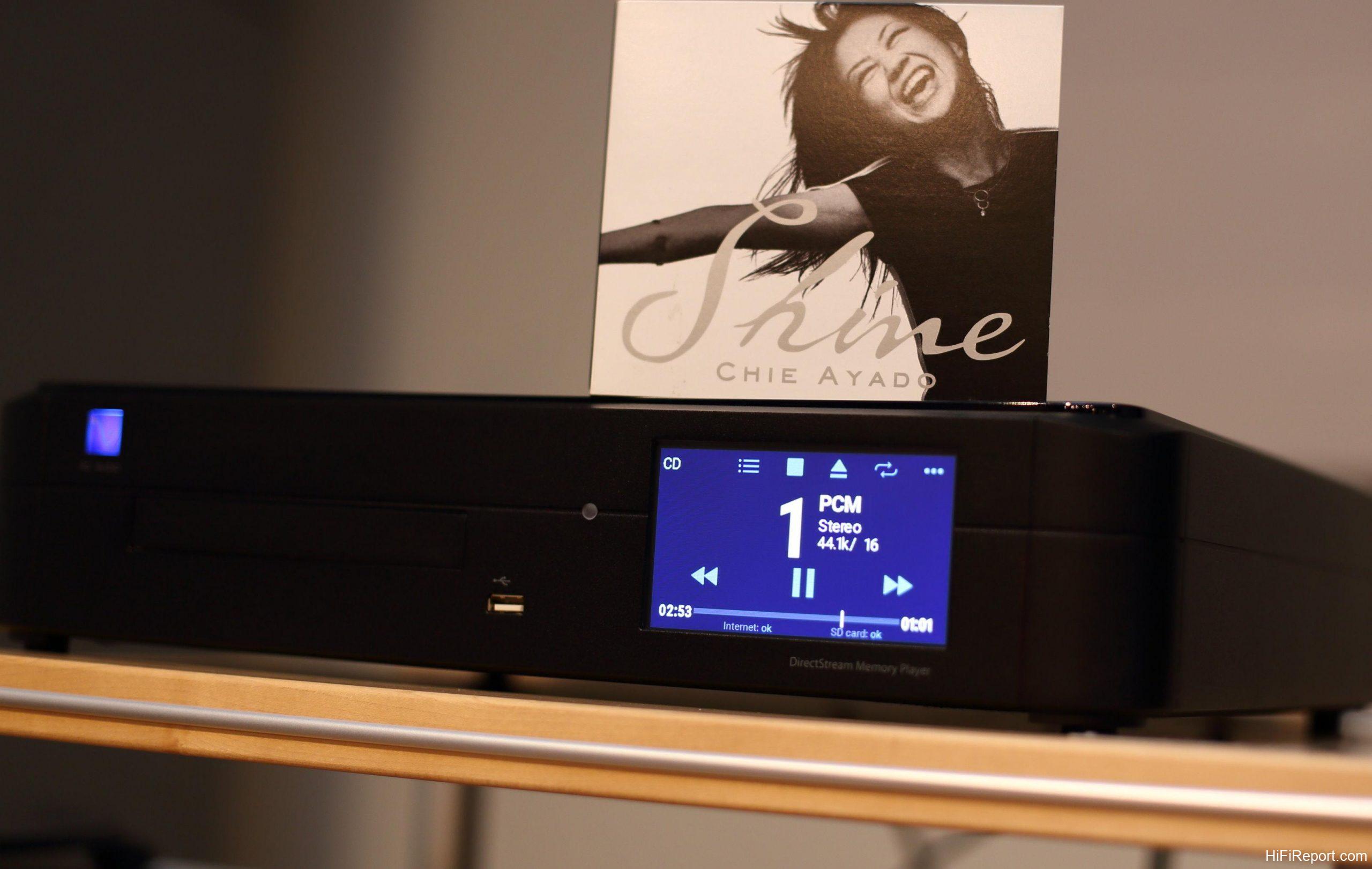
All DMP functions, including disc loading and ejection, are controllable via the touchscreen on the right side of the unit. Apart from the standby button, there are no other physical buttons on the front panel.
Versatile Format Compatibility
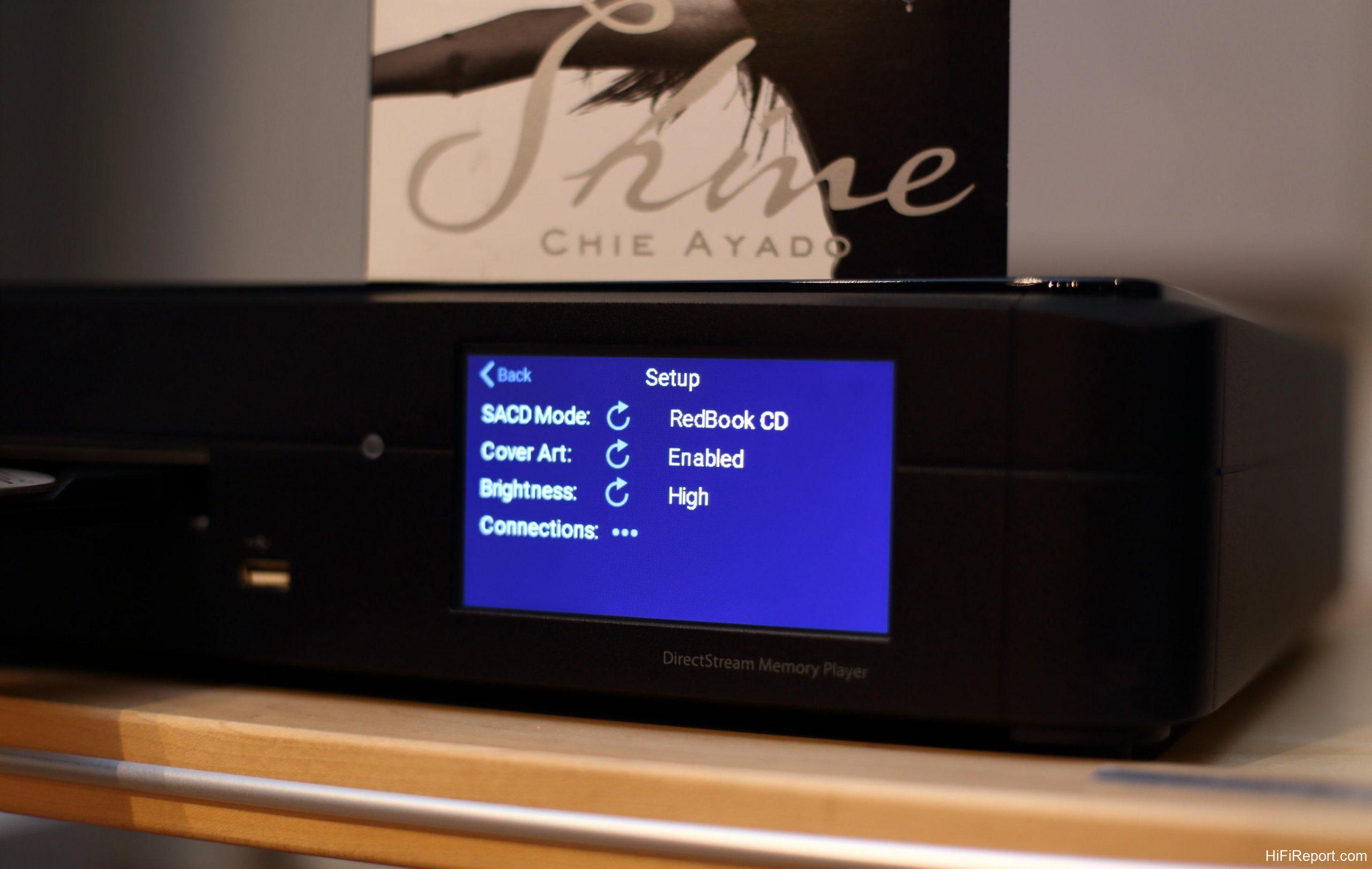
Intriguingly, the DMP offers the ability to select playback of either the SACD layer or the CD layer of hybrid discs. It can also read the DSD layer and downsample it to twice the CD quality for output. This versatility ensures compatibility with virtually any external DAC. Even if a DAC lacks native DSD decoding capabilities, the DMP can still play SACDs by downsampling the DSD layer or playing the CD layer, significantly enhancing the DMP’s adaptability.
Most SACDs are hybrid discs, containing both an SACD layer (DSD) and a CD layer (PCM), indicated by a “Hybrid” logo or text on the packaging. However, some SACDs contain only the SACD layer (DSD). Not all SACD transports or players offer the flexibility to choose which layer to read; some automatically default to the DSD layer when an SACD is inserted, which can pose digital output challenges.
For demonstration, the SACD album “SHINE” by Chie Ayado, a hybrid SACD, was used. It allowed for selection of the CD layer for PCM 44.1kHz/16bit output.
The listening session paired the DMP with PS Audio’s own DirectStream DAC, capable of native DSD decoding, using I2S HDMI for signal transmission. This setup represented the manufacturer’s recommended configuration for both SACD and CD playback, aiming to extract the DMP’s optimal performance.
Inky Black Background, Full-Bodied Sound
Replaying familiar albums through the DMP and DirectStream DAC revealed a noticeable shift in sound compared to previous systems, even requiring adjustments to system matching to accommodate the changes. A significant increase in sonic density was immediately apparent. Taking Tsai Chin’s as an example, the opening track “Forgotten Times” presented Tsai Chin’s vocals with remarkable solidity and fullness.
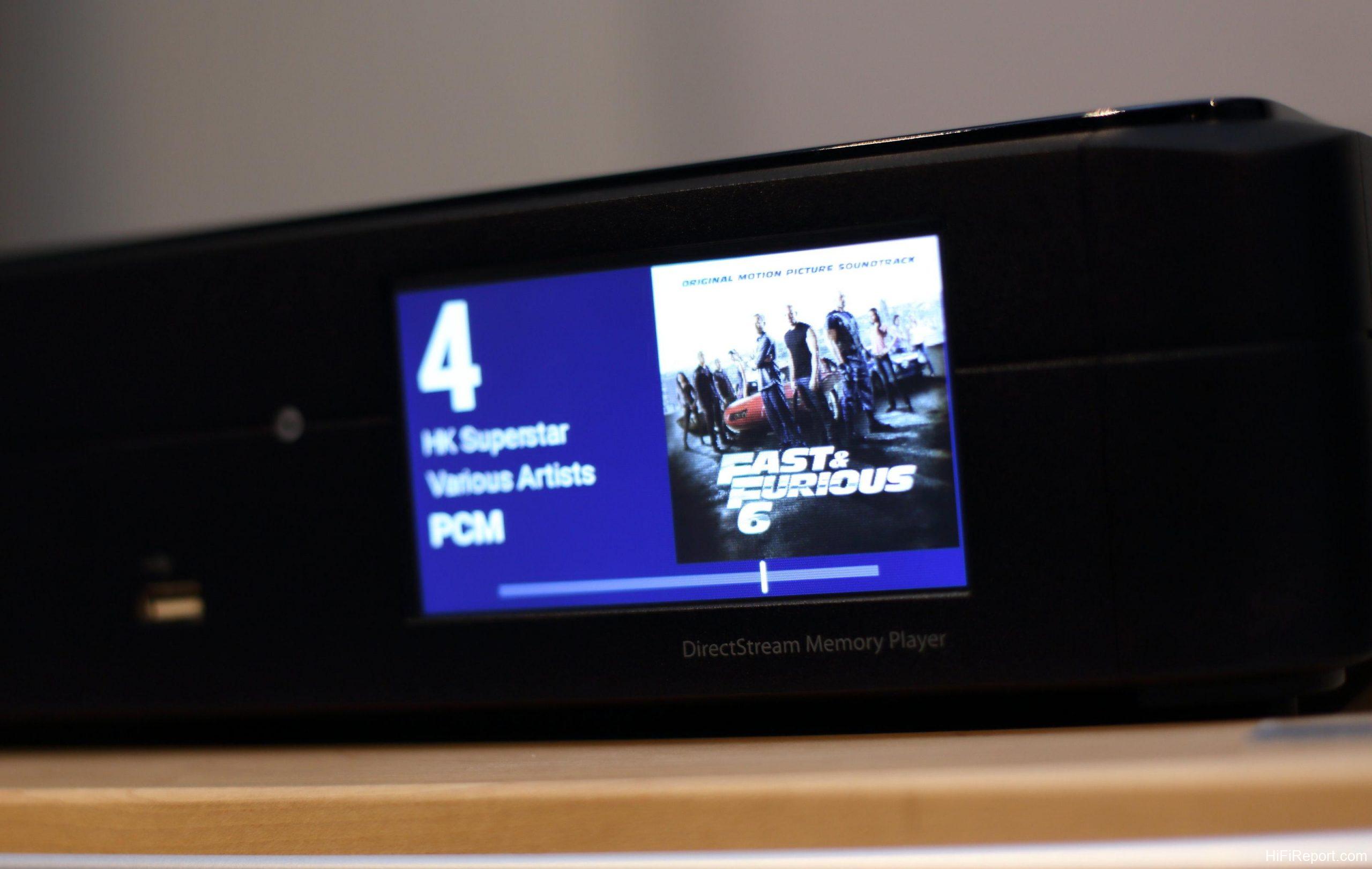
The inky black background and enhanced quietness amplified this sense of fullness, creating a lingering resonance in the soundstage. Importantly, the vocal image size remained natural, without any tendency to become exaggerated. The decay of notes was smooth and rounded, devoid of any harshness or sharpness.
Stunning SACD Performance, Expansive Soundstage
Using the 2015 Hong Kong Hi-Fi Show “SACD” commemorative album, a full playthrough revealed previously elusive ultra-low frequencies, particularly in the symphonic pieces. For example, in track six, “Sunrise From Also Sprach Zarathustra,” the opening organ passage often manifests as a mere rumble on many audio systems.
While online videos on YouTube offer visual context, the initial 20 seconds might seem aurally barren on typical computer speakers, with only the conductor’s movements being visually discernible. However, the DirectStream Memory Player and DirectStream DAC rendered these ultra-low frequencies with remarkable clarity and presence. Furthermore, the breadth of the soundstage and the separation and definition between instruments were of exceptional caliber.
In “What a Wonderful World” performed by the Tsuyoshi Yamamoto Trio, the cello solo in the first half of the track was reproduced with a quality that ranked among the best I have ever experienced. The cello’s frequency range, primarily above 100Hz, was rendered with exceptional dynamic range and fullness, yet without any hint of muddiness or congestion. Clarity and dynamic presentation were both outstanding.
Refined and Fluid Sound, Excellent Dynamics
The PS Audio system exhibited exquisite detail and dynamic nuance. Typically, my listening volume tends to creep upwards unconsciously. However, with this system, I found myself listening at lower volumes without sacrificing detail or dynamic impact. This wasn’t to suggest that the system lacked prowess at higher volumes, but rather that it excelled equally well at both ends of the volume spectrum, across both high and low frequencies.
showcased the system’s ability to render the full frequency spectrum with coherence and dynamic ebb and flow. From drum strikes to guitar plucks, the fluidity and seamless transitions were remarkably natural and swift, devoid of any frequency range imbalances, leading to an effortless and immersive listening experience that spanned entire albums.
Sincere Emotional Expression
Tigerfish Records’ remastered classic “SACD” of violin heartbreak, , is imbued with gentle tenderness and haunting melodies, effortlessly drawing listeners into the emotional interplay between violin and piano. There’s a Mayday song that advises, “Don’t listen to slow songs when you’re heartbroken.”
Similarly, perhaps one should avoid if emotionally vulnerable, especially when the DirectStream Memory Player and DirectStream DAC so vividly convey the album’s rich emotional content. Past reviews of PS Audio source and DAC products have consistently highlighted their ability to convey the emotional core of music with exceptional clarity. The sonic refinement and tuning effectively capture the ebb and flow of melodies and the dynamic nuances of songs.
PS Audio’s sonic character is far more emotionally engaging than their understated equipment aesthetics might suggest.
Charm Grows Over Time
My impression is that PS Audio’s sound grows increasingly captivating over time. It possesses a distinctive naturalness and listenability that becomes more rewarding with extended listening. The longer you listen, the more you appreciate its sonic virtues, leaving a lasting impression. The DMP and DirectStream DAC combination meets the exacting demands and standards of discerning audiophiles in both usability and sonic performance.
Even as digital file playback increasingly permeates audiophile systems, PS Audio has introduced a groundbreaking new transport. This is not only to ensure that audiophiles’ extensive physical media collections continue to have excellent playback options, but also to allow the DMP to reproduce these discs in an even higher fidelity, truly “excavating the deepest details from recordings,” as PS Audio claims.
As PS Audio’s latest flagship SACD playback transport, the DMP embodies the company’s most advanced technologies, including Digital Lens, Memory Play, native DSD direct output, and PS Audio’s renowned power supply engineering. The DMP encapsulates the essence of PS Audio’s engineering philosophy. PS Audio’s pragmatic approach to cost management is evident in their consistent chassis design across product lines, a strategy that directly benefits consumers through more accessible pricing.
Prioritizing genuine sonic performance and functionality over superfluous aesthetics is a core tenet of PS Audio’s design philosophy, a boon for audiophiles seeking genuine value.
**Paul McGowan, PS Audio CEO, on DMP** (This section seems to be a title or quote introduction and doesn’t require translation as content itself.)
Specifications
* Playable Disc Formats: SACD, CD, CD-R/RW, DVD±R/RW, DVD±R DL, AVCHD, HRx
* Playable File Formats: FLAC, APE, WMA, MP3, M4A, AAC, DTS, AC3, WAV, DSF, MKA, PCM, OGG, from discs or USB input
* 6-Channel Digital Coaxial Output
* 6-Channel Digital I2S Output (HDMI)
* XLR AES/EBU Digital Output
* USB Digital File Playback
* Full-Color LCD Touchscreen Display with Album Art and Information