
Rega Aya Review
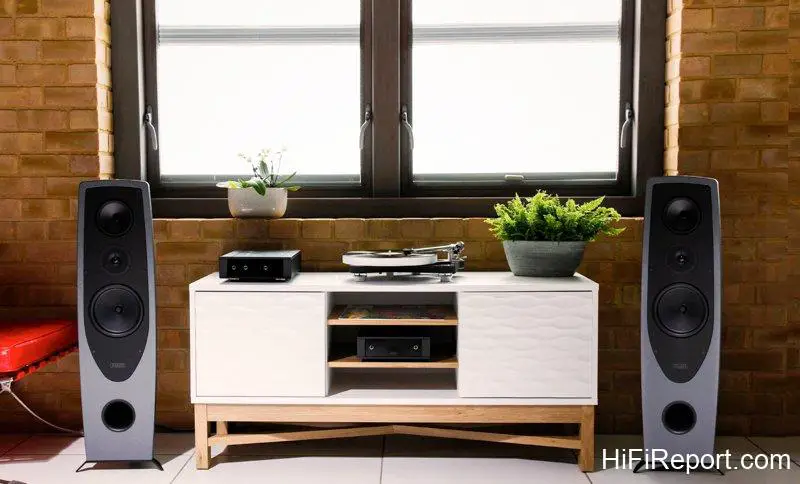
While I’ve known of the British brand Rega for decades, the Aya marks my first serious listening session with their loudspeakers. Perhaps Rega’s turntables, CD players, and amplifiers have historically garnered so much attention that their speakers have been somewhat overlooked. Rega, however, doesn’t seem concerned by this. Their primary motivation for building speakers has always been to complement their own electronics, rather than to compete directly with other speaker manufacturers.
Complementary Design Philosophy
This ethos of “not competing with others” might seem counterintuitive to the capitalist drive for market share, but it’s been key to Rega’s steady growth and success over fifty years.
Having interviewed founder Roy Gandy twice, I’ve always been struck by his emphasis on using engineering principles to solve audio challenges. The early Rega turntables, with their one-piece cast tonearms designed to improve cartridge tracking accuracy, serve as a prime example of this approach.
Speakers Came First
Surprisingly, the story of Rega’s beginnings traces back to speakers, even before the company was founded. Roy initially worked in audio retail, selling equipment from other brands.
Roy recounts his youth, where he developed a passion for audio but couldn’t afford the gear. So, he sought out books on speaker design, notably those by Wharfedale founder Gilbert Briggs, to educate himself.
My guess is he read Briggs’s 1949 book, “Loudspeakers: The why & how of Good Reproduction.” Through it, he learned about drivers, crossovers, and cabinets, leading him to start building his own DIY speakers.
To his surprise, Roy’s homemade speakers became quite popular, with many friends commissioning him to build them (for a fee, of course). But speakers alone are silent; they needed amplifiers and turntables (this was the pure analog era, predating CDs). Unable to build everything himself, Roy opened an audio store, selling amplifiers and turntables to pair with his custom-built speakers.
From Speaker Building to Rega
This brings us to the pre-Rega era. Roy Gandy’s first product was indeed speakers, before he ventured into turntable manufacturing. So, what prompted the creation of Rega itself? While running his audio store, Roy encountered numerous issues with the turntables he sold from other brands. Poor packaging often led to damage during shipping, and flawed tonearm designs resulted in poor tracking. Roy spent significant time adjusting, or even modifying, these turntables. This led him to design his own, ultimately giving birth to Rega and establishing its reputation with its turntables.
As I mentioned, Rega’s turntables have enjoyed enduring fame for over fifty years, consistently praised for their value and performance. Their amplifiers and CD players have also sold well. But the speakers? First, Rega has a limited speaker lineup, naturally resulting in lower sales volumes. Second, Rega famously doesn’t invest in advertising; their budget goes entirely into improving manufacturing quality, relying on word-of-mouth to build a loyal customer base. This strategy means their speakers have historically had less visibility compared to their other products.
Just Three Speaker Models Currently
Currently, Rega offers just three speaker models: the Kyte, Aya, and RS10 – one standmount and two floorstanders. This is a stark contrast to their turntable range, which boasts ten models, five amplifier models, five phono stages, nine cartridges, and five tonearms. Only their CD player lineup, with three models, is comparable in size to their speaker offering.
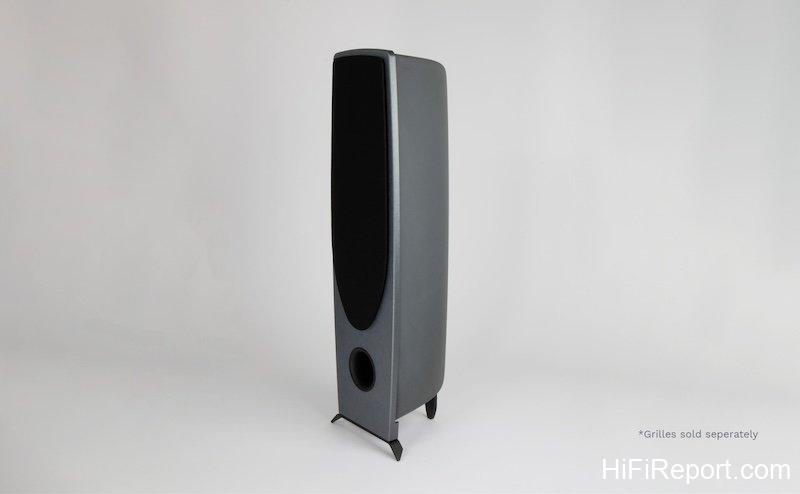
However, despite having only three models, the Aya represents a completely new milestone for Rega. The Kyte and RS10 are considered traditional speakers, whereas the Aya incorporates a revolutionary new material: concrete!
Cabinet Construction from GRC Concrete
When I last met Roy, he mentioned that building speakers isn’t difficult for Rega, but their main purpose is to simplify things for their customers – buy a full Rega system, and you can relax and enjoy the music. Yet, as an audio engineer, Roy felt the biggest challenge in speaker construction lay in using MDF. The cost was rising annually, and although MDF has suitable physical properties for cabinets, it was becoming difficult to produce competitively priced products.
Consequently, Roy spent considerable time searching for alternative materials to MDF. Eventually, he settled on concrete.
I immediately questioned this choice, recalling that concrete had been used decades ago by companies like Thiel, but their concrete speakers weren’t commercially successful, primarily due to their immense weight and a somewhat lifeless sound.
Lightweight Glass Fibre Reinforced Concrete
Here’s the crucial distinction. Roy explained that the material used for the Aya’s cabinet, while referred to as concrete, is actually a special blend mixed with glass fibers, known as GRC, or Glass Fibre Reinforced Concrete.
Rega began exploring this material about five or six years ago. GRC was originally used for custom outdoor furniture. Although named concrete, the addition of glass fibers makes it significantly lighter than traditional concrete while being much stronger. Roy noted that while the idea of using concrete for speakers existed in the last century, the primary reason for its failure was the weight; GRC solves this problem.
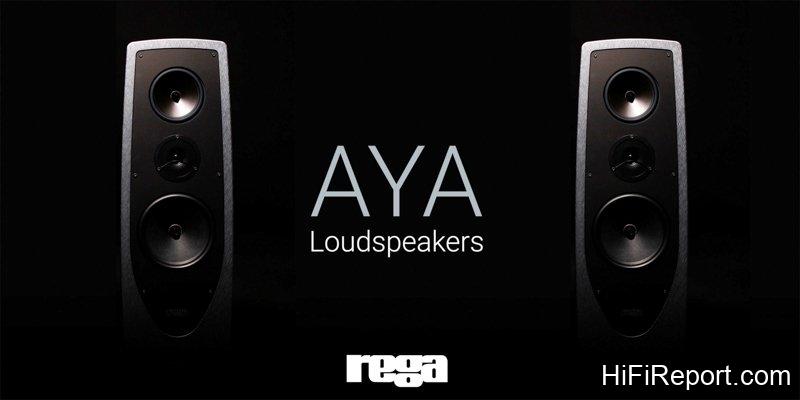
Is it really that simple? Of course not. While using GRC for speaker cabinets is relatively less expensive than MDF, GRC requires molds, much like pouring concrete for buildings. Rega partnered with a custom furniture factory to develop molds and shape the Aya’s unique GRC cabinet.
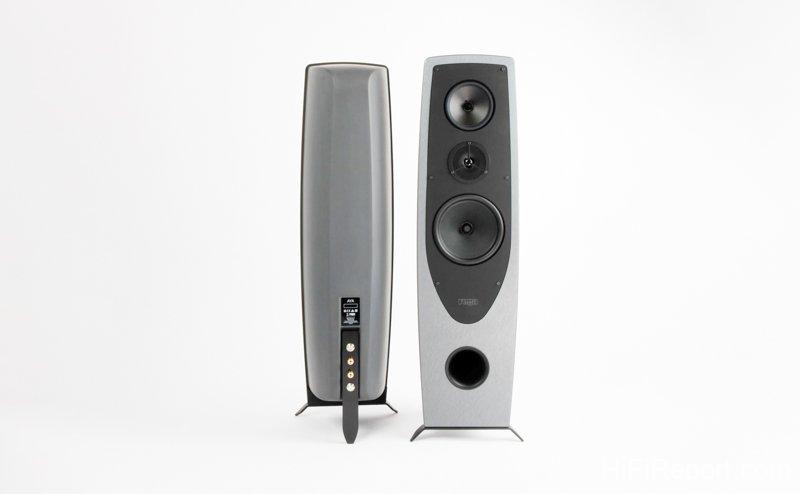
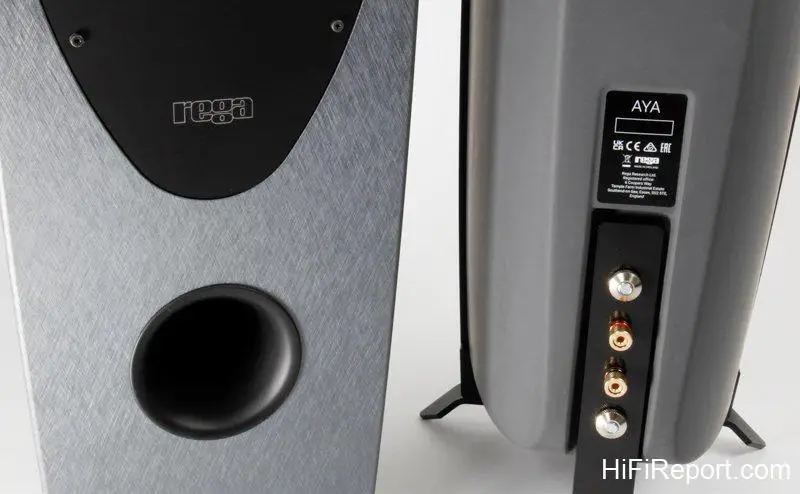
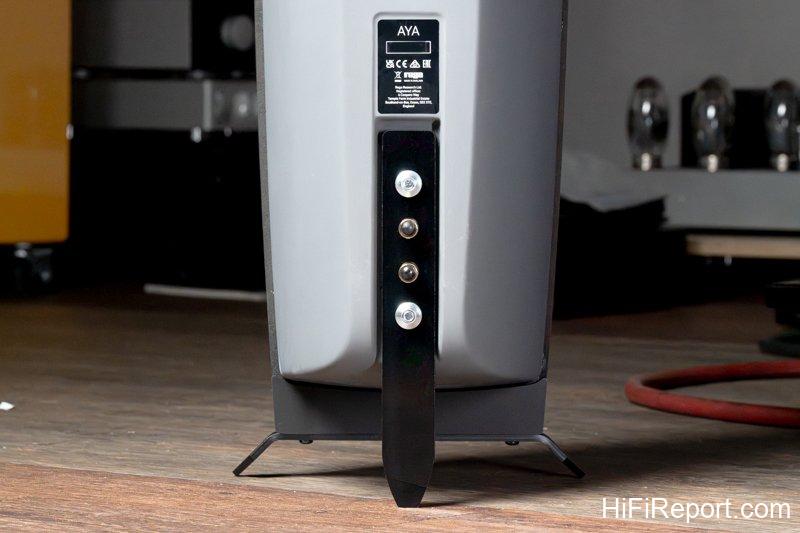
Where is the GRC used? The rear section of the cabinet, with its slight curve, is made of GRC. The Aya’s front baffle, however, remains MDF. Compared to traditional MDF cabinets, the molded GRC cabinet allows for a departure from conventional boxy shapes, enabling streamlined, curved designs that enhance the Aya’s modern aesthetic.
Some might worry about the weight of the speakers upon seeing the GRC cabinet. However, the specifications show that the Aya weighs 14.1 kg per speaker, which isn’t particularly heavy. Due to the nature of GRC production via molding and demolding, each cabinet will have slight variations in color or pattern on its exterior. This is a characteristic of GRC.
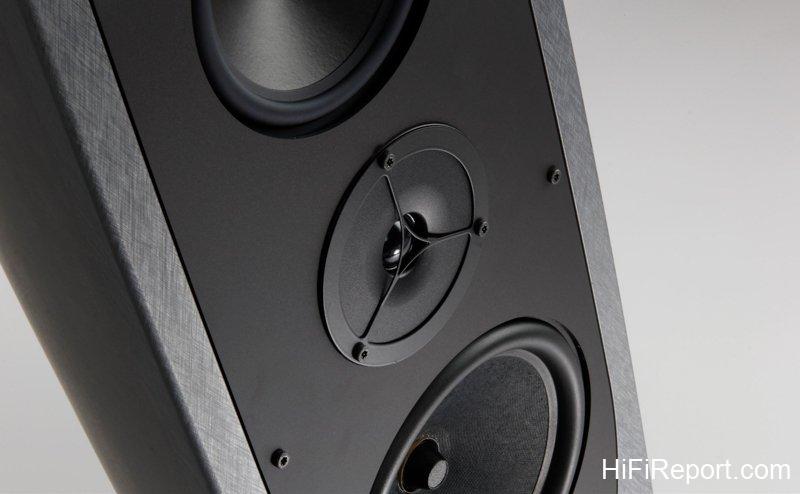
When the editorial team unboxed the Aya speakers and noticed minor differences in color and pattern between the left and right cabinets, as well as small imperfections where the cabinet meets the baffle, they quickly took photos to inquire. Rega’s response confirmed that this was normal and not a cause for concern.
2.5-Way Crossover Design
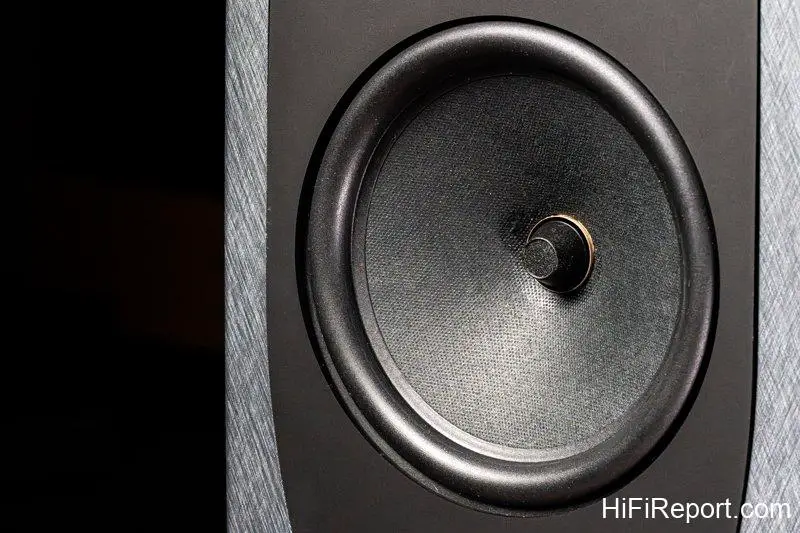
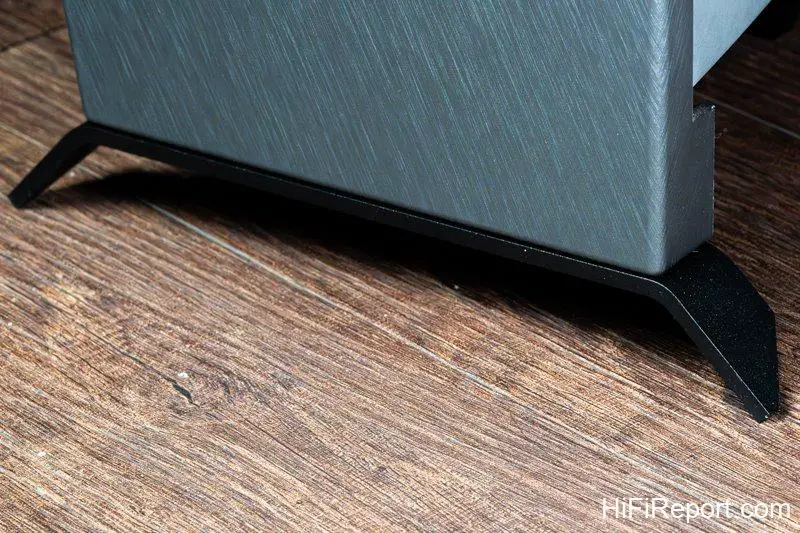
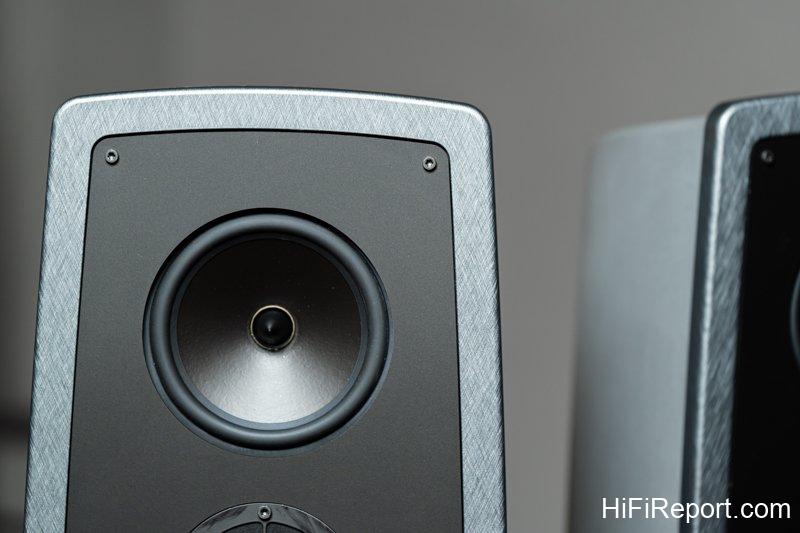
Looking at the front of the Aya, you’ll see three drivers: a 5-inch MX-125 mid-bass driver at the top, Rega’s custom-designed ZRR silk dome tweeter in the middle, and a 7-inch RR7.8 bass driver at the bottom.
Don’t assume three drivers mean a three-way design. Rega prefers a 2.5-way crossover setup. This means the low-frequency extension of the mid-bass driver isn’t strictly cut off; its low frequencies roll off naturally and work in conjunction with the bass driver. Theoretically, this can enhance the quantity and spaciousness of the bass.
Custom-Designed Drivers with Ingenious Details
The drivers used in the Aya are all Rega’s own design. Some passive crossover components are even handmade in-house. Yet, Rega truly is a company that avoids marketing fanfare. Their official website mentions that “some” of the mid-bass and bass drivers might utilize four-layer voice coils. For most people, this statement from Rega probably goes completely unnoticed.
However, if Rega were to elaborate just a little more, people would understand the depth of their effort.
The voice coil operates with the magnetic motor, converting electrical signals into magnetic force, which then generates kinetic energy to move the driver’s diaphragm and produce sound. However, if the voice coil is too long, during its forward and backward piston-like motion, parts of it can move outside the magnetic motor’s field, causing energy loss. To maintain stable operation within the magnetic field, a “short voice coil” design is necessary. But how do you maintain the required wire length without reducing it? By winding it in multiple layers – two layers, or even three. Rega astonishingly uses four layers.
Rare Four-Layer Voice Coils
Is winding a four-layer voice coil difficult? Yes, it’s very difficult. After winding the first layer, you need to carefully insert the wire into the gaps to wind the second layer, slowing down the winding speed. Similarly, the third and fourth layers require even more careful maneuvering into gaps, potentially slowing the process down further. For a manufacturer, time is money. Others might wind the coil in one pass, quickly. But winding four layers, tightly and neatly, without tangling, is laborious. The slow winding time could potentially be ten times longer than a single-layer coil.
So why doesn’t Rega boast about their meticulous driver design? Because for years, Rega has adhered to its principle of avoiding unnecessary marketing and advertising expenses, dedicating all resources to R&D and production. Therefore, they naturally eschew self-congratulatory rhetoric.
Internal Acoustic Filter
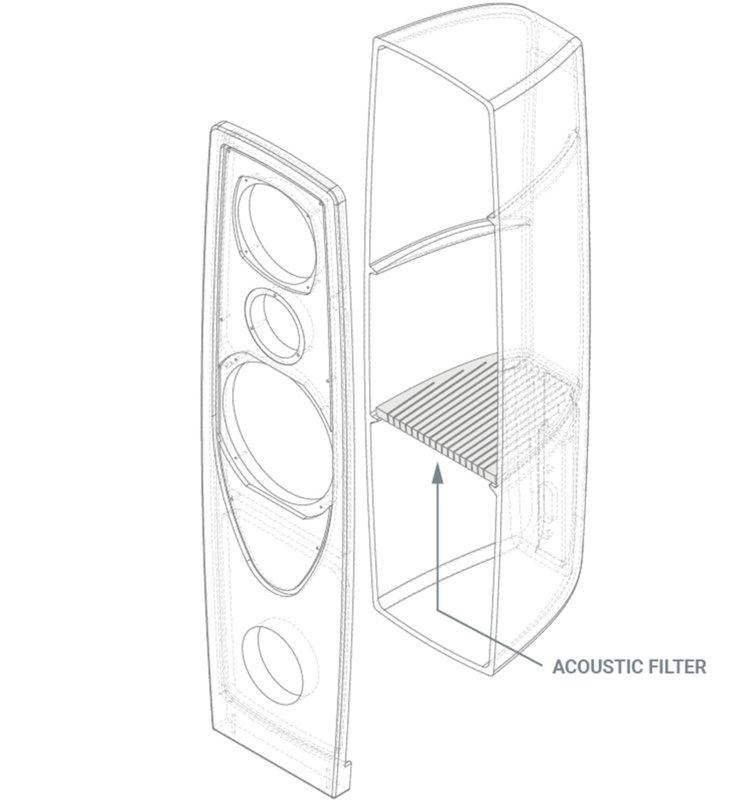
Looking at the 3D cutaway diagram on Rega’s official website, you can see that the Aya’s GRC cabinet, thanks to its rigidity, doesn’t require extensive internal bracing. However, about one-third of the way up from the bottom of the cabinet, there’s a grid-like panel. Rega calls this an Acoustic Filter.
This Acoustic Filter serves a purpose similar to internal partitioning within the cabinet, enhancing the Helmholtz effect for the bass frequencies. This helps prevent them from mixing with the mid and high frequencies, thereby improving the Aya’s transparency while also ensuring robust bass energy.
Versatile with Solid State and Tube Amps
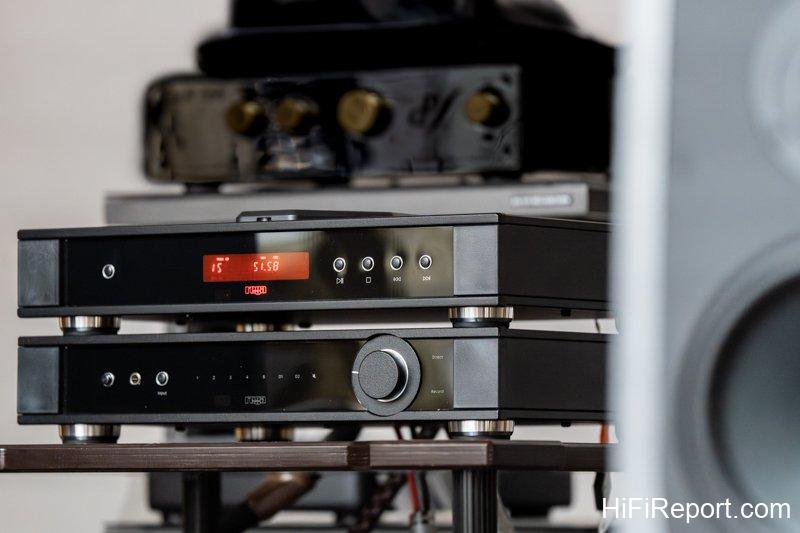
In the HiFiReport listening room, I first auditioned the Aya with a full Rega system: the Elicit MK 5 amplifier and Saturn MK3 CD player. I also paired them with a Linear Acoustic LAV5 preamplifier / LA200 power amplifier and an EAR 848P preamplifier / 509 MK II monoblock power amplifiers, trying both solid-state and tube options.
When the Aya speakers were first set up in the listening room, their height of just 87.1 cm (approx. 34.3 inches) made them look a little short. For optimal listening, they are better suited for lower seating positions, like a sofa. When standing, the soundstage might feel a bit low. Also, with the tweeter positioned in the middle and the mid-bass driver above it, the tweeter is relatively low, reinforcing the suitability for seated listening.
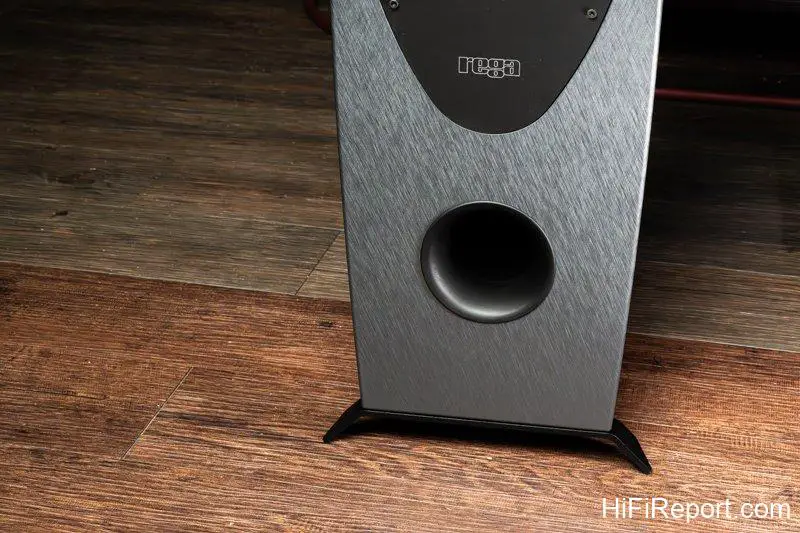
This height could be a slight disadvantage for dynamic demonstrations at audio shows, where many visitors initially stand before finding a seat. If someone stands and feels the soundstage is low, they might decide not to sit down for a proper listen. So, if you have the chance to hear the Aya at a show, be sure to sit down – that’s where the Aya’s soundstage truly shines.
Efficient and Easily Driven, Unexpectedly Potent Bass
With a moderate sensitivity of 89.5 dB, the Aya isn’t difficult to drive. Whether with the solid-state Linear Acoustic, the tube EAR, or even the more affordable Elicit MK 5, around 100 watts of power easily drives the Aya, making it a relatively unfussy small floorstander when it comes to amplifier matching.
From the moment the Aya started playing, the amount of bass was surprising. The Aya looks like a small floorstander, but it delivers quite a bit of bass quantity while striking a good balance between bass weight and speed.
(Note: The original text mentions the grille being optional, which is a specification detail, but it appears here mid-review. I will keep it here as per the source structure, perhaps as a standalone line or integrated.)
*(Optional grille)* – *Note: The original text mentions this here, perhaps as a caption or side note.*
Punchy and Powerful Drums
I’d like to use Jacques Loussier Trio’s “Jacques Loussier Plays Bach” as an example. Listening to the Gavotte in D major, it opens with the jazz swing created by the drums and double bass. Although the Aya is small in form, its full yet fast bass clearly delineates the contrast between the kick and snare drums. The double bass notes are substantial yet dense, avoiding a loose feel. When the piano enters, the effortless transparency in the mid-high frequencies brings out the charming adaptation of the Gavotte into a jazz piece.
For something faster, I listened to “Italian Concerto: Presto” from the same album. As the piano theme enters, the drums lay down an intense rhythm below. The 1/16 notes are fast and urgent, but the Aya maintains transparency and balance amidst the shower of notes. The double bass line remains steady, while the piano melody above is ornate and complex. The rapid hi-hat and cymbal work of the drums are well-supported by the Aya’s strong mid-bass energy. As I listened, I found myself applauding the drummer; while the piano melody is beautiful, without the fast and steady rhythm from the drums, the jazz trio’s Presto wouldn’t be nearly as exciting.
Reliving The Beatles – Simply Superb
Listening to British speakers, one cannot miss the iconic British band, The Beatles. I chose the “Abbey Road 2019 Mix,” the newly remastered version with enhanced vitality. Listening to “Here Comes The Sun,” the opening acoustic guitar, capoed high on the neck, produces a bright and crisp sound. George Harrison’s voice is focused in the center. Recorded in July 1969, I highly recommend watching the YouTube video that clearly explains each track and overdub.
Understanding the recording process of “Here Comes The Sun” makes revisiting this classic rock song even more enjoyable. Through the Aya, the effect of multitrack layering is clearly presented. The 2019 remix broadens and deepens the soundstage in height, width, and depth, and enhances the clarity of individual tracks, creating high recording contrast. The Aya faithfully reproduces the effects of the new mix.
Healthy Mid-High Frequency Brightness
If you feel British speakers always have a somewhat dark, rich high end, the Aya is distinctly different. It possesses a healthy, bright mid-high frequency range without being fatiguing, offering a clear yet comfortable listening experience. I’ll use Anne-Sophie Mutter and John Williams’ collaboration, “Across the Stars,” listening to the “Harry Potter: Hedwig’s Theme.” It opens with tinkling celesta notes. The Aya conveys a wide and deep soundstage, with the celesta notes shimmering within the space. The violin has a focused image, placed centrally, contrasting with the spatial quality of the celesta.
Subsequently, the strings, woodwinds, and brass sections enter in turn, while the violin provides elaborate ornamentation. The Aya beautifully portrays the orchestral layering – the strings are light, the woodwinds are rich, and the brass has ample weight, filling out the musical scene and contrasting with the violin focused in the center. During the violin solo later in the piece, the Aya reveals the nuances of the violinist’s bowing technique, whether light or heavy, on a single string or multiple. After the solo, the music returns to the ensemble playing with the violin, moving towards the finale. The Aya expands a grand and imposing soundstage, exceeding expectations for its physical size.
Thanks to the 2.5-way design, the Aya’s bass extension benefits from the mid-bass driver’s natural downward assist, adding spaciousness to the low frequencies. This allows the modest-sized Aya to create an excellent three-dimensional soundstage. The mid-bass punch and sufficient weight make listening to jazz and popular music highly satisfying.
Jazz Music Is Highly Enjoyable
I’d like to use Sonny Rollins’ album “Way Out West” as an example, a classic jazz recording from 1957, a pure analog era production. Listening to “I’m An Old Cowhand,” the recording reflects the “ping-pong” stereo era, so the drums hitting the cowbell are entirely in the right channel, Sonny Rollins’ saxophone is towards the left, and the double bass is also on the right with the drums. The Aya vividly presents this left-right “ping-pong” effect.
Even with this pure analog era recording, the Aya displays a healthy, bright character. The saxophone’s tone, when reaching high notes, reveals details like the air expelled from the mouthpiece, adding vitality to the music’s reproduction. The distinct left-right placement of the jazz ensemble, combined with the power and weight in the mid-bass frequencies, almost transports the listener back to the recording session.
Eric Clapton’s Live Recording is Superb
Let’s switch to a more recent recording, Eric Clapton’s “Lady In The Balcony: Lockdown Session,” released in 2021. Recorded during the Covid-19 pandemic, Eric Clapton’s long-planned concert at the Royal Albert Hall had to be cancelled. Instead, he rented Cowdray House estate in the English countryside of West Sussex to hold a private concert. The sole audience member was Eric Clapton’s wife, Melia McEnery, hence the album title “Lady In The Balcony.”
This album is perhaps the closest in instrumentation to the 1992 MTV “Unplugged” recording. However, his former guitar partner, Andy Fairweather Low, had passed away, leaving Eric Clapton as the sole acoustic guitar player. Nathan East remains on bass.
Listening to “Black Magic Woman,” the drummer sets the rhythm to begin, and the acoustic guitar plays a bluesy intro. Eric Clapton says, “This one for Peter,” dedicating it to the late Peter Green, a founding member of Fleetwood Mac.
The Aya conveys the relaxed atmosphere of the live recording, especially in the lower frequencies, where the subtle ‘thump’ sounds suggest a slight compression, emphasizing the drum beats. The guitar chords are clearly rendered, showing the natural chorus effect of the 12-string guitar. Since Eric Clapton is the only acoustic guitarist carrying the main load, the intermediate solo sections, with the warm chords played on the 12-string, are reproduced effortlessly by the Aya.
The post-production mixing of the recording also aims to match the visuals of the music video, slightly adjusting the instrument positions. For example, the drums and bass are on the right, the guitar is in the center, and the keyboard player on the left has chords panned left, only slightly panning to the center during solos. These subtle shifts in the recording soundstage are faithfully conveyed by the Aya.
Hundred Watts Unleashes Aya’s Musical Charm
Overall, the Aya is a pair of small floorstanding speakers that are easy to listen to and easy to set up. Their size is also well-suited for smaller listening spaces often found in urban areas. The ease of listening comes from the spacious bass provided by the 2.5-way design, combined with detailed, beautiful mid-high frequencies that make the speakers seem to disappear into the room.
The ease of setup is due to their easy-to-drive efficiency. Whether using a solid-state or tube amplifier, around a hundred watts of power feels completely sufficient to unleash the Aya’s sonic charm.
Elicit MK 5: A Perfect Match in Every Way
If I had to pinpoint the Aya’s most captivating sonic characteristic, I would say it’s its comfortable, relaxed, and effortless musicality. Among the three amplifier setups, I personally preferred the EAR pre/power combination, but that pairing is significantly disproportionate in price. The most suitable match remains Rega’s own Elicit MK 5. In terms of tonal balance, power delivery, and price point, it’s the ideal partner. It makes perfect sense when Roy says Rega designs speakers to be paired with their own equipment, showcasing the purest, most original Rega sound.
Specifications
* Type: 2.5-way, 3-driver, bass-reflex floorstanding loudspeaker
* Drivers: Rega ZRR tweeter x1, Rega 5-inch MX-125 mid-bass x1, Rega 7-inch RR 7.8 bass x1
* Sensitivity: 89.5dB
* Impedance: 6 ohms
* Power Handling: 110W maximum
* Dimensions: 258 x 871 x 215 mm (WxHxD)
* Weight: 14.1 kg (each)