
Spec RMP-UB1 Diretta USB Bridge Review
Last year, scrolling through Facebook, I came across a photo of a system posted by HiFiReport. The caption accompanying it read: “The result of this combination makes me feel it’s approaching the performance of top-tier, high-end equipment. Diretta undeniably offers optimization capabilities worth exploring.” Clicking on the provided links, only the newly released Spec RMP-DAC3EX caught my interest, while the other two highlighted products didn’t leave much of an impression.
In December, I was invited to present at a HiFiReport event. The demonstration system used in that lecture, the digital equipment combination, was exactly what I had previously seen on Facebook. Listening to it that day, the sonic performance was indeed exceptional, comparable to Mr. Chang of HiFiReport’s usual Merging NADAC, each possessing unique strengths and neither being inferior to the other. Immediately, I asked Mr. Chang to borrow some equipment, specifically the RMP-DAC3EX, which piqued my curiosity.
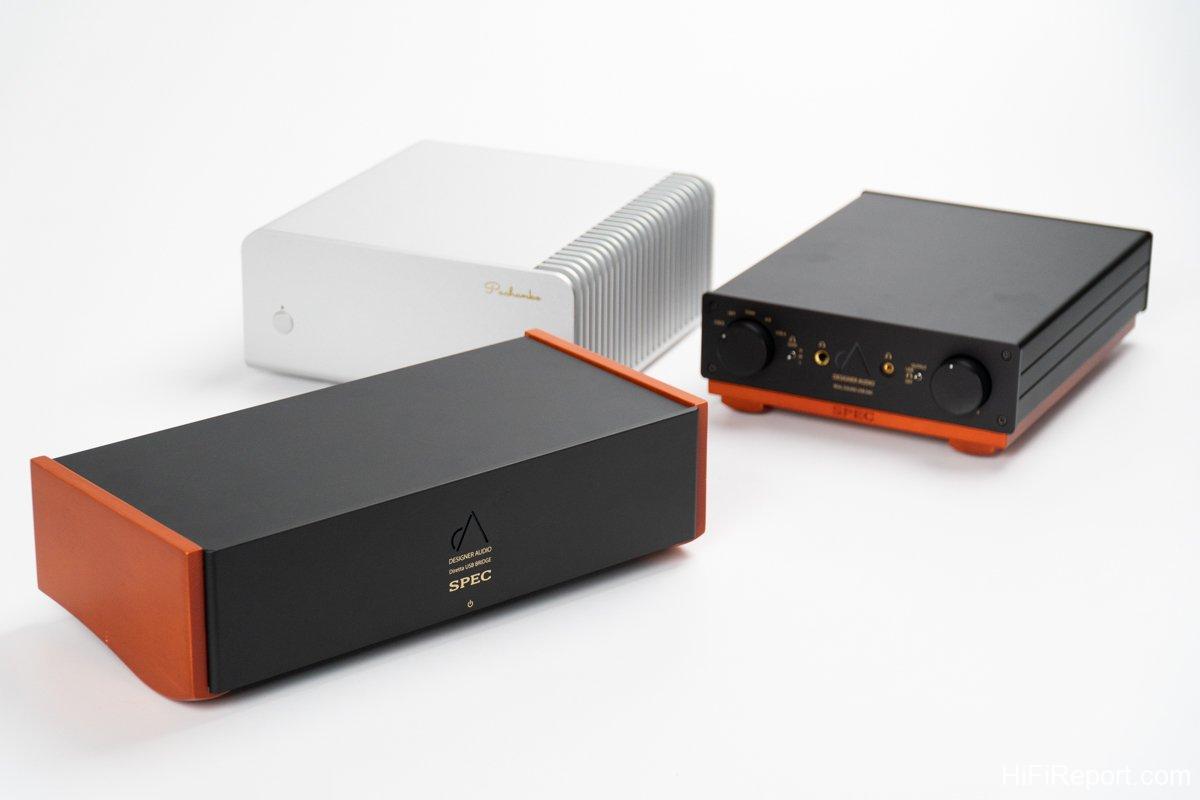
Upon listening to it at home, the brilliance was undeniable. The sound was truly alive! The music was vibrant and dynamic – pure musicality. It wasn’t the kind of musicality achieved through smoothed-over roundness, but one that conveyed the very essence of music with a vivid, colorful, and agile sonic expression. Excitedly, I shared my listening impressions of the RMP-DAC3EX with Mr. Chang over the phone. “Have you considered trying the Diretta effect?” he asked. “Is the difference significant?” I inquired. “Just give it a try,” he suggested. “But, I don’t own a PC, nor a Windows-based laptop,” I replied. “No worries, I’ll lend you a server too,” he offered. And just like that, after a single phone call, two more boxes arrived at my doorstep. One contained the RMP-UB1, and the other a Pachanko Constellation Mini SE. The former, labeled as a Diretta USB Bridge, and the latter, a dedicated CAT (computer audio transport) for music playback.
My initial lack of interest in Diretta stemmed from my exclusive use of Macs and a Raspberry Pi-based music server at home. Diretta, being designed for Windows-based audio output, seemed irrelevant to my setup. However, with Mr. Chang generously lending me a server, I found myself with no reasonable excuse not to explore it.
What is a ‘Bridge’?
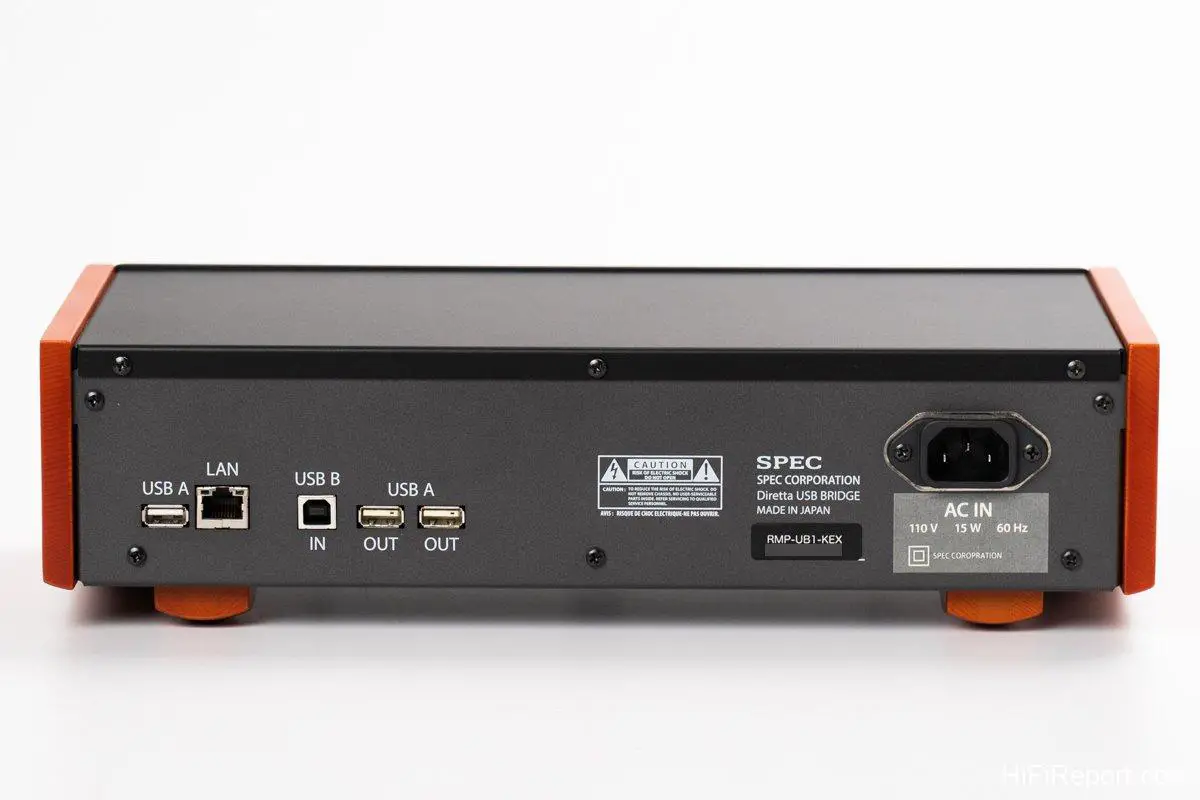
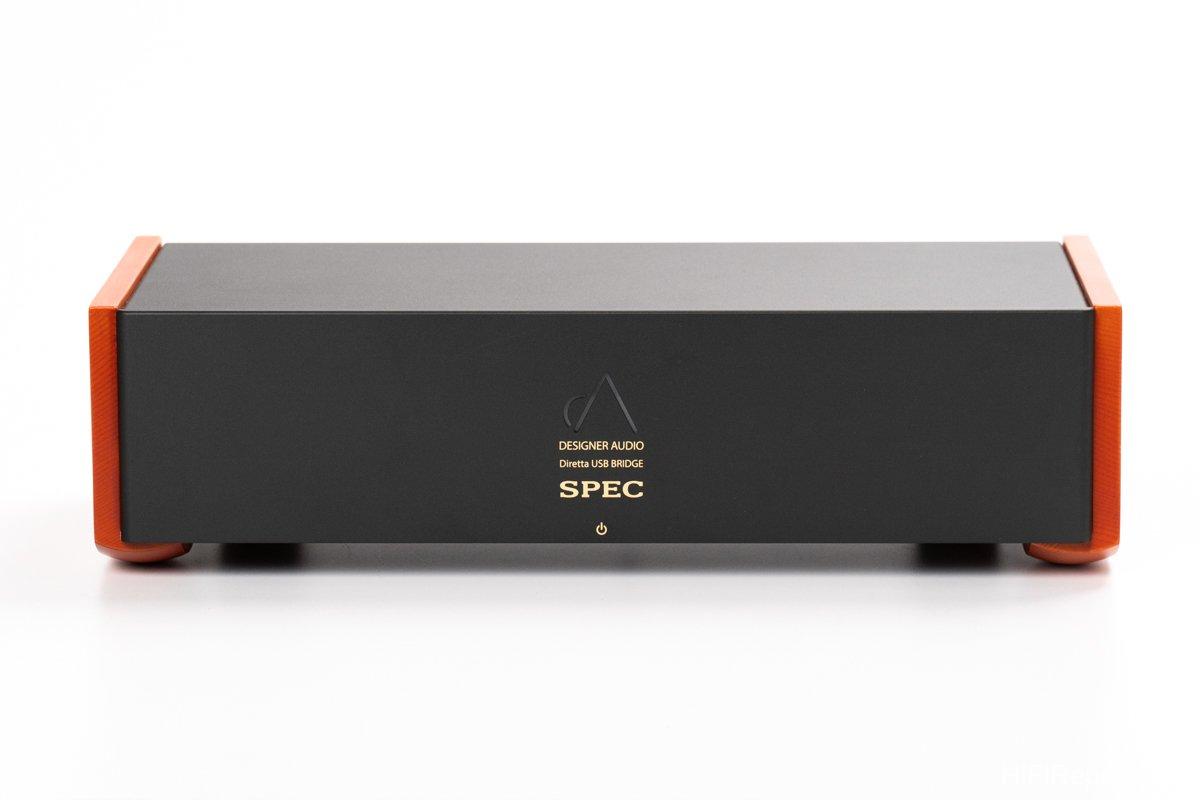
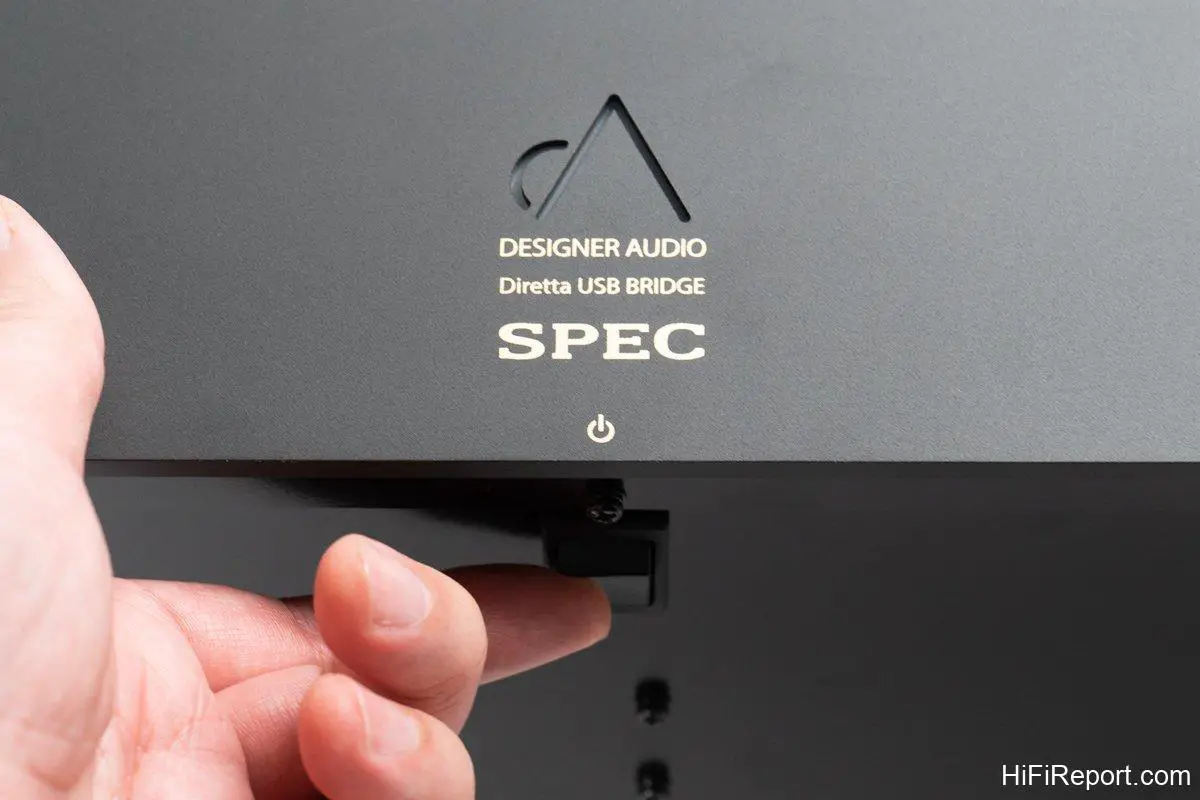
The RMP-UB1 isn’t a decoder, nor is it responsible for streaming playback or digital control. The RMP-UB1 is simply a “bridge,” what Spec aptly names a Diretta USB Bridge. While the term is quite self-explanatory, “bridge” isn’t a conventional term in audio jargon. How best to translate it? When I first encountered Roon, I consulted numerous dictionaries for “Bridge.” The meaning invariably pointed to “bridge,” and any derived meanings were still related to the concept of a bridge. I struggled to find a more fitting Chinese translation. Some suggest “network bridge,” but I find that unnecessary. Since “bridge” is widely understood, why insist on a literal translation? The crucial question is, what exactly does it do?
As mentioned earlier, Roon’s architecture also employs the concept of a Bridge. Roon defines a Bridge as an “intermediary” positioned between the Core and the DAC. The Core handles processing, the Bridge manages playback, and the DAC performs decoding. The Core and Bridge aren’t directly connected but simply need to reside within the same network. Confusing, right? Let’s set aside Roon for now. For a deeper dive into Roon’s architecture, a quick Google search will yield far more information than I can provide. My first encounter with “Bridge” in audio, beyond amplifier bridging, was indeed through Roon. And fundamentally, it signifies a “bridge”—an intermediary inserted into the signal path between the source and the destination.
Designed for Windows Audio Enhancement
Spec’s endeavor here is centered around Diretta. Before even fully understanding the “bridge,” Diretta emerges. Diretta is a transmission protocol developed by MegaTech Electoronics LLC, a Japanese software firm, aimed at achieving superior digital audio transmission quality within Windows environments.
‘Small Portions, Frequent Meals’: Minimizing Power Fluctuation
They observed that power supply noise negatively impacts playback quality. This is a well-known fact in audio, leading to the widespread use of capacitors and inductors to design effective low-pass filters, eliminating high-frequency noise. However, MegaTech’s approach diverges from hardware-level, analog-stage solutions. Instead, they focus on reducing power consumption fluctuations by averaging the amount of digital packet data processed in each transmission.
Their explanation is as follows: considering the music server as the Host and the DAC as the Target, their objectives are: 1. To average out the data packets transmitted per instance; 2. To transmit as frequently as possible at fixed intervals; 3. Due to the smaller data volume per transmission, the Target end can process data more efficiently; 4. To achieve synchronized operation between Host and Target; 5. Transmission is managed by the Target’s buffer; 6. Power consumption fluctuations at the Target device are thereby averaged out (minimized). This, in essence, is Diretta.
Synchronization, But Not As You Know It
At first glance, the emphasis on “synchronicity” might seem akin to USB synchronous transmission. However, MegaTech clarifies that Diretta transmission speeds are dictated by the Host, ensuring the Target end doesn’t alter the pace. USB synchronization, while addressing data transmission synchronization, doesn’t prioritize averaging data into smaller, frequent packets to minimize power consumption. It’s a genuinely intriguing concept. Prior to understanding Diretta, my interest was minimal. However, after meticulously studying the explanation on Diretta’s official website, my curiosity was piqued.
Spec’s Expertise: Wood Harmonizes Resonance
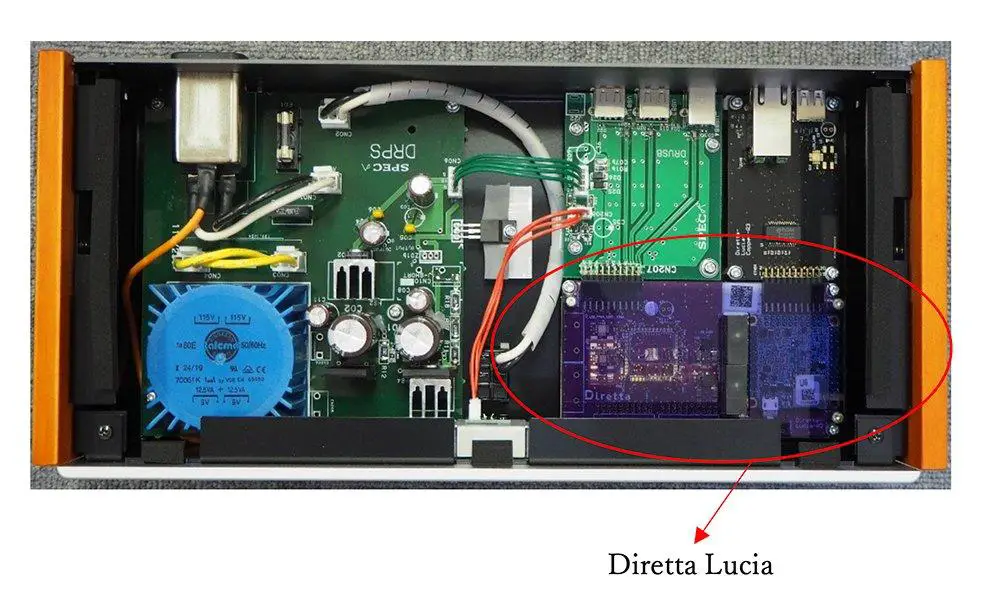
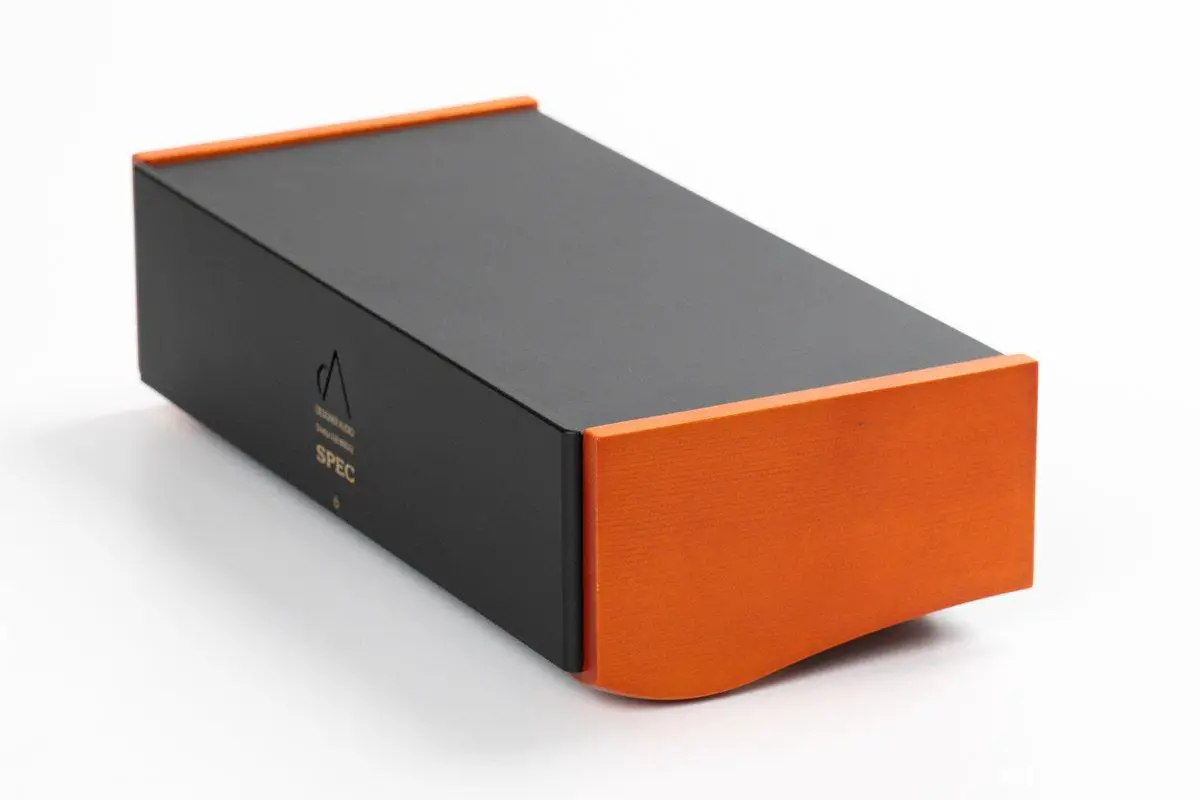
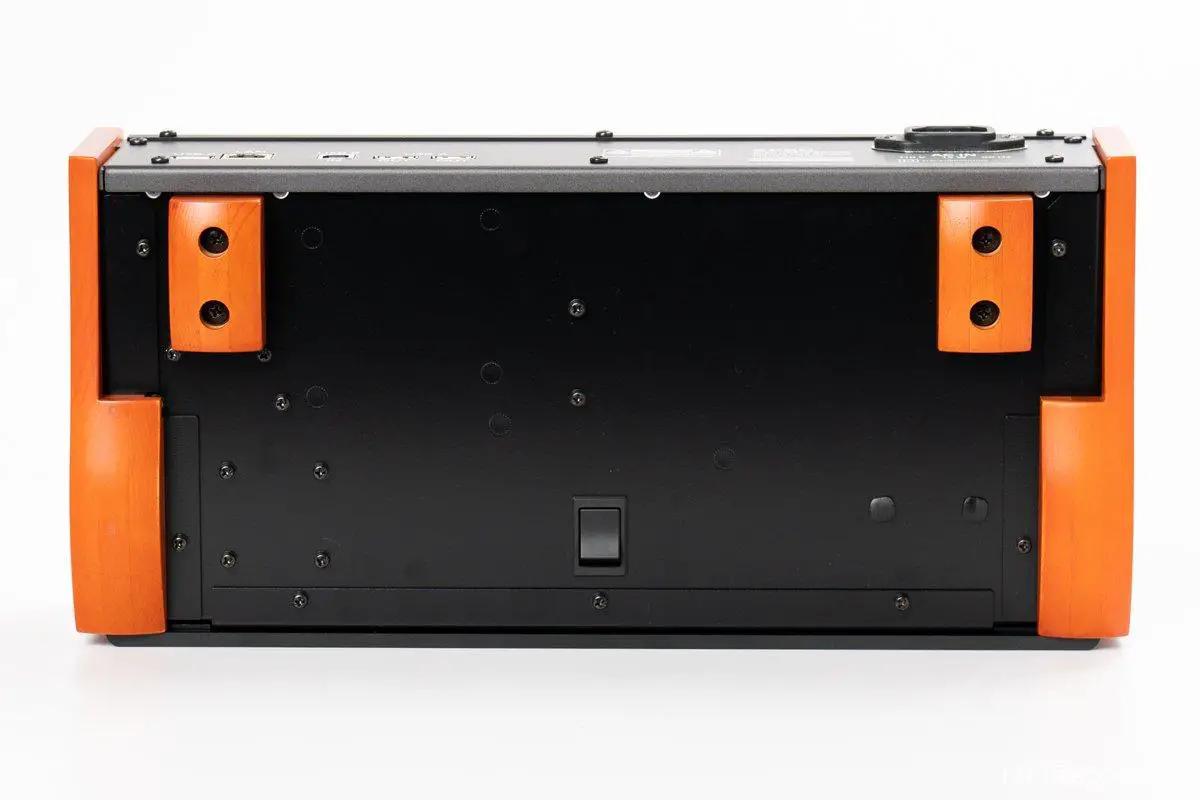
MegaTech manufactures Diretta as a circuit board named Diretta Lucia, enabling interested partner manufacturers to readily create Diretta Bridges. Spec has adopted this approach, incorporating a Lucia circuit board within the RMP-UB1. The RMP-UB1’s chassis is unmistakably “Spec.” The aluminum alloy enclosure comes in silver and black, with the familiar Spec design of wooden side panels integrated with footers. The wood, a blend of spruce and maple, is chosen not primarily for vibration isolation, but more for harmonizing resonance.
Borrowed a Host, But It Was Too Good
The “Host” (in Diretta terminology) used in conjunction was the Pachanko Constellation Mini SE, generously loaned by Mr. Chang of HiFiReport. This is a dedicated CAT designed specifically for music playback, meticulously optimized in both hardware and software: clockless, fanless, noiseless, and running an optimized Windows operating system to minimize latency. For power supply (12V), I opted for a separate KECES P6 (Pachanko also offers their own Steller linear power supply as an option). A fascinating tidbit: did you know Pachanko originates from Réunion Island? You might need to Google it – you’ll likely be doing a fair bit of that while reading this review!
Perhaps due to the highly refined Pachanko CAT as the Host, the sound was already exceptional when directly connecting the Constellation Mini SE to the RMP-DAC3EX via USB. The RMP-DAC3EX delivers a vibrant sound, and the Constellation Mini SE provided an even cleaner foundation. The sonic output from this source was already remarkably satisfying. Adding the RMP-UB1 into the mix introduced a subtle but noticeable change.
Analog Flavor: Clearer, Tighter, More Transparent, Smoother
The sonic images became slightly more focused, the outlines of instruments sharper, resulting in enhanced clarity and transparency. These sonic nuances weren’t dramatic, but discernable upon careful listening. However, as I continued listening, a particularly appealing quality emerged: the RMP-UB1 added a distinct analog flavor. Yes, that’s it—analog flavor. The RMP-UB1 imbued digital streaming with a more analog-like character. This wasn’t achieved by sacrificing information, detail, or soundstage, but rather by enhancing realism and tangibility, making the music more captivating.
Discerning Details Within Details
Listening to Sara Bareilles’ “Brave Enough: Live at the Variety Playhouse” album, a live recording capturing the venue’s atmosphere and the interaction between the artist and audience. Even with just the Pachanko and RMP-DAC3EX, the live ambiance was already vivid, and Sara Bareilles’ vocals felt intimately close. Introducing the RMP-UB1 with Diretta further focused the sound, be it vocals or electric piano. The piano’s reverberation, now more controlled, became clearer. In contrast, without Diretta, the piano note decays were more diffuse and seemingly more pronounced, yet less defined than with Diretta. Sara Bareilles’ vocals seemed largely unchanged, perhaps just a touch more solid. However, closer listening revealed more subtle shifts in the finer details. It became apparent that this information was always present, but without Diretta, these nuances were harder to perceive.
Hearing Brilliance Within Brilliance
Moving on to Daniel Lozakovich’s violin solo performance with Valery Gergiev conducting the Munich HiFiReport in Beethoven’s Violin Concerto. In this recording, the young and exceptionally gifted Lozakovich demonstrates youthful fearlessness. Gergiev, like a seasoned tiger, masterfully commands Beethoven’s dynamic shifts, freely navigating the dramatic swells and surges in the music. The unexpectedly soft opening timpani, with its simple rhythm, serves as an introduction, unveiling the orchestral prelude. The timpani’s sound, both with and without Diretta, reveals a distinct difference. The visual impact of the strikes is noticeably more vivid with Diretta. But this is merely a prelude to the true brilliance. Daniel Lozakovich’s playing in the high registers, maintaining a delicate pianissimo, the fragile, trembling violin notes – that’s where the true magic lies. The second movement is replete with such soloistic showcases. Does it lack brilliance without Diretta? No, even without Diretta, the performance remains beautiful, but with Diretta’s contribution, the violin notes become even more refined and resilient.
Back to Music, Focus on Music!
The preceding encapsulates my initial foray into Diretta (excluding the two HiFiReport presentations). The Spec RMP-UB1, RMP-DAC3EX, and Pachanko Constellation Mini SE graced my home for an extended period, and I spent considerable time with them. As a non-Windows user, I lacked additional PCs, laptops, or servers for direct comparison. The exceptional clarity and detail of the Constellation Mini SE made A/B testing particularly challenging. Nevertheless, differences persisted, subtle yet present in the most minute, easily overlooked aspects. My journey with the RMP-UB1 Diretta USB Bridge, beyond familiarizing myself with this transmission protocol, served as a valuable reminder: my focus should be on the music itself, not just the sound. Only by prioritizing the musical essence can one truly appreciate the nuances of sonic differences. Sound, in its pure form, should simply serve the music.
Yes, I’m Convinced!
On their official website, MegaTech humbly acknowledges that Diretta isn’t necessarily superior to other transmission systems, but rather offers a different approach. Similarly, I don’t intend to exaggerate the merits of the Spec RMP-UB1 Diretta USB Bridge. However, the Diretta transmission protocol undeniably contributes positively by enhancing the playback quality of streaming systems, allowing listeners to derive deeper emotional resonance from their music. Diretta, I am convinced of your value.
Specifications
* Type: Diretta USB Bridge
* Input Terminal: USB Type-B x1
* Output Terminal: USB Type-A x2
* Network Terminal: RJ45 x1
* USB Terminal: For Expansion
* Dimensions: 350 x 95 x 164 mm (WxHxD)
* Weight: 3.8 kg