
T+A DAC 8 DSD Review
The DAC 8 holds a significant position as the first dedicated DAC product from renowned German manufacturer T+A. Incorporating their most refined technologies, the DAC 8 has been highly successful for many years. In 2016 at CES, T+A unveiled its latest iteration with DSD decoding capabilities. However, do not underestimate this “DSD” addition. T+A has not simply tweaked the DSP software.
Instead, mirroring their top-tier reference-grade models, they have implemented completely separate decoding circuits for DSD and PCM. This establishes a true dual-core decoding architecture, representing the most ideal decoding method. DSD and PCM are no longer compromised by sharing a single conversion process. T+A’s adoption of this architecture in the DAC 8 demonstrates immense commitment and sets it apart from competitors.
Feature-Rich Interface
The outer box indicates both DAC 8 and its series counterpart, the AMP 8 amplifier, both of which share the same dimensions. At this year’s CES, Mr. James Shannon, T+A’s Export Marketing Manager, revealed to me that the series is planned to expand with a product featuring a CD transport, streaming capabilities, Bluetooth and other functions, completing the final piece of the system puzzle!
T+A 8 series product brochure.
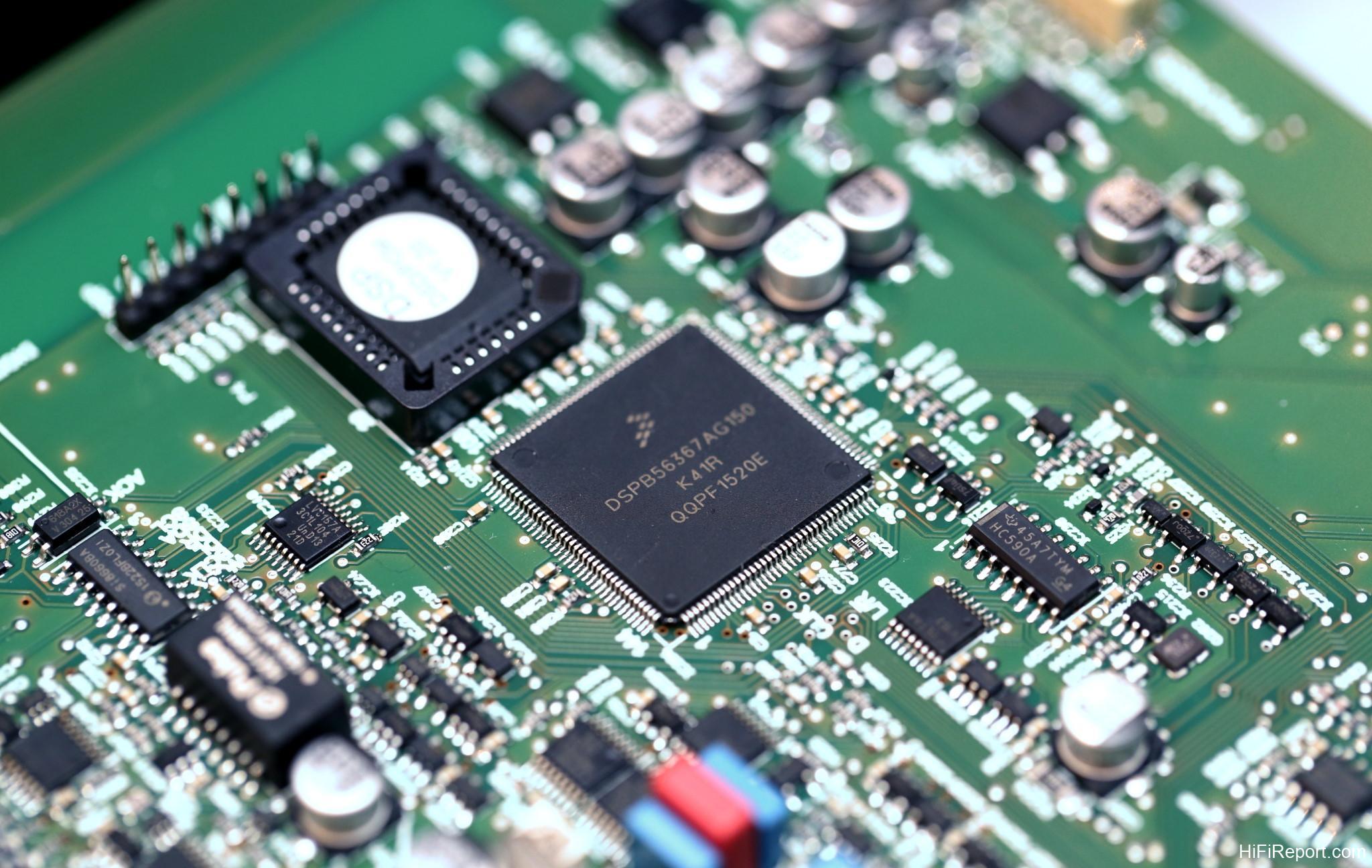
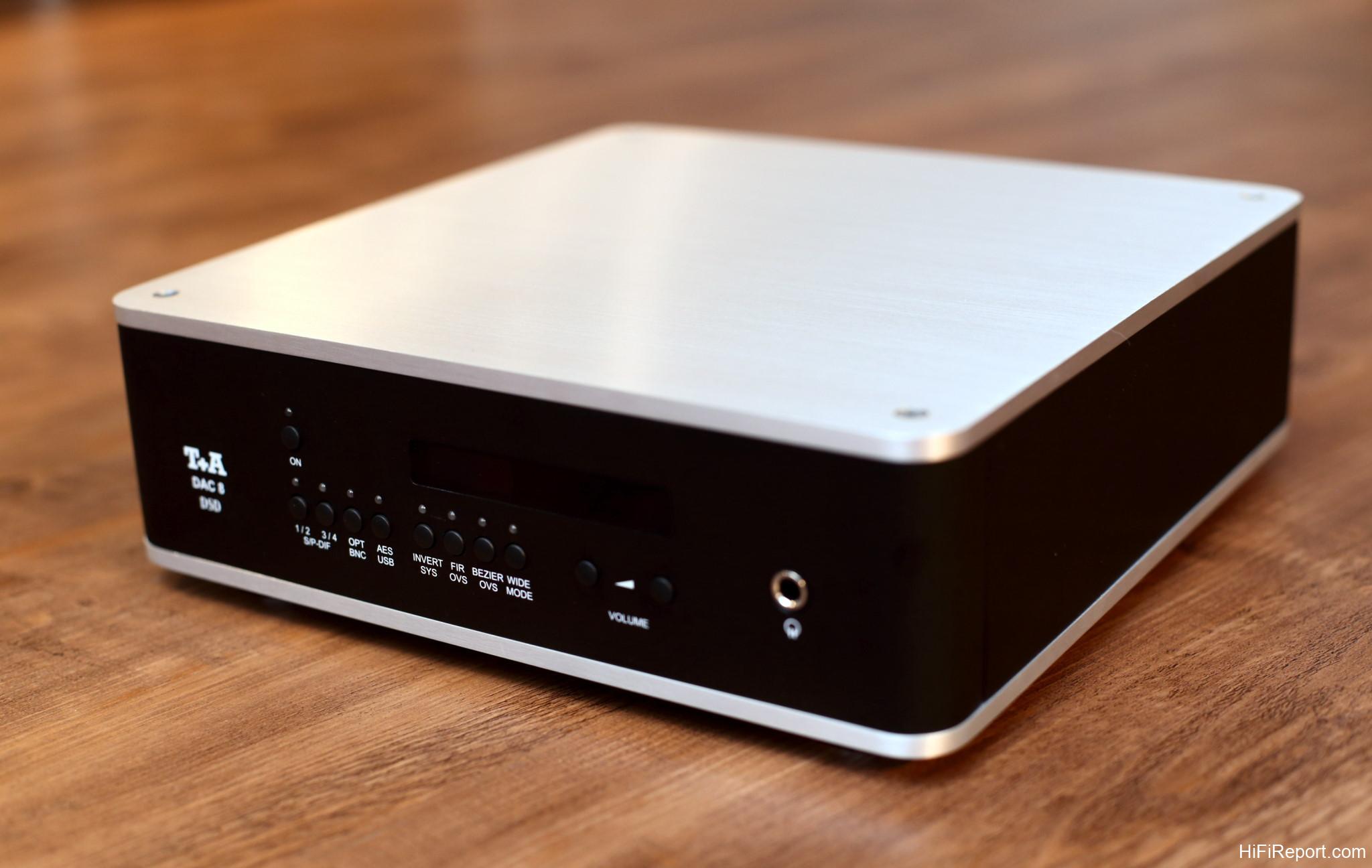
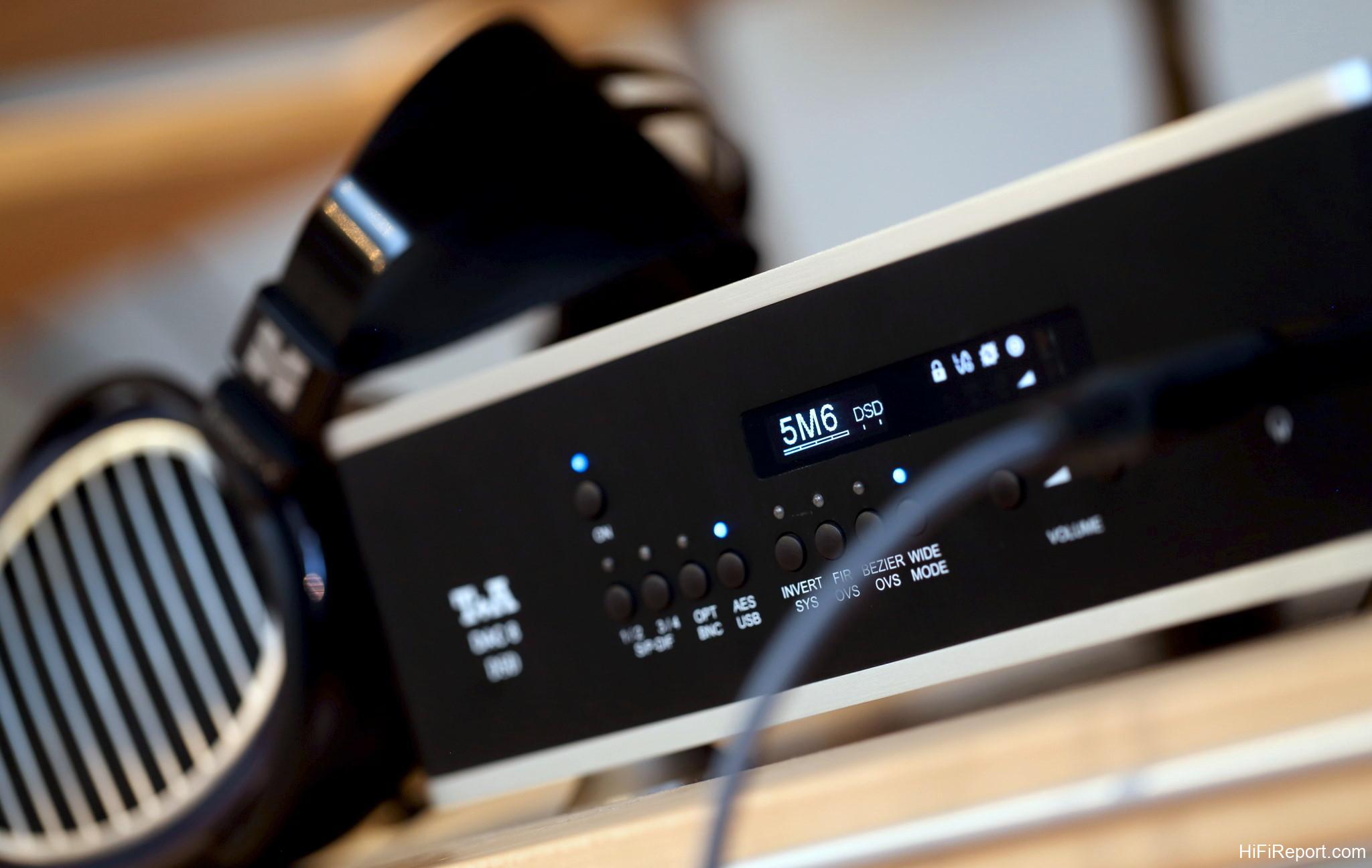
The DSD version maintains the same appearance as the original DAC 8. The only visual difference is the “DSD” label added below the model name on the left. The DAC 8 DSD utilizes a fully aluminum chassis with meticulous brushed finish. The silver top and bottom plates accentuate its substantial build, exemplifying solid German craftsmanship. The front panel buttons below the screen primarily select signal input sources and digital filter modes, along with phase settings.
To the right are volume control and headphone output. The headphone output of the DAC 8 DSD has also been improved compared to the DAC 8.
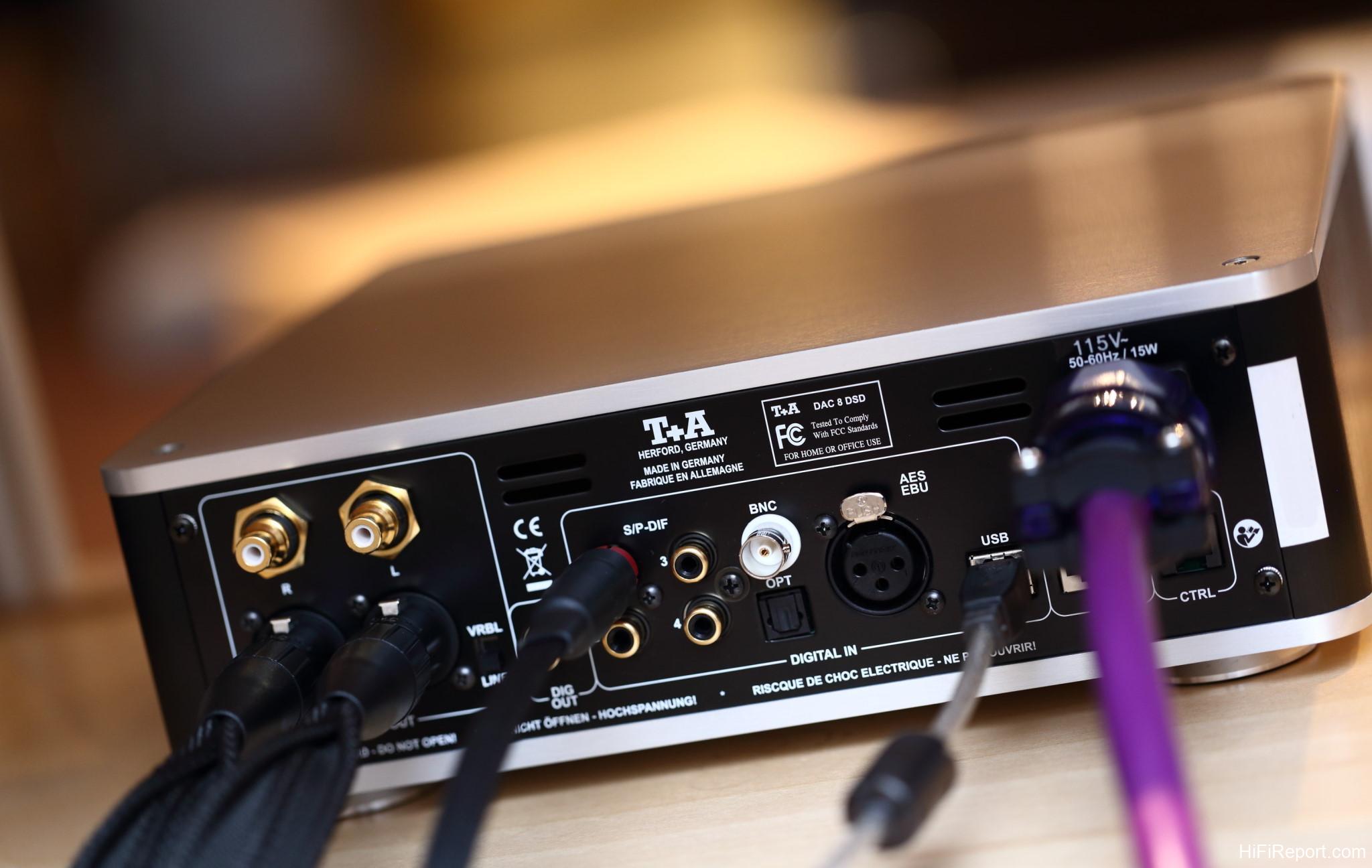
The rear panel of the T+A DAC 8 DSD includes all the interfaces one would expect from a DAC. Analog outputs consist of one set each for RCA and XLR balanced connections, with VRBL and LINE switching options. VRBL (variable) enables volume control, engaging the DAC 8 DSD’s pre-amp functionality. LINE bypasses the DAC 8 DSD’s pre-amp stage, fixing the output level and making it suitable for users with their own pre-amplifier.
Digital inputs are abundant, totaling eight: 4 SPDIF, 1 BNC, 1 OPT optical, 1 AES/EBU, and 1 USB, along with a coaxial digital output. At the far right are SYS IN and CTRL interfaces. SYS IN is reserved for future expansion, while CTRL allows connection to automation systems like CRESTRON or AMX.
I made sure to turn the T+A DAC 8 DSD upside down to highlight the meticulously designed feet. They are also made of metal and feature vibration-damping felt pads.
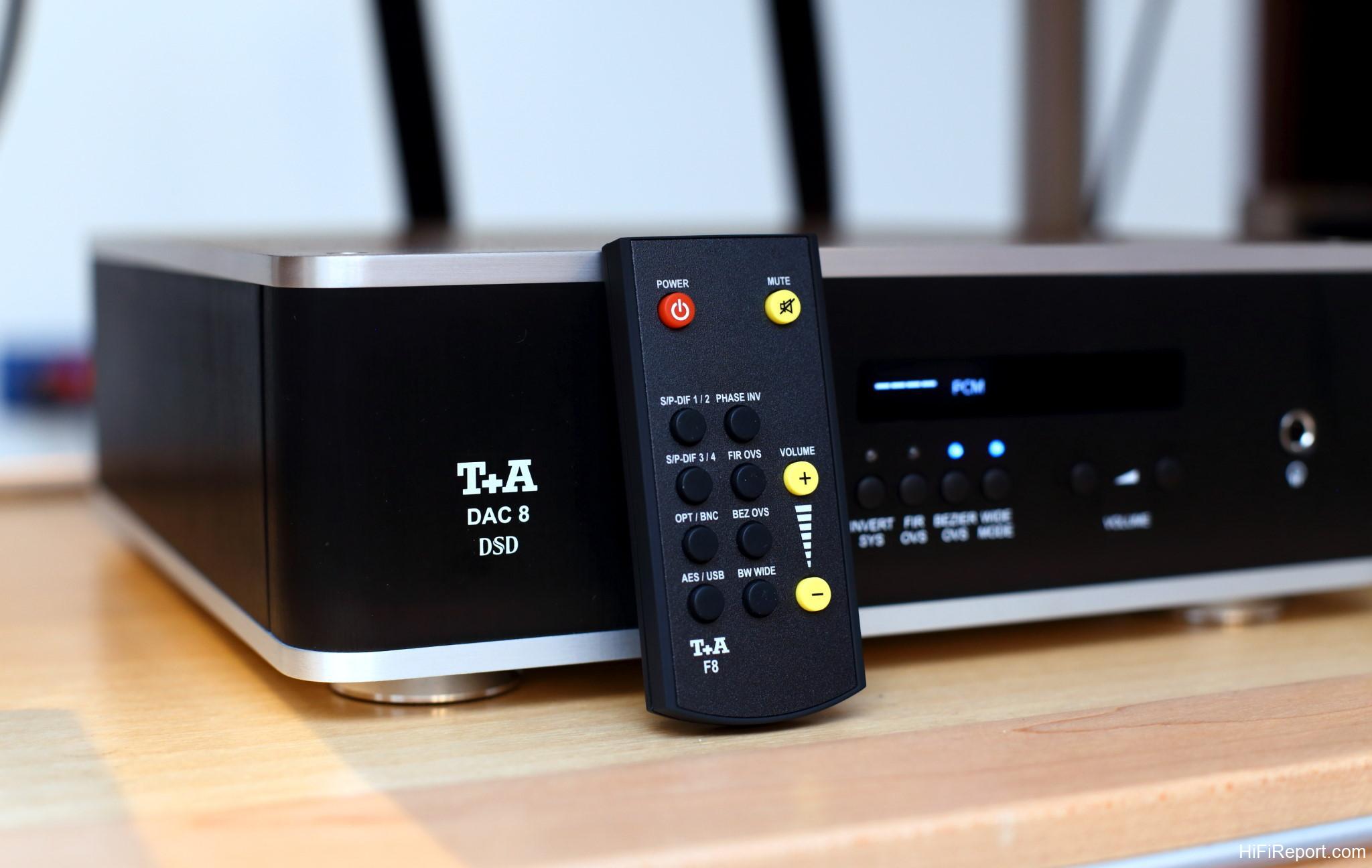
All front panel functions mentioned earlier can be conveniently controlled via the included remote.
Internal Excellence: High-End Spirit
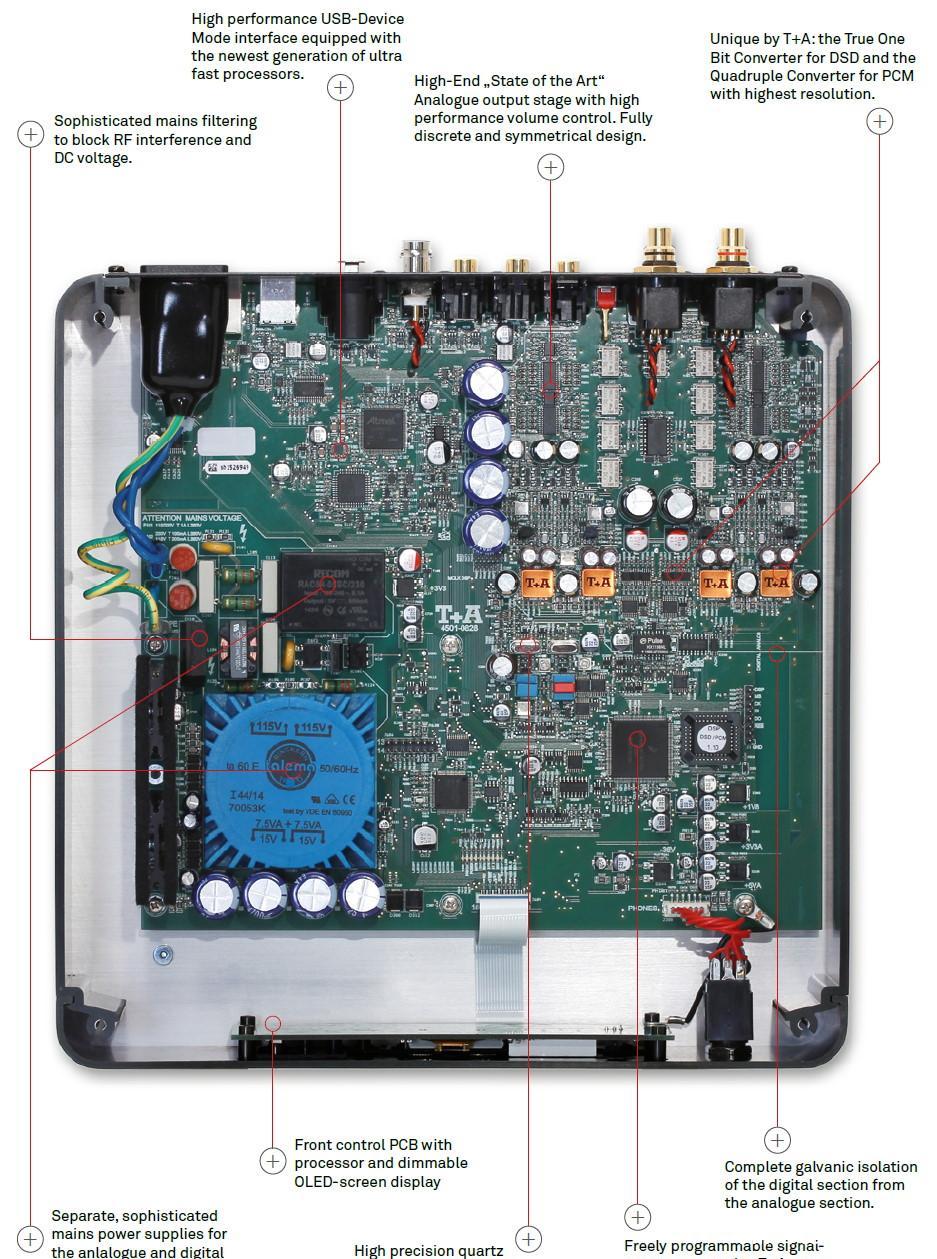
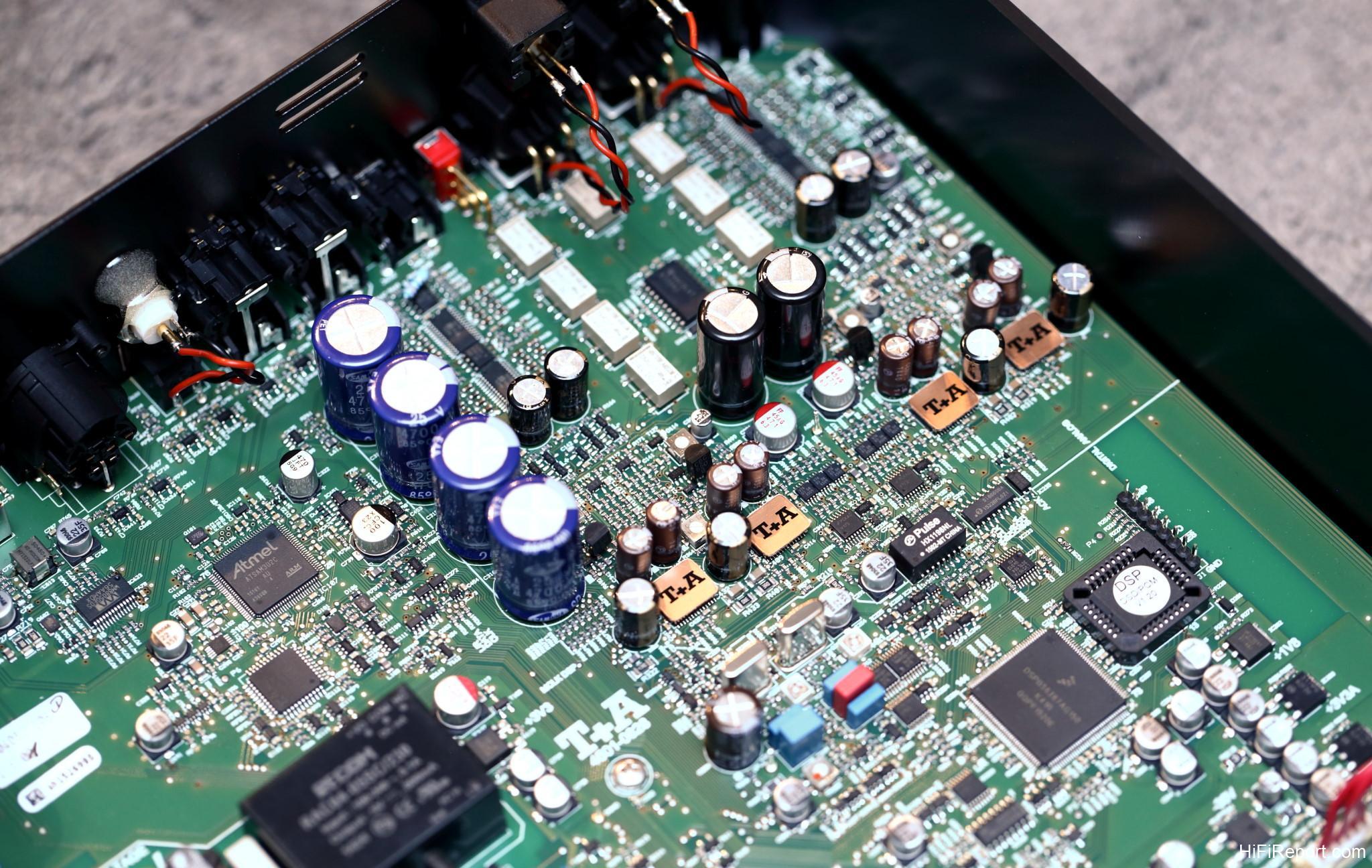
Removing the top cover of the T+A DAC 8 DSD reveals its meticulously planned circuitry and high-grade components. T+A, as a large-scale German manufacturer, demonstrates its R&D and production prowess through this design.
This diagram from the manufacturer provides a clear view of the T+A DAC 8 DSD’s internal architecture.
This illustrates the core dual-core PCM and DSD decoding. The gold-labeled T+A section at the top is responsible for PCM decoding, employing a Double-Differential-Quadruple-Converter. This uses 4 DAC chips per channel, with Sigma Delta modulation (32Bit 352.8 kHz / 384 kHz).
T+A True 1-bit DSD Technology
The six black chips situated between the two gold T+A labeled sections are dedicated to DSD decoding. This is T+A’s true 1-bit DSD D/A converter, capable of decoding up to DSD 22.6/24.6 MHz (DSD 512), which is 8 times the rate of SACD DSD 2.8MHz and 512 times the sampling frequency of CD. Below the DAC chips are high-precision quartz crystal oscillators, ensuring jitter-free performance.
A major challenge with the DSD format is the presence of significant high-frequency noise. Although not directly audible to the human ear, this noise can impact audio system playback by, for example, increasing stress on tweeters and exceeding amplifier bandwidth capabilities, ultimately affecting sound quality. This issue is more pronounced at lower DSD sampling frequencies, such as SACD’s DSD 2.8 MHz (DSD64).
However, the problem diminishes as DSD sampling frequencies increase, for example at DSD 11.2 MHz (DSD256). Conventional DAC designs often address this by filtering during digital-to-analog conversion to remove DSD noise. However, this approach typically compromises sound quality. T+A DAC 8 DSD utilizes True 1-bit DSD technology, decoding the DSD signal without any filtering or noise shaping, preserving the integrity of the DSD signal.
Filtering is then applied in the analog amplification stage, tailored to the appropriate bandwidth.
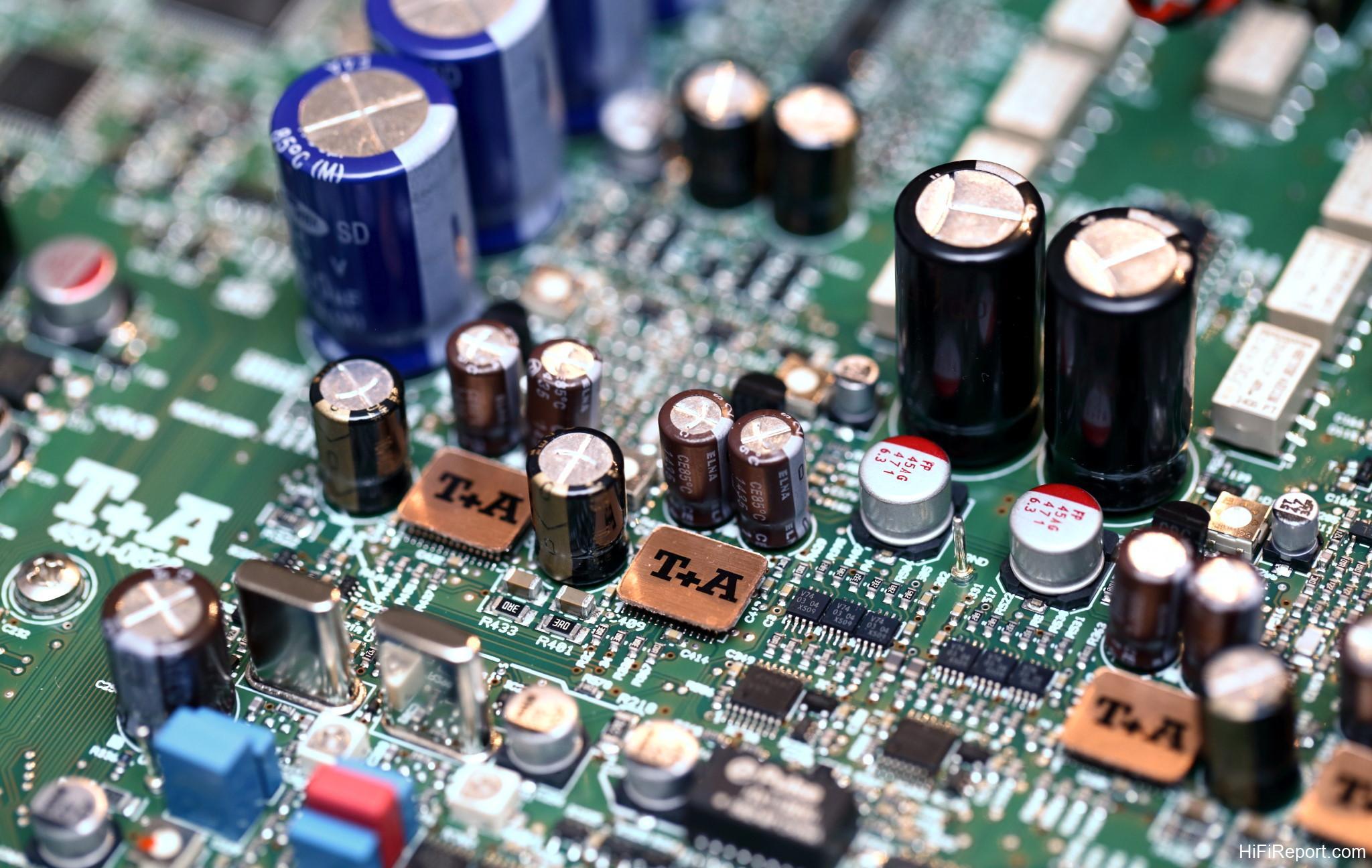
T+A’s signal processing center handles oversampling logic and perfect time domain processing.
Independent power supplies for digital and analog sections are used. The blue toroidal transformer is sourced from Nuvotem Talema of Ireland, while the black AC/DC converter is from RECOM of Austria.
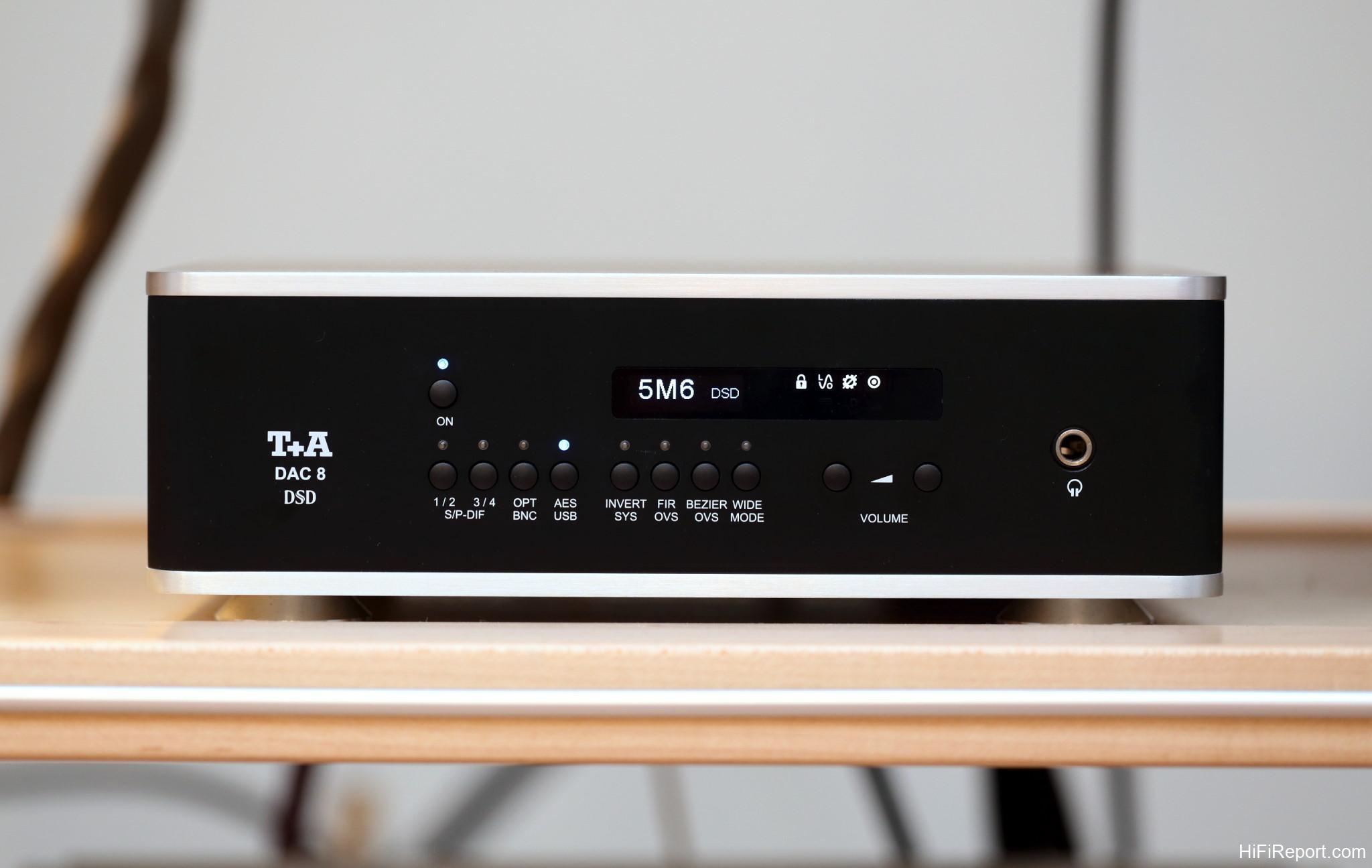
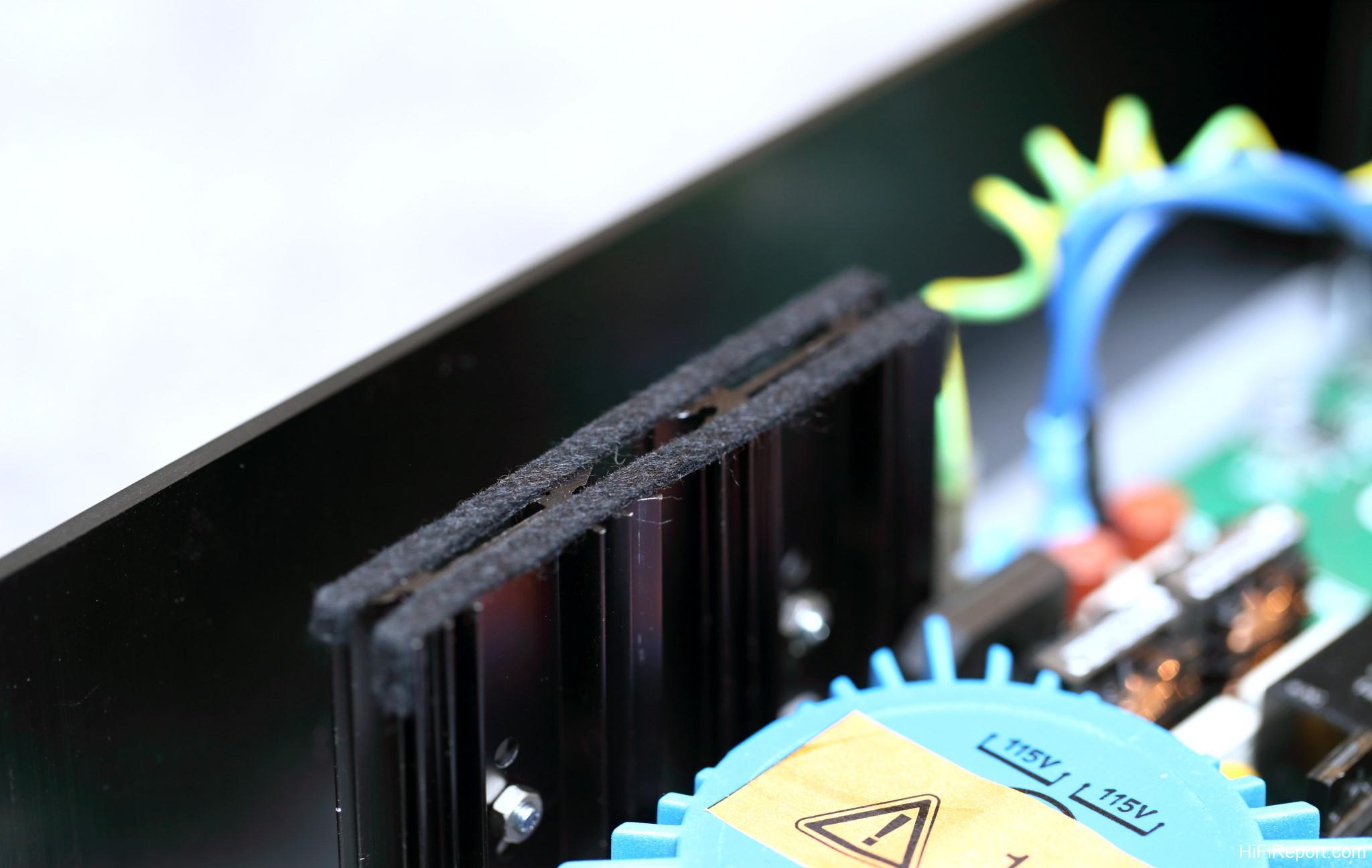
The heatsink next to the transformer deserves a close-up. It’s covered with felt, similar to the vibration-damping pads on the feet—the devil is in these details!
Four Oversampling Modes
The T+A DAC 8 DSD offers four oversampling (OVS) modes, allowing users to customize the sound to their preferences. It’s important to note that these four oversampling modes are specifically for PCM playback and have no effect on DSD files. Oversampling is toggled via the FIR OVS and BEZIER OVS buttons. Bezier polynomial interpolators are a filtering algorithm developed by T+A, utilizing a 56-bit digital signal processor (DSP).
* Oversampling 1 (FIR 1): A classic FIR filter with an extremely linear frequency response.
* Oversampling 2 (FIR 2): A FIR filter with improved peak handling.
* Oversampling 3 (Bez 1): A Bezier interpolator combined with an IIR filter. This process produces a result very similar to an analog system.
* Oversampling 4 (Bez 2): A pure Bezier interpolator – offering perfect “timing” and dynamics. This mode is new to the T+A DAC 8 DSD.
The screen brightness is adjustable.
WIDE Analog Bandwidth Setting
The T+A DAC 8 DSD also features a WIDE setting (Phase-linear Bessel filter 3rd order) to determine the bandwidth of the analog reconstruction filter. CLEAN mode extends up to 60 kHz, while WIDE mode reaches up to 120 kHz. When paired with T+A equipment or components capable of distortion-free performance up to 300 kHz, setting it to WIDE mode will yield the best sound quality. If unsure, users can simply listen to determine if WIDE mode sounds preferable. If it does, there are no issues.
If it sounds worse, revert to CLEAN mode. Notably, WIDE mode is not applicable for DSD 2.8MHz due to its high-frequency noise issue.
Using a MAC USB connection to the T+A DAC 8 DSD does not require driver installation. For Windows systems, please install the drivers available for download from the manufacturer’s website.
Playback using Audirvana Plus software confirmed support for DSD 128. DSD 256 and DSD 512 playback is only achievable on Windows.
XLR balanced analog outputs were used to connect to the amplifier. In addition to USB, SPDIF input was also auditioned.
Excellent Texture, High Resolution, Natural Sound
Listening to Linda Ronstadt’s “Prayer of a Child,” the DAC 8 DSD exhibits exceptional sonic texture – dense and refined. It renders Ronstadt’s voice beautifully, sweet and natural. The DAC 8 DSD’s resolution is remarkably high, revealing subtle accompaniments and sound effects without sounding overly sharp or artificial. It achieves high resolution without sacrificing musicality, maintaining a natural flow and avoiding any coldness in the sonic presentation.
Musical coherence is particularly outstanding.
Strong Sense of Space, Balanced Energy
Playing the four-hand piano album “when words fade” released by Steinway & Sons, the soundstage during the performance is appropriately sized, neither excessively large nor congested. Piano dynamics exhibit excellent variation without exaggeration. Delicate piano notes exist naturally within the space, highlighting detail retrieval and balanced sonic distribution.
The DAC 8 DSD doesn’t emphasize any particular characteristic, but rather presents all musical elements with realistic imaging and volume in their proper positions. It naturally delivers nuanced and balanced musicality, showcasing T+A’s sound tuning expertise.
Dynamics, Detail, and Soundstage – All Superb
Playing COPLAND “EIJI OUE MINNESOTA ORCHESTRA,” the first track, “Fanfare for the Common Man,” demonstrated excellence across dynamics, detail, and soundstage. The bass drum is clear, impactful, and powerfully resonant, with excellent control. The penetrating power of the brass instruments is sustained and expansive. The overall presentation is not just about high volume impact but, more importantly, evokes a sense of profound and joyful large-scale orchestral performance.
Vivid and Lifelike
Listening to Eric Clapton’s “UNPLUGGED,” a SHM (Super High Material) CD, which offers superior resolution, dynamic contrast, and imaging compared to standard CDs, akin to upgrading video from 720p to 1080p. My initial listening experience was somewhat unfamiliar. Played through the DAC 8 DSD, it maintains a natural and clear foundation. Each guitar pluck is rendered with such clarity that it feels like a live performance right in front of you.
Furthermore, in complex sonic scenes, such as lead and backing vocals, and audience cheers, the imaging and soundstage proportions are exceptionally accurate, enhancing the sense of being there.
Headphone Amplifier: Consistent Excellence
The headphone amplifier leans towards a neutral sonic signature. Paired with HiFiMAN Edition X headphones, the clarity is exceptionally high, with a sound profile that is lean and solid rather than lush. The spatial extension of the mid and high frequencies is outstanding. This strength, already apparent in the two-channel performance, becomes even more pronounced in the headphone system.
The lower frequencies exhibit a Q- (Q- is a Chinese term describing a bouncy and elastic texture) and energetic quality. Pairing with warmer or thicker-sounding headphones would likely yield remarkable results.
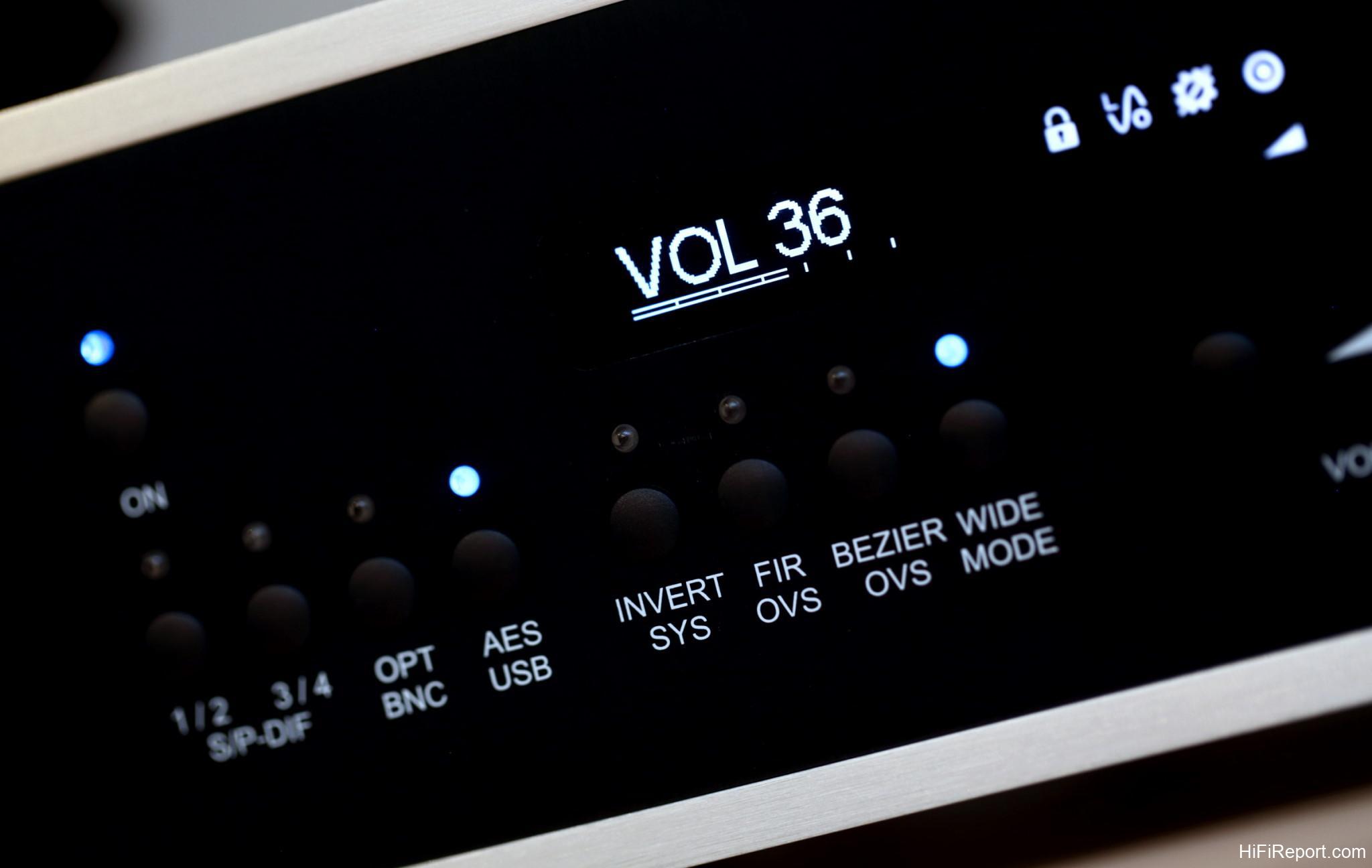
Volume display.
A Remarkable DAC/Preamp/Headphone Amp
With the addition of DSD capability and numerous functional enhancements, the T+A DAC 8 DSD elevates the already outstanding DAC 8 to an even higher level of performance. T+A’s recent advancements fully showcase their capabilities. When this tiger unleashes its power, the results are truly extraordinary.
The dual-core decoding architecture, proprietary oversampling processing, excellent pre-amp and headphone amp stages, comprehensive input/output interfaces, German precision engineering, and exceptional sonic performance—all these make the T+A DAC 8 DSD a truly desirable component.
T+A DAC 8 DSD Specifications
* **D/A Converter**
* PCM: Double-Differential-Quadruple-Converter with 4 D/A-Converters per channel, 32-Bit Sigma Delta, 352.8 kSps/384 kSps. Eight times oversampling. Upsampling: free programmable signal processor with four selectable oversampling algorithims.
FIR kurz, FIR lang, Bezier/IIR, Bezier
* DSD: Direct DSD Signal Path via T+A True 1 Bit Converter
* **Analogue filter**: Phase-linear filter with bandwidth switching 60 kHz or 120 kHz
* **Total harmonic distortion**: < 0.001 %
* **Signal to noise ratio**: 116 dB
* **Channel separation**: 110 dB
* **Analogue outputs**
* high level (RCA): 2.5 Veff / 22 Ohms fixed. 0…2.5 Veff variable
* symmetrical (XLR): 5.0 Veff / 22 Ohms fixed.
0…5.0 Veff variable
* **Digital output**: 1 x coax, IEC 60958 (CDDA/LPCM)
* **Digital inputs**: S/P-DIF 4 x high quality Coax and 1 x opt.
TOS-Link, 1 x BNC, 1 x AES/EBU; 32 kSps; 44.1 kSps; 48 kSps; 88.2 kSps; 96 kSps; 176.4 kSps; 192 kSps; 16/24 Bit
* USB (Device mode): USB Class 2 Mode; support for asynchronous data transfer
* PCM-Mode: 44.1 kSps; 48 kSps; 88.2 kSps; 96 kSps; 176.4 kSps; 192 kSps; 352.8 kSps; 384 kSps; 16/24/32 Bit
* DSD-Mode: DSD64; DSD128; DSD256; DSD 512; (MAC OS up to DSD 128)
* **Accessories**: Including remote control F8, asynchronous drivers for Windows are available on T+A homepage for download
* **Mains**: 110-120 V or 220-240 V, 50 – 60 Hz
* **Standby**: < 0.2 W
* **Dimensions (H x W x D)**: 9.5 x 27 x 27 cm, 3.7 x 10.6 x 10.6 inch
* **Weight**: 4 kg, 8.8 lb