
Totaldac d1-biunity DAC Review
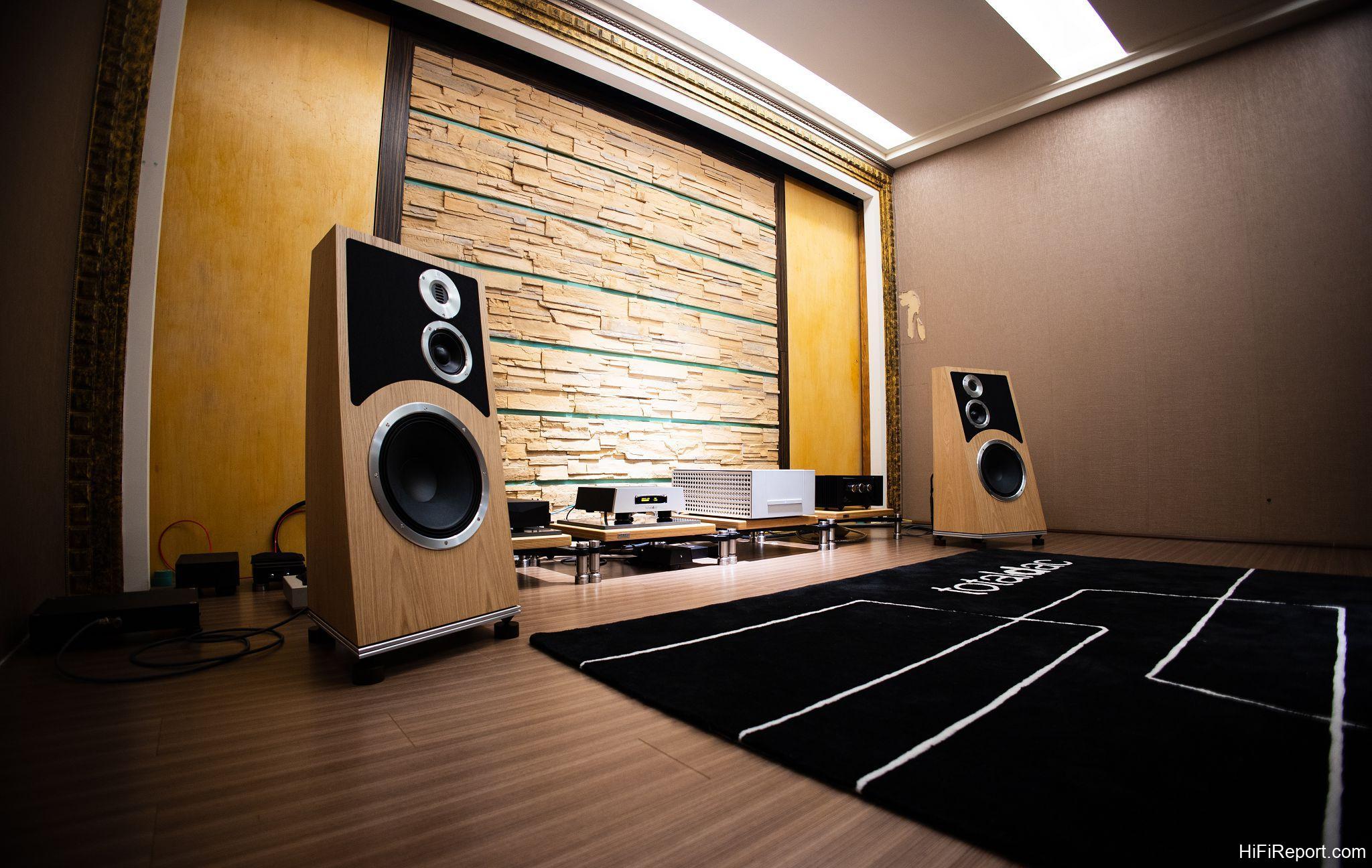
Recently, I had the opportunity to visit Hsiung Fa Audio to experience a rather unique two-channel setup, a symphony of brands from different corners of the world: Audiovector from Denmark, Totaldac from France, Innuos from the UK, and Constellation Audio from the USA. Each brand is renowned for its specialized expertise, earning accolades in their respective fields. Under the skillful tuning of Hsiung Fa Audio, this combination delivered an exceptionally high-quality sonic performance.
Danish Classics, Retro Yet Modern
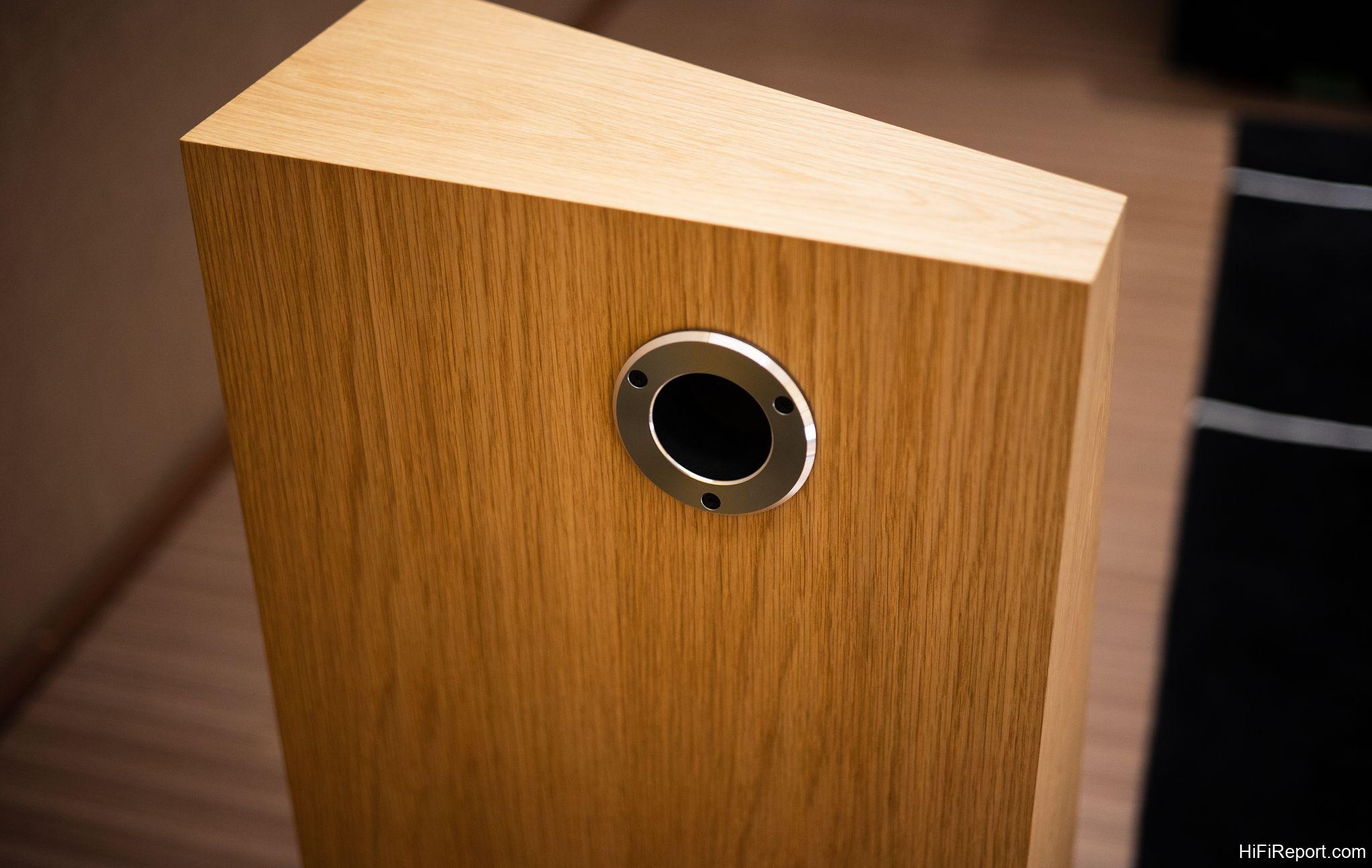
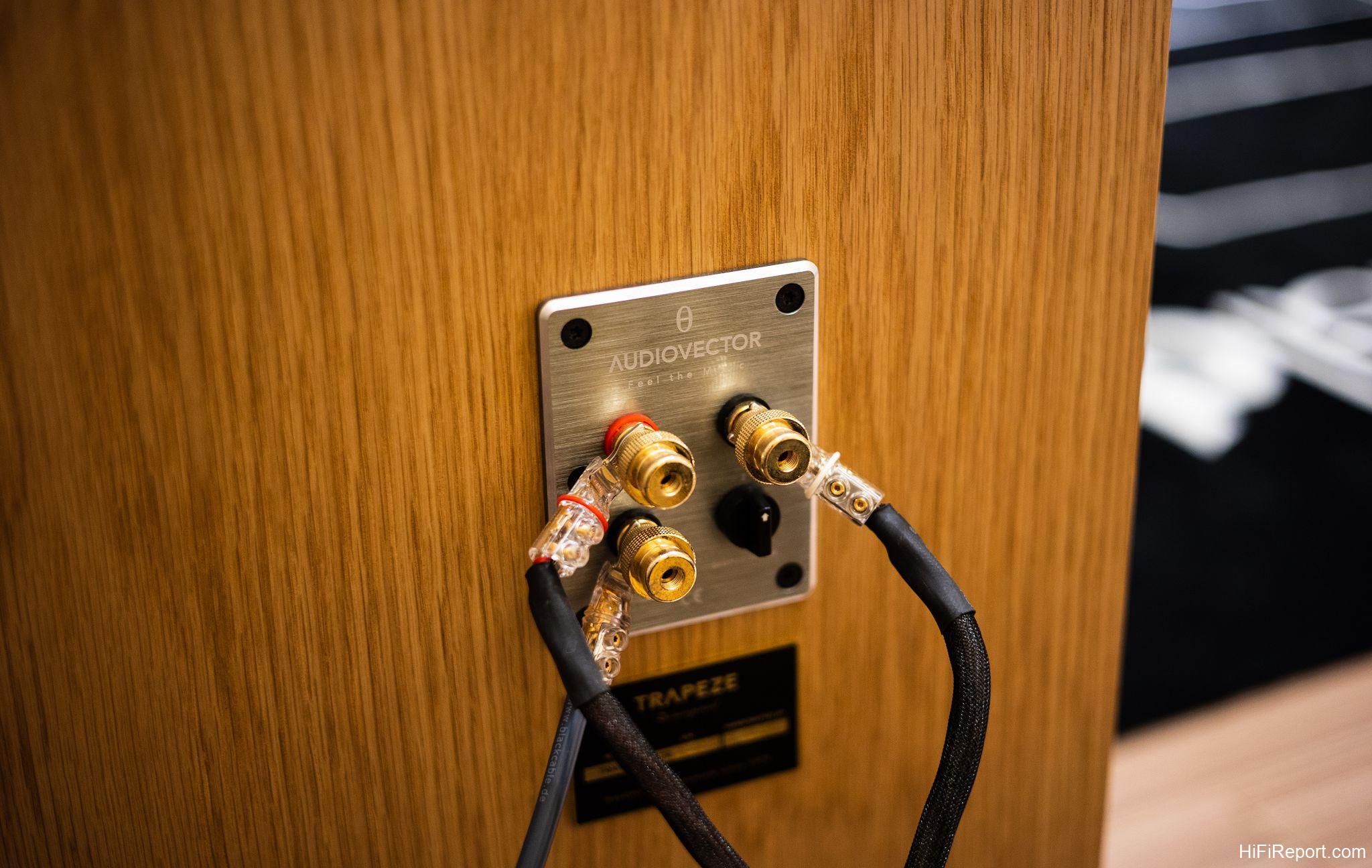
The loudspeakers gracing this system were the Audiovector Trapeze Reimagined. This is a new product that meticulously revives the brand’s classic aesthetic. It boasts a vintage charm complemented by modern, refined craftsmanship, utilizing advanced materials to achieve superior sound reproduction. The Trapeze Reimagined, despite its modest dimensions, is perfectly suited for contemporary living spaces.
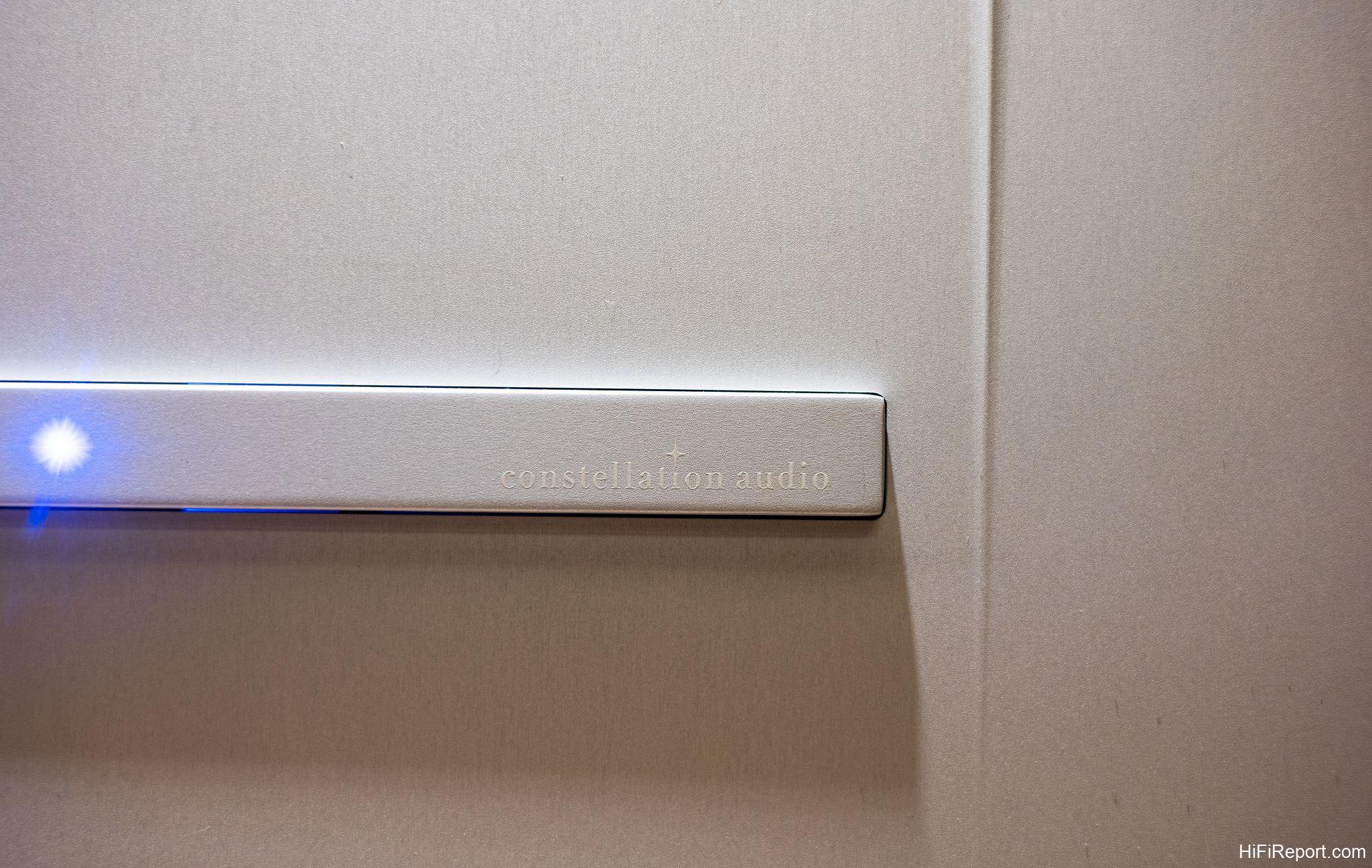
Its warm and minimalist design integrates effortlessly into visual aesthetics while remaining strikingly distinctive on its own. The Trapeze Reimagined features the brand’s proprietary high-end AMT tweeter, a substantial 12-inch woofer, and a 5-inch midrange driver, capable of effortlessly covering the entire musical spectrum.

It delivers not only penetrating mid and high frequencies but also a sense of spaciousness and air in the bass, making it exceptionally adept at recreating all genres of music.
A French Brand Specializing in R2R Decoding
While Totaldac is a brand we’ve encountered less frequently, it has long been established in the audiophile community, with its core strength being DACs, a fact directly embedded in its name. Totaldac’s DAC designs exclusively employ R2R component architectures, eschewing the more common decoding chips from the two major manufacturers. R2R ladder circuits necessitate a vast number of small components.

Achieving superior sound often requires meticulous measurement and matching of these components, resulting in significantly higher costs and time investment compared to off-the-shelf chips, hence their typically premium pricing. The inherent advantage of R2R technology is its ability to convey a sound that is closest to the designer’s original intent, allowing for exclusive tuning.

The Latest Unity Decoding Circuit Architecture
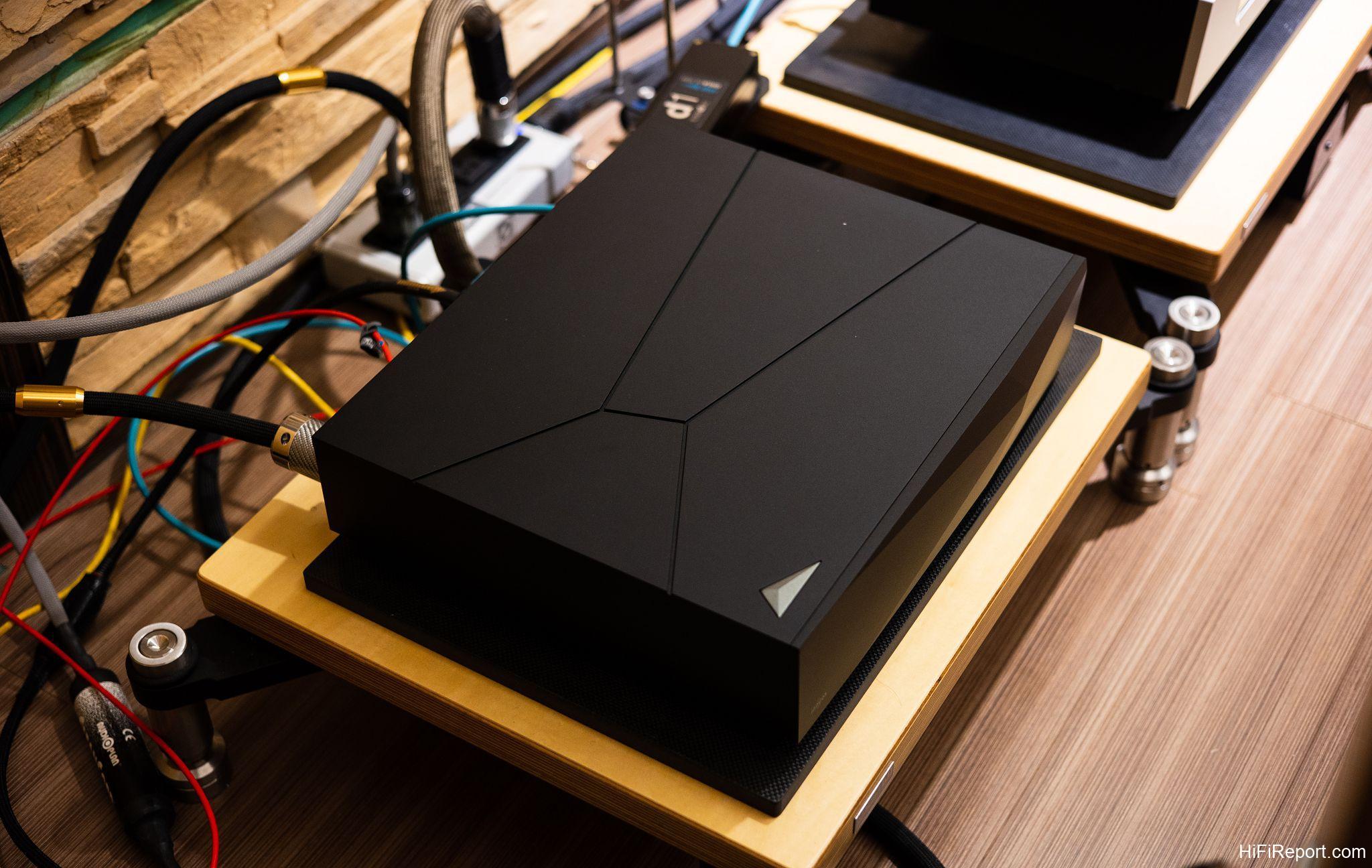
The model we auditioned was the Totaldac d1-biunity DAC. Currently, Totaldac offers six DAC products, ranging from entry-level to flagship: the d1-core DAC, d1-unity DAC, d1-biunity DAC, d1-triunity DAC, d1-sublime DAC, and the d1-total streamer/DAC. The “Unity” represents the brand’s newest R2R array circuit architecture. Compared to previous designs, Unity achieves superior clock distribution, lower jitter, reduced power transmission impedance, and minimized digital noise.

The d1-unity DAC features one Unity circuit architecture per channel, while the d1-biunity DAC incorporates two Unity circuit architectures per channel. The d1-triunity DAC utilizes three per channel, and the d1-sublime DAC is a four-component flagship system. The d1-total streamer/DAC is a streamer unit equipped with DAC circuitry.
Mid-Tier Models Often Offer the Best Value
The system at Hsiung Fa Audio was configured with the d1-biunity DAC, utilizing two Unity circuit architectures per channel. Each circuit board has been upgraded or enhanced with approximately 200 additional components compared to previous iterations. Based on my understanding of the official documentation, while different DAC tiers all employ the Unity circuit architecture, this should be considered a “framework,” implying that the Unity DAC circuits within each model are not identical.

This is evident in the d1-sublime DAC flagship model, where the Unity circuit architecture incorporates upgrades and new components numbering around 680. Totaldac’s R2R DACs exclusively use high-quality Vishay foil resistors. The d1-biunity DAC also features a completely redesigned output stage, employing discrete components for both the circuitry and its elements.
It offers a 3.5V unbalanced signal output and a 7V balanced signal output, allowing connection to preamplifiers or integrated amplifiers. The d1-biunity DAC itself possesses volume control capabilities, enabling direct connection to power amplifiers.

Upgrade Options Galore for Customization
The d1-biunity DAC employs a dual-chassis design with a separate power supply, ensuring a cleaner environment for the decoding circuitry. Furthermore, the manufacturer provides a wealth of optional upgrades and choices.

These include internal clock upgrades, power supply enhancements, DSD (DoP) decoding specifications, optional cone upgrades, a silver faceplate option, voltage selection, and the possibility to replace RCA digital inputs with BNC or coaxial, or even custom-order 2, 3, or 4-way active crossovers and bass enhancement options.
A Streamer Brand with a Rigorous Approach
Fronting the DAC was the Innuos ZEN Next-Gen network digital streaming server, responsible for processing and transmitting music files. It connects to popular high-quality online music services like Tidal and Qobuz via the network. An internal SSD drive allows for music storage or connection to other NAS music libraries within the home. Playback can be controlled using Innuos’ proprietary app software for selecting music sources, managing libraries, creating playlists, and playing music.

The Perfect Partner for Recreating Beautiful Sound
The final component in this ensemble was the Constellation Audio Taurus stereo power amplifier, capable of delivering 250 watts per channel into an 8-ohm load. The Taurus utilizes a Line Stage Gain module that continuously monitors the positive and negative waveforms of the audio signal, maintaining perfect balance. The Taurus is available in stereo and monaural versions, and the stereo units can also be bridged for increased power.

Constellation Audio consistently delivers beautiful sound and is a brand we hold in high regard. Its performance is excellent when paired with loudspeakers of various brands and sizes.

Crystal Clear, Transparent, and Rich in Detail—Exceeding Expectations
During the listening session, we referenced “Sarasate” performed by violinist Julia Fischer and pianist Milana Chernyavska. Through this audio system, the music’s detail and penetrative power were effortlessly reproduced. The Totaldac d1-biunity DAC demonstrated exceptional resolution and delineation capabilities. While we had previously experienced the other components in this system, this particular encounter was novel.
The sonic interpretation possessed a unique character, with abundant and natural detail. The linearity of the violin’s performance and the transparency of the piano were remarkably pronounced. The overall presentation created a soundstage where the sonic images were both distinct and harmonious, easily establishing a three-dimensional stage.
Coupled with Constellation Audio’s signature silk-like, finely textured, and aesthetically pleasing sound, which I find consistently captivating, the synergy between these two brands proved to be an exemplary match in terms of refinement. This experience further solidified my appreciation for the prowess of the Totaldac d1-biunity DAC, truly a master in the art of decoding.
An Unfiltered Musical Experience (Wacko Wang)
To begin the evaluation, I sampled Alison Krauss’s “The Lucky One.” I found the instrument tones to be remarkably solid and full-bodied. While cohesive, they also exhibited a vibrant physical presence. The notes sounded light and lively, fleeting with an impressive nimbleness, preventing the overall instrumental presentation from feeling heavy. The distinct dimensionality of each note was rendered with superb accuracy.
Despite the song’s generally upbeat mood, the details and roundness of the notes were clearly presented, as if the instruments were speaking directly to the listener. Even at a brisk pace, the physical details remained clear, with insightful and conspicuous articulation, allowing for an intimate interaction with the music.
The tonal character was also pleasing. The vocals displayed a silken smoothness, imbued with excellent resonance. Both vocals and instruments simultaneously possessed a comfortable sweetness. From the sparkling bounce of the instrumental notes to the subtle richness of the vocals, the clarity of the sound quality was particularly highlighted.
A precisely balanced relationship was discernible between the vocals and instruments; they neither interfered with each other nor was their relative prominence amiss. One could distinctly perceive varying weights between the sounds, adding considerable dynamism to the track. The overall performance felt colorful, light, and wonderfully sculpted.
Rich String Tones and Gentle Curves, Bursting with Dynamics
Next, I listened to “My Father’s Father” by The Civil Wars. The vocal presentation was notably spacious. As the male vocals emerged, a vast canvas immediately unfurled before my eyes, yet the sound did not become thin. Instead, within this expansive soundscape, the solid and cohesive nature of the vocals could be appreciated. The interplay between the male and female voices was delightfully engaging, with the male vocal sometimes leading and at other times the female vocal drawing closer.
Their interaction was seamless and harmonious, with a noticeable contrast evident. The female vocals sounded softer, while the male vocals possessed a more magnetic quality.
The instrumental performance stood out with its exceptionally clear and three-dimensional presence. When the strings were plucked, a remarkably solid and accurate instrumental picture was recreated. The tactile sensation of playing was rendered with clarity and realism, while the notes possessed a particular gravitas. The roundness of each note was vividly etched, exhibiting a pleasing and juicy moisture.
The edges, though translucent, were neither sharp nor piercing, instead possessing a wonderfully soft curvature. The separation and depth between the vocals and instruments were pronounced, creating a sense of “just ahead, then behind,” which lent dynamic interest and prevented the song from becoming monotonous. It was an unequivocally satisfying performance.
Powerful, Energetic, and Effortlessly Relaxed
Finally, I listened to Lady Gaga’s “Always Remember Us This Way.” From the opening of the song, the vocals demonstrated remarkable contrast. The vocal line itself possessed a cohesive and solid quality, delivered with a vibrant energy. A precisely controlled airiness surrounded the edges of the voice, lending it a lighter feel. Despite the considerable energy conveyed, the vocal sound was never heavy, instead exhibiting a certain crispness, completely free of sloppiness.
Even in the most delicate passages, a sense of power was maintained, with a subtle yet substantial depth.
The piano’s performance also carried a slightly sweet resonance, with excellent detail rendering. A distinct aura of luminescence could be perceived around the edges of the notes. Although subtly reserved, they remained clearly discernible. The background drums and cymbals each showcased their inherent characteristics; the metallic percussion was remarkably crisp, and the drumheads delivered a rich elasticity. Even the texture of the drumsticks was flavorful.
Despite the potent vocals in the foreground and the interplay of instruments, all details remained unobscured and clearly presented. Amidst the song’s rich and colorful arrangement, numerous subtle nuances could be savored, making for a truly rich and brilliant listening experience.
Totaldac d1-biunity DAC
* Inputs: 192kHz asynchronous Xmos USB, 192kHz Coaxial RCA, 192kHz AES-EBU, 96kHz Optical, selectable via remote control. * Supported Sample Rates: 44.1kHz, 48kHz, 88.2kHz, 96kHz, 176.4kHz, and 192kHz. * Supported Bit Depths: 16-bit to 24-bit. * Optional DSD (DoP standard) input, supported via Coaxial, AES-EBU, and USB inputs. * Internal clock with anti-jitter FIFO memory. * Analog Outputs: Maximum 3.5Vrms RCA, Maximum 7Vrms XLR.
* Volume Control: Adjustable via remote control and OLED display for all inputs. * Non-oversampling DAC compensation filter: Enable/disable via remote control. * Display: Can be turned off via remote control. * Technology: R2R DAC technology utilizing 300 Vishay Bulk Metal® foil resistors with 0.01% VAR precision. * Output Stage: Class A differential transistor output stage. * Power Supply: External independent power supply to minimize noise for the internal preamplifier.
* Chassis: Aluminum alloy and PMMA casing with a thick pure copper anti-vibration plate. * Power Consumption: 14.2W at 44.1kHz, 16.5W at 192kHz. * DAC Dimensions: Height 110mm, Width 360mm, Depth 290mm. * Power Supply Dimensions: Height 65mm, Width 122mm, Depth 180mm. * Weight: 7kg.