
URALiC VEGA DAC Review
AURALiC VEGA DAC: DSD Decoding and Femtosecond Clock
I’ve been paying attention to AURALiC for many years. Back when high-resolution digital audio products were just emerging, AURALiC already had quite mature offerings. AURALiC was founded by two remarkable individuals of Chinese origin. One is Mr. Xuanqian Wang, the chief designer, who is not only an electronics engineer and professional recording engineer but also a concert pianist. The other is Mr. Yuan Wang, who owns a precision instrument design and manufacturing company.
Driven by a shared passion for music and hi-fi, they met at a Berlin forest concert and, hitting it off immediately, established AURALiC.
Over the years, AURALiC’s product line has become comprehensive. Beyond DACs, they now offer preamps, power amps, headphone amps, and cables. This review focuses on the VEGA DAC, launched in 2013 to meet the market demand for DSD playback. Even from an initial understanding of the VEGA’s technology, build quality, and sonic performance, its value proposition is immediately striking.
User-Friendly and Portable Packaging
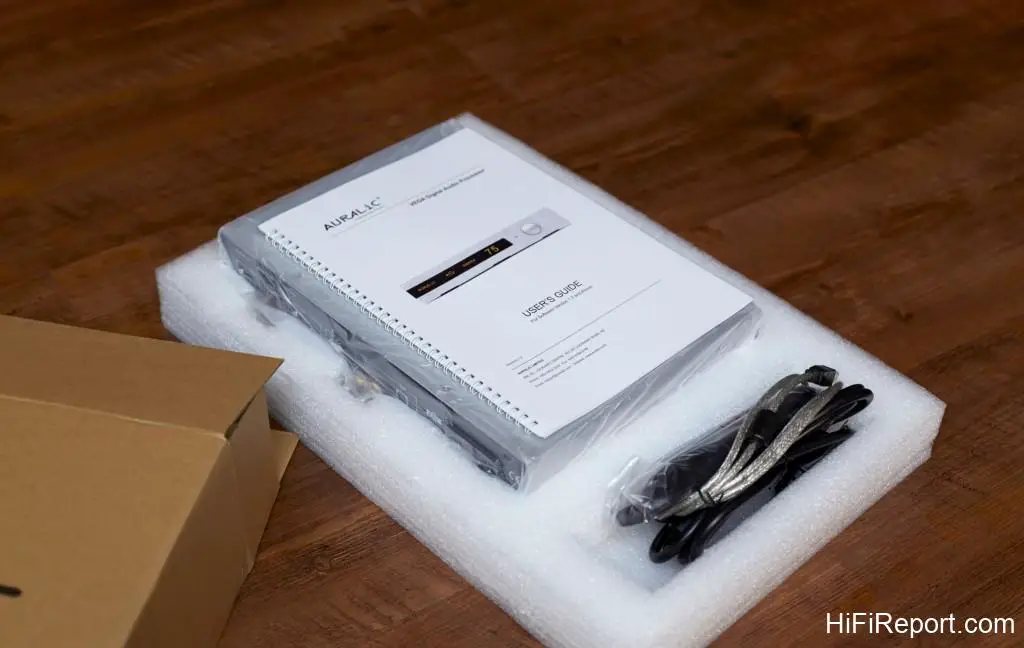
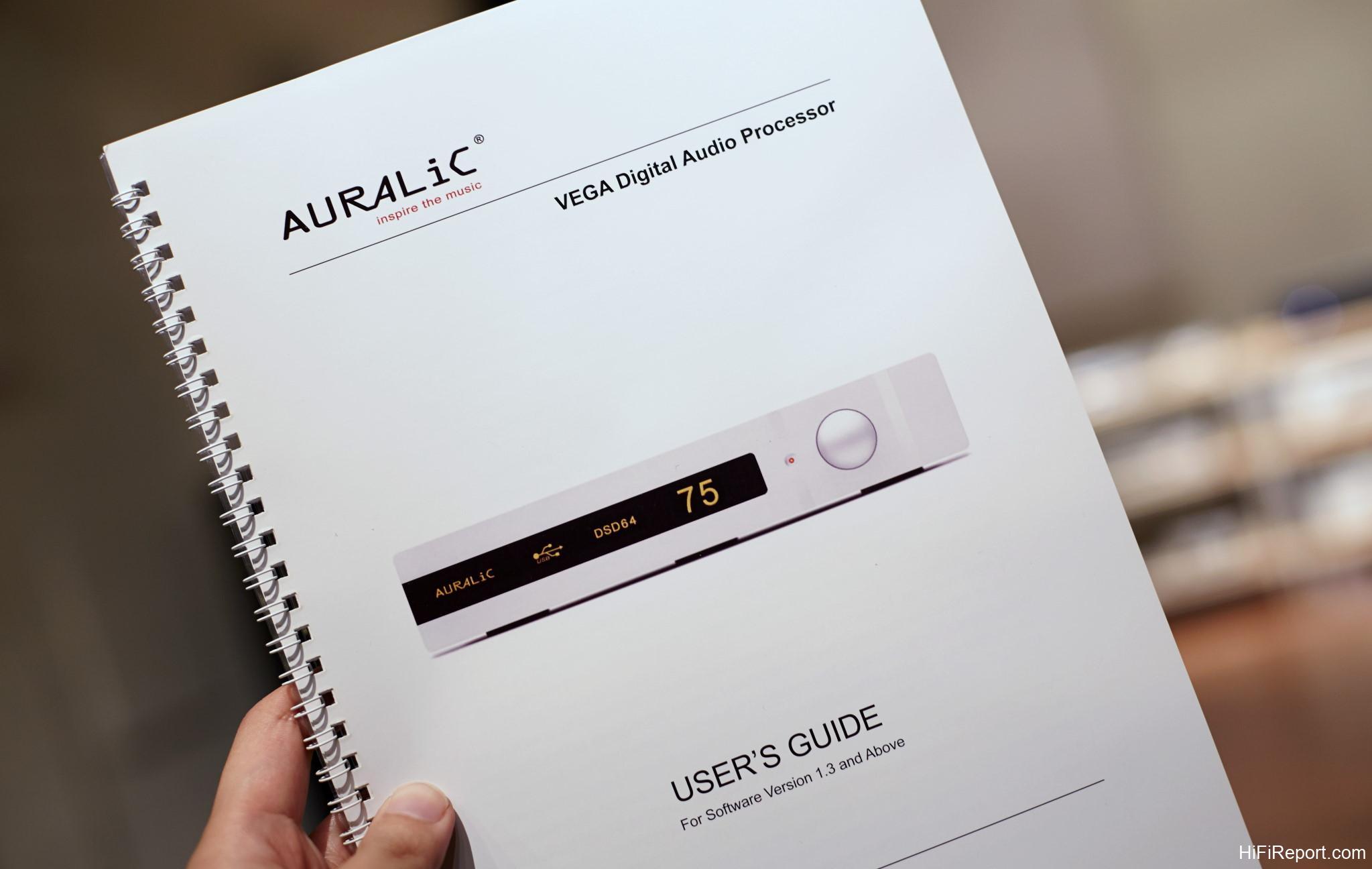
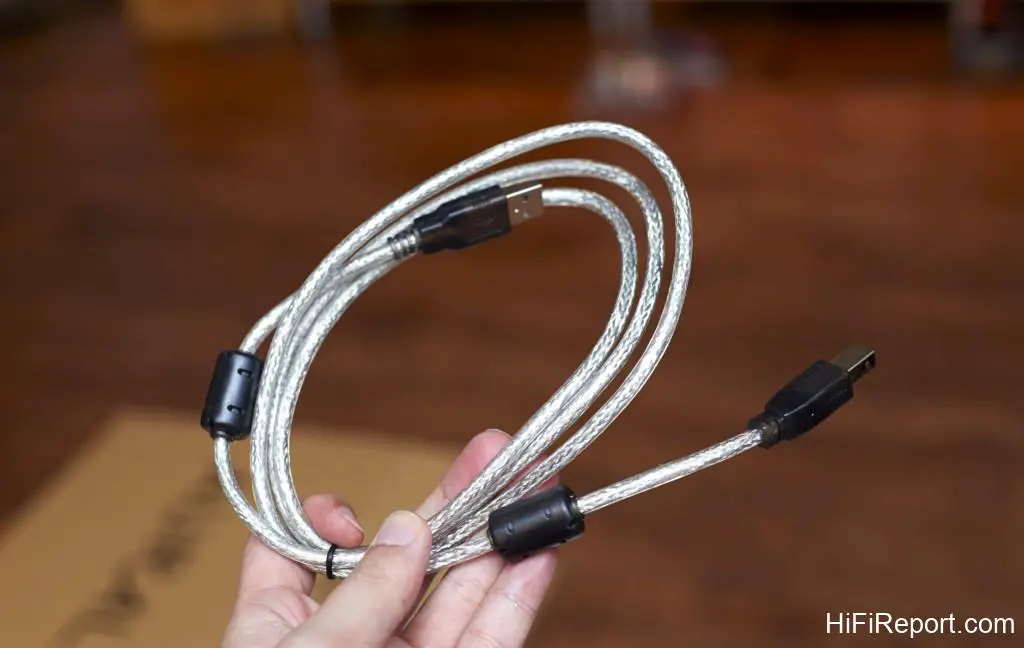
The package includes the VEGA unit itself, a manual, a remote control, a USB cable, and a power cord.
The VEGA’s rear panel boasts multiple digital inputs: 1 x USB, 1 x Optical, 2 x Coaxial, and 1 x AES/EBU.
While USB supports DSD256, other inputs are limited by their inherent specifications, supporting up to 24Bit/192kHz.
Analog outputs include one set each of XLR balanced and RCA single-ended connections.
DSD256 support was introduced in March this year with driver version 2.22; previous versions supported up to DSD128.
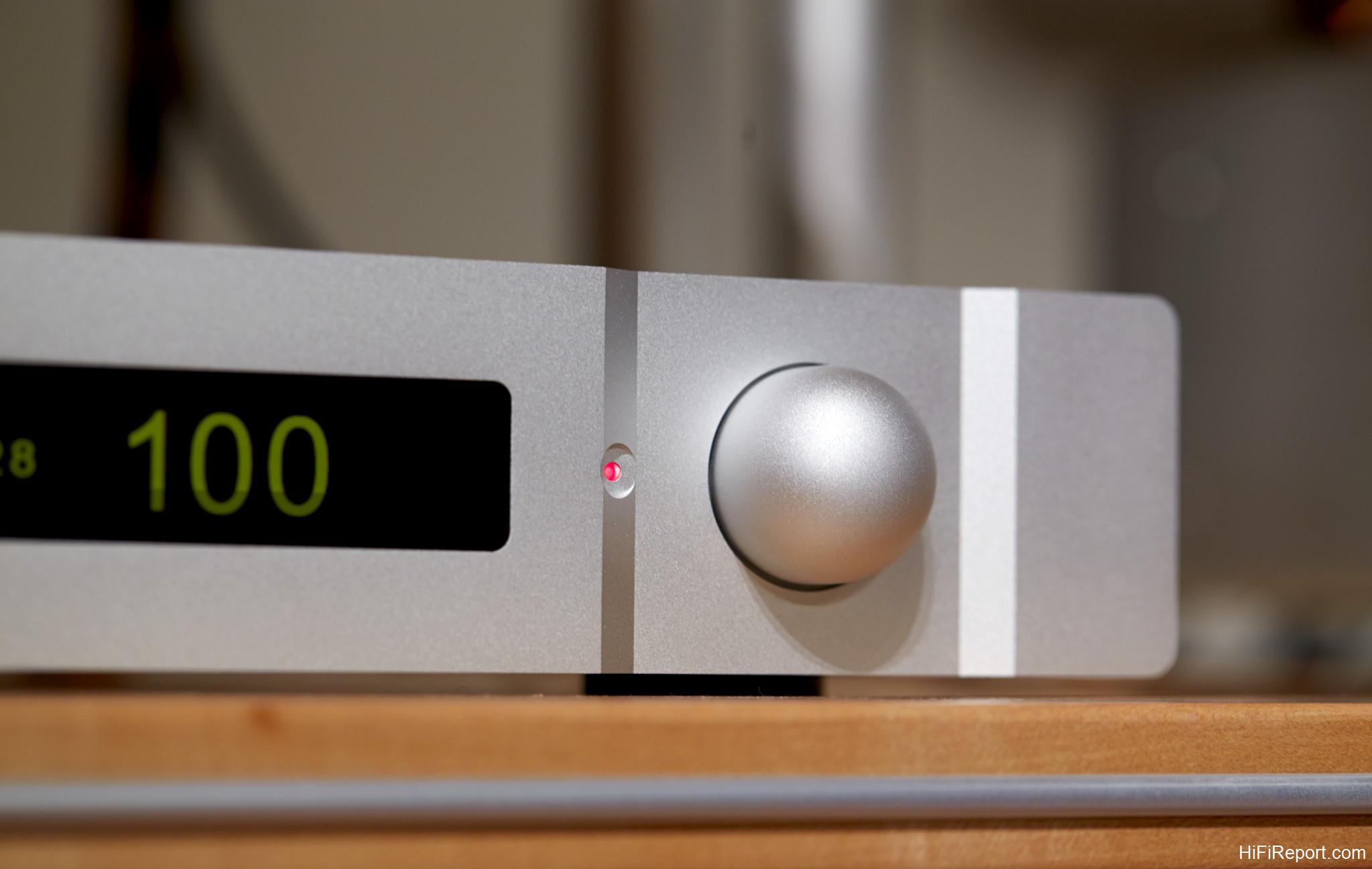
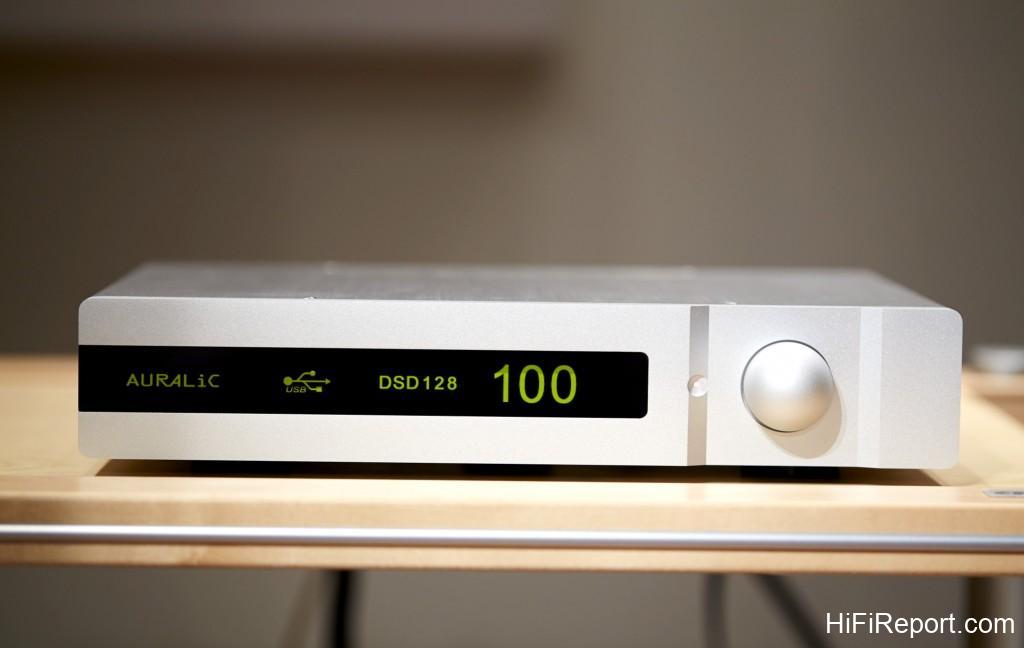
The front panel features a large volume knob and a 512*64 pixel OLED display screen.
The included USB cable is not generic, showing attention to detail. I used this cable for the listening tests.
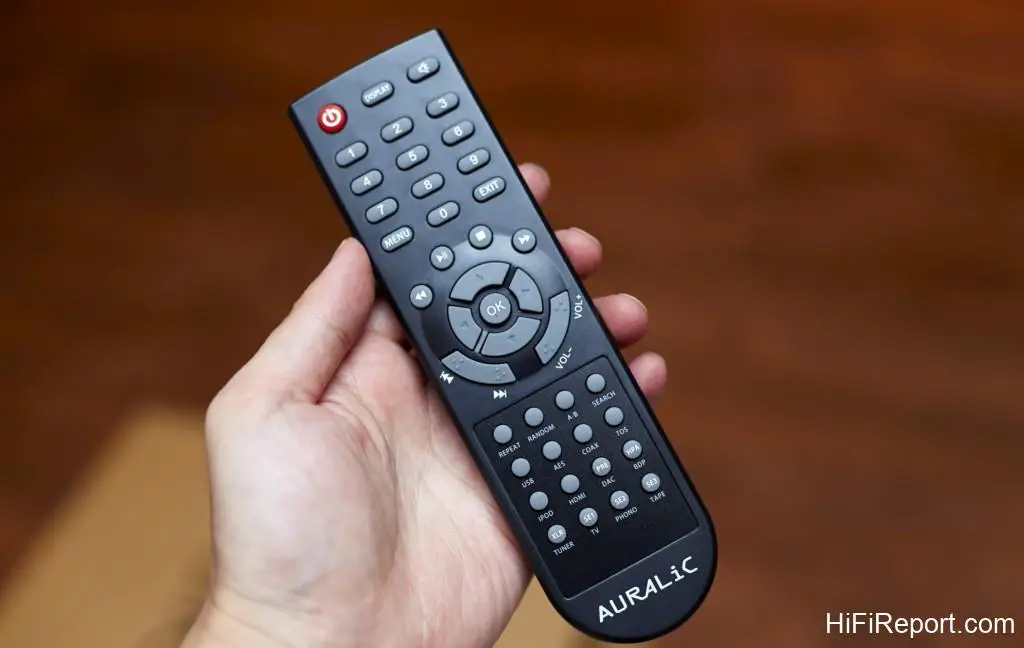
A dedicated remote control is included.
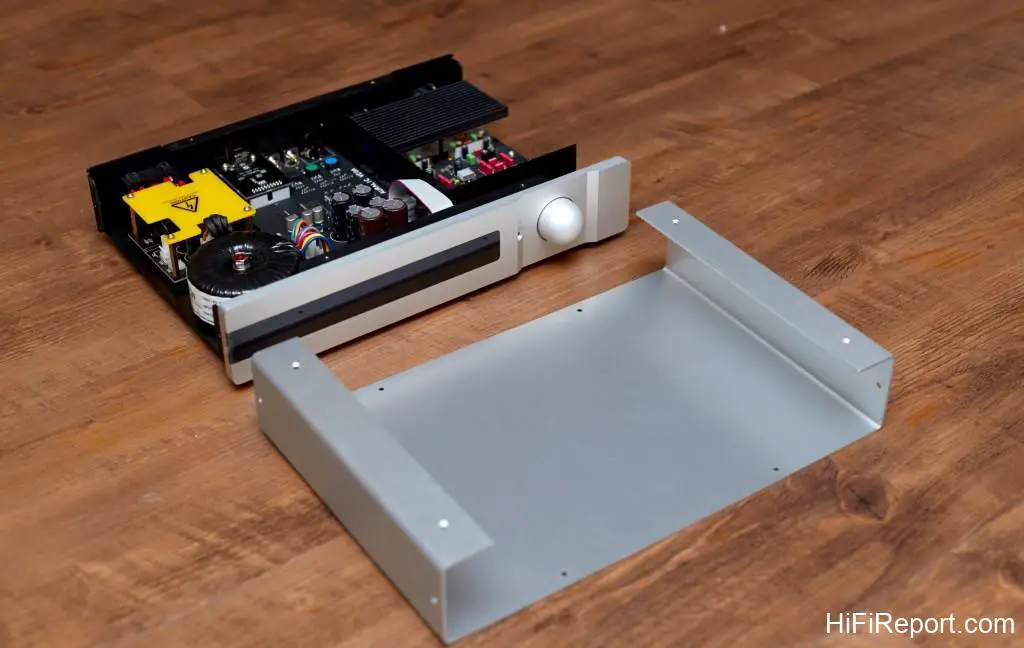
Let’s take a look inside. The screws are not made of iron but appear to be aluminum or steel. This prevents rust and ensures precise fitting and durability, which is particularly important in humid Asian climates.
The main unit is enclosed by a U-shaped top cover. AURALiC employs three key technologies: AFN402™ Metal, Alire™ Damping Vibration Reduction, and Purer-Power™ power solutions. The first two relate to the chassis and foot design. AFN402™ metal is a ferrous metal alloyed with rare elements like nickel and silicon in specific proportions. It effectively isolates external electromagnetic interference and suppresses vibrations.
Its isolation capability against normal audio frequencies is three times that of traditional chassis, and for frequencies outside the normal range, it’s more than ten times greater.
Alire™ Damping Vibration Reduction is a new type of material made by layering and compressing multiple materials with different densities and resonant frequencies. Applied to the inside of the chassis, forming a sandwich structure, it effectively suppresses vibration and alters the device’s resonant frequency.
Opening the VEGA’s top cover reveals a highly refined internal layout.
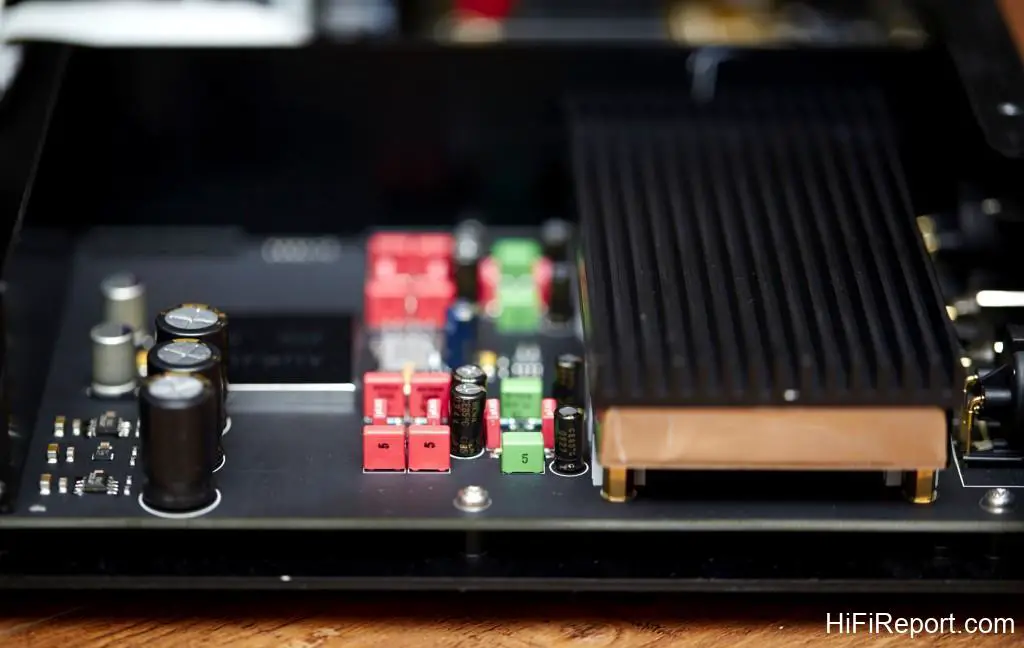
The interior is divided into three main sections: power supply on the left, digital processing in the middle, and digital-to-analog conversion on the right. Each section is shielded and isolated for enhanced performance.
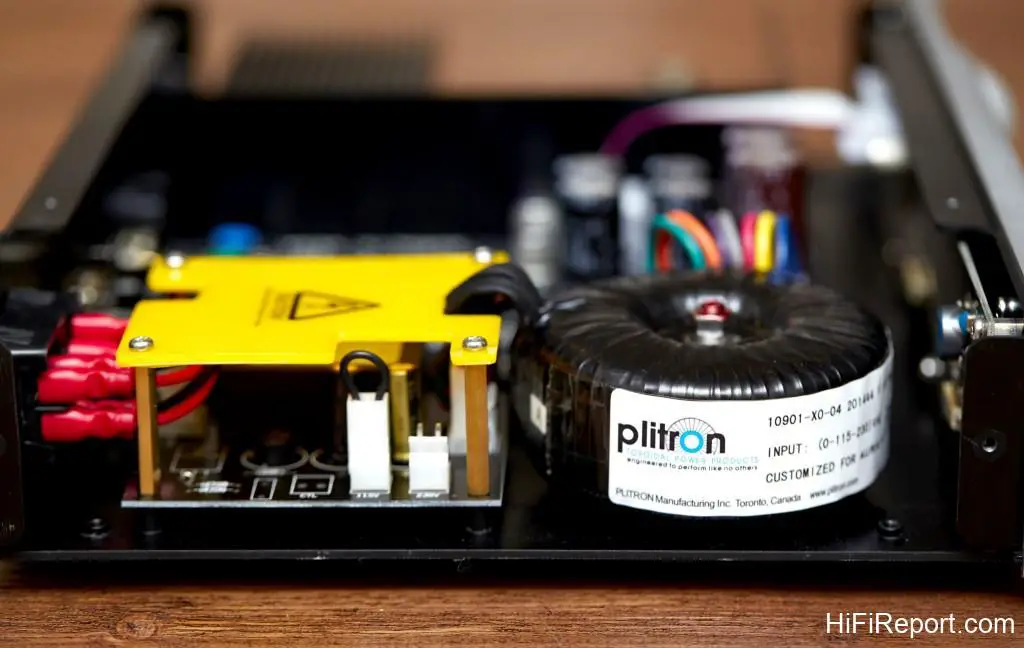
The power supply section utilizes AURALiC’s proprietary Purer-Power™ solution. Incoming power is first purified by a module providing 90dB of high-efficiency isolation against unwanted interference. It then rectifies and eliminates DC components before reaching the main transformer. This transformer, custom-designed for each product and manufactured by renowned Canadian company Plitron, is chosen for its extremely high efficiency, ultra-low internal resistance, and minimal self-vibration.
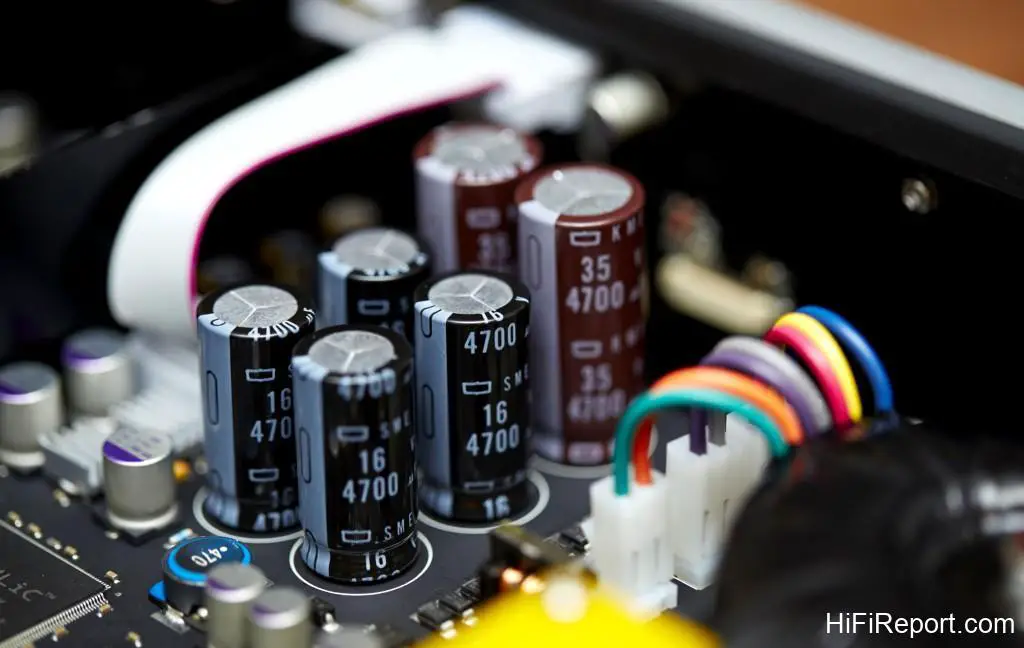
Finally, the power enters a filtering circuit and voltage regulation circuit composed of high-capacity energy storage capacitors.
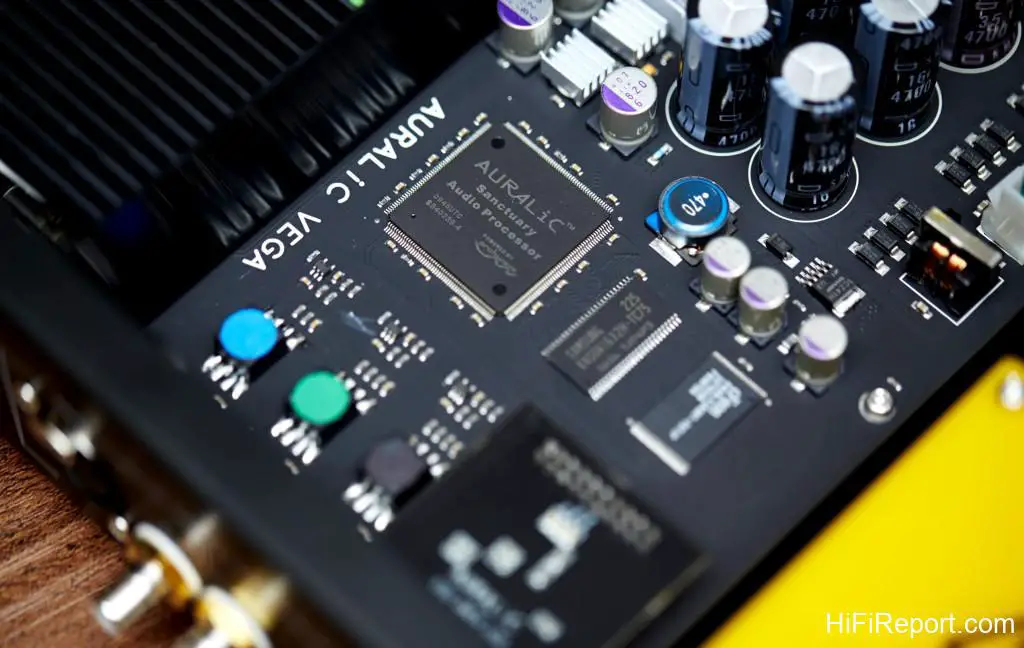
Moving to the digital processing section, the core is AURALiC’s custom-designed Sanctuary processor, capable of handling DXD formats (352.8KHz and 384KHz) and native DSD decoding (2.8224MHz, 5.6448MHz, and the latest 11.2896MHz). The VEGA also upsamples all PCM signals to 32Bit/1.5MHz. The internal FemtoSeconds master clock achieves a time base correction accuracy of within 82 femtoseconds (0.082 picoseconds).
The USB section features upgraded ActiveUSB™ technology, providing complete independent isolation for the USB portion and fully supporting the Sanctuary processor’s highest specifications.
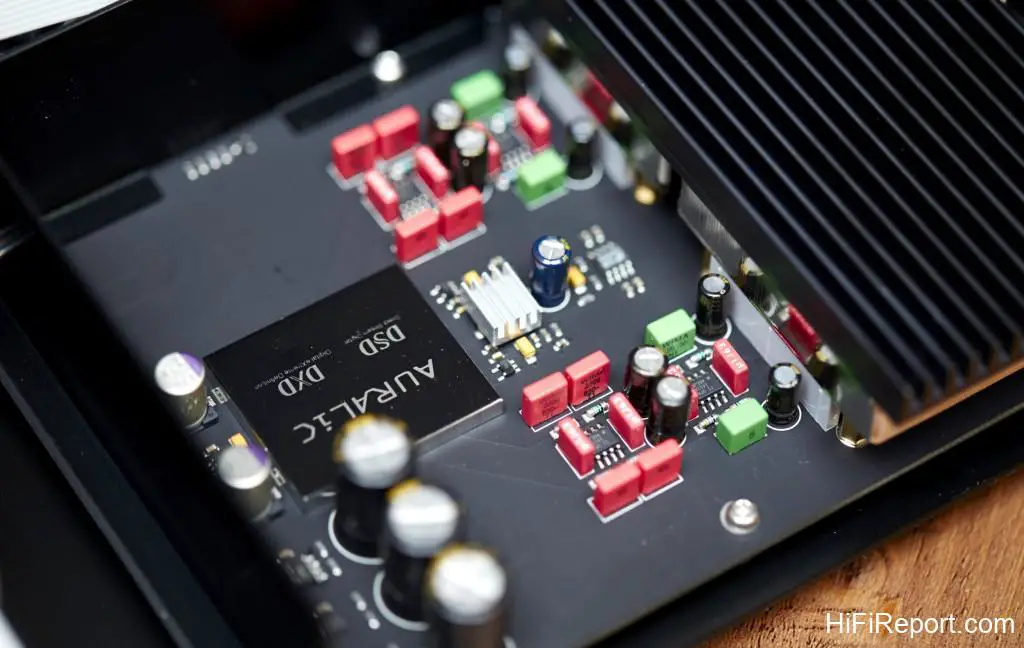
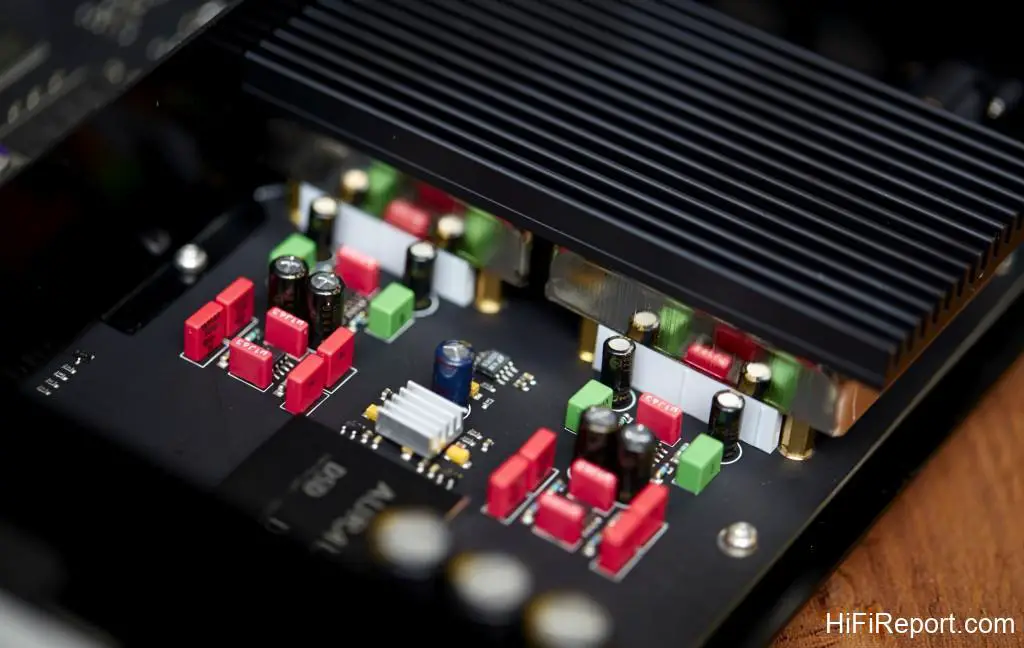
Finally, the digital-to-analog amplification section houses a processing core labeled “AURALiC DSD DXD,” along with the FemtoSeconds master clock.
The analog amplification stage is located under a heatsink and is AURALiC’s ORFEO Class-A output module.
The VEGA has many other notable features, including six digital filter modes, clock precision settings, and more, which I will introduce shortly.
After connecting the VEGA to my system, using a MAC MINI as the source and USB input for VEGA decoding, my initial listening impressions were excellent.
The VEGA delivers performance far exceeding its physical size, boasting a grand soundstage and scale, a warm and dense sonic character, and abundant detail.
It immediately captivated me for nearly two hours of continuous listening.
The manufacturer provided a photo with the heatsink removed.
This reveals the proprietary, discrete Class-A analog amplifier modules for each channel.
You can also vaguely see the chip labeled “DSD DXD” and the Femto clock, previously hidden under the metal plate beside the three capacitors.
For users playing DSD files from a computer, AURALiC thoughtfully provides operation setup instructions, available for download [link if available in original text, otherwise remove].
Software mentioned includes:
* Apple OS X 10.7 and above
* Audirvana Plus
* Pure Music
* Microsoft Windows XP/7/8 (x86 and x64)
* Foobar2000
* J.River Media Center
* Signalyst HQPlayer
I use Audirvana and followed the setup instructions.
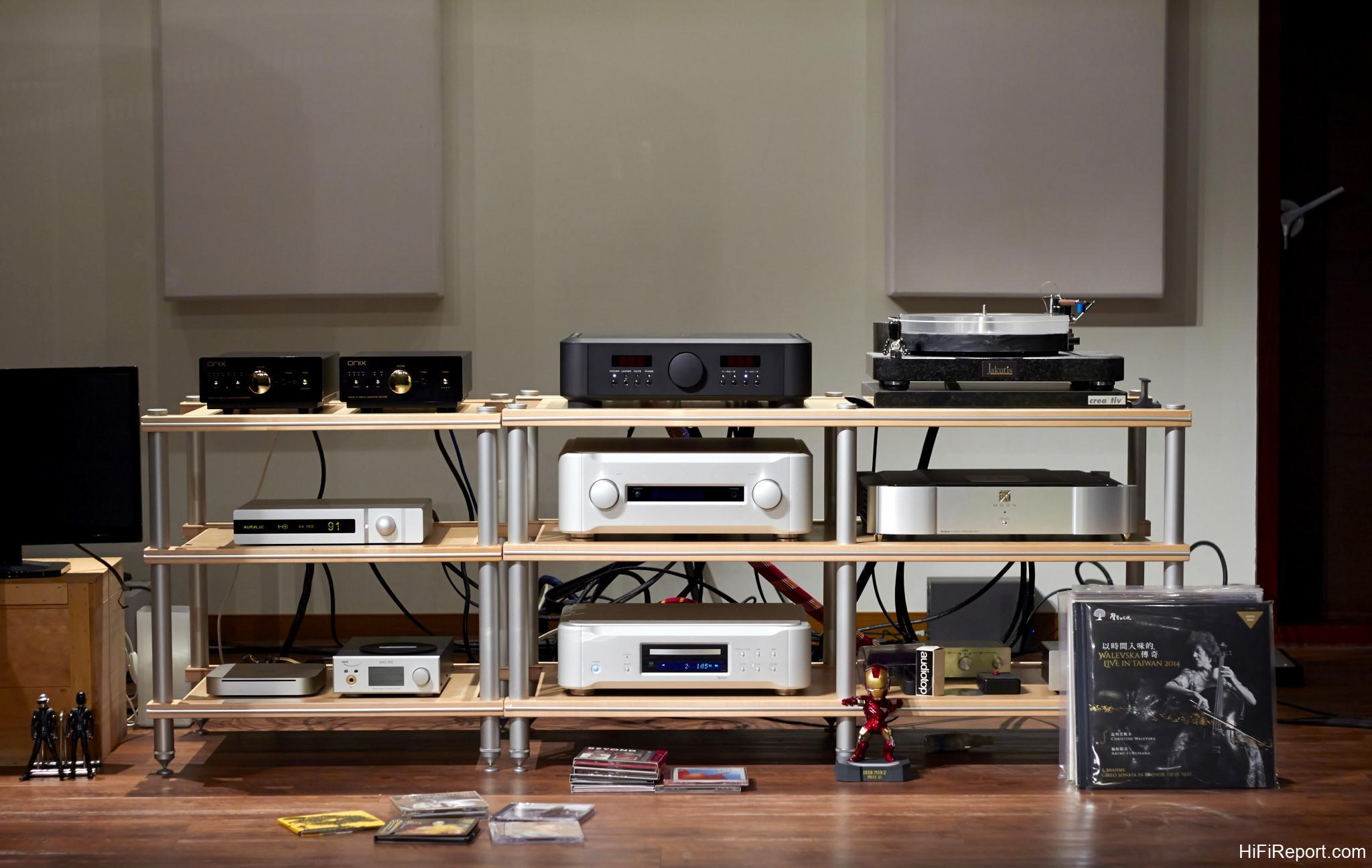
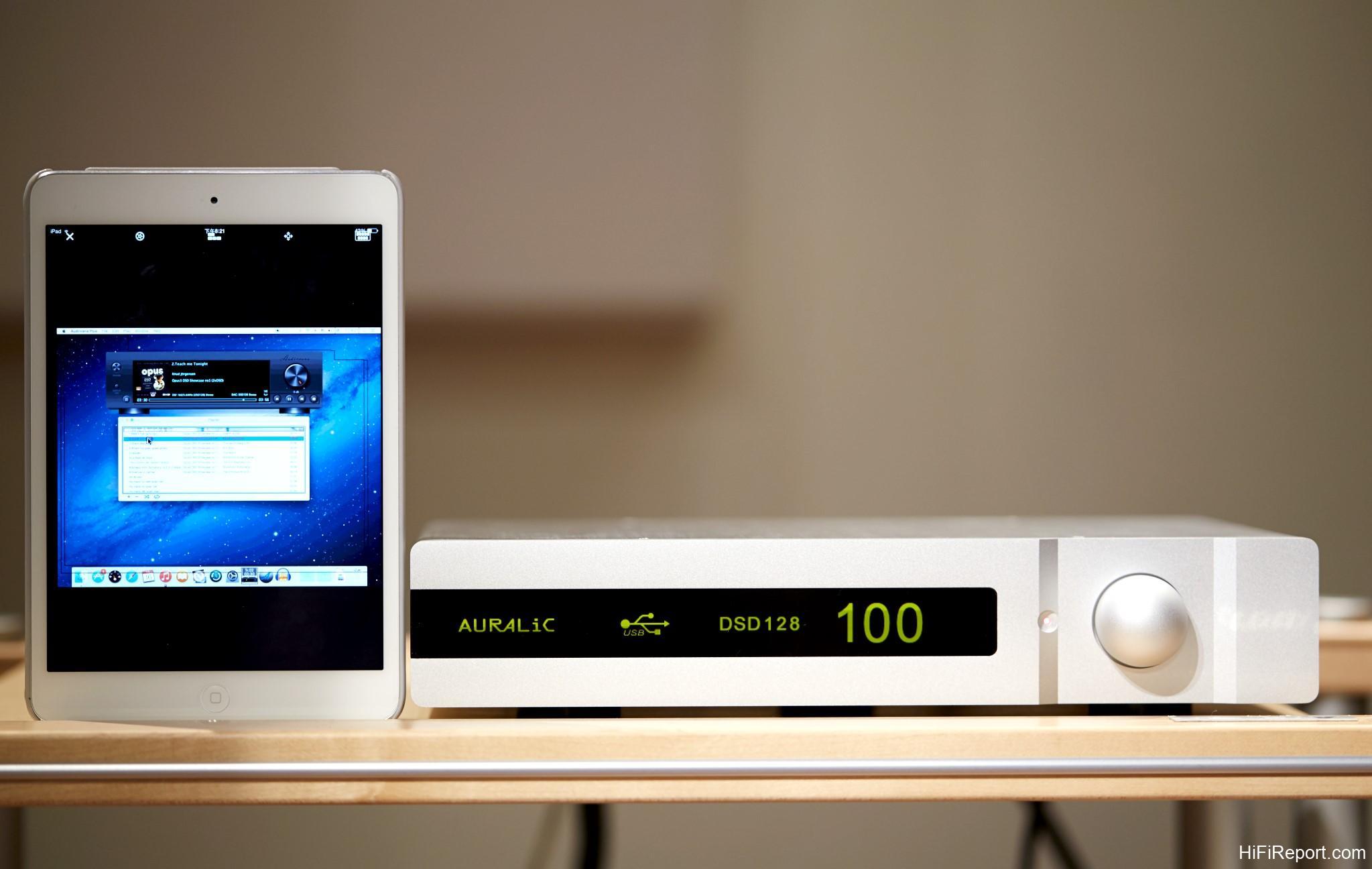
It’s been a while since I discussed my preferred CAS (Computer as Source) playback method. Some readers might be unfamiliar, so let me briefly explain. My setup has remained consistent for several years. Compared to many audiophiles pursuing ultimate CAS sound quality, I personally prioritize a balance between convenience and sonic performance: MAC MINI (with audiophile power cable) + Audirvana & Amarra + iPad (using iteleport for remote control).
I recently upgraded Audirvana to the latest version, which features a more user-friendly playlist interface.
Audirvana’s sound settings.
Amarra Symphony also sounds excellent, with a warmer and denser character. Audirvana, on the other hand, is more transparent. However, note that while Amarra can play DSD files, it converts them to PCM output, whereas Audirvana can directly output DSD.
Let’s explore some of AURALiC VEGA’s more unique features.
The included manual, while in English, is easily understandable for anyone with basic English proficiency. It contains most of the information you’ll need.
In addition to the dedicated remote control, the volume knob can be pressed to access the setup menu.
The menu screen. I won’t go through every setting but will highlight the VEGA’s more distinctive aspects.
First is the selectable Filter mode. For PCM decoding, there are four options, while DSD format offers two. This is because typical digital filters can negate the bandwidth advantages of DSD, so only two filter modes are provided to filter the ultra-high frequency band.
**PCM Decoding – 4 Filter Modes:**
* **MODE 1:** MODE 1 offers the best measured performance with a flat frequency response extending well into the treble. This mode exhibits very small in-band ripple and the best stop-band attenuation performance. MODE 1 is ideal for orchestral music playback.
* **MODE 2:** MODE 2 presents a gentler roll-off curve at high frequencies, maintaining excellent in-band and stop-band performance while slightly attenuating the highest treble. MODE 2 is best suited for light jazz, chamber music, and piano solos.
* **MODE 3:** MODE 3 is designed to minimize ‘pre-ringing’ and ‘echo’ effects, resulting in a very smooth sound. However, due to the slow roll-off at high frequencies, it might lose some treble detail for certain types of music. MODE 3 excels with vocals, jazz, and pop music.
* **MODE 4 (Default):** All filters in this mode are designed to optimize the subjective listening experience. Employing a minimum phase design, it eliminates the ‘pre-ringing’ effect, and the ‘echo’ effect is also minimized as much as possible. MODE 4 is the ‘all-around best’ option for music enjoyment.
**DSD Decoding – 2 Filter Modes:**
* **MODE 5:** This mode utilizes a higher corner frequency to maintain a flat frequency response that extends well into the ultrasonic range.
* **MODE 6 (Default):** This mode employs a lower corner frequency to eliminate as much ultrasonic noise as possible, which is inherent in DSD streams.
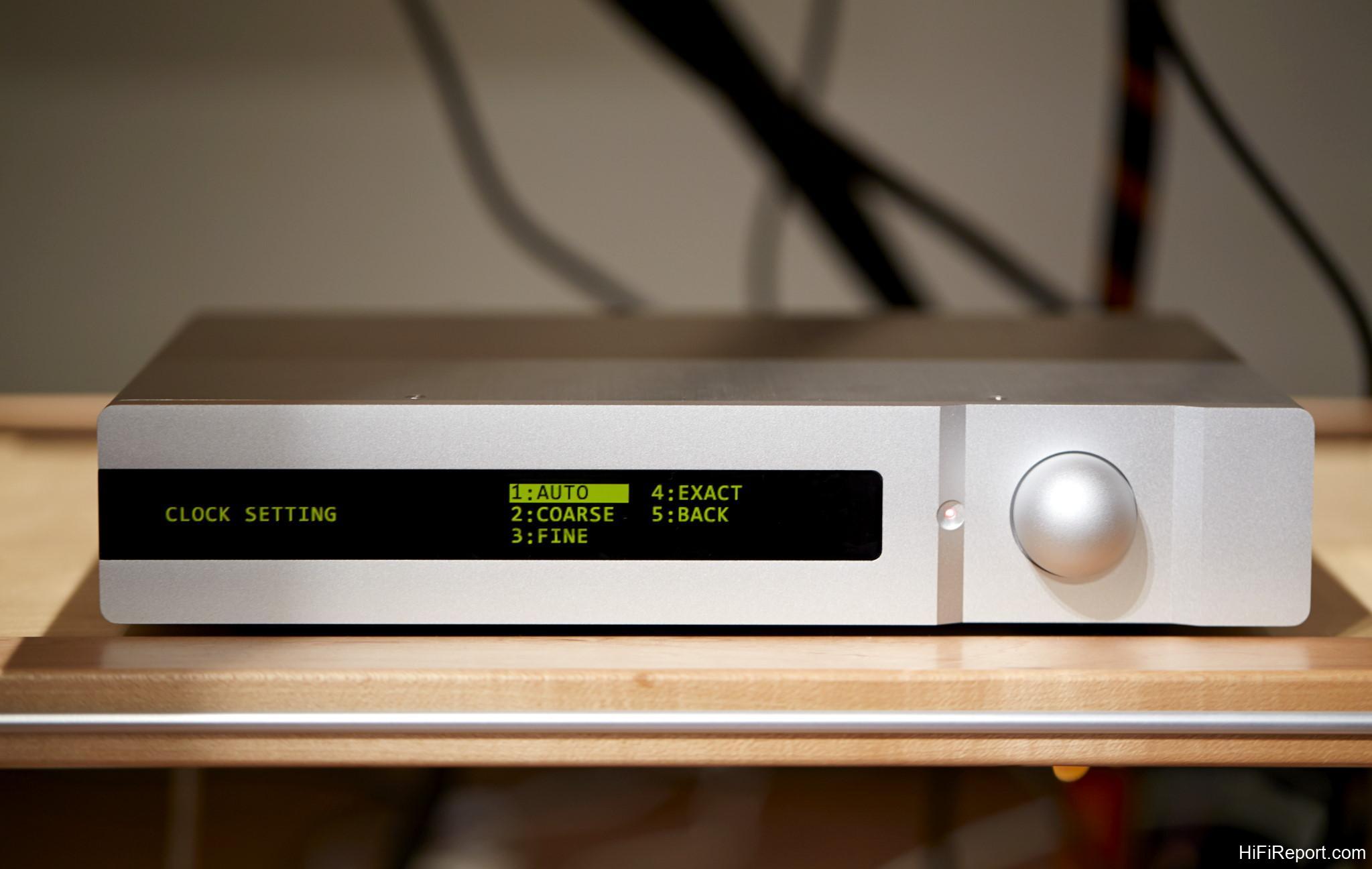
VEGA offers a very unusual feature: clock settings, with four modes: AUTO, COARSE, FINE, and EXACT.
Under normal circumstances, AUTO (automatic) mode is recommended, striking a balance between sound quality and clock locking stability.
VEGA’s information display has a unique feature: it shows the usage hours. This is quite interesting, primarily to inform users about the usage time and estimate burn-in duration. However, it also functions like a car’s odometer, providing a clear indication of how long the unit has been used if you decide to sell it in the future.
To quickly assess the VEGA’s sonic characteristics, I used a CD player as a source, feeding its digital output to the VEGA for decoding and comparing it to the CD player’s direct analog output.
The CD player’s analog output and VEGA’s analog output were connected to separate inputs on the amplifier, allowing for direct A/B comparison by simply switching inputs with the remote.
The output levels differed slightly, with VEGA being a bit louder. I adjusted the VEGA’s volume to 90 to match levels. This is an important consideration in A/B testing.
Ideally, a sound pressure level meter should be used for accurate level matching to ensure a fair comparison.
I listened to several CDs of different genres.
I also experimented with VEGA’s filter modes. MODE 2 sounded particularly beautiful in the high frequencies, with more harmonics. MODE 3 offered more bass quantity and a dynamic, grounded feel. However, MODE 4 was the most balanced overall. The filter modes can be used to fine-tune the sound to personal preference.
DSD 64 and DSD 128 are no longer novel, but VEGA’s latest software upgrade enables DSD 256 decoding. I hadn’t tested DSD 256 before, and there are likely very few DSD 256 files available. However, they do exist, and some are even free. By visiting the nativedsd website, you can download various format samples, including DSD 256, which I used for this test.
A single DSD 256 song can be almost 500MB, and some are even 1GB. I was worried my aging MAC MINI might struggle!
VEGA Specifications
* Frequency Response: 20 – 20KHz, +/- 0.1dB
* THD+N: <0.00015%, 20Hz-20KHz at 0dBFS * Dynamic Range: 130dB, 20Hz-20KHz, A-weighted * Digital Inputs: * 1 x AES/EBU * 2 x Coaxial * 1 x Toslink * 1 x USB 2.0 buffered by ActiveUSB™ * Analog Outputs: * 1 x Balanced XLR (output impedance 4.7ohm) * 1 x Single-ended RCA (output impedance 50ohm) * Supported Digital Formats: * All PCM from 44.1KS/s to 384KS/s in 32Bit * DSD64, DSD128, DSD256 * Output Voltage: 4Vrms at Max. with dynamic-loss-free digital volume * User Interface: * AURALiC RC-1 remote control * 512*64 pixels OLED Display * Power Consumption * Standby: <2W * Sleep: <10W * Playback: 15W at max. * Dimension: 11”W x 9”D x 2.6”H (33cm x 23cm x 6.5cm) * Weight: 7.5 pounds (3.4kg)