
Wharfedale Dovedale 90th Anniversary Classic Review
It’s a bit of an admission to make, but in the two decades of MY-HiEND’s existence, this marks our inaugural review of Wharfedale loudspeakers. Yet, beginnings are always welcome, especially one as promising as this. Thanks to the kind arrangement by local distributors, , we have the distinct pleasure of evaluating the Wharfedale Dovedale bookshelf speakers.
These speakers are not just any model; they are a significant representation, launched to commemorate Wharfedale’s remarkable 90th anniversary. The Dovedale encapsulates the very essence of Wharfedale’s rich history and cutting-edge technology. This venture into recreating classic speakers is not uncharted territory for Wharfedale. Prior celebrations saw the release of the Denton bookshelf speakers for the 80th anniversary, and the Denton 85 and Linton bookshelf speakers for the 85th.
Each of these reissues resonated profoundly with the market. The Dovedale currently sits at the pinnacle of the Heritage classic reissue series. Its lineage traces back to the Dovedale 3 of 1971, a substantial three-way bookshelf design, with earlier roots extending to the W2 of 1959 and the W2/Dovedale of 1965.
Wharfedale’s story began in 1932, founded by Mr. Gilbert Briggs in a quaint town nestled by the River Wharfe in Yorkshire, England—hence, the name Wharfedale. Gilbert’s mission was singular: to engineer and manufacture loudspeakers that would reproduce music with unwavering fidelity. His relentless pursuit of innovation led Wharfedale to numerous groundbreaking achievements, notably the introduction of the world’s first domestic two-way loudspeaker in 1947.
Back then, two-way designs were the exclusive domain of cinemas. Gilbert also documented his extensive research in a series of influential books on loudspeaker technology. His inaugural book, “Loudspeakers: The Why and How of Good Reproduction,” published in 1948, became an instant success, with the first edition selling out within five months. Another significant episode in Gilbert’s career was his partnership with fellow British audio pioneers, Quad.
In a remarkable demonstration of audio fidelity, Wharfedale loudspeakers were paired with Quad amplifiers for live music recording and playback events at prestigious venues like the Royal Festival Hall in London and Carnegie Hall in New York. This pioneering approach allowed audiences to experience reproduced sound in a truly direct and realistic manner, catapulting both Wharfedale and Quad to new heights of recognition.
Today, Wharfedale’s headquarters and primary production facilities are situated in Huntingdon, Cambridgeshire, spanning a substantial 25,000 square feet.
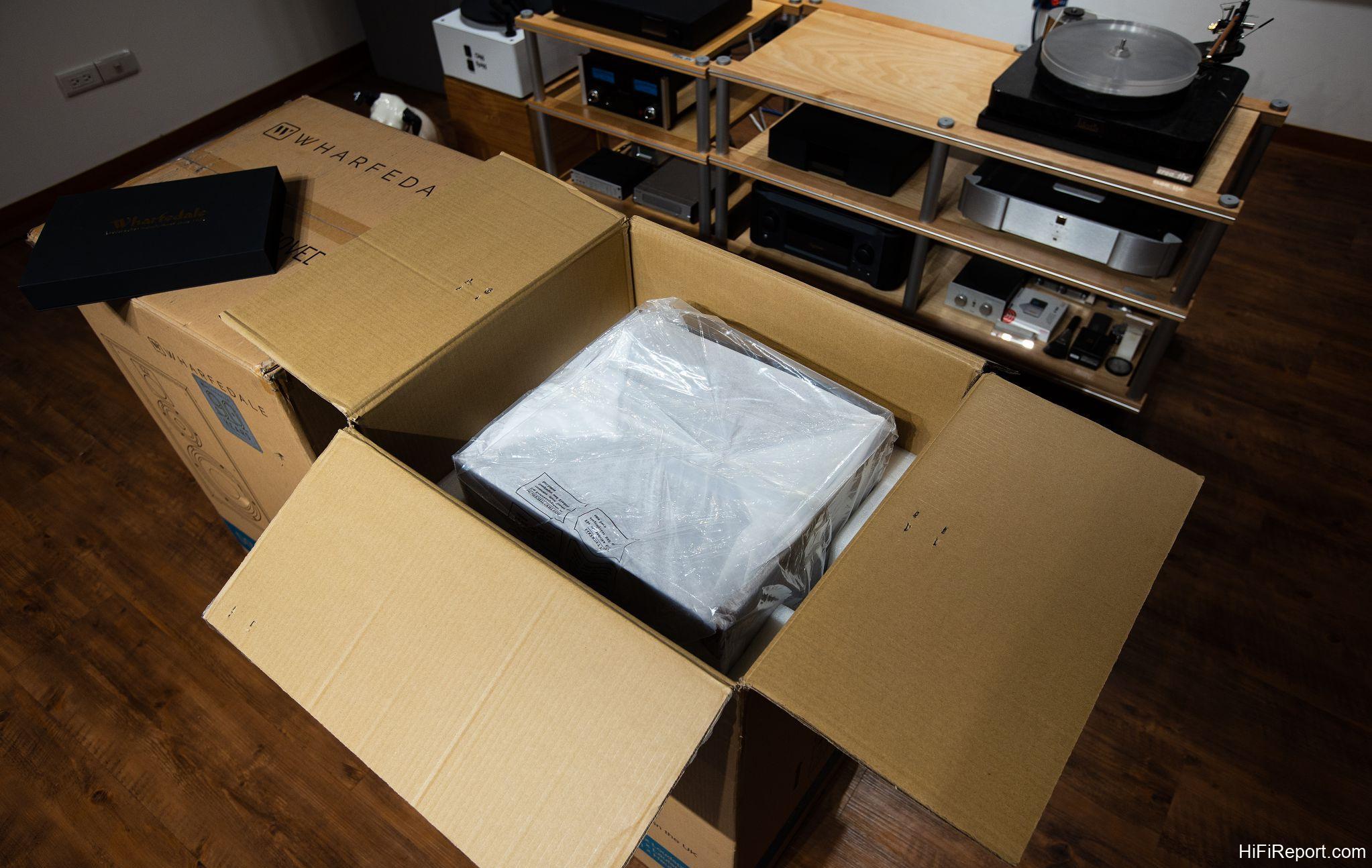
Dovedale Unboxing and Design Philosophy
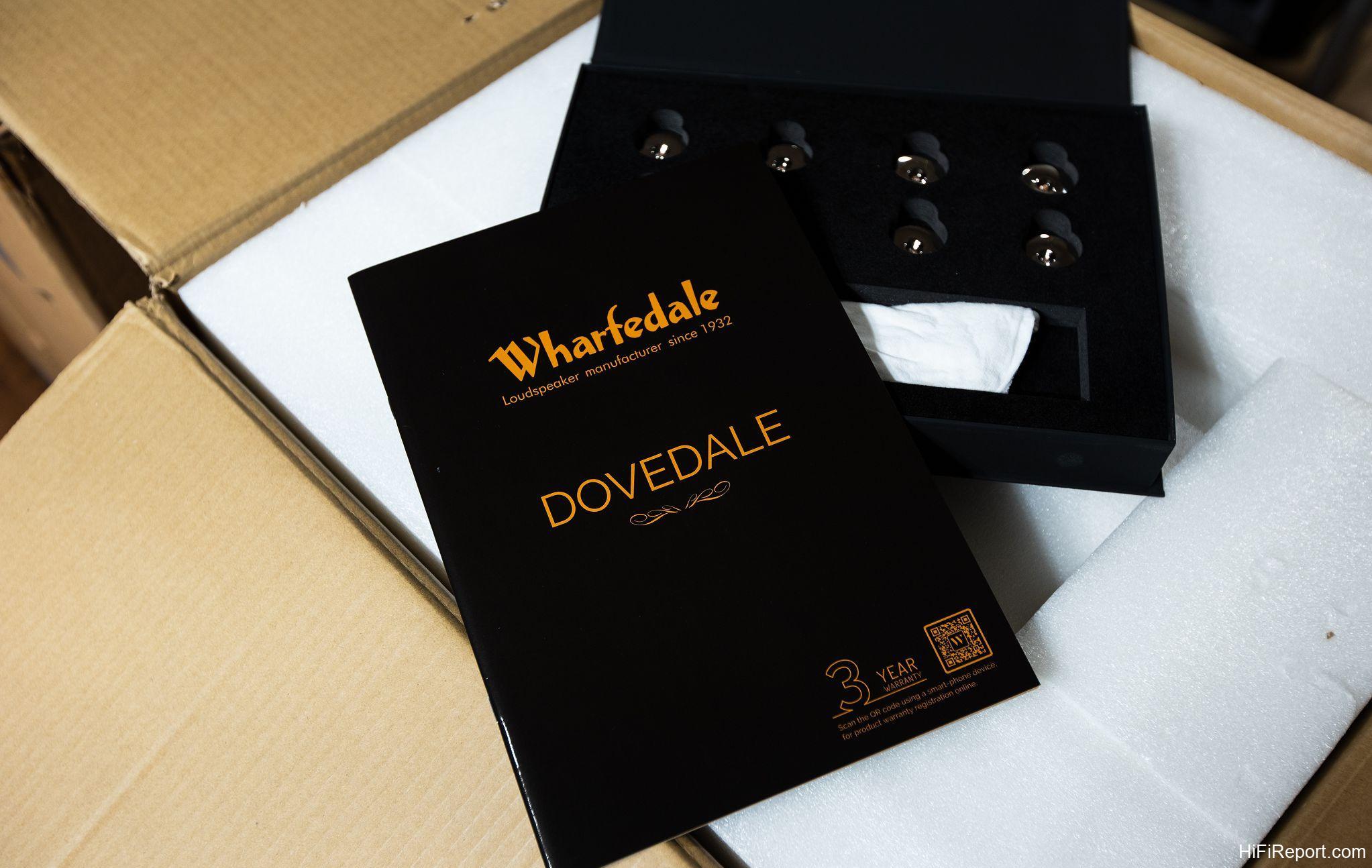
The Dovedale comes with a beautifully printed manual, featuring an introduction to Wharfedale and chief acoustic designer Peter Comeau’s explanation of the Dovedale design philosophy. Peter Comeau founded the renowned British loudspeaker company Heybrook Hi-Fi in 1979. His designs, the HB1 and HB2 loudspeakers, garnered numerous awards.
After Mission became part of the IAG group, Peter’s significant position and experience naturally led him to take on the responsibility of acoustic design for all brands under the IAG group, which of course includes Wharfedale.
Accessories and Stand
The accessory box includes the manual, along with speaker spikes and a pair of gloves. The spikes are intended for installation beneath the dedicated Dovedale speaker stands.
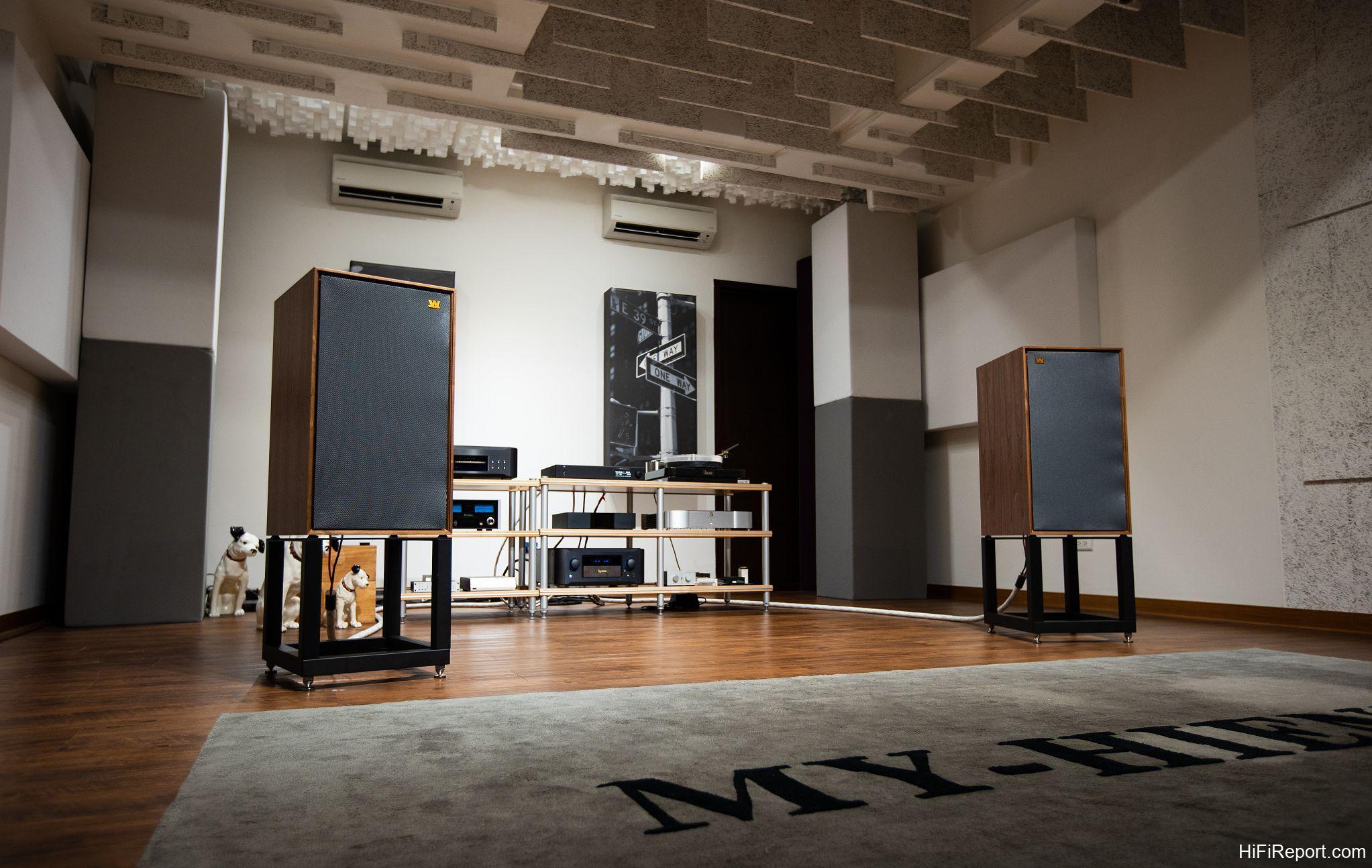
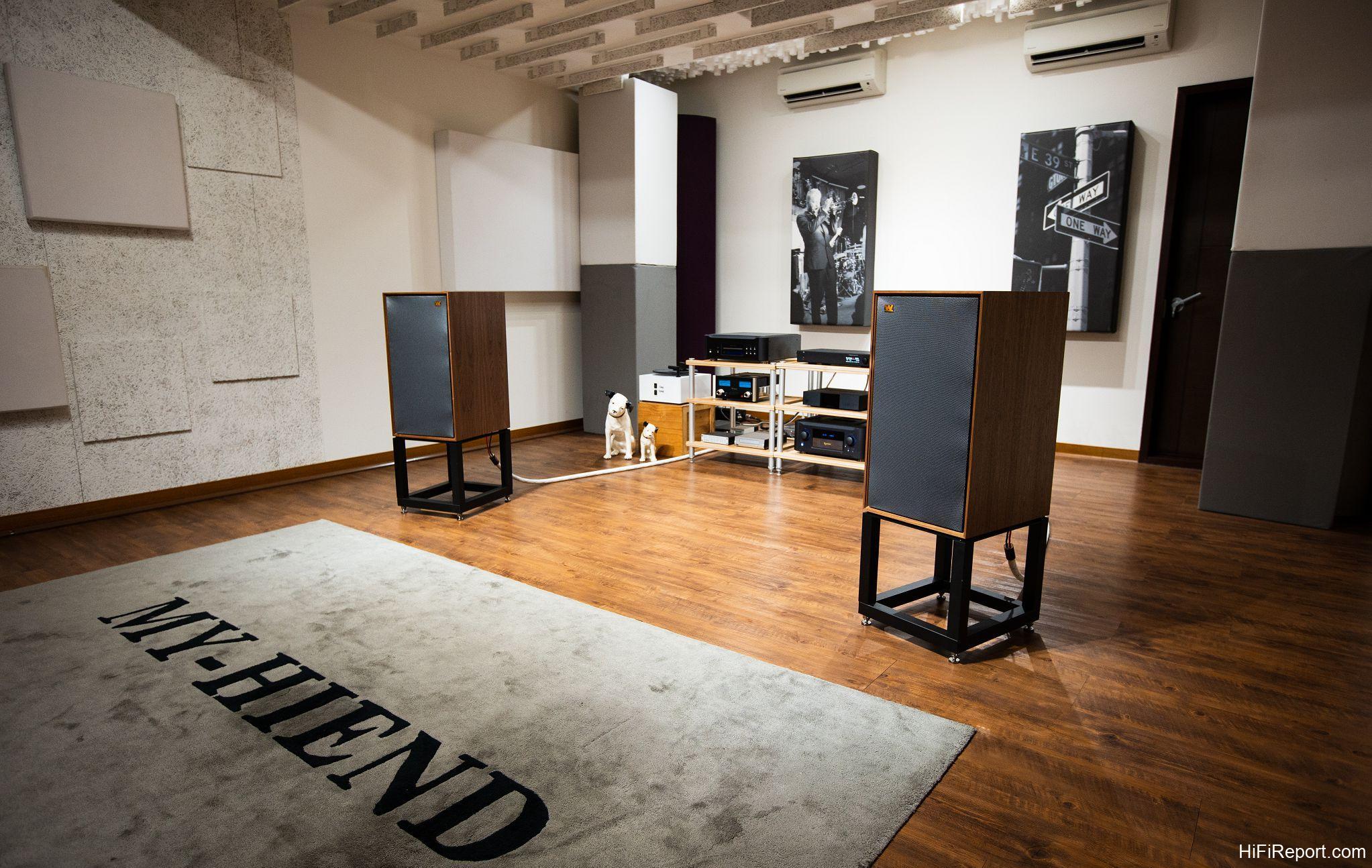
The Dovedale exudes a strong vintage charm, evoking a sense of historical nostalgia. Both the Dovedale loudspeakers themselves and their stands are designed and manufactured in the UK. While the stands are optional, if space permits, they are highly recommended. Designed personally by Peter Comeau, these stands are custom-built for the Dovedale.

They are constructed from robust British carbon steel, internally filled with high-quality damping material, and feature stainless steel spikes at the base.
Peter Comeau’s Design Inspiration
Peter Comeau’s first pair of Dovedales was a DIY project, assembling drive units, crossovers, and damping materials purchased from Wharfedale into his own cabinet design. This was a common practice in that era. To this day, that original pair of Dovedales remains one of Peter’s favorite speakers. Years later, the opportunity to redesign these speakers was naturally of profound significance to him. Peter was the ideal choice to bring the Dovedale back to life.
Fueled by his passion for the Dovedale and leveraging the latest technologies, he aimed to create the perfect, ideal Dovedale. The original Dovedale was not conceived as a large speaker. Therefore, to reproduce deeper, more impactful bass and achieve higher efficiency, the new Dovedale’s cabinet dimensions are considerably larger than the original.
Peter’s design goal was for the Dovedale to reach down to at least 40Hz, covering the low-frequency range of most musical instruments without the need for a subwoofer, making it a speaker capable of full-range reproduction. The Dovedale achieves a low-frequency extension of 36Hz at -3dB and an even deeper 25Hz at -6dB.
Internal Structure and Components
The Dovedale’s cabinet structure diagram reveals a three-way, three-driver design. It features a sandwich-structured cabinet and internal bracing engineered for minimal resonance. The crossovers for the low-frequency and mid-high frequency sections are separated to reduce electromagnetic interference. The specialized chamber behind each driver has been acoustically considered and uses specific acoustic fiber for tuning, ensuring precise driver performance and sound reproduction.
Rear Panel and Connections
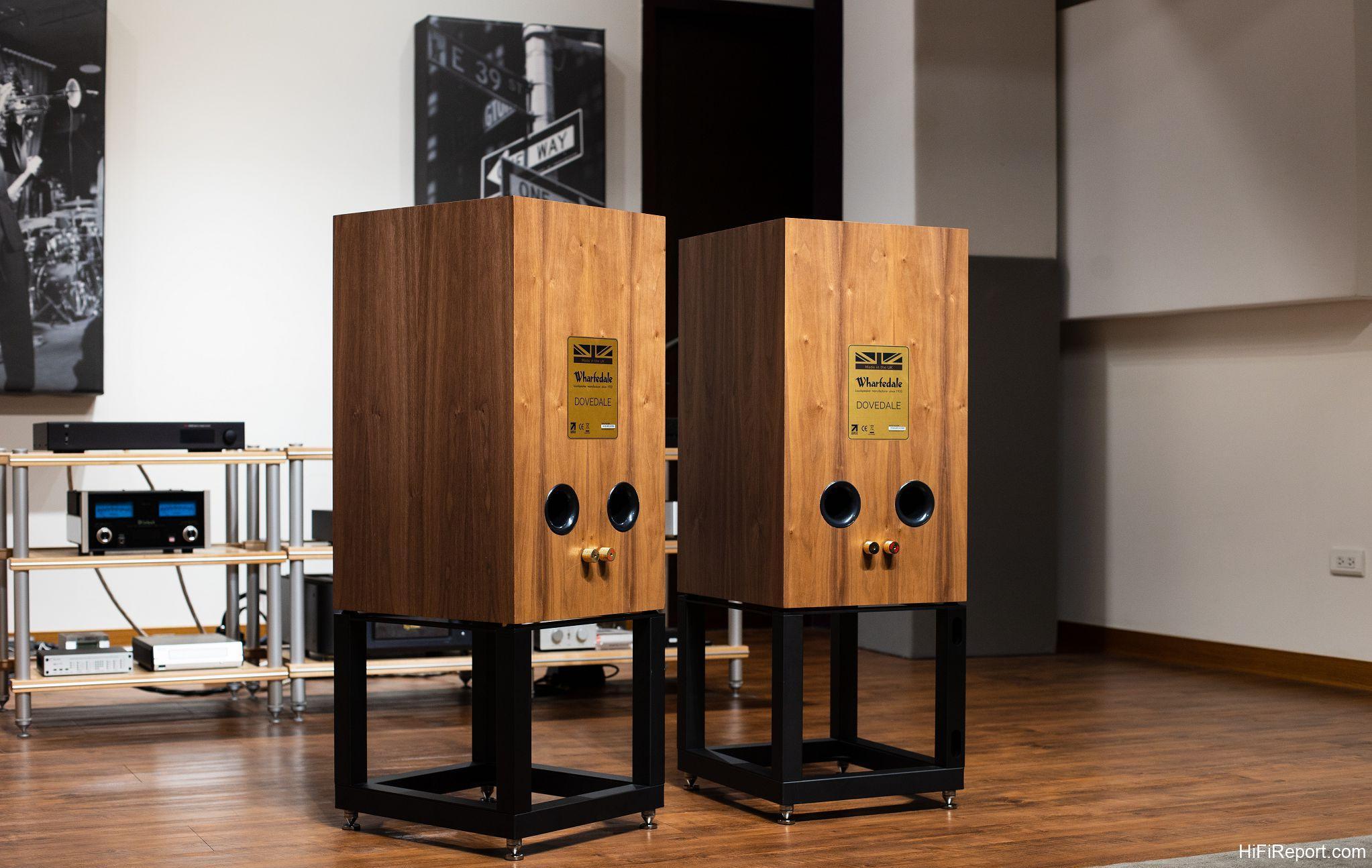
The rear of the Dovedale features dual bass-reflex ports, a single-wire connection design, and speaker terminals embossed with the Wharfedale logo. A dedicated (nameplate) proudly declares “Made in the UK”.
Driver Technology
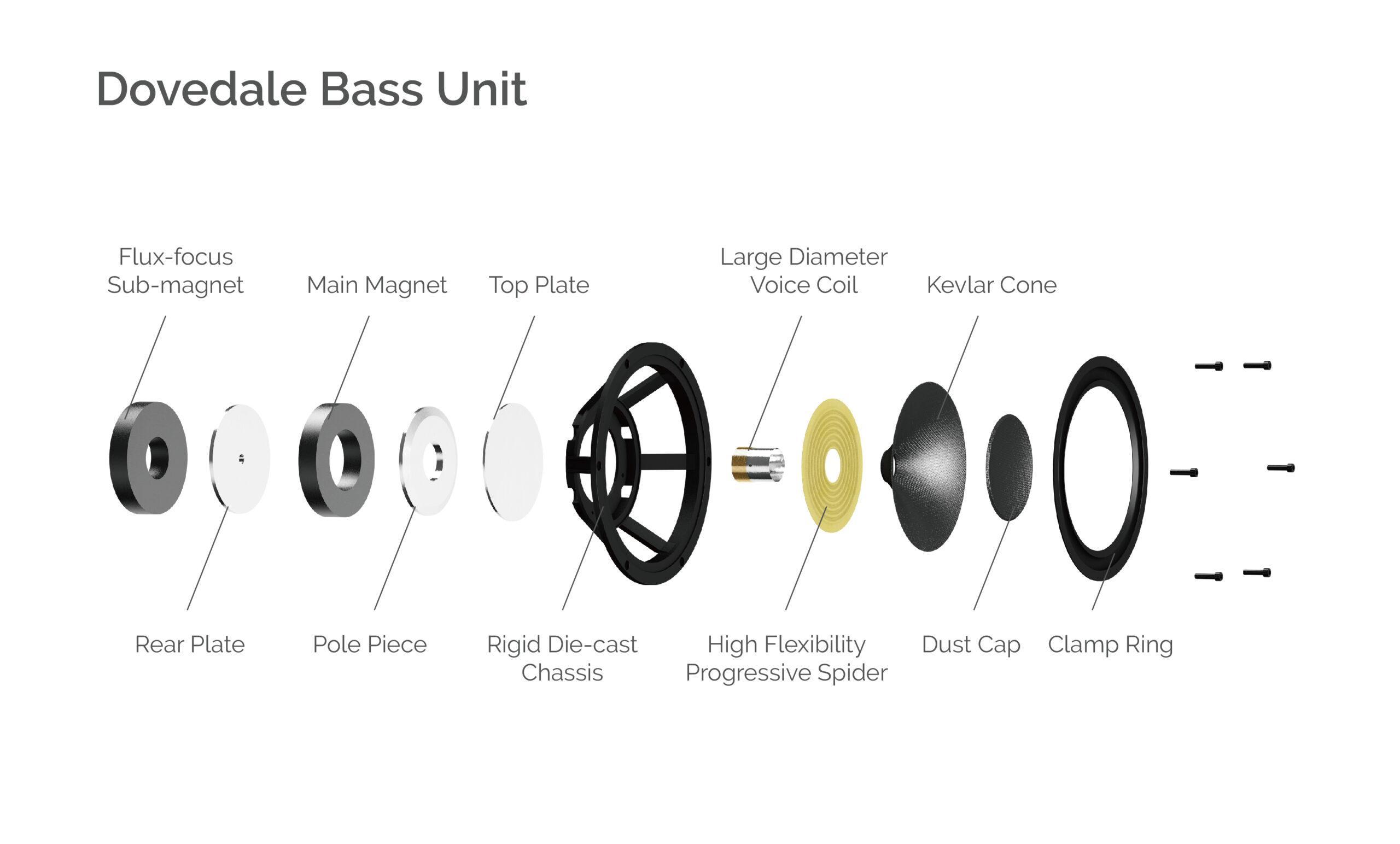
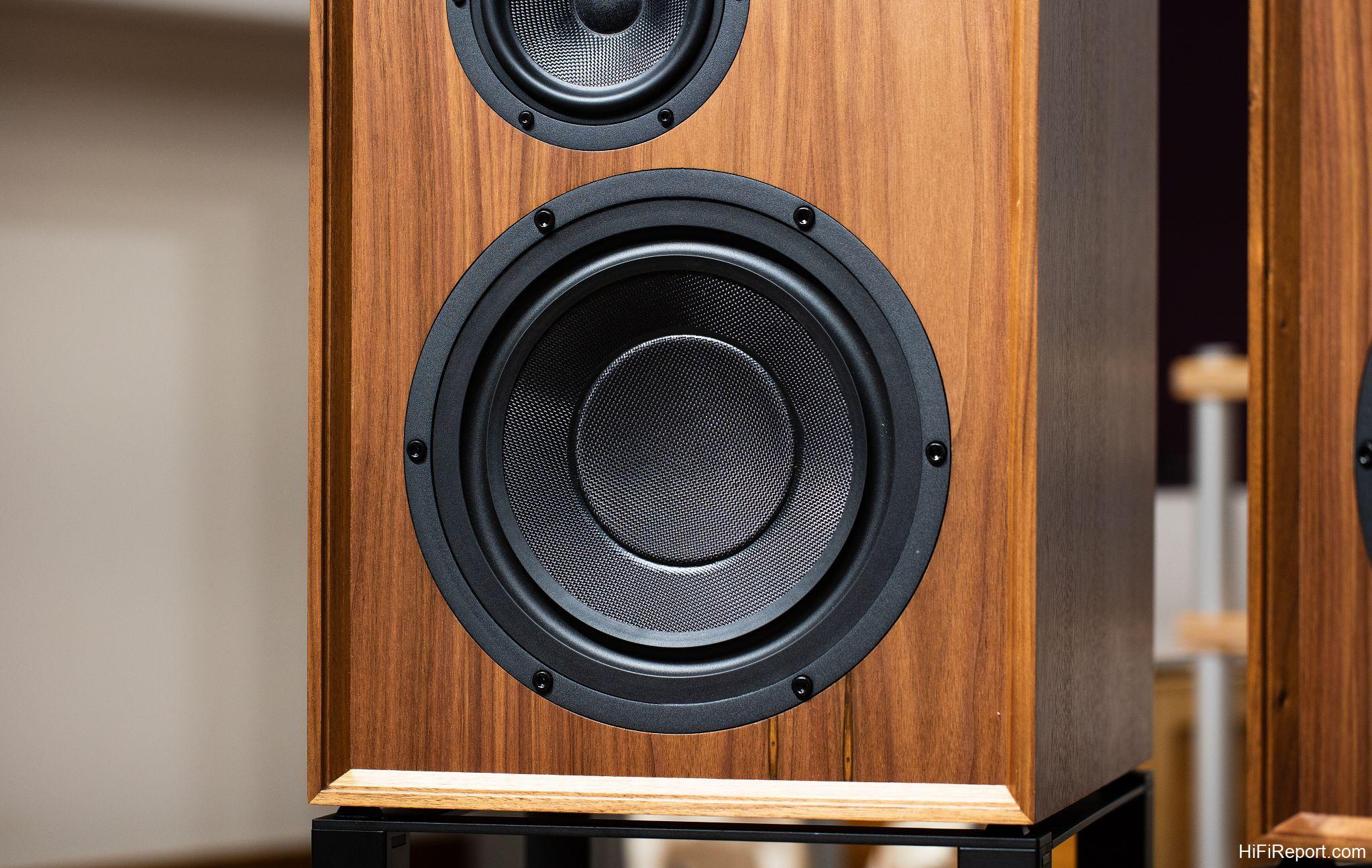
The Dovedale employs a 1″ silk dome tweeter, a 5″ woven Kevlar cone midrange, and a 10″ woven Kevlar cone bass driver. The use of woven Kevlar allows the diaphragms to be both lightweight and rigid, avoiding the potential for harshness and frequency peaks associated with metal diaphragms like aluminum. The 1″ tweeter is shared across the Heritage series.
It specifically uses a ferrite magnet rather than a neodymium magnet because Peter Comeau found that ferrite magnets offer a smoother sonic performance.
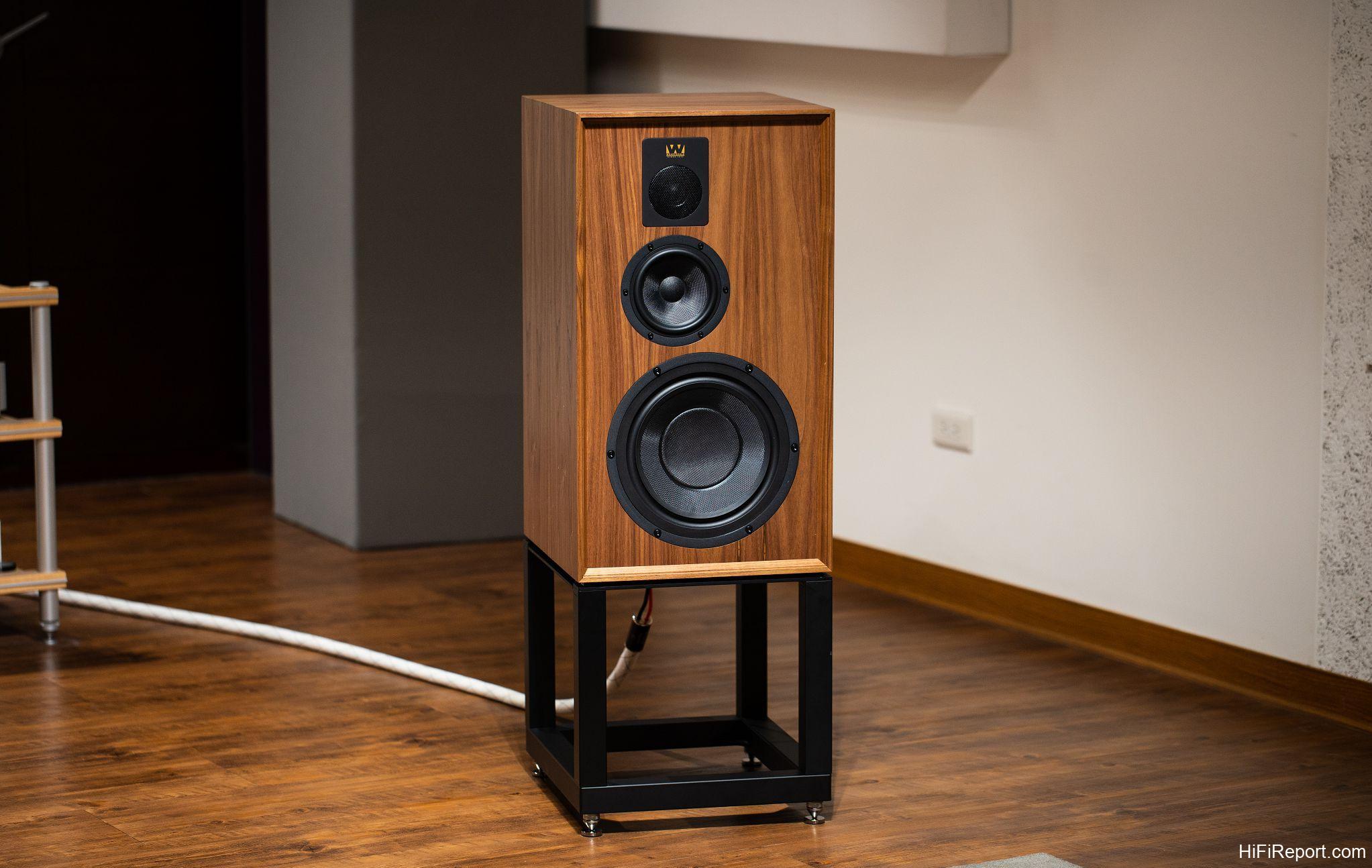
Grille Design
The Dovedale’s grille is an integral part of its acoustic design. Therefore, it is recommended to listen with the grilles on to achieve a smoother frequency response and more precise imaging. Audiophiles often prefer listening without grilles, primarily because the grilles of many speakers are not considered in the sound design and serve merely as protection. However, when listening to the Dovedale, remember to try listening with the grilles on to experience the intended sound.
Old Soul, New Life
For many veteran audiophiles, Wharfedale once held significant weight in the market. Established in 1932, the brand has witnessed the audio industry’s evolution from traditional to modern, playing an active role throughout. Founded in the UK by Gilbert Briggs, the brand successfully made a name for itself through innovative technology and launched many classic products.
After changing ownership several times since 1958, Wharfedale is now part of the Chinese IAG (International Audio Group), which owns several world-renowned audio brands. However, the Wharfedale brand headquarters in Cambridge, UK, continues to operate, focusing on design and manufacturing. The newly reviewed Wharfedale Dovedale is produced in the UK, aiming to evoke fond memories of the past for seasoned audiophiles.
British-Made Classic Reincarnation
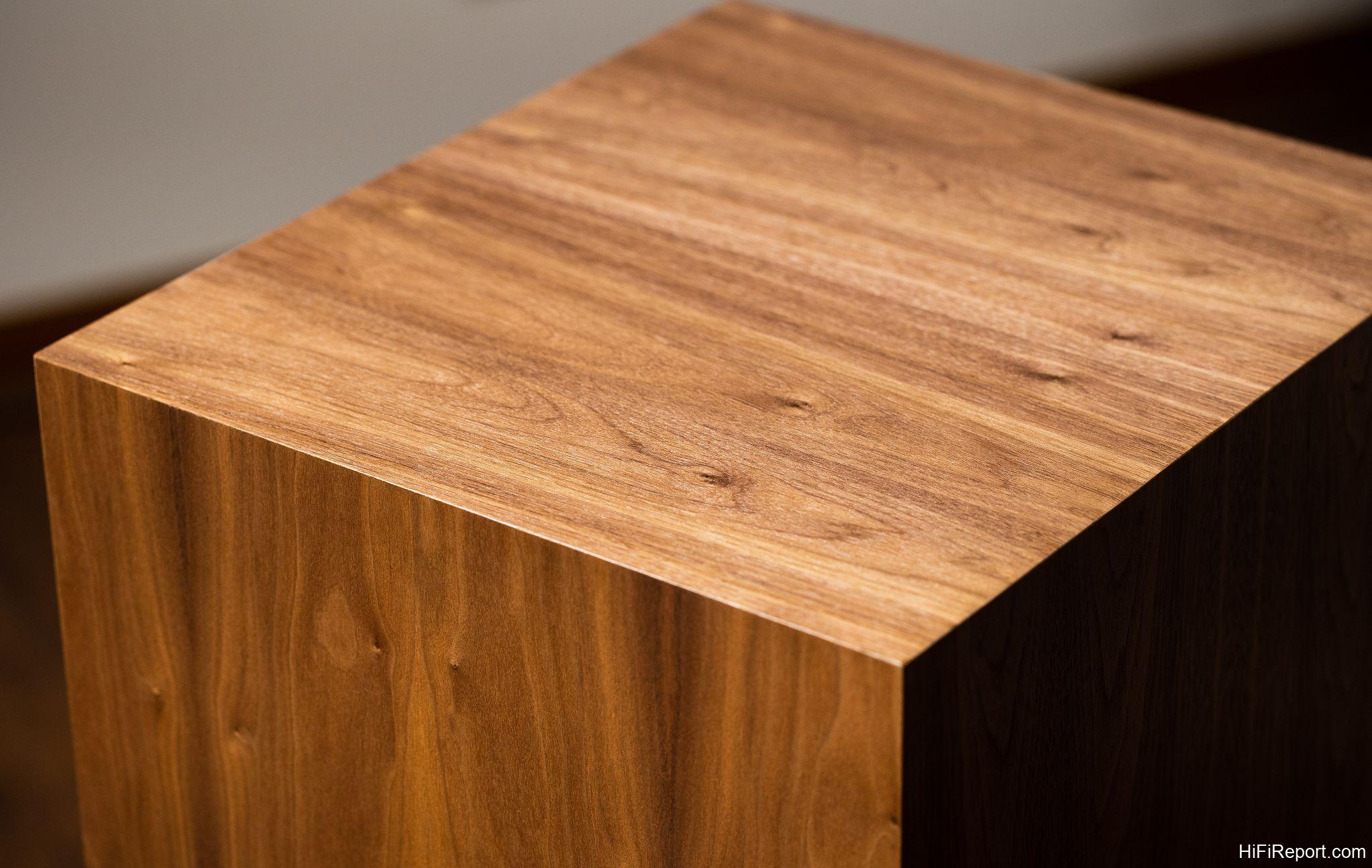
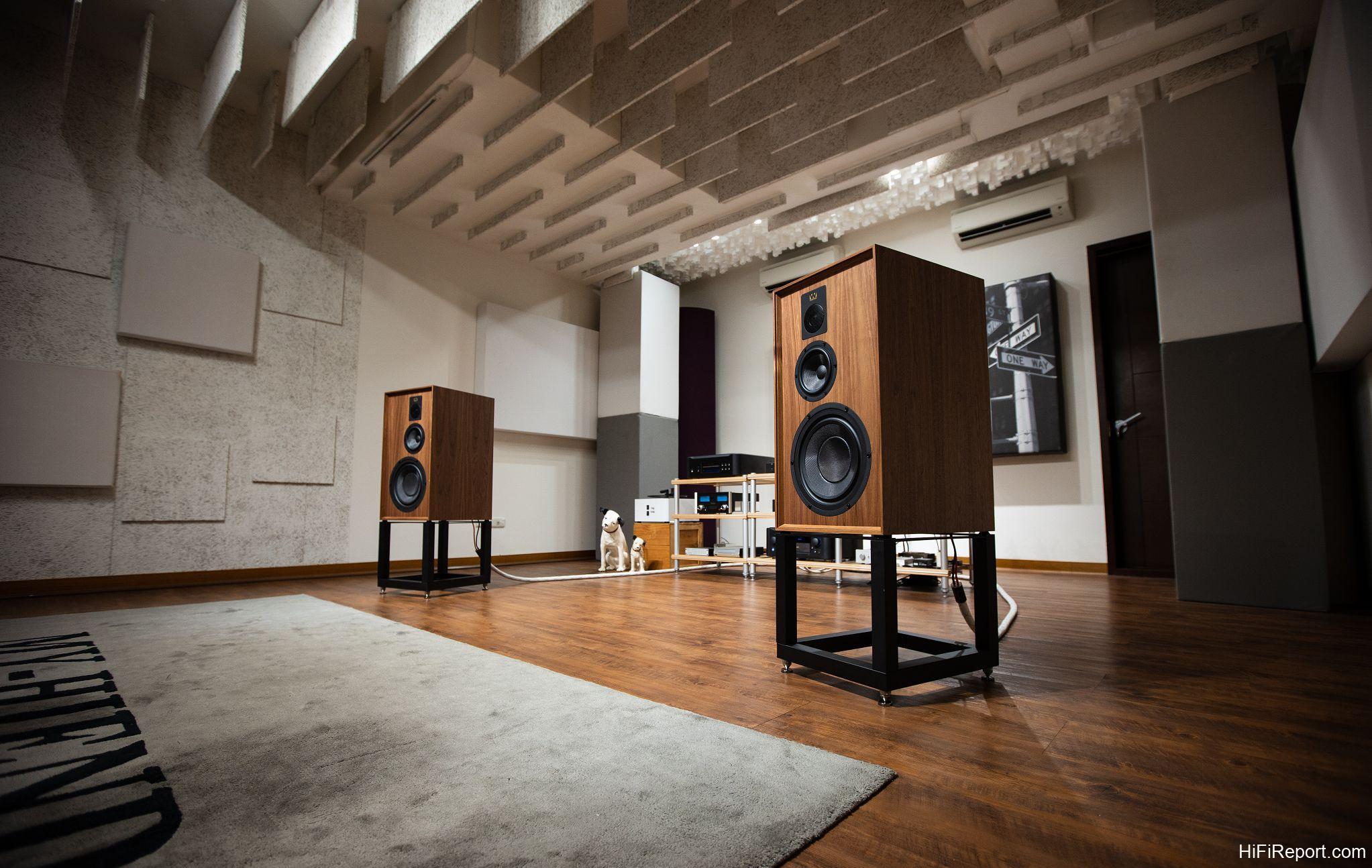
The Dovedale are large bookshelf speakers, and they come with optional dedicated stands, also made in the UK. The stand’s build quality is excellent and worth purchasing. Its width and depth perfectly match the speaker cabinet, creating a seamless aesthetic. The Dovedale’s appearance is exceptionally well-executed. The design lines are simple and clean, maintaining a retro aesthetic while retaining distinctive features.
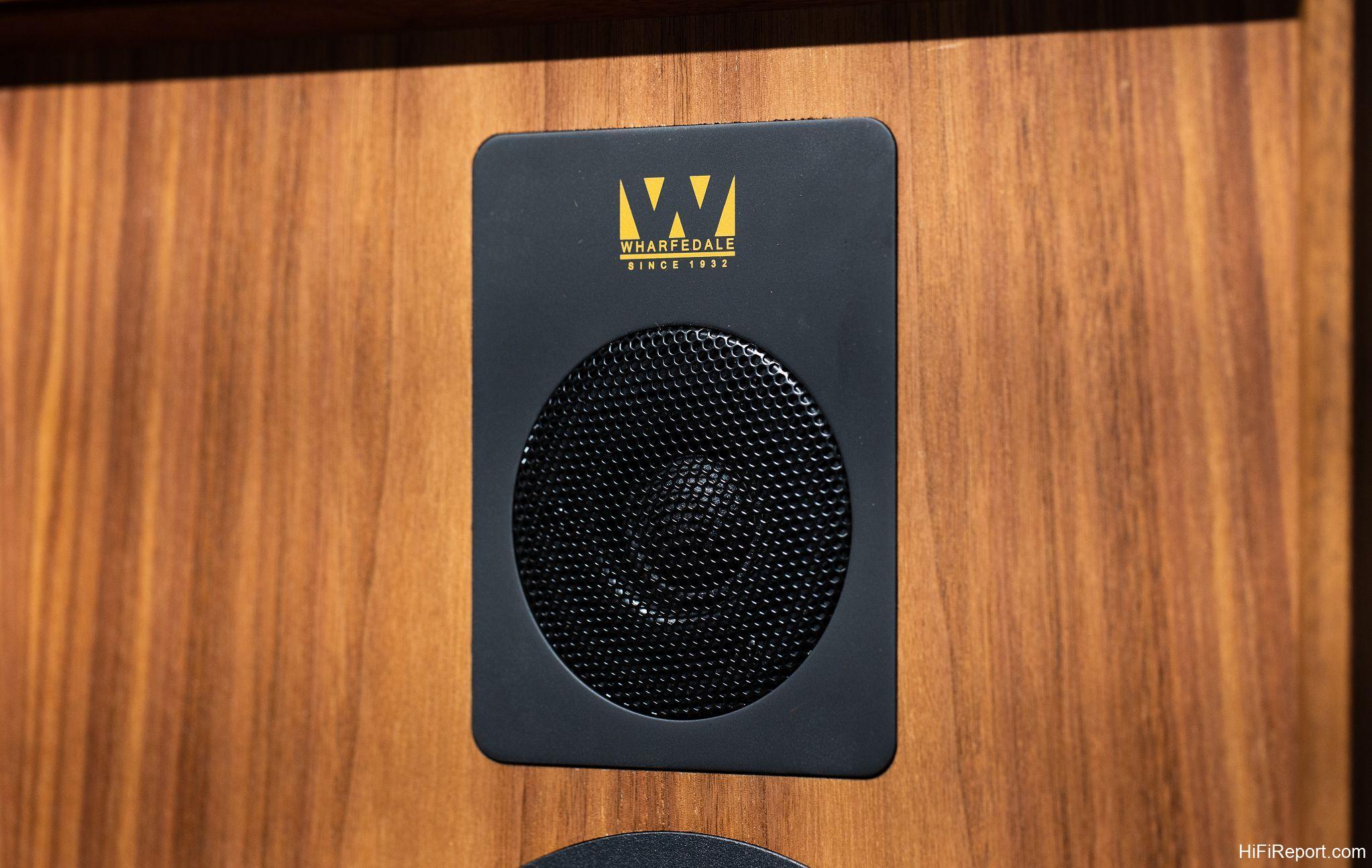
For example, the logo on the tweeter adds both recognizability and a finishing touch. The wood veneer is flawlessly applied, with a warm and smooth tactile feel. In terms of design, the Dovedale features an offset mid-tweeter arrangement. The manual recommends positioning the mid-tweeter units inwards and toeing-in the speakers to aim the projection towards the central listening position.
Speaker spacing is also suggested, but the optimal setup ultimately depends on the actual listening environment. The Dovedale’s weight is manageable; two adults can easily move them. After purchasing, it’s advisable to invite a fellow enthusiast to assist with fine-tuning the speaker placement after initial listening. While Wharfedale has a long history, this is our first review of their speakers, making everything feel fresh and new.
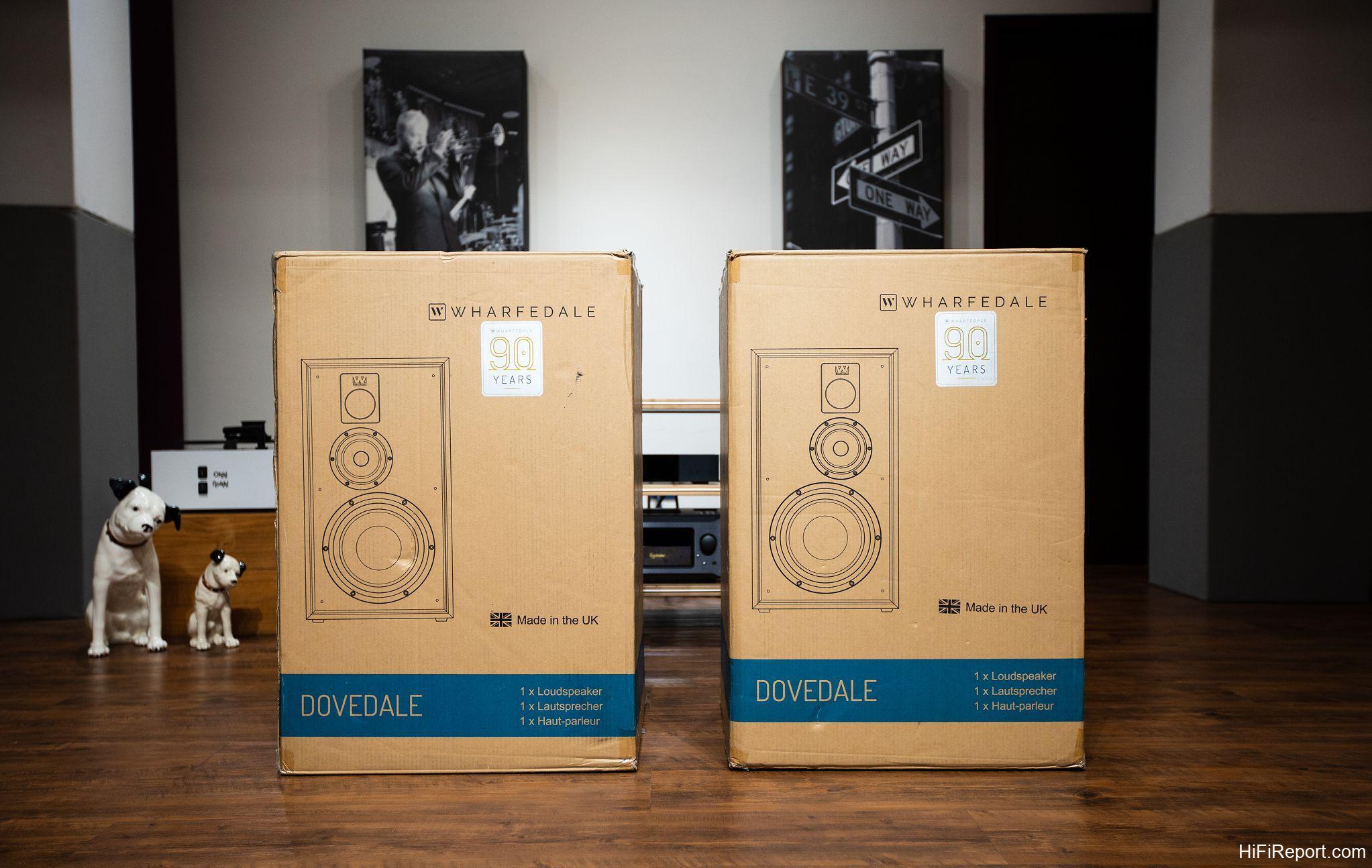
Fortunately, the review pair had been run-in for some time before arriving at our listening room, sounding open and dynamic right from the start.
Grille Usage: A Matter of Preference and Environment
The manufacturer specifically highlights two recommended usage aspects for the Dovedale. Firstly, using the dedicated stands ensures the overall height is suitable for optimal listening. My measurements indicate that with the stands, the mid and high-frequency drivers are approximately 90-95cm from the floor, closely aligning with typical listening ear height. Secondly, the speaker’s voicing is referenced with the grilles on.
Listening with the grilles is intended to deliver the manufacturer’s desired sound signature, primarily to mitigate bass reflections from the floor in front of the speaker. While many may prefer the visual appeal of exposed drivers, using the grilles might improve bass clarity, particularly in rooms with untreated floors or those lacking soft furnishings. My own testing comparing listening with and without grilles revealed that removing the grilles resulted in a more direct and punchy sound.
For instance, the high notes of the piano became brighter. With the grilles on, the overall frequency balance sounded more even and coherent.
Irresistible British Charm
The Dovedale’s cabinet volume is substantial, housing a 10″ bass driver and bass-reflex ports. This configuration provides ample energy and low-frequency extension for reproducing the lower registers of music. Listening to these speakers, one hardly perceives them as bookshelf models. The sonic presentation is quite grand in scale. The midrange, particularly vocals, exhibits excellent detail, with defined lines and focus.
The overall tonal character is neutral, leaning slightly towards warmth and richness, making it pleasing and easy to listen to for most vocal-centric music. The high frequencies offer unassertive extension, seamlessly integrating with the midrange and exhibiting a similar tonal quality, creating a cohesive and consistent listening experience. Given their British origin, I turned to Billie Eilish’s “When We All Fall Asleep, Where Do We Go?” as a reference, also a British artist.
The album features substantial low-mid frequency content. The Dovedale presented a relaxed yet appropriately energetic and deep bass response. The large driver moved air comfortably, creating a pleasant pressure in the room. Speed and control were also commendable, with no noticeable lingering resonances. The result was pop music with both impact and a touch of laid-back musical charm.
Lively Pop Music, Comfortably Rendered (Wacko Wang)
Listening to Gretta Ray’s “Positive Spin” as a reference, the vocals felt intimately close, allowing for direct appreciation of the nuanced texture and full-bodied, well-defined vocal lines—a weighty presence indeed. The Wharfedale Dovedale speakers deliver remarkably satisfying low-frequency performance. In this track, the drum hits are not overly heavy, yet the “thump-thump” sound is solid and substantial, filling the space with a balanced weight, creating a relaxed and enjoyable low-end.
All sonic elements are well-balanced and proportionate. The perceived soundstage feels like a canvas, with the center as the baseline, undulating and weaving left and right with the music. Even with multi-layered tracks, the sound never becomes cluttered or overwhelming but rather naturally integrated.
Throughout “Positive Spin,” the Wharfedale Dovedale showcased a versatile and refined sonic character, equally adept at both dynamic and delicate passages, allowing for effortless immersion in the music.
Concert-like Grandeur
Next, I played Claire Richards’ “Euphoria.” Throughout this review of the Wharfedale Dovedale speakers, the vocal performance has consistently stood out. Across various tracks, vocals consistently felt close and present, projecting a three-dimensional and clean sonic image, allowing for appreciation of the multifaceted aspects of the singing voice. However, with “Euphoria,” the vocals seemed slightly more distant, bringing greater attention to the instrumental elements.
From the initial instrumental introduction to the entrance of the backing vocals, the sound flowed seamlessly, like a cascading stream, evolving from a trickle to a torrent. The overall sonic picture expanded, filling the room with sound, maintaining a beautiful tonal quality even at high volumes. This grand presentation, coupled with the slightly recessed vocals, created a concert-like atmosphere, making for an exhilarating listening experience.

Vocals: A Red Flower Amidst Lush Foliage
Listening to Njomza’s “Forget Me,” the drum performance particularly caught my attention. With each beat, a palpably deep sound emanated and expanded outwards in the background. This strong contrast accentuated the percussive “tap-tap” sounds directly in the foreground. Neither overly heavy nor sharp, the impactful force of these percussive elements made their presence strikingly tangible, almost as if being played right in front of you.
The Wharfedale Dovedale speakers adeptly handle both powerful and subtle sounds. As mentioned, the expansive and impactful drums, and even the delicate, fragmented sounds audible at the song’s beginning, demonstrate the speaker’s ability to capture and convey every element intended in the music. The vocals, in certain passages, sound light and airy, yet they never get masked by the heavier instrumental layers.
They float and weave through the sonic tapestry like delicate butterflies dancing in a vast rain shower – light, yet exquisitely beautiful.
Serene Enjoyment of Pure Sound
Finally, I concluded with Elton John’s “Your Song.” Again, the sonic presentation was remarkably detailed. Both the vocals and instrumental timbres were beautifully rendered, and the sonic balance was exceptionally well-judged. Elements such as the background strings, the central vocals, and the underlying piano maintained appropriate proportions and distances, presenting a vibrant yet uncluttered and sophisticated performance.
The textures of each sound were distinctive yet gracefully presented. For example, the background strings possessed an undeniable elegance. The plucked strings in the foreground were rendered with a rounded quality and a subtle shimmer, conveying both continuity and fluidity. The notes danced with a gentle grace rather than a lively bounce.
From beginning to end, Elton John’s tender and warm vocals, paired with the instrumental arrangement, imbued the song with an irresistible elegance, conjuring images of a tranquil afternoon, sitting by a rain-streaked window, quietly appreciating the purest and most elemental essence of music.
Wharfedale Dovedale Bookshelf Loudspeakers
* System Type: 3-way bass reflex
* Bass Driver: 10″ black woven Kevlar® cone
* Midrange Driver: 5″ black woven Kevlar® cone
* Treble Driver: 1″ silk dome
* Sensitivity (2.83V@1m): 89dB
* Recommended Amplifier Power: 25-250W
* Peak SPL: 112dB
* Nominal Impedance: 6Ω (Minimum 3.6Ω)
* Frequency Response (+/-3dB): 36Hz ~ 20kHz
* Bass Extension (-6dB): 25Hz
* Crossover Frequency: 560Hz & 2.9kHz
* Dimensions: (H x W x D) 660mm x 370mm x (417+30)mm (including terminals)
* Net Weight: 26.2kg/pcs
* Dedicated Stand:
* Dimensions (H x W x D): 370mm (including spikes) x 370mm x 417mm
* Net Weight: 9.6kg/pcs