
Wharfedale Super Linton Bookshelf Loudspeaker Review
When it comes to value for money in home loudspeakers, Wharfedale undoubtedly stands among the top contenders.
In 2019, they launched the retro-styled Heritage series, with each model seemingly a direct challenge to the steadily escalating prices in the audio market. “I can produce a product like this and sell it so affordably,” they seem to declare, “who else can?” The arrival of the Linton, Denton, and Dovedale awakened memories of the 1960s and 70s for both new and seasoned music lovers across different generations.
Their masterful approach to re-creation, breathing new life into these classic models with modern technology, not only honors their historical legacy but also showcases their technical prowess.
The Linton model itself traces its lineage back to 1965, when the original Wharfedale Linton was widely beloved by music enthusiasts and proved a significant commercial success. The 2019 re-issue, a tribute to its classic predecessor, similarly garnered immense market acclaim.
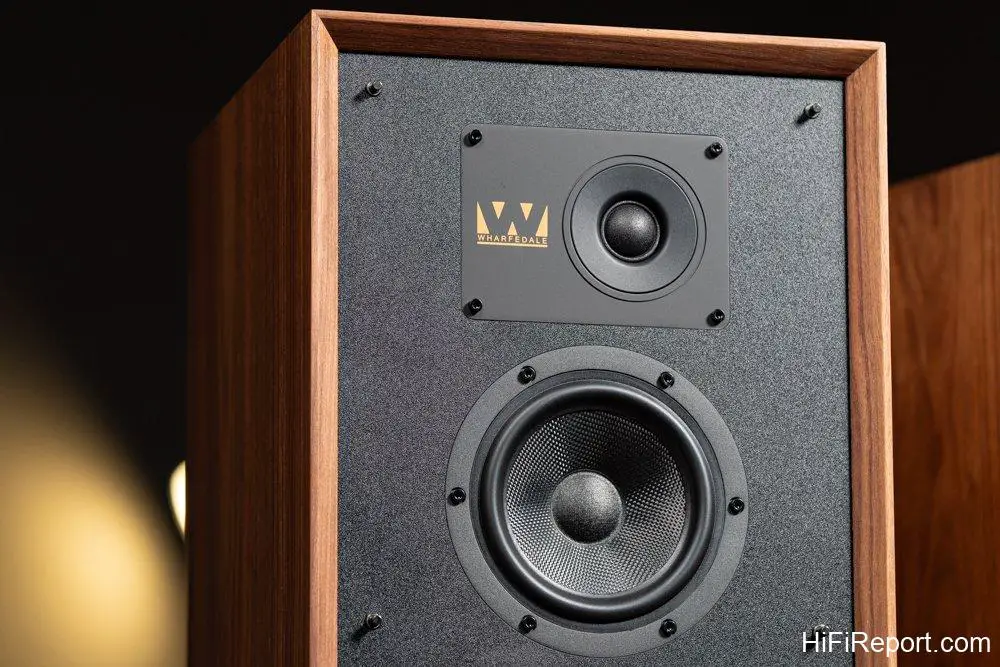
The Linton’s warm, pleasing sound, exquisite retro appearance, and highly competitive price contributed to excellent sales performance for dealers. Some consumers even placed online orders without needing to audition them first. Now, this successful model has an advanced version: the Super Linton.
1-Inch Soft Dome Tweeter with New Waveguide
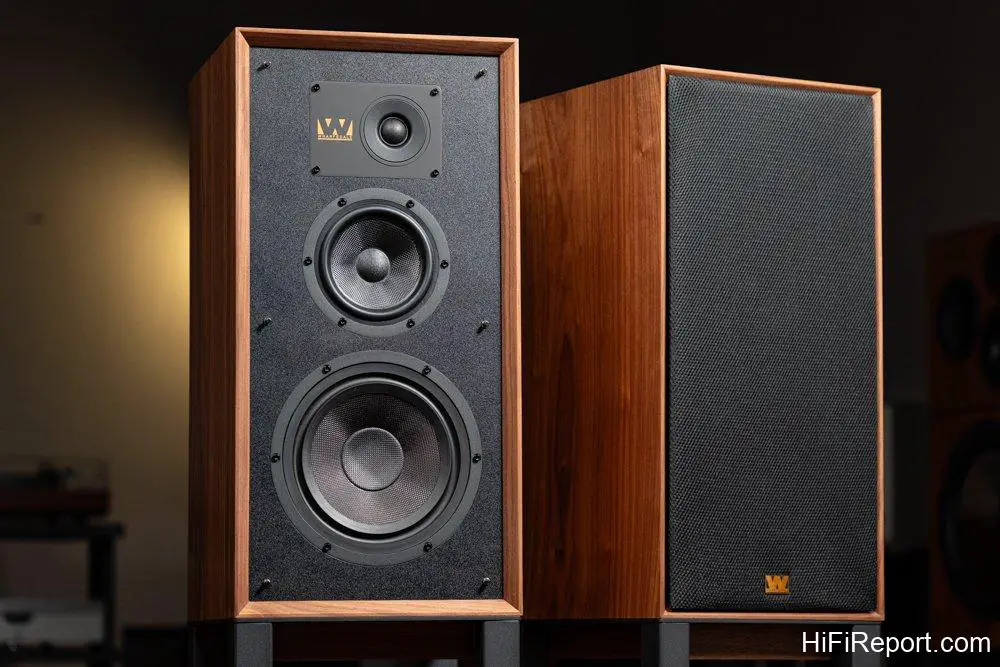
The newly launched Super Linton is not just an advanced version of the Linton; it stands as the second-highest model in Wharfedale’s Heritage series, surpassed only by the Dovedale. Continuing the Linton’s design philosophy, the Super Linton features a three-driver, three-way, bass-reflex configuration.
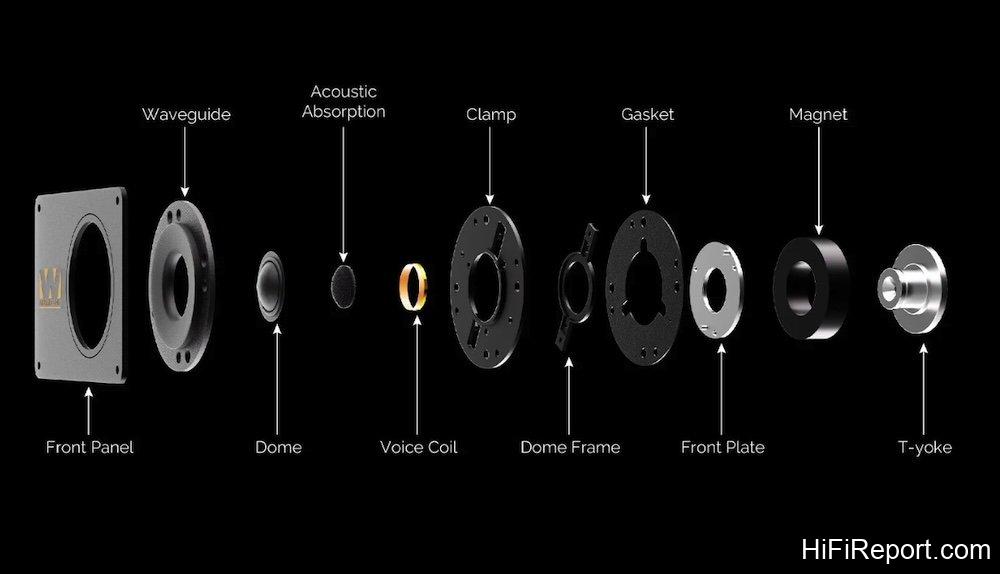
Its high-frequency duties are handled by a 1-inch silk soft dome tweeter. The diaphragm surface is treated with a damping coating, and the magnetic system utilizes a ceramic magnet. At its opening, a newly designed short-horn waveguide is incorporated. This waveguide serves multiple purposes: it controls the dispersion angle, enhances tweeter efficiency, and assists in seamless integration with the midrange driver.
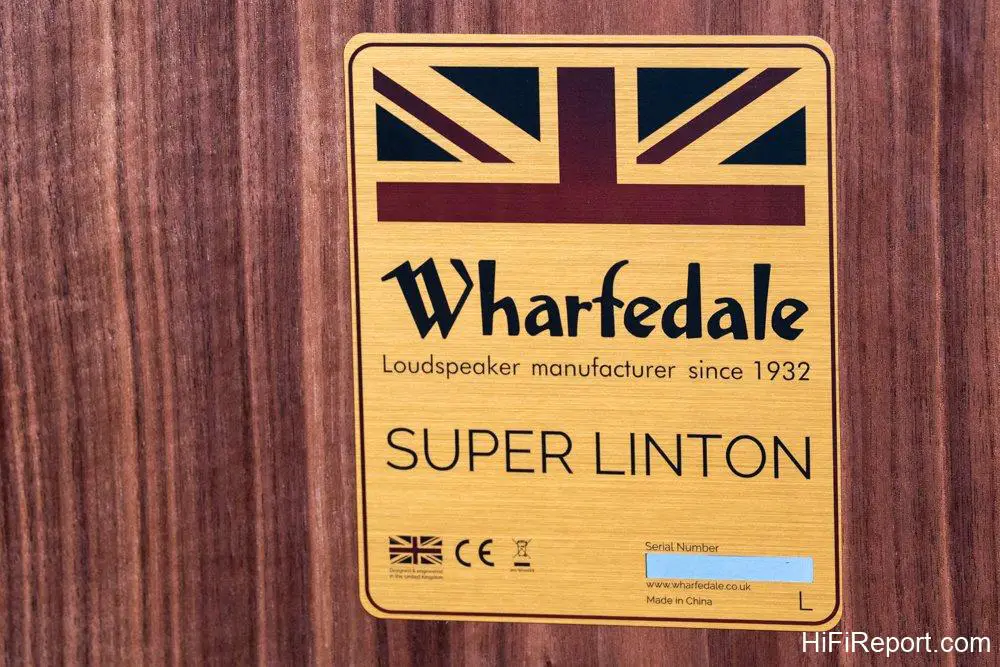
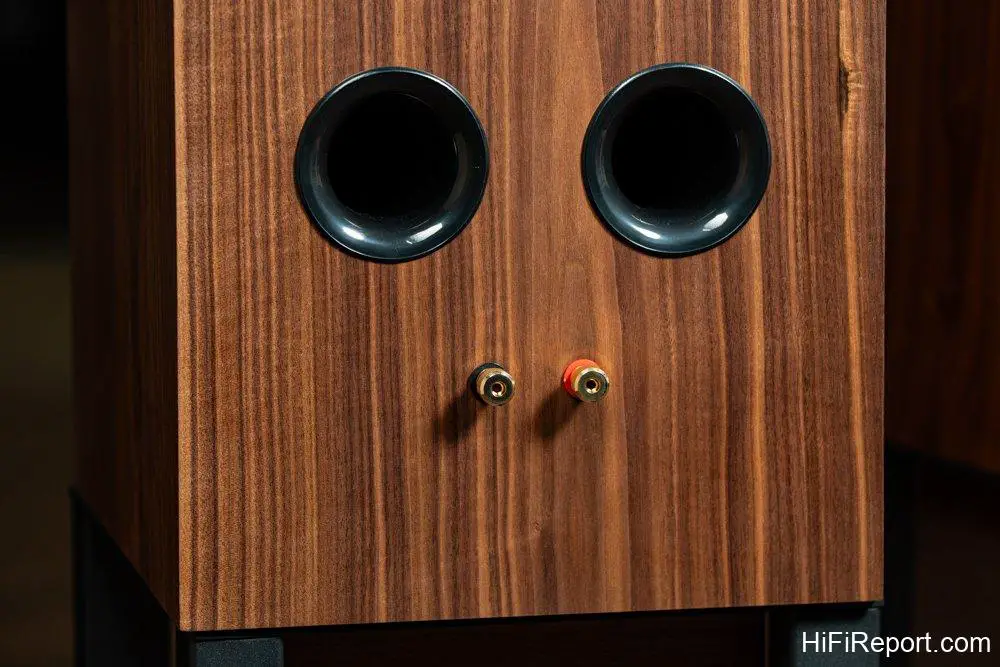
The Super Linton’s tweeter is not centrally aligned but positioned slightly inward; the manufacturer describes this as “8 degrees off-axis.” This “offset” design, common in classic loudspeakers, means that Super Linton speakers are handed (left/right specific), so please refer to the gold plaque on the rear for proper placement.
5-Inch Black Kevlar Midrange
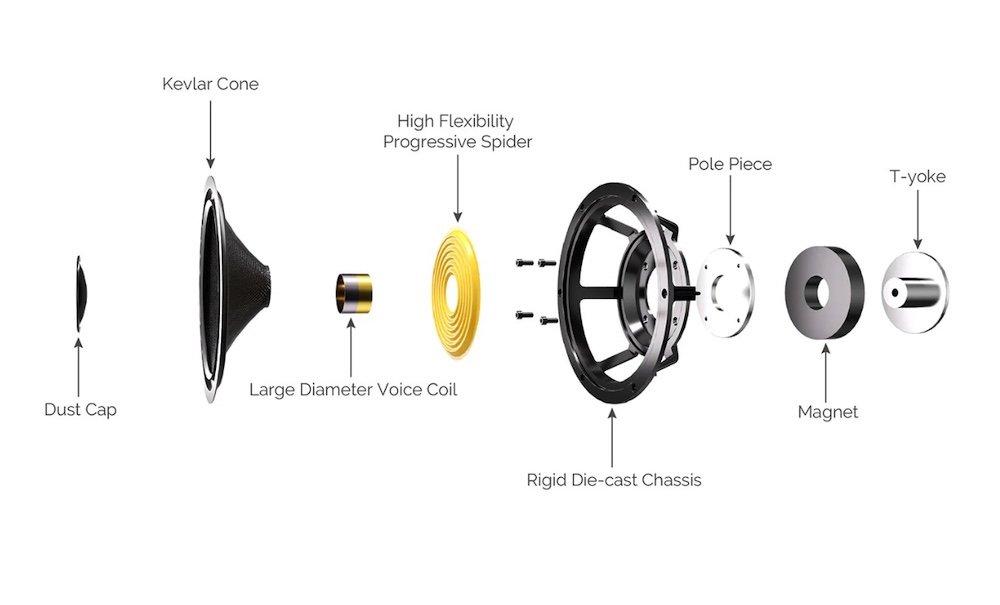
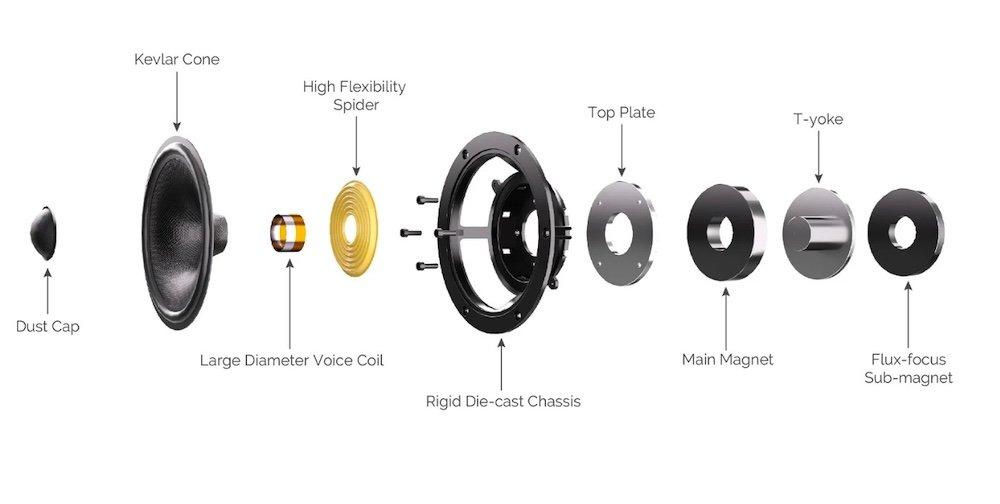
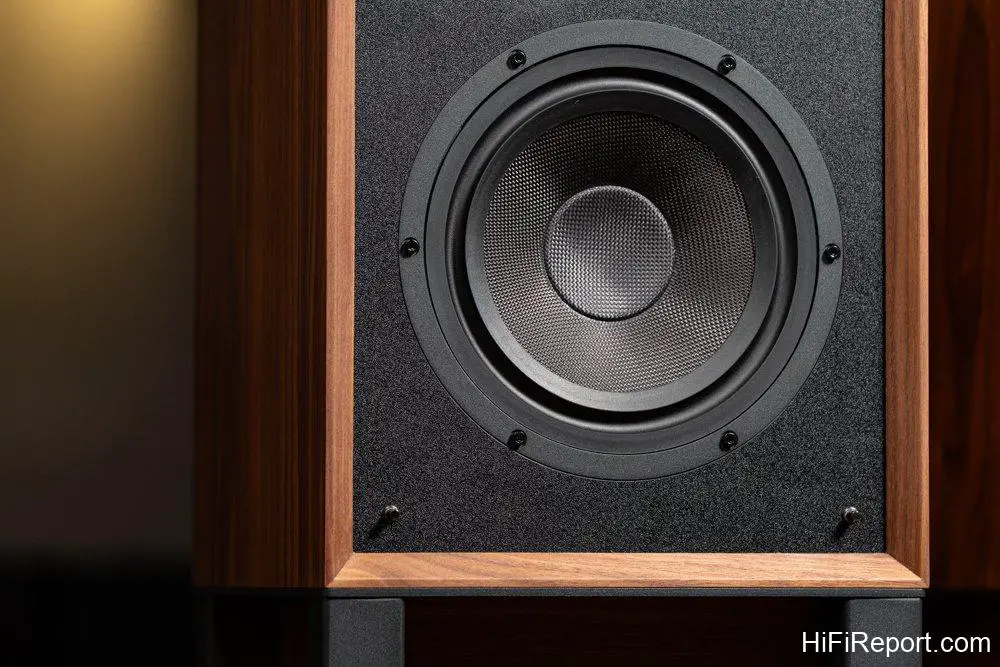
The three-way architecture of the Super Linton incorporates a dedicated midrange driver. This 5-inch unit features a woven Kevlar diaphragm, but in an understated and elegant black rather than the more common yellow. This midrange driver uses a large-diameter voice coil, allowing for superior control over driver movement. A cast-alloy basket provides a solid and stable foundation.
A unique double-layer magnet design, featuring an auxiliary magnet behind the primary magnet and T-yoke, helps to concentrate the magnetic flux lines more effectively. Furthermore, the chamber behind the midrange driver is fitted with long-fiber damping felt to absorb back-waves, significantly enhancing midrange clarity.
Much of the music we perceive, including the fundamental frequencies of instruments and vocals, predominantly falls within the midrange spectrum. Wharfedale’s approach with the Super Linton, isolating the midrange and meticulously enhancing its control and clarity, demonstrates a targeted design philosophy that hits all the right notes.
8-Inch Inverted Surround Kevlar Bass Driver
At the bottom of the enclosure lies an 8-inch bass driver, also sporting a black woven Kevlar diaphragm. Its construction boasts a large-sized voice coil, a high-compliance spider, a sturdy cast frame, and a powerful large magnet motor. Even by these specifications alone, it’s clear this driver is built for solid performance.
A distinctive feature is its inverted surround, rather than the more common outward-facing type. Inverted surrounds are not a new invention, having appeared on older loudspeakers. Neither type is inherently superior; the crucial factor is their ability to securely hold the moving driver and minimize distortion during excursion.
Crossover: Meticulous Design for Purity
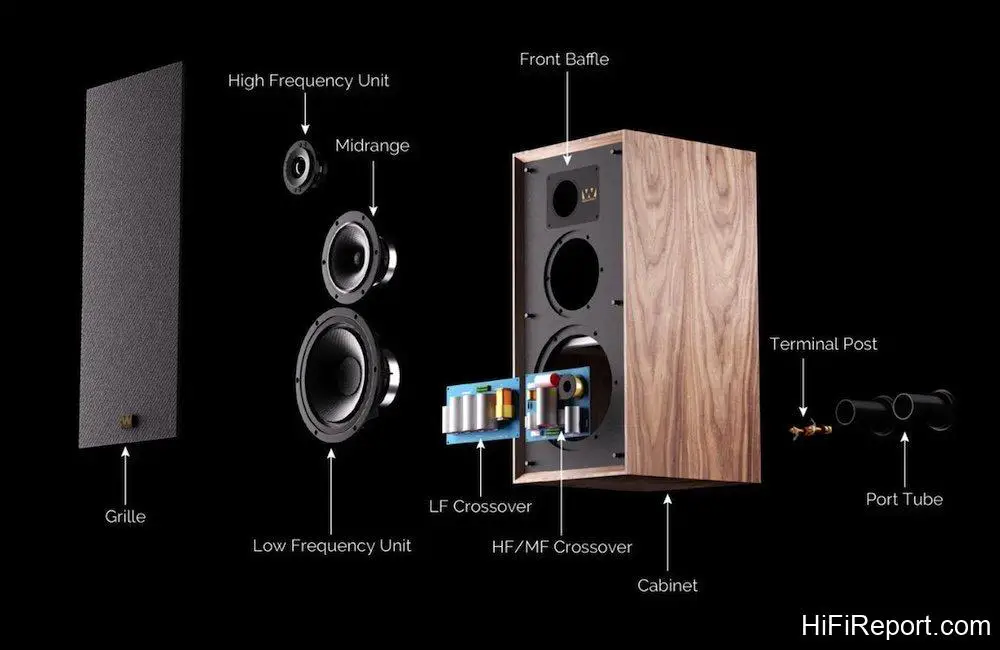
The crossover network, too, has been meticulously engineered. Besides setting the two crossover points at 550Hz and 2.5kHz, it precisely controls phase and timing, orchestrating the seamless collaboration of the three drivers in a three-way system. Wharfedale has even mounted the Super Linton’s crossover components on two separate circuit boards. This division helps to reduce resonance and prevent electromagnetic interference.
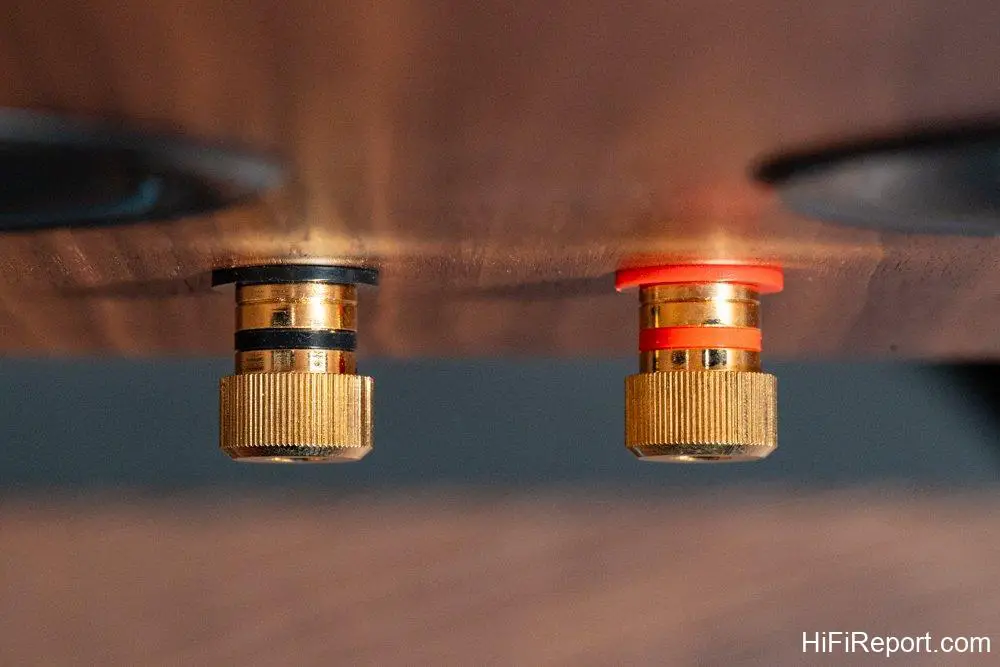
Only meticulously selected passive components are used in the crossover; the sheer size of the capacitors alone is a reassuring sight. Internal wiring employs long-crystal oxygen-free copper conductors insulated with low-dielectric PE, aiming for the most neutral and natural sound transmission and minimizing coloration. The manufacturer has provided only a single set of speaker terminals, a choice that not only echoes classic design but also signifies their unwavering confidence in their crossover design.
Sandwich Cabinet for Optimal Damping
The Super Linton’s cabinet design also holds a secret. This is no ordinary wooden enclosure; it features Wharfedale’s “sandwich” structure, typically reserved for their higher-end loudspeakers. This sandwich construction utilizes two layers of MDF board, front and back, with a layer of soft damping glue in between. This layered approach, combining hard and soft materials, offers superior vibration damping compared to a single MDF panel.
Two bass reflex ports are conveniently located on the rear panel. The cabinet surface is adorned with a choice of veneers, including walnut, mahogany, and smoked oak. The grille attachment method is also quite classic, using pin-style fasteners rather than magnetic ones. However, the absence of a pull-cord on the grille makes removal a bit less convenient.
Compatible with Linton Stands
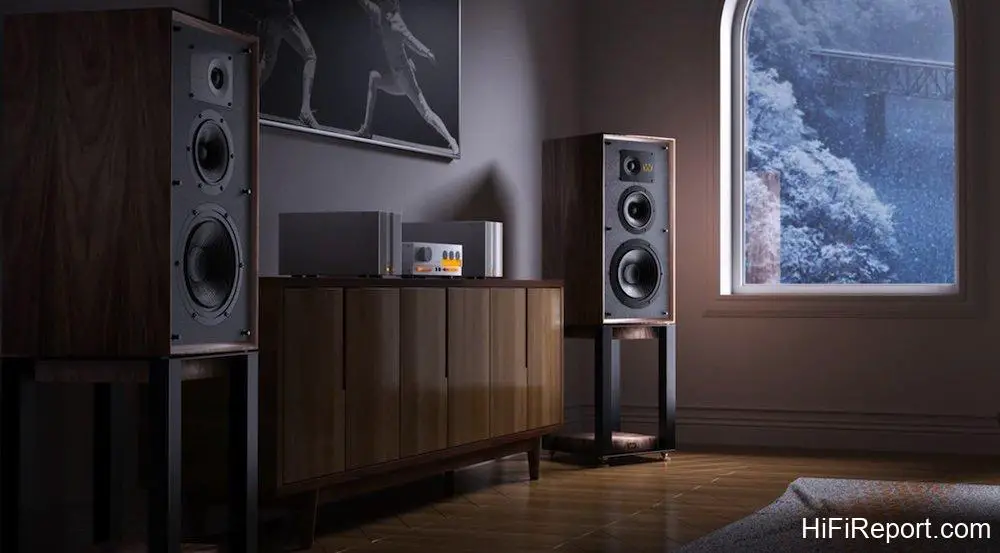
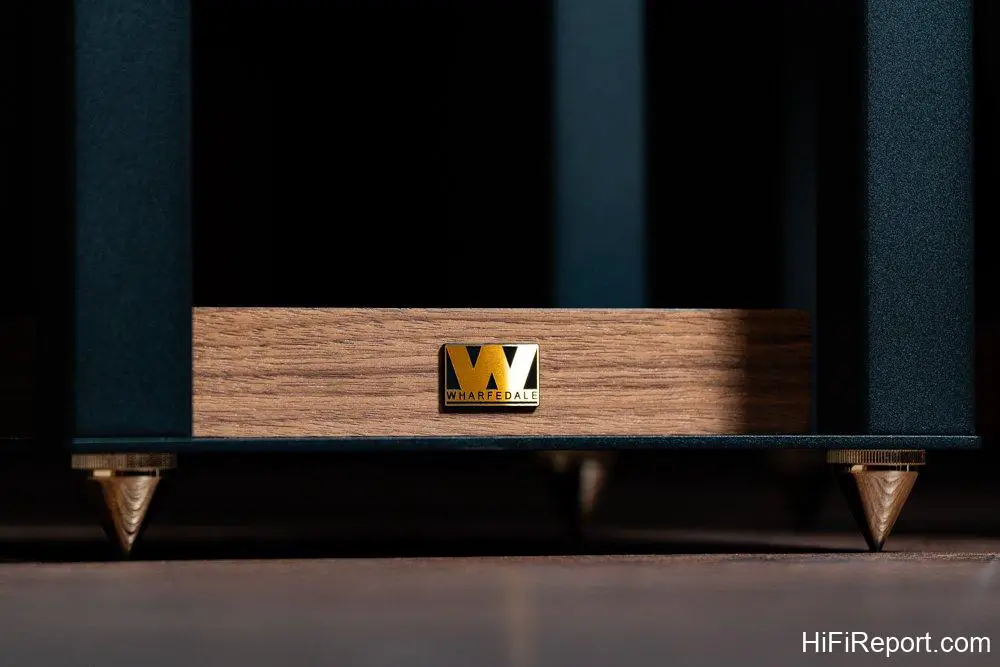
This is a substantial bookshelf loudspeaker, standing over 60 centimeters tall. Unless placed on a TV cabinet, it is highly recommended to pair it with dedicated stands. Wharfedale offers a specific stand for the Linton, which is perfectly compatible with the Super Linton given their identical width and depth; this is also the manufacturer’s suggested combination.
The “Super” Difference: Super Linton vs. Linton
Our introduction to the Super Linton can conclude here. However, you might be curious: how does the Super Linton differ from the Linton? What makes it “Super”? Here’s a breakdown:
1. **Tweeter**: Features a newly designed waveguide.
2. **Midrange**: The rear chamber of the midrange driver now includes long-fiber damping material.
3. **Bass**: The bass driver’s magnet is larger, and its motor system is enhanced.
4. **Cabinet**: Employs a sandwich structure instead of the Linton’s single MDF cabinet; the enclosure height is increased by 4cm, leading to greater internal volume.
5. **Crossover**: Crossover points have been altered.
6. **Performance**: The Super Linton boasts higher sensitivity and deeper bass extension.
So, while at first glance the Super Linton might not appear vastly different from the original Linton, it incorporates numerous significant changes, with nearly every component undergoing an upgrade, truly making “the Linton even Super.”
I only had a pair of Super Lintons to audition, without the standard Linton or other Heritage series speakers for direct comparison. But I can confidently tell you that listening to the Super Linton is genuinely a joyful experience.
Excellent Dispersion, Easy Placement
In our company’s listening room, I positioned the Super Lintons approximately 1.8 meters apart, without any toe-in, allowing them to face directly forward. They were paired with a Cyrus 40th Anniversary Series 40 AMP integrated amplifier, with a 40 ST streamer as the source, playing music via Tidal Connect. This allowed a system with a classic aesthetic to play music in the most modern way.
I believe Wharfedale has indeed achieved what they claim on their official website regarding the Super Linton. Its excellent dispersion means these speakers require minimal fuss with placement; simply sitting at the apex of an equilateral triangle provides an expansive soundstage and precise imaging. The speakers disappear, leaving only the music, not the cabinets.
The Super Linton retains the sonic signature we associate with Wharfedale speakers: warmth infused with detail, a clear yet non-fatiguing midrange, highs that emanate a soft luster, and bass that is supple, elastic, and naturally extended without any forced bloat or distortion. Overall, the Wharfedale Super Linton maintains the analytical and transparent sonic characteristics desired in modern audio, while also embodying the warm, fluid aesthetic standards inherited from the analog era.
Organic Sound, Effortless Presentation
Playing classical music through such a classically styled pair of Super Lintons is a truly fitting experience. When reproducing symphonic works, they render a clear three-dimensional space, with distinct sectional distribution and precise instrument placement on the stage. Furthermore, the sound maintains a high degree of organic vitality; it’s not mechanical, intellectual, or lacking in emotion. Is this the classic British sound? Perhaps, but it’s enhanced with more bass support and greater midrange clarity. Despite its classical appearance, the sound is quicker and livelier than one might expect.
Listening to Herbert Blomstedt conducting the Leipzig Gewandhaus Orchestra in Schubert’s Symphony No. 8, the opening low string passages exhibited a remarkably clear texture. Subsequently, as violins and woodwinds took the lead and double basses switched to pizzicato, these bass notes sounded elastic and deep. As the music transitioned to the cello solo, the warm, rich cello tones sang out gracefully. Hearing these instrumental timbres, the Super Linton’s dedicated midrange unit truly excelled, creating such a sweet and beautiful midrange.
Schubert crafted many contrasting sections in this piece. During the fortissimo passages, the Super Linton presented a vast and expansive orchestral soundstage, with instantaneous and ample energy surge. In the pianissimo sections, abundant information provided a clear picture, enunciating even the minutest details.
These large bookshelf speakers, like the Super Linton, offer a scale and energy that noticeably surpass smaller bookshelf models. Considering its price point of approximately $2,460 USD, it’s rare to find a three-way, eight-inch bass floorstanding speaker in the same bracket. Precisely because it is a three-way design with an eight-inch bass driver, it possesses an unusual sense of ease when playing orchestral music, a quality rarely found in similarly priced floorstanding speakers. Even a colleague passing by immediately complimented its effortlessly relaxed sound. Now you understand why such large bookshelf speakers still hold a market today – that’s their inherent value!
Transparent, Balanced Sound, Unflustered Under Pressure
When playing Jiri Belohlavek conducting the Czech Philharmonic Orchestra in Smetana’s “Vltava,” the Super Linton’s performance further convinced me of its incredible value. This particular version of “Vltava” is a staple in my music lectures, and I’ve heard it on numerous systems. In terms of overall balance throughout the piece, the Super Linton stands out as a top performer among my many experiences.
It exhibits excellent micro-dynamics, whether it’s the upstream scene introduced by the flute at the beginning of the piece, or the section where water nymphs dance at night (though I believe the treble could be even more exquisite and colorful). It delivers a transparent and balanced midrange presentation, clearly showcasing the orchestra’s performance. Its elastic, quick-responding, deep yet controlled bass also contributes to the vivid soundscape.
Whether in the rhythmic bass of the country wedding section, the surging intensity of the rapids in the canyon, or the grand majesty when flowing past Vyšehrad, the music always remains composed, the soundstage stable, and the layering consistently clear. While the Super Linton might have areas for minor improvement in my extensive listening experience with this piece, its overall performance truly deserves commendation.
Round, Bright Piano Notes, Crisp Drums, Deep and Elastic Bass
The Super Linton is certainly not just suited for classical music; it handles jazz with considerable flair. Playing Oscar Peterson Trio’s “We Get Requests,” the music was full of vibrancy, showing no signs of sounding old-fashioned. Taking “Quiet Nights of Quiet Stars” as an example, the creative opening with brushed piano strings quickly gives way to the trio’s full performance. The bass on the right was full and elastic, the drums on the left were crisp and articulate, and the piano in the center sounded solid and round.
Here, the bass notes managed to be both deep and clean, never feeling muddled, once again demonstrating the Super Linton’s outstanding bass performance. The piano’s rounded notes were truly captivating, with solid, focused articulation emanating a gentle glow. Every note was distinct and clear; the piano at the end of the piece was simply beautiful! As for the drums, they were bright and clear in this track. Moving to the second track, “Days of Wine And Roses,” opened with powerful, fast, and fierce drumming. Are British speakers only capable of genteel refinement? The Super Linton’s drums can pack quite a punch!
A Genteel Gentleman? It Also Has a Ferocious and Passionate Side
Listening to James Blood Ulmer’s live recording of “Cry” perfectly substantiated my conclusion from the previous section. James’s vocals were clear, substantial, allowing for a precise grasp of his vocal texture, with a three-dimensional and slightly forward image. The drums here were truly fierce! The drumming was both rapid and powerful, fully showcasing the impact of each strike. The crisp, punchy attack that drums should possess was delivered completely by the Super Linton.
Hearing the colorful electric guitar playing, it took over when the vocals paused, immediately conveying an abundance of emotion. The classically styled Wharfedale Heritage series Super Linton, when playing the blues, delivers a level of ferocity and raw grit that can rival any competitor.
Solid Vocal Imaging, Rich Vocal Detail
Three-way speakers rarely disappoint when it comes to vocal performance, and the Super Linton’s dedicated midrange driver, specially tuned by Wharfedale, had me praising its mid-frequency prowess multiple times throughout my listening. Naturally, if the midrange is excellent, vocals will be too.
Listening to the classic recording “Ella And Louis,” whether it was Ella Fitzgerald or Louis Armstrong, their distinct and highly recognizable voices were reproduced by the Super Linton with remarkable clarity, strong transparency, and a focused, solid image that made the old recording sound even more vibrant. Do you believe classic-looking speakers should sound “vintage”? Perhaps some do, but the Wharfedale Super Linton is lively and detailed, singing with abundant vitality!
Form, Sound, and Price: All Convincing
The Super Linton is a pair of loudspeakers that can bring immense listening pleasure. It boasts exquisitely handcrafted classic aesthetics, a warm, balanced, yet spacious and transparent sound, and an accessible, easy-to-acquire price point.
Unless your space is too small to accommodate a large bookshelf speaker like the Super Linton, or if you simply don’t favor the retro-traditional boxy cabinet, it truly is a highly commendable pair of speakers to consider within a limited budget.
However, what I’ve shared ultimately represents my personal perspective. This includes my aesthetic appreciation for music and craftsmanship, and it’s based on the results obtained from my specific listening environment and system pairing. Whether it’s truly “your cup of tea” ultimately requires your own audition. Do not simply order online after reading my article; please go and listen, and only make the purchase if it truly moves you.
Specifications
* **Type**: 3-driver, 3-way, bass-reflex bookshelf loudspeaker
* **Drivers**: 1-inch silk soft dome tweeter × 1, 5-inch Black Woven Kevlar midrange × 1, 8-inch Black Woven Kevlar bass × 1
* **Recommended Amplifier Power**: 20 – 200 watts
* **Nominal Impedance**: 6 ohms
* **Sensitivity**: 90dB
* **Maximum SPL**: 110dB
* **Frequency Response**: 39Hz – 20KHz / +/-3dB
* **Crossover Points**: 550Hz, 2.5kHz
* **Dimensions**: 605 × 300 × 330 mm (H×W×D)
* **Weight**: 19.8 kg (each)