
HE-560 Headphone Review
I previously reviewed the HiFiMan HE-6 and was very impressed with the brand’s headphones. Hearing that HiFiMan was launching a new product was truly exciting. Fortunately, with some help, I had the opportunity to test the HE-560. What’s special about this review is that it compares the differences in how a two-channel system and a headphone system handle the HE-560.
In the two-channel setup, because the efficiency of this generation has improved significantly, I was initially worried that the headphones might burn out as soon as they were plugged in. Thankfully, this didn’t happen, and there was no background noise when the headphones were playing. This allowed me to start the test with peace of mind. Now, I’ll share my listening experience and usage with you all.
First Impression
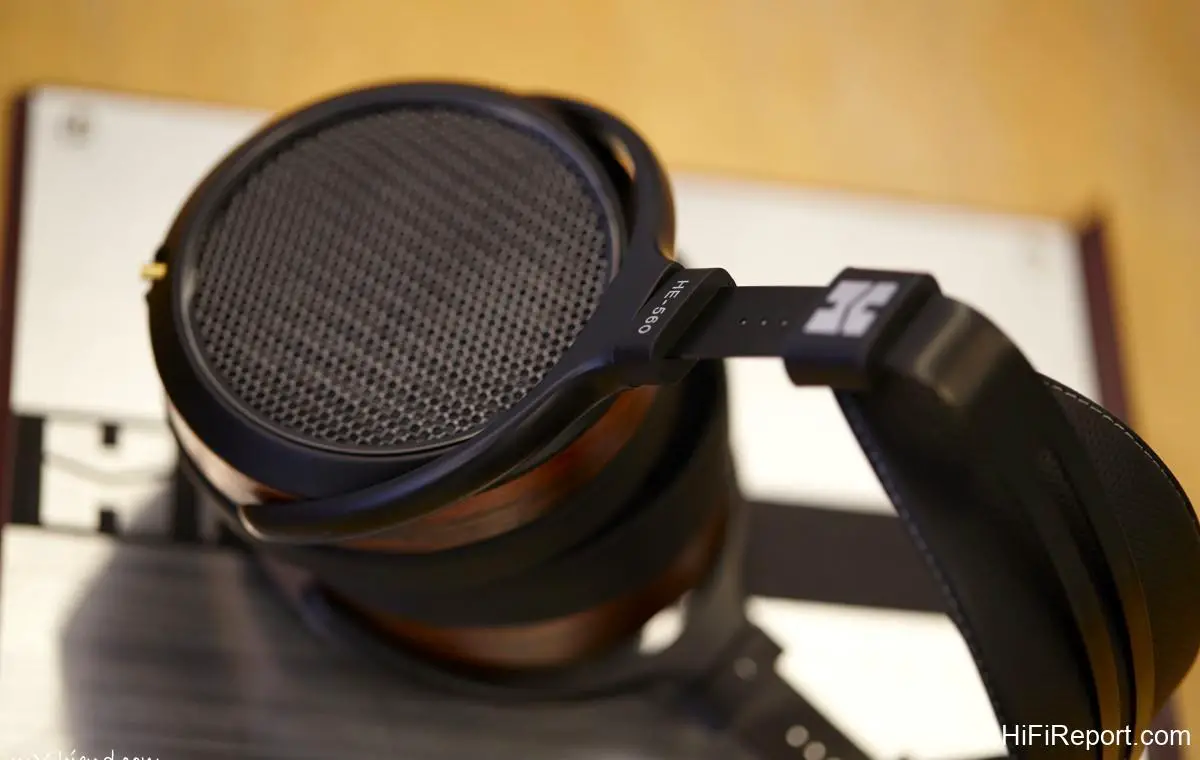
The HE-560 differs from the HE-6, adopting a soft and elegant style. The texture of the mid and high frequencies is excellent, and the ethereal sound is very pleasing. Even straight out of the box, it already exhibits a considerable level of performance.
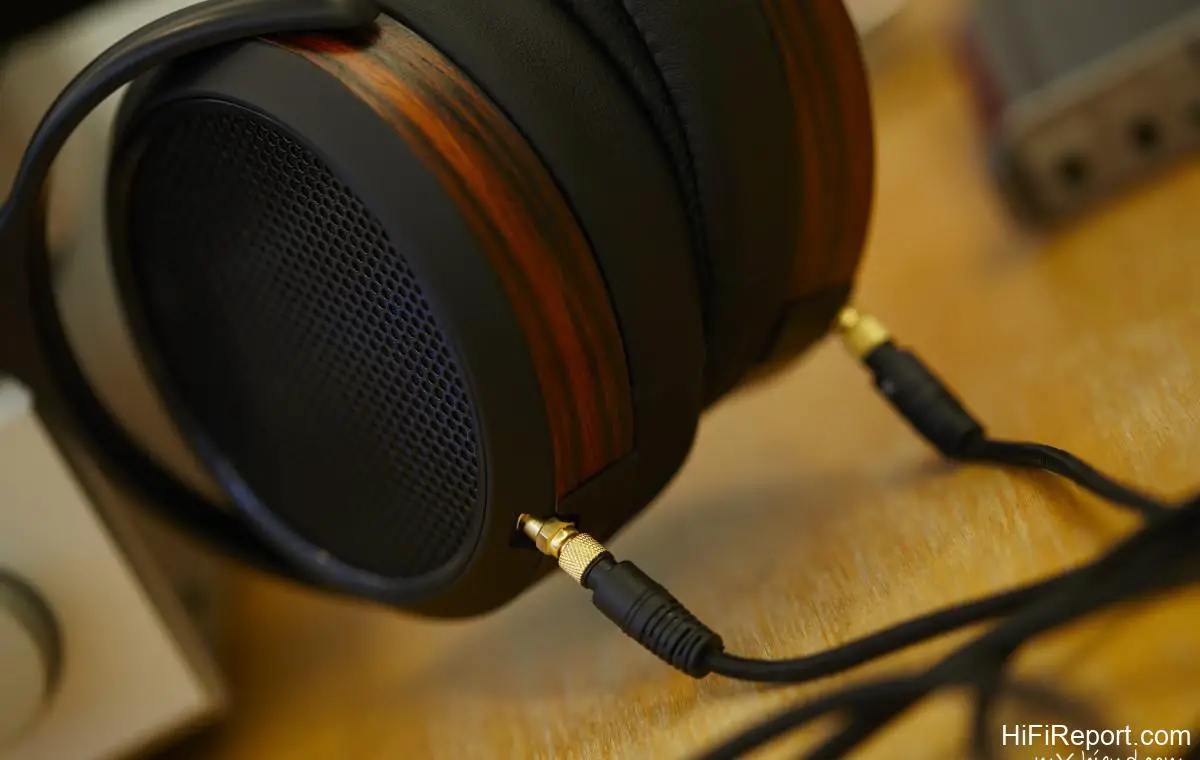
Currently, the bass is still somewhat muddy, but I believe this will improve significantly with burn-in.
The HE-560 is designed with electrostatic headphones as a target. In terms of sound reproduction, it does indeed have the flavor of electrostatic headphones, based on my initial listening.
Burn-in Process
**0 hr:** Slow speed, slightly long decay, excellent mid-high frequency texture, muddy bass.
**5hr:** The issue of slightly long decay has improved. The sound becomes faster in both attack and decay, making the listening experience much more lively. Bass quantity is gradually increasing, but the texture is still lacking and not deep enough.
**10hr:** Bass is gradually improving.
**30hr:** Sound has become stable.
Amplifier or Pre/Power Amp?
Using a pre/power amplifier to drive the HE-560 results in a very balanced sound. However, using a headphone amplifier can yield a more delicate and flavorful sound, while still maintaining good balance. Of course, this also depends on the pre/power amplifier or headphone amplifier used to power these headphones. Considering both price and sound quality, a headphone amplifier seems to be a better approach.
Whether using a two-channel system or a headphone amplifier, it is not recommended to use slow-sounding equipment, as this will lengthen the decay and make the overall sound muddier. This was tested not only with amplifiers but also with cables and sources. Because I prefer the sound processed by a headphone amplifier, the following impressions will primarily focus on headphone amplifier pairings.
Headphone Cable Test
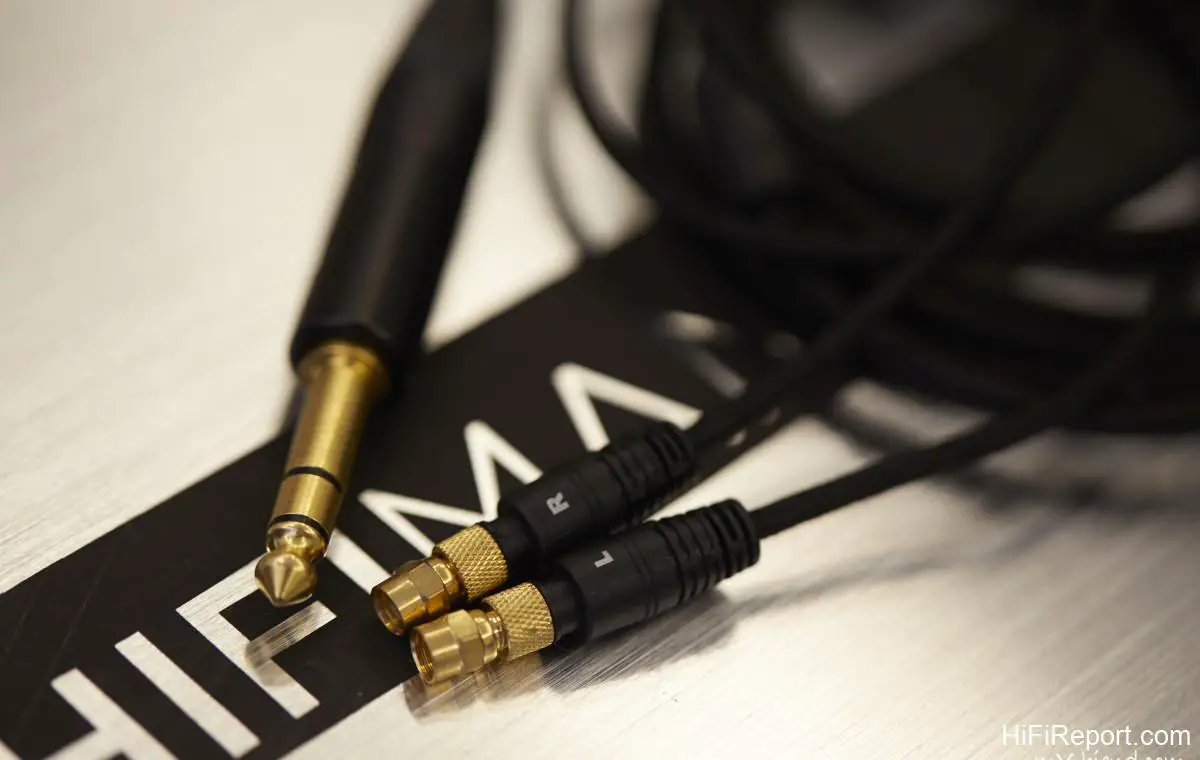
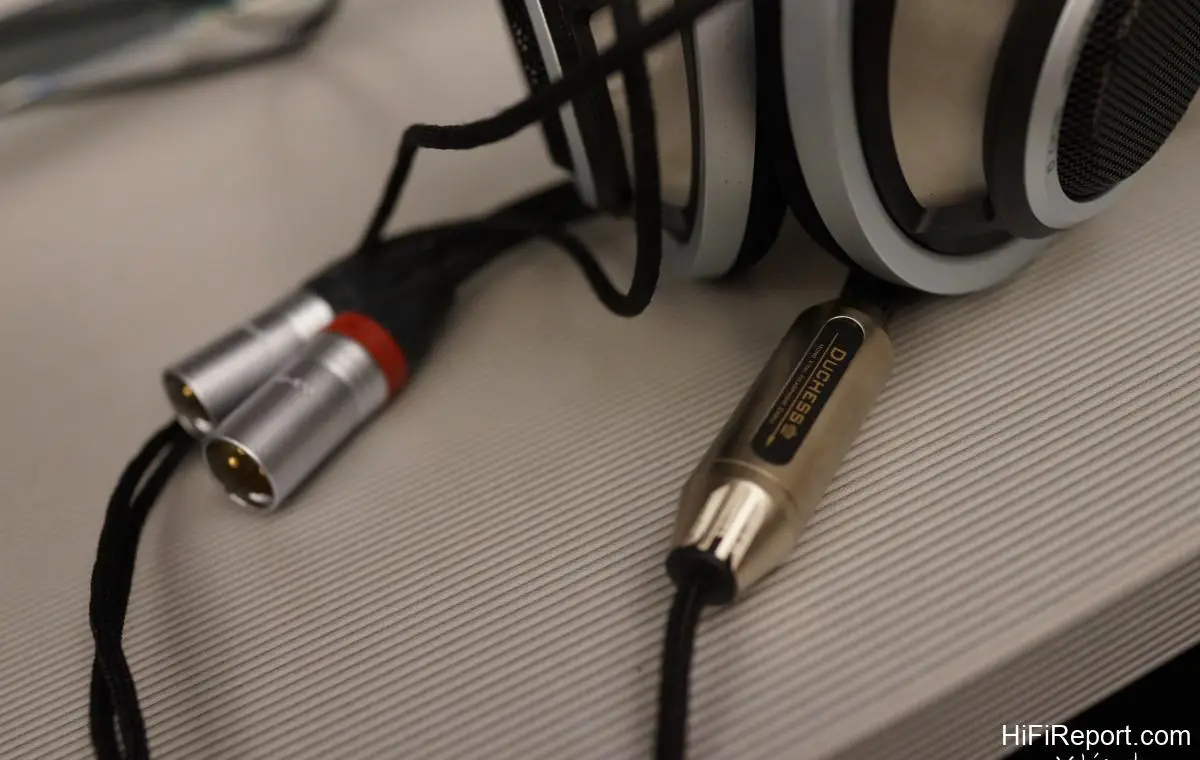
Coincidentally, the manufacturer sent over a HE-6 headphone cable, which allowed for a comparison with the HE-560’s original cable. Generally speaking, the HE-6 cable sounds more balanced, without deliberately emphasizing any particular frequency range. The sound is clearer and more lively. In contrast, the HE-560’s original cable seems to deliberately enhance the lower frequencies.
This is particularly noticeable in Manger’s track number fifteen, where the punch of the drums is excellent, making for a very enjoyable listening experience, but the sound is somewhat thicker, and the liveliness is not as good as with the HE-6 cable. However, after running in the headphone cable for 150 hours, the sound became more balanced. Therefore, the subsequent tests were all conducted using the original headphone cable.
Actual Thoughts
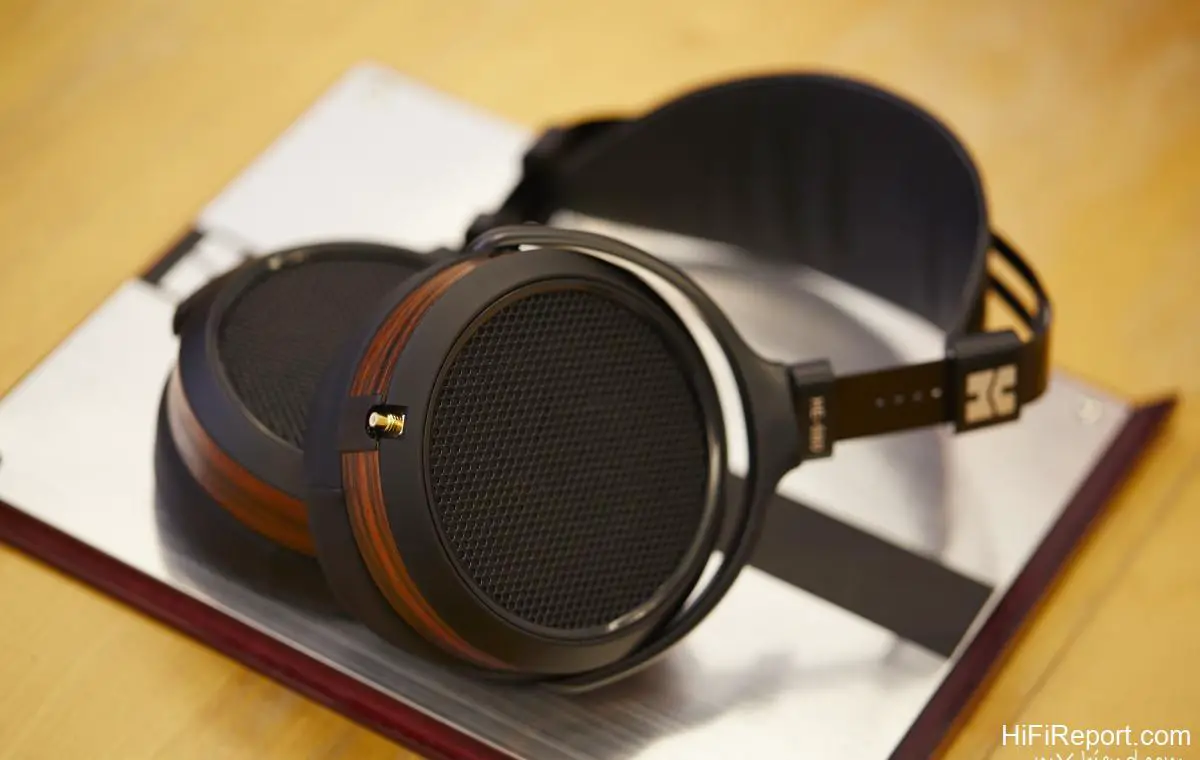
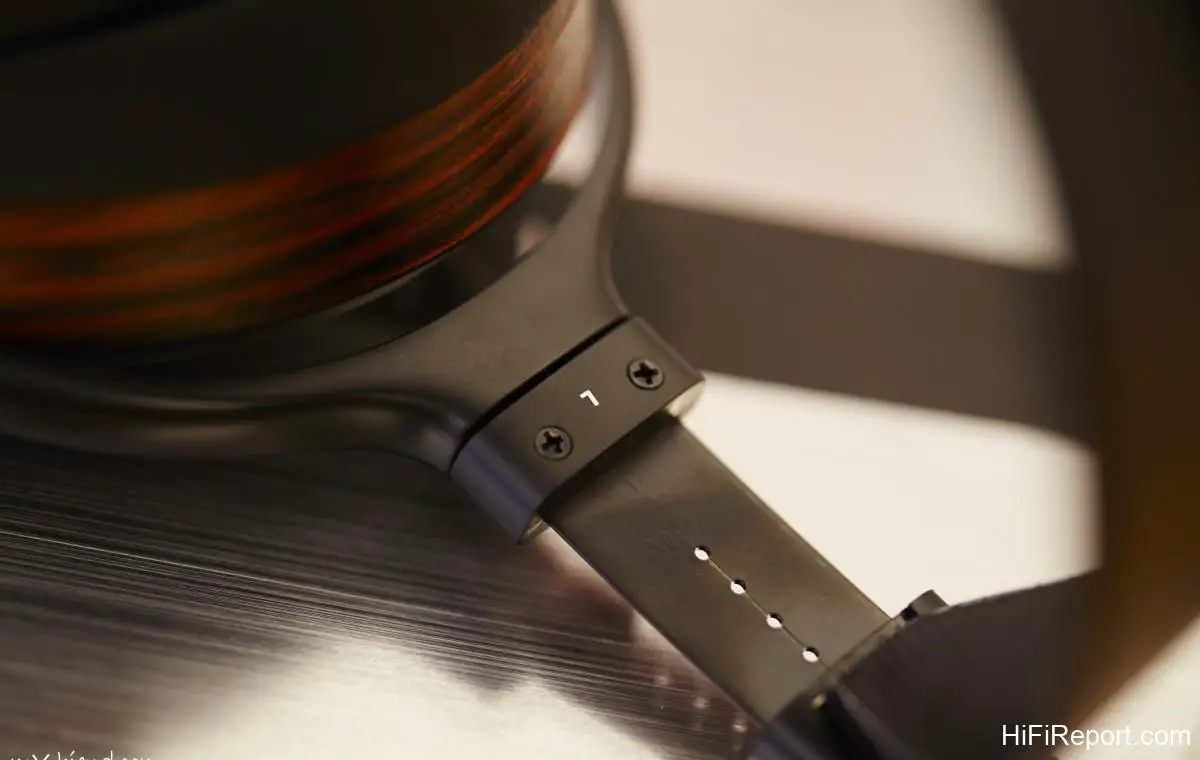
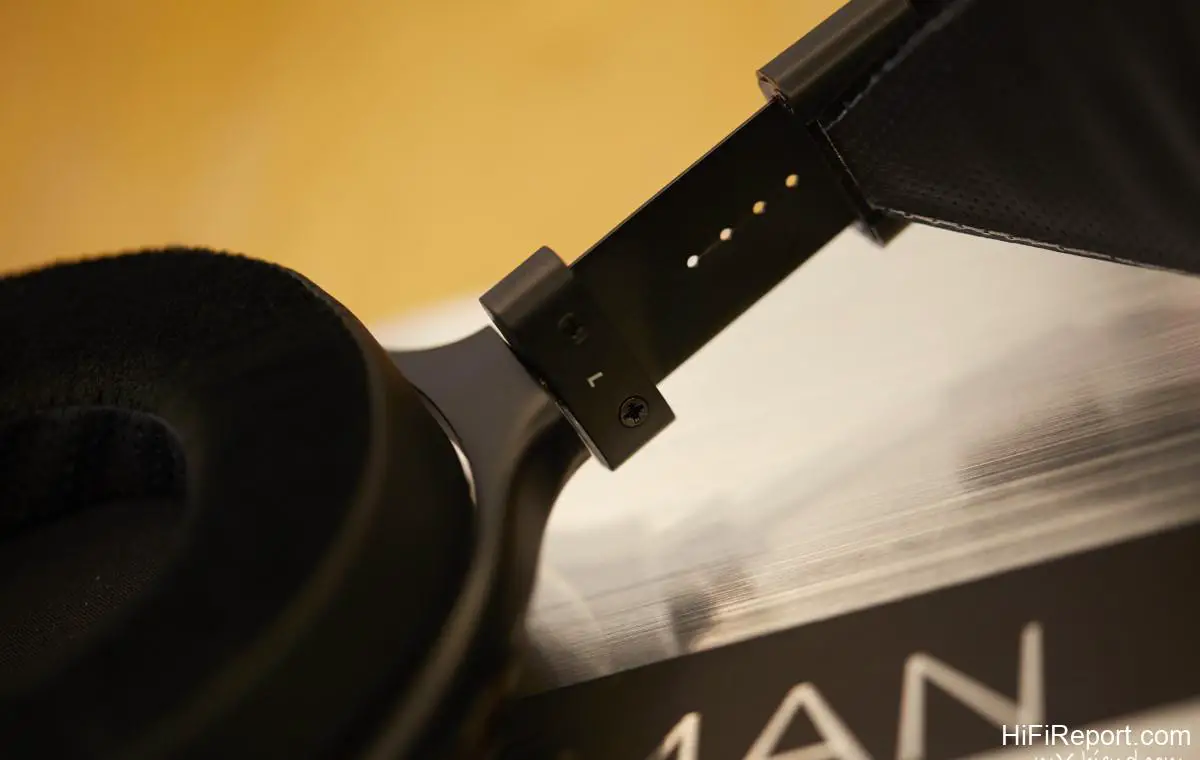
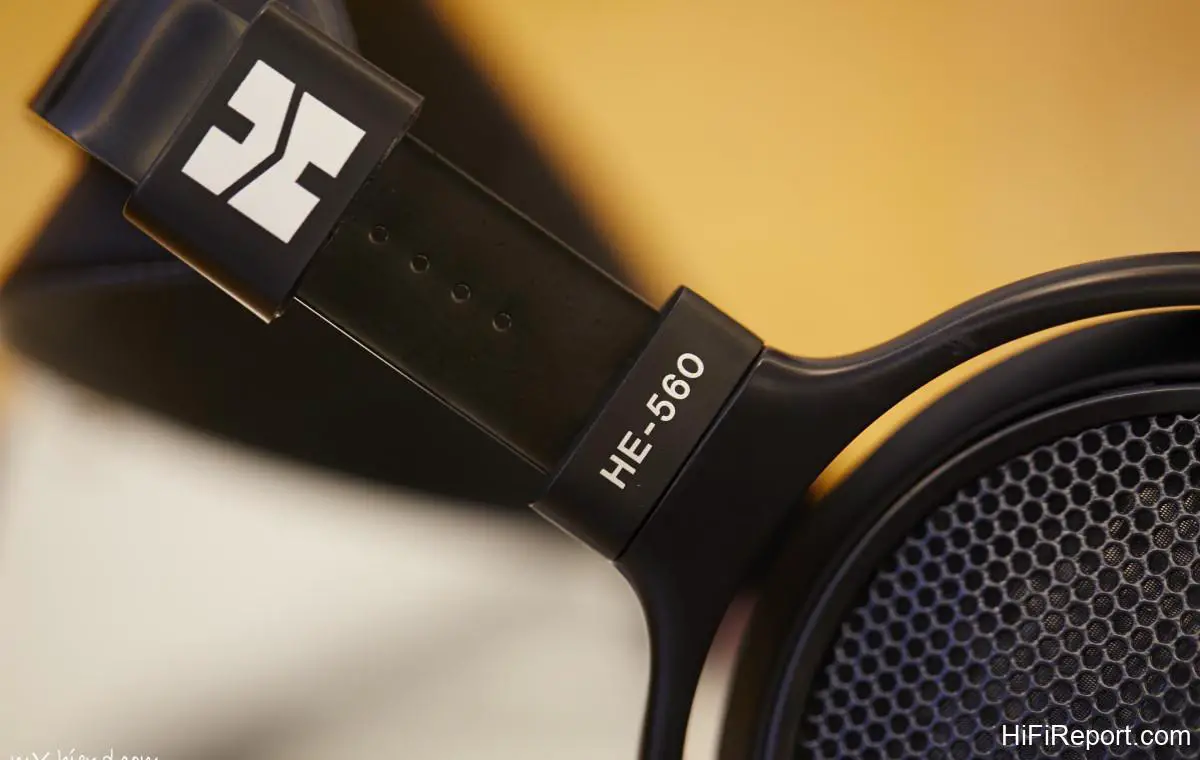
The build quality of the HE-560 has improved, but I still hope future products will be even better. A noteworthy improvement is the comfort of the HE-560; it’s a pair of headphones that can be worn for extended periods without fatigue. It seems considerable effort has been put into this aspect, which is truly commendable. In terms of sound, it deviates from the direction of previous HiFiMan headphones, pursuing a beautiful sound without sacrificing authenticity.
This marks a new milestone for HiFiMan’s headphone products. Now, let’s delve into my listening impressions across different music genres.
First, the music genre tested was female vocals. The tracks used were Eva Cassidy – “Fields of Gold (Live at Blues Alley)”, Diana Krall – “Cry me a river (The Look of Love)”, and Demi Lovato – “Let it go (Frozen)”. In “Fields of Gold”, the HE-560 presented a perfectly balanced sound, recreating a lifelike atmosphere.
The ratio between vocals and guitar was ideal, with a vocal texture that was both detailed and refined, transitioning naturally and smoothly, painting a picture as if Eva Cassidy was performing live again, captivating the listener with her penetrating and infectious voice. This is a sound you could listen to a thousand times without tiring, because it is truly exceptionally rendered. In contrast, the R10’s vocals are more prominent and the balance is somewhat odd.
However, the R10 excels in detailed vocal rendering. Overall, the HE-560’s sound is more comprehensive. In “Cry me a river”, the HE-560 maintained a high standard, with perfect balance and appropriate imaging, vividly portraying Diana Krall’s sultry vocal characteristics. In comparison, the R10, as previously described, has vocals that are prominent and forward, with an imbalanced ratio, but clearer detail. In “Let it go”, Demi Lovato’s position feels quite distant in both the HE-560 and R10.
In this track, I prefer the vocal flavor presented by the R10. However, when the chorus kicks in, the background becomes overly sharp and harsh, which is a downside. The HE-560’s overall performance is still good, but the emotional expression is somewhat bland and uninteresting. To be honest, neither the HE-560 nor the R10 could produce a truly satisfying sound with this track. However, in the first two tracks, the HE-560 clearly outperformed the R10.
The first two songs are slow music, leading me to wonder if the HE-560 is not suitable for pop music. Therefore, I chose another album for testing – Wan Fang – “Childlike Innocence (24K Gold Selection)”. The performance in this track was more acceptable, but the transient response was still not as fast as the R10. It can be said that the HE-560 can be used for pop music, but in this particular setup, pop music is not its forte.
Next, I tested piano performances. Generally, piano music is quite demanding for audio systems because a good rendition is not just about smooth piano notes.
From the initial key strike, string vibration, to the resonance of the soundboard and reverberation throughout the space, the overtones and other details in the process are all important aspects to consider (of course, this is related to the recording method; generally, multi-point recording is used, allowing us to hear both the sound of the keys and the reverberation). A good rendition requires all these detailed processes to be complete.
Furthermore, because the piano has a wide frequency range, proper reproduction also requires considerable balance. Any imbalance will easily reveal flaws. For this test, I chose two KKV albums: Iver Kleive – “Ave Maris Stella (Hymns of Worship)” and Kjetil Bjerkestrand – “Amelie (Piano Poems)”. In “Ave Maris Stella”, the HE-560 presented a sound where the key strikes were clearly discernible, and within the smooth piano music, the overtone structure was remarkably complete.
The piano imaging was also identifiable. At the two-and-a-half-minute mark, as the music enters the lower frequencies, the string vibrations are clear. All the crucial aspects of piano reproduction are performed excellently and seamlessly. The overall balance is also good, without any imbalances. From the reverberation at the beginning and end, it’s evident that the soundstage is spacious. In contrast, the R10’s initial key strikes are not clear enough.
Although it has more depth and a pleasing piano tone, the balance is poor, mainly in the lower frequencies, making the sound thin. This further highlights the HE-560’s excellent piano reproduction. In “Amelie”, the main focus was on the quality of the piano and drum sounds, as well as the subtle electronic sound elements interspersed throughout the music. The HE-560 clearly outperformed in the initial drum beat, and the overall piano performance was also superior.
However, in the subtle electronic sound elements, the R10’s detail retrieval ability was better. From the piano tracks, it can be seen that the HE-560 has good balance and is excellent in presenting the details and completeness of piano music.
The next genre to be tested was Chinese instrumental music. The chosen track was Huang Jiangqin’s “Unadorned Dream (Silent Rain)”. I chose this album to evaluate detail retrieval ability, listening to the Xiao, Erhu, and Guzheng separately to discern their individual flavors. In the Xiao and Erhu performances, the R10 presented a better flavor. The Xiao had the ethereal quality it should possess, and the Erhu presented a nuanced and flavorful sound.
Although the low-end wasn’t as solid as the HE-560, the R10 conveyed more emotion. The Guzheng performance was very similar between the two. Overall, the HE-560 was better as a complete package, but in terms of individual instrument flavor, I preferred the R10’s rendition, which was richer in emotion.
The next track was the familiar Eagles – “Hotel California (Hell Freezes Over)”. Of course, the focus was on the live atmosphere. From the moment the guitar started in the HE-560, I was deeply drawn in. The solid and weighty drum sound was even more astonishing. The vocals were also full of flavor, and the cheers sounded realistic. The overall feeling was like being at the live concert. The lifelike sound can only be described with one word: “” ( – exhilarating).
As for the R10, although the vocal lines were clearer, due to the unstable low-end, the sound felt light and unsatisfying. In Accardo interpreta Paganini – “Rondo galante. Andantino gaio (Diabolus in Musica)”, the HE-560 also performed with excellent overall coherence. The rosin scent of the strings was rich, the triangle was clear and detailed, and all the instruments coordinated well, with perfect balance and imaging, without any jarring elements.
Closing my eyes, I could almost visualize the orchestra performing. It was truly an outstanding performance. In contrast, the R10, due to its emphasized mid-range and lacking bass, sounded thin and harsh. In Manger’s album, track 15 – “The O-zone Percussion Group – Jazz Variants (Musik wie von einem anderen Stern)”, the main purpose was to test dynamics, bass quality, and layering.
Often, when headphones have excessive bass, the separation may be poor, and the layers cannot be distinguished, or the bass may have layers but lack quantity, which is completely unsatisfying. Achieving both dynamics and layering is actually very demanding for headphones. Under the HE-560’s rendition, I heard a truly perfect sound, encompassing dynamics, energy, and layering, all perfectly balanced. The bass quantity was very sufficient and of excellent quality, very solid and punchy.
I had only heard this level of bass quantity before on the Victor DX1000, but while the DX1000 had quantity, it lacked layering (in my setup with Ray XP7 at the time). The HE-560 achieved remarkable layering, a performance I had never heard before in headphones. That’s why I used “truly perfect” to describe this sound. What about the R10? The bass-light version inherently has bass deficiencies, and it was expected to be significantly outperformed.
Across all tracks processed by the Luxman P1u, the HE-560 exhibits a common characteristic: excellent overall coherence, a stable and vivid soundstage. The imaging and instrument sizes are just right. Although detail retrieval and clarity are not as good as the R10, it is a more comprehensive sound overall. Of course, I must defend the R10 here, as the Luxman P1u is not suitable for the R10.
In my memory, a well-driven R10 sound is clear and smooth, with excellent overall coherence, a very natural and comfortable sound. Of course, if you want to listen to drum sounds or lower frequency sounds, the bass-light R10 is still not suitable. From the above, the HE-560’s shortcomings on the P1u are in sound clarity – a somewhat relaxed sound. However, this is not easily noticeable unless you make direct comparisons, as it is still reasonably clear.
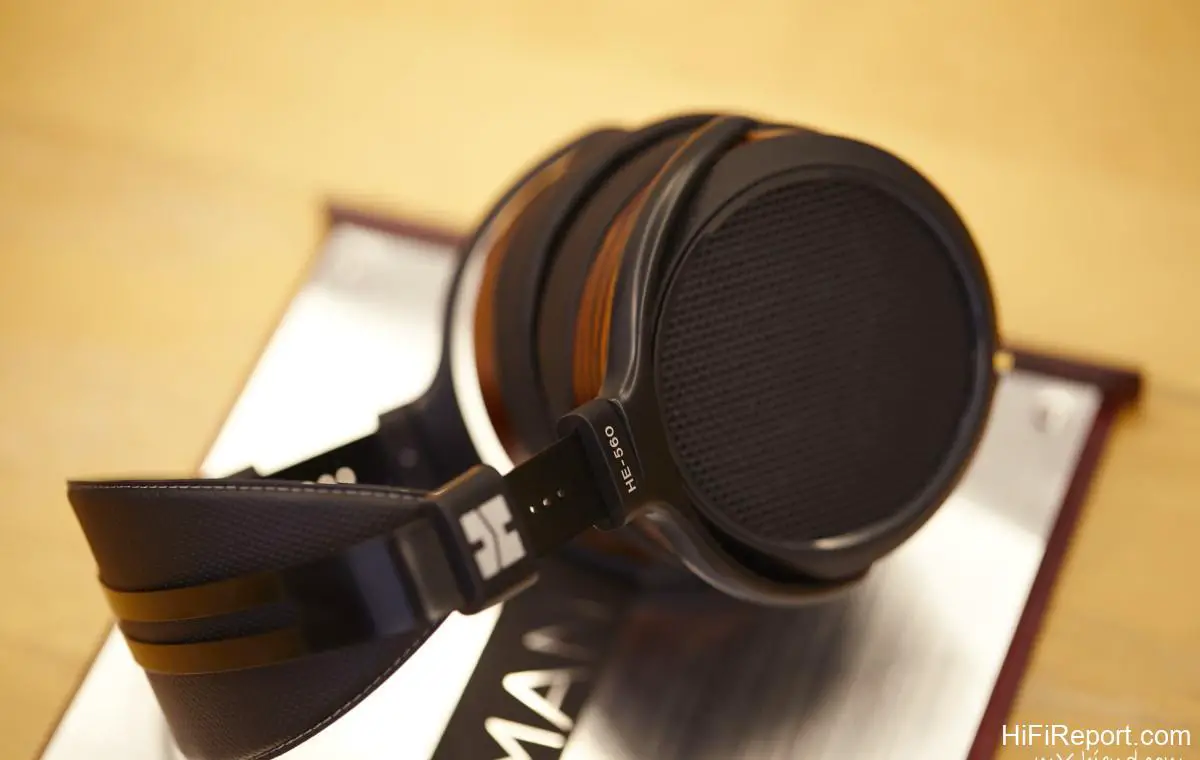
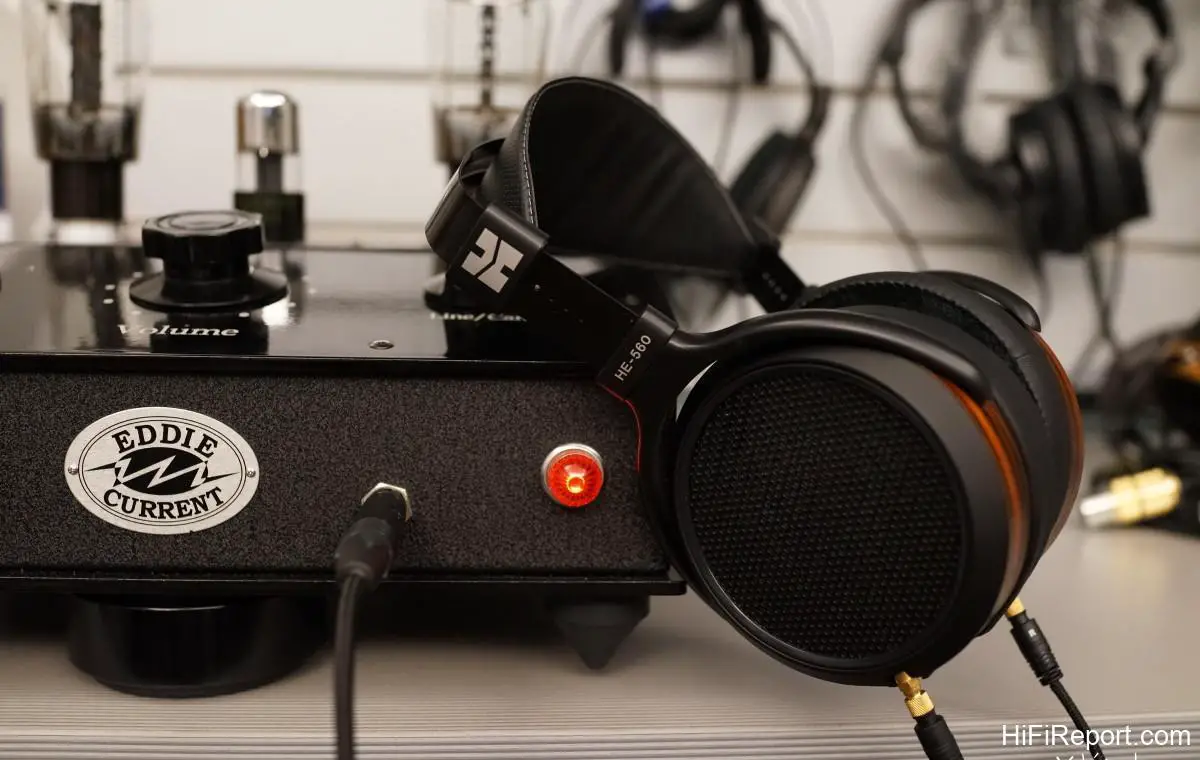
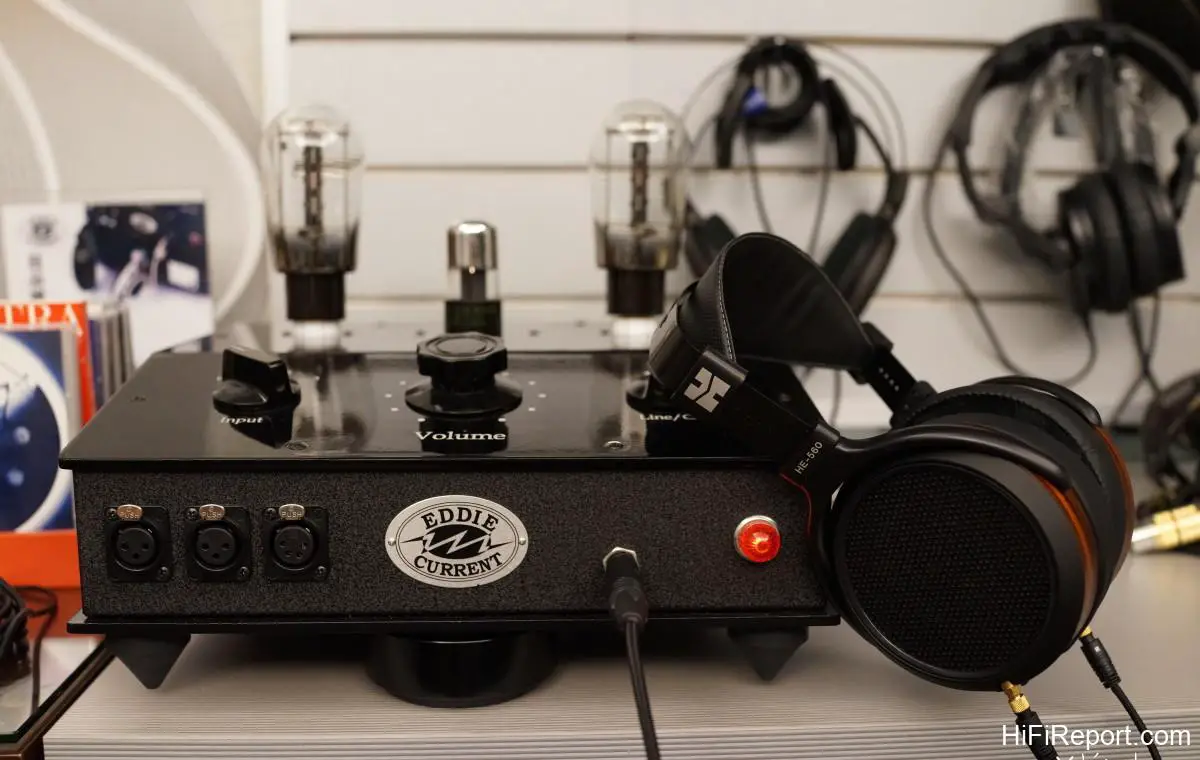
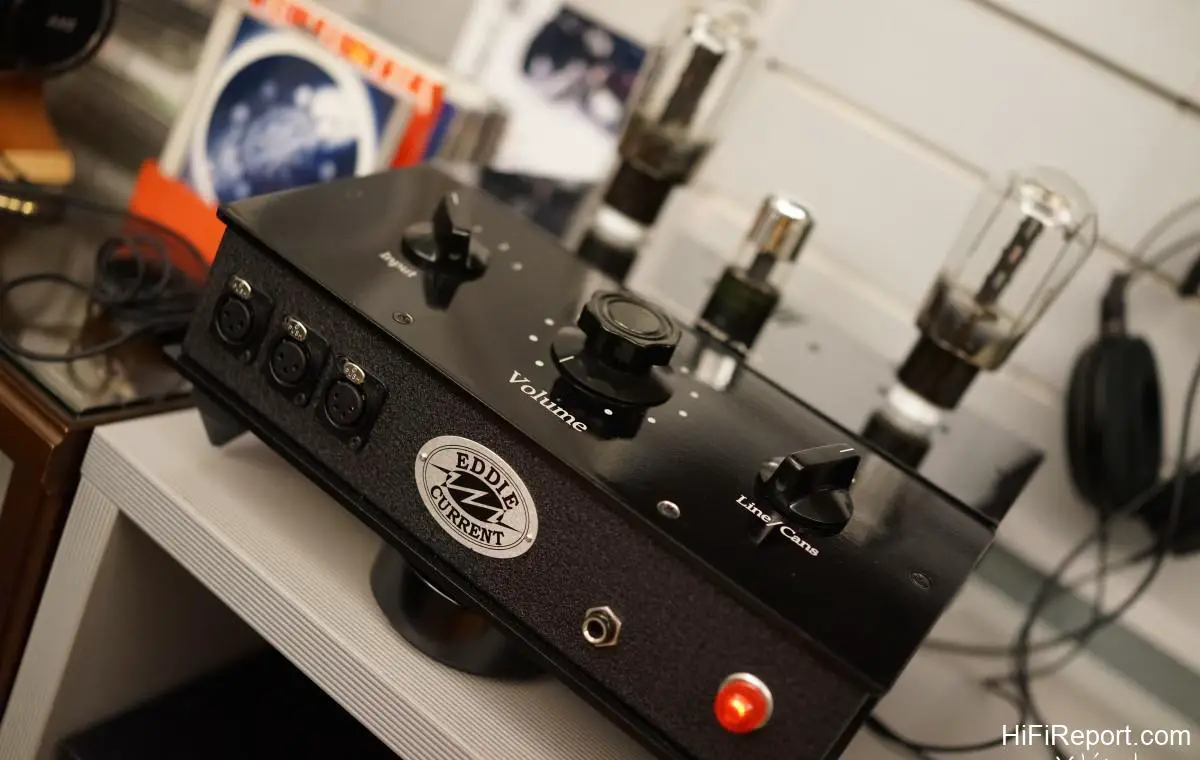
But compared to the R10, which has an almost abnormally strong sense of focus, the deficiency becomes apparent. But… is the HE-560 incapable of clarity? My answer is that it can actually be very clear. After hearing the HE-560 paired with the Eddie Current Balancing Act, my answer is “it can be very clear”. I’ve also tried it with some other headphone amplifiers, but some were too slow, some too soft, and some too dry, so I won’t elaborate on them.
Seeing this, you should understand that the HE-560 is a sensitive and versatile headphone, but it still has its own inherent character: soft and elegant. It’s just too easily influenced… In terms of pairings, I would recommend pairing it with faster and more neutral headphone amplifiers (neither too warm nor too cold). Of course, the tonality of the front-end equipment and cables should also be similar. Therefore, for cables, I would highly recommend Nordost or Stage III cables.
For sources, try to avoid devices with a sound signature like Rega, Marantz, Onix, or Audiolab. Paying attention to these points should allow the HiFiMan HE-560 to deliver excellent performance.
Conclusion
Spending over a month with the HE-560, its characteristics reminded me of the “reluctant sword” from Taiwanese glove puppetry. Those who have seen it should understand what I mean, but I guess not everyone has. Let me explain. The characteristic of this sword is that it changes with the holder’s skill and attributes. In the hands of an ordinary person, it might only appear as a piece of raw iron or something else, not in the shape of a sword.
But if held by a master, it can manifest as a sword, but whether it becomes a renowned blade depends on the holder’s ability. In my hands, I think I have made it appear as a sword. But whether it can be called a renowned blade, I don’t know. I only know that its overall performance surpasses many carefully played headphones. However, it does require careful effort to achieve good sound, making it a worthwhile investment and a good headphone that faithfully reflects the system’s condition.
If your HE-560 cannot produce good sound, you might want to consider whether there is a problem with your pairings that prevents it from becoming a sword, rather than blaming the HE-560’s inherent quality. In summary, the HE-560 is a headphone worth challenging. If you are someone who enjoys challenges, the HE-560 is a good target you shouldn’t miss. If you are lazy but still want to try the HE-560, you can refer to my pairing suggestions, which should get you to about 70-80% of its potential.
Reference System
**Two-Channel System:**
* **Source:** Orpheus zero P + Weiss Medus
* **Preamplifier:** Orpheus Two
* **Power Amplifier:** Boulder 850
* **Cables & Accessories:** Stage III Concept, HB Cable Design PowerStar Horizon
**Headphone System:**
* **Source:** Orpheus zero P + Weiss Medus
* **Headphone Amplifier:** Luxman P1u
* **Cables & Accessories:** Stage III Concept, HB Cable Design PowerStar Horizon
Eddie Current Balancing ACT Impressions
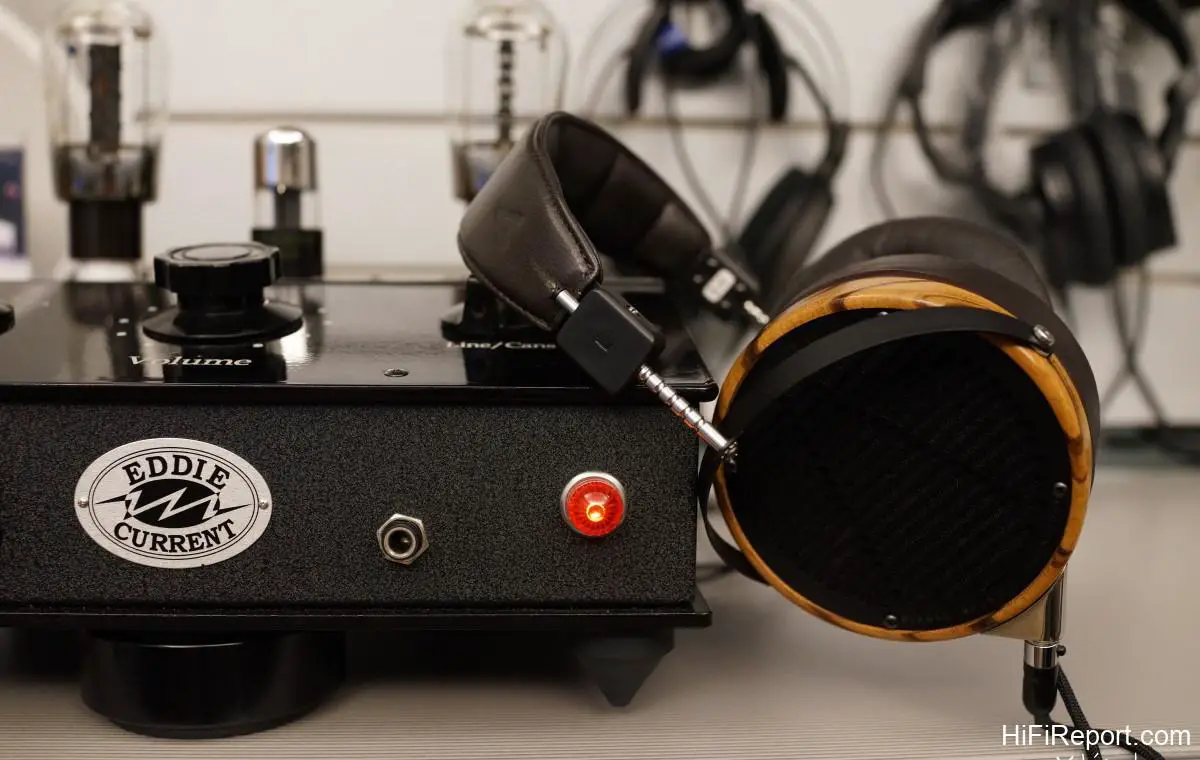
Let’s talk about my impressions of using the Eddie Current Balancing ACT to drive the HE-560 at (Yinyue, a Hi-Fi store) a couple of weeks ago.
We have previously conducted a comprehensive review of the Balancing ACT. It’s incredibly powerful with the Sennheiser HD800. The review report was published in HiFiReport Issue 5 e-magazine.
After receiving the HE-560, the first impression for many people is that the HE-560 is hard to drive. Because the HiFiReport listening room doesn’t have headphone amplifiers, only the headphone outputs of the Weiss DAC202 and TEAC UD-301 DACs, they naturally cannot unleash the HE-560’s potential. The first thing that came to mind was the Balancing ACT, a super headphone amplifier. So, I took the HD800 and HE-560 to to try them out.
Actually, both headphones are also on display at , but bringing my own ensured a consistent comparison.
On that day, the main headphones auditioned were the HE-560 and HD800, and I also briefly listened to the Audez’e LCD-3.
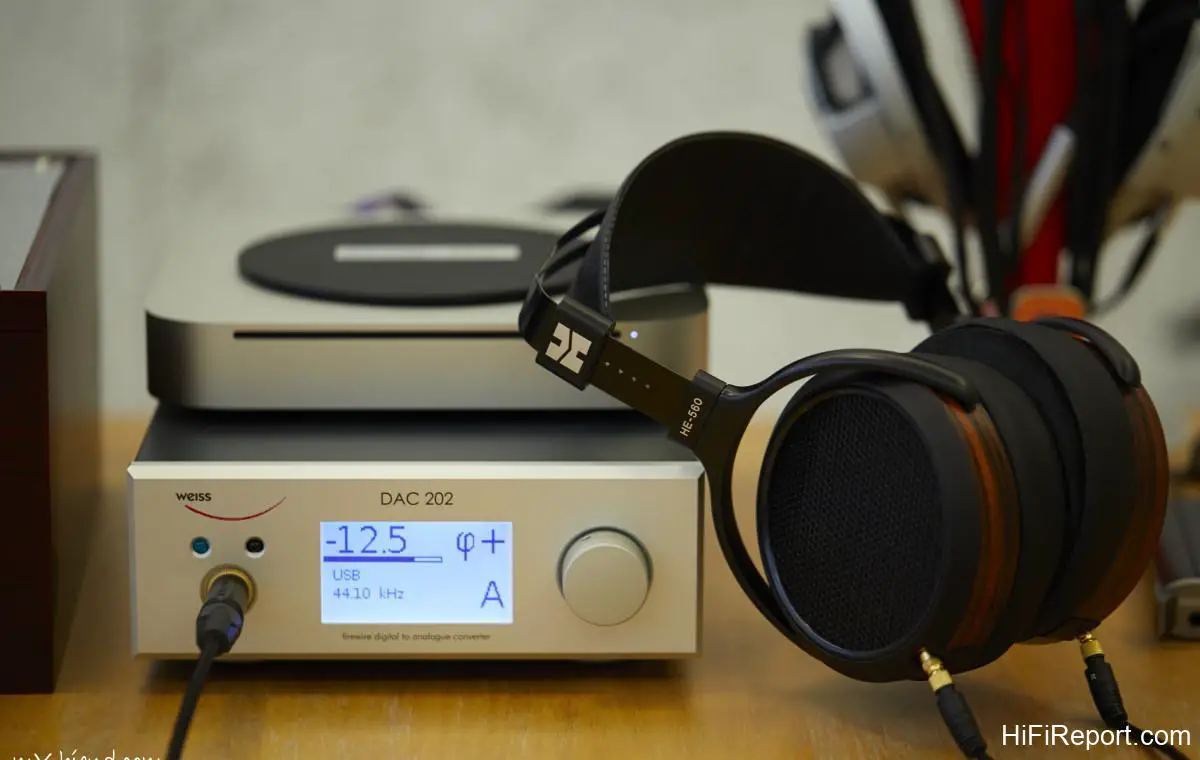
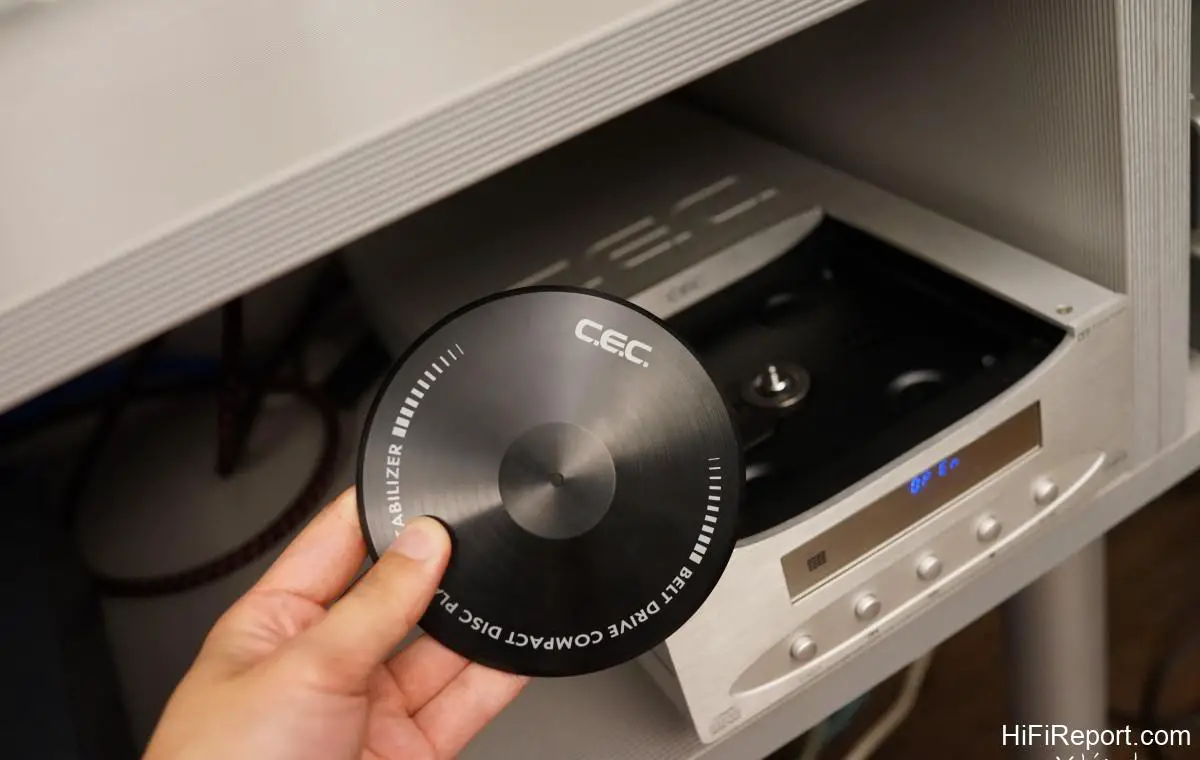
The source was a CEC transport outputting to a WEISS DAC202 for decoding.
The DAC202’s polarity was initially set to “-“, but later changed to “+”.
The listening session lasted about three hours. The Balancing ACT driving the HE-560 was, of course, completely effortless. However, you could still feel that the HE-560 is not that easy to drive, because the volume needed to be turned up much higher compared to the HD800 or LCD-3 to bring out the full soundstage and dynamics. In terms of sound performance, the HE-560 and HD800 are completely different.
Compared to the HD800, the HE-560’s sound density and thickness are significantly higher, closer to the density of a two-channel audio system, especially in the mid and low frequencies. Even the HD800, which I previously considered to have high density, appeared lean in comparison to the HE-560. From this perspective, the HE-560 has the density I prefer. However, in terms of transparency, high frequencies, and airiness, the HD800 is much better than the HE-560.
These are the basic differences between the two. To further unleash the HE-560’s potential, several strategies are necessary: find an even more powerful headphone amplifier than the Balancing ACT, or use HiFiMAN’s adapter to drive it with a speaker amplifier, allow the HE-560 more burn-in time, and upgrade to cables with better high-frequency extension and transparency, including the HE-560’s headphone cable and front-end cables, etc.
That day, I spent some time listening to the HD800 with Siltech headphone cables and the LCD-3 with Cardas headphone cables. The conclusion is that if you have the budget, upgrading headphone cables is a worthwhile investment.
For example, after the HD800 was equipped with Siltech headphone cables, the density noticeably increased. Connecting it to the Balancing ACT in balanced mode also resulted in more outstanding dynamic performance.