
Linsoul 7Hz x Crinacle Zero:2 in Ear Monitor Review
The Linsoul 7Hz x Crinacle Zero:2 earns a Great overall grade. The single biggest reason is the revised 10mm dual cavity dynamic driver, retuned with Crinacle’s input, which delivers a bass-forward but tonally clean sound that owners consistently compare favorably to IEMs at far higher tiers. The 4.2-out-of-5 aggregate across 3,506 Amazon ratings confirms that most listeners find the tuning and bass performance worth the money, with the main trade-offs landing in shell materials, eartip retention, and cable length.
The Verdict Up Front
The Zero:2 is a wired, single-driver IEM tuned in collaboration with Crinacle, and its 4.2-out-of-5 rating across 3,506 Amazon reviews signals broad owner satisfaction. Sound quality earns a Great grade on the strength of the revised 10mm driver and the 3 dB bass lift over the original Zero. Design and Comfort lands at Good, because the fit is widely praised but the shell materials, eartip retention, and roughly 4-foot cable hold it back. Noise Isolation rates Good for the passive seal it produces with the right tip, and the absence of any battery makes the Battery Life category a non-issue. If you want a comfortable, bass-tilted IEM for daily listening or as a stage backup, buy these. If you need a longer cable, premium build materials, or active noise cancellation, skip.
Report Card
- Design and Comfort: Good — comfortable and lightweight for long sessions, but stock eartips slip and the cable is too short for desktop use.
- Audio Performance: Great — the revised driver and Crinacle tuning produce a bass-rich, clean signature with no midrange bloat or sibilance.
- Noise Cancelling and Isolation: Good — passive isolation is strong enough for stage monitoring when the correct tip size seals the canal.
- Battery Life: Great — fully wired design means no battery to charge, age, or replace.
- Overall: Great — the Crinacle-tuned audio and strong passive isolation outweigh the basic build materials and short cable for the intended audience.
Design and Comfort
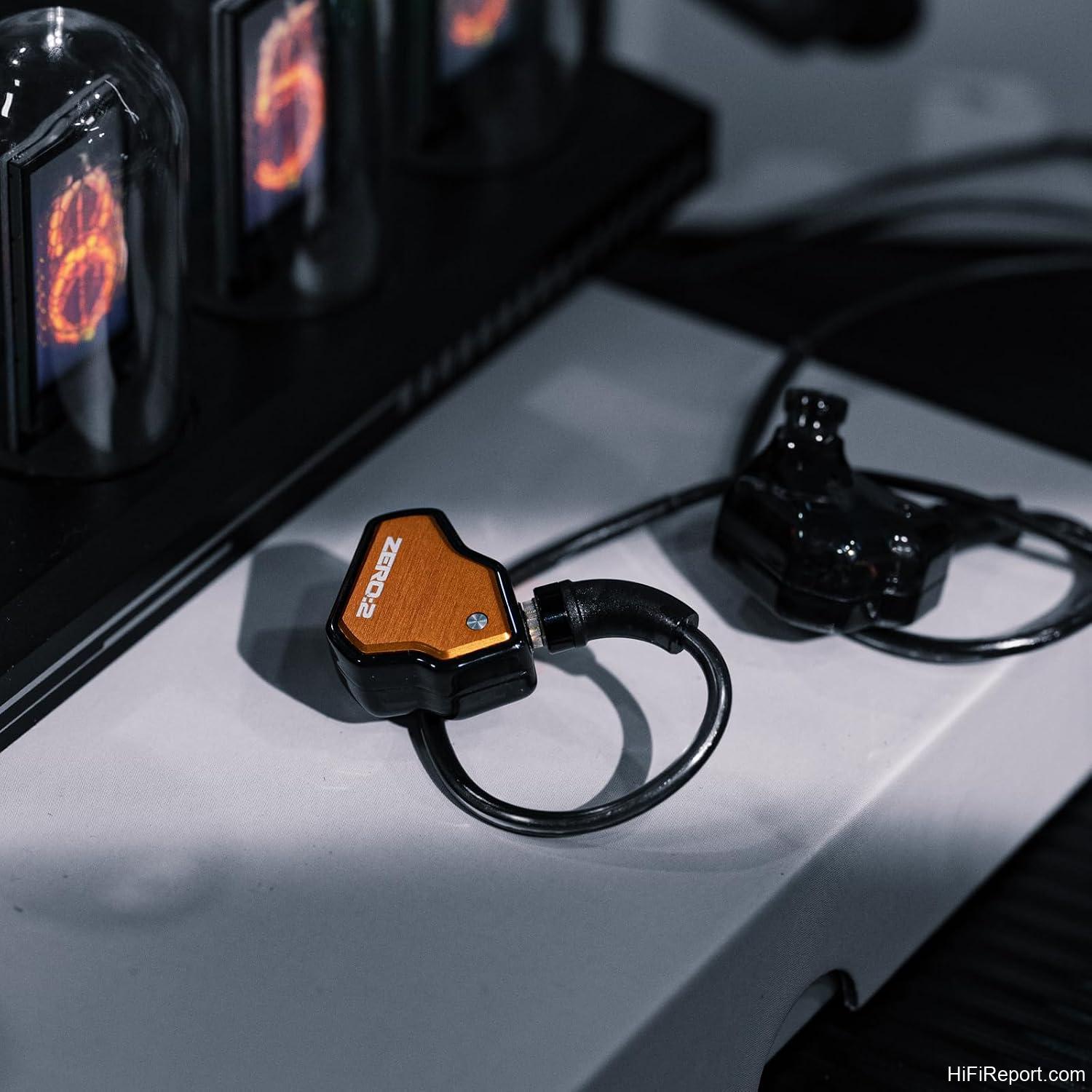
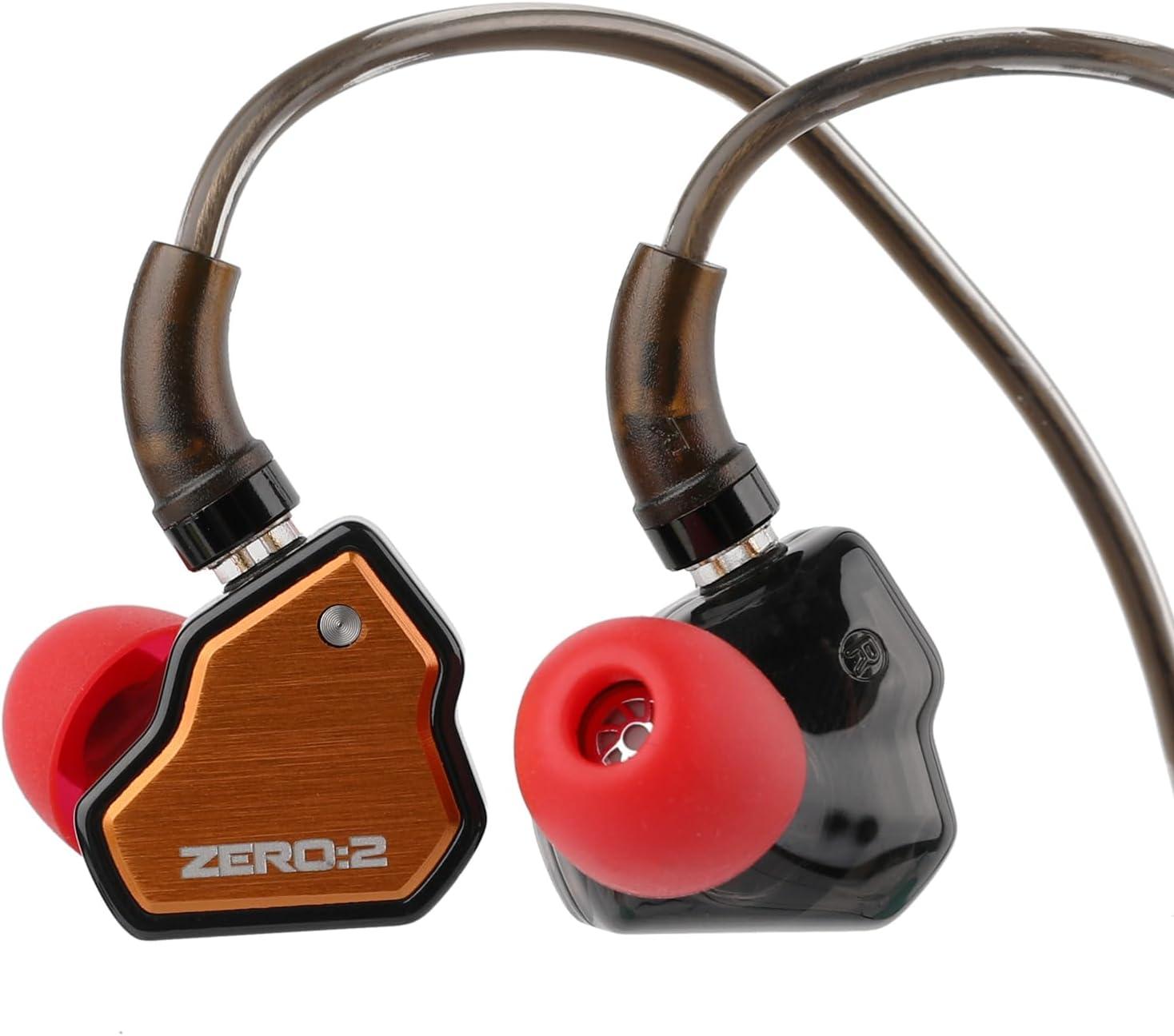
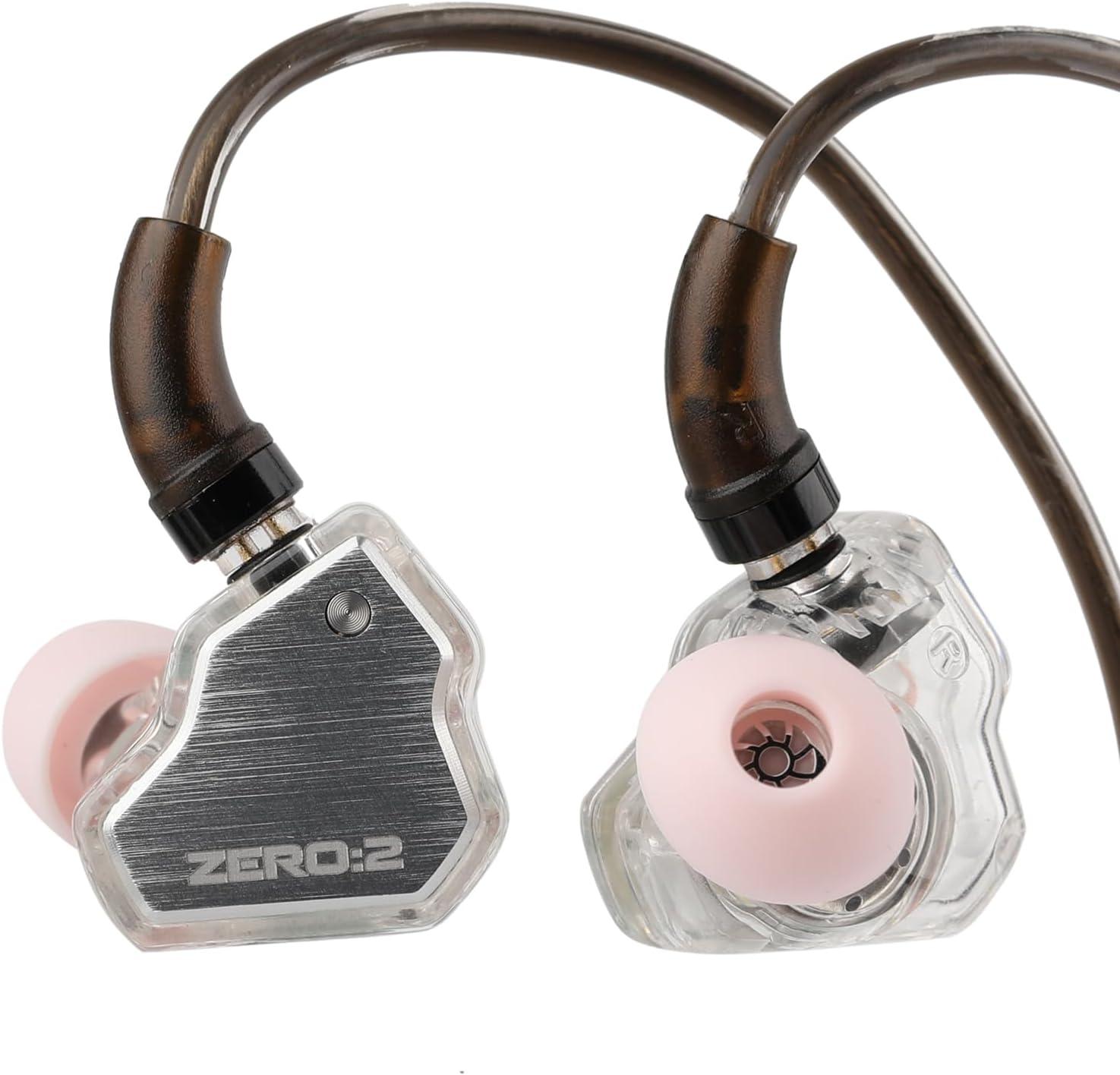
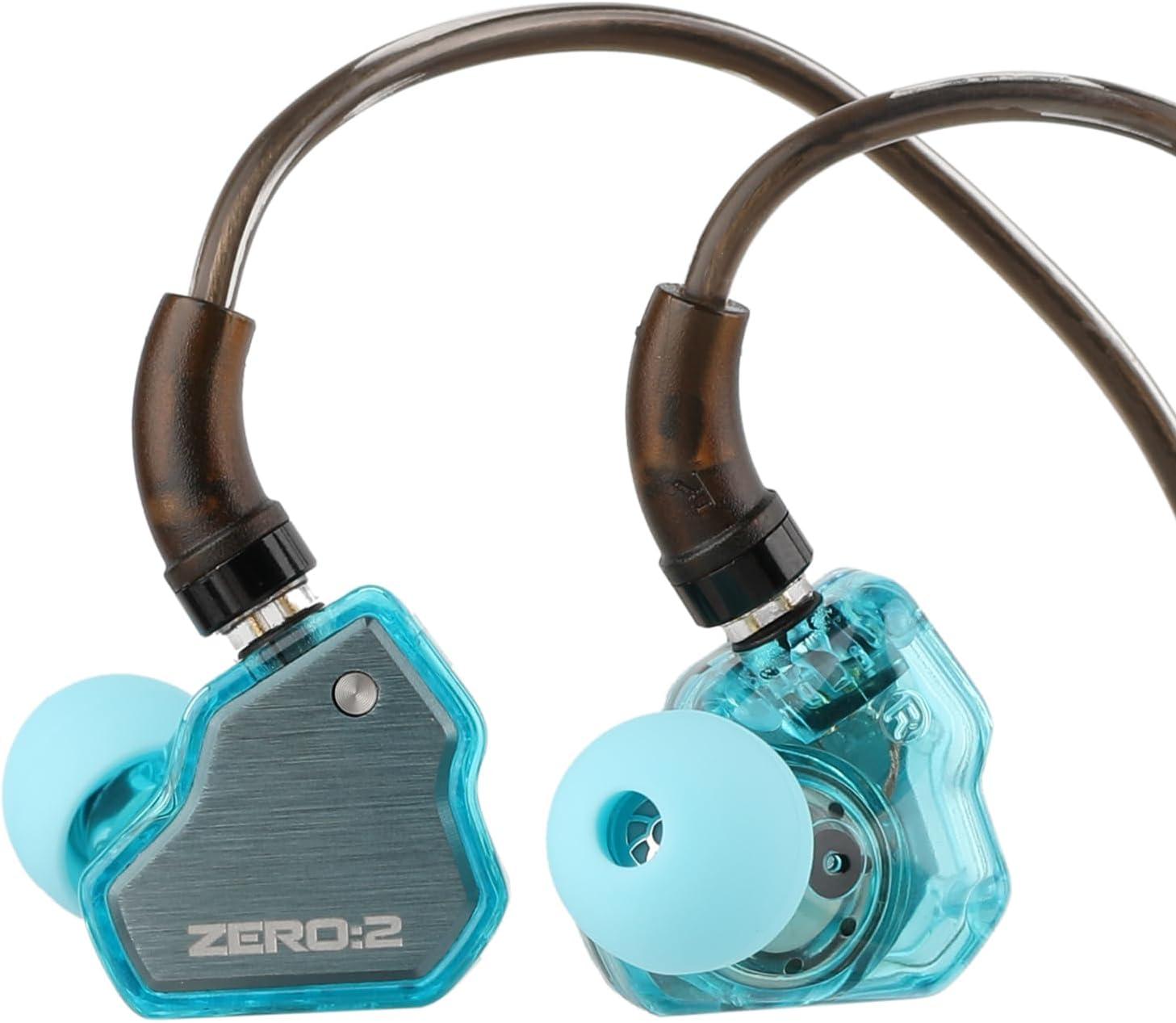
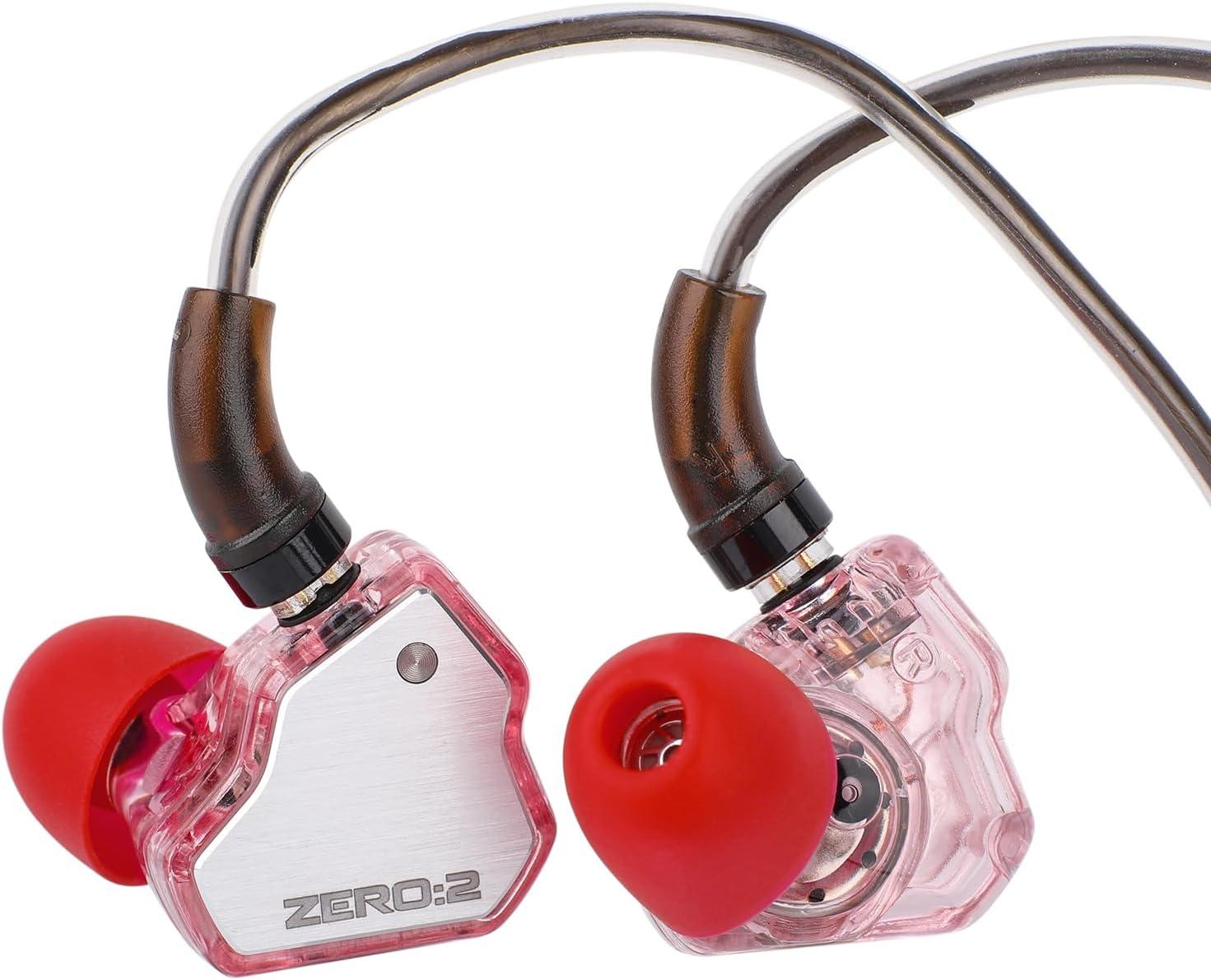
The Zero:2 uses a hard-shell housing finished in orange. Several owners describe the colorway as clean and unflashy, and the shells are compact and light enough that no reviewer reported ear fatigue from the weight alone. A Polish owner listened for two continuous hours with the standard tips and reported that the IEMs stayed seated without slipping. That experience is not universal. Another owner found the stock tips constantly trying to back out of the ear during normal movement, requiring frequent re-adjustment. Swapping to aftermarket SpinFit tips solved the retention problem but added a slight sharpness to the upper mids, a trade that owner accepted for the stability.
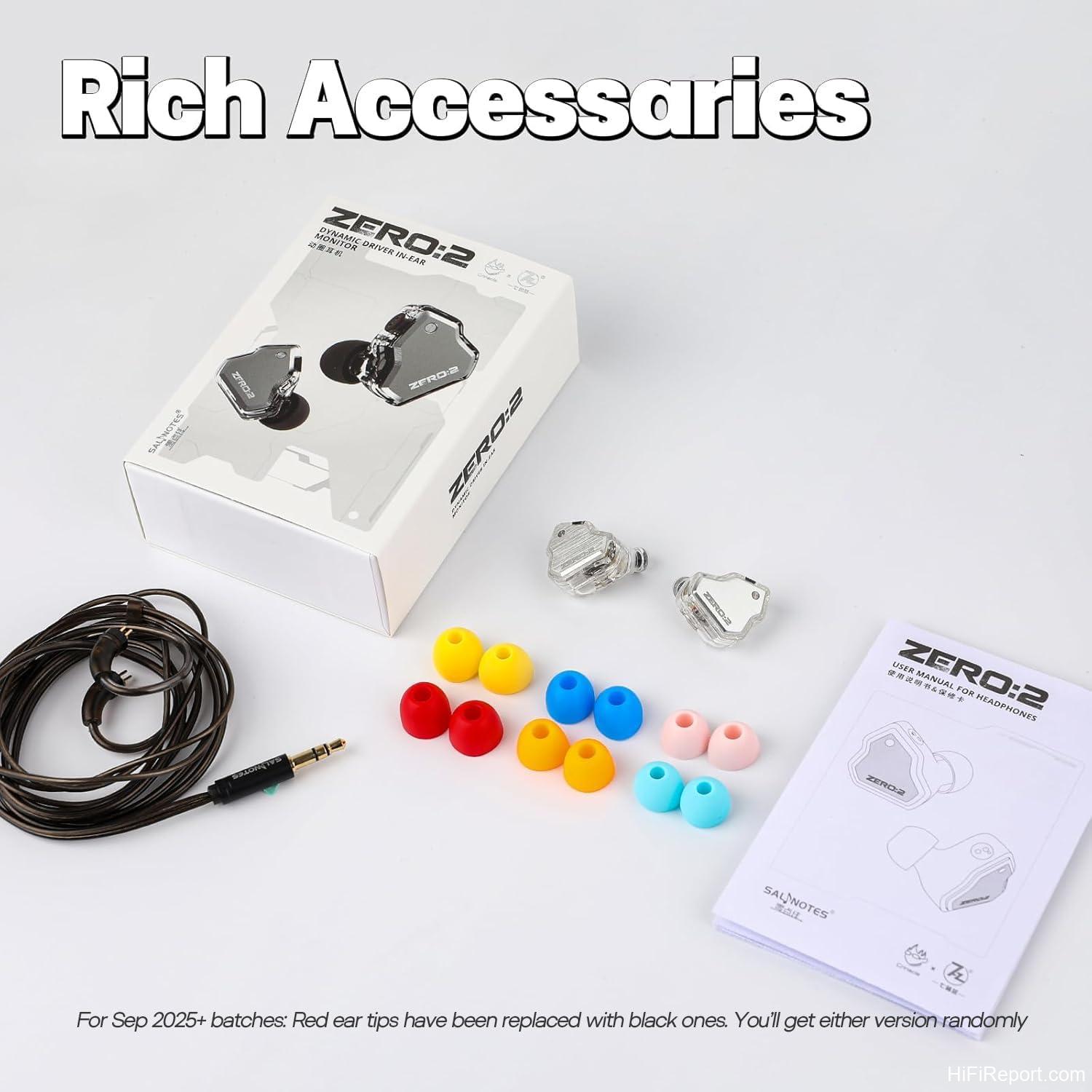
The included cable is a removable oxygen-free copper design with silver plating, wound in a coaxial structure using 140.06 and 250.06 winding. It measures roughly 4 feet, which suits a phone held in the hand or a DAP in a pocket but falls short when the source sits at a desk. The connector pins are small and thin; one reviewer warned that inserting them flipped or with excess force can snap them inside the shell. The glossy coating on the cable looks utilitarian, and multiple owners called it subpar relative to the IEMs themselves. No carrying case ships in the box.
Grade: Good — the shells are light and comfortable for extended wear, but stock eartip retention, the 4-foot cable, and basic build materials keep the score from climbing.
This review first appeared on hifireport.com. Reproduction without permission is not allowed.
Audio Performance
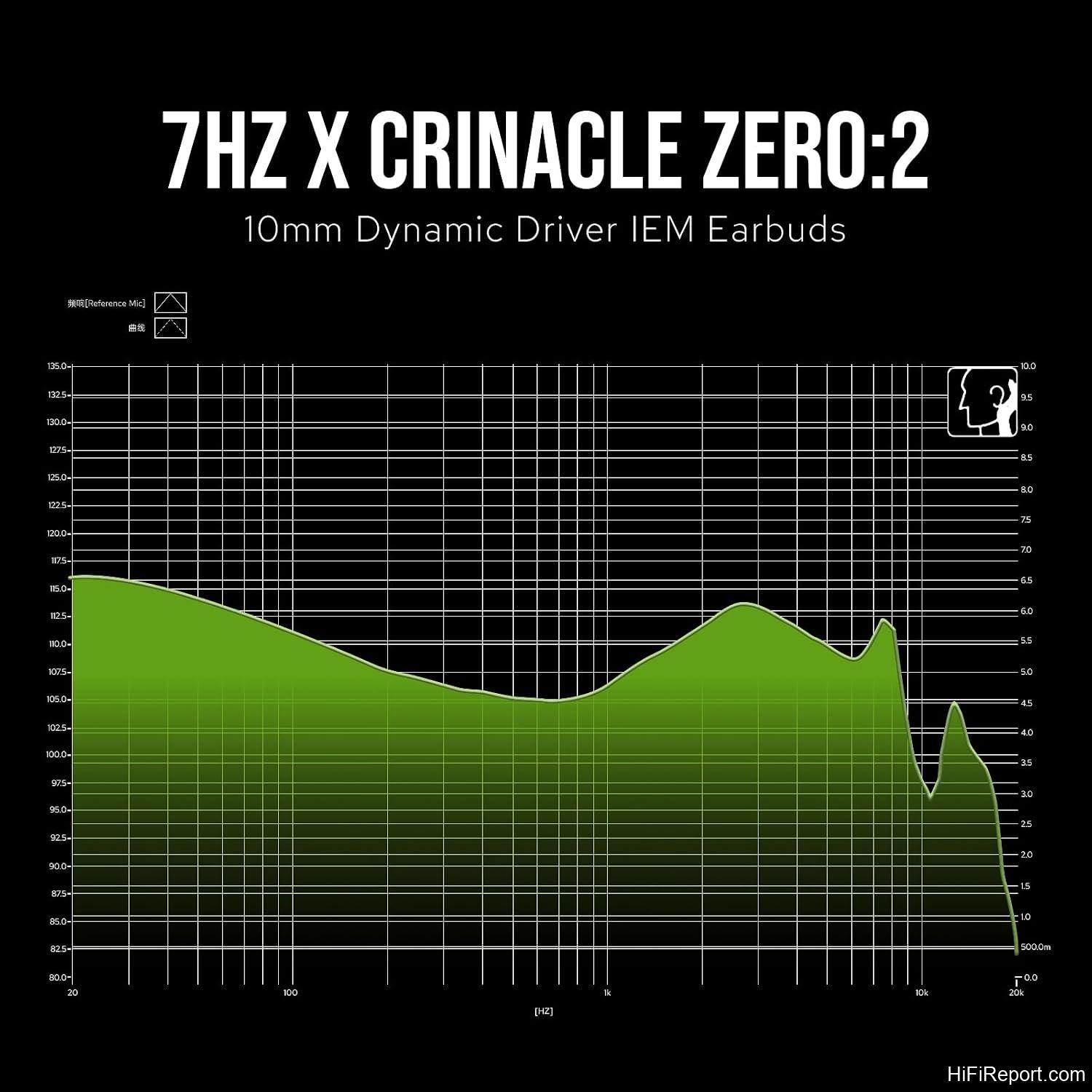
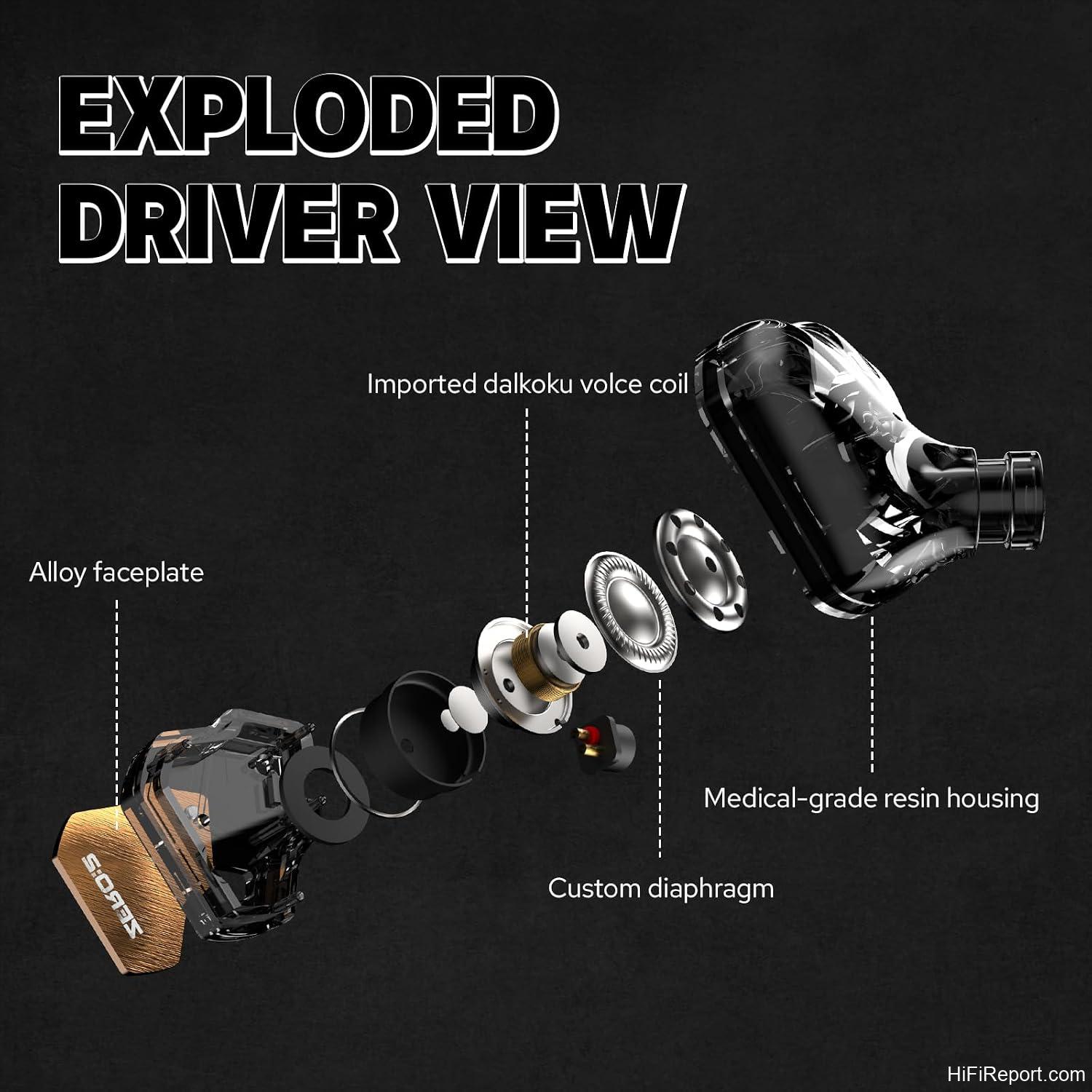
The Zero:2 sounds bass-rich and clean, and that is the bottom line. The new 10mm dual cavity dynamic driver uses a PU+Metal composite diaphragm that the manufacturer says allows faster movement than the original Zero. The tuning adds 3 dB in the low frequencies over the first-generation model, giving harder-hitting bass with more texture and tactile impact while keeping mids and highs separated and free from bass bleed.
Tonal Balance and Treble Behavior
Owners consistently describe the signature as neutral-warm with a controlled low-end tilt. An audiophile who had listened to IEMs across a wide price range noted that Crinacle’s tuning avoids midrange bloat; the mids are present without being in-your-face. The same listener flagged slight peaks around 7.8 and 12 kHz but found no resulting harshness, though the effect varied with tip choice. A Canadian stage user described the highs as well controlled and free of shrillness, with no ear fatigue during a full performance set. The midrange carries a bit more body and warmth than the original Zero, giving instrument and vocal fundamentals a fuller texture without smearing adjacent notes.
Bass, Detail, and Peer Comparisons
The bass is the most discussed element. Multiple owners called it thumping yet tight, with deep extension and good elasticity. One reviewer who also owned a Moondrop Chu II found the Chu II had a wider soundstage and superior mid-to-high clarity but seriously lacked low end, while the Zero:2 made up for it with a much stronger bass presence. An owner who had previously used a branded SE215 returned that pair after finding the Zero:2 more open and spacious, with more articulate overtones on small instruments. A smaller group of critics found the stock volume underpowered and the sound muffled, with distortion appearing when the source was pushed to high output. The overall consensus sits firmly on the positive side: for a single dynamic driver IEM, the tonal execution here is strong.
Grade: Great — the revised driver and Crinacle tuning deliver a bass-forward, clean, and well-separated sound that outperforms most competitors in the ultra-budget tier.
Noise Cancelling and Isolation
The Zero:2 provides passive isolation through its seal against the ear canal; there is no active noise cancelling circuitry or microphone on the cable. A Canadian stage monitor user who had relied on Shure SE215 and Westone 10/20/30 series IEMs for years reported that the Zero:2’s isolation exceeded those established models, describing it as exactly what is needed for on-stage use. The owner credited the good seal to correct eartip selection and noted the fit was more comfortable than the Westone alternatives during long sets.
Because the isolation is entirely passive, the quality of the seal depends on tip size and how firmly the shell seats in the canal. Owners who struggled with the stock tips slipping out also reported reduced isolation, since a broken seal lets ambient or stage noise back in. Choosing the correct tip diameter and pressing the shell firmly into the canal resolves the most common complaint. For a quiet room or a moderately noisy stage, the passive seal handles the job. It will not match an active-noise-cancelling headphone in a jet cabin, but for its intended use as a wired monitor or daily listener, the isolation is more than adequate.
Grade: Good — the passive seal isolates well for stage monitoring and everyday noise reduction, provided the owner finds the correct eartip size.
Battery Life
The Zero:2 is a fully wired IEM. It draws power directly from the source device through the cable, so there is no internal battery, no charging cycle, and no capacity to track. You connect it to a phone, laptop, DAP, or stage preamp and it produces sound for as long as the source has power.
This also means there is no battery degradation over years of ownership. A pair of wired IEMs will not lose output as a lithium cell ages, and a touring musician does not need to keep them on a charger between sets. The trade-off is the cable itself: it can snag, wear, or break over time. The connector is removable, so a damaged cable can be replaced independently without retiring the IEMs.
This review first appeared on hifireport.com. Reproduction without permission is not allowed.
Grade: Great — no battery to manage; the wired design reduces charging anxiety and long-term cell degradation entirely.
Owner Ratings Explained
The 4.2-out-of-5 aggregate across 3,506 Amazon ratings places the Zero:2 in the upper band for a single-driver IEM at this tier. The praise concentrates on sound quality: owners repeatedly use language like “punches well above its weight” and “blown away” by the tuning. Bass performance draws the most specific compliments, with descriptors ranging from “thumping yet tight” to “deep with great elasticity.” Comfort over long sessions and the lack of ear fatigue appear frequently in five-star reviews.
Criticism clusters around three areas. Build materials and the cable get called basic or cheap. Eartip retention is the most common physical complaint, with several owners needing aftermarket tips for a stable seal. A smaller group found the stock volume underpowered, requiring them to push the source harder before distortion appeared. The lone three-star review in the collected set comes from a listener who compared the Zero:2 to a 10-year-old Audio-Technica pair and found the Zero:2 flatter and less immediate, though that owner ultimately kept them for gym use. None of the negative themes touch the core tuning, which keeps the aggregate solid and aligned with the Great grade on Audio Performance.
What We Like / What We Don’t
- What We Like
- Crinacle-tuned bass-forward signature with no midrange bloat or sibilance
- 10mm dual cavity driver with PU+Metal diaphragm for fast, textured low end
- Passive isolation strong enough for stage monitoring and quiet-room use
- Lightweight, comfortable shells that stay seated for multi-hour sessions
- Removable OFC cable with silver plating and coaxial winding
- What We Don’t
- Stock eartips slip out of the ear for a notable share of owners
- Cable measures roughly 4 feet, too short for a desktop amp or DAC
- No carrying case included in the box
- Shell and cable materials feel basic relative to the audio performance
- Upper-treble peaks around 7.8 and 12 kHz can read as sharp with certain tips
Bottom Line
The Zero:2 earns a Great on Audio Performance, Good on Design and Comfort and Noise Isolation, and a non-issue Great on Battery Life. The thing it does well is deliver a Crinacle-tuned, bass-rich sound from a single 10mm driver that owners compare favorably to IEMs at substantially higher tiers. If your priority is tonal quality and you will accept a basic shell, a short cable, and the need to dial in the right eartip size, these are a strong buy. If you need a 6-foot cable, premium build materials, or active noise cancellation for airplane travel, look elsewhere. For daily listening, commuting, or as a dependable stage backup IEM, the Zero:2 is the easiest recommendation in its tier.
Spec Sheet
- Driver: 10mm dual cavity dynamic, PU+Metal composite diaphragm
- Frequency response: 10 Hz to 20 kHz
- Tuning collaboration: Crinacle
- Cable: Removable OFC with silver plating, coaxial 140.06/250.06 winding
- Microphone: None
- Color: Orange
- Eartips: Multiple sizes included
- Connection: Wired
- Battery: None (wired)
- Manufacturer: 7Hz / Linsoul
FAQ
Are the included eartips secure enough for active use like running or cycling?
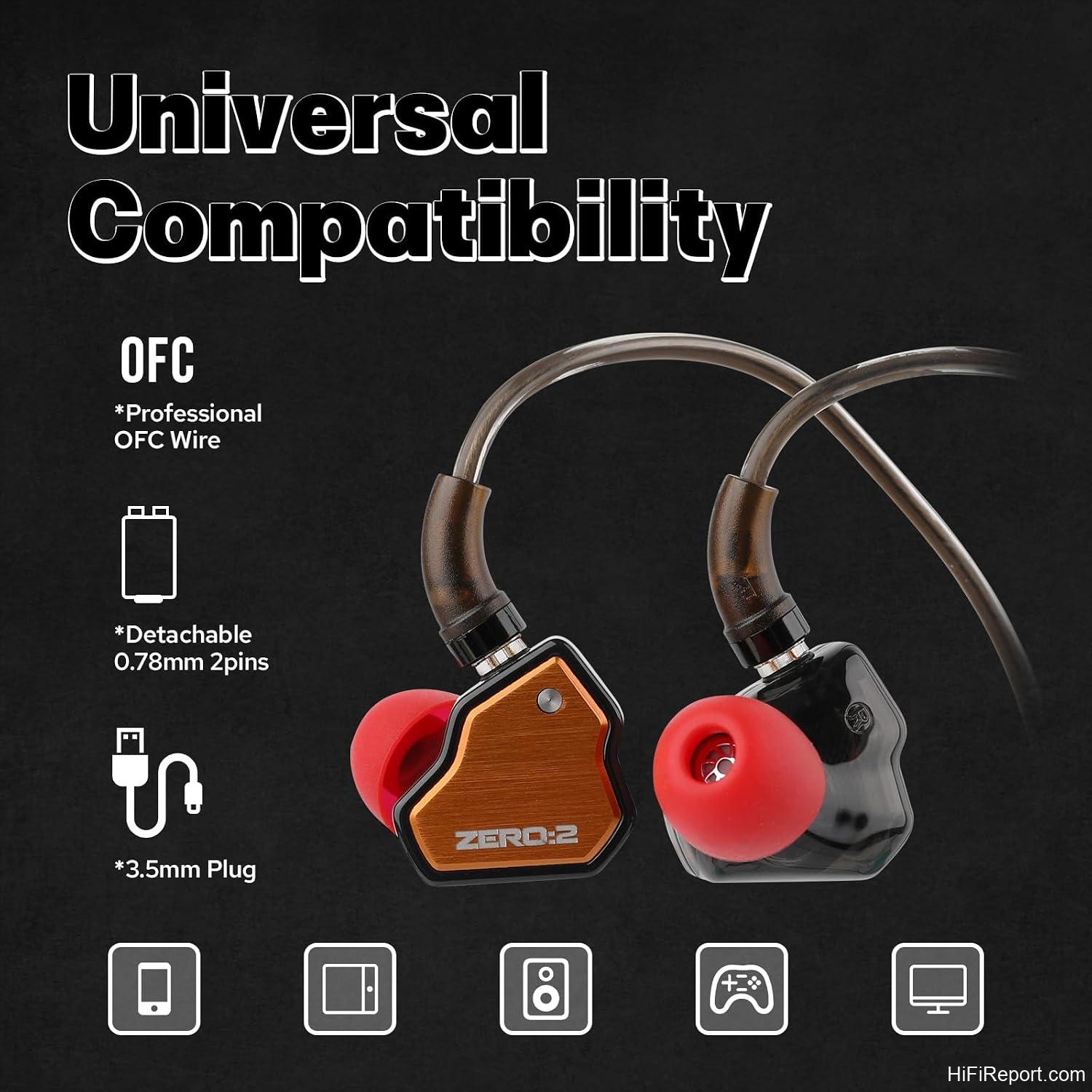
For many owners, no. Several reviewers reported the stock tips working loose and requiring frequent re-insertion during movement. Switching to aftermarket tips such as SpinFit solved the retention issue, though that added a slight upper-mid sharpness to the overall sound.
Will the stock cable reach from a desk-mounted source to the earpiece?
The cable measures roughly 4 feet, which suits a phone or portable DAP in your hand or pocket. Owners using a desktop amp or DAC placed off to the side of a table found it too short and requested a 6-foot version the manufacturer has not included.
This review first appeared on hifireport.com. Reproduction without permission is not allowed.
Do these IEMs respond well to an EQ boost?
Yes. Multiple owners confirmed the Zero:2 responds positively to equalization. A bass shelf boost and a gentle treble lift both sound clean, and the tuning does not clip or distort under typical EQ adjustments. One reviewer tested a well-known preset and found the result noticeably better than stock.
Can you use these as a stage monitor IEM in place of custom-mold or branded options?
One Canadian stage user found the Zero:2 more comfortable and better isolated than Shure SE215 and Westone 10/20/30 series IEMs, and ran them as a backup to custom UEpro molds. The bass tilt is more pronounced than a true neutral monitor, so a sound engineer may dial it back for mix-critical work.
No products found.