
Linsoul 7Hz x Crinacle Zero:2 Review
A 10mm dual cavity dynamic driver, a PU+Metal composite diaphragm, and a tuning collaboration with Crinacle, the reviewer whose frequency-response database has shaped how the IEM market benchmarks its products. Those three facts anchor the Zero:2 in the ultra-budget wired IEM space, a tier where 7Hz, Moondrop, and Truthear have set the reference for what a single dynamic driver can deliver at a low entry cost. The Zero:2 updates the original Zero, which earned a long-running reputation as one of the most recommended budget IEMs, by adding roughly 3dB of low-frequency energy and a reworked driver. The listening verdict: it is a warm-neutral, bass-forward set that trades raw resolution and soundstage width for tunefulness and ease of listening, and it handles casual music, gaming, and entry-level stage monitoring with more grace than most owners expect at this tier.
The Numbers First
- Driver: 10mm dual cavity dynamic, PU+Metal composite diaphragm
- Frequency range: 10Hz to 20kHz
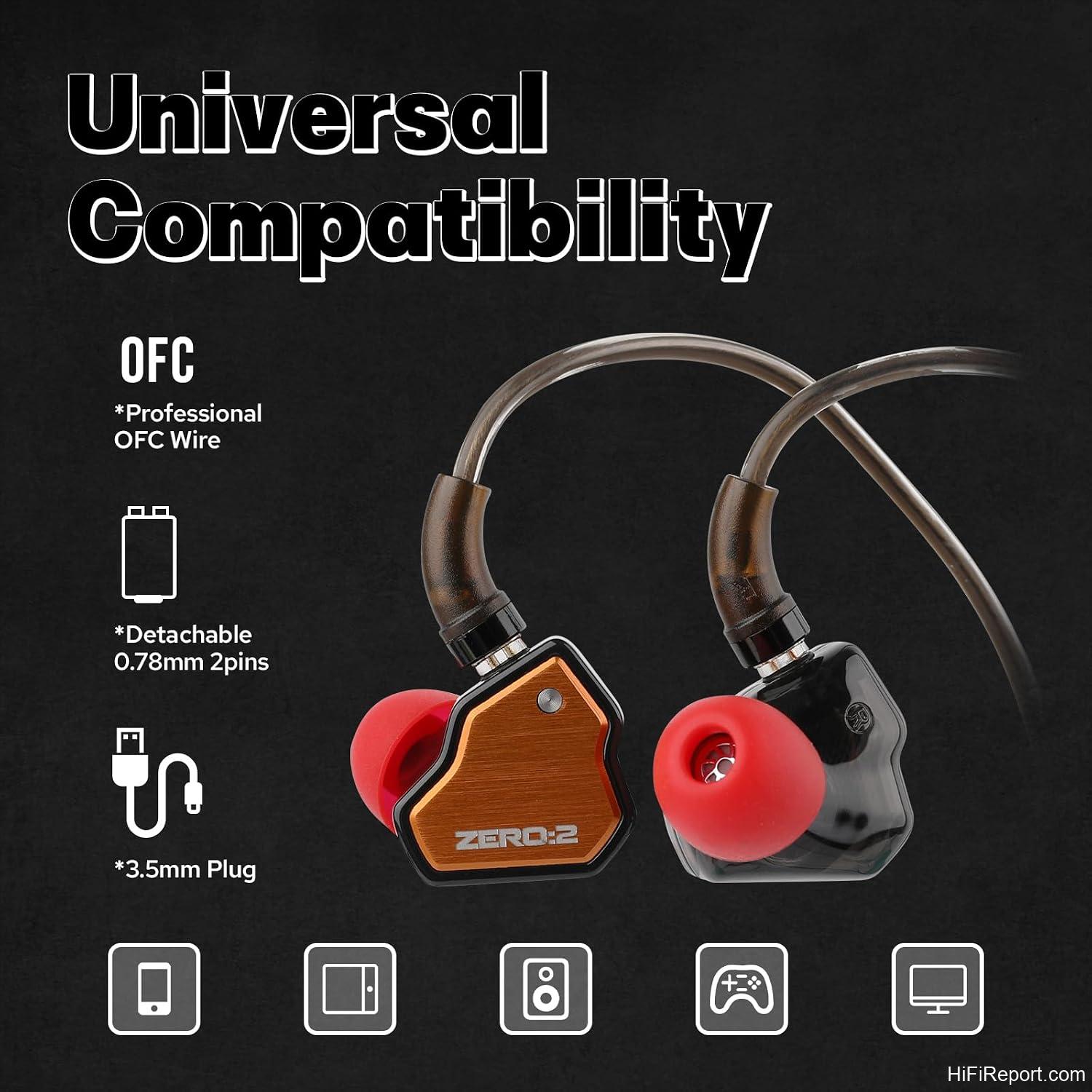
- Cable: OFC silver-plated, removable, coaxial 140.06/250.06 winding
- Tuning collaboration: Crinacle
- Amazon rating: 4.2 out of 5 (3,513 ratings)
What’s Inside
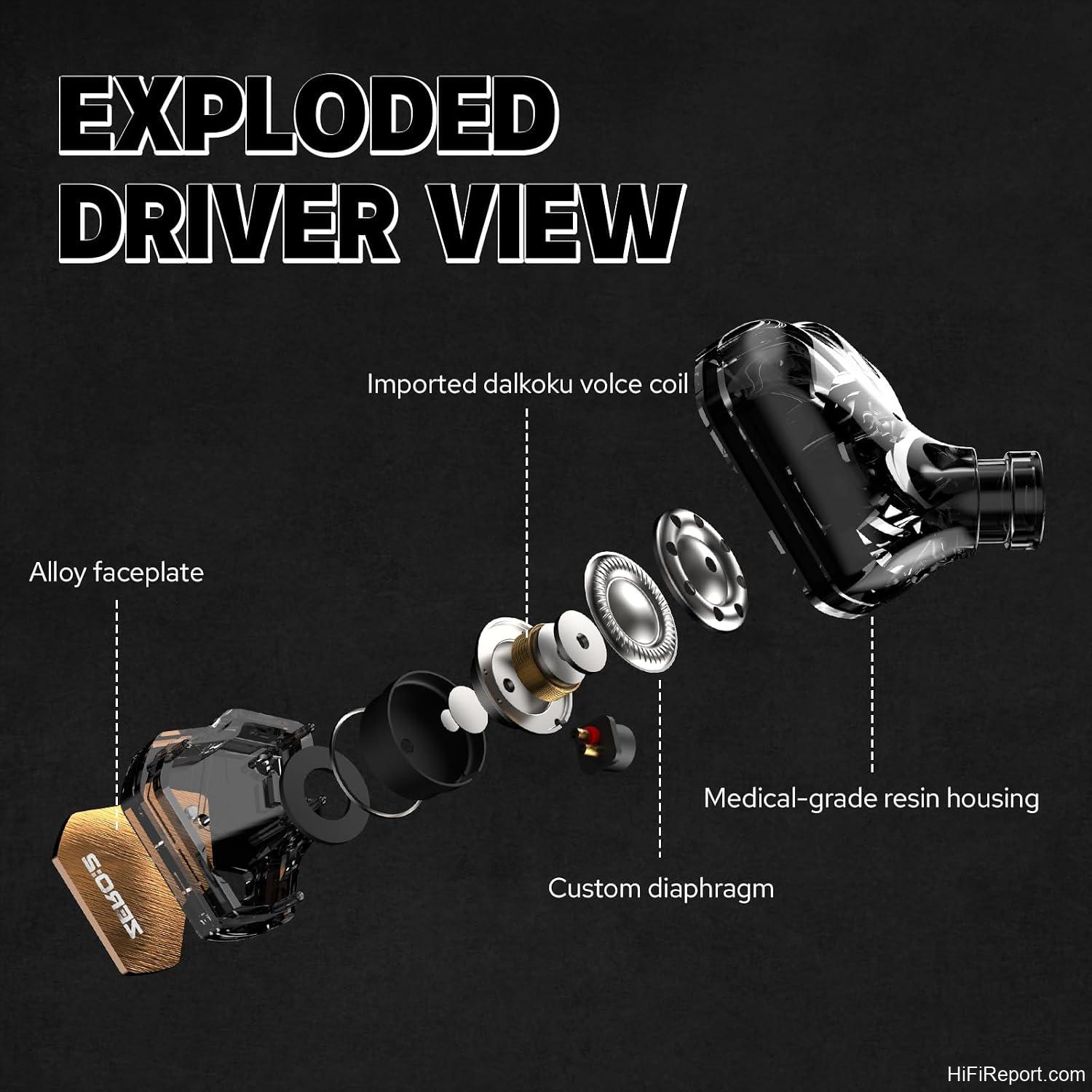
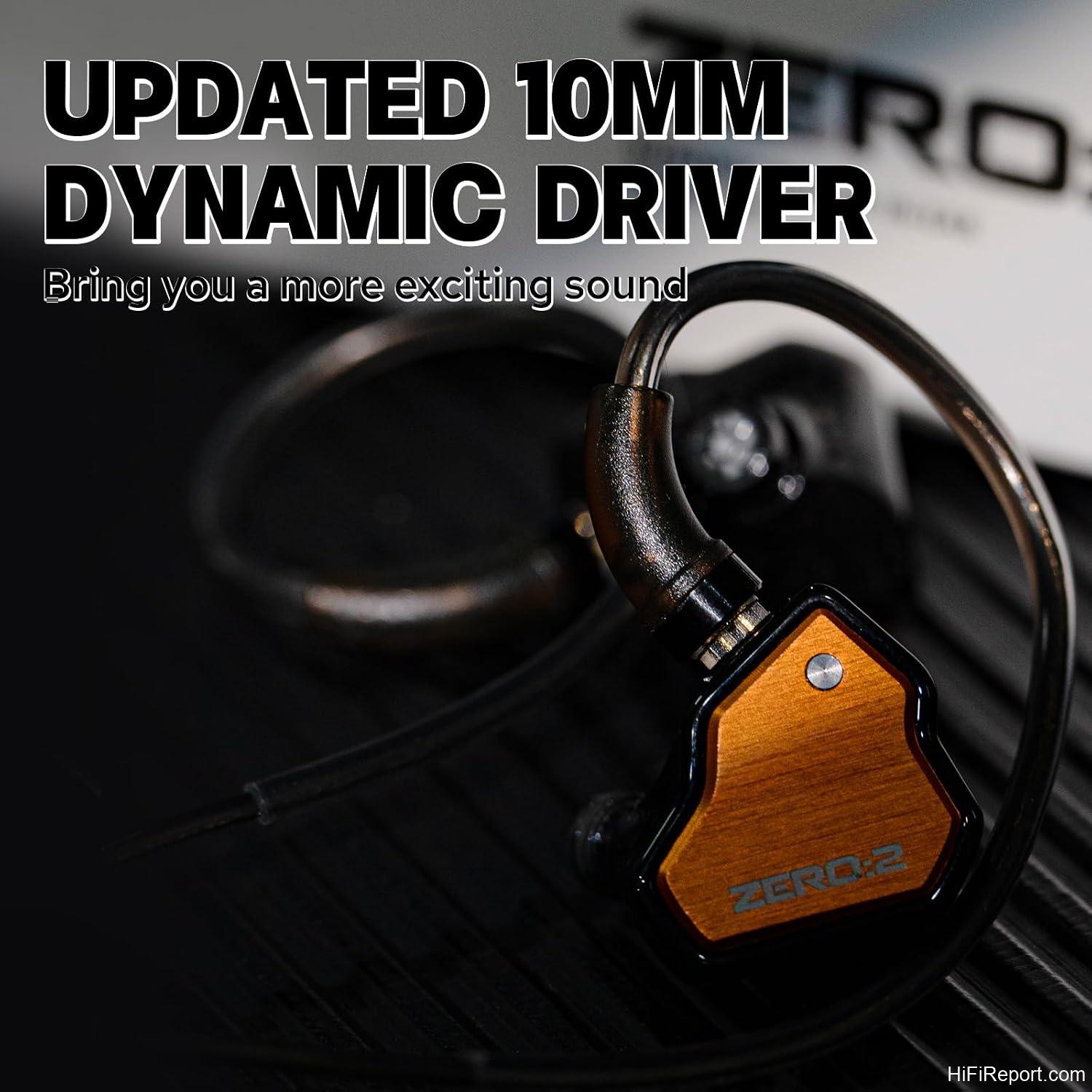
The Zero:2 houses a single 10mm dual cavity dynamic driver with a PU+Metal composite diaphragm. 7Hz describes the new driver as significantly more responsive than the original Zero’s unit, allowing faster diaphragm movement that translates into harder-hitting bass while keeping note-level crispness intact. The rated span runs from 10Hz to 20kHz. The dual cavity layout separates front and rear air chambers, which gives the driver more control over excursion and reduces coloration in the upper mids and treble. 7Hz positions the Zero:2 as a refinement of the original: the core Crinacle-tuned philosophy stays, but the low end gains weight and texture, and the midrange picks up a touch more body and warmth.
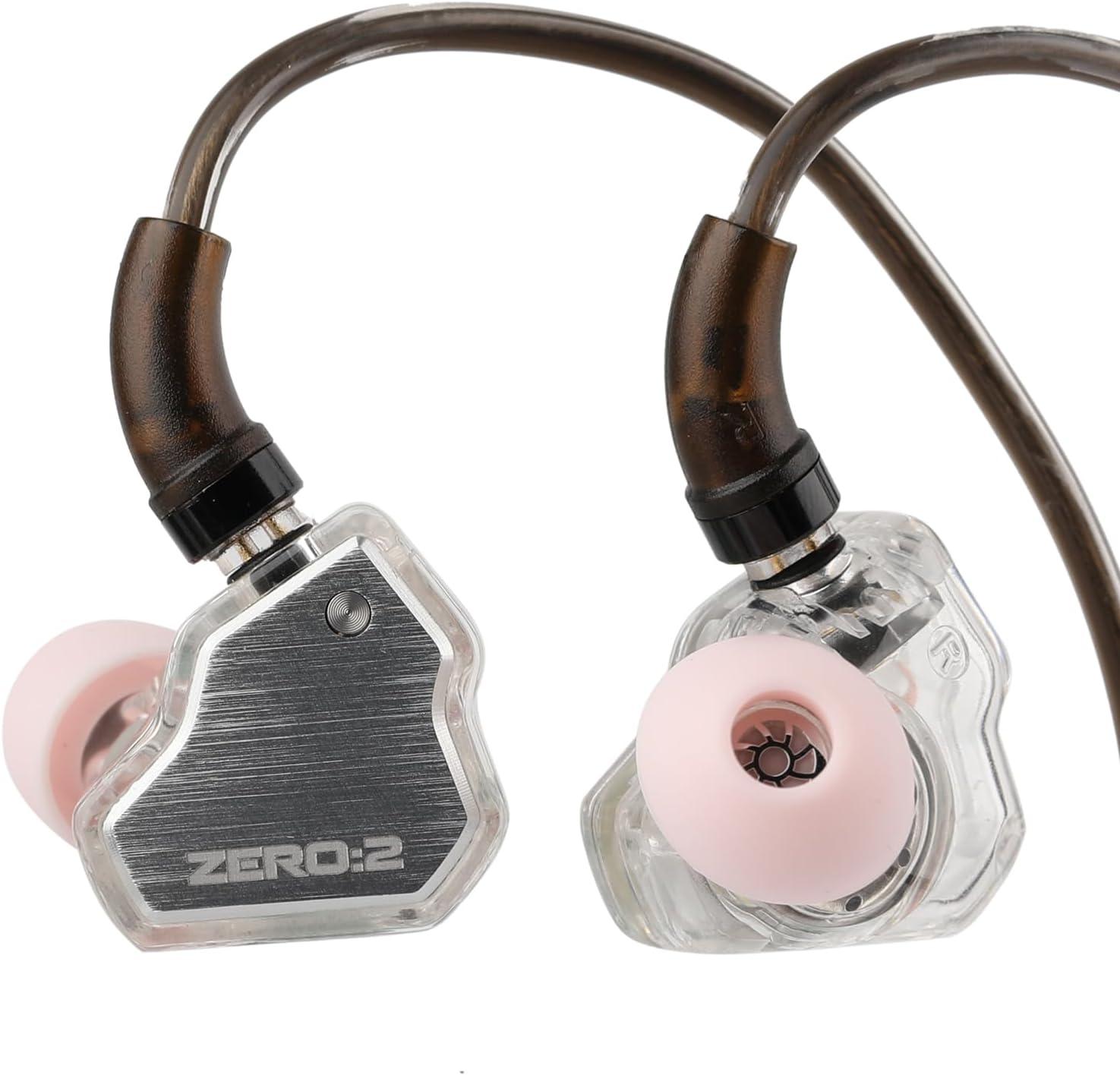
The original Zero, the first Crinacle collaboration from 7Hz, established a tonal balance that reviewers and owners alike treated as a benchmark for single dynamic driver IEMs at the entry level. That balance came at a cost: the low end was deliberately tamed to protect midrange clarity. The Zero:2 keeps the Crinacle-tuned philosophy intact but shifts the low-frequency balance upward by roughly 3dB, adding texture and tactile impact to the bass while the midrange gains a slight increase in body and warmth. The result is a set that still reads as well-balanced on a measured graph yet feels more engaging in the ear than its predecessor.
Sound Signature
The Zero:2 sounds warm-neutral with a forward low-mid shelf that gives bass notes real physical presence without muddying the mids. A kick drum hits with a fast, tight transient and a short tail, and the fundamental of a vocal or guitar sits slightly closer to the listener than the surrounding ambience. Owners comparing it to the original Zero consistently flag the added 3dB in the low end as the most audible change, with bass that now carries texture and tactile weight rather than the tamer presentation of the first model.
Bass and Low Mids
The low end is the Zero:2’s most distinctive trait. Bass extends lower than most owners expected at this tier, and the impact is quick rather than boomy. One reviewer described the lows as “thumping yet tight,” and another called the bass “appropriate without being bloaty.” The low-mids carry a slight warmth that rounds off the lower edge of vocals and instrument fundamentals, giving the midrange a fuller feel than a strictly flat reference would. For listeners who want bass they can feel in the ear canal without losing definition, this is where the Zero:2 earns its reputation.
Mids and Treble
The mids sit present but not in-your-face, and the added body from the updated driver gives vocals and lead instruments a touch more flesh than the original Zero. Several owners describe vocals as intimate and slightly forward-placed in the mix, with the fundamental sitting ahead of the surrounding reverb. Treble peaks around 7.8kHz and 12kHz are visible on measured graphs, yet multiple owners report no noticeable harshness or sibilance at normal listening levels, though tip selection can shift how pronounced those peaks feel. The upper register stays clean and free of bass bleed, which keeps cymbals and strings articulate without sounding etched or fatiguing. The overall top end is controlled; it does not reach the detail retrieval or airiness of a higher-tier IEM, but it remains musical and non-fatiguing over extended sessions.
Build and Accessories
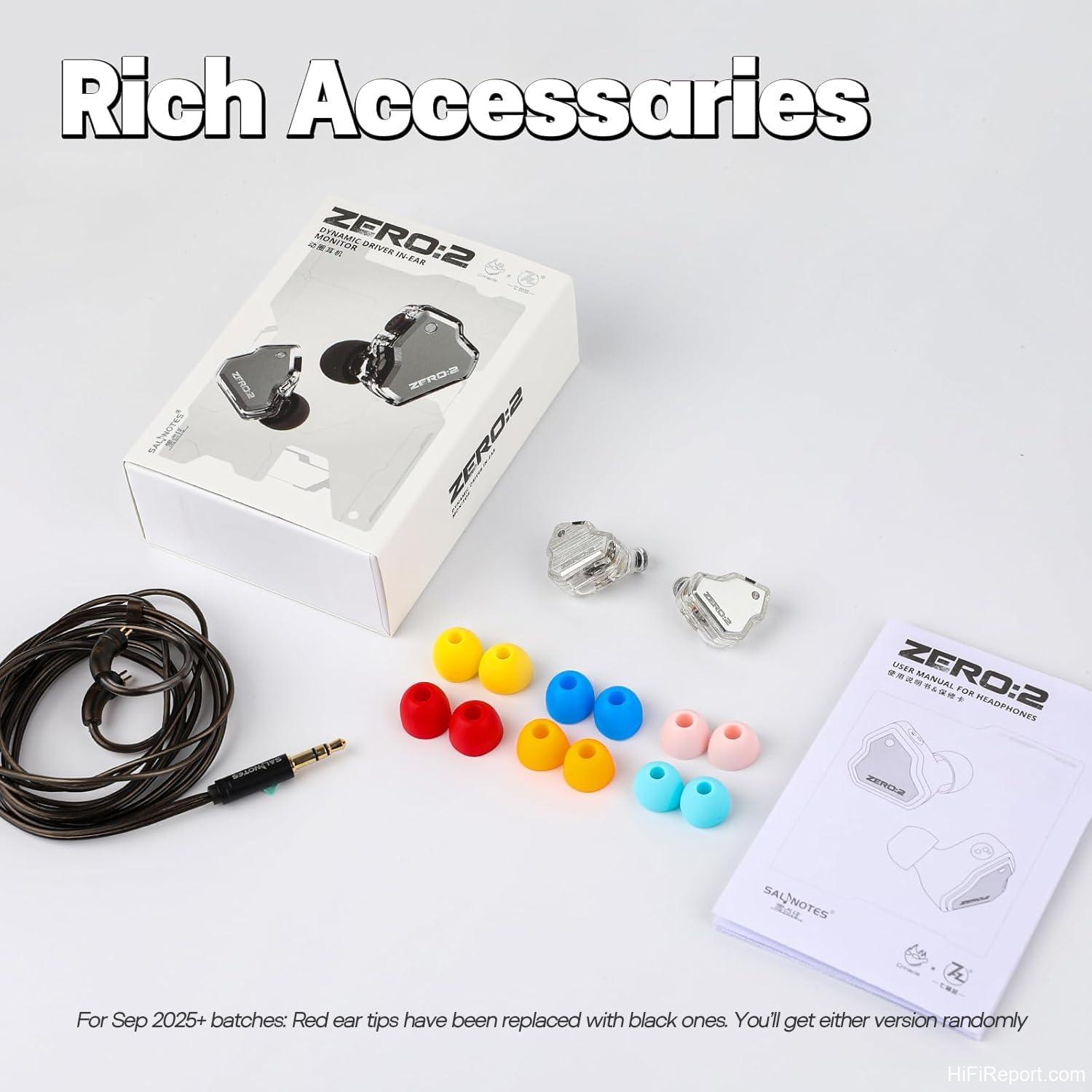
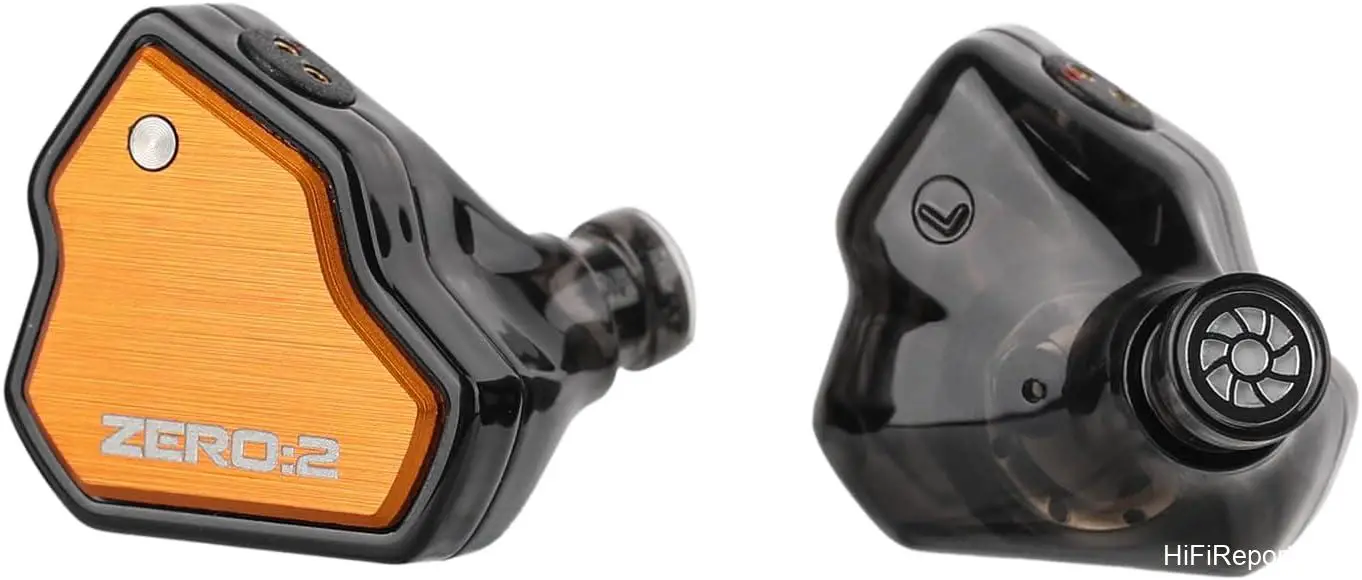
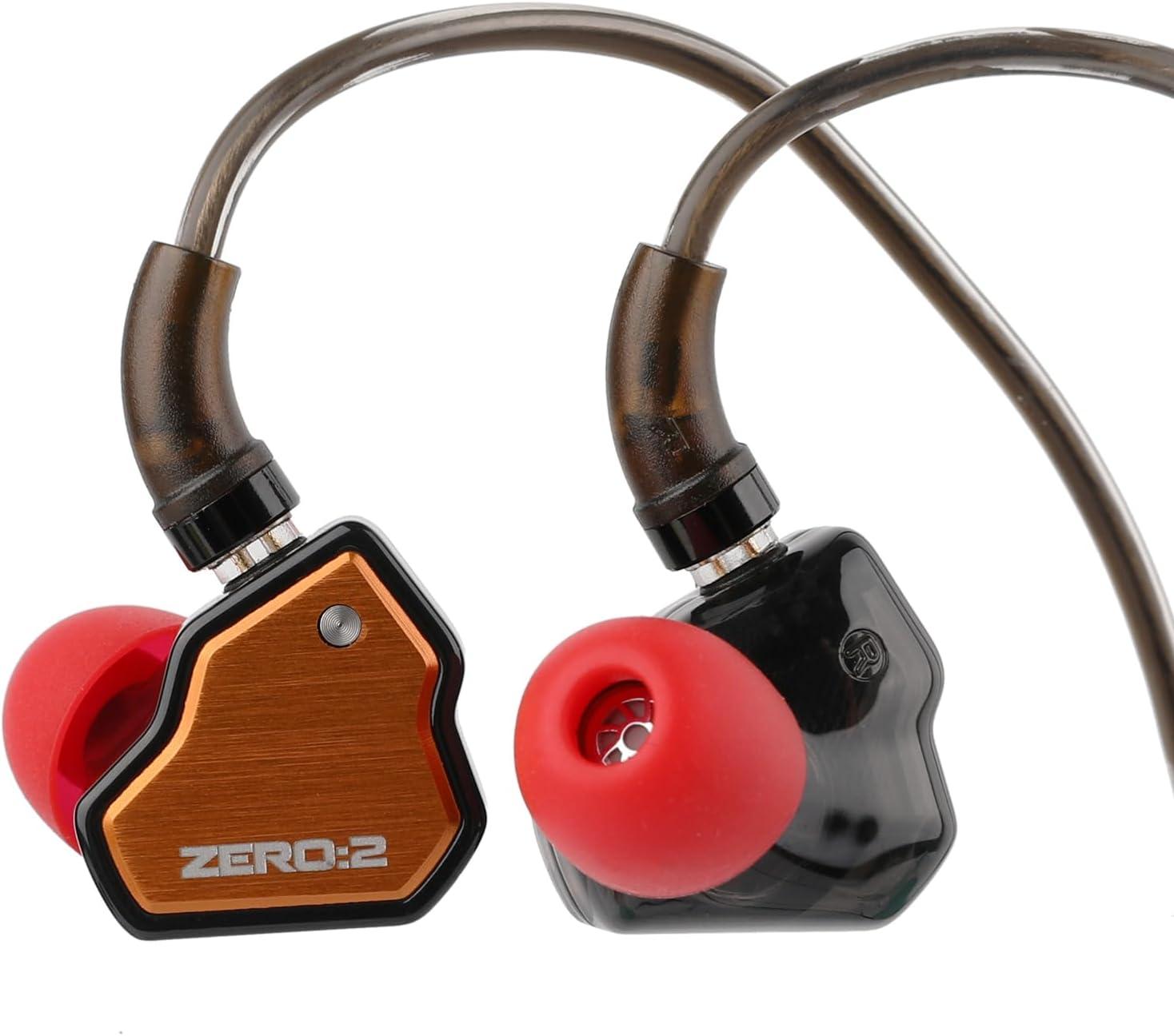
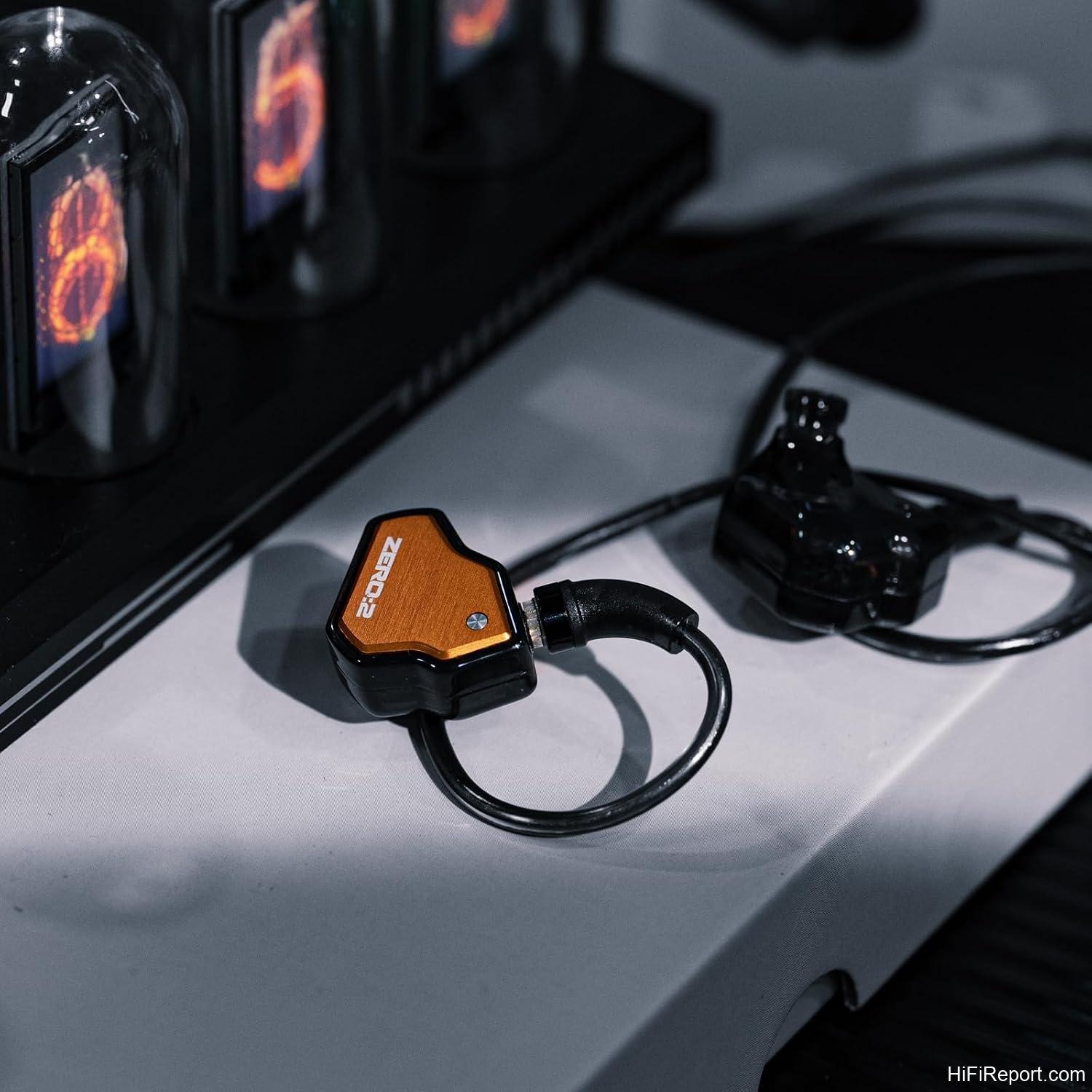
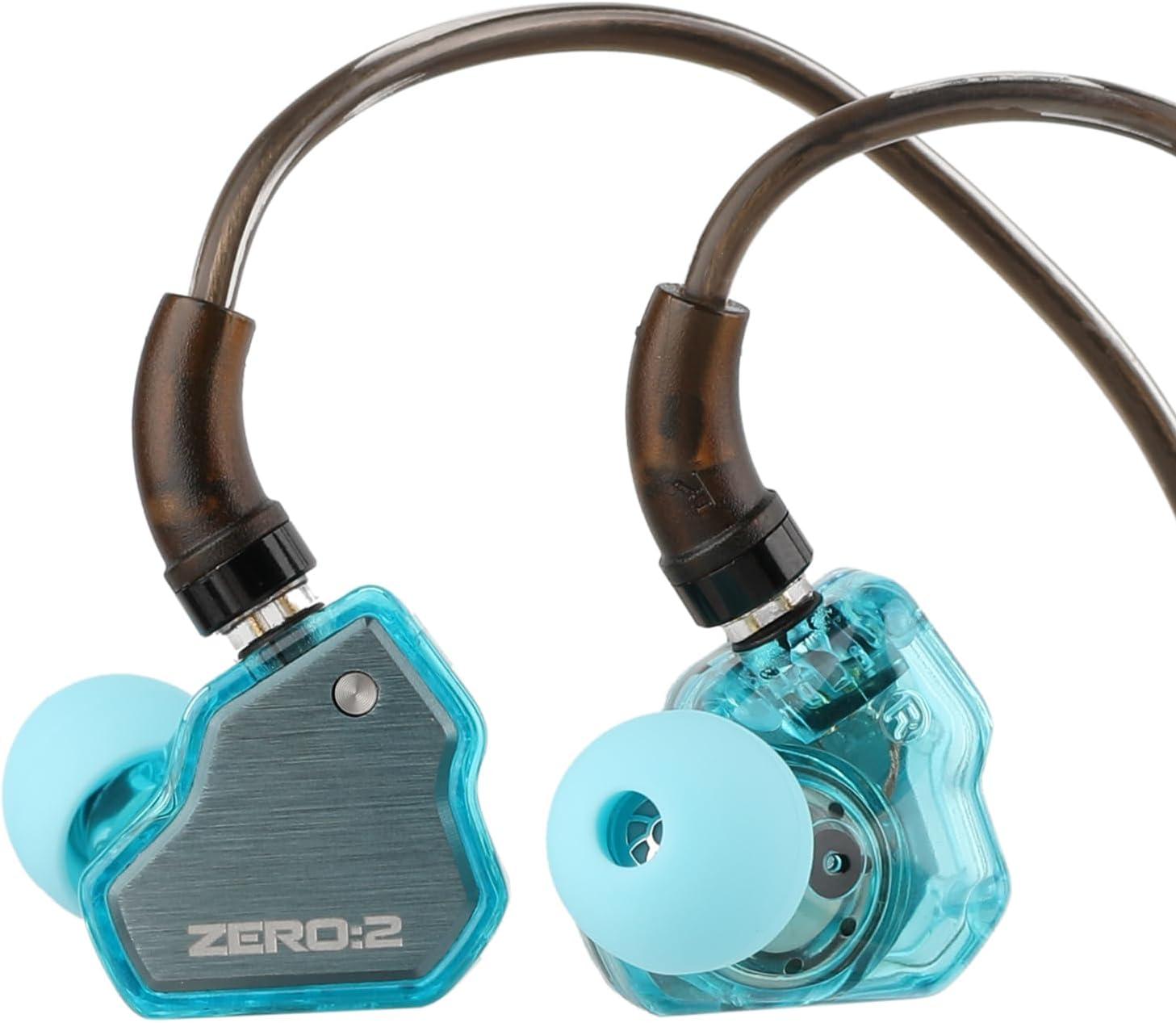
The shell is a straightforward plastic construction. The included cable is an OFC wire with silver plating, laid out in a coaxial structure using 140.06 and 250.06 strand windings, and it detaches from the IEM body via small pins. The cable runs roughly 4 feet, which suits phone and DAP use but falls short for desk setups where the source sits off to the side. The package includes multiple sizes of silicone eartips in several colors, a chin strap, and no carrying case. The pins on the IEM ends are small and thin; several owners noted that careless connection can bend or snap them, so aligning the L and R labels on the plug and the IEM before seating is worth the extra seconds.
Time With the Music
The Zero:2 is most at home as a casual music and gaming earphone, and several owners found it comfortable enough for stage monitoring in place of pricier wired IEMs. For singer-songwriter, acoustic guitar, and vocal-centric material, the mid-to-high focus of the tuning makes the performance feel natural and forgiving, while the bass energy a drummer or bassist would want is present but not dominant enough to mask detail in a live mix. One stage user who backed up custom UEpro Reference monitors reported the Zero:2 sealed better and sounded more pleasant for recreational listening than Westone or Shure entry-level wired IEMs, though it was less neutral than those sets.
For gaming, the tight bass transients and clean upper register give gunshot and footstep cues enough separation to be useful, and the wired connection reduces latency concerns. One owner who pairs the set with a portable DAC for music on the go found the Zero:2 more enjoyable than a pair of open-back Sennheiser headphones for casual listening, and the tuning closely resembles that of a high-end reference IEM in the owner’s experience, a comparison that landed especially well given the large gap between the two. The set responds well to a bass-shelf or treble-boost EQ, and owners who applied third-party filters noted a measurable improvement in balance. Where it fades is in genres that demand wide soundstage, deep sub-bass extension, or high-resolution detail retrieval; the single driver architecture caps those dimensions, and the tuning does not prioritize them.
This review first appeared on hifireport.com. Reproduction without permission is not allowed.
Next to the Usual Picks
The MoonDrop Chu 3 now sits at the top of several 2026 budget-IEM roundups as the segment’s current reference. The Zero:2 does not match the Chu 3 on raw resolution or soundstage width. What the Zero:2 offers instead is a different tuning flavor: warmer, more bass-present, and more forgiving for listeners who find a strictly neutral set clinical. In a lineup of budget options, the Chu 3 raises the bar for detail and stage, while the Zero:2 holds its own by prioritizing tunefulness and low-end texture at the same budget entry point.
Among the IEMs owners actually paired against the Zero:2 for direct A/B testing, the Moondrop Chu 2 comes up repeatedly. One reviewer who bought both for comparison found the Chu 2 offered better soundstage and clearer mids and highs, while the Zero:2 carried the edge in bass impact and overall musical warmth. The Chu 2 also scored higher on build materials and packaging. Neither set is a clear winner; the choice depends on whether the listener values a drier, more analytical presentation or a warmer, more bass-present one.
What Customers Are Saying
The aggregate rating of 4.2 out of 5 across 3,513 reviews tells the story: the Zero:2 is one of the most-reviewed IEMs at its price tier, and the majority of owners are impressed by the sound quality. The dominant praise centers on tuning. Owners who have listened to IEMs and headphones well above this tier still rate the Zero:2 favorably, calling it comfortable and decent in timbre, and noting it punches well above its weight class. The bass improvement over the original Zero is the most cited upgrade, and the warm-neutral balance draws repeat comparisons to sets costing multiples of the Zero:2.
The split in the remaining reviews traces to two recurring friction points. First, the included eartips: several owners found the stock tips worked loose during movement, requiring a switch to aftermarket SpinFit or similar. Second, the cable and build. The thin OFC cable, the 4-foot length, the absence of a hard case, and the fragile connector pins all register as cost-cutting measures, and owners who want a desk-bound setup or a protective pouch need to plan around those omissions. A smaller group described the sound as “flattened” or “muffled” relative to a higher-resolution set, and noted that the Zero:2 asks for a bit more gain from the source and distorts earlier than pricier IEMs at the same volume.
A few reviewers who owned a higher-tier pair for many years described the Zero:2 as underpowered and lacking punch compared with their long-used reference set, noting that the set requires a bit more volume to reach the same perceived level and that pushing past a comfortable listening point introduces distortion more quickly. One such owner ultimately kept the pair as a carefree backup for exercise and outdoor use rather than as a primary listener, citing the ease of not worrying about damage or loss.
This review first appeared on hifireport.com. Reproduction without permission is not allowed.
What We Like / What We Don’t
What We Like
- Warm-neutral tuning with real bass texture and no sibilance at normal volumes
- Crinacle collaboration gives the set a measured, balanced presentation for the tier
- Detachable OFC silver-plated cable
- Comfortable, seal-friendly fit suited to extended listening and stage use
- Responds well to EQ adjustments for personal preference
What We Don’t
- Stock eartips can work loose during movement
- 4-foot cable is short for desk or laptop setups
- No carrying case in the box
- Small connector pins are fragile and easy to damage
- Underpowered relative to higher-tier IEMs; distorts earlier at higher volumes
Bottom Line
The 7Hz x Crinacle Zero:2 is built for the listener who wants a set-and-forget wired IEM that sounds tuneful, bass-present, and non-fatiguing for everyday music, gaming, and light stage work, without the need to babysit a dial or chase a custom-mold fit. The warm-neutral tuning, the fast tight bass, and the clean upper register make it a comfortable companion for vocal, acoustic, and rhythm-forward material, and the Crinacle collaboration keeps the mids honest enough that it does not collapse into a bass toy. It will not replace a reference set for critical listening or a custom stage IEM for a working engineer, but for the casual-to-enthusiast user who wants a dependable, well-balanced wired monitor that takes no special source, the Zero:2 delivers more listening value than almost anything else at its tier.
Spec Sheet
- Driver type: 10mm dual cavity dynamic
- Diaphragm material: PU+Metal composite
- Frequency range: 10Hz to 20kHz
- Cable: OFC, silver-plated, coaxial 140.06/250.06 winding, removable
- Connector: 2-pin on IEM body
- Tuning collaboration: Crinacle
- Included tips: Multiple sizes, silicone, assorted colors
- Cable length: Approximately 4 feet
- Chin strap: Included
- Microphone: No
- Carrying case: Not included
- Brand: Linsoul / 7Hz
- Amazon rating: 4.2 / 5 (3,513 ratings)
FAQ
Do the included eartips stay in place during movement?
Several owners report the stock tips work loose and need re-seating during walking or exercise. Switching to aftermarket tips such as SpinFit resolves the issue, though the new material can shift the timbre slightly toward a brighter presentation. Test a few of the included sizes before replacing.
Can the cable be replaced or upgraded?
Yes. The Zero:2 uses a small 2-pin connector on each IEM body, so the OFC cable is fully removable and swappable. The pins are thin, so align the L and R labels on the plug and the IEM before seating, and avoid forcing a misaligned connection.
Does the Zero:2 need a dedicated DAC or amp?
This review first appeared on hifireport.com. Reproduction without permission is not allowed.
No. Owners tested the set with phone outputs, portable DACs, and desktop sources without issue. The IEM asks for a bit more gain than a higher-resolution set, and pushing the volume past a comfortable level introduces distortion. A low-impedance portable DAC keeps the dynamics clean without straining the source.
Is the Zero:2 suitable for stage monitoring as a backup IEM?
Yes. At least one stage user who carries custom UEpro Reference monitors reported the Zero:2 sealed comfortably, isolated well against stage noise, and sounded more musically forgiving than entry-level Shure or Westone wired IEMs for casual monitoring. For critical mix work, the added bass energy means a sound engineer may pull low-end to taste.
No products found.