
Moondrop CHU II Review
The CHU II pairs a 10mm dynamic driver with an aluminum-magnesium alloy dome diaphragm and a replaceable brass acoustic filter, placing it in the entry-level IEM tier where all-metal construction and below-0.05% measured nonlinear distortion were once reserved for mid-range sets. Moondrop casts the cavity from alloy, coats it in a corrosion-resistant paint layer, and bolts on a 0.78mm two-pin detachable cable so the set stays serviceable long after the cable wears out. The listening question is whether that material stack translates to a musical, balanced sound that justifies keeping a pair in rotation next to pricier gear.
The Numbers First
- Driver: 10mm dynamic
- Diaphragm: Aluminum-magnesium alloy dome composite
- Nonlinear distortion: Below 0.05% (full frequency)
- Cable: 0.78mm two-pin, detachable, L-shaped 3.5mm plug
- Nozzle: Brass CNC, replaceable acoustic filter
Driver and Acoustics
Moondrop specified an aluminum-magnesium alloy for the CHU II’s dome diaphragm. The rigidity-to-weight ratio extends the treble bandwidth and lets the driver resolve finer transients than a plain polymer dome at the same 10mm size. The suspension uses two polymer materials with differing stiffness characteristics, which Moondrop says contributes to a tighter low-end impact and a marked reduction in nonlinear distortion. The company quotes a full-frequency nonlinear distortion figure below 0.05%, a measurement range typically associated with small planar drivers at several times the cost.
This content belongs to hifireport.com. Unauthorized reproduction is strictly prohibited.
The acoustic cavity is manufactured through Moondrop’s alloy casting process, a method the company describes as ensuring both rigidity and fine surface texture in a single housing. A durable paint layer coats the metal shell to guard against corrosion in humid or coastal environments. The front end uses a separate brass CNC-machined nozzle, a component Moondrop highlights for its higher material density and dimensional precision relative to the main housing.
A defining design choice is the replaceable acoustic filter. The front face of the brass nozzle is detachable, so a clogged or worn filter can be swapped without opening the housing body. Moondrop sells replacement nozzle-and-filter units as a separate accessory, and multiple reviewers confirm the mesh is fine enough to trap earwax over several weeks of regular use.
Tuning and Sound Signature
The CHU II sounds balanced with a slight upper-mid and treble lift, and the bass lands with noticeable impact without burying the vocal range. That tilt makes it a forgiving daily set for mixed listening rather than a dedicated sub-bass reference.
Bass and Low End
The dual-polymer suspension shows up in the low end as a tight, articulated hit rather than a long, blooming decay. Owners describe the bass as present and punchy but not overpowering. One reviewer noted the low frequencies do not reach the depth of a dedicated subwoofer, and another pointed out that pushing the volume to compensate for bass headroom causes the mids to start compressing. In gaming, the impact of explosions and low-frequency rumble translates clearly, and footstep transients stay distinct above that foundation. A German owner testing melodic EDM found the bass well developed and cleanly separated from the mids, in contrast to budget IEMs that smother the mix under low-end weight.
Mids, Treble, and Detail
Vocals and upper-mid textures carry the most energy in the CHU II’s tuning. A reviewer testing Melanie Martinez’s “Portals” found cymbal shimmer, backing guitar textures, and vocal sibilance all separating cleanly without the mids smearing into the highs. For spoken-word and podcast editing, the midrange transparency is enough to flag plosive and sibilance issues at the mix stage. The extended treble bandwidth from the Al-Mg dome adds a sense of air above the fundamental, and no owner in the review sample reported harshness or fatigue during extended sessions. A Mexican reviewer described the overall character as neutral and clear, with the mids staying articulate even when the volume is turned up to push the bass deeper.
Build and Accessories
The housing is all-metal, cast from alloy with a paint finish that resists corrosion. The brass nozzle threads into the front of each shell and carries the replaceable filter. Moondrop includes a pleather storage pouch, a set of basic silicone ear tips in multiple sizes, and the 0.78mm two-pin cable with an L-shaped 3.5mm plug wrapped in a clear, silver-toned sleeve. The two-pin connectors on each shell are labeled L and R to prevent cross-plugging, and Moondrop’s printed instruction card details the attachment sequence and warns against unscrewing the outer brass nozzle caps, since the diaphragm can detach from inside the housing.
The cable itself is a vinyl-type jacket that owners describe as thick, pliable, and resistant to tangling. Its over-ear hook routing keeps the wire behind the ear, out of the way of a desk or phone, and the L-shaped plug reduces the lever load on the two-pin connector when the cable is tugged or caught. One owner noted the cable produces no microphonics against the shirt or desk, a point of distinction versus some metal-cable rivals that pick up handling noise. The over-ear design does mean the insert and removal take a beat longer than a straight-hanging drop, but the fit stability and reduced connector strain make the trade-off worth it for most sessions.
Time With the Music
The CHU II earns its place as a general-purpose IEM that handles gaming, music, and casual podcast editing without demanding a dedicated DAC or amplifier. Owners plug them into phones, laptops, and budget USB interfaces and report no drive-related strain at normal listening levels. The sound stays natural across genres, from wide-stereo electronic music to vocal-heavy indie pop, without the bass becoming a wall or the highs turning pinchy.
Gaming sessions benefit from the clear transient response and spatial separation. One owner specifically called out the ease of locating in-game footsteps and directional audio cues, a task the CHU II handles without the exaggerated, artificial boost some “gaming” IEMs add. For music, the tuning spotlights vocals and upper-register detail, which suits genres where separation and texture matter more than sub-bass weight. Rhythm-game players on handheld or desktop setups find the short cable and over-ear routing keep the wire from snagging between tracks.
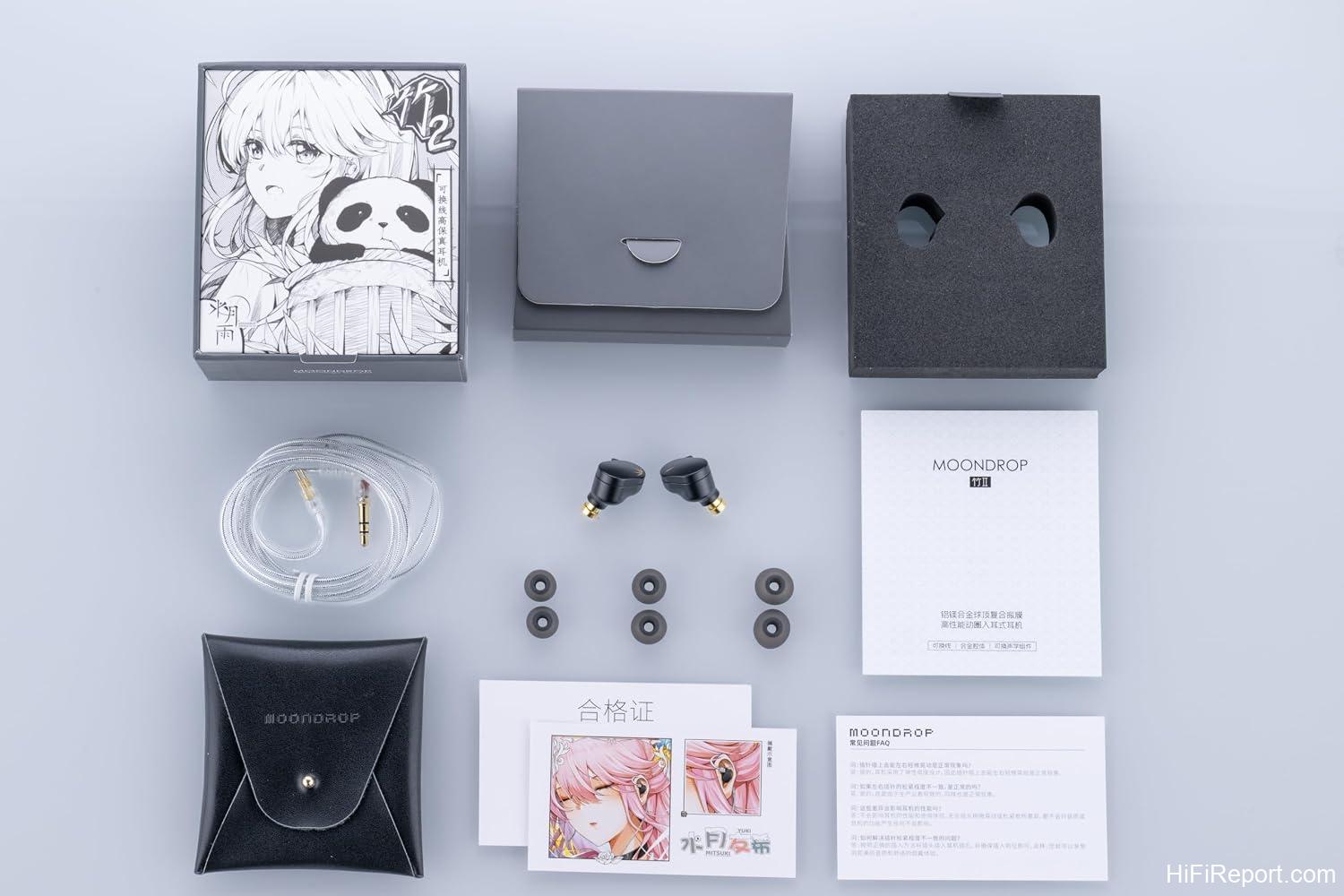
Long-term use surfaces two recurring wear patterns. The fine-mesh filter on the brass nozzle accumulates earwax over weeks, and one owner saw one side’s output drop substantially before cleaning the filter with isopropyl alcohol and a cotton swab partially restored it. The cable’s vinyl-type outer jacket develops cracks after a month of heavy flexing in exercise or office settings, with one owner reporting multiple tears that required electrical tape to hold together. Neither issue is universal; owners in dry climates with careful handling report months of trouble-free use, while the filter clog appears repeatedly across reviews as the most common midlife maintenance task.
How It Stacks Up
Moondrop’s current catalog positions the CHU II at the entry tier, with the CHU III (also a 10mm dynamic driver IEM) listed one step up the range. A CHU II DSP Type-C variant adds a built-in digital-to-analog module for phones that lack a 3.5mm jack, so the driver platform is shared across both. Moondrop also lists a standalone replaceable nozzle-and-filter accessory for the CHU II, which keeps the repair path open without replacing the entire pair. Higher up the lineup, the LAN and BLESSING 3 move into multi-driver, planar, and hybrid configurations at substantially higher price points. No head-to-head measurement comparison between the CHU II and its siblings appears in the available source material, so the distinction among them rests on driver architecture, filter design, and the move from the original CHU’s spring-loaded tips to the CHU II’s standard silicone tips.
What Owners Say
The CHU II carries a 4.2-out-of-5 rating across 4,321 Amazon reviews, a strong mark for a product in this category. Praise clusters around three themes: sound resolution that exceeds what the price tier typically implies, the all-metal build feeling sturdier than plastic or resin competitors, and the detachable two-pin cable extending the product’s usable life. Owners who game, edit podcasts, or listen on a phone describe the set as a no-regrets first IEM purchase that works without a companion amplifier.
The complaints follow a predictable pattern for a budget metal IEM. The replaceable filter’s fine mesh clogs with earwax faster than owners expect, and the fix is temporary until the next clog. The cable jacket cracks under sustained bending, particularly in exercise or repeated office-flex settings. A small but consistent subset reports one-sided volume loss after months of regular single-ear wear, with no identified cause beyond the filter or an internal driver fault.
Fit and comfort nuances round out the remaining feedback. Asymmetrical ears present a squeeze: the medium tip runs small for one ear while the large tip runs big for the other, and a few owners resolved the jaw-movement squish by switching to a third-party tip set. Side sleepers find the rigid metal shell presses too hard against a pillow, blocking all sound on the pressed side. In dry winter air, the metal body can deliver a faint static tingle when it contacts the ear, a minor but noticeable quirk that does not affect the audio signal.
Pros and Cons
Pros:
- All-metal alloy-cast housing with durable paint finish
- Replaceable brass nozzle and acoustic filter extend service life
- 0.78mm two-pin detachable cable opens up repair and upgrade options
- Below 0.05% full-frequency nonlinear distortion for the class
- Easy to drive from phones, laptops, or budget USB DACs
Cons:
This content belongs to hifireport.com. Unauthorized reproduction is strictly prohibited.
- Fine-mesh filter clogs with earwax within weeks of regular use
- Cable outer jacket cracks under sustained bending
- No spare filters included in the box
- Medium and large tips do not cover all ear geometries comfortably
- Shorter cable can feel limiting for desktop or PC use
The Verdict
The CHU II serves listeners who want a metal-build IEM with a balanced, slightly treble-leaning sound for all-day phone and laptop use without spending money on a dedicated amplifier. Gamers who need clean footstep transients, podcast editors who want transparent mids, and casual music listeners who value detail over sub-bass weight all get a set that holds up day to day. The replaceable filter and two-pin cable keep the repair story simple, and the alloy housing outlasts the plastic-shell competition at the same tier.
The maintenance load is real but manageable. Plan on swapping the acoustic filter every few months and treating the cable gently during exercise, and the pair can serve for a year or more in casual rotation. For someone entering the wired IEM world who wants a set that sounds good straight off a phone and still offers a real upgrade path through the two-pin ecosystem, the CHU II is the lowest-friction first step in that direction.
Key Specs
- Driver type: 10mm dynamic
- Diaphragm material: Aluminum-magnesium alloy dome composite
- Suspension: Dual-polymer
- Nonlinear distortion: Below 0.05% (full frequency)
- Cavity: Alloy-cast metal housing with durable paint
- Nozzle: Brass CNC, replaceable acoustic filter
- Cable: 0.78mm two-pin, detachable, L-shaped 3.5mm plug
- Connectors: 0.78mm two-pin (L/R labeled)
- Impedance: Low (easy to drive)
- Included accessories: Silicone tips (multiple sizes), pleather pouch, instruction card
- Amazon rating: 4.2 / 5 (4,321 reviews)
FAQ
Will the CHU II work with a phone or laptop without a separate DAC?
Yes. Owners report the CHU II drives cleanly from a phone’s 3.5mm jack, a laptop audio port, or a budget USB audio interface. The driver’s low impedance means no external amplifier is needed to reach comfortable listening levels, so a plain 3.5mm plug into any consumer device is sufficient.
How do I replace the acoustic filter without damaging the nozzle?
The front face of the brass nozzle is detachable. Unthread it gently, pull out the filter assembly, clean or swap the mesh, and reseat the component. Moondrop sells replacement nozzle-and-filter units separately. Do not unscrew the outer brass caps of the main housing, as the diaphragm can detach from inside.
Does the cable length limit desktop or PC use?
Several owners note the included cable is on the shorter side, comfortable for phone and handheld use but tight for a desk setup with a PC a few feet away. The 0.78mm two-pin connector means you can swap in a longer or USB-C cable without replacing the IEMs themselves.
What ear-tip size should I start with?
The box includes basic silicone tips in multiple sizes. Start with the smallest tip that creates a full seal in each ear; one owner found the medium tip too small and the large tip too big for a single ear, so trying each size per ear is the practical approach. After-market tips resolved comfort for at least one picky user who switched to a third-party option.

- Aluminum-Magnesium Alloy Dome Composite Diaphragm As a dome diaphragm material, AI-Mg alloy exhibits high rigidity and light weight, thereby extending the treble bandwidth and revealing more subtle details. The diaphragm suspension is composed of two polymer materials with differing characteristics,resulting in a punchier bass and greatly reduced nonlinear distortion.
- Alloy Casting Cavity Ensuring Durability and High-Quality Texture The acoustic cavity of the“CHU II”is manufactured using MOONDROP's mature alloy casting technology, ensuring both rigidity and fine texture. A durable paint layer protects the metal shell from corrosion.
- Brass CNC Acoustic Nozzle The nozzle of the "CHU II" consists of a separate brass CNC component, offering higher precision and density, and resulting in beautiful timbre.