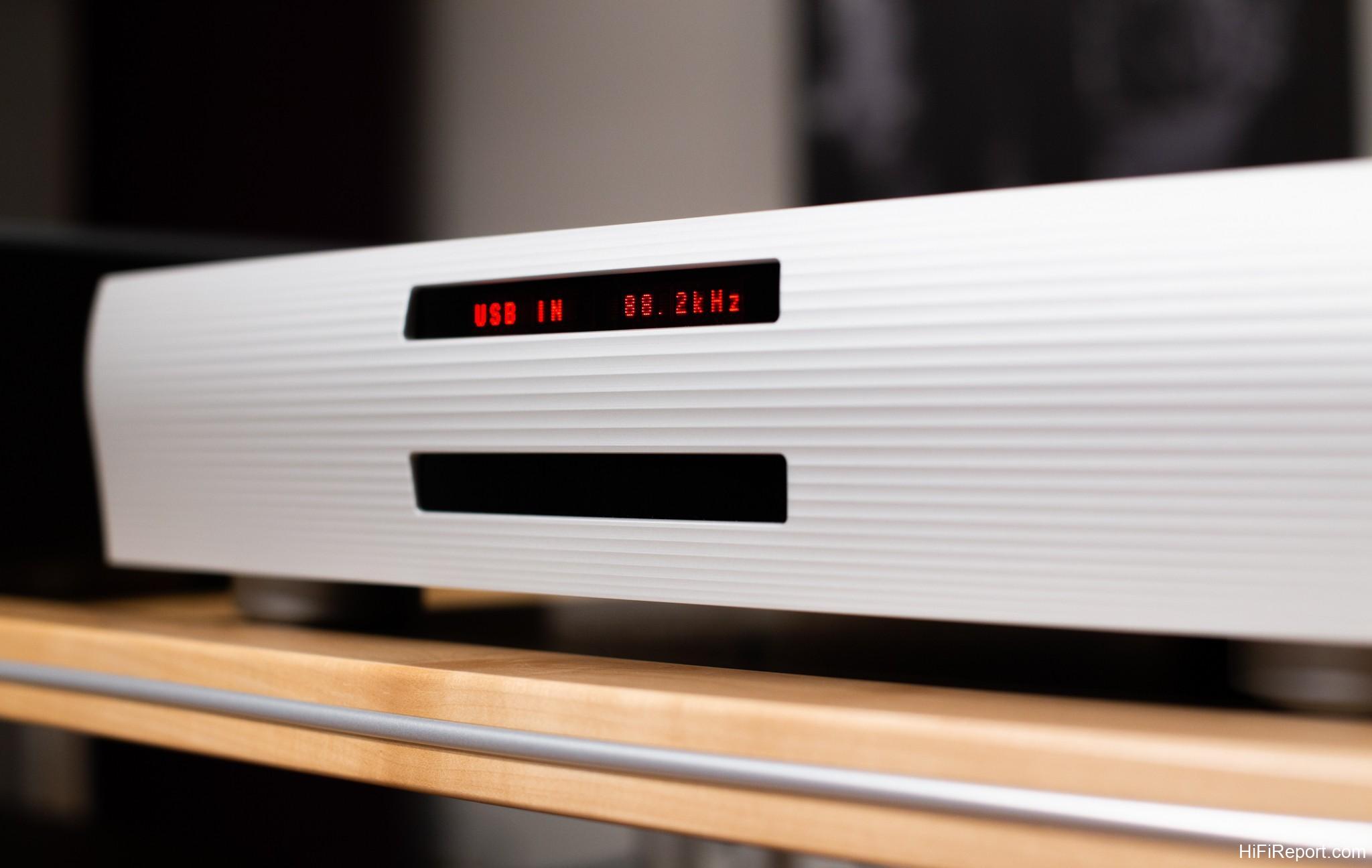
Playback Designs Edelweiss MPD-6 DAC
When discussing the titans of today’s high-end digital audio sources, Playback Designs, under the leadership of DSD pioneer Andreas Koch, undoubtedly holds a prominent position. The Edelweiss 6 series represents Playback Designs’ latest offering, inheriting the technological essence of their flagship Dream 8 series and succeeding the previous 5 series. The Edelweiss 6 lineup includes three models: the MPD-6 DAC, the MPS-6 SACD/CD Player/Streamer, and the MPS-X Digital Frontend/Streamer.
For this review, we delve into the MPD-6 DAC digital-to-analog converter.
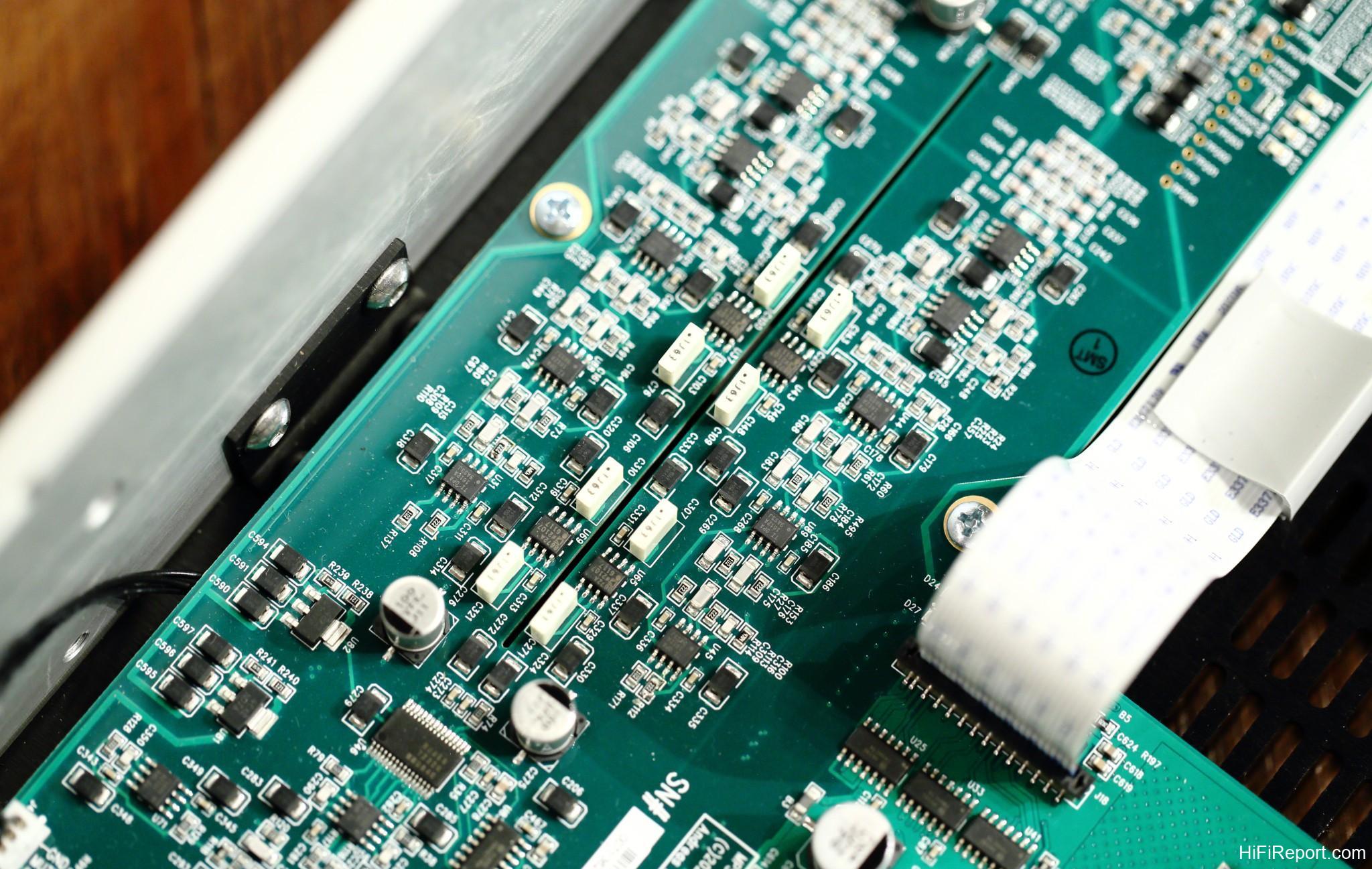
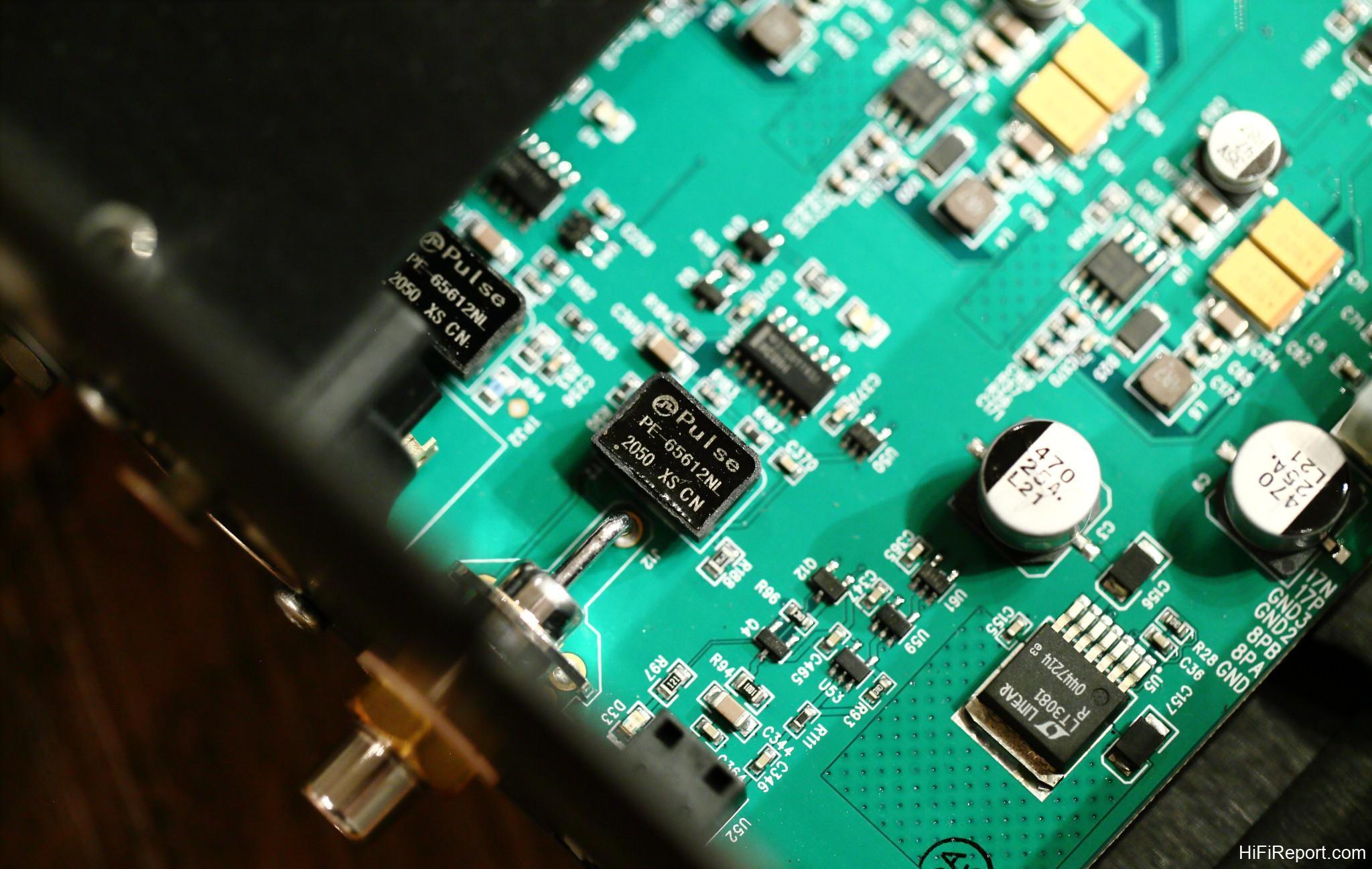
Edelweiss, the national flower of Switzerland, thrives in the isolated Alpine mountains. Isolation, in both separation and shielding, is paramount to achieving exceptional DAC performance. Playback Designs’ flagship Dream 8 series embodies this philosophy, meticulously separating analog and digital sections, implementing independent left and right channels, and employing discrete power supplies.
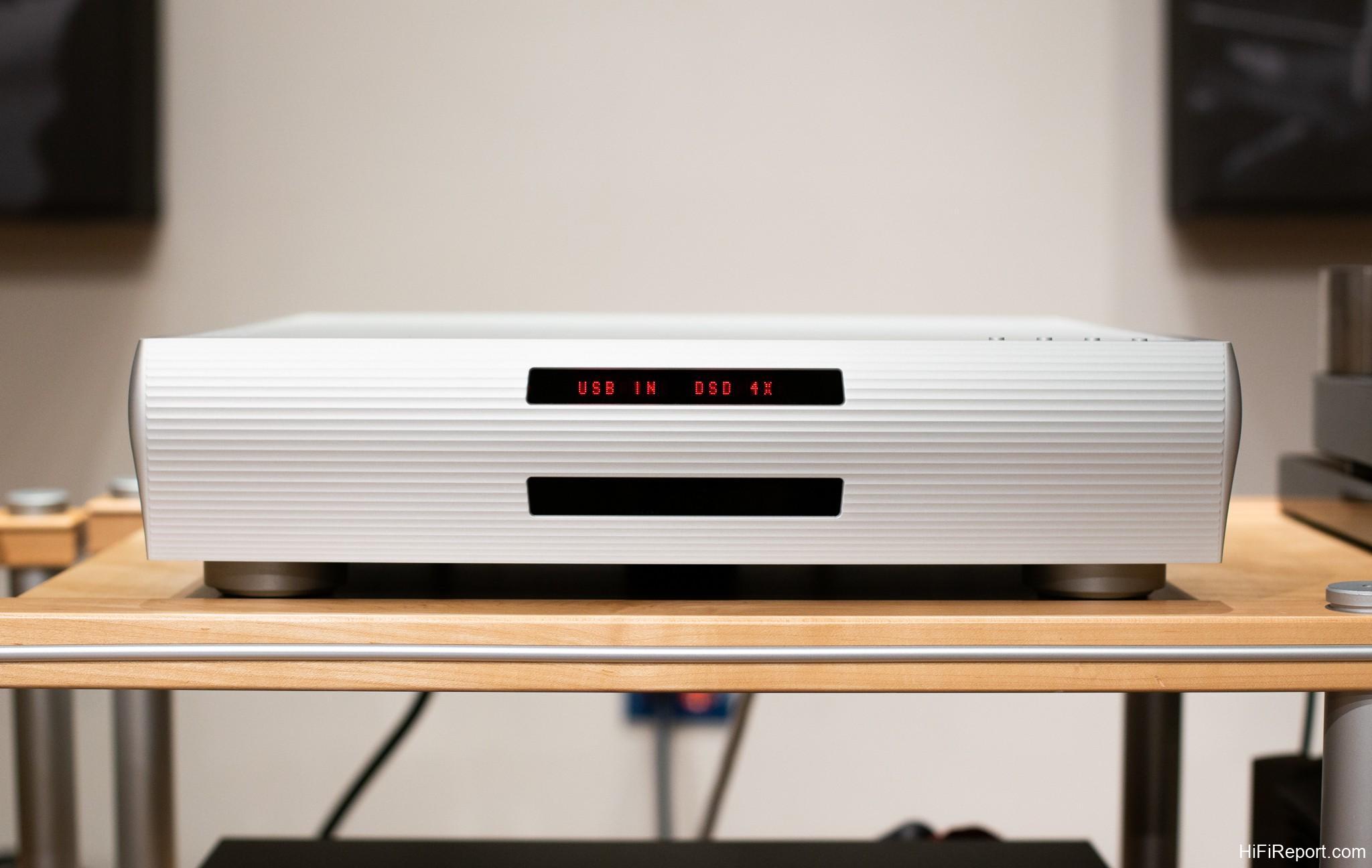
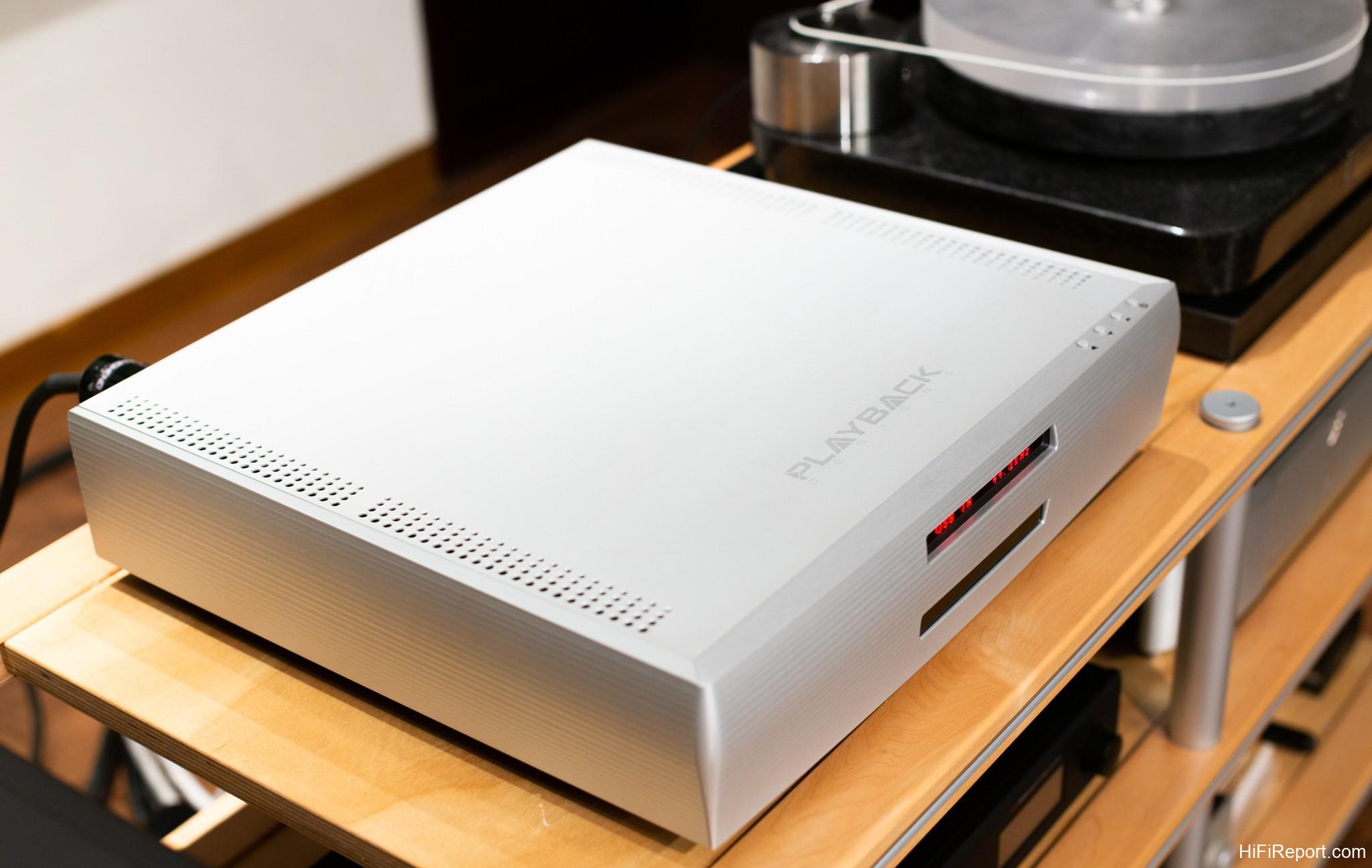
The Edelweiss 6 series inherits the core design principles and technologies of the Dream 8 series, utilizing innovative approaches to achieve sonic performance that rivals its flagship counterpart. Mirroring the Dream 8 series, the Edelweiss 6 boasts a sophisticated front panel with dual displays – the upper screen indicating playback status and the lower displaying volume. Four buttons, located at the top right, provide controls for Mute, Volume adjustment, and Standby power.
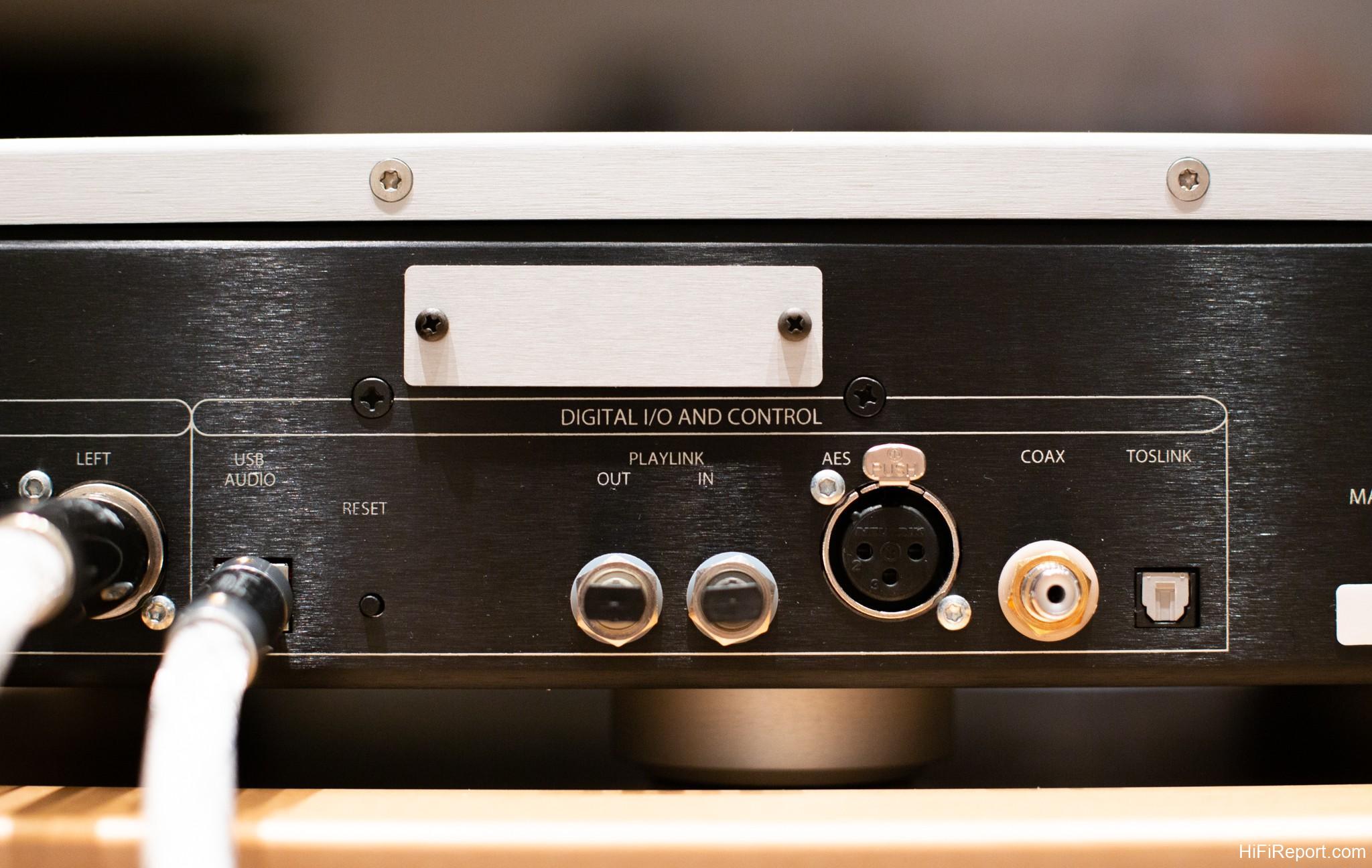
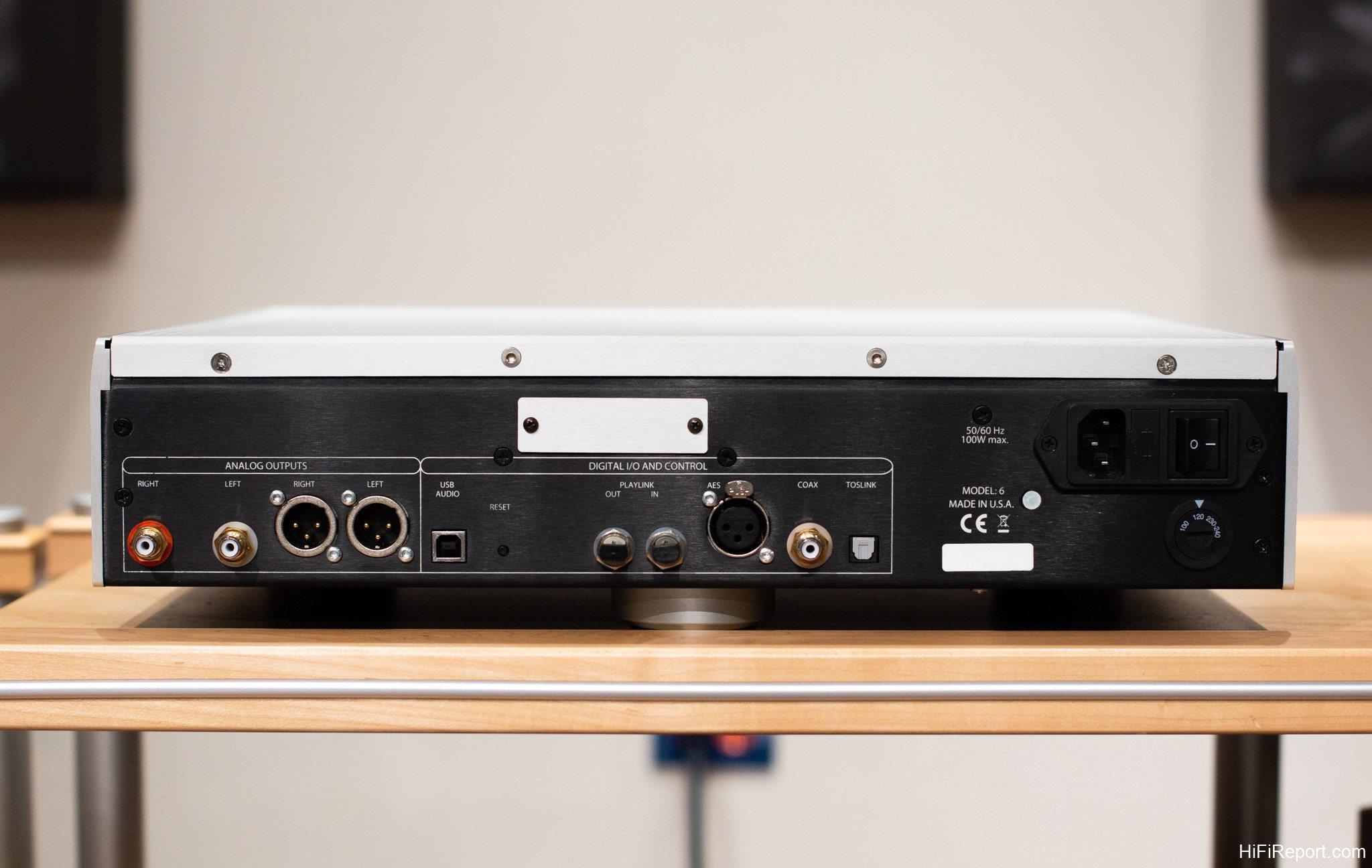
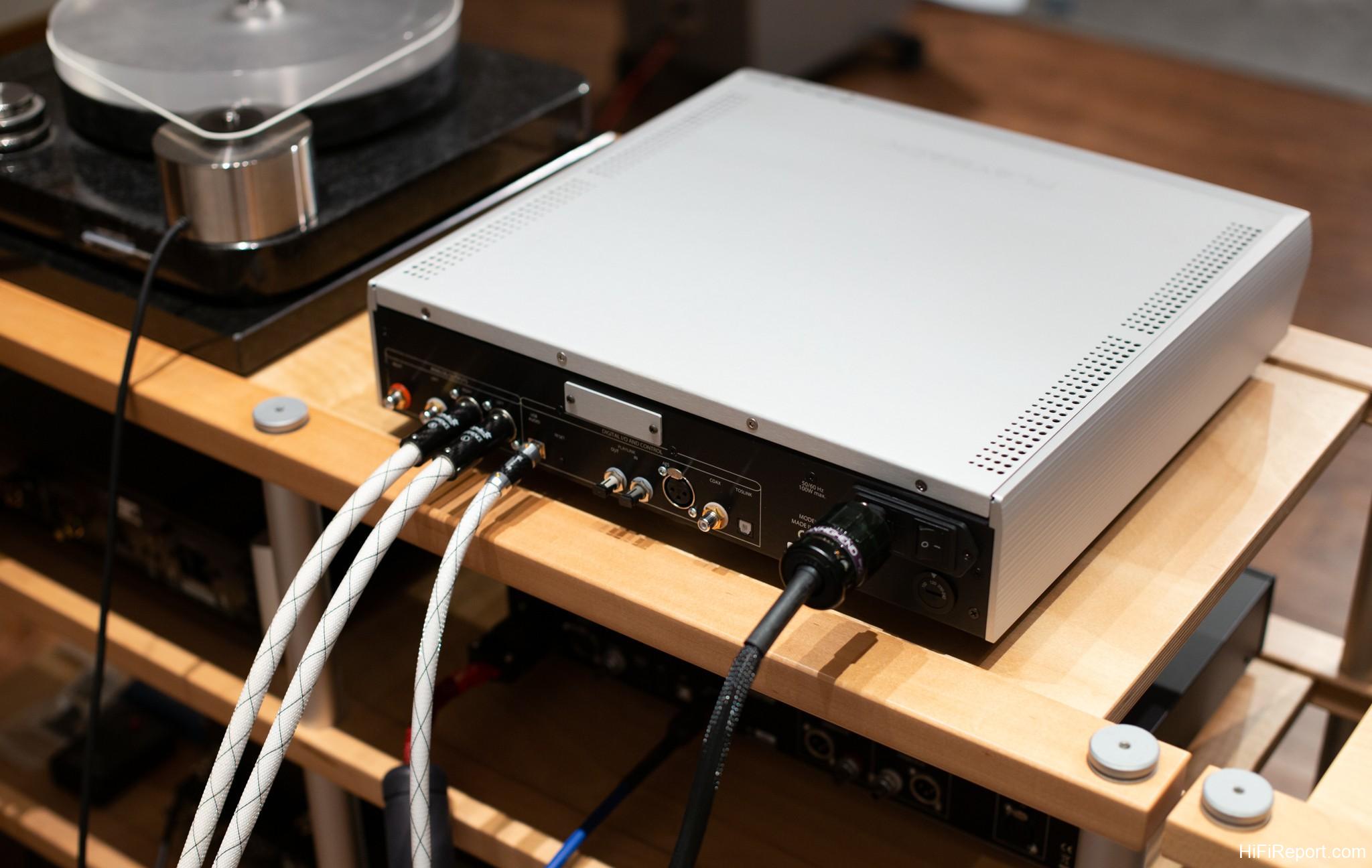
The rear panel of the MPD-6 is logically divided into analog and digital sections. Analog outputs include both XLR balanced and RCA single-ended connections. The digital section offers a comprehensive array of inputs: USB DAC, PLINK IN/OUT, AES/EBU, COAXIAL, and TOSLINK optical. PLINK, Playback Designs’ proprietary interface, utilizes high-speed ST-ST fiber optic transmission, representing the optimal connection for seamless integration with other Playback Designs components.
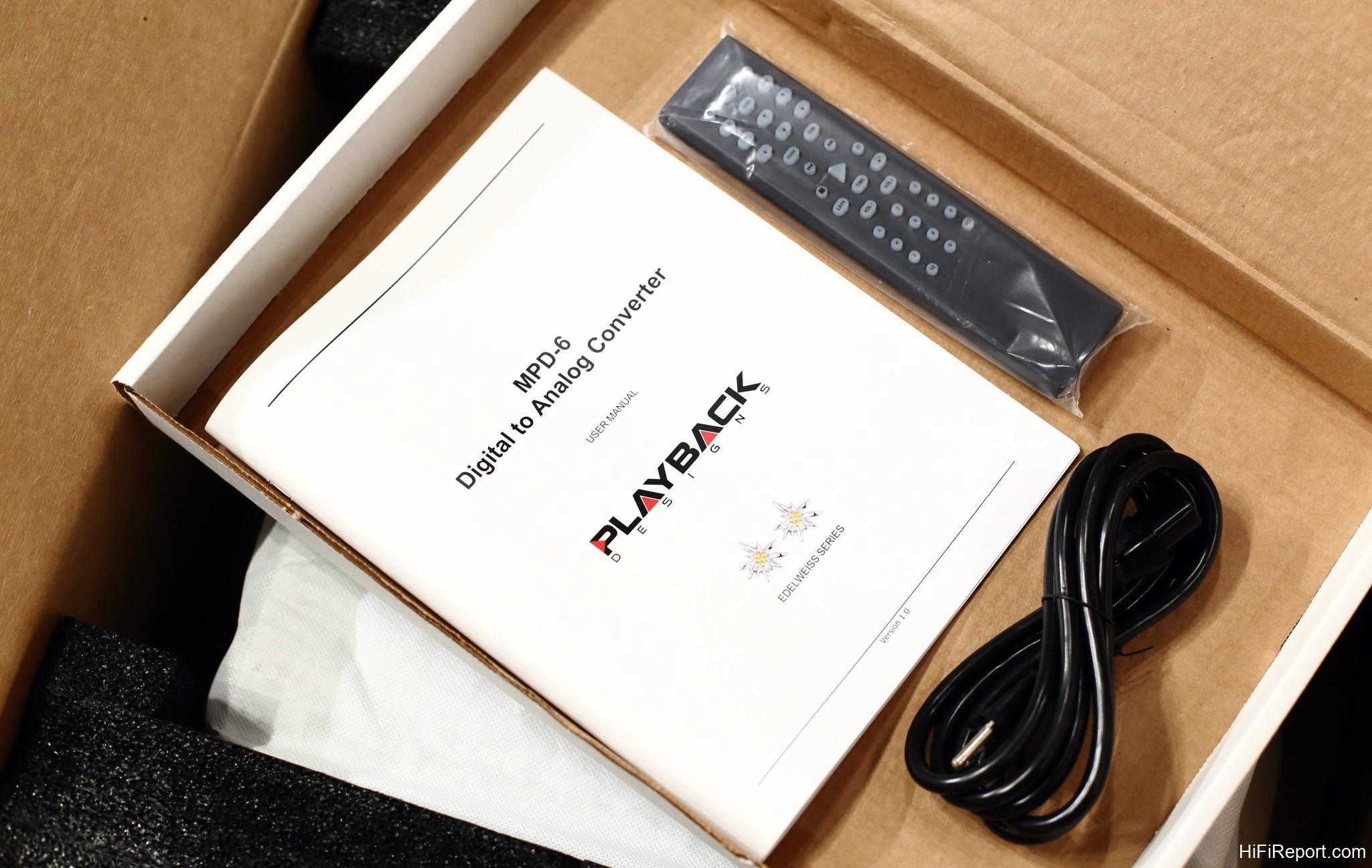
An expansion slot is conveniently located at the top of the rear panel, allowing users to optionally install the Stream-X2 network/USB streaming module, enabling DLNA, UPnP, and Roon compatibility.
Key Features of MPD-6
* High-quality pure analog volume control (non-digital).
* Bypassable volume control with 5 selectable output levels for system matching.
* Unused digital interfaces can be disabled.
* Adjustable display brightness.
* Adjustable analog output phase.
* Displays unit usage hours.
* Built-in high-precision clock system, no external clock required.
* 500 hours burn-in for optimal performance.
* Free firmware upgrades.
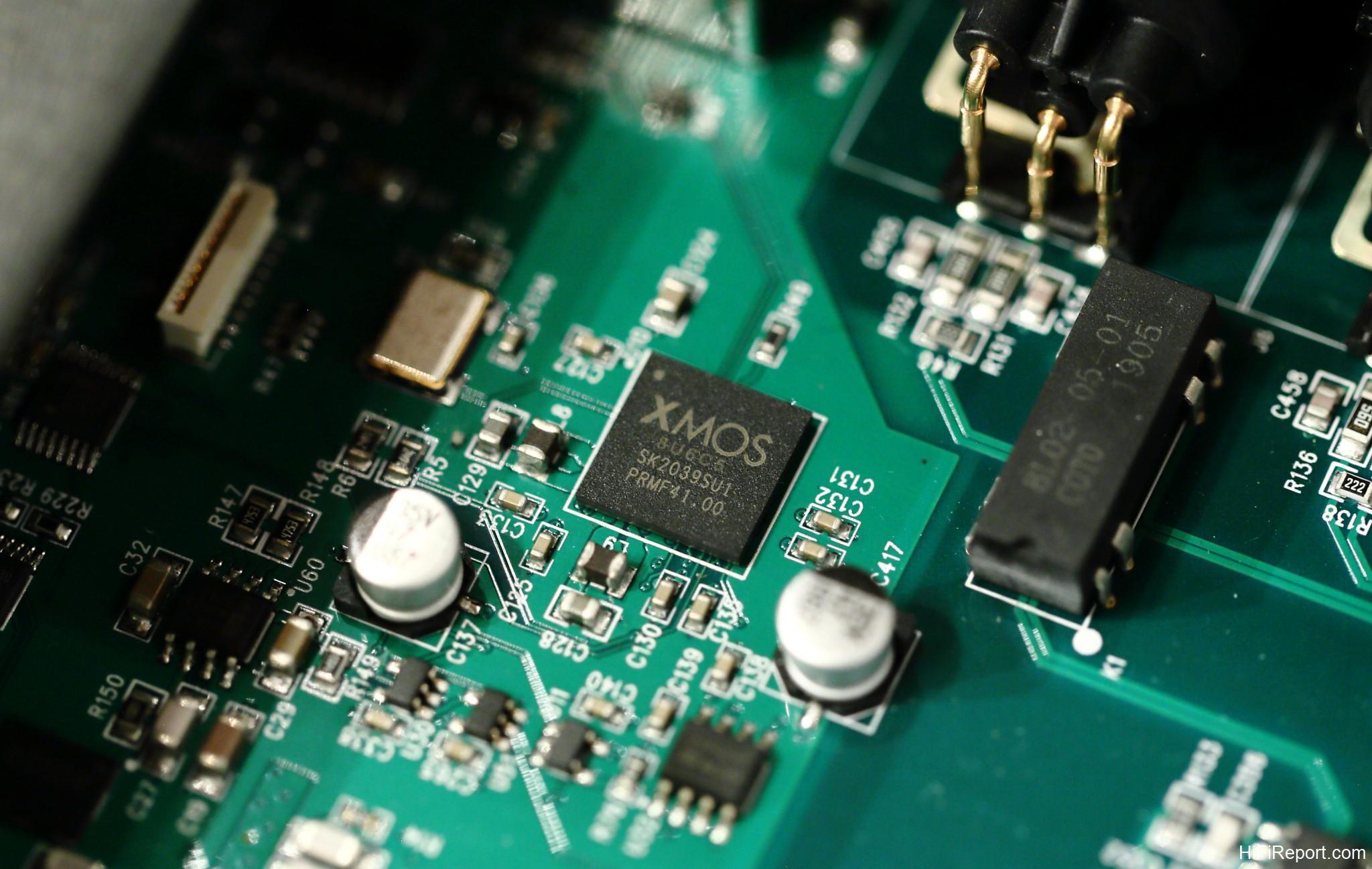
Circuit Design Highlights (Edelweiss 6 Series)
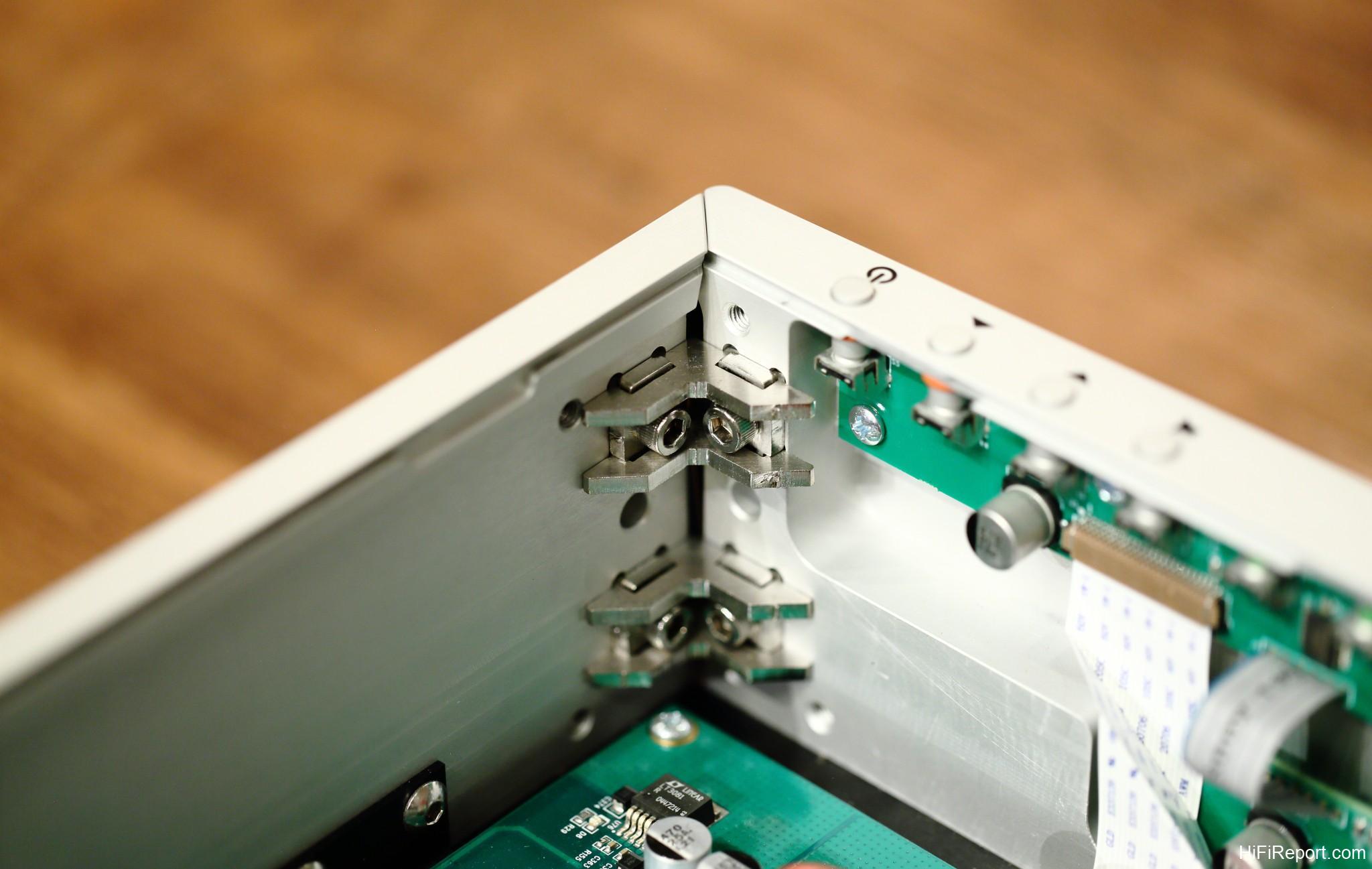
* Extensive upgradeability, with past models like MPS-5 receiving 20 software and hardware upgrades over 10 years. * Complete physical isolation of sensitive digital, analog, and power circuits, including independent power supplies for the display, minimizing interference, jitter, and distortion. * Optimized patented single-clock system providing precise timing for display, control, signal processing, and digital inputs.

* New frequency and time-based digital filter, optimizing signal processing and mitigating negative artifacts introduced during studio A/D conversion. This filter design has been continuously refined by Playback Designs since 2010. * Analog output stage utilizes premium components, including 0.1% tolerance metal film resistors and film capacitors, for minimal noise and precise impedance conversion.

The fully differential architecture, with each channel composed of two differential digital signals driven by a dedicated FPGA, ensures no electrical ground connection in the signal path. * New custom-designed linear power supply with MU-metal shielding, featuring 4 parallel circuit sets (8 power supplies) to independently power different sections of the circuitry.
Digital Expertise: Andreas Koch
Playback Designs’ esteemed position in the high-end audio realm is undeniably rooted in the expertise of its founder and chief designer, Andreas Koch. Beyond establishing Playback Designs, Koch’s distinguished career includes significant contributions to the audio industry. He was a key designer in the development of the Sonoma workstation and the creation of the Direct Stream Digital (DSD) format. Furthermore, he engineered the world’s first digital filter.

During his tenure at Dolby Laboratories, he developed the AC-1 audio coding and decoding system. Andreas Koch is unequivocally a leading authority in digital audio technology. Transitioning to the consumer audio sector as an independent innovator, he designed advanced Sample Rate Conversion (SRC) algorithms. In 2008, he founded Playback Designs, channeling his 25 years of professional experience into crafting exceptional high-end home audio equipment.
Edelweiss Series: Legacy and Design
The Playback MPD-6 DAC, officially designated as part of the Edelweiss series, embodies a significant lineage from the flagship Dream series. The current Edelweiss lineup comprises the MPD-6 DAC and the MPS-6 SACD/CD player, with the MPS-X digital interface streamer slated for future release. Notably, both the MPD-6 and MPS-6 offer optional network streaming modules for enhanced versatility.
Building upon the precedent set by the 5 series, which received 20 free software upgrades and one hardware upgrade throughout its lifecycle, the Edelweiss series is poised to offer similar ongoing support, ensuring users remain at the forefront of digital audio advancements. The MPD-6 DAC proved remarkably user-friendly during testing. Connecting various digital streaming players via USB resulted in immediate device recognition and seamless operation.
The comprehensive array of digital inputs ensures effortless integration with virtually any audio system.
Detailed and Balanced Performance: Low Frequencies with Clarity and Punch
Listening to Sam Walton’s “Black Lotus” album, an electronic music masterpiece designed to test the mettle of any audio system, revealed the MPD-6’s strengths. Walton, a rising UK-based producer, blends Eastern and Western musical elements, particularly evident in the title track “Black Lotus” and “White Lotus,” alongside rhythmically driven house tracks.
“Black Lotus” showcases a broad frequency spectrum and potent rhythmic drive, demanding exceptional soundstage depth and immersive envelopment. Through the MPD-6, the track unfolded with a cinematic quality, revealing intricate details with each listen.
The MPD-6 DAC demonstrated exceptional finesse in detail retrieval and a pleasingly balanced frequency response, alleviating a slight low-frequency emphasis in our reference system. The DAC rendered low frequencies with depth, ample weight, speed, and impressive elasticity. Across the “Black Lotus” album, the MPD-6 adeptly articulated the nuances of different bass timbres, rhythms, and textures, a testament to its high-caliber performance.
In terms of sonic refinement, detail resolution, density, tonal balance, soundstage dimensionality, and image separation, the Playback MPD-6 DAC delivered an unequivocally high and comprehensive standard. It confidently handles any genre, consistently exceeding listener expectations.
Refined Timbre and Rich Musicality
Tom Baxter’s “The Uncarved Block,” particularly the opening track “Hosanna,” highlighted the MPD-6’s timbral accuracy. The guitar recording was rendered with captivating realism, the close-miked imaging conveying a tangible presence. String plucks were remarkably detailed, imbued with emotional nuance. An exceptionally black background enhanced the clarity of guitar harmonics, reverberation, and subtle air. The resonant body of the guitar was palpable.
Vocals were equally captivating, exhibiting remarkable detail and emotional depth. Dynamic shifts in vocal intensity and image size were readily apparent. “Living,” the fifth track, features a harmonica, its delicate nuances beautifully rendered with a pleasing timbre. The emotionality of the vocals and the overall sonic character were deeply engaging.
Against a silent backdrop, the interplay between guitar accompaniment, harmonica, and vocals was striking, showcasing a wealth of musical expression within a seemingly simple arrangement. The MPD-6 DAC demonstrated an exceptional ability to discern and reproduce timbral subtleties.
Dynamic Clarity and Transparent Piano Tone
Carol Rosenberger’s performance of Beethoven’s Piano Sonatas No. 23 and No. 32 on a Bösendorfer piano, recorded in 1981 using B&K 4134 microphones, showcased the MPD-6’s prowess in handling complex piano passages. The Bösendorfer’s distinct sonic signature, differing noticeably from Steinway, was readily apparent. The instrument possessed an ethereal quality, with crystalline high notes and natural decay of overtones into the acoustic space.
Rosenberger’s dynamic control and nuanced articulation were masterfully conveyed. The MPD-6 effortlessly captured the piano’s full dynamic range, from delicate pianissimos to thunderous fortissimos, without any blurring of low-frequency clarity, even at high volumes. Bass notes were deep, defined, and resonant. The mid-high frequencies were both substantial and transparently clean.
The overall sonic presentation was stable and fluid, maintaining clarity and composure even during rapid, complex passages, with no sense of bandwidth limitations. The Playback MPD-6 DAC impressed with its authoritative and composed character, delivering remarkable fullness, transparency, and control.
Emotional and Immersive Musicality
Harry Belafonte’s “Belafonte at Carnegie Hall,” a landmark 1959 live recording, served as a testament to the MPD-6’s ability to convey raw emotion and a palpable sense of presence. The recording captured not only Belafonte’s stellar performance but also the ambiance of Carnegie Hall, including audience applause and interaction, creating an immersive, live experience.
“Day-O (The Banana Boat Song),” a Jamaican folk classic, vividly depicts dockworkers loading bananas at night, yearning for daybreak and the end of their shift. Belafonte’s intimate vocals were rendered with impressive density and clarity, his timbre pure and resonant. Against an inky black background, his voice was clean, articulate, and powerfully present, brimming with vitality and expressiveness.
Playback Designs Edelweiss MPD-6 DAC
* Digital-domain controlled analog volume. * PCM decoding up to 384kHz and DSD up to 11.2MHz. * Digital Inputs: USB I/O, AES, Coax, TosLink, PLink I/O. * Analog Outputs: RCA x1, XLR Balanced x1. * Fixed Output Levels: -6dB: 1.7V rms, -3dB: 2.4V rms, 0dB: 3.4V rms, +3dB: 4.8V rms, +6dB: 6.8V rms. * Variable Output Level: Up to 14.3V rms. * Output Impedance: 56 Ω. * Fully discrete, differential DAC circuitry. * Optional Stream-X2 network/USB streaming module (DLNA, UPnP, Roon) available.
* iPad or Android app control. * Firmware upgradeable. * Dimensions: 44 x 11 x 43 cm. * Weight: 9kg.