
PureTek Audio Alpha Network Switch Review
Yes, the editor-in-chief has indulged again! After experiencing the PureTek Audio Alpha (hereafter referred to as PureTek Alpha), its sound was simply too captivating. I decided to acquire it to elevate HiFiReport’s editorial digital streaming infrastructure, achieving a truly synergistic “adding wings to a tiger” effect.
Adding Wings to an Existing Audio System
How, exactly, does it “add wings to a tiger”? Back in 2020, HiFiReport invested in the Danish Ansuz D-TC Supreme Power Switch, which had a retail price of $14,500 USD at the time. This significant investment was solely to lay the foundation for our network streaming infrastructure. Such a commitment to audio might seem excessive, yet it taught everyone in the editorial department a valuable lesson: high-quality network music playback demands meticulous attention to every single detail. Only by personally experiencing a high-end, audiophile-grade switch does one truly grasp its profound importance.
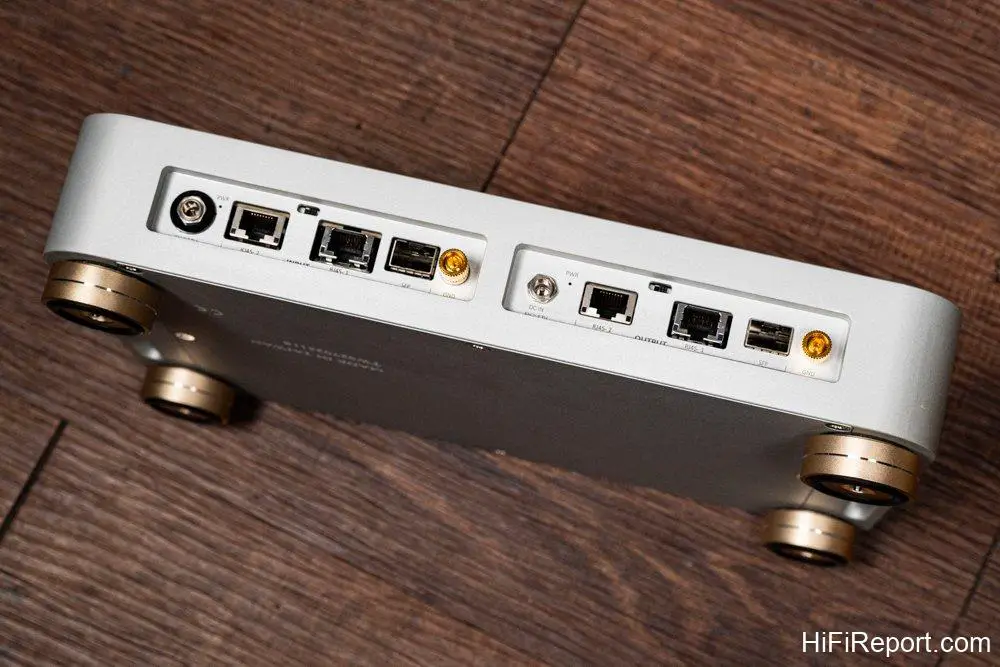
And so, the HiFiReport editorial team enjoyed five blissful years. No matter how many “audiophile-grade switches” from other brands arrived for review, none managed to surpass the D-TC Supreme. It had certainly proven its worth. But then, the PureTek Alpha emerged. From my very first listening session, I was smitten. After spending some time with it, the manufacturer returned to perform a minor, detailed upgrade, and that was the moment I decided to keep the PureTek Alpha.
Three Key Features, New Streaming Possibilities
Why did I decide to retain the PureTek Alpha as HiFiReport’s new reference component? Did the PureTek Alpha decisively outperform the D-TC Supreme? Not entirely. While both audiophile-grade switches exhibit their own strengths in sound performance, there were three aspects of the PureTek Alpha that convinced me it offered new learning opportunities.
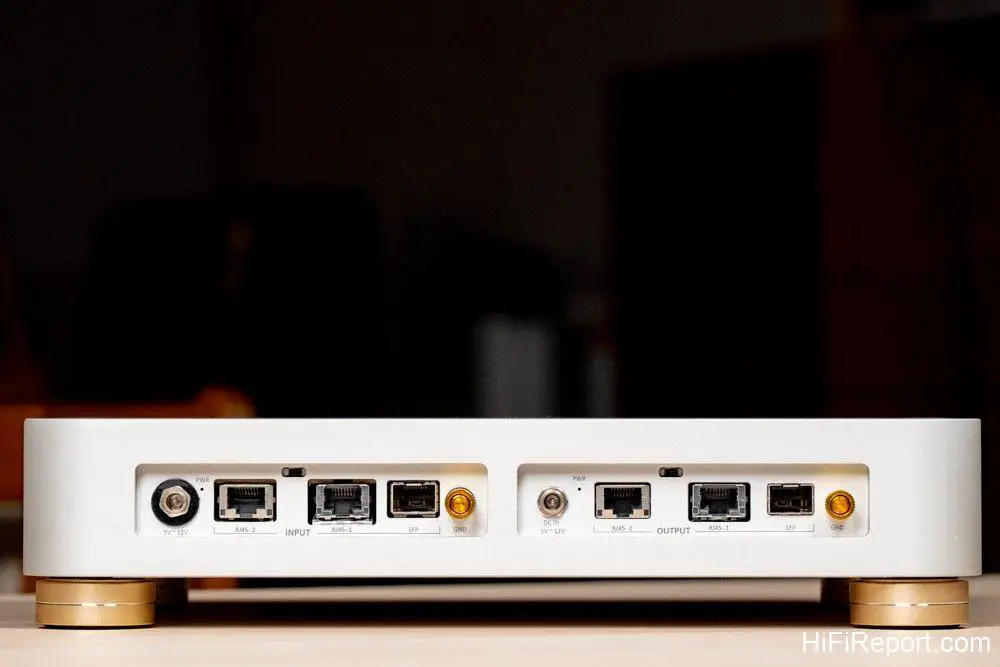
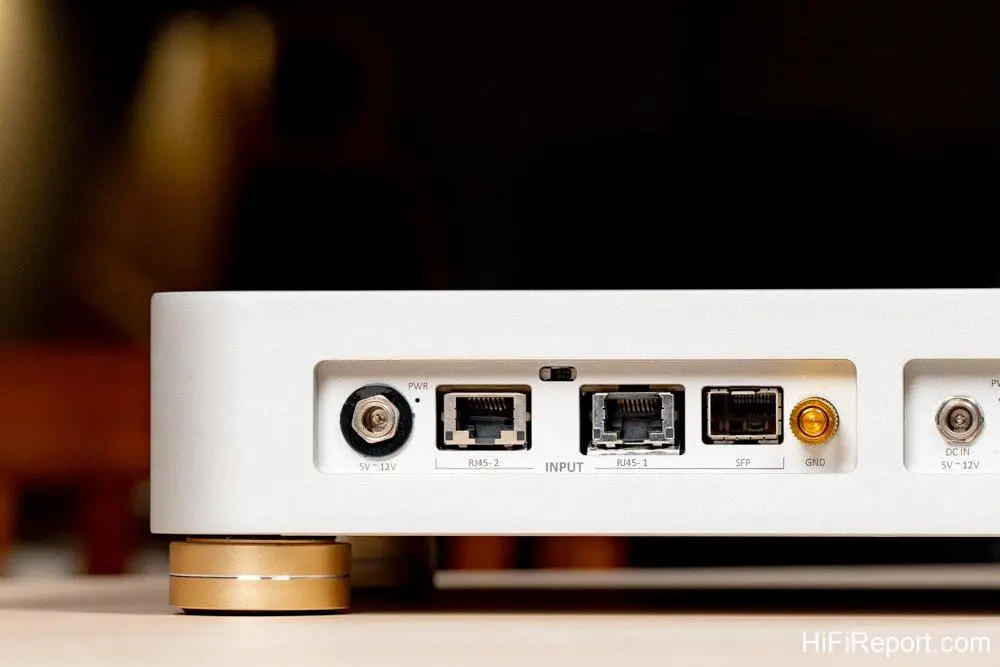
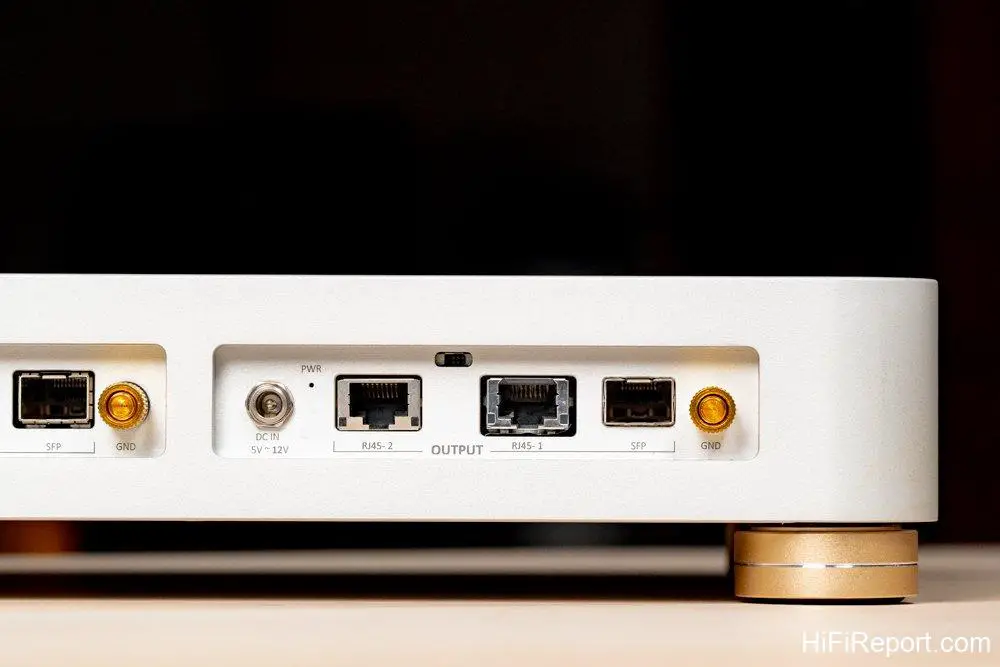
Firstly, the PureTek Alpha features SFP fiber optic terminals, a capability the D-TC Supreme lacks. I believe SFP terminals are likely the most suitable network output for future streaming music applications, making it worth acquiring to experiment with. Secondly, the PureTek Alpha boasts two distinct-sounding RJ45 terminals, which was a novel concept for me and significantly enhances the PureTek Alpha’s versatility. Thirdly, the PureTek Alpha incorporates an internal “optical isolation” design. This ingenious approach uses electrical-to-optical and optical-to-electrical conversion modules to effectively eliminate EMI/RFI interference inherent in copper cable transmission. To ensure the highest sound quality, PureTek Alpha even commissioned custom-spec optoelectronic conversion modules and internal fiber optic wiring. This represents a substantial investment, as custom modules typically require significant minimum order quantities. If the PureTek Alpha doesn’t sell sufficiently, they might not even recoup their component costs.

These three innovations were entirely new to my experience with audio switches, making the PureTek Alpha a compelling purchase for exploration and learning. And, of course, the noticeable upgrade in its musical performance was a significant factor.

More Than Just Winning
Hold on! Am I being evasive, still not revealing if the PureTek Alpha truly defeated the D-TC Supreme? No problem, let’s be crystal clear! I first encountered the PureTek Alpha at the TECA audio show in late 2024, where I met the brand’s original development team. At that time, the specifications weren’t fully finalized, and they were still making detailed adjustments. So, we arranged for the PureTek Alpha to come to HiFiReport for an audition once completed.
Thus, a few months ago, the manufacturer brought the PureTek Alpha to HiFiReport. We directly compared the PureTek Alpha and D-TC Supreme using the Wilson Audio Alexia V. At the time, we were using an EAR 868P preamplifier and 509 MK II monoblocks, and fortuitously, the Sforato DSP-07EX and PMC-07EX were in the editorial office, so we used this system for the comparison.
Two Rounds, One Win, One Loss
The three of us settled into HiFiReport’s listening room. As the host, I was responsible for playing the music. We first listened to three tracks through the D-TC Supreme, then switched to the PureTek Alpha.
Which three tracks? Eva Cassidy’s “Bridge Over Troubled Water” from “Live At Blues Alley,” the first movement of Mozart’s Piano Trio K.496 performed by Pires, Dumay, and Wang Jian, and “Rey’s Theme” (Star Wars: The Force Awakens theme) from the “Across the Stars” album.
In the first round of comparisons, the D-TC Supreme seemed to have the edge. I conveyed to the PureTek team that while the PureTek Alpha’s transparency, resolution, and musical detail were comparable to, or perhaps even surpassed, the D-TC Supreme, the D-TC Supreme offered superior musical fluidity. Eva Cassidy’s vocals had a touch more sweetness, the string lines in Mozart’s Piano Trio flowed more smoothly against the piano’s articulation, and Mutter’s violin sounded richer and more cohesive. Therefore, I felt the D-TC Supreme held a slight advantage.
Of course, the PureTek Alpha team was not to be outdone. They immediately got up and made an adjustment. It turns out the PureTek Alpha has two sets of RJ45 terminals: one emphasizing analytical detail, and the other focusing on musicality. Clearly, for the first comparison, the PureTek Alpha had been connected to the more “analytical” RJ45 port. Once they understood my listening preferences, they promptly switched the RJ45 port. We then listened to the same three tracks again.
In the second comparison, it was my jaw that dropped. I was astonished. Simply changing to the other RJ45 port brought forth the desired musical fluidity and richness entirely, and I secretly gasped, feeling it might even surpass the D-TC Supreme. Still, I had to switch back for another listen to confirm. Alright, I was already thoroughly tempted to buy it!
Even Match, More Versatility
My initial encounter with the PureTek Alpha, in a direct shootout with the D-TC Supreme, resulted in one win and one loss—essentially a draw. However, the PureTek Alpha’s unique optoelectronic isolation, paired with custom internal fiber optic wiring, meticulously eliminates noise interference during signal transmission. Furthermore, its two independent power supplies allow for future exploration with linear or battery power, enabling single external power supply configurations or even dual power setups. This high degree of versatility immediately captured my interest.
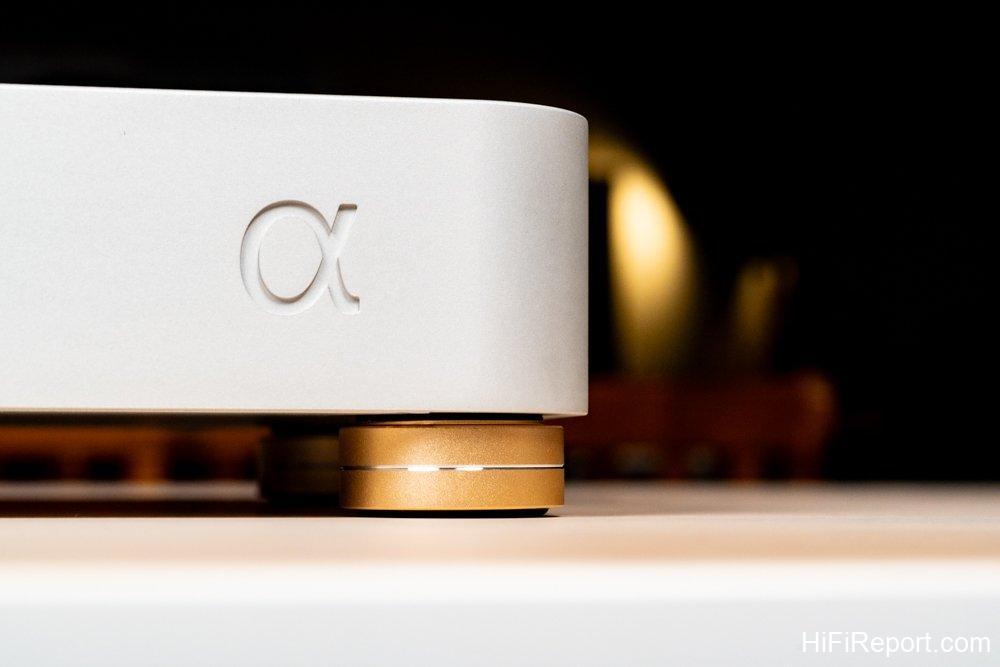
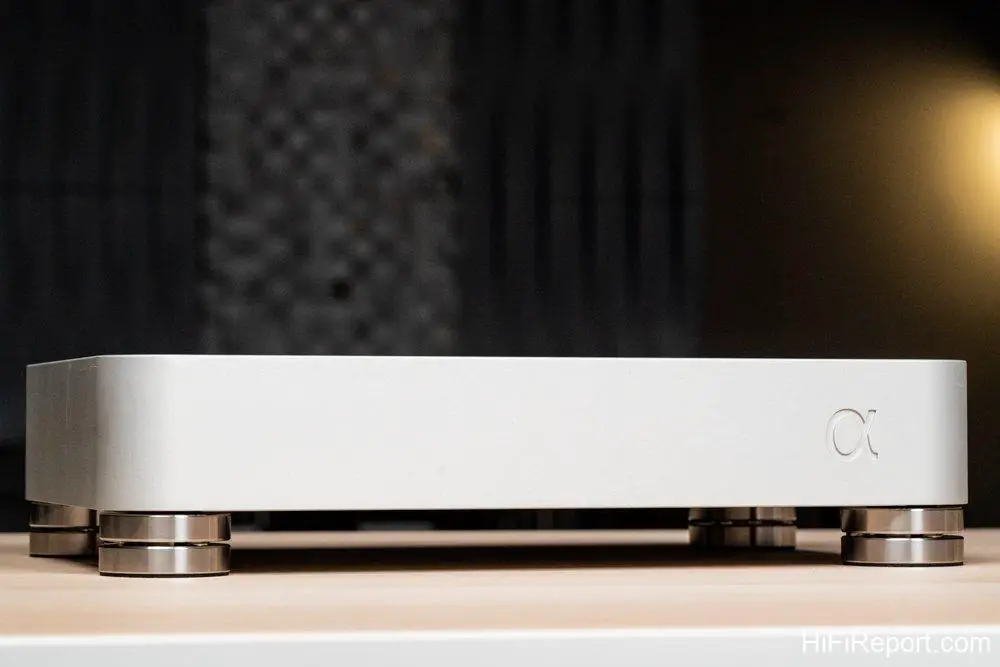
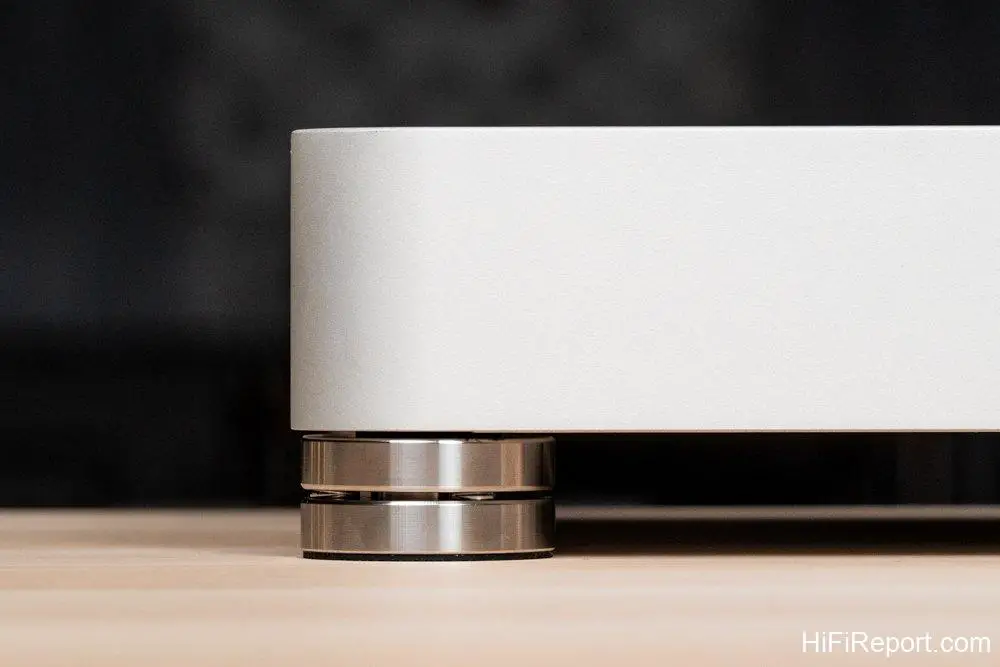
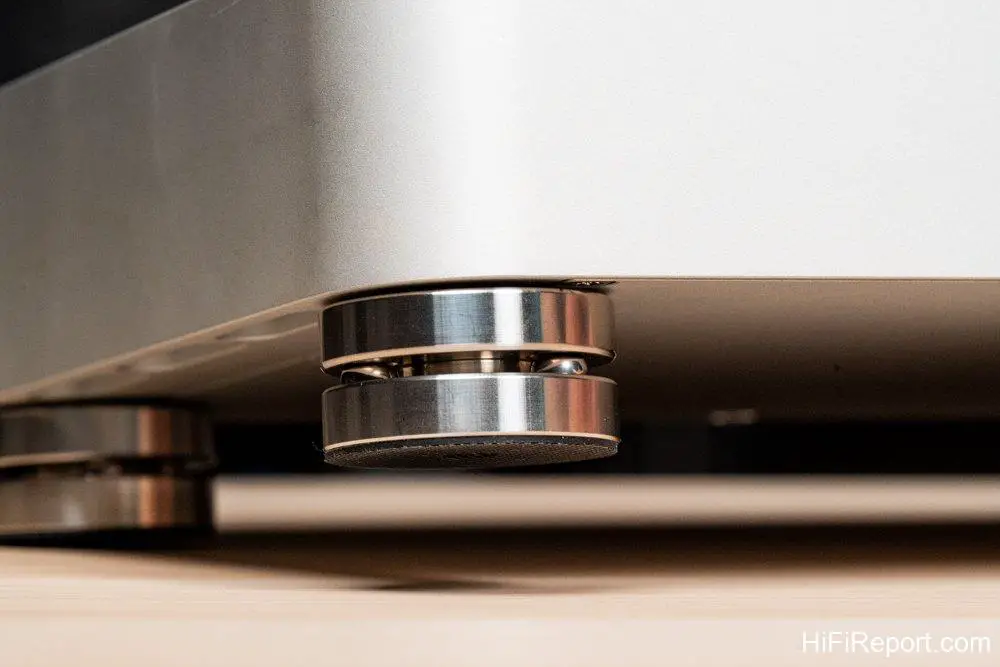
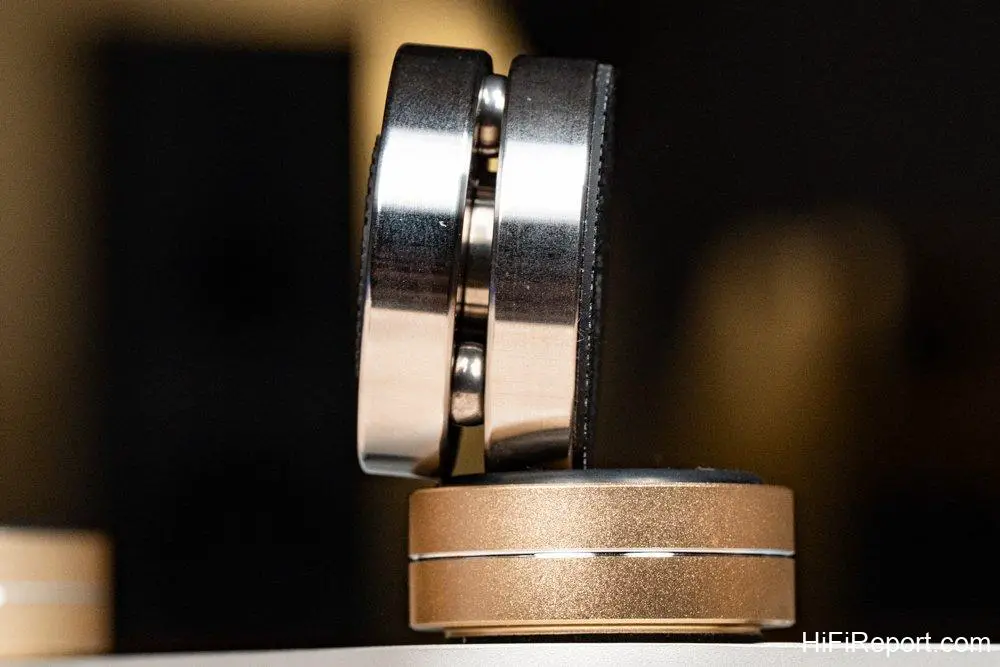
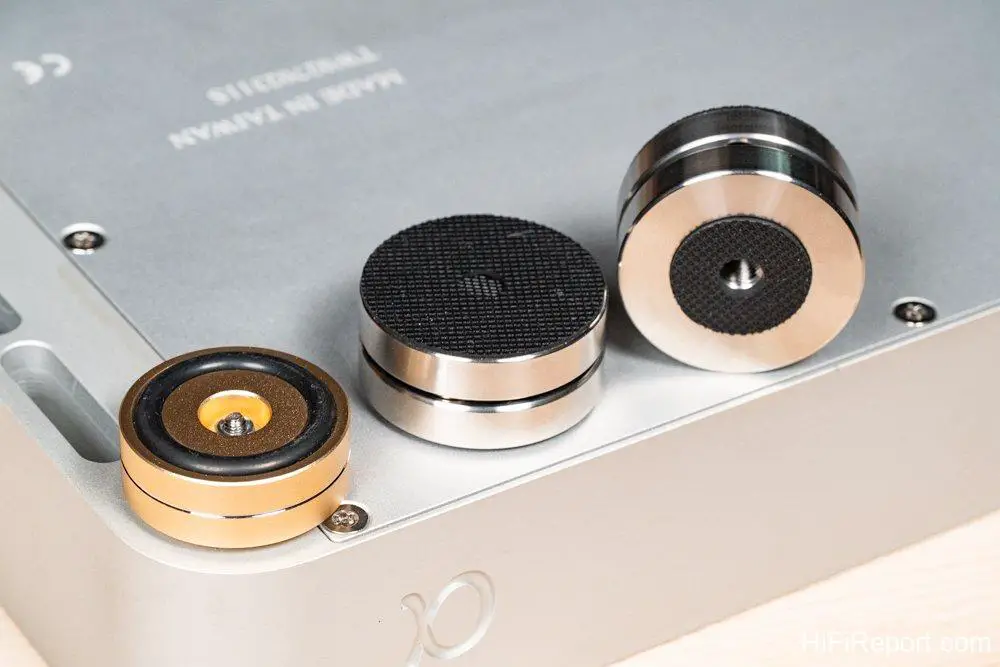
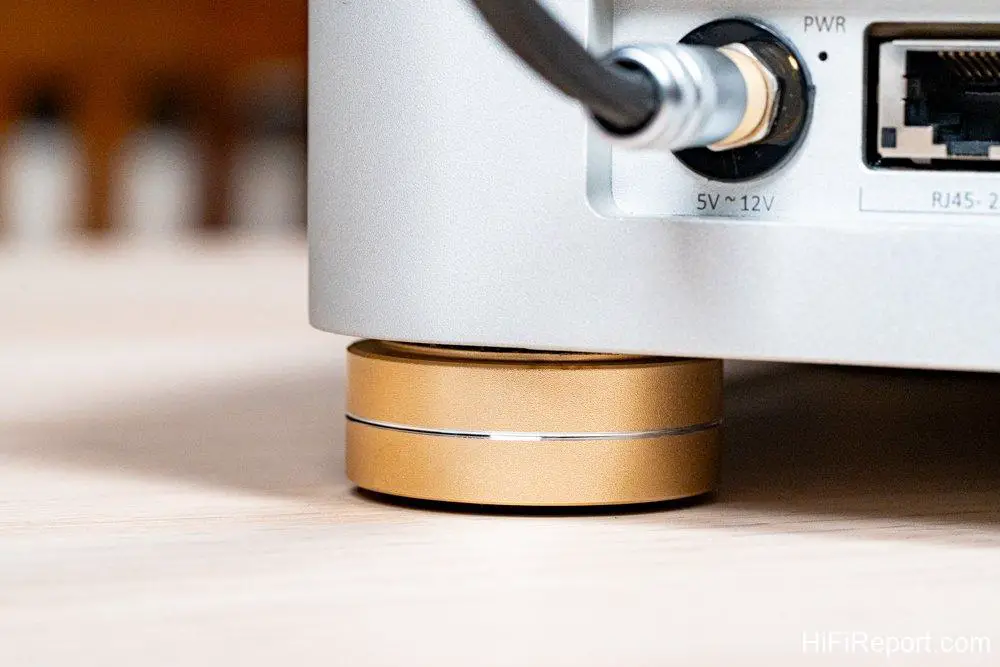
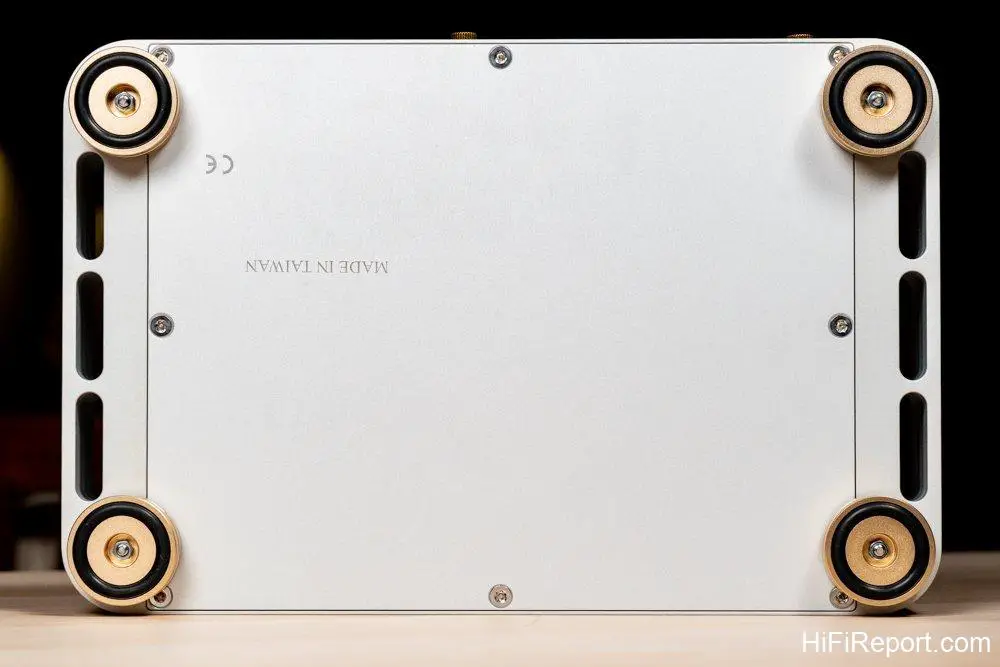
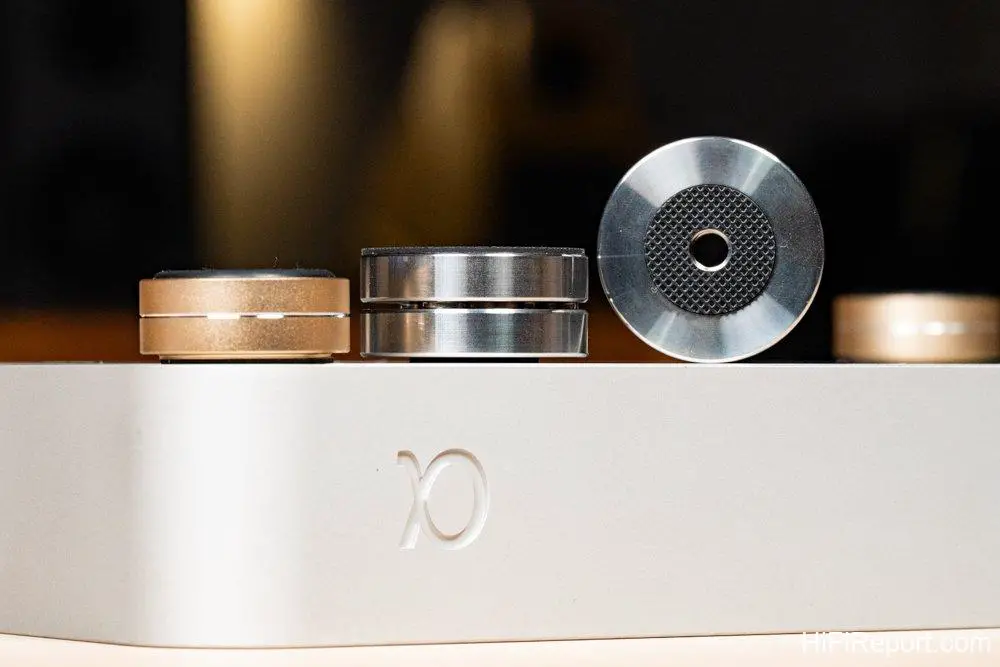
No, I had to exercise restraint. Under the guise of continued auditioning, I kept the PureTek Alpha to explore it further. Until the PureTek team’s second visit, when they announced a small upgrade: incorporating semiconductor wafer factory-grade damping gel along the edges of the PureTek Alpha’s robust aluminum chassis, along with an upgrade to enhanced metal isolation cones.
At the time, I wondered: The PureTek Alpha is compact, but its CNC-machined aluminum chassis is already substantial. Would two additional vibration-damping upgrades truly be effective? To my surprise, the effect was profound, once again leaving me speechless. Is there still so much to learn about audiophile-grade switches? I once thought buying the D-TC Supreme was a “one-and-done” upgrade, allowing me to rest easy. Little did I know, five years later, the PureTek Alpha would come along, a formidable challenger. What was I to do now?
Two Switches in One Machine
To buy or not to buy—no need for immediate internal conflict. Let me first introduce the PureTek Alpha’s design highlights.
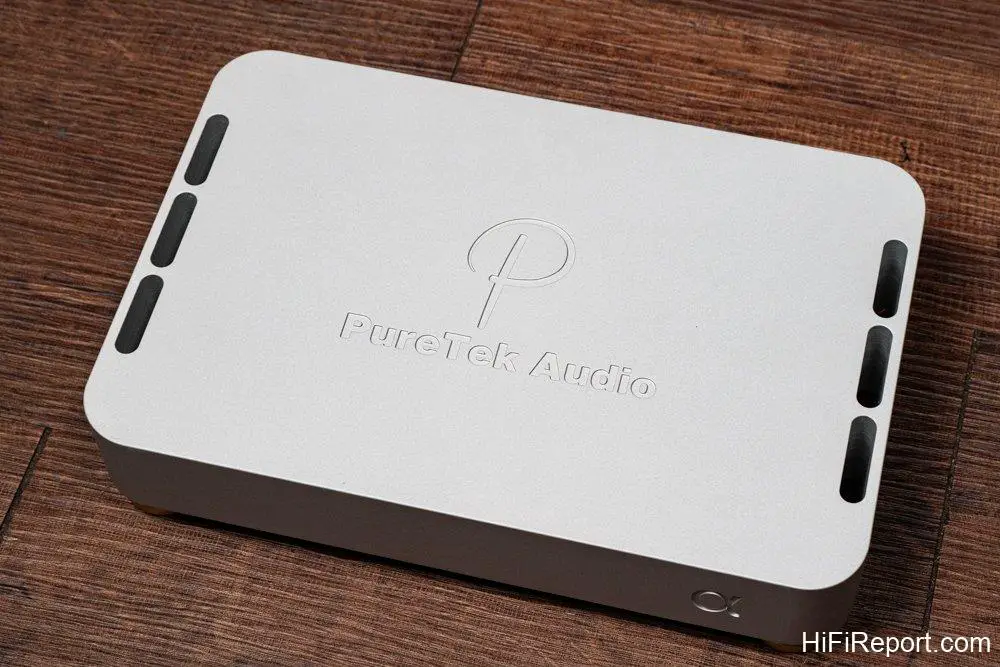
Given the flourishing network information industry and its wealth of talent, PureTek began its development from a custom PCB design, rather than relying on common off-the-shelf boards. Furthermore, the PureTek Alpha employs dual DC-powered circuit boards, effectively housing two switches cascaded within a single chassis.
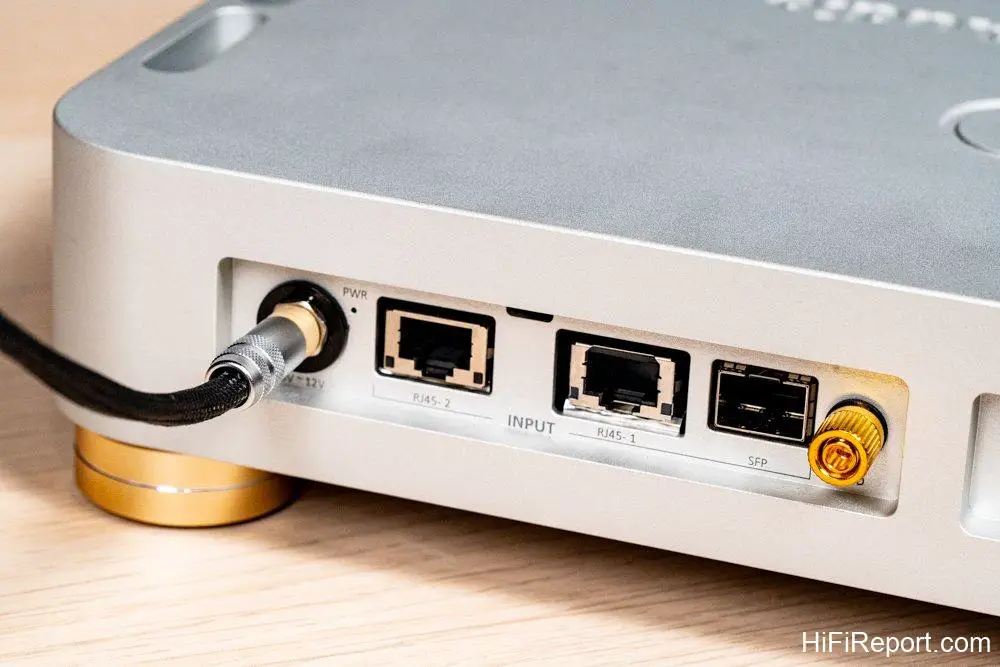
These two circuit boards are entirely independent and not commonly grounded. Consequently, the PureTek Alpha features two grounding terminals on its rear panel. If you have a true ground in your home or integrate an external grounding box, the PureTek Alpha’s sound performance offers even more room for improvement.
Refined Feet Upgrades
The CNC-machined, unibody aluminum chassis is primarily designed for heat dissipation. Additionally, the mass of the aluminum aids in vibration damping. At the joint between the chassis and the bottom cover, wafer-factory-grade damping gel is applied as standard. Furthermore, optional upgradeable footers are available, all contributing to the PureTek Alpha’s impressive versatility.
The PureTek Alpha’s internal clock uses a TCXO (Temperature Compensated Crystal Oscillator). According to the manufacturer, its error rate is a mere 0.21 PPM, meaning only 0.21 errors per million data bits, indicating extremely high precision.
External Power Supply, More Playability
Since the PureTek Alpha utilizes two independent internal PCBs, they’ve also opted for independent power delivery. Thus, the rear panel features two DC input jacks. The power adapters provided by PureTek are two GaN (Gallium Nitride) chargers, which visually resemble common smartphone fast chargers. The manufacturer states that any 5-12V DC source can power the PureTek Alpha.
It seems odd. The PureTek Alpha is a high-priced component, yet the included DC power supplies appear unassuming. Why not integrate a high-quality linear power supply directly into the unit? PureTek’s response is that from the outset, they never intended to build the power supply into the chassis. Regardless of how meticulously a power supply is designed, the inherent vibrations of the power circuitry itself can negatively affect the switch’s sensitive circuits. Therefore, they opted for external power. Furthermore, if the PureTek Alpha were to include an integrated, high-quality linear power supply, its price would likely climb even higher, potentially making it less accessible to the market.
But why only GaN fast chargers? PureTek explains that these were carefully selected DC power supplies, offering excellent sound performance and high cost-effectiveness. However, for those seeking to push performance even further, options like EA Hybrid battery power supplies or other brands of linear power supplies can be added. The market offers many high-quality products that pair wonderfully with the PureTek Alpha.
Don’t Listen, You Might Not Let Go
My audition of the PureTek Alpha spanned over two months, during which the damping gel and upgraded four footers were added. Throughout this period, I paired it with the Cyrus ST40 and MBL C41 digital streaming players. By the time you read my reviews of those two components, you can anticipate very high praise, because both were significantly enhanced by the PureTek Alpha. Moreover, I also experienced the difference when the PureTek Alpha was removed. Truly, once you’ve heard the PureTek Alpha, it’s almost impossible to let go! Setting aside tonal qualities for a moment, the PureTek Audio Alpha’s internal optoelectronic isolation dramatically reduces noise. The musical background becomes noticeably darker, and the soundstage consequently deepens and expands, enhancing the contrast of sonic images and making the 3D rendition of the soundstage more vivid. Does this mean I’m admitting the PureTek Alpha defeated the D-TC Supreme? How could I possibly claim my own switch isn’t good enough? When I say the PureTek Alpha “adds wings to a tiger,” it’s because we’ve moved the D-TC Supreme downstairs to the Chunghwa Telecom modem on the first floor, then run a network cable to the listening room in the basement, feeding it into an Asus Mesh Wi-Fi AP, and then to the PureTek Alpha. So, the original D-TC Supreme remains in use, perfectly complementing the newly acquired PureTek Alpha. It’s an improvement upon an improvement, building a solid foundation from the network level upwards, elevating our streaming music environment. We’re having so much fun!
Stacking for Synergistic Gains
Furthermore, the existing D-TC Supreme can continue to perform its function, and by adding the PureTek Alpha, we achieve “good on good,” without wasting the original infrastructure investment. This naturally made the decision easier: the PureTek Alpha is here to stay! So, even if you’ve already invested in a fine switch, you can still integrate the PureTek Alpha to achieve that “adding wings to a tiger” effect.
Strengthening the Weakest Link in Network Transmission
When I discussed the motivation behind developing a digital switch with the PureTek team, they referenced my Ansuz review from five years ago, which stated that “the ultimate audio performance is determined by its weakest link”—a classic adage in engineering, signifying that a system’s peak performance is limited by its weakest component, not its strongest.
Nearly all members of the PureTek team are passionate audiophiles. They’ve been involved in the hobby for a long time and have amassed quite high-end audio equipment. Yet, they consistently struggled to find a satisfactory network switch, especially one designed for SFP fiber optic transmission, which was particularly rare. So, they decided to develop their own, leading to the creation of the PureTek Alpha.
Million-Dollar System Tuning for Custom Components
Thus, the tuning and voicing of the PureTek Alpha didn’t just involve million-dollar audio systems for reference; it involved multi-million dollar setups. For instance, the selection of SFP fiber optic terminal components was done by testing PureTek Alpha’s custom SFP fiber optic terminals with MSB’s top-tier DACs. Such a substantial investment in audio systems for R&D and listening tests underscores their commitment to making the switch as exceptional as possible.
The audition process began with a head-to-head comparison between the PureTek Alpha and D-TC Supreme. Then, the two switches were chained together: the D-TC Supreme placed on the first floor, and the PureTek Alpha in the basement listening room. With this updated HiFiReport network streaming infrastructure now firmly in place, I find myself spending even more time listening to digital streams. Previously, I would often compare CD + DAC playback with digital streaming, but now I can listen to digital streaming with much greater confidence and enjoyment.
Versatile Sonic Personalities
Finally, I want to emphasize that the PureTek Alpha is a “versatile” network switch, capable of both “firm” and “smooth” sonic presentations. With two RJ45 ports for both input and output, one designed for firmness and the other for smoothness, their interactive pairing allows the PureTek Alpha to offer four distinct tonal variations. You can experiment with all combinations to discover your preferred I/O setting.
During my audition of the PureTek Alpha, there was one aspect I didn’t fully explore: the SFP fiber optic input and output, simply because I lacked compatible equipment. Perhaps in the future, when upgrading my NAS, I’ll choose a model with SFP output. As for DACs with SFP input, if any compatible components are sent to the editorial office for review, then the editor will have something new to play with.
Given that the PureTek Audio Alpha offers four distinct sonic variations and supports SFP fiber optic terminals, further discussion of its sound performance might seem redundant. In closing, I simply want to say that tone is subjective, requiring years of focused listening to cultivate a personal taste for it. The PureTek Audio Alpha, however, addresses the foundational network level, resolving the weakest link in network transmission, thereby elevating the performance of the entire audio system.
A Divine Weapon for the Weakest Link
If you feel your digital streaming playback consistently falls short compared to CD, I urge you to experience the PureTek Audio Alpha. It might just be the “divine weapon” you need to strengthen that “weakest link.”
Specifications
* **Type**: Network Switch
* **Network Terminals**: 2x 1G SFP (internal), 2x 1G SFP, 4x 1G RJ45
* **Power Supply**: 2x 5-12V DC-IN (5.5×2.1mm), 2A (minimum)
* **Dimensions**: 320 x 210 x 70 mm (W x H x L)
* **Weight**: Approx. 5.9 kg (13 lbs)