
Thorens TD-1601 Turntable Review
Thorens unveiled their TD-1601 turntable at the 2019 Munich High End Show, with plans for an official launch in the first quarter of 2020. While Thorens intended to send a unit to HiFiReport for review, I’ve always felt that turntable evaluations are best experienced firsthand at audio dealerships. Unlike other components, the nuances of turntable setup and personal preferences play such a significant role. Therefore, Zhi-Ren kindly arranged for me to visit 38 Degree C’s store on Chongqing South Road and get acquainted with the TD-1601 in a real-world setting.
Best Vinyl Learning at Dealers
Why does HiFiReport seldom publish turntable reviews? It’s because even with identical specifications, variations in setup techniques can dramatically alter a turntable’s sonic performance. This makes it challenging to establish standardized benchmarks for reviews. However, this very characteristic is what makes vinyl playback so engaging. Personal sound preferences take center stage, and adjustments like stylus pressure, VTA (Vertical Tracking Angle), anti-skating, and even subtle azimuth tweaks become tools to sculpt the sound to your liking.
In contrast, CD players offer minimal adjustability, typically limited to digital filter settings. The sonic impact of these filters is consistent across different machines, lacking the deeply personal tailoring possible with vinyl. Consequently, our turntable coverage tends towards introductory articles rather than in-depth reviews.
However, visiting a dealership to experience a turntable offers a unique opportunity to document real-world setup and listening impressions. It allows us to observe how experienced audio professionals optimize turntable performance in a retail environment.
Audio dealerships, to effectively showcase and sell equipment, must meticulously fine-tune their systems to deliver compelling sound. Each dealership develops its own sonic signature through system setup. Experiencing these diverse approaches firsthand provides invaluable learning opportunities for audio reviewers, enriching our understanding of vinyl setup and system synergy.
Ultimately, system optimization involves both objective factors (equipment and room acoustics) and subjective sonic preferences. The crucial element in achieving a desired sonic outcome remains the individual’s personal taste.
Vinyl Rescues Record Stores
Arriving at 38 Degree C as scheduled, I was greeted by Ms. Tsai in the basement listening room. I’ve been a patron of 38 Degree C since my university days, though back then my record store haunts were primarily Cosmos City in Gongguan and Guanghua Market. My visits to 38 Degree C were less frequent, so Ms. Tsai and I weren’t acquainted until my foray into audio reviewing brought us into professional contact.
Today, 38 Degree C still stocks CDs, but the prominence of vinyl records in their store is noticeably on the rise. I inquired with Ms. Tsai about the increasing vinyl sales, and her immediate response was, “Vinyl records saved us!” Indeed, in its early years, 38 Degree C primarily dealt in vinyl. The rise of CDs and DVDs led to a vinyl decline, but now, with the dominance of digital streaming, CD and DVD sales have dwindled dramatically. Were it not for the resurgence of analog vinyl, the fate of record stores would be precarious.
Selling Records, Also Selling Hi-Fi
Yet, relying solely on vinyl record sales might not be sufficient to sustain a record store’s operations. Historically, 38 Degree C, while primarily focused on software (records), also ventured into selling audio hardware, even sparking the “Wang Pan” trend (referring to highly sought-after audio components). However, they eventually reverted to their core software business. Now, with the continuous decline in physical media sales, a return to audio hardware sales is essential for maintaining business viability.
Consequently, Ms. Tsai at 38 Degree C has started importing high-quality, reasonably priced audio equipment. In the realm of turntables, their main brands include Thorens, Rega, and Pro-Ject, all esteemed European brands known for their classic designs and reliable performance. These brands are positioned within a relatively accessible price range, targeting both entry-level and seasoned vinyl enthusiasts.
Classic ‘King’s Return’ Design
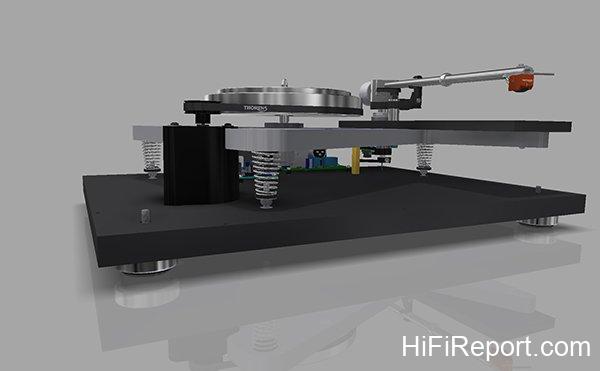
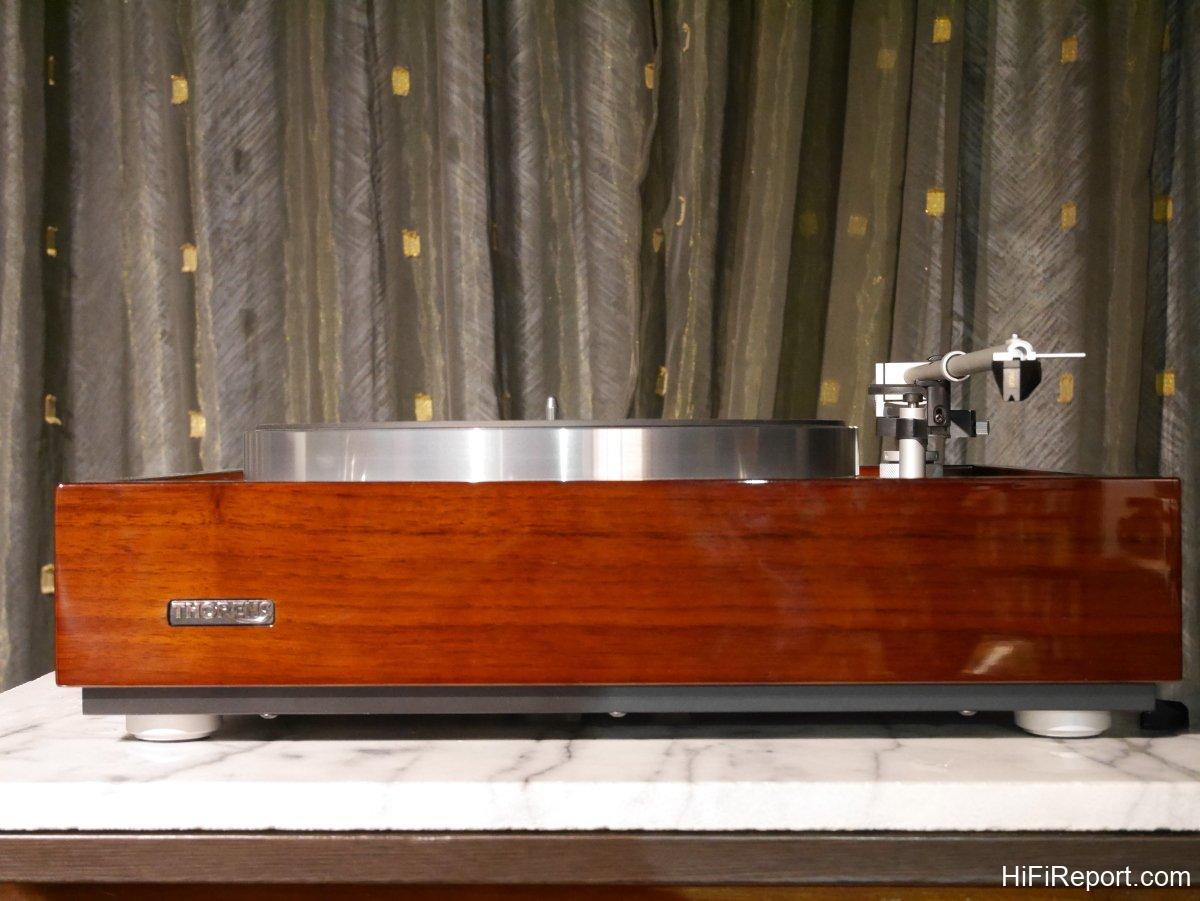
The listening room at 38 Degree C is located in the basement. My first action upon descending the stairs was to capture some photographs. The Thorens TD-1601 made its debut at the 2019 Munich High End Show. Its three-point suspension system and elegant wooden plinth immediately evoked the iconic Thorens TD-160 of yesteryear, lending it a distinct “king’s return” aura.
However, the Munich showing was of a prototype. Thorens utilized the exhibition as an opportunity to gauge global feedback on the new turntable, gathering opinions for final refinement. Consequently, the test units for review only became available in late 2019. Mr. Yan from Zhi-Ren Audio also joined me at 38 Degree C to oversee the TD-1601 listening session. He mentioned that they, along with other global partners and users, provided Thorens with valuable feedback. This input prompted Thorens to implement further refinements, causing a slight delay in the official release until 2020. While the launch was somewhat delayed, the final TD-1601 exhibits a high degree of polish and completeness, exceeding expectations and garnering satisfaction from distributors like Zhi-Ren.
First Three-Point Suspension Brand?
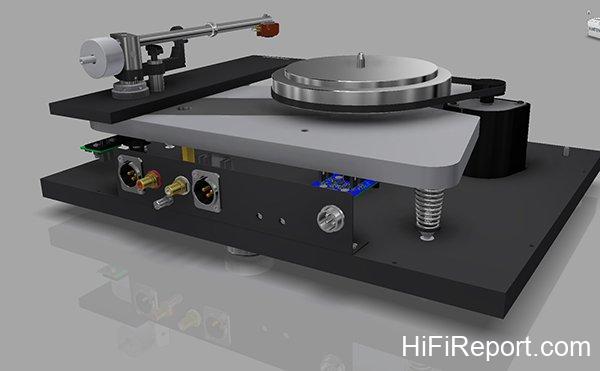
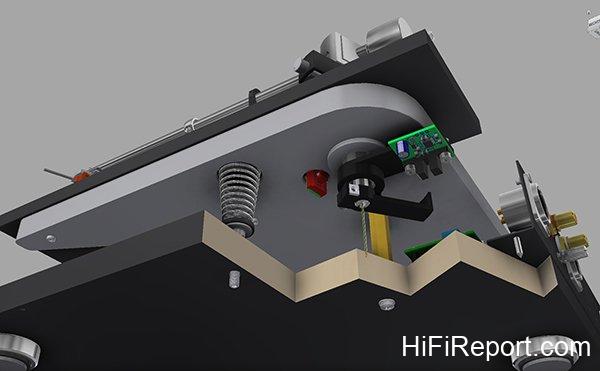
The TD-1601’s design, a deliberate nod to classic Thorens models, emphasizes spring-based suspension, specifically a three-point configuration. Some sources credit Thorens as “one of” the earliest adopters of three-point suspension in turntables. The “one of” qualifier is necessary because the legendary British Linn LP12 turntable also employs a three-point suspension system, and has done so for decades.
A historical debate, a sort of audiophile “chicken or egg” dilemma, exists: “Who pioneered three-point suspension – Thorens or Linn?” Predictably, neither company concedes precedence, each claiming to be the originator. Therefore, the most accurate, albeit slightly vague, statement is that Thorens is among the earliest audio brands to utilize three-point spring suspension.
However, despite both employing three-point suspension, the implementations by Thorens and Linn differ. Imagine a turntable viewed from above – a rectangle. Now, visualize inscribing a triangle within this rectangle to support both the tonearm and the platter base. How would you position the triangle’s vertices? Thorens’ approach places two support points beneath the tonearm board and one under the platter base. Linn, conversely, positions one point under the tonearm board and two under the platter base. This fundamental difference defines the core distinction between their respective three-point spring suspension designs.
In practical use, Linn tonearms tend to exhibit more pronounced bouncing during cueing and lifting, while Thorens’ spring system provides more stable support, resulting in less vertical movement. Neither approach is inherently superior in design or sonic merit; they simply represent different interpretations of three-point suspension, each yielding a slightly different user experience.
Remember to Remove Dust Cover
The TD-1601 at 38 Degree C was strategically placed on the top shelf of the audio rack – the natural domain for turntables, ensuring convenient record swapping. Ms. Tsai had already removed the transparent acrylic dust cover, a hallmark of experienced vinyl enthusiasts. These dust covers typically rest on the wooden plinth, secured by hinges at the rear, allowing for easy removal by lifting.
However, for the sake of convenience, many individuals often leave the dust cover partially open while playing records. This practice, however, is detrimental to sound quality. The acoustic energy emanating from the loudspeakers becomes trapped within the enclosed space beneath the dust cover, inducing unwanted resonance and interaction with the turntable itself. This resonance significantly compromises sonic clarity and transparency. It’s crucial to remind audiophiles that a dust cover’s sole purpose is dust protection. Always remove it completely during listening sessions; otherwise, don’t fault the turntable for sounding veiled or muddy.
Uncommon Semi-Automatic Lifter
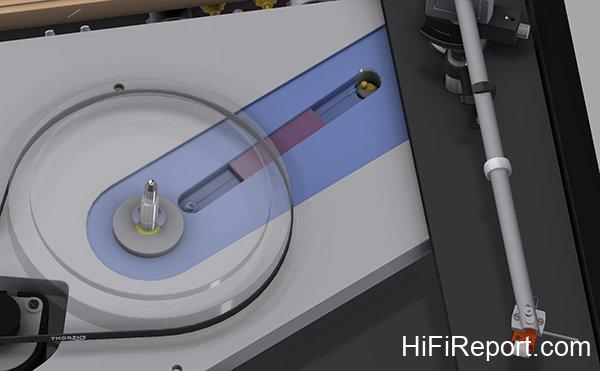
The TD-1601’s industrial design leans towards a classic aesthetic, with a warm, reddish-brown wood plinth exuding understated elegance. The functional controls are neatly arranged on the top panel. Three circular buttons on the left, labeled “33,” “0,” and “45,” handle speed selection, with “0” serving as the stop function. A solitary circular button on the right, marked “Lift,” is a rather uncommon feature on high-end turntables: an automatic tonearm lifter.
Automatic or semi-automatic operation is more commonly found on consumer-grade, entry-level turntables. High-end turntables typically champion fully manual operation, emphasizing direct user engagement and tactile pleasure. The inclusion of a mechanically operated lifter on the TD-1601 is primarily aimed at preventing accidental stylus damage.
Is Thorens suggesting that users are prone to clumsiness, frequently breaking styli and requiring machine assistance for cueing? Unlikely. The more probable rationale is stylus protection at the end of a record side. When a record finishes playing, some listeners might be preoccupied or even fall asleep, leaving the stylus to endlessly spin in the run-out groove. Even the faint “swishing” sound might not rouse a deeply slumbering audiophile. A stylus grinding away in the run-out groove overnight is highly susceptible to premature wear and failure.
Therefore, the automatic lifter is a thoughtful feature for stylus longevity. It’s important to note that the TD-1601 offers semi-automatic, not fully automatic, operation. You still need to manually position the tonearm over the desired track, typically the first track, and then press “Lift” to initiate a gentle, damped descent of the stylus. However, upon reaching the end groove, the TD-1601 automatically lifts the tonearm and halts platter rotation. The tonearm, however, remains poised above the inner groove, not automatically returning to its rest position. Hence, it’s a semi-automatic lifter, requiring manual tonearm return.
Lower Gravity 9-Inch Tonearm
The TD-1601 is equipped with Thorens’ own TP 92 nine-inch straight tonearm. Unlike conventional straight tonearms consisting of a single tube extending from headshell to counterweight, the TP 92 employs a more sophisticated construction. Its arm tube extends only to the bearing housing, with a separate, rear-mounted tube supporting the counterweight, positioned lower than the main arm tube.
This more intricate dual-tube design is intended to lower the counterweight’s center of gravity, thereby reducing the tonearm’s overall center of motion. The benefit of this design is enhanced tracking stability. The principle is analogous to sports car design – a lower center of gravity translates to improved stability and handling.
Basic adjustments such as anti-skating and tracking force are readily accessible on the TP 92. VTA adjustment also incorporates a clever design element. To adjust VTA, simply loosen a side-mounted setscrew using an Allen key and then rotate the adjustment ring integrated into the tonearm base.
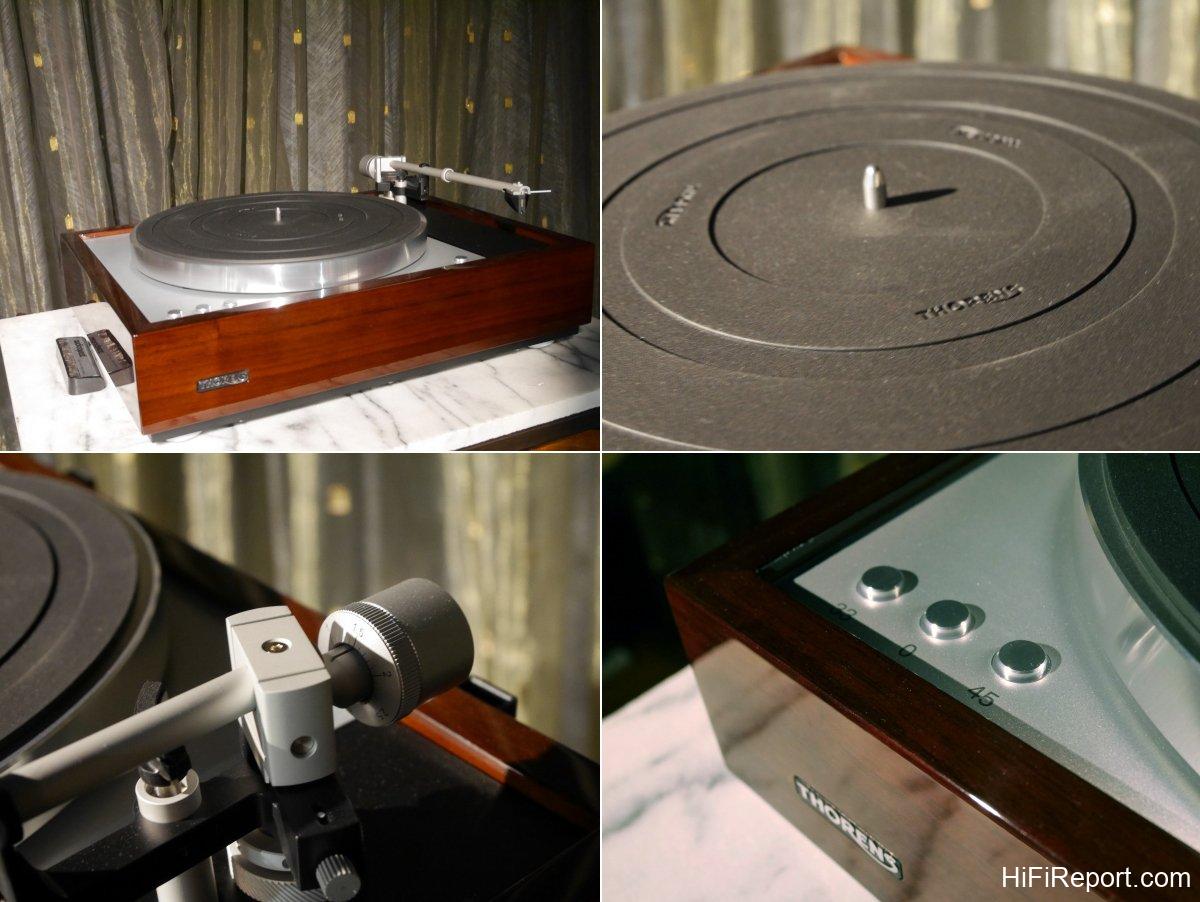
What’s so clever about this? Many tonearms lack such a refined VTA adjustment mechanism. Typically, VTA adjustment involves awkwardly holding the tonearm in place while simultaneously loosening a setscrew, carefully raising or lowering the arm to the desired height, and then re-tightening the screw. The TP 92’s integrated adjustment ring simplifies VTA adjustments significantly, making it far more user-friendly.
All-Thorens System, No Fuss
Since the TD-1601 comes pre-equipped with the TP 92 tonearm and a dedicated armboard, it suggests a degree of system integration. In my experience, Thorens systems tend to be somewhat “closed,” meaning they often perform optimally when components are sourced from Thorens themselves. Straying from this integrated approach, particularly when considering tonearm swaps, might introduce compatibility challenges.
If you contemplate a tonearm upgrade, it’s advisable to consider another Thorens model to ensure seamless armboard compatibility. Otherwise, swapping tonearms might necessitate replacing the armboard as well.
Reflecting on my early experiences with Linn LP12 turntables, I recall owning two different units without ever fully grasping their lauded performance. The critical missing element, in retrospect, was the absence of a Linn tonearm. Consequently, I initially dismissed the LP12 as overrated. It was only recently, upon acquiring an LP 12 Klimax and pairing it with a complete Linn ecosystem – tonearm, cartridge, and phono stage – that the true potential of the LP12 revealed itself.
The TD-1601 appears to follow a similar design philosophy, suggesting that an all-Thorens system is likely the path of least resistance and potentially highest performance. Considering the TD-1601’s specifications – turntable, tonearm, and external power supply – and comparing it to similarly equipped LP 12 models, the TD-1601 is offered at approximately half the price. Even on paper, based solely on specifications, the TD-1601 presents exceptional value.
MM Cartridge, Tube Amp, LS 3/5a
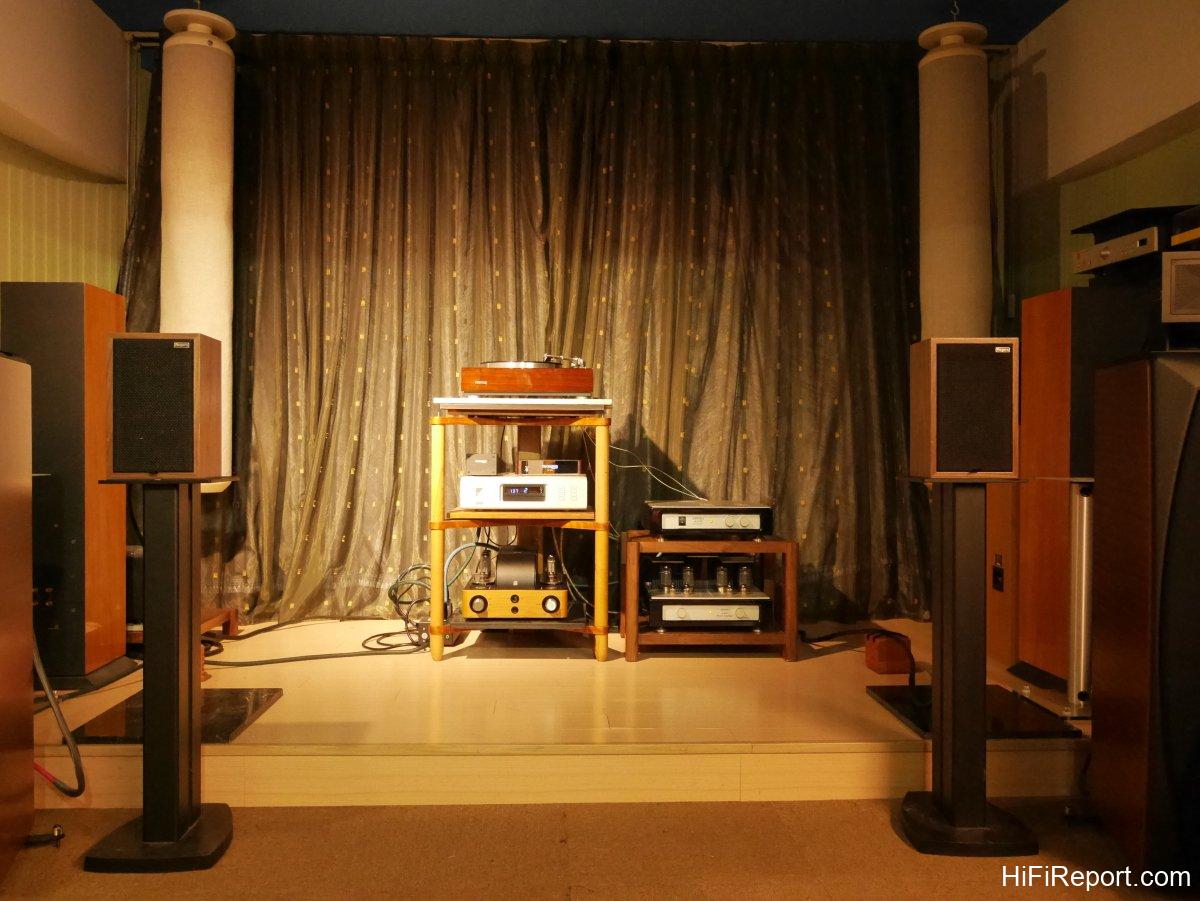
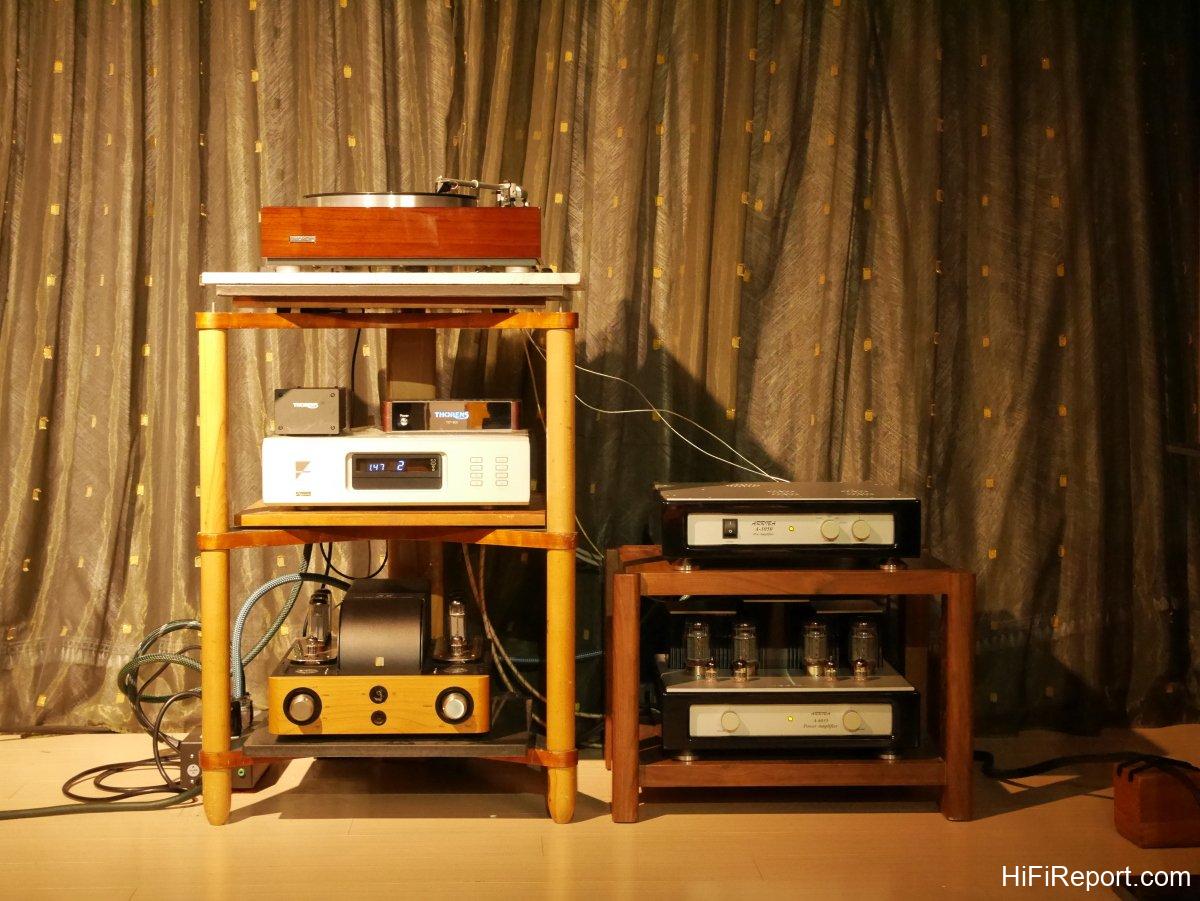
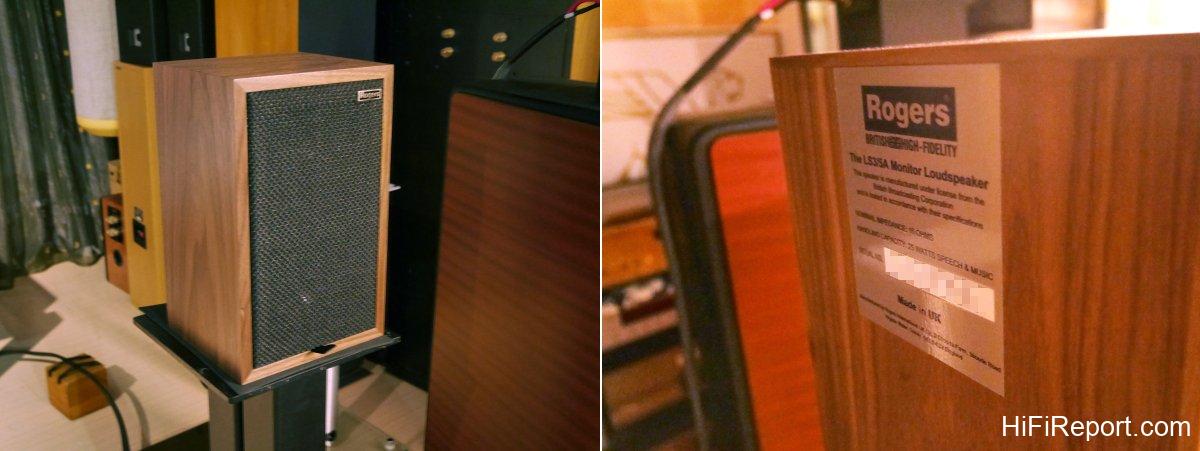
The system assembled by 38 Degree C for the TD-1601 demonstration featured a Copland Arriba A6035 preamplifier and A-3050 power amplifier, driving Rogers LS 3/5a loudspeakers – specifically the 15-ohm version. It’s worth noting that these LS 3/5a are not vintage originals but rather a new, reissued version. Reportedly, individuals associated with the original Rogers company have revived the brand and are hand-building these speakers in limited quantities in England, adhering to the original 15-ohm impedance specification.
Ms. Tsai remarked, “This LS 3/5a is different; it’s significantly improved, with wider bandwidth and greater detail retrieval.” My slightly tongue-in-cheek response was, “If it’s different, can it truly be called an LS 3/5a?” Ms. Tsai conceded, “You have a point, but these speakers genuinely sound exceptional; you need to hear them.” My playful skepticism stemmed from owning a pair of Chartwell LS 3/5s. Reissued versions, regardless of meticulous efforts, can never be perfect replicas of the originals. Material science has advanced considerably; older materials often lacked the strength and sophistication of modern counterparts. Reissues will invariably exhibit enhanced performance metrics, but the crucial aspect is preserving the original sonic character and essence.
38 Degree C paired the TD-1601 with a Danish Ortofon 2M Black MM cartridge, Ortofon’s flagship moving magnet offering. I inquired why they opted for an MM cartridge rather than a moving coil (MC). Ms. Tsai explained that for demonstration purposes, MC cartridges pose a greater risk of stylus damage. Accidental stylus breakage with an MC cartridge results in a significant loss, whereas MM cartridges offer stylus replacement, making them a more economical choice for demonstrations. Furthermore, Ms. Tsai emphasized that the 2M Black delivers exceptional sound quality, exceeding initial expectations.
Stable Speed Evident in Piano
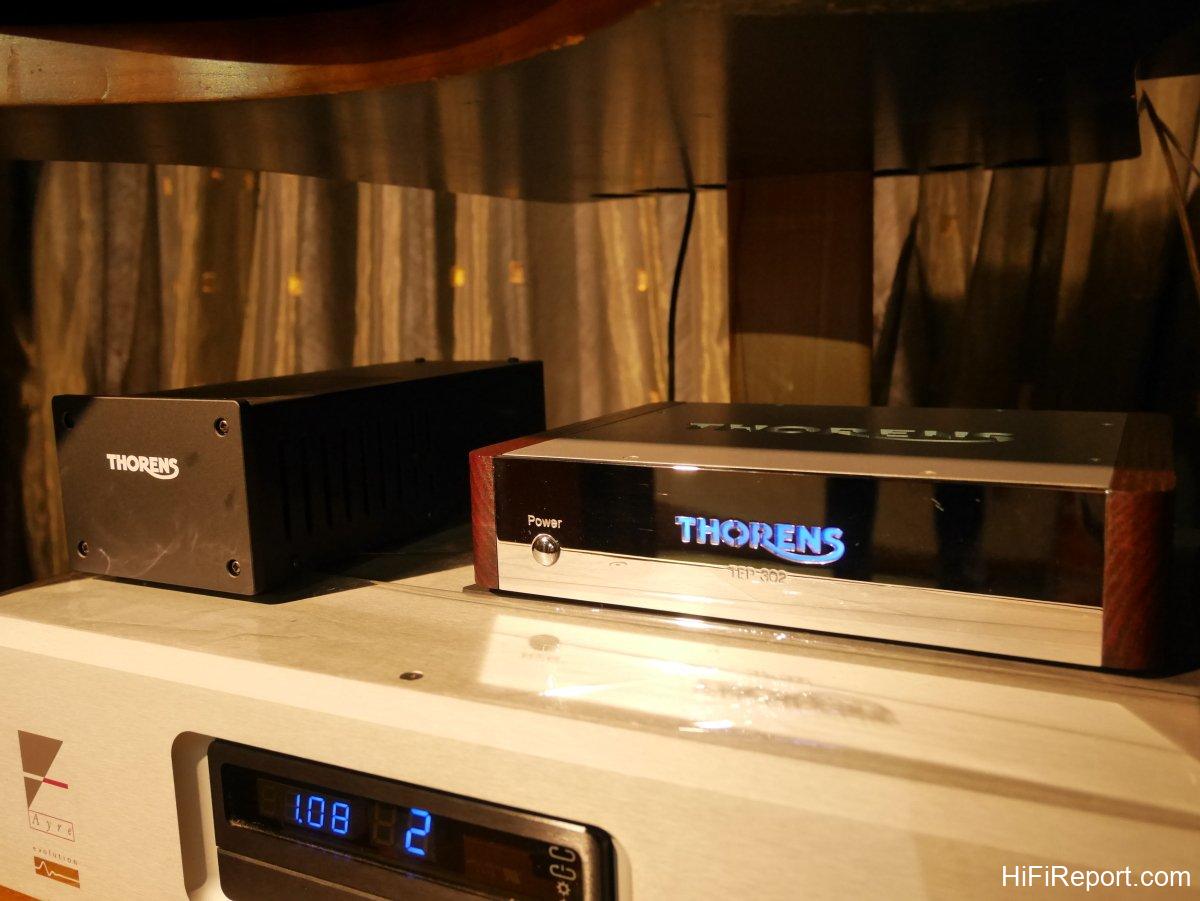
As we prepared to play the first record, Ms. Tsai mentioned that the TD-1601 was initially utilizing the MM phono stage within the Arriba A6035 preamplifier. Subsequently, we would switch to a dedicated Thorens THPS 30 phono preamplifier for comparison. MM phono stages typically provide around 40dB of gain. The A6035 employs vacuum tube amplification, promising an intriguing sonic synergy with the LS 3/5a speakers. I anticipated a warm, rich, and musically engaging presentation.
We commenced with a simple yet revealing test – Beatrice Rana’s solo piano rendition of Bach’s Goldberg Variations. The deliberate tempo and nuanced phrasing evoked Glenn Gould’s interpretations, with the young pianist adding her own rhythmic flexibility. The TD-1601, in conjunction with the A6035’s phono stage, rendered piano notes with a pleasing fullness and well-defined articulation. The turntable’s stable speed ensured that sustained piano notes remained unwavering, free from any audible pitch fluctuations.
My deliberate choice of solo piano as the initial listening material was purposeful. Any instability in turntable speed is readily apparent in piano recordings, particularly in sustained notes, which will exhibit a subtle wavering or “wow” effect if speed consistency is compromised. The TD-1601 passed this initial test with flying colors, demonstrating excellent speed stability.
Flavorful ‘Dark Side of the Moon’
Next up was Pink Floyd’s seminal album, “Dark Side of the Moon.” Still keeping the listening session concise due to time constraints, I opted for another challenging test record. Upon seeing the album, Ms. Tsai exclaimed, “Ah, one of my favorite records from my youth! Which track shall we play, ‘Money’ perhaps?” Without hesitation, she expertly placed the stylus at the beginning of the “Money” track, a testament to her familiarity with the album. The vintage analog warmth of the recording, reproduced through the LS 3/5a speakers and tube amplification, delivered exceptional musicality. The iconic cash register sound effects in “Money” resonated with a crispness and clarity. The reissued LS 3/5a speakers indeed exhibited a slightly brighter character compared to vintage versions, with enhanced high-frequency detail and resolution. Most importantly, the overall tonal balance and sonic flavor were spot-on. I inwardly exclaimed, “Long live rock and roll!”
Of course, the LS 3/5a’s bass response is inherently limited. Their strength lies in the mid-high frequency range, particularly the midrange, which they reproduce with remarkable fidelity. As Ms. Tsai had suggested comparing the Thorens THP 30 phono preamplifier, I felt it was an opportune moment to make the switch. With the turntable still spinning, we swapped phono stages and returned to “Money” for a second listen.
The THP 30 exhibited a slightly higher gain, revealing a touch more musical detail, sharper sonic contrasts, improved resolution, and a quieter background. The A6035, however, possessed a warmer overall tonal character, likely attributable to the inherent sonic signature of tube versus solid-state amplification.
LS 3/5a Perfect for Solos
Within the confines of 38 Degree C’s basement listening room, the LS 3/5a’s bass extension remained limited, but the fullness and richness of the midrange and upper frequencies were undeniably captivating. I transitioned to Liu Yunping’s “Turning Around,” featuring the young guitarist’s virtuoso playing. Having witnessed his live performance at the Kaohsiung Audio Show, I purchased both the CD and LP editions. Listening to his solo guitar arrangement of the Taiwanese folk song “Looking at Spring Breeze,” the intricate arrangement incorporated numerous guitar harmonics, demanding considerable technical skill and precise tonal control. The TD-1601 and 2M Black cartridge conveyed the warm resonance of the guitar with remarkable fidelity, the midrange frequencies exhibiting a pleasing fullness, and the subtle decay of harmonics rendered naturally. The simplicity of solo guitar, paired with the LS 3/5a, was truly enchanting, with the TD-1601 adding a layer of rich, analog warmth.
Solo instruments are undeniably a forte of the LS 3/5a. Next, I selected Yo-Yo Ma’s Bach Cello Suites, choosing his 2018 recording – his third traversal of these iconic works. Originally available only on CD, I serendipitously discovered the vinyl edition at an Eslite bookstore and promptly purchased it. In his third Bach Suites recording, Ma’s interpretation exhibits a greater sense of rustic simplicity and freedom compared to his “Six Evolutions” recording, with a more natural and flowing tone, less overtly polished. Listening through the MM cartridge, the sonic image of the cello likely appeared slightly larger compared to an MC cartridge. The TD-1601’s slightly softer sonic character imparted a velvety richness to the cello, rendering its lines with a smooth, supple quality.
Smooth, Flowing Cello Lines
Having thoroughly enjoyed solo instrumental performances, it was time to explore larger ensembles. From the record bag, I selected Dvořák’s Cello Concerto in B minor, performed by Jacqueline du Pré. I cued the third movement, Allegro, and listened intently. The cello’s weighty presence and sonorous tones emerged with compelling force, interwoven with the low-register murmurs of the brass and woodwind sections. As the music progressed, the cello’s theme entered, gradually building in intensity. The LS 3/5a speakers began to approach their dynamic limits. At higher volumes, the soundstage became somewhat congested and disorganized. Reducing the volume slightly restored clarity and precision to the soundstage.
Despite the speaker’s bandwidth and power handling limitations, the TD-1601’s unwavering speed stability ensured that the cello’s lines remained smooth and free from any audible pitch wavering. The overall tonal quality possessed a pleasing warmth, perfectly complementing the vintage analog recording.
Small System, Chamber Music Excellence
Apologies for dwelling so much on the musical selections, but it became challenging to definitively isolate the contributions of the TD-1601 and the reissued LS 3/5a speakers. However, 38 Degree C had skillfully assembled a system within the bandwidth limitations of the LS 3/5a, delivering a natural and effortlessly musical presentation that provided an afternoon of pure listening pleasure.
As I mentioned earlier, turntable setup is a highly nuanced art, with each individual developing their own unique techniques and preferences. My experience with the TD-1601 at 38 Degree C revealed a system characterized by naturalness, smoothness, and a comfortable, relaxed presentation. While it might have lacked a touch of dynamic assertiveness and high-contrast drama, the overall sonic character was immensely enjoyable for extended listening sessions. For solo instruments and chamber music, the TD-1601 and LS 3/5a combination proved to be truly exceptional. Larger orchestral works posed a greater challenge in terms of complete control, but the sheer beauty of solo instrument reproduction alone made the TD-1601 a worthwhile investment.
Are there still unexplored sonic territories with the TD-1601? Undoubtedly. The endless possibilities of analog vinyl playback are a testament to its enduring appeal. It all depends on your individual preferences and how you choose to explore its potential. Mr. Yan from Zhi-Ren Audio mentioned plans to send the TD-1601 to HiFiReport for a more formal review. I readily agreed, expressing interest in pairing it with Wilson Audio Alexia 2 loudspeakers to explore a different sonic perspective compared to the LS 3/5a experience. This, after all, is the enduring allure of music and high-fidelity audio – the endless possibilities of system synergy and the diverse sonic landscapes they unlock.
Free Thorens Phono Stage Offer
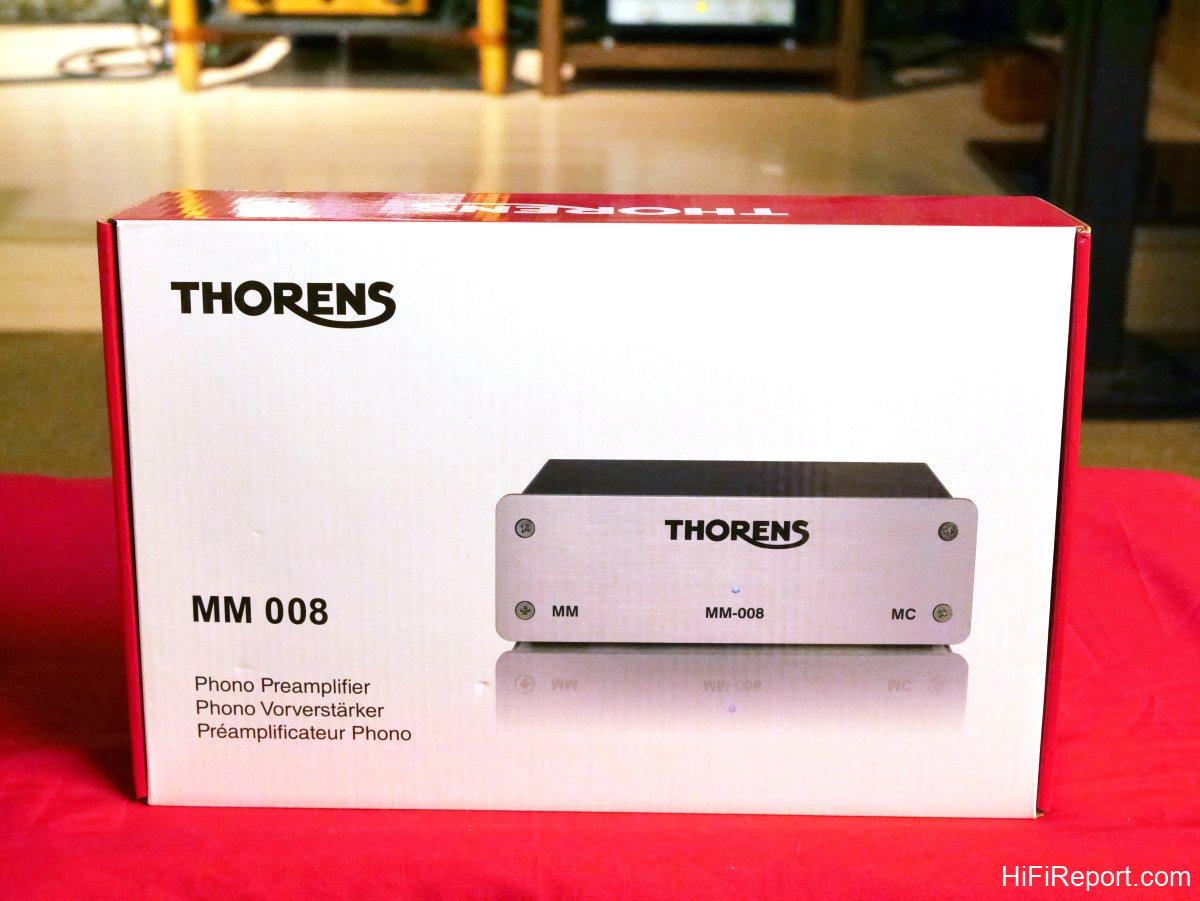
One final, but significant, detail I almost overlooked: to celebrate the launch of the new TD-1601, Thorens is currently offering a complimentary Thorens MM-008 phono preamplifier with every purchase. Don’t let the “MM” designation mislead you; the MM-008 is a versatile phono stage capable of handling both MM and MC cartridges.
Specifications
* Model: Thorens TD 1601
* Type: Turntable
* Drive Method: Belt Drive
* Speeds: 33 1/3 RPM, 45 RPM
* Tonearm: Thorens TP 92