dCS Lina DAC X Digital Streamer Review
As the newest addition to the Lina family, the Lina DAC X stands as the sole full-sized component in the series; its siblings, the Lina Network DAC, Lina Headphone Amplifier, and Lina Master Clock, all feature a half-size chassis design. Functionally and circuit-wise, the Lina DAC X is nearly identical to the Lina Network DAC, with an official price difference of only about $2,000 USD. This begs the question: what was dCS’s intention behind introducing the Lina DAC X?
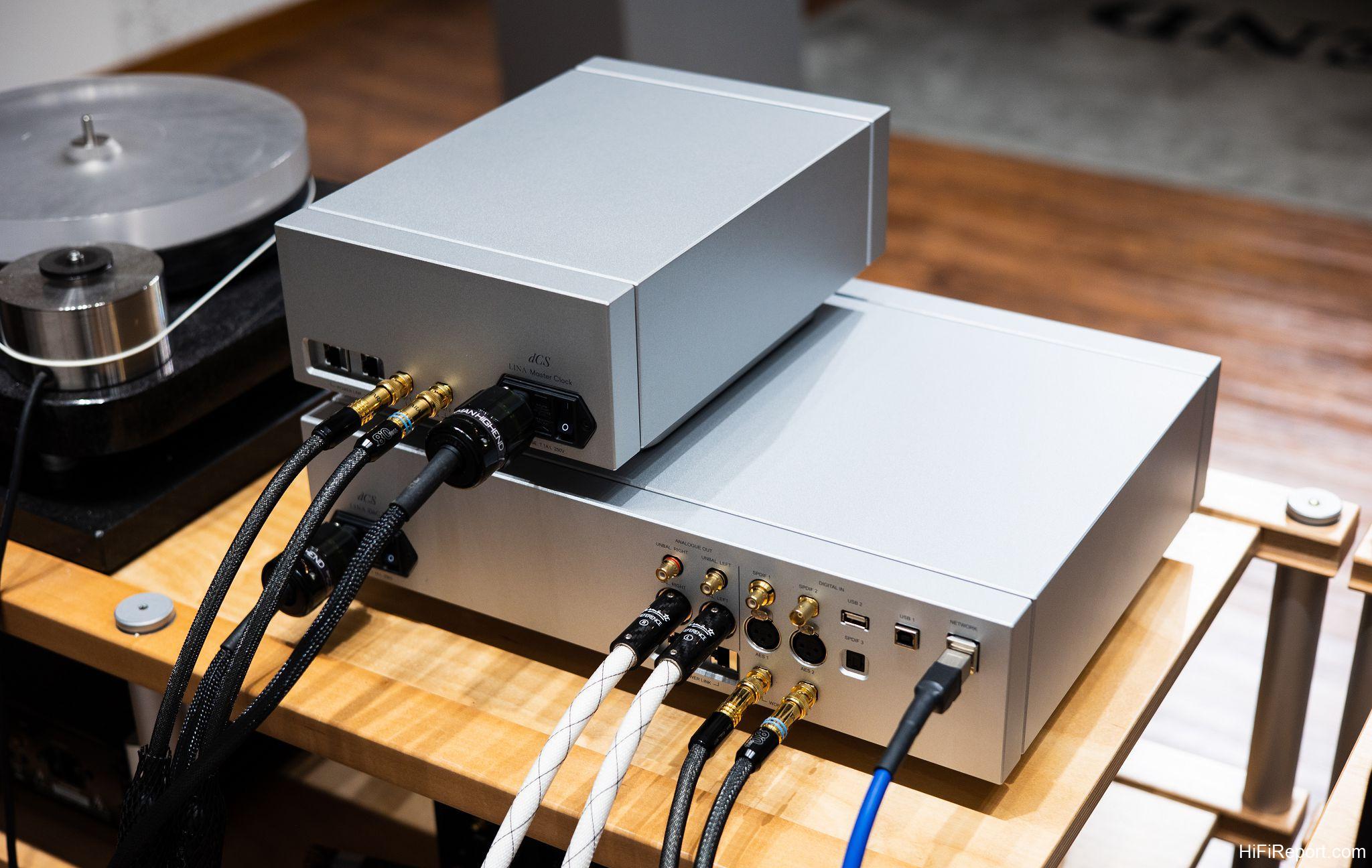
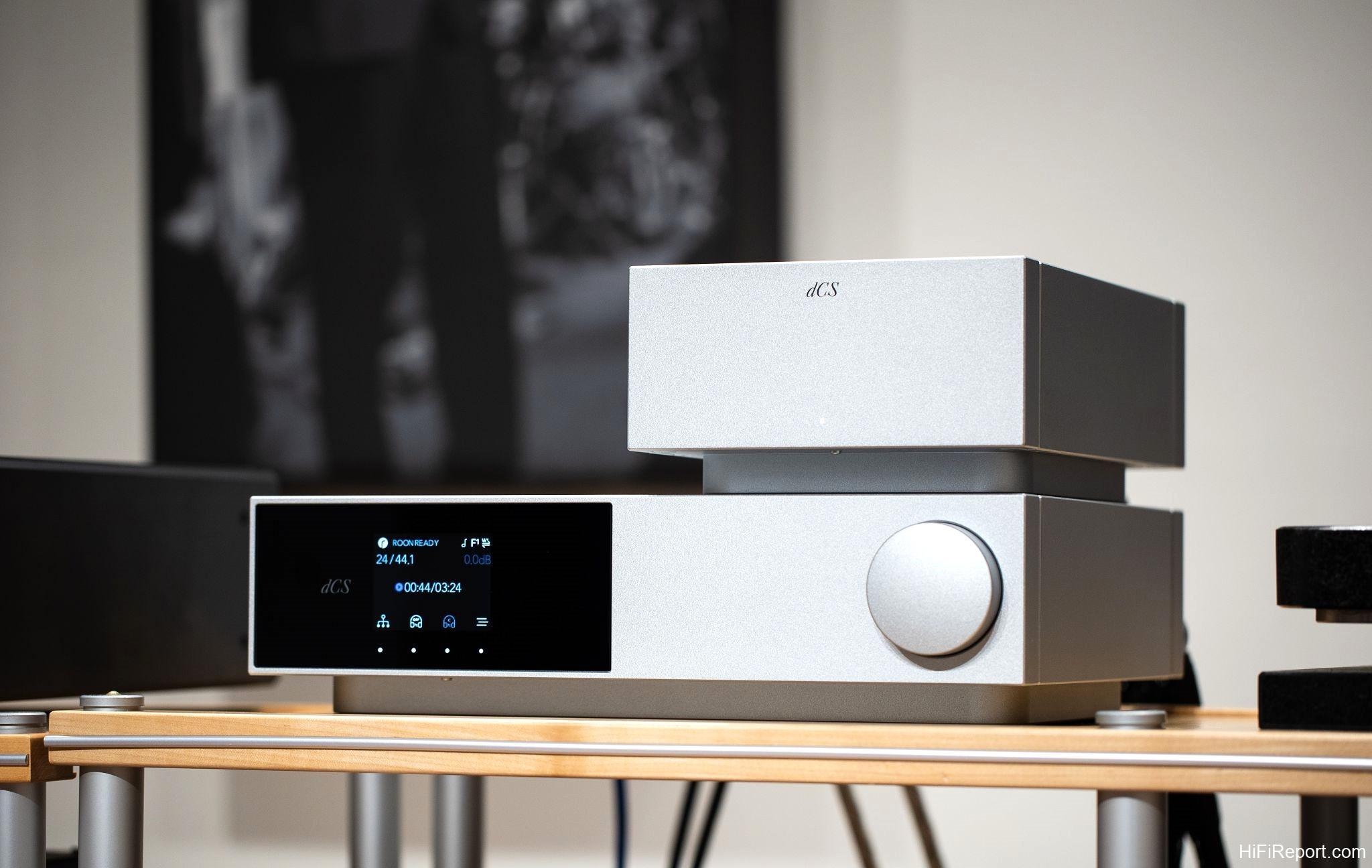
Lina DAC X and Master Clock
Lina DAC X Base
The primary distinction, of course, lies in its physical dimensions. While the Lina series was largely conceived with headphone enthusiasts and compact systems in mind, many users and even dCS itself found the Lina DAC’s performance so exceptional that they integrated it into larger two-channel systems. In such setups, the Lina’s smaller form factor could appear somewhat out of place amongst other full-sized components. The advent of the Lina DAC X directly addresses this demand.
Furthermore, with its expanded chassis, the Lina DAC X benefits from increased internal space. This allows for a physical volume control knob on the front panel, a feature absent on the original Lina DAC. This makes volume adjustment far more convenient for users connecting directly to a power amplifier or active speakers. The larger internal volume also provides slightly better internal isolation compared to the Lina DAC. Additionally, the Lina DAC X incorporates an IR Remote Control function.
Ultimately, the choice between models will hinge on individual user needs, though size remains the most significant deciding factor.
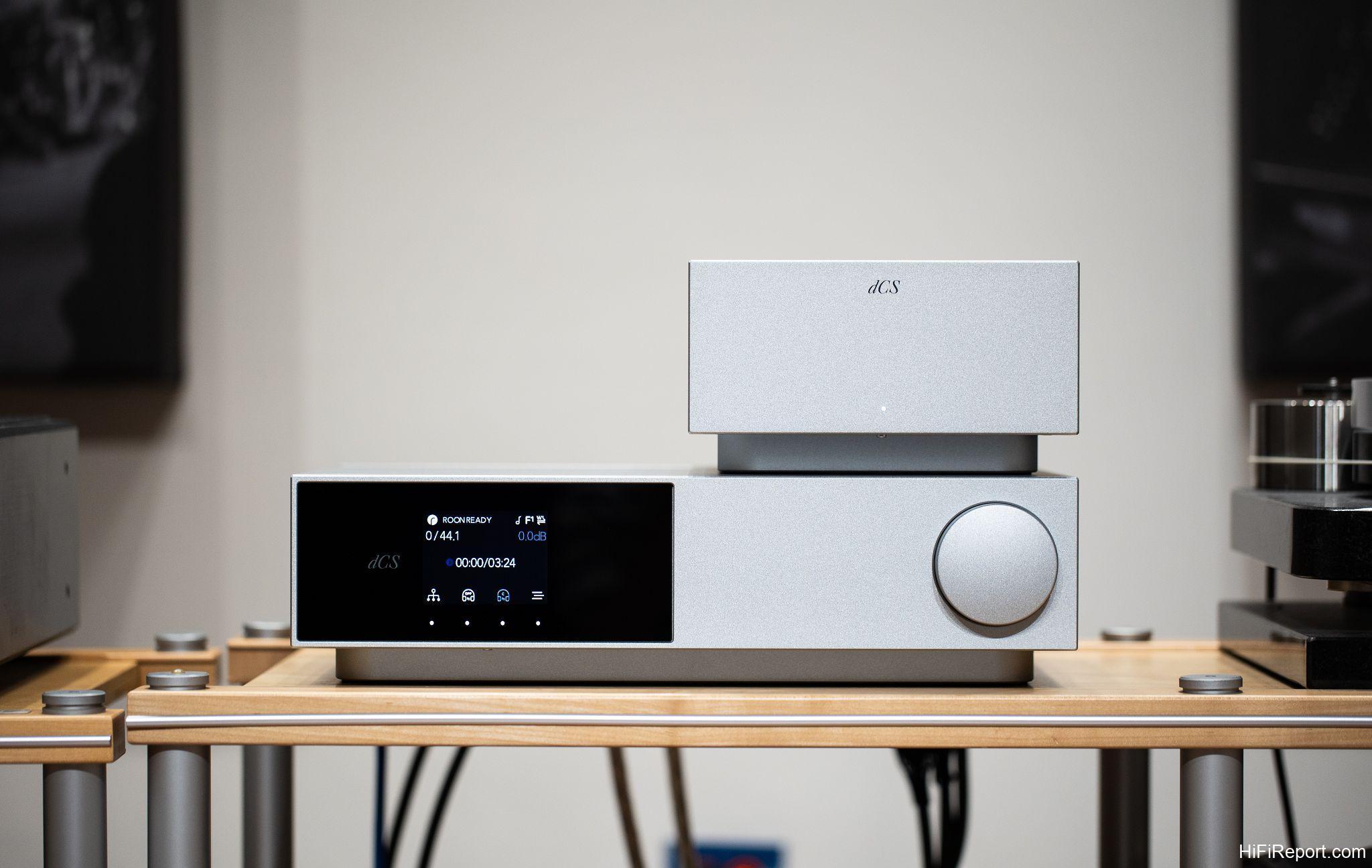
The Lina series marks dCS’s debut of a touchscreen interface. As the entry point into dCS’s ultra-high-end ecosystem, the Lina DAC X serves as a gateway to top-tier audio. Its exterior maintains the signature dCS aesthetic, meticulously crafted from a solid block of aerospace-grade aluminum, presenting a clean, understated yet impeccably built form factor. The front panel features a touchscreen on the left and a prominent volume knob on the right.
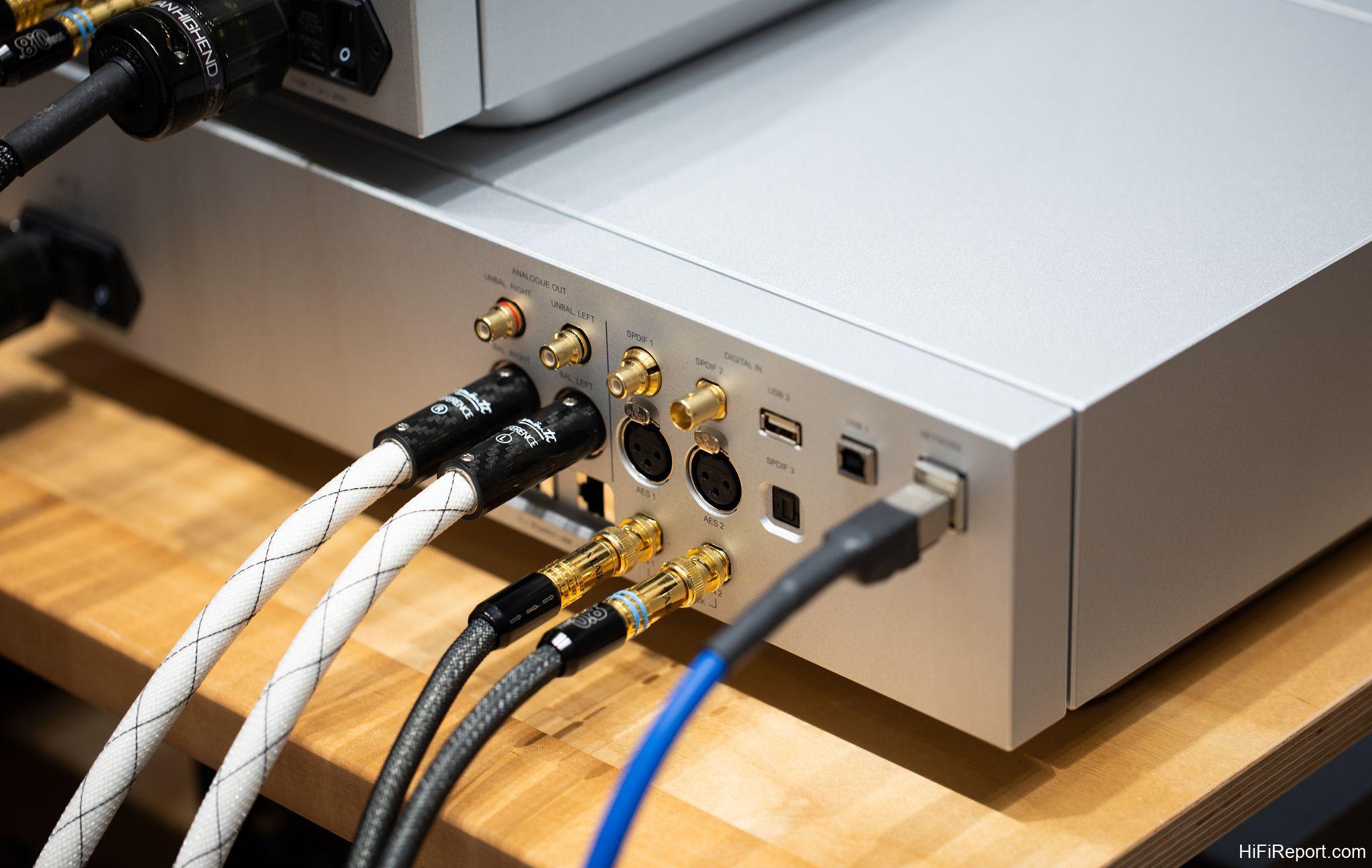
From its rear, it’s evident that the Lina DAC X’s internal layout utilizes the extra half-space for a linear power supply, while the core DAC circuitry resides on the other side. It boasts a comprehensive array of output and input interfaces. The Lina series was introduced after the flagship Varèse, and dCS makes no secret that the Lina indeed shares some of the Varèse’s esteemed lineage.
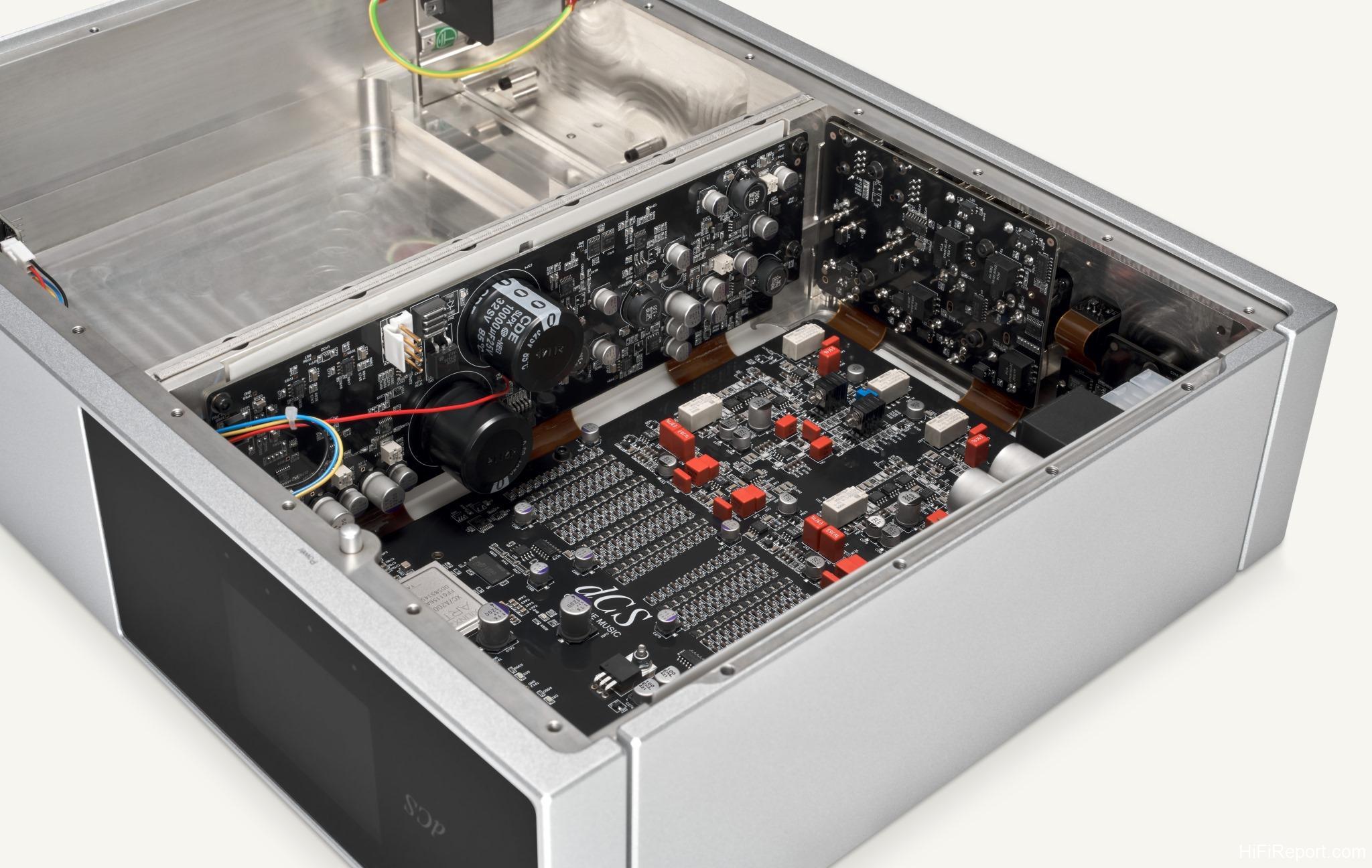
At the heart of the Lina DAC X lies a foldable circuit board, incorporating dCS’s renowned, proprietary Ring DAC and Digital Processing Platform. This sophisticated architecture supports decoding up to PCM 384kHz and DSD 128, catering to a wide range of music formats, streaming protocols, and services such as Tidal, Qobuz, and Roon Ready. Users also benefit from various upsampling and digital filter modes, enhancing both adjustment flexibility and listening pleasure.
The Lina DAC leverages dCS’s custom-coded FPGA for digital computation, offering limitless upgrade potential. Its high-quality preamplifier section can directly drive power amplifiers or active speakers. When unfurled, the “foldable circuit board” reveals itself as a complete PCB, a technology typically reserved for aerospace or specialized industries, employing copper foil connections for signal transmission in lieu of conventional ribbon cables.
This impressive 12-layer PCB can accommodate over 2,000 components. Concurrently, dCS employs meticulous circuit design to ensure the shortest and most efficient signal paths, a crucial detail for optimizing sound quality and achieving the purest reproduction.
Evolution and Innovation
British dCS remains a preeminent force in the realm of audio sources, a testament to their unwavering commitment to progressive development. Despite their considerable success and renown, recent years have seen no slowdown in their comprehensive overhaul and expansion of the product line. This includes the newly launched flagship VARÈSE series, the downward-extending LINA series, and updates to their existing Vivaldi, Rossini, and Bartok lines to the latest APEX versions.
This ensures that audiophiles at every price point have access to cutting-edge technology, highlighting the immense effort invested by the manufacturer.
The Lina Series Expands
Upon its release, the LINA series garnered significant market attention. This was largely due to the manufacturer’s success in crafting authentic dCS products that maintained competitive pricing without sacrificing their celebrated core essence. By lowering the entry barrier while incorporating the latest technology, LINA naturally held immense appeal for long-coveted audiophiles.
The initial LINA lineup comprised the LINA DAC, LINA Master Clock, and LINA Headphone Amplifier, all housed in compact chassis, roughly half the size of conventional components. Of course, the limited cabinet space imposed some constraints on power supply and internal isolation, and the adopted Ring DAC circuit architecture was slightly more streamlined than in the full-sized models.
Nevertheless, the manufacturer ingeniously designed multi-layer circuits to overcome spatial challenges, arranging circuit boards across multiple planes within the chassis, ultimately achieving outstanding performance. Especially with increasingly powerful chip capabilities, designing excellent compact devices is no longer an issue.
Full-Sized Excellence
The recently unveiled LINA DAC X is clearly an evolution of the LINA DAC, but in a full-sized form factor—twice the size of the original LINA DAC. This means significantly more room to accommodate power components and implement more comprehensive isolation. The LINA DAC X integrates network and digital source functionalities, digital-to-analog decoding, and preamplifier volume control.
Ultimately, its core remains the celebrated dCS Ring DAC digital-to-analog conversion circuit, which is the paramount selling point for every dCS DAC. While the specifics of the circuit board may vary with the model’s tier, the fundamental design logic of the core architecture remains consistent. The LINA DAC X utilizes the latest generation of the Ring DAC.
Comprehensive Control Options
The LINA DAC X offers robust and versatile network and digital source functionalities with extensive support. dCS’s operational approach involves upsampling the incoming music files before conversion, providing considerable digital processing flexibility. This allows for numerous different filter settings, including upsampling options like DXD, DSD, and DSDx2, with an even broader selection of filters.
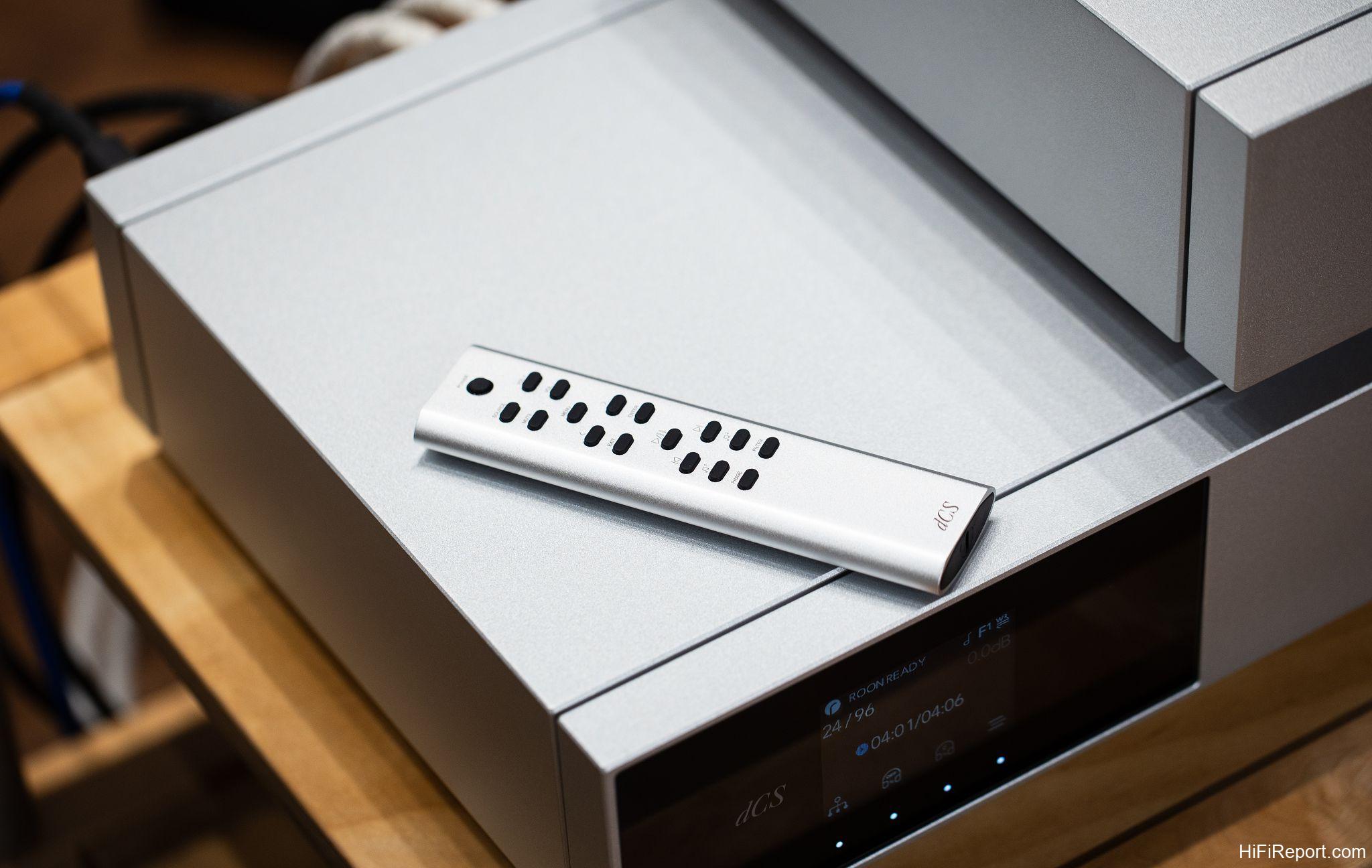
Users can experiment with various combinations based on their preferences and sonic sensitivities. All settings on the LINA DAC X are accessible via the front panel touchscreen, complemented by an exquisitely crafted aluminum remote control. Furthermore, the dedicated dCS Mosaic App provides seamless control over source switching, music playback, and direct adjustment of all internal settings, offering ultimate convenience.
External Clock Synchronization
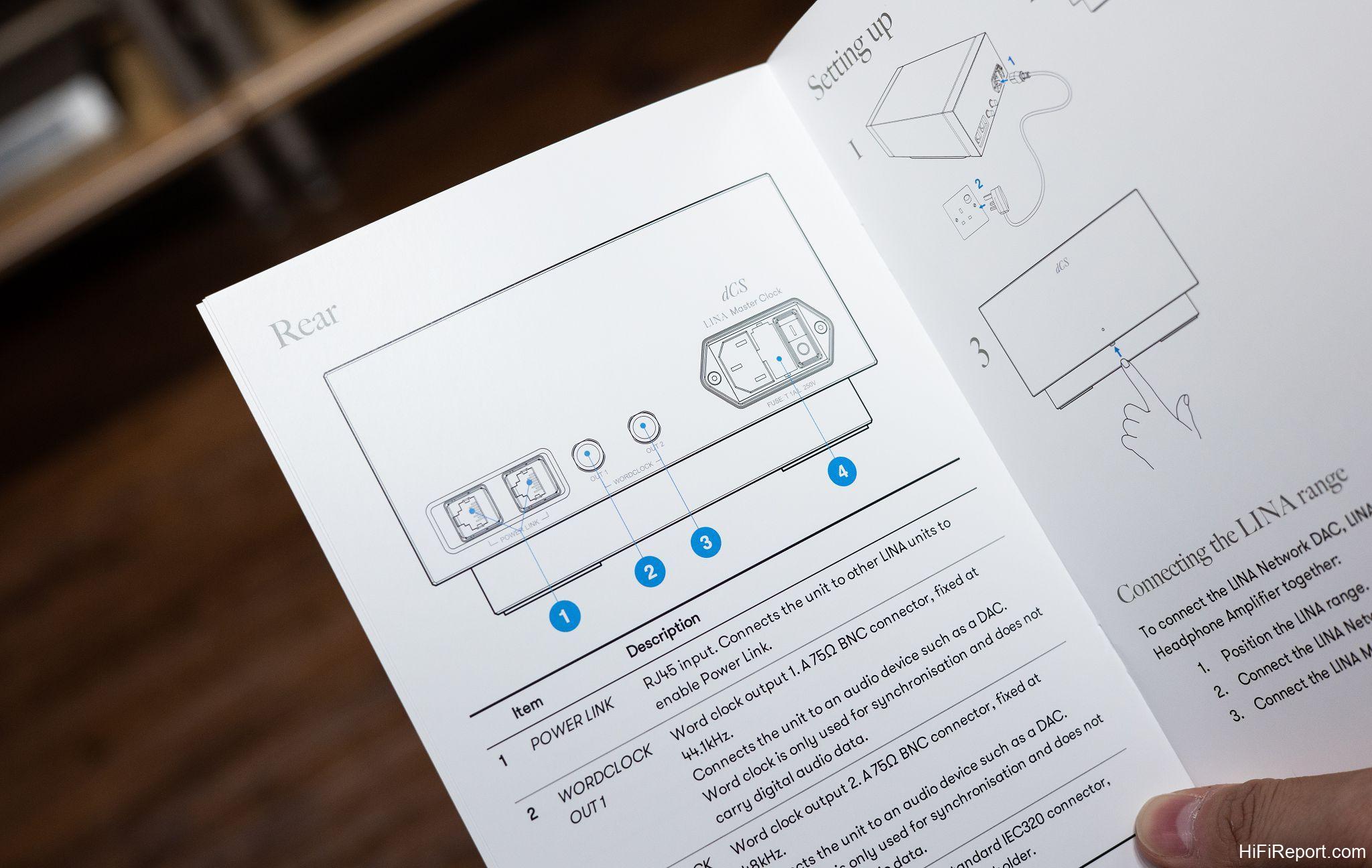
During this review of the LINA DAC X, HiFiReport Audio also provided the LINA Master Clock for comparative testing. Two BNC clock cables connected the DAC to the clock, corresponding to 44.1KHz and 48KHz multiples for music files. The system automatically switched clocks when playing different music. When the external LINA Master Clock was disengaged, the LINA DAC X seamlessly reverted to its internal master clock, making our listening comparisons incredibly convenient.

To listen to music with the LINA DAC X, one can directly connect to Tidal, Qobuz, Spotify, local network music servers, or computers via the dCS Mosaic App to access music files. As dCS digital sources are Roon Ready, Roon users can also utilize it to connect to music services and sources. For this review, we primarily used the dCS Mosaic App.
Even for Roon users, it’s highly recommended to download and use the manufacturer’s app, as it often provides unique functionalities not found in Roon. Through the dCS Mosaic App, users can configure various features of the dCS Processing Platform, including Upsampling, Digital Filters, DSD Filter, Crossfeed, and DAC Mapper, all of which yield different sonic characteristics. Many other features are also well worth exploring.
Transparent and Refined Soundstage
Referencing the excellent Dire Straits album “Money For Nothing,” from the very first notes, the LINA DAC X immediately revealed its exceptionally refined and comprehensive musical resolution. Its transparency in sound was particularly outstanding, with a profoundly silent, inky-black background. Both subtle details and overall dynamics were precise and controlled.
I found that sounds at different pressure levels maintained stable and accurate placement and contours, exhibiting a strong sense of order. The soundstage was broad and deep, beautifully rendering the spatial characteristics inherent in each track.

I experimented with several different filter and upsampling formats. The difference between DXD and DSD upsampling was quite noticeable: DXD offered a more etched, defined sense of detail, while DSD imparted a slightly increased sense of sonic body. Both were smooth and stable, and neither format was definitively “better” across all music types and recordings; rather, it often came down to personal preference.
The changes observed when switching between different digital filters were more subtle—some offered a smoother dynamic presentation, while others provided more pronounced contrast, with slight alterations to the overall soundstage. These nuances are best explored and appreciated by the individual listener.
Exquisite Vocals and Smooth Presentation
For evaluation, I first turned to Matt Johnson and Mysha Didi’s “Leave Before You Love Me,” a track that delivered a balanced and comfortable listening experience. A warm, gentle current permeated every aspect of the sound, perfectly conveying the quiet, tender melancholy and lingering emotional ties. The vocals, for me, were a particular highlight.
The male voice was surrounded by a strong sense of airiness, painting a vivid picture of a breathy, almost ethereal delivery, yet his presence in the sound remained powerfully resolute. The detail was truly remarkable, with just a few lines of lyrics revealing a spectrum of vocal effort and emotional struggle, from delicate tremolos to a captivating husky tone—an utterly enchanting performance.

With the addition of the female vocal, the definition of the vocal edges became even more apparent, yet they were never sharp or strident. Instead, they presented with a restrained, composed stability. The voice itself was warm and soft, and when singing solo, the rich nuance and emotional depth were perfectly conveyed. During duets, the male and female voices intertwined like shadows, remarkably cohesive while maintaining appropriate spacing.
This sensation was most potent as the voices brushed past the ear, creating a comfortable, almost tingling impression. The instruments offered excellent tonal quality, neutral and unbiased. High frequencies possessed a brilliant sheen, plucked strings rang out crisply, and the low-frequency undulations were excellent. The entire track struck a thoroughly balanced and pleasing equilibrium between tender serenity and dynamic instrumental expression.
Precision Dynamics and Balance
Next, I switched to a more energetic, fast-paced track for listening: Myles Smith’s “Stargazing.” I must say, I particularly enjoyed the drum performance. While the impact of each strike wasn’t overwhelmingly powerful, it provided a relatively stress-free listening experience, perfectly suited for enjoying the track’s brisk tempo. The dynamic sense of each percussive hit remained solid, carving out a sharp, impactful feel.
At the precise moment the drumstick met the drumhead, one could appreciate the instrument’s inherent weight and the elasticity of its surface. There was an excellent balance between the detailed portrayal of the instrument’s physical presence and the exhilarating, satisfying rhythmic dynamics.
When appreciating the piano, although its presence was relatively lighter compared to other sounds, listening with the dCS Lina DAC X consistently provided a profound sense of equilibrium. Sounds with inherent weight maintained their gravitas, while lighter elements retained their lively briskness, yet the entire track always felt harmoniously integrated.
Lighter elements, like the piano, were never overshadowed, offering full body and a robust presence; heavier elements never overly obscured other sounds, maintaining appropriate spacing and a subtle airiness. This precise allocation and balanced weighting truly allowed one to fully appreciate every detail and element within the song.
Enhanced with Master Clock
During this review of the dCS Lina DAC X, the dCS Lina Master Clock was also provided for combination testing. My initial listening impressions (above) included its use. Here, I’ll compare the performance with and without the clock, using The Civil Wars’ “Billie Jean” as a reference. When listening without the Lina Master Clock, the overall soundstage felt slightly smaller, but the layering of sonic weight and texture remained excellent, and its dynamic prowess was undeniably superb.
The male vocal exhibited exquisite smoothness, with a fluid, clean vocal line that was supple without being cloying. The female vocal was incredibly delicate, with a focused yet radiant vocal line that was refined and possessed excellent airiness. Overall, it was an unimpeachable, balanced performance.
Next, with the Lina Master Clock engaged, the most immediate sensation was that the music’s overall body became fuller and more cohesive, with instrumental forms appearing more robust and expansive. String instruments, in particular, conveyed a greater sense of rigidity, showing improved metallic texture and enhanced brightness and luster around individual notes. The crispness of instrumental sounds was also markedly increased.
Regarding vocals, the originally softer female voice retained its gentle qualities in certain passages but exhibited increased vitality in others. The male voice displayed more vivid nuances in its vocal inflection and dynamics. All vocal expressions, whether rich or lean, revealed their distinct beauty, and the portrayal of vocal details was undeniably more prominent.
dCS Lina DAC X Key Features
* Built-in digital streaming module, supporting major high-resolution streaming services. * Comprehensive digital input interfaces, capable of decoding from various sources. * Adjustable output gain and volume control, compatible with different amplifiers and active speakers. * Flexible architecture with infinite upgrade potential for the future. * Technology derived from the flagship dCS Varèse, featuring a single, flexible-rigid PCB design.
* Latest generation dCS Ring DAC decoding core, restoring all details with minimal distortion and noise. * Chassis meticulously CNC machined from aerospace-grade aluminum. * Made in the UK; British designed and manufactured.
dCS Lina DAC X Specifications
* **Analog Outputs:** One balanced XLR, one RCA
* **Digital Inputs:** AES/EBU x2 (Dual AES), BNC, RCA, Toslink, USB Type A, USB Type B
* **Streaming Support:** Tidal, Qobuz, Spotify, Deezer, Roon Ready, QQ Music, UPnP
* **Upsampling Technology:** Multi-stage DXD oversampling, DSD/DSDx2 Upsampling
* **Power Consumption:** 30W
* **Dimensions:** 122 x 444 x 356mm
* **Weight:** 14KG