
Esoteric Grandioso E1 Fully Balanced Phono Stage Review Review
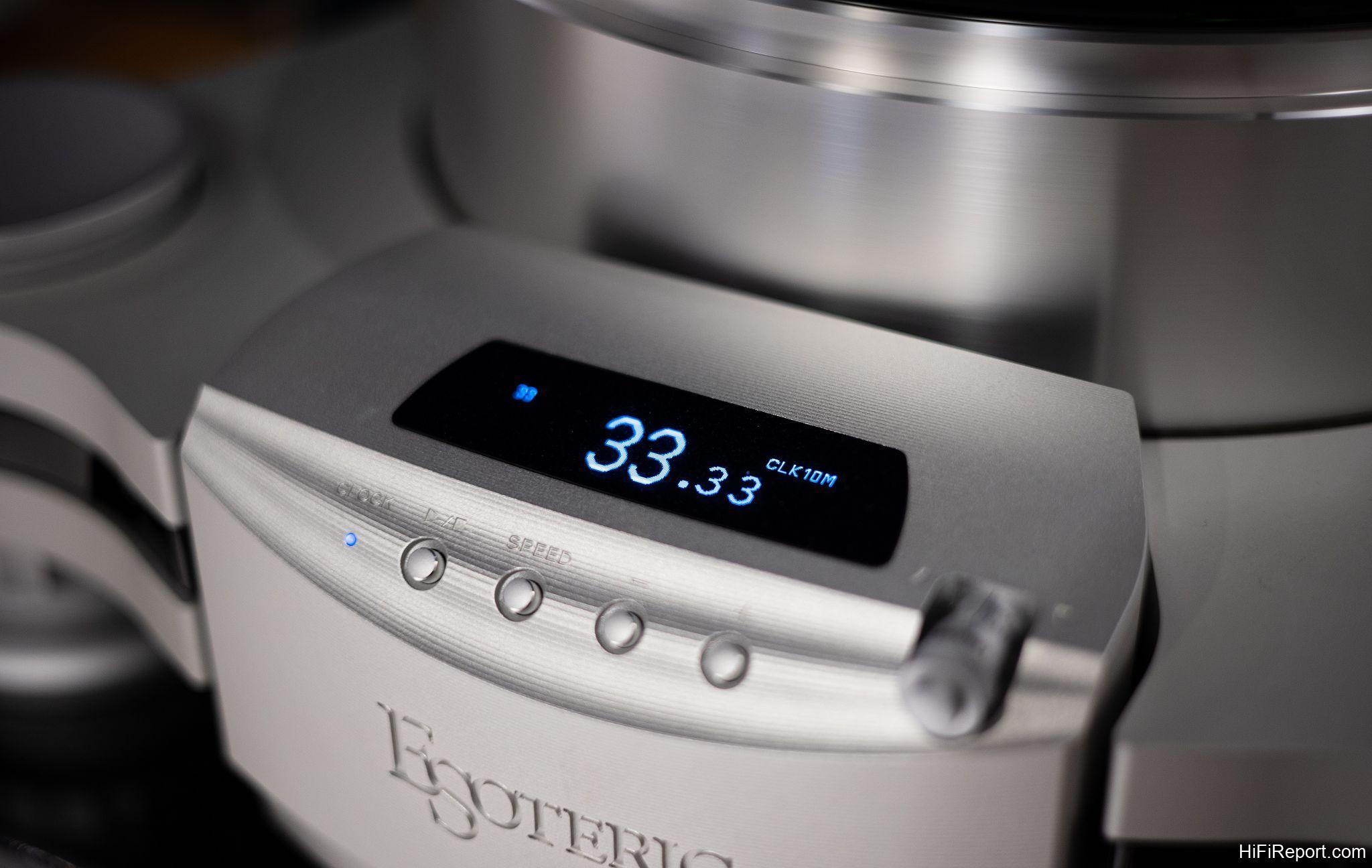
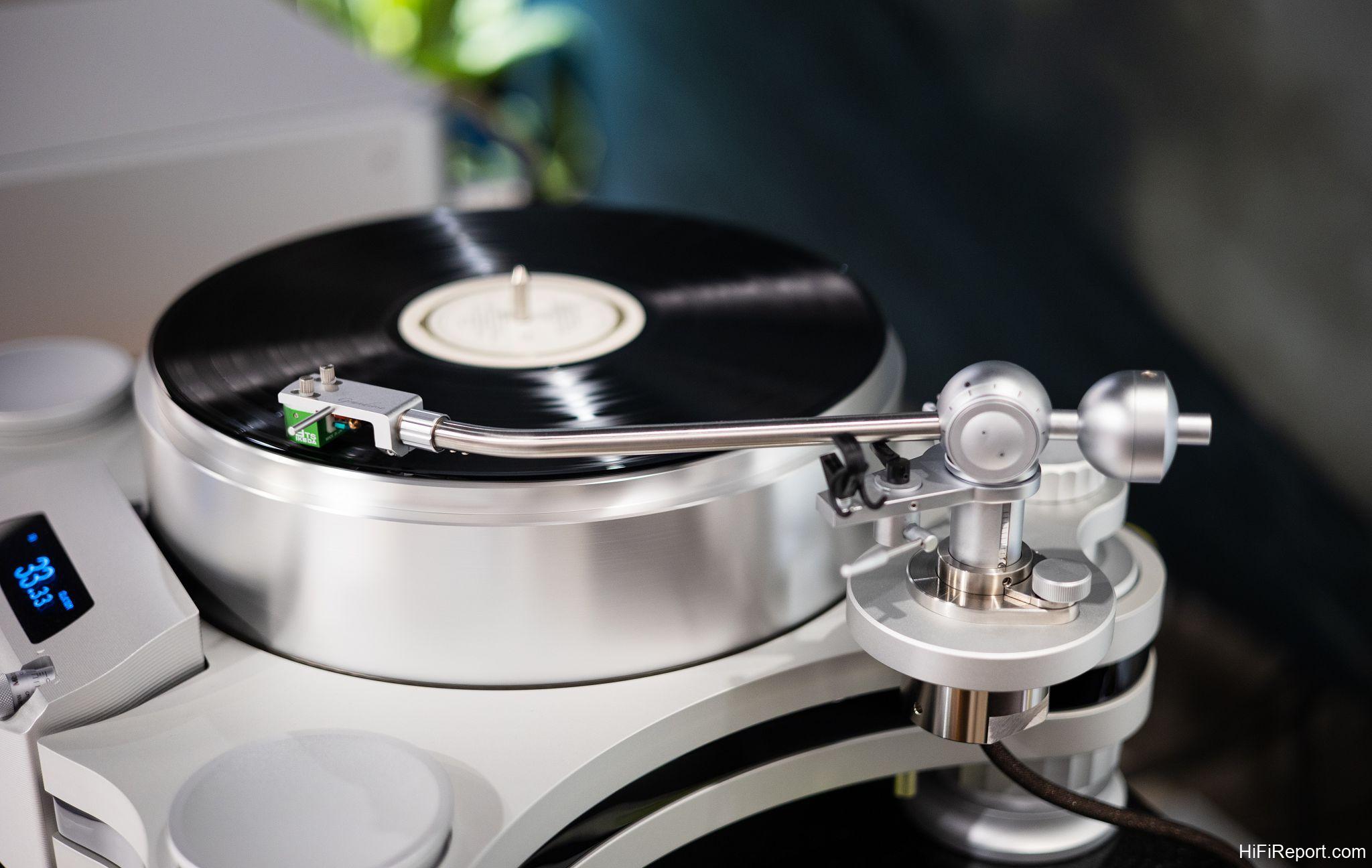
Who would have imagined that Esoteric, the undisputed champion of digital audio sources, would unveil its first-ever turntable, the Grandioso T1, in 2022, celebrating its 35th anniversary? This was undoubtedly one of the most sensational events in the high-end audio market at the time. The Grandioso T1, besides adopting the newly developed MagneDrive System semi-magnetic levitation platter system, also leveraged Esoteric’s years of leading technology in the digital domain to achieve the most precise rotation speed and purest power supply. It even offered the possibility of 10MHz clock input. However, with such a top-tier turntable, only the E-02 phono stage in their product line could be considered a match at the time. While the E-02 was already excellent, there was still a perceived gap in class compared to the Grandioso T1. Finally, at the end of 2024, the flagship Grandioso E1 phono stage was officially announced, not only justifying the existence of the Grandioso T1 but also providing a high-end phono stage option for users of other top-tier vinyl systems.
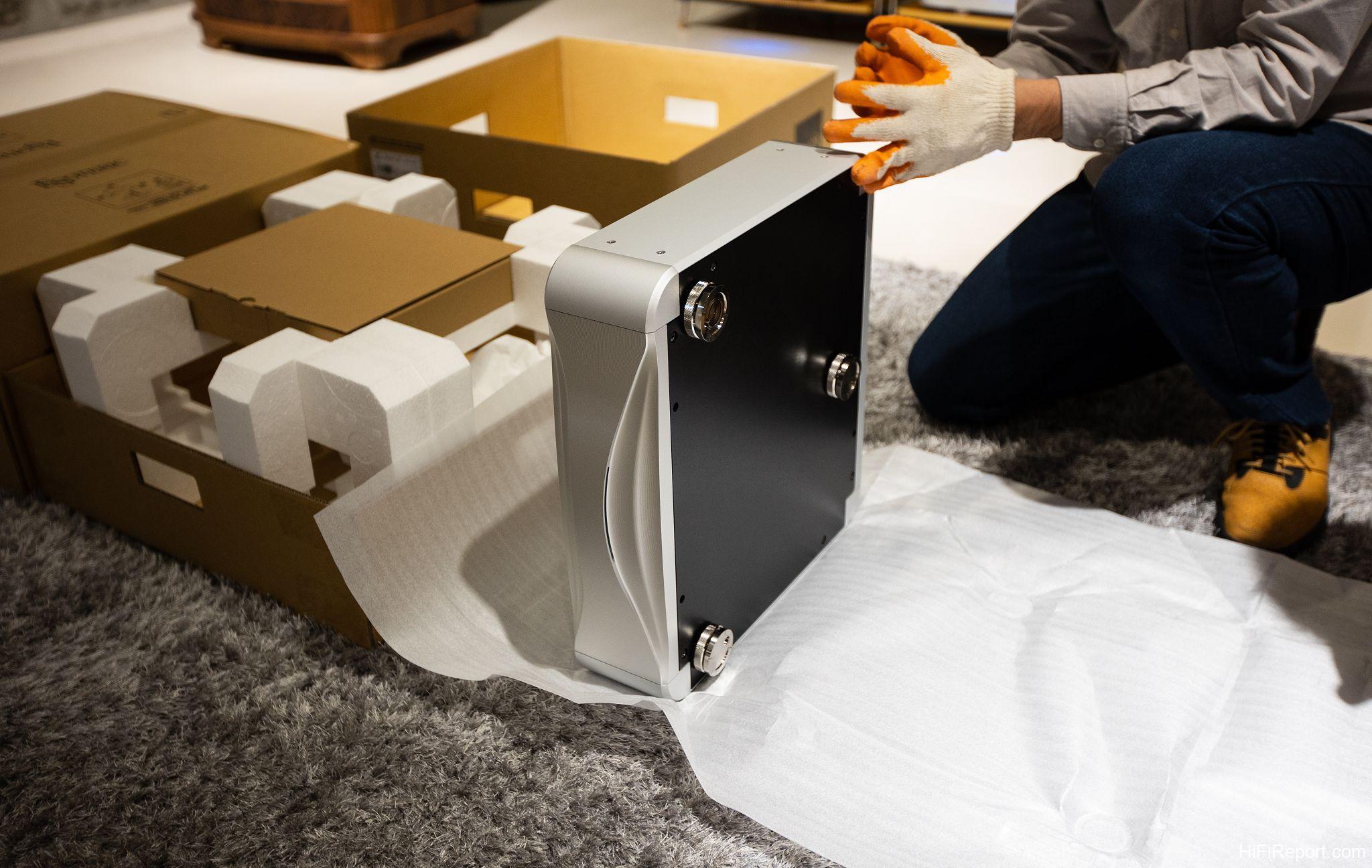
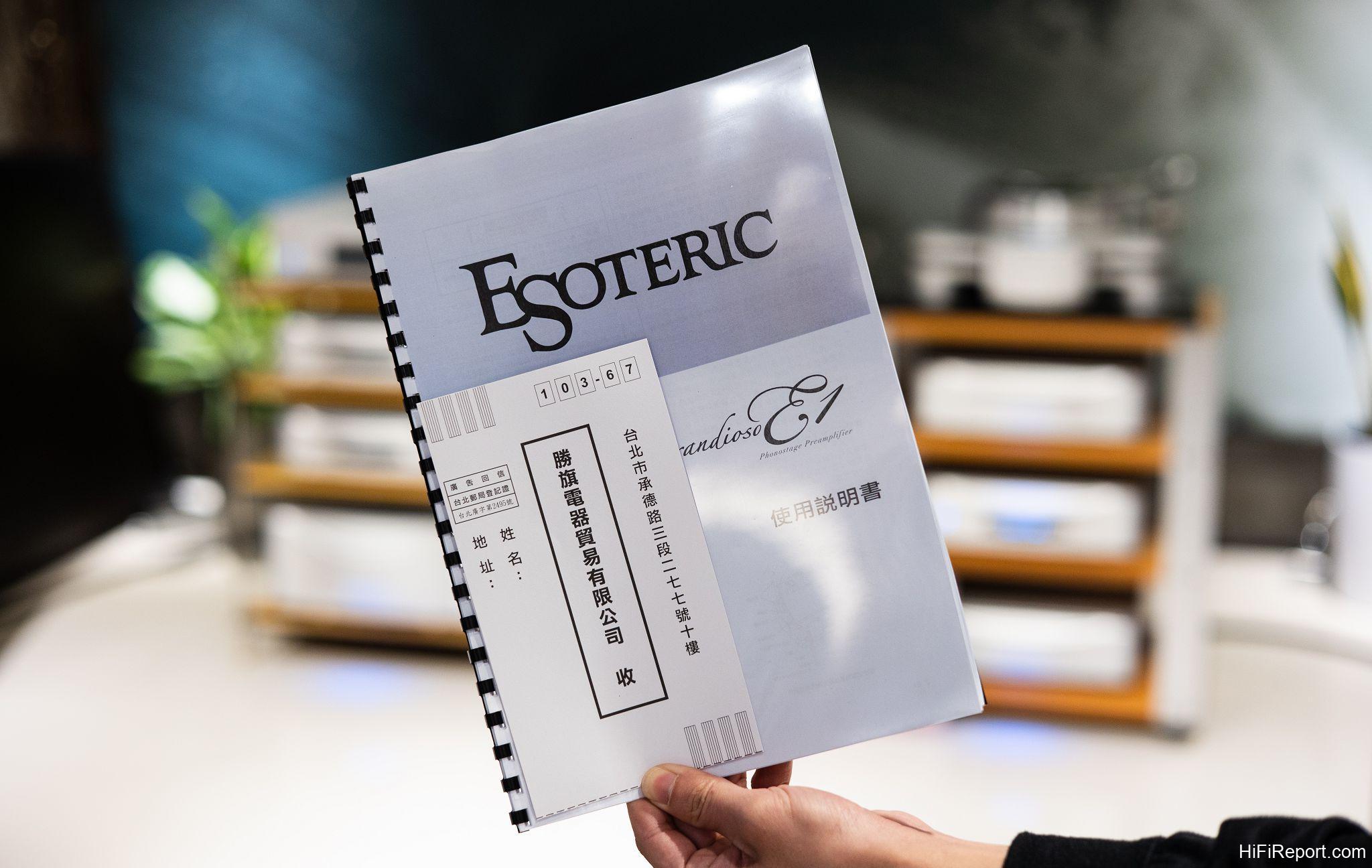
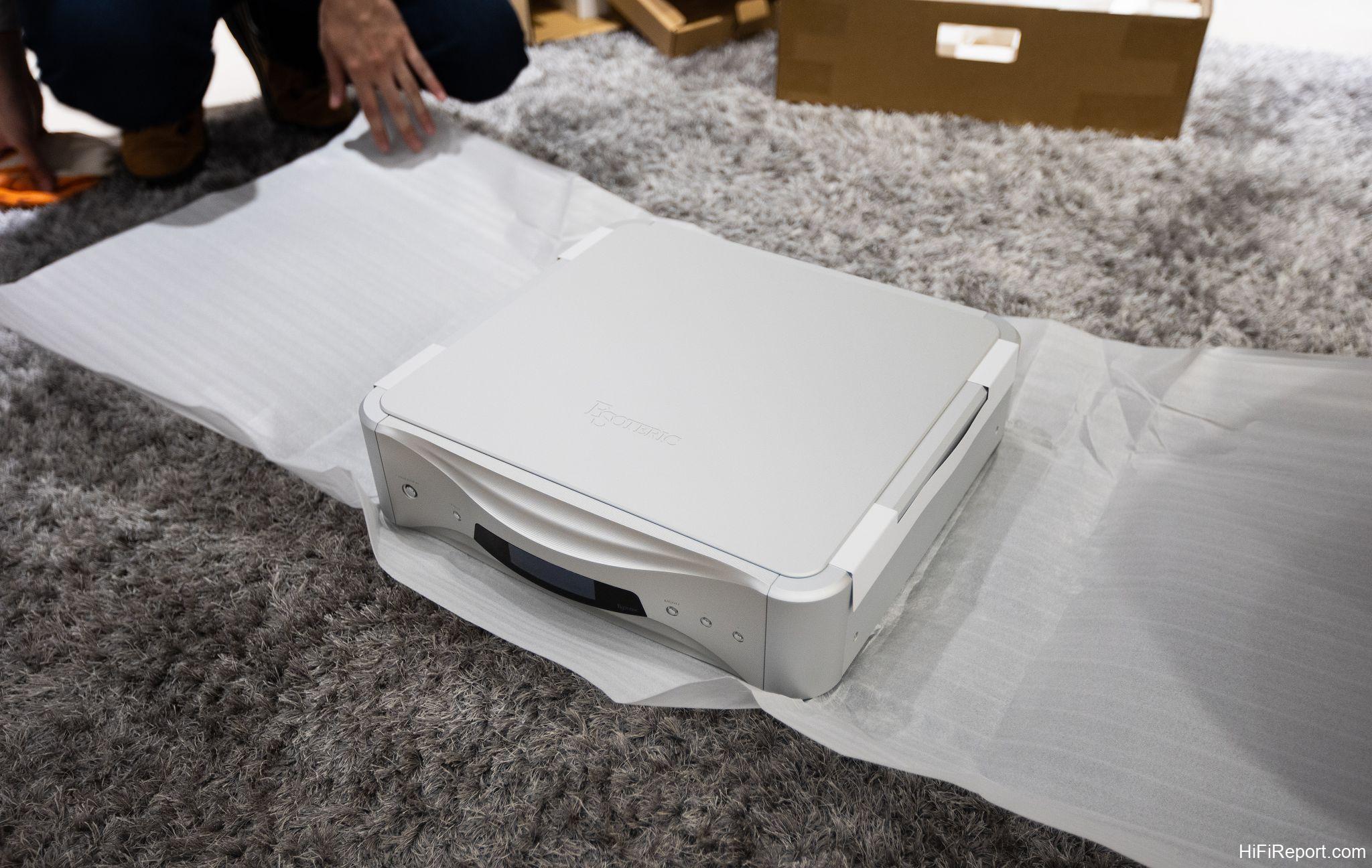
The listening session took place at the distributor, (Sun Rise Trading Co.), and we also conducted a first-hand unboxing report.
The remote control’s appearance is similar to Esoteric’s digital devices, featuring a double-sided all-aluminum alloy design, but its functions are different.
One side primarily controls GAIN SETUP, while the other controls the EQUALIZER and DEMAG for cartridge demagnetization.
Esoteric’s patented vibration-damping feet (Patent Nos. 4075477, 3778108, and 7413773).
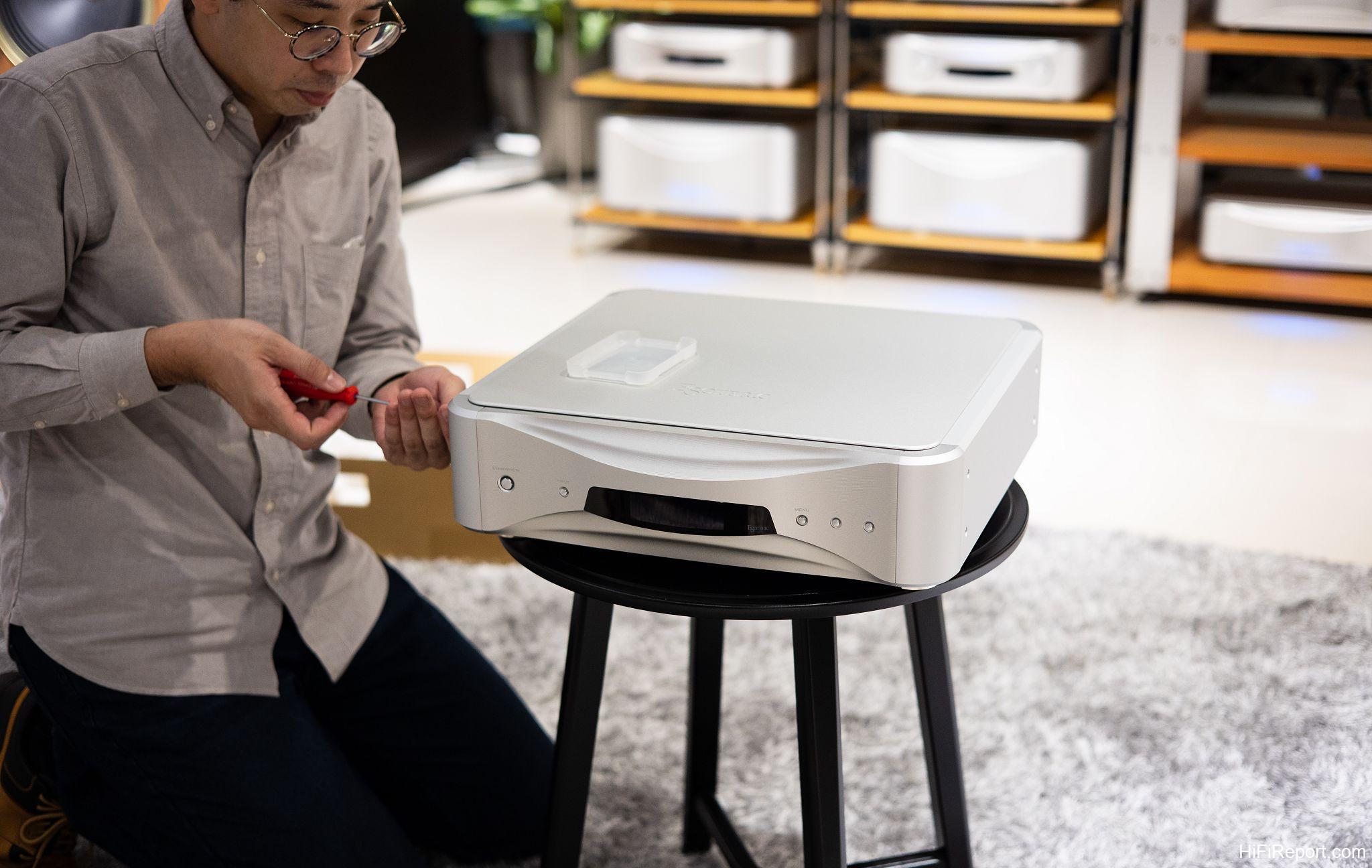
The Grandioso E1 adopts a separate design for the power supply and phono stage main circuit. The power supply, control, and display are housed in one chassis, while the phono stage circuit is in another, pursuing the purest possible separation for reproduction. The external appearance and dimensions are consistent with the Grandioso family design. According to the manufacturer’s information, the Grandioso E1 has three core features: MC balanced current input, optical cartridge input, and support for multiple equalization curves. Beyond these three core features, the Grandioso E1’s settings and adjustment functions are exceptionally comprehensive and refined, offering a vast amount of adjustment flexibility. For vinyl enthusiasts who meticulously fine-tune every minute detail, this is simply a treasure. It allows for precise adjustments based on different cartridges, tonearms, and system pairings, enabling the discovery of the optimal sweet spot.
The Chassis with Display is Actually the Power Supply and Control Unit
What is MC balanced current input? Conventional MC phono stages use load resistors to convert the current output from the cartridge into a tiny voltage before amplification. In contrast, the Grandioso E1 directly amplifies the current from the MC cartridge. This approach is not only the most direct but also eliminates the need to consider impedance matching between the MC cartridge and the phono stage. The output voltage of an MC cartridge is typically only 1/20th of that of an MM cartridge, but its current output is much higher. If a conventional phono stage is used to first convert the current into a tiny voltage through a load resistor, the phono stage must perform a much larger amplification operation, which degrades the signal-to-noise ratio (S/N). Furthermore, the load resistor can cause signal loss and matching issues. The MC balanced current input technology directly transmits the + and – currents from the MC cartridge coil to the phono stage, achieving the most complete, direct, and pure transmission. In addition to three sets of XLR MC balanced current inputs, the Grandioso E1 also has one set of RCA optical phono inputs and one set of RCA MM/high-output MC phono inputs. In these cases, the Grandioso E1 needs to be set with the appropriate load impedance for the cartridge.
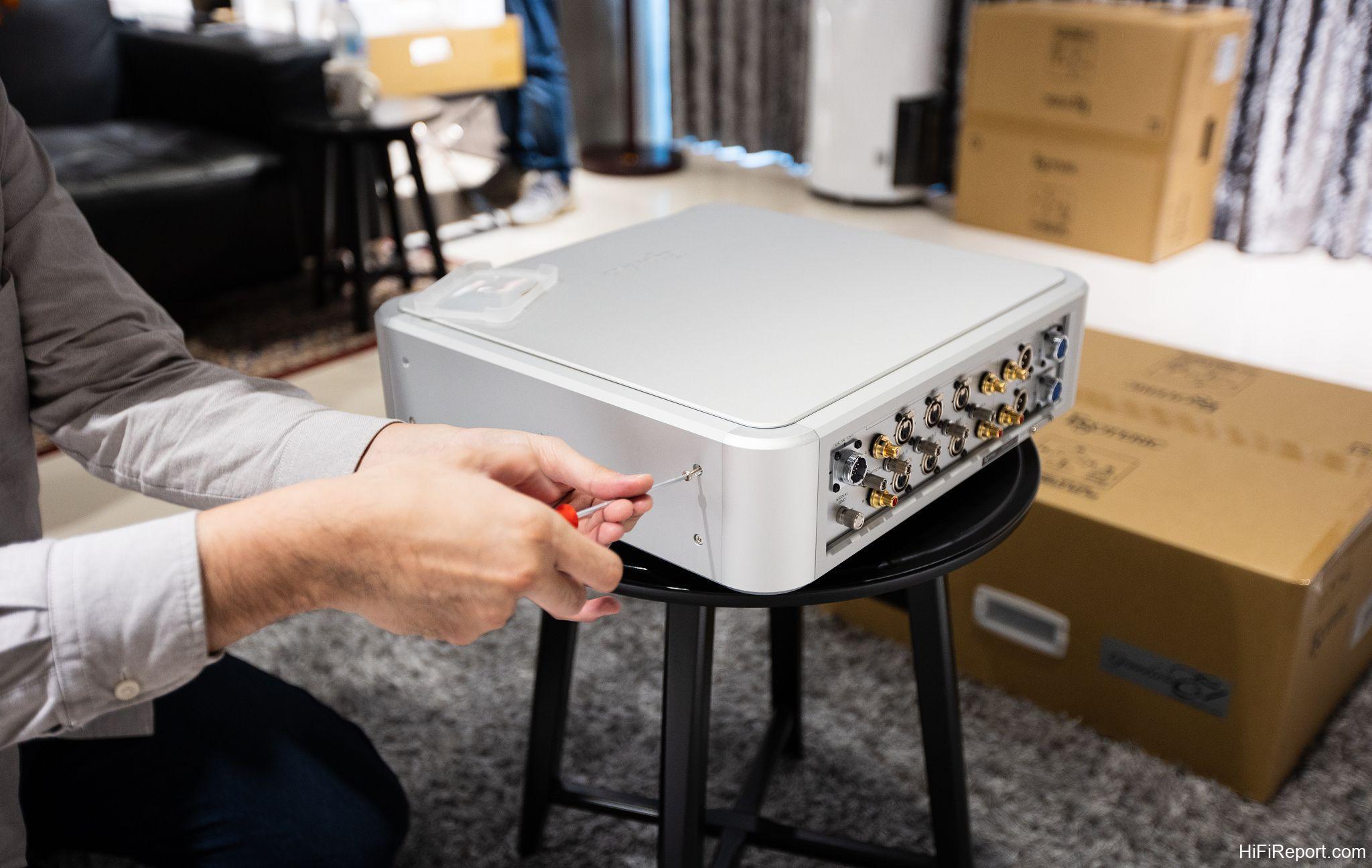
Rear Panel Interfaces of the Phono Stage Circuit Chassis
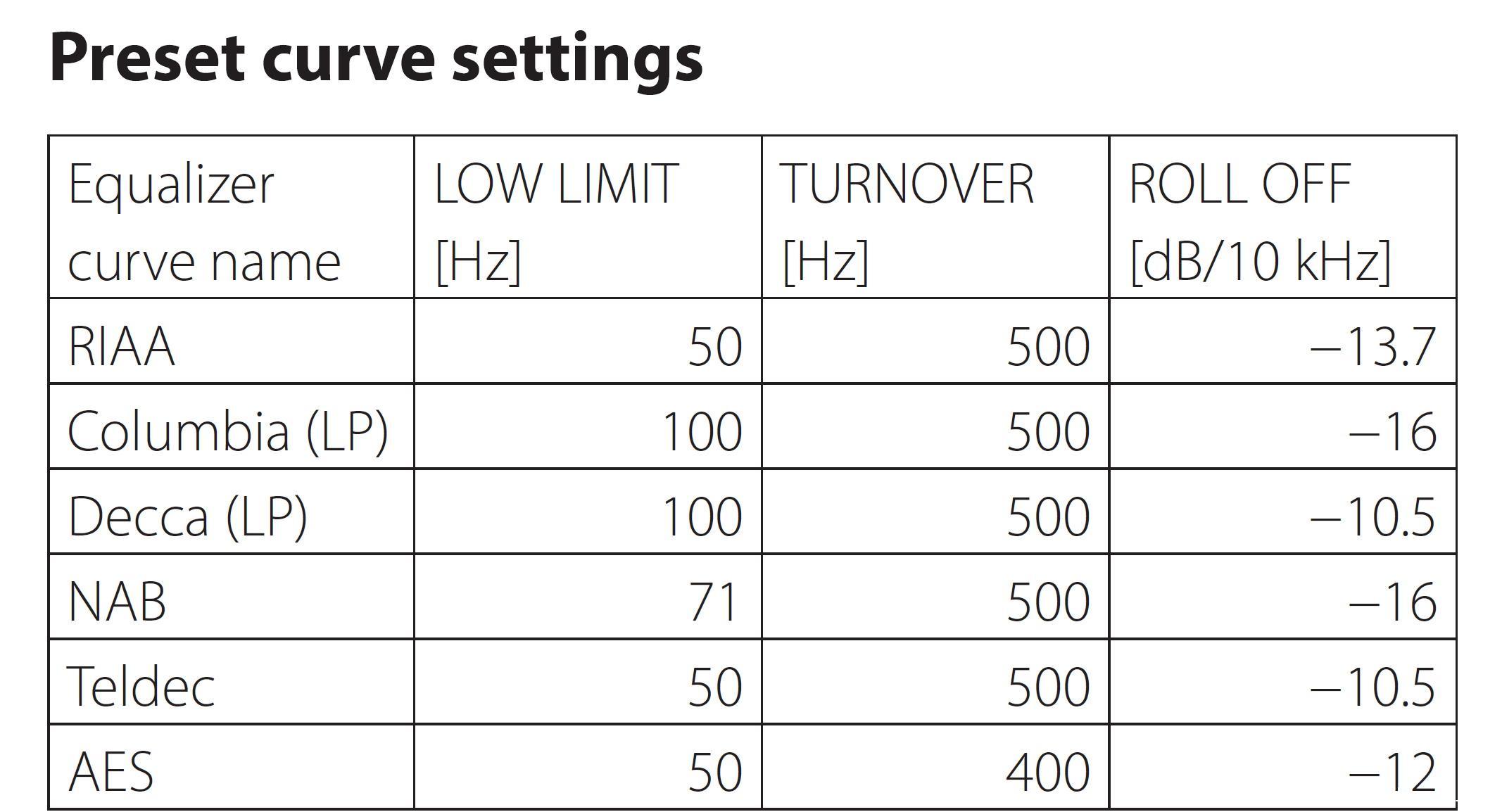
The Grandioso E1 also features a function rarely seen in other phono stages: up to 6 EQ equalization curves (RIAA, Columbia, Decca, NAB, Teldec, AES) to choose from. Users can also store 3 additional custom settings, individually setting their desired Low Limit, Turnover, and Roll-Off values. The Grandioso E1’s manual provides reference settings for various record labels. For records released after 1954, the standard of the Recording Industry Association of America (RIAA) is generally used. For earlier records, referring to the manual’s settings may yield unexpected sonic surprises.
Extending an Olive Branch to Top-Tier Audiophiles
The Esoteric Grandioso E1 is the most meticulously crafted flagship phono stage. Grandioso represents the pinnacle of craftsmanship and technology within the brand, and every model must embody Esoteric’s best performance. Esoteric’s recent launch of the T1 flagship turntable genuinely surprised the market, as, aside from its parent company TEAC frequently releasing affordable turntables, Esoteric had never ventured into this product category. When the T1 debuted, it directly extended an invitation to top-tier users, allowing audiophiles to experience Japanese high-end craftsmanship in analog sources. With the T1 flagship turntable, a flagship phono stage was naturally needed. Phono stages have always been within Esoteric’s product range. Compared to the T1 turntable, refining the phono stage in an even more meticulous manner seemed neither too surprising nor too difficult. The pairing of the T1 flagship turntable and the E1 flagship phono stage is a matter of course, and it’s the combination we listened to this time. However, Esoteric’s phono stages have always been used by audiophiles with turntables from other brands, simply because Esoteric previously didn’t have its own turntable. Therefore, the E1 flagship phono stage is not limited to pairing with the T1, so there’s no need for brand loyalty, especially since the phono stage primarily targets the cartridge, not the turntable itself.
Supports MM, MC, and Unique Optical Cartridges
In addition to supporting common MC and MM cartridges, the E1 flagship phono stage uniquely supports optical cartridges. Currently, the only readily available optical cartridges are from the Japanese brand DS Audio. Phono stages compatible with optical cartridges are still rare, and the Esoteric E1 is perhaps the highest-end model among them. Even if users initially purchase this phono stage for traditional MM or MC cartridges, they can always explore optical cartridges in the future, effectively gaining a feature without additional expense. Another key feature of the E1 flagship phono stage is its ability to set signal EQ, including low-frequency limits, turnover frequency, and roll-off frequency. If users are unsure how to adjust these, the internal memory includes presets for common RIAA and various record labels. Simply select the corresponding record label preset before listening to different records.
Unparalleled Sense of Vividness
When actually listening to Columbia’s *TIME OUT*, the E1 phono stage’s EQ was set to the preset curve for that record label. Numerous factors in a vinyl system affect the sound, especially turntable adjustments, cartridge quality, and phono stage settings. Only hands-on experience can truly reveal these nuances, which we won’t elaborate on here. The overall system reproduced a sound that was extremely relaxed and vivid. Vinyl systems, with their inherent analog signal transmission, often deliver a particularly natural and expansive sound. Vividness is a quality that many digital systems struggle to replicate. The sonic density of this system was just right, and instruments possessed life and tension within the soundstage, imbued with a charming allure and comfort. The timbre was pleasing without being overly rich, allowing for extended listening without fatigue. It unearthed subtle details from the record without making them overly prominent, presenting them naturally. The sonic smoothness and energy were gentle, akin to a high-performance car providing an exceptionally comfortable ride. The musical scene unfolded naturally, unhurried, evoking the feeling and tranquility of listening to birdsong and insects chirping in the mountains.
Naturally Immersed in the Music
Listening to the famous *Belafonte at Carnegie Hall*, Harry Belafonte’s performance vitality is the most captivating aspect of this album. The Esoteric T1 and E1 playback system perfectly reproduced the most moving elements of the music. The timbre was exceptionally captivating and natural, filled with the interaction between the performer and the listener. Although it was a reproduction of a recording from a different time, it didn’t feel distant or unfamiliar. The sense of presence and intimacy filled the entire listening space. The soundstage presentation was not only relaxed and effortless but also remarkably natural. As mentioned earlier, it’s the kind of sound you can listen to for hours without fatigue. The beauty of the music fulfilled the listener’s expectations, transcending a focus on mere sonic performance and naturally drawing attention solely to the musical content.

Excellent Sound with Vocals and Instruments on Equal Footing
For reference, Sayuri Ishikawa’s album *Transcend Extra edition* was used for evaluation. Listening to track one on side B, the sound signature immediately felt vibrant. In vocal-centric tracks, the sweetness of her voice was apparent, especially with the exceptional clarity and transparency of the background, allowing the overall sound to have a more prominent and defined presence in the space. The richness and fullness of the sound, sometimes gentle and sometimes subtly reserved, were all depicted with greater depth. For those who are particularly fond of vocals, the realism and vividness of the timbre presented by this Esoteric vinyl system will undoubtedly not disappoint.
Moving on to the second track, while the outstanding vocal performance remained evident, the excellence of the instruments was equally showcased in this piece. The instrumental sounds were vividly impressive, with distinct timbres and exceptional fullness, yet without overshadowing the vocals. Instead, they provided a rather pleasing sense of envelopment. The sound of plucked strings had a bouncy and dynamic quality, and the timbre was rich, juicy, and incredibly enticing. The crisp percussive sounds in the background had a clear texture, and the sonic grain was presented with remarkable dimensionality. The drum performance was personally the most enjoyable aspect, with a large soundstage and excellent resonance upon impact, exhibiting a pleasing resilience within its solidity. In this track alone, the instrumental performance was on par with the vocals, and the two together created a profoundly moving song.
Sonic Power and Gentleness Coexist, Presenting Natural and Vivid Sound
Switching to the Eagles’ album *Hell Freezes Over* for reference, listening to track one on side B, the instrumental sounds were remarkably direct, completely and quickly unfolding the soundstage. The sound presentation was immediately perceived as very clean and full-bodied. The sonic picture was colorful and richly layered, with an overall comfortable atmosphere, thoroughly conveying the relaxed mood of the track. The vocal performance was absolutely satisfying, seamlessly weaving through the various instruments, maintaining just the right distance, almost gently hovering above the instrumental sounds, creating a brilliant interplay. The low frequencies in the track were also very pleasing, with a moderate weight that wasn’t overly heavy. The overall track felt lively but not overwhelming. Even with numerous elements, the sound remained distinct, releasing a captivating musicality.
Finally, listening to the second track for reference, the opening string sounds were particularly prominent, crisp and bright, with a palpable sense of amplitude. The sound cascaded downwards, like a continuous line with nuanced textures, and its excellence was self-evident. The drum sound was transparent and elastic, and the airiness of the sound upon impact was natural and vivid. Without any artificial enhancement, it delivered a remarkably lifelike and tactile percussion experience. The overall timbre felt comfortable and relaxed. At times, the high frequencies were rounded and restrained, and at other times, they were soaring, yet never harsh. Even at its sharpest peaks, the sound remained full-bodied and never thin. The vocal performance was also very pleasing, with undulating and charming curves throughout, showcasing both powerful and gentle beauty. The listening experience was thoroughly enjoyable, captivating, and satisfying.
Esoteric Grandioso E1 Features
* Unique MC balanced current input (XLR x 3)
* Dedicated optical cartridge input (RCA x 1)
* High output cartridge input (MM/High Output MC, RCA x 1)
* Fully balanced dual-mono differential amplification: EQ adjustable and gain adjustable
* Wide gain adjustment range, compatible with various cartridge output levels
* 6 EQ curves: RIAA, Columbia, Decca, NAB, Teldec, AES
* 4 customizable EQ settings
* Reference EQ setting recommendations provided
* MC cartridge demagnetization function
* Subsonic low-frequency filter
* Mono mode for mono records
* Esoteric-HCLD output buffer amplifier: High slew rate 2,000V/μs

* ES-Link Analog System
* Dual-chassis separate power supply design
* 4 independent power supply systems
* Central logic control integrated into a separate power supply, operated by remote control
* High-grade all-aluminum alloy double-sided remote control
* Robust, high-thickness all-aluminum alloy chassis
* Floating top cover design
* Multi-layer chassis design to prevent circuit and component interference

* Advanced vibration-damping feet
Esoteric Grandioso E1 Specifications
Input
* **Interface**
* XLR: × 3 pairs (for MC current input)
* RCA: × 1 pair (for MC/MM voltage input)
* OPTICAL: ×: 1 pair (for optical cartridges)
* **RCA Impedance**
* MC: 10 Ω, 50 Ω, 100 Ω, 200 Ω, 560 Ω
* MM: 47 kΩ
* **RCA Capacitance**: MM: 100 pF, 220 pF, 320 pF
Output
* **Interface**
* XLR/ESL-Analog: × 1 pair (switchable)
* RCA: × 1 pair

* **Output Impedance**: XLR: 50 Ω, RCA: 18 Ω
Audio Performance
* **RIAA Deviation**: ±0.3 dB
* **Rated Output**: XLR: 2 V, RCA: 1 V
* **Maximum Output (1% distortion)**

* XLR: 6.6 V (XLR, RCA input) / 12 V (OPTICAL input)
* RCA: 3.3 V (XLR, RCA input) / 6 V (OPTICAL input)
* **Input Sensitivity (1kHz)**
* MC (current input): 1.2 mV

* MC (voltage input): 0.5 mV
* MM (voltage input): 10 mV
* OPTICAL: 50 mV
* **Gain**
* MC (current input): 65 dB (XLR output), 59 dB (RCA output)
* MC (voltage input): 72 dB (XLR output), 66 dB (RCA output)
* MM (voltage input): 46 dB (XLR output), 40 dB (RCA output)
* OPTICAL: 32 dB (XLR output), 26 dB (RCA output)
* **Current Gain Adjustable Range**: –9 to 0 dB (in 3dB steps)
* **Voltage Gain Adjustable Range**: –6 to +4 dB (in 2 dB steps)
* **Equalization Frequency**
* LOW LIMIT (Hz): 50, 71, 100
* TURNOVER (Hz): 800, 630, 500 (RIAA), 400, 350, 300, 250, FLAT
* ROLL OFF (10kHz dB): −16, −13.7 (RIAA), −12.7, −12, −10.5, −8, −6, FLAT
* **Total Harmonic Distortion (at 1 kHz, 22kHz LPF, rated output)**
* MM: 0.008%, OPTICAL: 0.02%
* **Subsonic Filter**: 16Hz, −6dB/octave