Lampizator Pacific DAC Review
Hailing from Poland, Lampizator has dedicated a decade to perfecting the Pacific DAC preamplifier. This flagship model represents the pinnacle of Lampizator’s engineering and, frankly, is one of the most audacious vacuum tube DAC preamplifier designs I’ve ever encountered. Its sonic performance and captivating musicality were so compelling that parting with it was genuinely difficult. For days after the Pacific DAC left HiFiReport, I found myself hesitant to even switch on my own DAC, retreating instead to the comforting embrace of analog vinyl to recalibrate my ears and soothe the lingering impression of the Pacific DAC.
Professional Installation Service
When Xiao Lin from Sheng Kai Audio inquired if I was interested in experiencing the Pacific DAC, my answer was an immediate yes. However, given the sheer size and weight of this vacuum tube DAC preamplifier, I knew I’d need to enlist Sheng Kai’s assistance to transport it to the HiFiReport office and handle the setup. Xiao Lin readily obliged, personally delivering the unit and even including a Telos EMP music server for optimal system synergy.
During the installation, Xiao Lin meticulously checked the power polarity of every component, ensuring each device was correctly powered before entrusting the Pacific DAC to my care. It’s no surprise that Sheng Kai’s reputation for exceptional service is growing. Their commitment to meticulous installation procedures, extending beyond simple connections to include careful power polarity verification, speaks volumes about their dedication to customer satisfaction.
Unconventional Vacuum Tube DAC Design
The Pacific DAC stands out as the most unconventional vacuum tube DAC preamplifier design I’ve ever encountered. From its user-swappable vacuum tubes to its power supply and digital architecture, every aspect showcases a unique approach. Lampizator’s founder, Lukasz Fikus, is himself an avid and, dare I say, “crazy” audiophile, which perhaps explains the boundary-pushing design philosophy.
Born in Warsaw, Poland, Lukasz’s academic background is in electronic engineering from Warsaw University of Technology, complemented by an MBA from WUT Business School. However, his career path didn’t immediately lead to entrepreneurship. Instead, Lukasz spent nineteen years in the corporate world, working for a large multinational engineering firm, eventually rising to the position of General Manager of the Polish branch. But the corporate grind stifled his creativity and passion. In 2010, he made the bold decision to resign and establish Lampizator.
Even during his corporate years, Lukasz’s passion for audio was already ignited. He began his audio journey with DIY projects, modifying vintage Philips CD players. He’d retain only the CD transport mechanism, replacing everything else – power supply, DAC, and analog amplification stages – with his own designs. These DIY experiences shaped his unique audio perspective.
Beyond his formal engineering education, a pivotal encounter in Lukasz’s youth was with Evgennyi Kreminski, a Ukrainian master of vacuum tubes. Kreminski became his mentor, imparting deep knowledge of Soviet triodes and guiding him into the captivating world of direct-heated triodes.

When Lampizator was founded in 2010, Lukasz focused on vacuum tube DACs, ingeniously combining century-old direct-heated triodes with 20th-century integrated circuit DAC technology, giving birth to a distinct “Lampizator species” of audio components.
While vacuum tubes had been integrated into CD players and DACs before, Lampizator’s initial focus solely on vacuum tube DACs, and their rapid global success within just a few years, was truly remarkable in the audio industry. Lampizator’s product line has since expanded beyond vacuum tube DACs, but their enduring legacy and most celebrated products remain firmly rooted in the realm of vacuum tube digital-to-analog conversion.
Key Features: Tubes, Power, and DAC Architecture
The Pacific DAC emerged onto the scene around the latter half of 2017. From Lampizator’s inception in 2010, it represents nearly eight years of meticulous development and refinement – truly a “sharp sword” in the realm of digital audio.
From a technical standpoint, the Pacific DAC boasts three core features: first, an unparalleled versatility in “tube rolling” capabilities; second, a massively over-engineered power supply with extensive independent regulation; and third, a future-proof, adaptable DAC architecture. Let’s delve into each of these aspects to understand the Pacific DAC in greater detail.
Versatile Tube Rolling and Voltage Settings
The most immediately noticeable feature of the Pacific DAC is its remarkable tube versatility, accommodating five distinct types of vacuum tubes: 300B, 101D, PX4, 245, and 45 (the manufacturer also lists 345 and AD-1 as compatible, although without dedicated settings). Each of these single-ended, direct-heated triodes possesses unique sonic characteristics, offering effectively five distinct sonic palettes within a single DAC.
Furthermore, the Pacific DAC employs single-ended, direct-heated triodes typically used as power tubes for driving loudspeakers. Lampizator, however, ingeniously utilizes them in the DAC’s analog pre-amplification stage, a truly distinctive design choice.
In contrast to many vacuum tube CD players or DACs that incorporate signal tubes primarily for subtle tonal coloration or as buffer stages, Lampizator’s deployment of power tubes in a DAC design is a genuinely innovative and unconventional approach.
Lampizator sources only the highest quality vacuum tubes for their top-tier DACs, with suppliers from the Czech Republic, Slovenia, Germany, and Japan. The Emission Lab PX4 Mesh tubes shown in the images originate from Prague, Czech Republic.
Tube Rolling – Voltage and Rectification
To ensure correct voltage settings for each interchangeable tube type, Lampizator has engineered dedicated power supply circuits for each direct-heated triode. This extensive component count explains the Pacific DAC’s substantial size. During a 2018 interview, Lukasz mentioned that the Pacific DAC’s internal parts count is over 30% greater than their previous flagship, the Golden Gate, hence the significantly larger chassis.
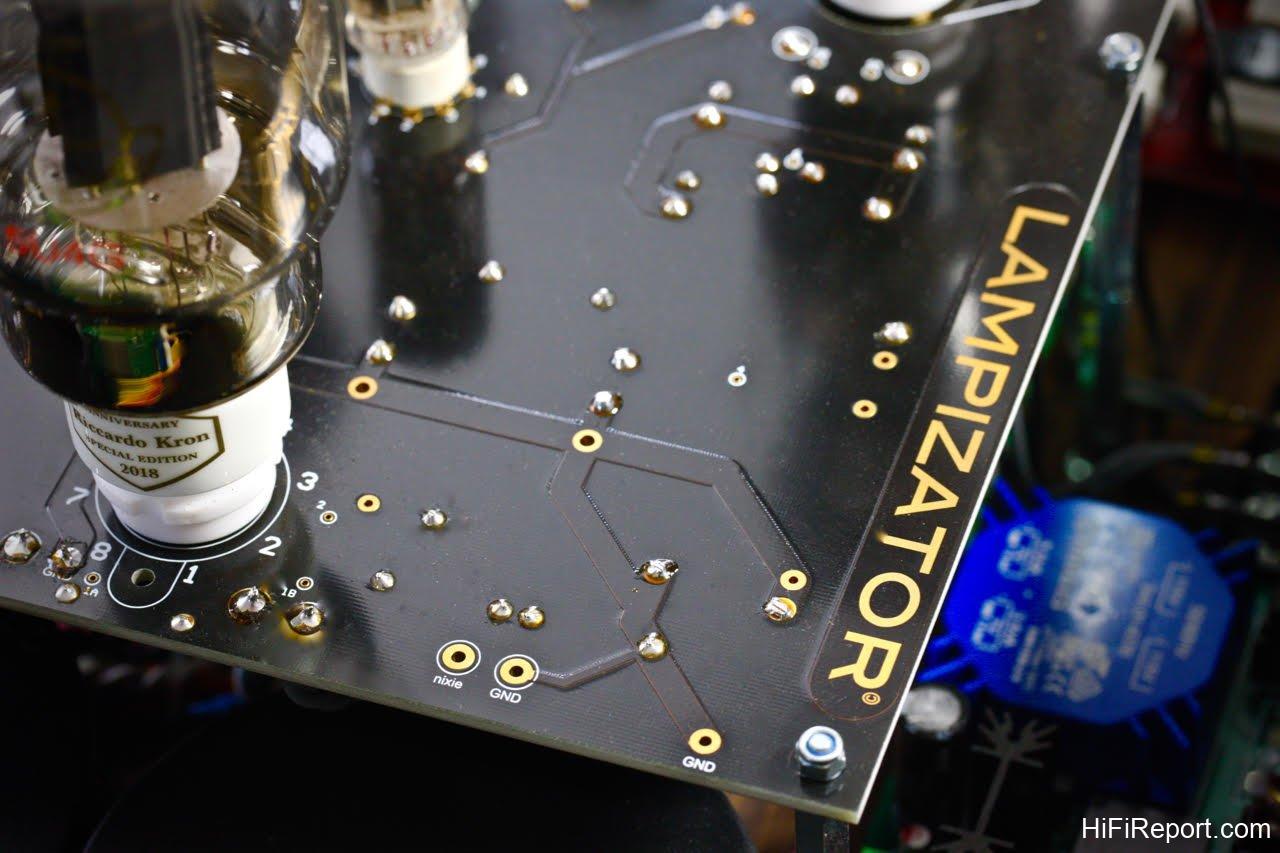
Beyond power tubes, the Pacific DAC also offers rectifier tube rolling. The review unit came with a 5U4G rectifier, but the manufacturer states that any 5V rectifier tube is compatible, listing examples such as 274B, 5C3S, GZ34, and 5Y3.
With five primary power tube types (300B, 101D, PX4, 245, 45) and the compatible 345 and AD-1, users have access to seven distinct sonic signatures. Coupled with five rectifier tube options, the Pacific DAC can potentially deliver thirty-five unique sonic combinations. Furthermore, exploring other 5V rectifier tubes could expand the sonic palette even further.
For vacuum tube enthusiasts, the Pacific DAC is a veritable playground for tube rolling, allowing for endless experimentation with new, vintage, and different brands of tubes to achieve a personalized sound. Such comprehensive tube interchangeability in a DAC design is truly unprecedented.
Over-Engineered Power Supply
The second key feature of the Pacific DAC, and a hallmark of Lampizator’s design philosophy, is its massively over-engineered power supply. In the Pacific DAC, this principle is taken to an extreme.
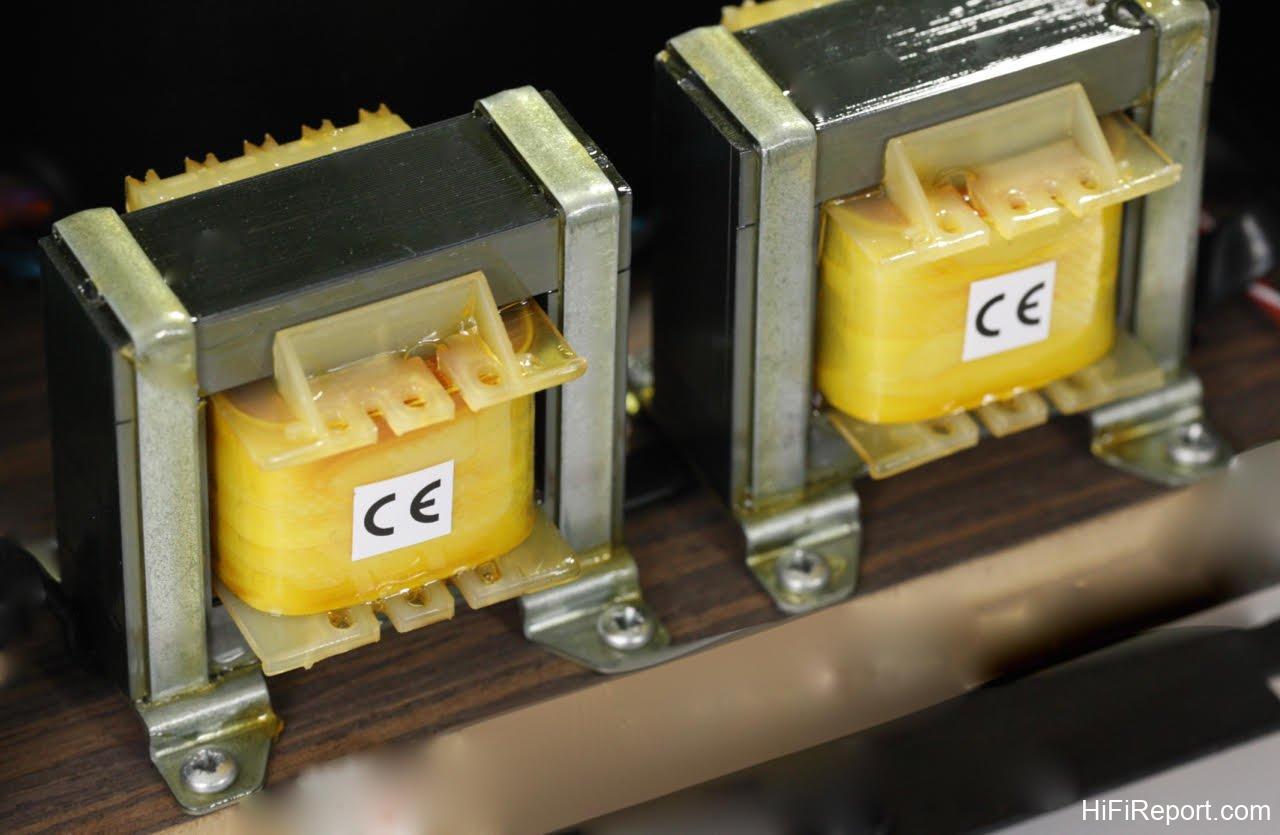
The primary power source comes from two substantial 150 VA toroidal transformers, supplemented by five smaller transformers dedicated to the digital and analog circuits, each with independent power delivery. To put 150 VA into perspective, that’s ample power for a 100-watt integrated amplifier. Yet, Lampizator employs this capacity in a DAC preamplifier, resulting in a power supply exceeding the DAC’s needs by more than tenfold.
This isn’t hyperbole; the manufacturer’s specifications confirm a total output of 390 watts from the dual toroidal transformers, while the Pacific DAC’s power consumption is a mere 38 watts. The power supply section utilizes two 150 VA toroidal transformers that undergo a vacuum treatment to eliminate air pockets within the windings, followed by weeks of drying and temperature-controlled processing. After rigorous testing, these transformers are encased in chrome-plated metal housings and epoxy-sealed for ultimate protection and isolation. The total power supply capacity exceeds 390 watts, dwarfing the Pacific DAC’s power requirements by a factor of ten.

Power Supply – CLC Filtering and Regulation
Furthermore, the Pacific DAC employs CLC (Capacitor-Inductor-Capacitor) filtering in its high-voltage power supply stage. Here, “L” denotes an inductor, and “C” represents a choke. CLC filtering strategically places an inductor between two chokes. The inductor’s role is to store energy and effectively filter out power supply ripple. When the circuit demands more current, potentially causing voltage dips, the stored energy in the inductor can rapidly compensate, maintaining a stable operating voltage. This contributes to a faster, cleaner, and more dynamically energetic sound from the vacuum tubes.
The chokes used in the Pacific DAC are custom-designed components manufactured for Lampizator by Ogonowiski in Poland, highlighting their meticulous attention to detail. The benefits of CLC filtering in the high-voltage supply translate to a more responsive, cleaner, and more powerful sonic character from the vacuum tubes.
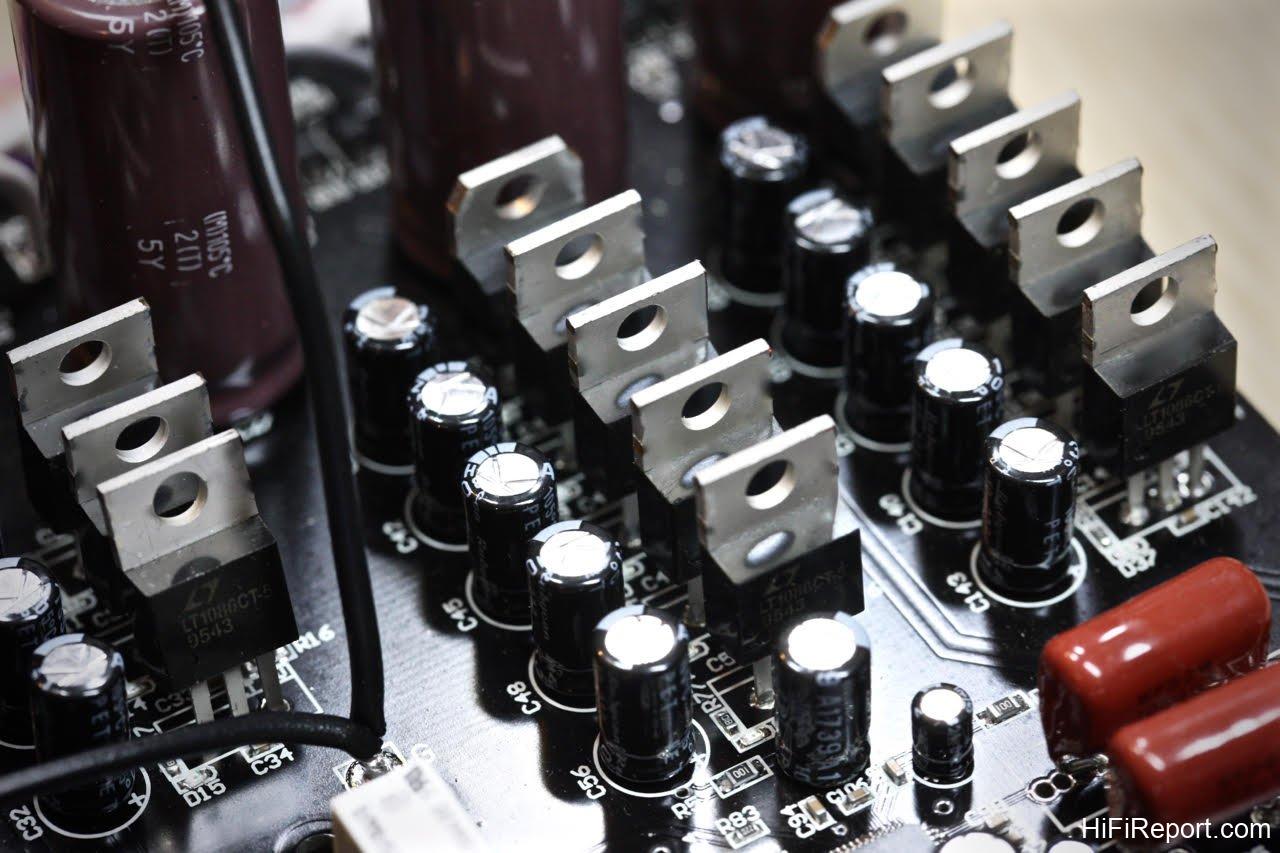
Given the Pacific DAC’s dual nature as both a digital DAC and an analog preamplifier, with separate digital decoding and analog pre-amplification circuits, independent power supplies are crucial to minimize inter-circuit interference. Lampizator has implemented a staggering 25 independent voltage regulators, ensuring that each distinct circuit section, both digital and analog, has its own dedicated, regulated power supply, eliminating potential cross-contamination.

While the concept of separate digital and analog power supplies isn’t unique to Lampizator, achieving such a comprehensive implementation with 25 independent voltage regulators is a remarkably complex and rarely seen design approach. The overarching goal of this elaborate power supply architecture is to render the Pacific DAC’s circuits as impervious as possible to fluctuations in the AC mains power, ensuring consistent and optimal performance. In total, the Pacific DAC incorporates 25 independent voltage regulators to maintain complete isolation between the digital and analog power domains.
Proprietary “Code 57 Engine” DAC
Beyond its tube versatility and robust power supply, the third defining characteristic of the Pacific DAC is its unique DAC architecture. The core digital-to-analog conversion engine is dubbed the “Code 57 Engine.” Lampizator remains tight-lipped about the specific DAC chip employed, stating only that it is a proprietary Lampizator design.
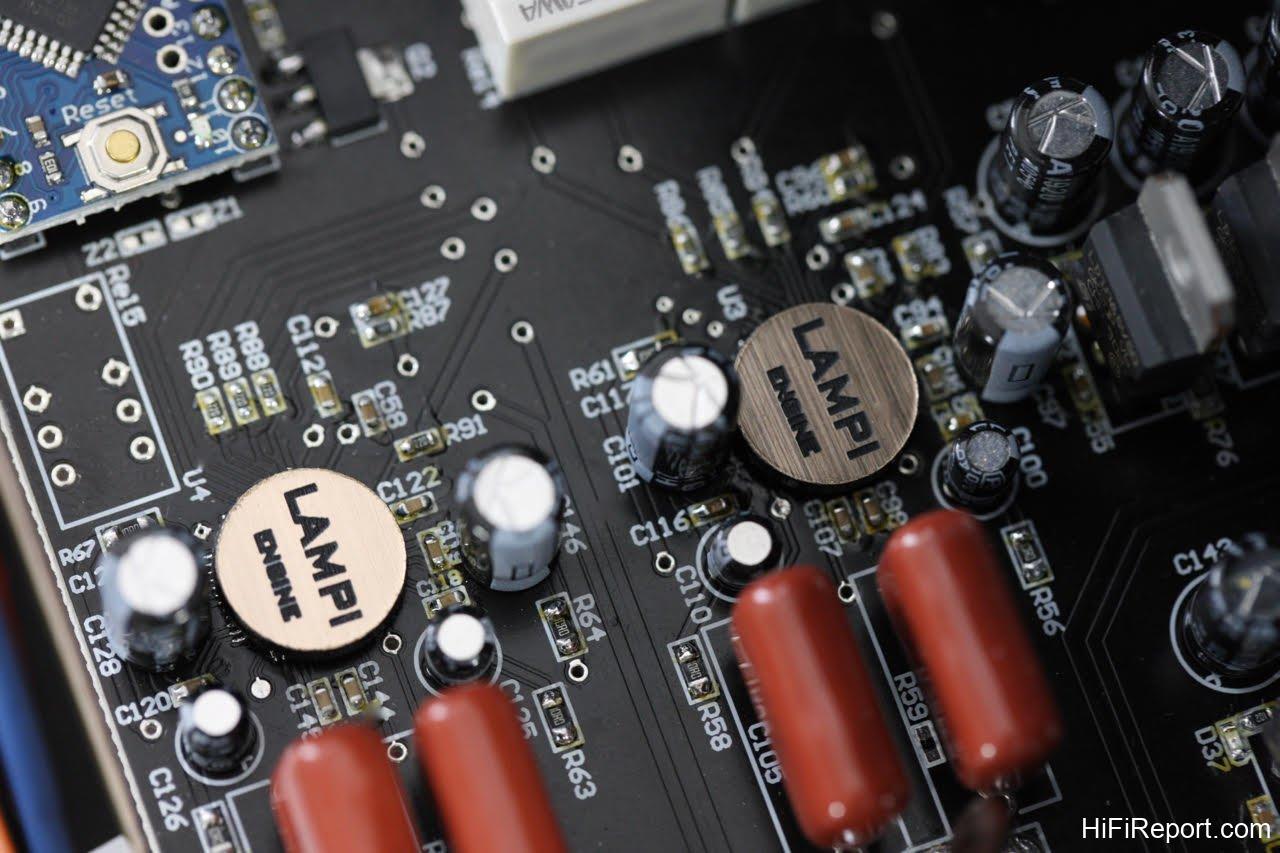
The DAC chips on the circuit board are marked “Lampi Engine,” with the original chip markings deliberately removed. Unusually, the chips are circular rather than the common square shape. The manufacturer confirms that these two DAC engines operate in a fully balanced, dual-mono configuration. The deliberate obfuscation of the chip identity is intended to preempt unproductive online forum debates, with Lampizator emphasizing that their DAC is not limited to 16-bit resolution, but rather “Multibit” (meaning exceeding 16-bit). The “Code 57 Engine” boasts impressive specifications, supporting PCM up to 32-bit/768kHz and DSD up to DSD512, ensuring future-proof performance for years to come.

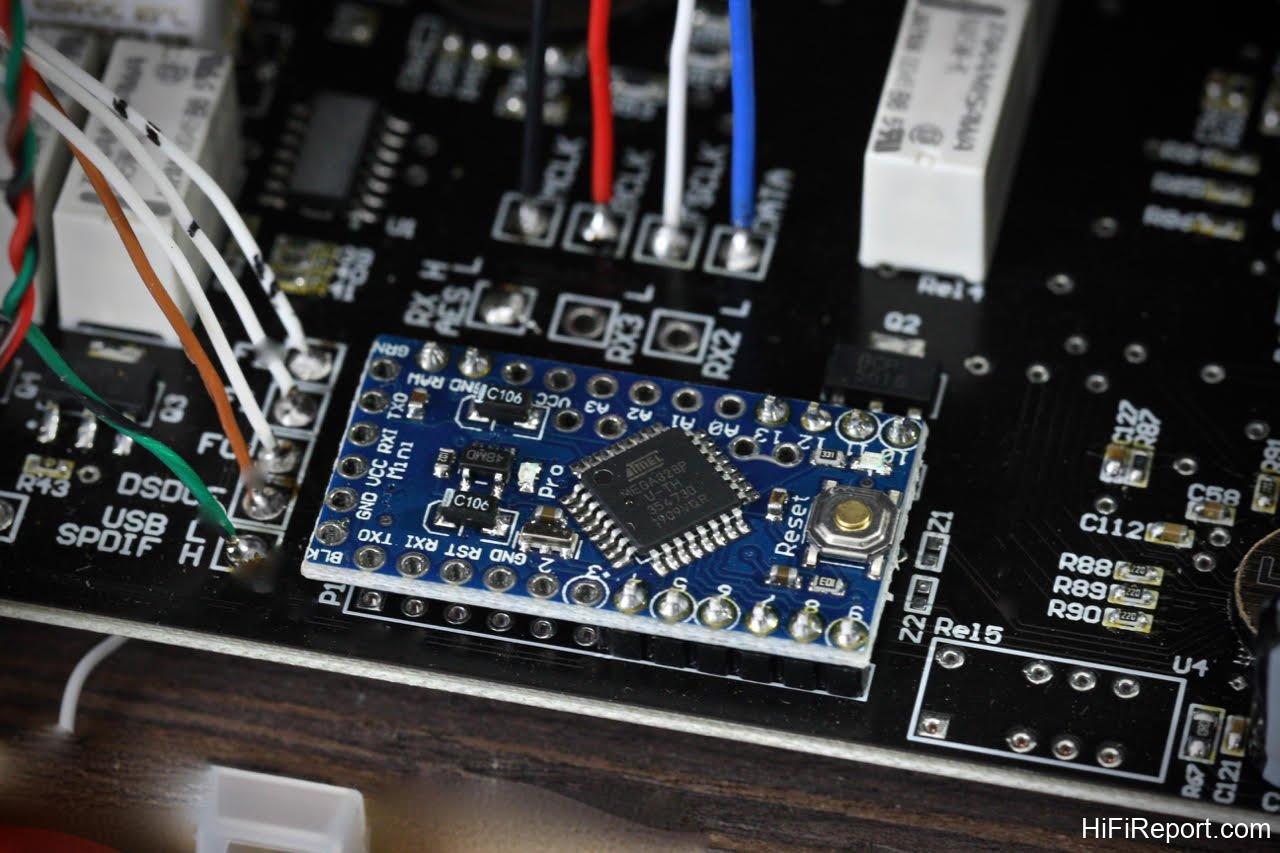
The Pacific DAC’s DAC engine utilizes two fully balanced digital-to-analog converter chips, marked “Lampi Engine.” Lampizator’s intention is to avoid speculation and debate regarding the chip manufacturer. While the “Code 57 Engine” provides cutting-edge DAC capabilities, the Pacific DAC architecture leverages an Arduino module, employing an Atmel microcontroller to run an open-source hardware and software platform. This Arduino module serves as the “brain” of the Pacific DAC, controlling its functions and enabling potential future feature upgrades via firmware updates.
Interestingly, the Raspberry Pi, popular in DIY digital streaming circles, is also based on Arduino. However, Lampizator takes it a step further by controlling the internal software programming of the Arduino itself, rather than relying on pre-packaged kits.
Having outlined the Pacific DAC’s three major features – its unique tube rolling design, over-engineered power supply, and upgradeable DAC architecture – it’s clear that Lampizator has paid meticulous attention to every detail in this DAC preamplifier. The level of engineering and refinement is truly impressive. Now, it’s time to delve into the listening experience of this flagship Lampizator DAC preamplifier. The Pacific DAC utilizes an Arduino Atmel microcontroller to manage its hardware and software functions, with future firmware updates facilitated via a USB-C interface.
Comprehensive Digital Input Options
The Pacific DAC offers a degree of customization to suit individual user needs. It can be configured without a preamplifier stage and volume control, or with single-ended RCA outputs only, or with the addition of balanced XLR outputs.
Standard digital inputs include S/PDIF, USB, and an RJ45 network port, complete with Roon Bridge functionality. Optional digital input upgrades include a second S/PDIF input, BNC S/PDIF, AES/EBU, and Toslink optical, catering to diverse system configurations. The Pacific DAC unit provided by Sheng Kai was near top-of-the-line specification, equipped with additional AES/EBU and BNC digital inputs, and both RCA and XLR analog input/output connectivity.
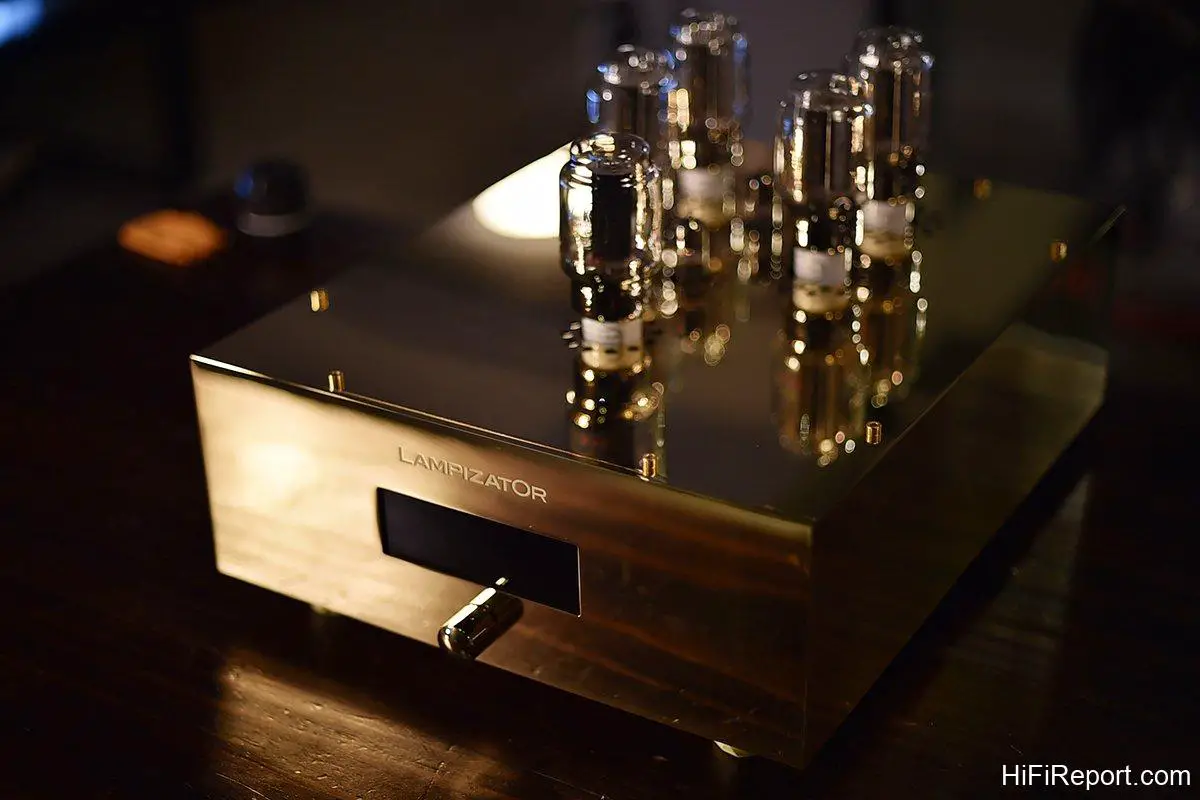
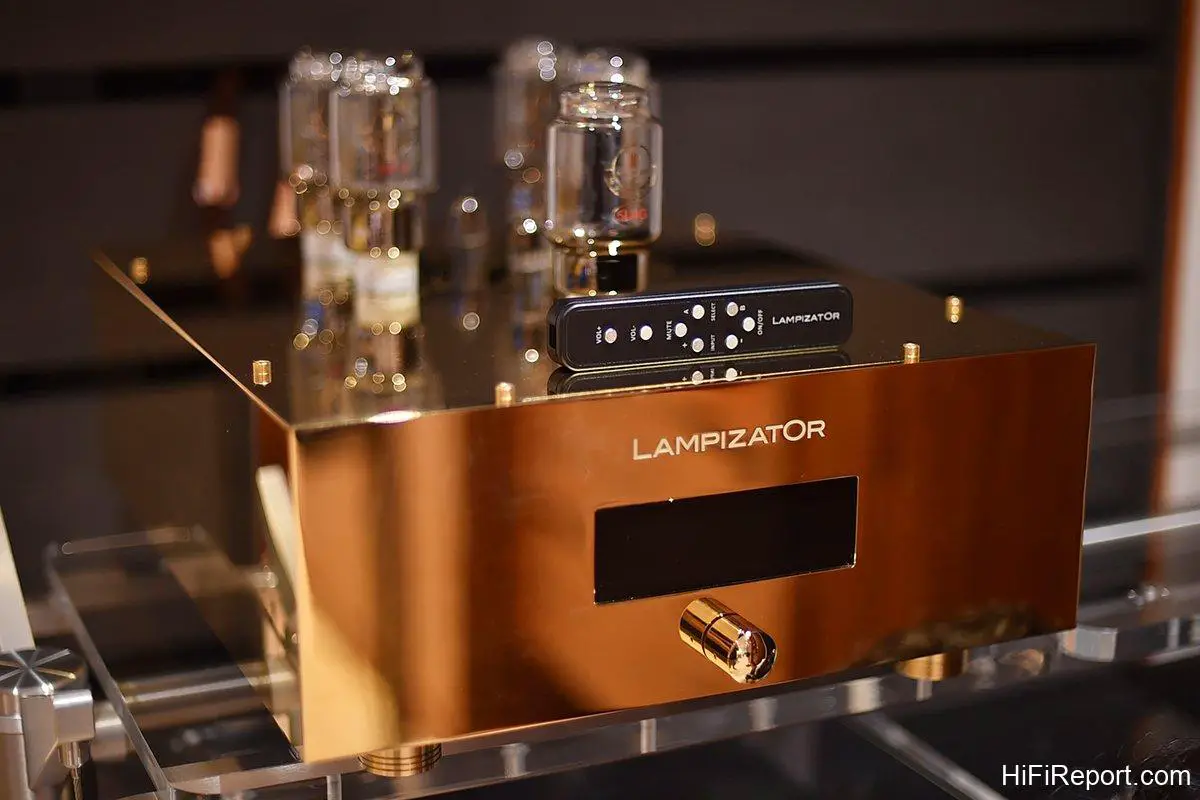
Lampizator often showcases “Gold Edition” Pacific DACs at international audio shows, and the review unit was similarly finished. This exquisite chassis is a labor of love, requiring complex and painstaking machining processes. The chassis is crafted from brass, meticulously hand-polished to a mirror finish, then nickel-plated, and finally adorned with a layer of 24K gold plating, bestowing the Pacific DAC with its opulent golden sheen.
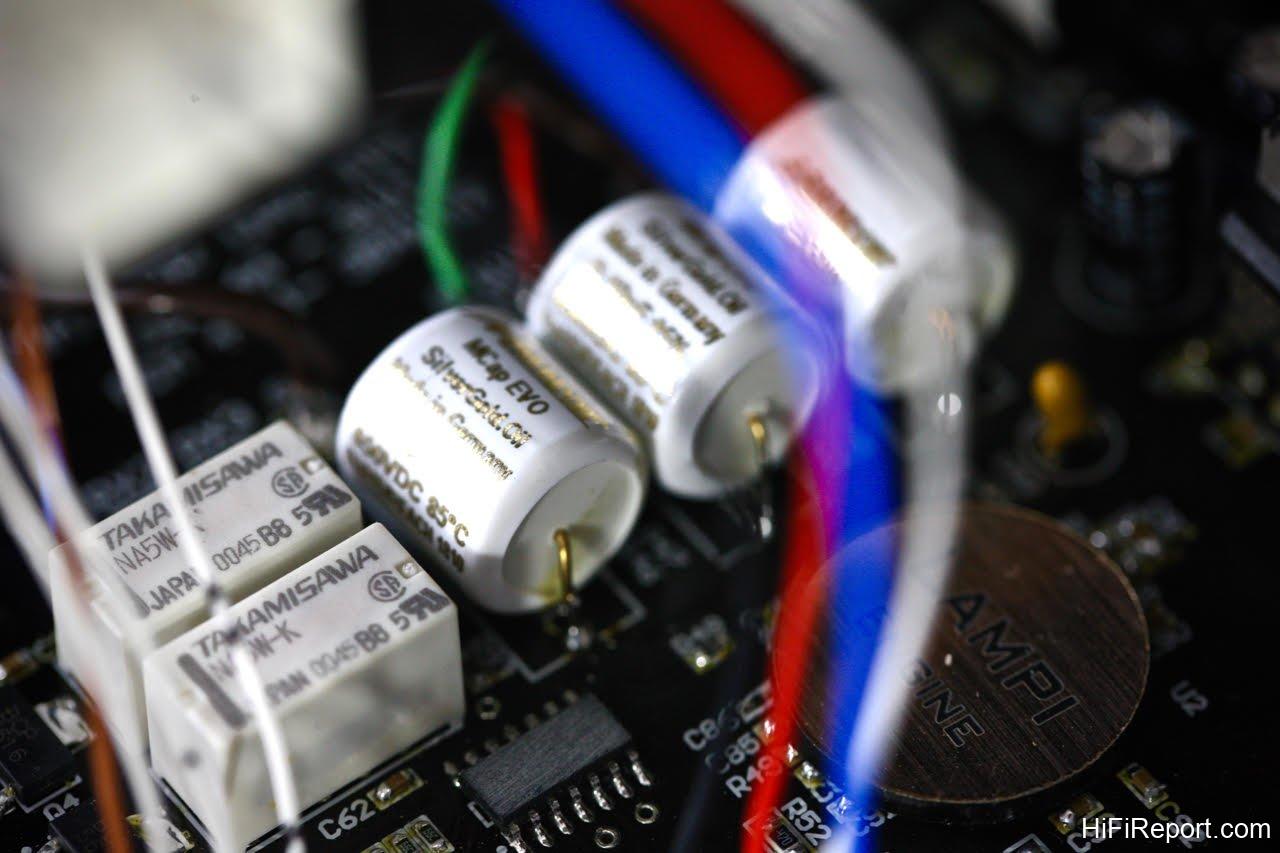
The review unit was fitted with KR Audio 300B and 5U4G vacuum tubes from the Czech Republic, specifically the Riccardo Kron Anniversary special edition. According to Lampizator, these tubes retain the renowned sweetness of the 300B while incorporating the dynamic capabilities of the 242 tube. All audio signal paths utilize premium-grade capacitors, including Mundorf Gold Silver capacitors for S/PDIF, AES/EBU, and optical signal pathways.
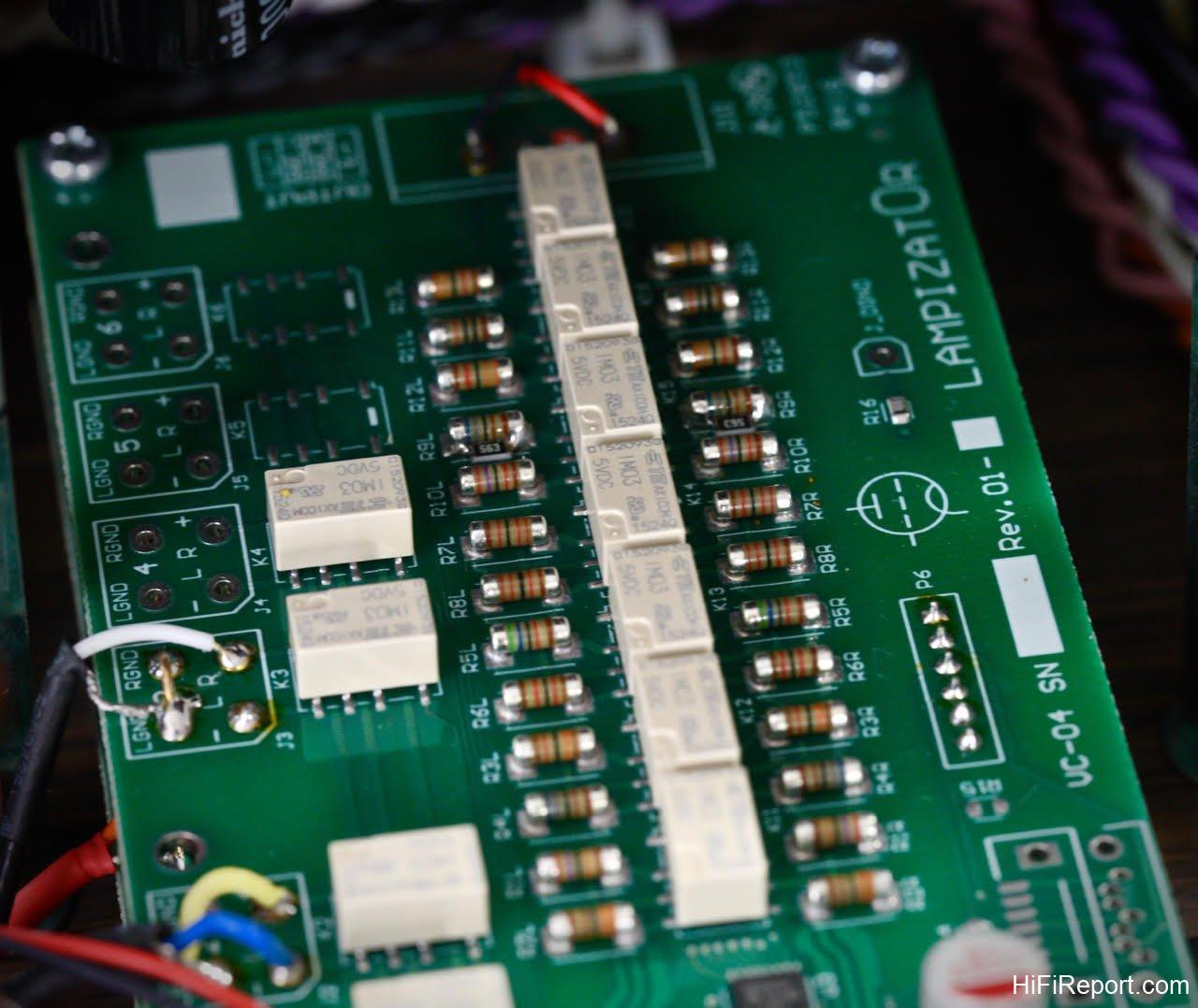
Volume control is implemented via a 4-gang quad-mono resistor ladder attenuator, offering precise volume adjustments, exceptional stability, and long-term reliability, while eliminating the potential for noise associated with traditional potentiometers. The Pacific DAC’s PCB boards feature double thickness and four times the copper foil thickness, further enhanced with gold plating. All contact points, including grounding points, undergo this treatment. Lampizator states that these are the highest quality PCB boards they can source in Europe.
Stacore Isolation Feet and Setup
For the HiFiReport listening session, the Pacific DAC was paired with a Telos EMP digital streamer via USB, feeding an Accuphase E-800 integrated amplifier, which in turn drove Wilson Audio Alexia 2 loudspeakers.
Given the Pacific DAC’s substantial chassis dimensions, when placed on the HiFiReport equipment rack, the integrated Stacore feet only made contact on approximately one-third of their surface area. When Xiao Lin from Sheng Kai Audio performed the installation, I expressed some concern about potential instability. Xiao Lin reassured me, stating that they had installed numerous Pacific DAC units and that the Stacore feet were exceptionally stable. Furthermore, the unit’s considerable weight ensured stability, provided it wasn’t subjected to accidental pushing or bumping. Indeed, during the review period, I performed multiple cable swaps, and the unit remained steadfastly in place.
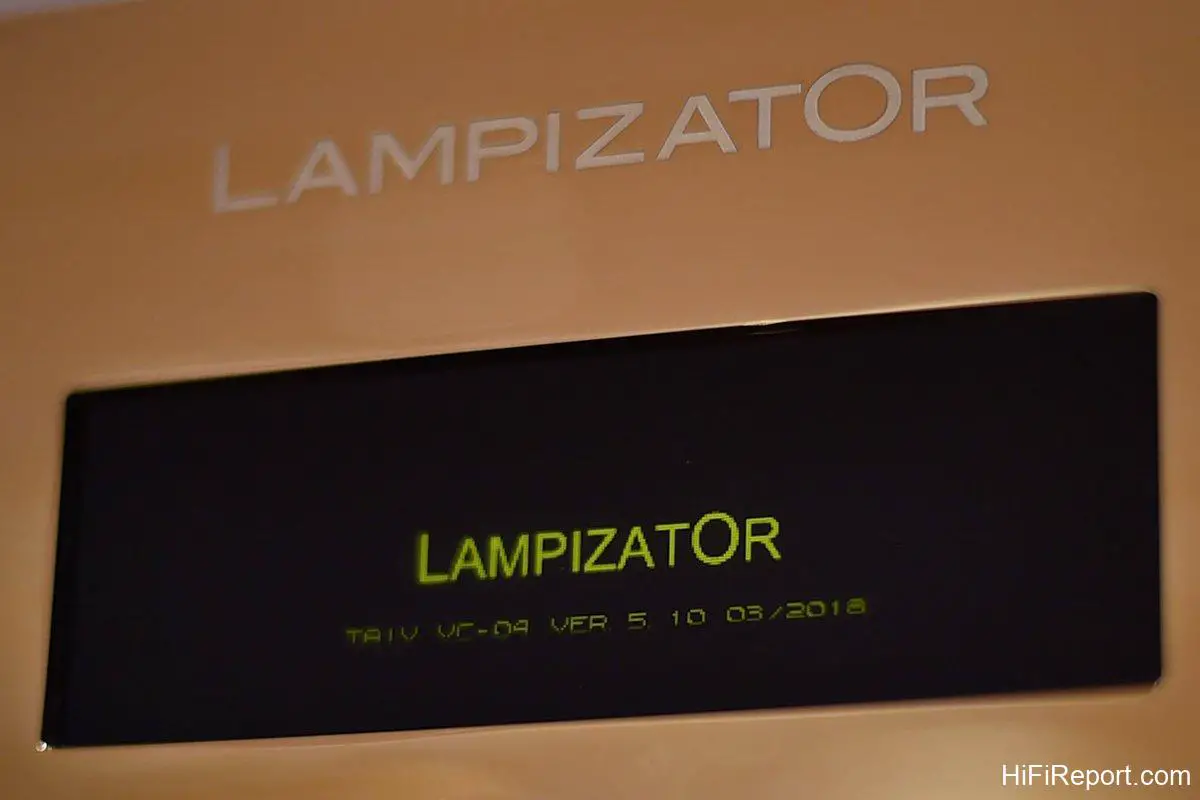
The day after Xiao Lin completed the installation, I commenced my critical listening. Being a vacuum tube component, I made sure to power it on and allow ample warm-up time upon arriving at the office each morning. The Pacific DAC emits a series of clicks during power-up, which is part of its normal start-up sequence. The front panel displays “0 dB,” indicating maximum volume output. While the display is monochrome, the text is remarkably clear, sharp, and aesthetically pleasing, thanks to its OLED technology, marking Lampizator’s first foray into OLED displays.
Immersive 3D Soundstage
As befits a flagship component, I immediately challenged the warmed-up Pacific DAC with a demanding piece: Martha Argerich’s performance of Shostakovich’s Piano Concerto No. 1. The brilliant arpeggios cascaded across the piano keys, answered by soft brass interjections, followed by deep, resonant left-hand notes. The orchestra swelled in harmony, and then the piano launched into rapid passages, met by a powerful orchestral response, building momentum relentlessly. From the very first brilliant piano notes, I was taken aback. Was this truly a 300B vacuum tube DAC preamplifier? The soundstage was remarkably transparent! The piano seemed slightly forward in the mix, yet the orchestral depth and spatial extension stretched even further back, creating a stunningly realistic 3D concert hall presentation. The rapid piano runs were rendered with crystalline clarity and articulation, while the orchestra’s interwoven responses ranged from delicate string passages to sonorous bass lines, all beautifully contrasted with the brass section.
Shostakovich’s concerto is replete with intricate interplay and contrasting sonic textures. The Pacific DAC, with its expansive and transparent soundstage, delineated each musical voice with exceptional clarity. In the first movement’s conclusion, the piano descends into the bass register, answered by sustained brass notes before an abrupt silence, leading into the second movement, Lento. Slow, somber strings set a melancholic tone, with violins weaving an unusual, almost exotic melody. Subtle chair movement noises before the piano’s entrance served as a reminder of the live recording, captured at the 2006 Lugano Festival. The Pacific DAC meticulously reproduced these nuances. As the piano entered, the music’s intensity gradually increased. Despite the slow tempo, the movement’s mid-section erupted into an unexpectedly forceful and weighty passage. The stark contrast between the piano’s deep bass notes and bright treble registers was powerfully conveyed. The Pacific DAC delved into the music’s emotional core, vividly portraying the composer’s stark, northern landscape.
Effortless Musical Flow
Spending considerable time with the Pacific DAC, I found it increasingly challenging to articulate its sonic signature. While packed with vacuum tubes, it defied the typical warm, colored “tube sound.” Instead, it presented a remarkably bright, transparent, and effortlessly fast presentation, yet with a clean and precise sonic character. However, to claim it lacked “tube sound” entirely would be inaccurate. The midrange retained a palpable richness and solidity, hinting at the inherent qualities of vacuum tube amplification. This blend resulted in a captivating, lively musical flow, allowing notes to permeate the listener’s consciousness and resonate with the music’s emotional contours.
As I contemplated these qualities, Argerich’s Shostakovich concerto reached its fourth movement. The tempo accelerated dramatically, with brilliant piano passages underpinned by powerful cello and double bass lines. Strings and piano engaged in a spirited dialogue, intensifying the music’s urgency. The entrance of the brass section further amplified the dynamic interplay, with piano, brass, and strings vying for prominence, creating a vibrant, almost chaotic, Russian carnival atmosphere. Despite the complex and rapid musical passages, the Pacific DAC remained unfazed, maintaining distinct layers within the musical fabric, presenting a scene of vibrant competition and sonic spectacle.
While I often use Argerich’s album for equipment evaluations, I typically only listen to the first movement. However, the Pacific DAC captivated me, drawing me in until the very end of the fourth movement. The rousing brass finale was followed by enthusiastic applause from the Lugano Festival audience, and I found myself silently echoing their “Bravo!”
Vivid and Lively Musicality
While Lampizator themselves claim that the Pacific DAC is a vacuum tube DAC preamplifier without a distinct sonic signature, my experience suggests otherwise. I found the Pacific DAC to be a remarkably vibrant and colorful DAC preamplifier. Beyond its exceptional ability to retrieve musical detail, its sonic texture is characterized by brightness, transparency, and a lively, energetic quality, bringing music to life.
For example, listening to Eva Cassidy’s “Nightbird” live recording, specifically “Bridge Over Troubled Water,” the electric guitar arpeggios in the intro, and the subtle background sounds of clinking glasses and plates, were rendered with remarkable realism. Eva Cassidy’s vocal delivery of “When you’re weary, feeling small…” showcased the nuanced changes in her lip and tooth sounds and vocal inflections, presented with natural expressiveness by the Pacific DAC. As the electric bass and drums joined in, the musical scene became more dynamic and engaging. Live recordings often emphasize the low frequencies, and the Pacific DAC vividly captured this aspect of the live performance.
This recording was captured at Blues Alley jazz club in Washington, D.C., on January 3, 1996. Tragically, Eva Cassidy passed away from cancer in November of the same year at the young age of 33, making “Nightbird” her final recorded performance. Following “Bridge Over Troubled Water,” Eva Cassidy introduced her band members, and the Pacific DAC effectively conveyed the lively, intimate atmosphere of the club concert. Through the Pacific DAC, it felt as if we were transported back to Eva Cassidy’s 1996 live performance.
Exceptional Timbral Resolution
Beyond its vibrant and bright musical presentation, the Pacific DAC also demonstrates exceptional timbral resolution. Listening to Chen Mingzhang’s “A Pile of Guitars,” an album truly featuring a multitude of guitars, each with distinct sonic characteristics – some thick, some coarse, some bright, some dark – was a fascinating experience through the Pacific DAC.
The opening track, “Kirin Beer,” features a nylon-string guitar, captured with robust and full note articulation, instantly recognizable as nylon strings. The second rendition of “Kirin Beer” incorporates more effects, creating an ethereal atmosphere, highlighting the flute melody. The guitar tone in the third variation becomes darker, revealing more detail of fingertips sliding across the strings. The fourth iteration switches to a steel-string guitar with a more pronounced delay effect, complementing Chen Mingzhang’s earthy vocals and the joyful ambiance created by close-miked children’s voices.
The Pacific DAC vividly and accurately reproduced the unique timbre of each guitar. Furthermore, repeated listening revealed subtle distinctions within Chen Mingzhang’s “pile of guitars,” differentiating between the more expensive and less costly instruments. How can one discern this? If the guitar notes in the higher register sound thin or compressed, it likely indicates a less expensive instrument. Conversely, fuller, more resonant notes suggest a higher-quality guitar. The Pacific DAC’s resolving power is so refined that it can even reveal the relative quality of the guitars used in the recording.
Superb Soundstage Layering
Beyond its expansive and deep soundstage, the Pacific DAC excels in its ability to portray soundstage layering. Taking Schelomo Mintz’s solo performance with Bernard Haitink conducting the Royal Concertgebouw Orchestra of Amsterdam in Beethoven’s Violin Concerto as an example, listening to the Rondo of the third movement, Allegro, the solo violin enters, presenting the theme in the midrange, then soaring an octave higher. The Pacific DAC conveyed the rich and brilliant violin timbre with effortless expressiveness. The midrange possessed ample weight, while the upper register remained bright without any hint of strain, rendering a focused and penetrating violin tone. The orchestral Tutti response expanded the soundstage seamlessly. The violin, cello, and viola sections were positioned with precise spatial cues. The solo violin then returned with sustained notes, answered by the brass section from the rear, followed by the woodwinds. The Pacific DAC created a compelling sense of depth and distance between the soloist and the orchestral sections, resulting in a vivid and realistic soundstage with palpable energy.
Listening to violin through the Pacific DAC is an absolute delight. The naturally extended mid-high frequencies, sharp and brilliant yet devoid of harshness, reveal the violin’s radiant timbre with stunning beauty. Similarly, with Gil Shaham’s solo performance of the Butterfly Lovers Violin Concerto with Lan Shui conducting the Singapore Symphony Orchestra, while employing a Western orchestral arrangement, this concerto is imbued with Chinese musicality. The violin incorporates many Erhu-like playing techniques, and Shaham’s interpretation captures the Chinese flavor, particularly in his graceful glissando execution. The Pacific DAC meticulously captured these recorded nuances. In the sixth track, “Presto Resoluto,” depicting the intense “crying at the grave” scene, Shaham’s Erhu-like violin sounds were beautifully rendered by the Pacific DAC. Urgent and rapid passages are punctuated by a percussive woodblock, hidden behind the violin, creating a sense of desperate pursuit. The violin’s mournful lamentation, seemingly on the verge of tears, intensifies with urgency, ascending through several registers, culminating in a powerful orchestral embrace at its peak. The Pacific DAC portrayed the brass section with weight and power, before the music subsided into tranquility, with the gentle plucking of the harp, signaling the “butterfly transformation” section.
Lampizator’s Pinnacle of Audio Design
Despite Lampizator’s assertion that the Pacific DAC lacks a distinct sonic signature, my experience suggests a different interpretation. I found it to be a vividly bright, dynamically engaging, and naturally expressive vacuum tube DAC preamplifier. Furthermore, its tube-rolling versatility adds significant user-adjustable character. Having only experienced the 300B configuration, I’ve only scratched the surface of the Pacific DAC’s sonic potential. The vast possibilities offered by tube swapping, coupled with its upgradeable digital architecture, ensure compatibility with a wide range of sources, from traditional CD transports and computers to network-based cloud music libraries. The Pacific DAC is feature-rich and future-proof.
For Lampizator, the Pacific DAC represents the culmination of years of accumulated expertise, realizing their ultimate audio dream. I invite fellow music enthusiasts to step into Lampizator’s vision and experience the captivating musicality of this exceptional vacuum tube DAC preamplifier.
Specifications
* Type: Streaming DAC Vacuum Tube Preamplifier
* Inputs:
* S/PDIF RCA
* USB Type B
* RJ45 Network (Roon Bridge)
* Optional: BNC, AES/EBU, Toslink
* Max Sampling Rates:
* PCM: 32-bit/768kHz
* DSD: DSD512
* Outputs: RCA, XLR
* Compatible Rectifier Tubes: 5U4G / 274B / 5C3S / GZ34 / 5Y3
* Compatible Power Tubes: PX4 / 101D / 45 / 245 / 345 / 300B / AD-1
* Dimensions: 430 × 180 × 520 mm (W × H × D)
* Weight: 30 kg (66 lbs)