
Soulnote D-2 DAC Review
You might be thinking, “Didn’t MY-HiEND already review the Soulnote D-2 DAC?” Indeed, we did. However, this time we are revisiting the D-2, and for good reason. Initially, we had scheduled a review of the highly anticipated S-3 ver.2 SACD/CD player. However, due to its immense popularity and high demand, the S-3 ver.2 was unavailable at the moment. Fortunately, the D-2 DAC became available, presenting us with a perfect opportunity to re-examine this excellent unit.
This particular D-2 differs in two key aspects from the model we previously evaluated. Firstly, it’s a dedicated 115V version, optimized for regions with this specific voltage. Secondly, the unit features elegant real wood side panels, replacing the standard finish. Everything else, however, remains identical to the original D-2. Does this translate to a sonic difference?
While a direct A/B comparison wasn’t conducted and some time has passed since our initial review, my impression is that this 115V wooden trim version exhibits enhanced density and a richer musicality. This experience serves as a potent reminder that in the realm of high-end audio, even seemingly minor alterations can have a noticeable impact on sonic performance.
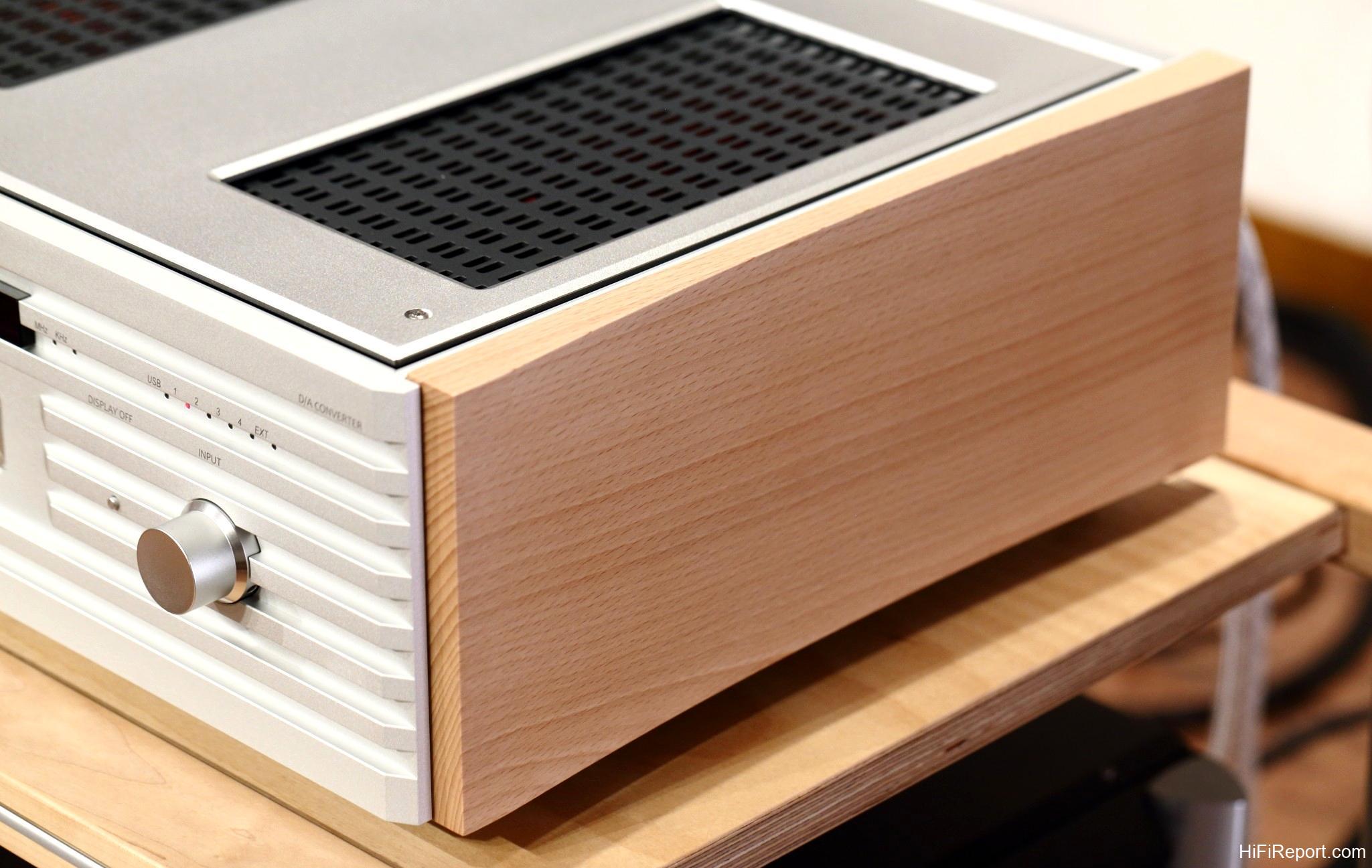
This 115V version is specifically engineered for optimal performance at this voltage. Furthermore, it features substantial wooden side panels, adding a touch of visual warmth and sophistication. Soulnote has thoughtfully incorporated a subtle curvature into the wood trim, enhancing the overall aesthetic appeal of the unit. It’s also worth noting that all models in the Soulnote 2 series employ a floating top cover design that is not fully locked down.
Soulnote’s extensive research and listening tests have concluded that this approach contributes to a more natural and organically lively sound reproduction.
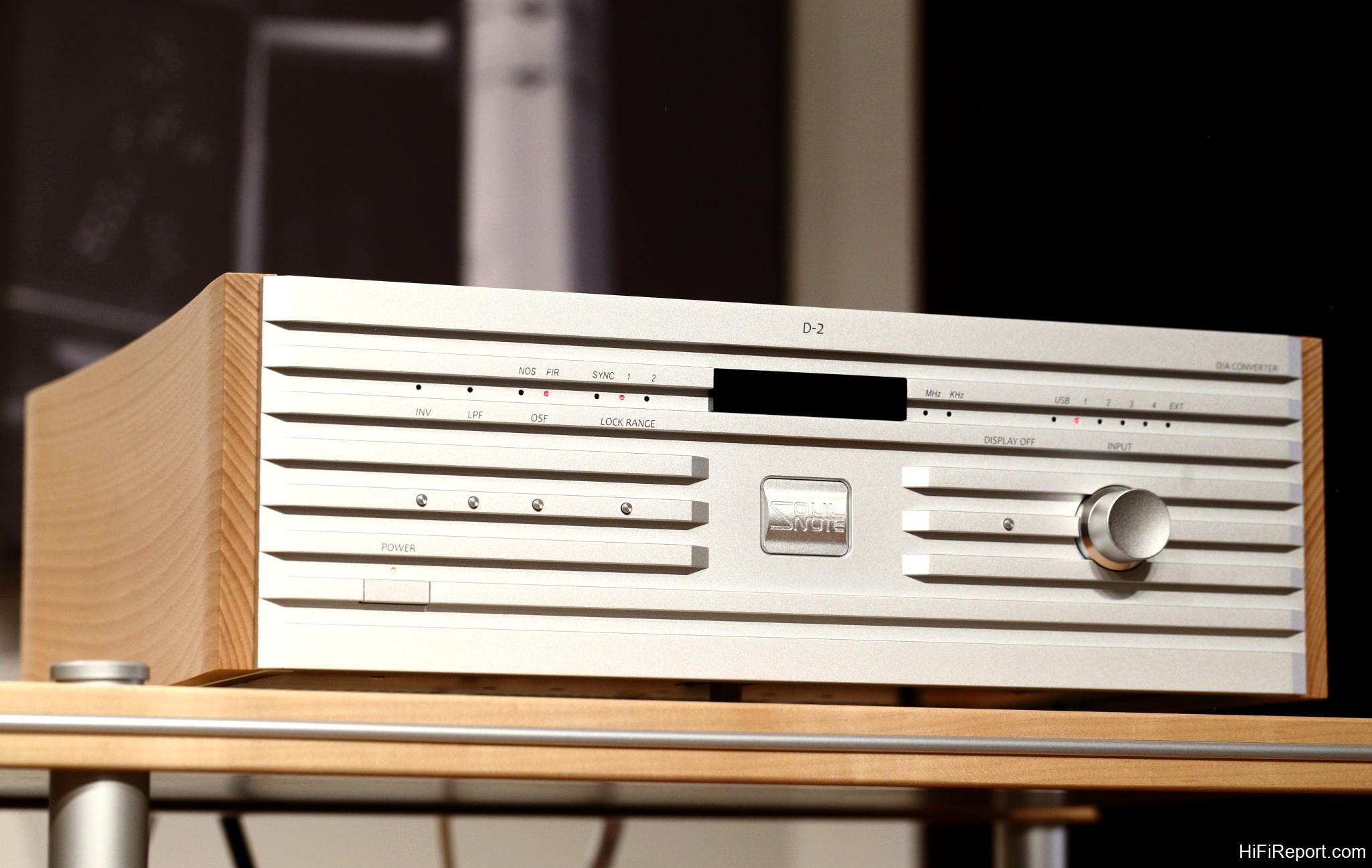
Soulnote hails from Japan, though my first encounter with the brand was at a product launch event in Hong Kong. My initial impression was one of exceptional build quality, sophisticated design, and remarkably practical pricing. Soulnote struck me as a brand offering outstanding value for money.
Subsequently, I noticed Soulnote equipment prominently displayed in the audio sections of major Japanese electronics retailers, confirming the brand’s established presence and technical prowess within its domestic market. While initially focused on Japan, Soulnote has gradually expanded its reach into international markets. It’s important to dispel any notion of Soulnote being a small, boutique operation.
It is, in fact, the dedicated audio division of CSR Co. (Corporate Social Responsibility), a substantial corporation established in 2004. CSR’s primary business is electronics ODM/OEM manufacturing. Interestingly, CSR is responsible for Marantz’s commercial audio and communication equipment divisions, in addition to aspects of their home audio line. This arrangement stems from the 2002 merger of Marantz and Denon into D&M Holdings.
Following the merger, the core audio business remained within D&M, while other operations were restructured into CSR. Consequently, a significant number of CSR’s R&D personnel and engineers have a background in Marantz design. CSR’s Chairman, Norinaga Nakazawa, was in fact a department head at Marantz during the development of iconic products such as the Philips LHH series, further highlighting the depth of engineering expertise behind the Soulnote brand.

This perspective better illustrates the elegant curvature of the wooden side panels. The main chassis is constructed from robust metal. The front panel features a discreet display window centrally located, flanked by indicator lights (MHz, KHz) on the right, which clearly indicate the current sampling frequency.
The input selector knob is positioned to the right, offering a comprehensive array of digital inputs: USB, four digital inputs (two COAX, two AES/EBU), and an EXT input reserved for future expansion capabilities. On the left side of the front panel, you’ll find four push buttons: INV (phase inversion), LPF (low-pass filter), OSF (oversampling filter mode), and LOCK RANGE (lock range adjustment).
The right side of the panel includes a DISPLAY OFF button, which conveniently extinguishes the display and indicator lights, although the power LED remains illuminated.
The LPF (Low-Pass Filter) mode is configurable via a switch on the rear panel, offering “Manual” or “ON (DSD)” settings. In “Manual” mode, the LPF can be engaged or disengaged at the user’s discretion. “ON (DSD)” mode automatically activates the LPF when a DSD signal is detected. The necessity of utilizing the LPF is system-dependent. Generally, modern, high-bandwidth systems capable of reproducing DSD with minimal distortion may not require the LPF.
The OSF (Oversampling Filter) function provides a choice between NOS (Non-Oversampling) and FIR (Finite Impulse Response) digital filtering. When FIR filtering is selected, two distinct FIR filter modes become available via rear panel switches: FIR 1 (Roll-Off Linear Phase Filter) and FIR 2 (Roll-Off Minimum Phase Filter). In NOS mode, the FIR filter options are bypassed. The LOCK RANGE function is a less common feature.
It is inactive in NOS mode and only operational when FIR digital filtering is engaged. Three lock range settings are available: SYNC (prioritizing sound quality), 1 (minimum range), and 2 (standard range). When using the USB input, the LOCK RANGE is automatically set to SYNC. This feature is primarily intended for use with COAX and AES/EBU inputs when employing digital filtering.
The D-2 offers a generous complement of five digital inputs and provides both XLR balanced and RCA single-ended analog outputs. Furthermore, the D-2 features a versatile STEREO/MONO mode selector, allowing users to configure the unit for standard stereo operation or as a dedicated mono DAC for either the left or right channel. Utilizing two D-2 DACs in a dual-mono configuration elevates the performance to an even higher level for ultimate audiophiles.
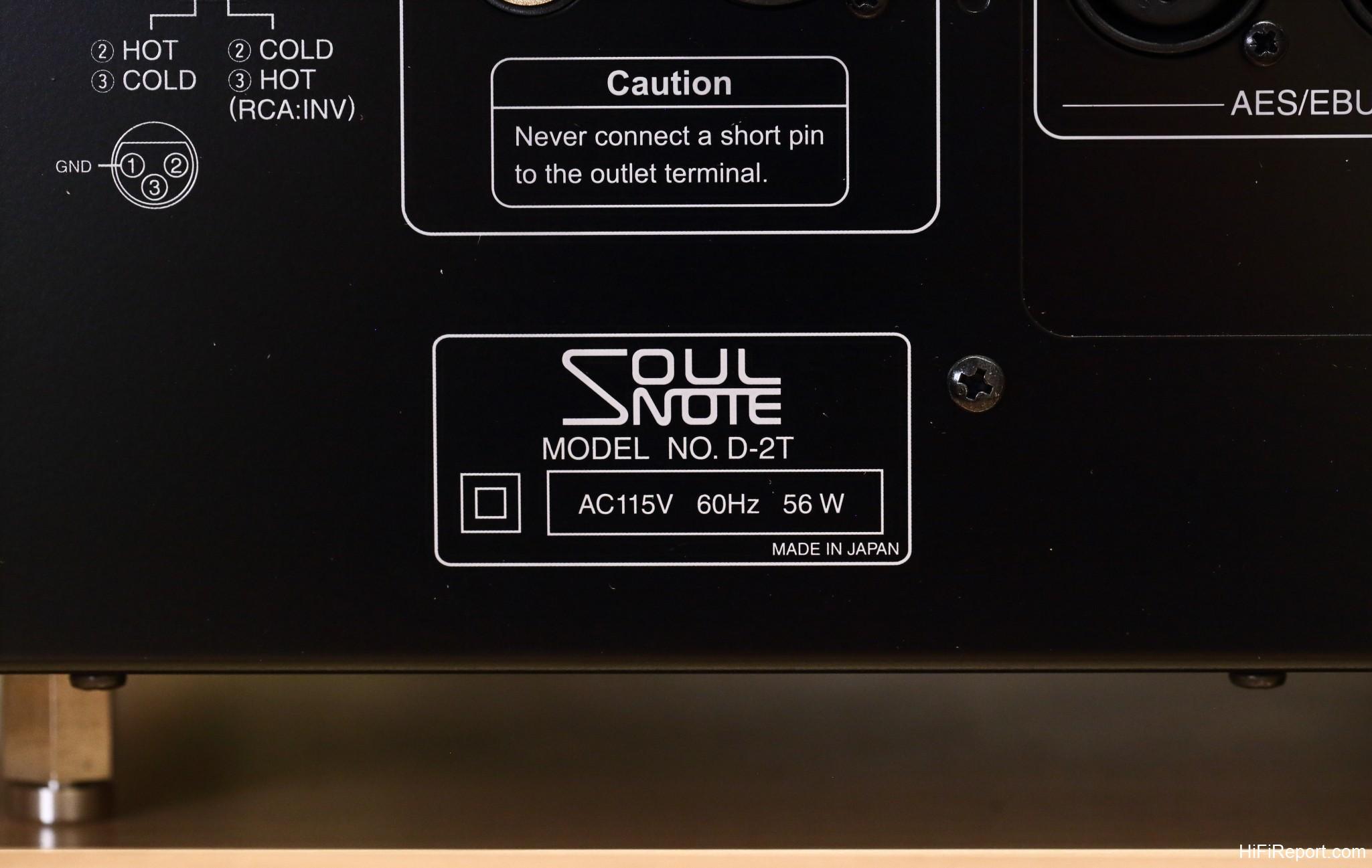
Beyond the distinctive wooden side panels, the “115V” marking on the rear panel serves as a clear indicator of this specific voltage version.
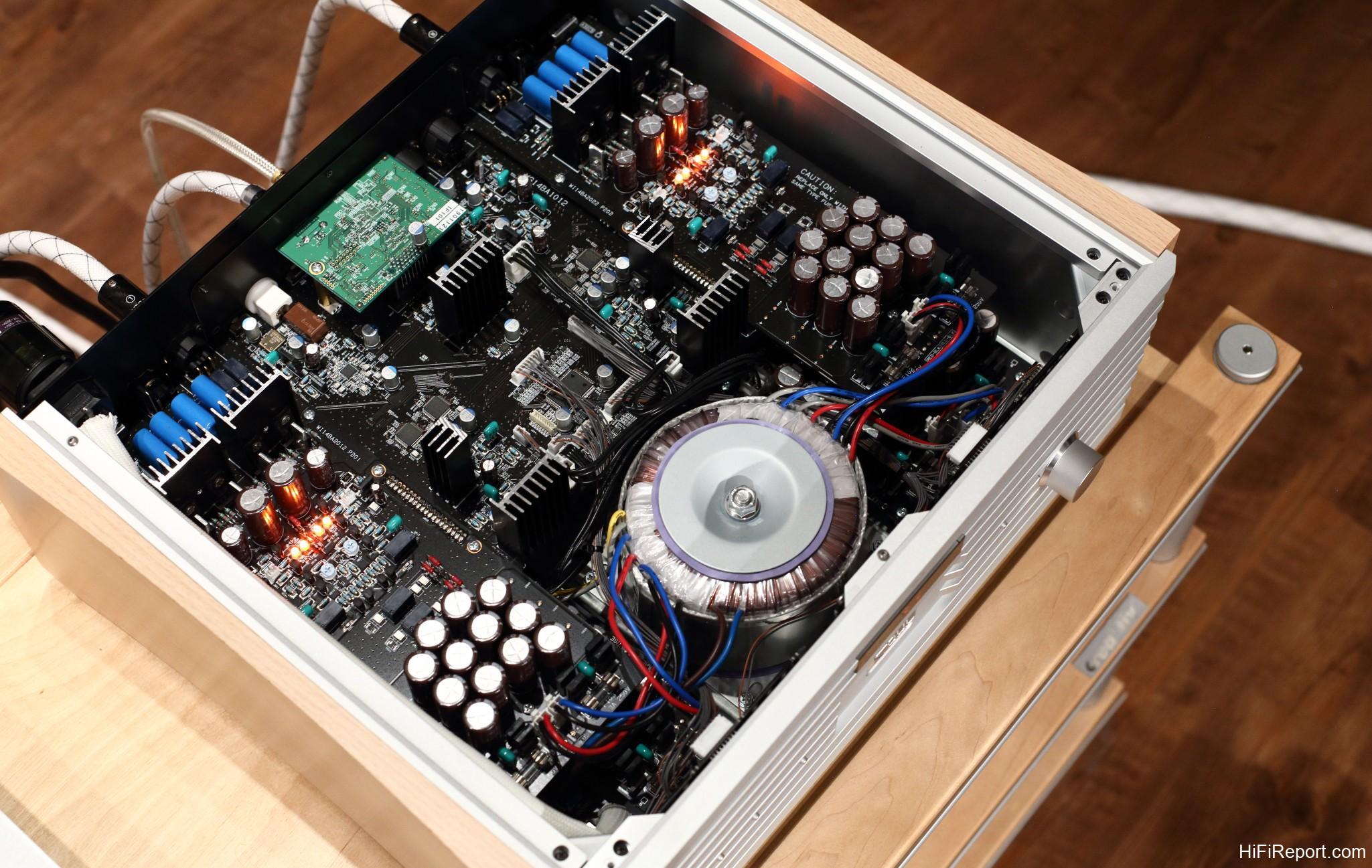
Despite this being my second opportunity to examine the D-2 internally, I am once again struck by the sheer density and quality of its components. The D-2 employs a true dual-mono, fully balanced design architecture. At the heart of the unit resides a substantial 400V toroidal transformer, custom-engineered by Soulnote. Notably, this transformer is not varnish-impregnated for reinforcement, a deliberate design choice intended to preserve the purity of the power supply.
Flanking the toroidal transformer are numerous high-speed, non-feedback capacitors responsible for rectification. The digital decoding chipset and associated circuitry are centrally located, while the analog output stages for the left and right channels are symmetrically positioned on either side. To minimize noise ingress, Soulnote has invested considerable effort in the circuit board design.
Rather than relying on conventional filter components that might sonically compromise the signal, Soulnote utilizes a sophisticated four-layer PCB with 70-micron thick copper traces, employing meticulous circuit layout techniques to effectively mitigate noise.
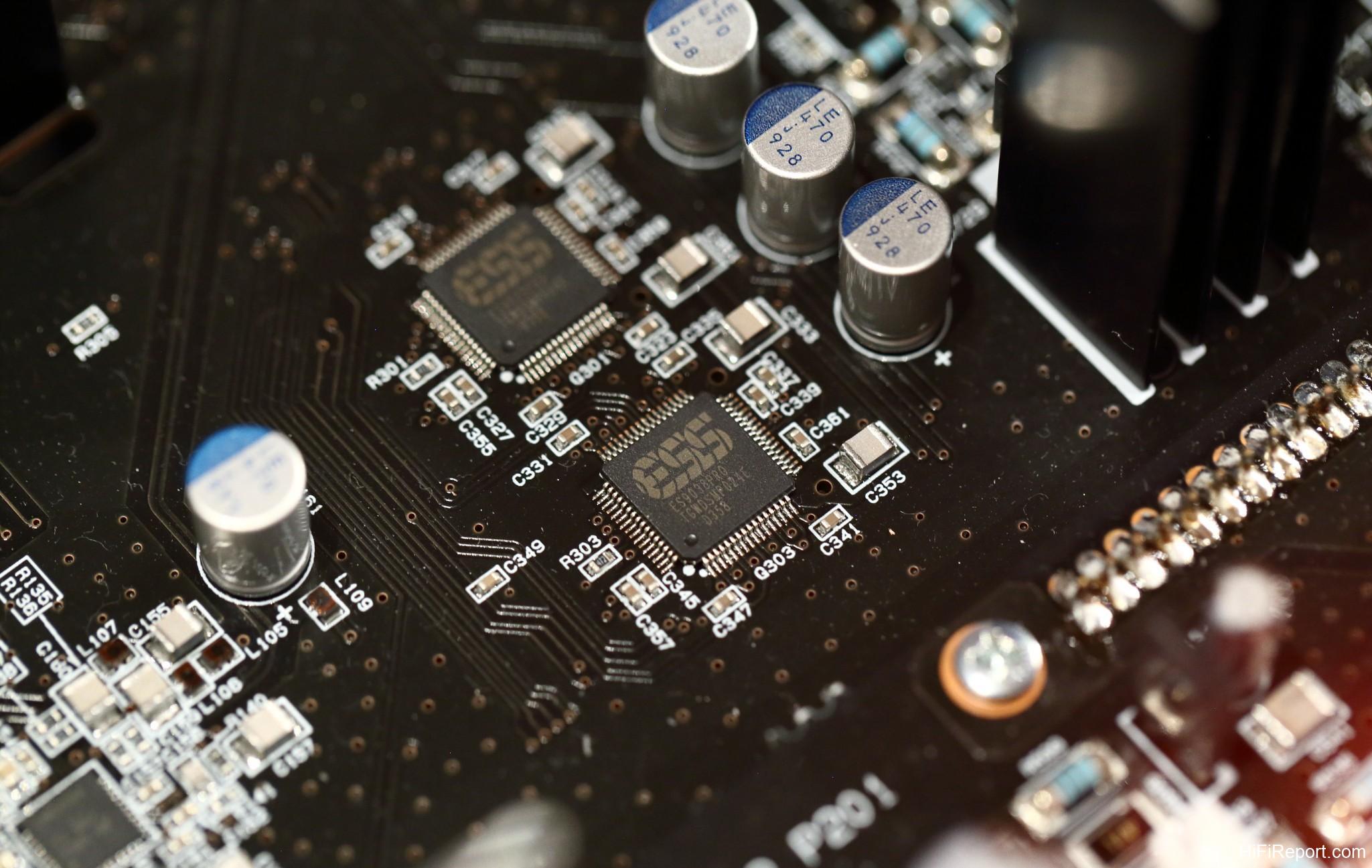
At the heart of the Soulnote D-2’s digital processing stage are four ESS ES9038PRO DAC chips, with two dedicated to each channel in a fully symmetrical, non-feedback differential amplification configuration. The incredibly minimalist current-to-voltage (I/V) conversion stage employs a single resistor, effectively minimizing transient intermodulation distortion (TIM).
This dual-balanced ES9038PRO implementation allows for a substantial 120mA output current, contributing to a more organic and dynamically expressive sound. The ES9038PRO DACs operate in synchronous mode, prioritizing the highest possible level of sonic fidelity. For clock management, the D-2 utilizes a Texas Instruments LMX2594 Direct Digital Synthesizer (DDS) chip as its core clock generator, achieving an incredibly low 45 femtoseconds of jitter – a truly remarkable specification.
This ultra-precise DDS clock, combined with the D-2’s internal Temperature-Compensated Crystal Oscillator (TCXO), or an optional external 10MHz clock source, ensures exceptionally accurate timing. Notably, the incorporation of DDS technology marks Soulnote’s first foray into offering external 10MHz clock input capability. When an external clock is connected, the D-2 intelligently disables its internal clock to prevent any potential interference.
Via its USB interface, the D-2 is capable of decoding high-resolution audio formats up to DSD 22.6MHz and PCM 32Bit/768kHz.
For USB audio streaming, the D-2 incorporates INTERFACE’s Bulk Pet technology. This innovative data transfer method optimizes data transmission, reducing the processing load on the host computer’s CPU, which in turn contributes to improved sonic performance. To fully leverage the Bulk Pet technology, dedicated driver software is required and is readily available for download from the Soulnote official website.
Enhanced Instrument Separation and Realism
To assess potential sonic improvements, I deliberately selected “Johnny Adams – Room With A View Of the Blues,” an album I utilized during my previous D-2 review. This allowed me to tap into my sonic memory and identify any discernible differences. Upon playing the opening track, “Room with a View,” the immediate impression was of enhanced energy and dynamic impact.
The physicality, imaging, and focus of the piano, drums, and vocals were noticeably more three-dimensional and tangible, imbued with a captivating sense of realism and the inherent soulfulness of blues-infused jazz. Every rhythmic nuance was rendered with captivating precision.
Furthermore, the D-2 retained the virtues I observed in my prior evaluation: exceptional sonic refinement, a wealth of detail retrieval, pristine transparency, and a naturally expansive soundstage, devoid of any sense of compression or restraint. In terms of pure audio performance, the D-2 remains a benchmark of excellence. Musically, the D-2 faithfully conveys the essence of the recording, bringing the listener closer to the original performance.
Enhanced Energy and Density
We previously reviewed the Soulnote D-2 approximately eighteen months ago. I recall being particularly impressed by its refined and transparent sonic character, its airy presentation, and exceptional three-dimensionality. It was a DAC that rendered vocals and orchestral pieces with captivating ease and musicality.
Revisiting the D-2 in this 115V, wood-trimmed iteration, and despite the considerable time elapsed since my initial audition, I immediately perceived an improvement in its dynamic capabilities. Listening to “2011-12 The Best of Hanssler,” an annual compilation from Germany’s esteemed independent classical music label, I was struck by the exceptional quality of the recording, both in terms of track selection and sonic fidelity.
This collection of classical masterpieces truly shone through the Soulnote D-2. Firstly, the inherent beauty of the sound was undeniable. The D-2 exhibited a level of textural refinement rarely encountered in Japanese audio equipment. I believe Soulnote’s voicing philosophy distinguishes itself from other Japanese brands. For instance, during “Puccini: O mio babbino caro from Gianni Schicchi,” the soprano’s timbre was both exquisite and soaring.
As her voice ascended, there seemed to be no upper limit, conveying power without any hint of harshness or stridency. The presentation was both natural and profoundly moving, with delicate and richly detailed vocal nuances that would likely captivate even those who are not typically opera enthusiasts. Moving on to “Vivaldi: The Four Seasons “Winter”, 1st Mvt.,” the Soulnote D-2, while not exhibiting an overtly “thick” sound, never felt sonically lightweight or insubstantial.
Its impressive density and focus imbued the sound with a sense of refinement and fullness. Listening to the violin performance in this piece, the D-2 excelled at conveying both the dynamic nuances and the effortless flow of the music. The soundstage projected by the Soulnote D-2 in our listening space possessed a seemingly boundless sense of openness, akin to gazing at a starlit sky while immersed in music – completely unrestrained and immersive.
This expansive soundstage wasn’t limited to orchestral recordings; even standard vocal albums benefited from enhanced depth. I anticipate that even in smaller listening environments, the D-2 would deliver a commendable sense of soundstage and layering.
Natural Musicality and Superb Extension
Listening to “Lost Taipei” from Joanna Wang’s album “start from here,” despite its somewhat melancholic title, the musical style is far from sorrowful. Instead, it’s characterized by a relaxed, rhythmic, and swinging jazz sensibility. The Soulnote D-2 masterfully unveils subtle nuances within Joanna Wang’s vocal performance and the instrumental arrangement, rendering both her vocal technique and the instrumental textures with exceptional clarity.
The track commences with a retro-infused swing melody. The low frequencies and the percussive elements of the jazz drums possess remarkable density and energy, exhibiting a solid foundation and a deep, controlled bass response that avoids any hint of rigidity. The soundstage presentation of the drums is exceptionally well-defined, with clear and precise rhythmic articulation.
The contrast between the song’s title and its upbeat musicality is initially surprising; one might anticipate a more somber ballad based solely on the title. Beyond the captivating musical composition, Joanna Wang’s voice is undeniably alluring, perfectly suited to this style of languid jazz. Throughout the listening session, the imaging remained focused, and the tempo was expertly controlled.
The song’s structure, employing an ABA vocal pattern with seamless transitions between sections A and B, flowed effortlessly. The introduction of plucked string instruments in the latter half of the track further enhanced the soundstage definition and focus. The D-2 revealed subtle variations in Joanna Wang’s vocal delivery across different registers.
In the lower range, her notes and phrases were rounded and full-bodied, while in the mid and upper registers, her voice took on a more relaxed and ethereal quality. This dynamic vocal technique, capable of both restraint and projection, was rendered with captivating nuance by the Soulnote D-2, showcasing the inherent charm of her vocal delivery. While my primary focus was on “Lost Taipei,” I also revisited the familiar title track “start from here.”
This song exists in both Chinese and English versions, and for this listening session, I selected the English rendition. The vocal approach in “start from here” differs noticeably from “Lost Taipei,” exhibiting a fuller, more rounded sound with a dense and richly extended timbre. Coupled with the robust drum sound, while lacking overt dramatic tension, the overall presentation of this ballad felt remarkably warm and inviting.
The music possessed a comforting warmth that contributed to a naturally engaging and captivating listening experience, reaffirming my admiration for Joanna Wang’s artistry.

Key Features of the Soulnote D-2 DAC
* Full metal chassis construction with high-thickness aluminum front and side panels. * Dual-mono, fully balanced design with isolated digital and analog circuit sections. * Incorporates a substantial 400V toroidal transformer. * Employs a four-layer printed circuit board with 70-micron thick copper traces. * Utilizes four ESS ES9038PRO DAC chips (two per channel) in a fully symmetrical, non-feedback differential amplifier configuration.
* Supports high-resolution audio formats up to DSD 22.6MHz and PCM 32Bit/768kHz. * Offers STEREO, MONO Rch, and MONO Lch modes for versatile output configurations. * Equipped with INV (phase inversion), LPF (low-pass filter), OSF (oversampling filter), and LOCK RANGE (lock range adjustment) functions. * Provides selectable FIR 1 and FIR 2 digital filter modes. * Configurable XLR balanced and RCA output polarity. * DISPLAY OFF function to extinguish the display and indicator lights.
* 10MHz external clock input (50 ohms impedance). * USB interface utilizes INTERFACE’s Bulk Pet technology for optimized data transmission. * Proudly Made in Japan. * Sonic Characteristics: Exceptional detail retrieval and imaging precision, excellent spatial dimensionality, and refined sound quality. * System Matching Suggestions: The D-2 is inherently neutral in its sonic character.
In systems that tend towards leanness, warmer and more musically engaging cables can be used for system synergy.
Soulnote D-2 DAC Specifications
* Digital Inputs (USB): Up to 32Bit/768kHz (PCM) / 22.6MHz (DSD)
* Digital Inputs (Coaxial / AES/EBU): Up to 24Bit/192kHz (PCM) / 2.8MHz (DSD)
* Analog Outputs: Balanced XLR (5.6 Vrms), Unbalanced RCA (2.8Vrms) – one pair each
* Frequency Response: 2Hz to 120kHz (+0 / -1dB)
* Signal-to-Noise Ratio: 110dB
* Total Harmonic Distortion: 0.008%
* Power Consumption: 56W
* Weight: 17kg