
Stenheim Alumine Five Review
Stenheim, founded in 2010, is a relatively young brand compared to many classic predecessors in the audio world. It was initially established by five partners with backgrounds as design engineers: Jean-Loup Afresne, Antoine Petroff, Maxime Perrin, Sébastien Benz, and David Jilli. Reportedly, they had all previously worked together at Goldmund before leaving to forge their own path. In 2011, Stenheim launched their first bookshelf speaker, the Alumine.
It featured an all-aluminum chassis, a compact size, yet exquisite craftsmanship and refined sound quality. Subsequently, the Alumine series expanded to include more product types, such as the later Alumine Two bookshelf speaker and a multi-channel system called Alumine Movie.
Evolution Under New Leadership
According to a foreign report from the manufacturer, the five founders of Stenheim were hired away by the French company Devialet in 2013 with attractive salaries. Jean-Pascal Panchard, the current CEO of Stenheim, then took over the company’s management. Jean-Pascal Panchard had previously worked at another Swiss audio brand, Nagra. He not only possessed a strong network within the local Swiss audio community but also had considerable experience in brand promotion and market marketing.
Under his guidance, Stenheim began to flourish. He reorganized the R&D team, striving for greater design consistency across their speaker lineup. The first product launched after this resource integration was the Reference series of speakers, positioned higher than the Alumine series. This move significantly increased Stenheim’s exposure at international audio shows, boosting its reputation instantly.
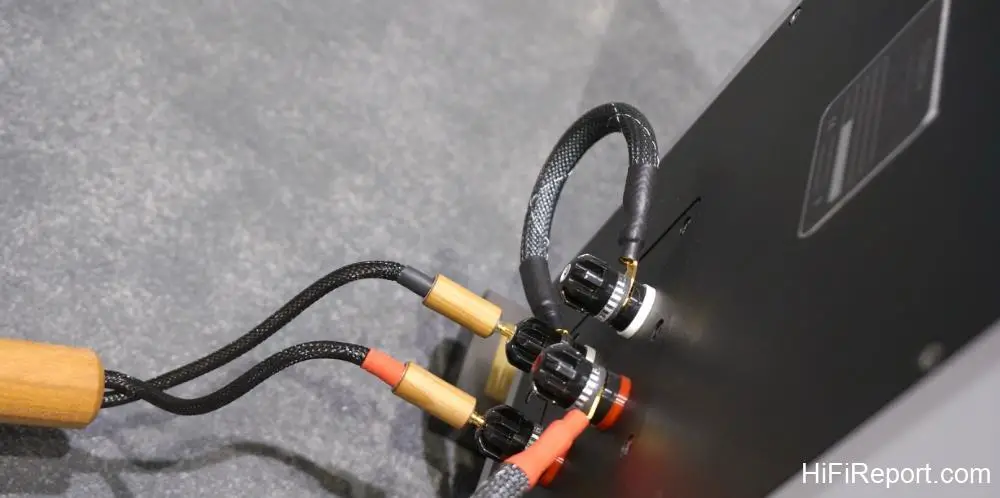
It was with the Reference series that Stenheim successfully positioned itself in the high-end Swiss audio market, becoming one of the most renowned Swiss audio brands internationally.
Alumine Five Design
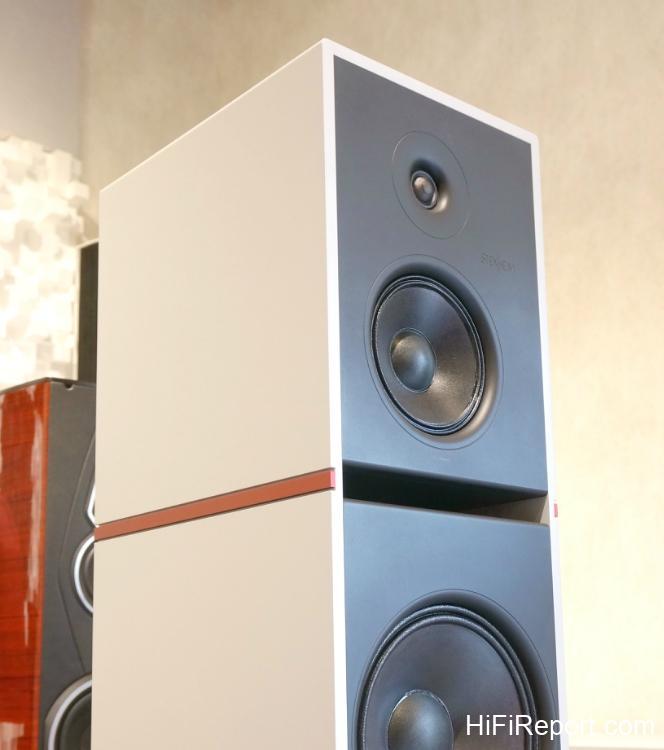
The Alumine Five, featured in this review, is also the latest creation following Jean-Pascal Panchard’s integration of the new team, and it is the newest addition to the Alumine series. The Alumine Five appears to be a single, seamless unit from the outside, but the manufacturer has actually configured independent chambers for each of the four drivers inside the cabinet.
The chambers housing the tweeter and midrange drivers are sealed, while the two lower bass drivers utilize a bass reflex design. This approach minimizes interference between the drivers and maintains the lowest possible coloration.
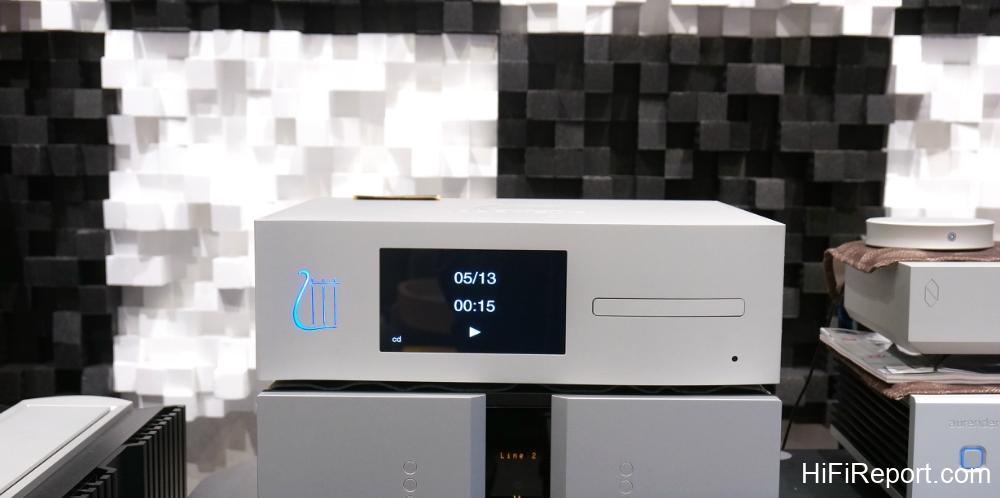
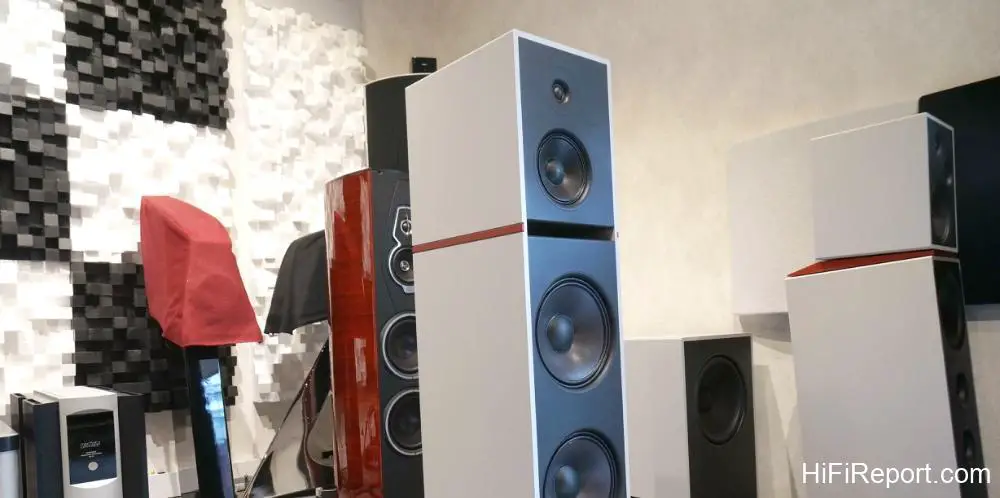
Furthermore, it’s worth noting that when viewed from the front, you can observe a long, slot-shaped port located above and below the bass drivers. These are the bass reflex ports for the Alumine Five, strategically positioned one above and one below, serving the respective lower bass drivers. Why the long slot shape for the bass reflex ports? This design is said to significantly reduce air noise while maintaining the same airflow efficiency, and it is a common feature in Stenheim speakers.
Drivers
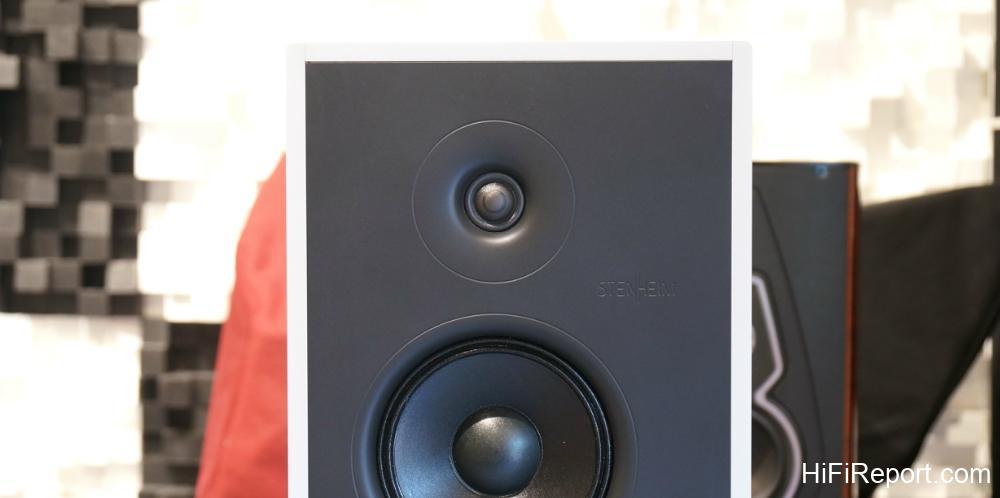
The tweeter and midrange drivers of the Alumine Five are the same as those used in Stenheim’s higher-end Reference series speakers, representing a form of technology trickle-down. The manufacturer hasn’t detailed the specific driver technology extensively, but we can glean a few things from the basic specifications. First, both drivers use neodymium magnets for magnetic motor force.
Second, the tweeter is a one-inch silk dome unit with a shallow waveguide surrounding the diaphragm to enhance radiating efficiency. Third, the midrange driver features a multi-layer fiber cone with patented technology, coated in black to increase damping properties. The two 10-inch bass drivers located at the bottom of the speaker have cone materials similar to the midrange driver.
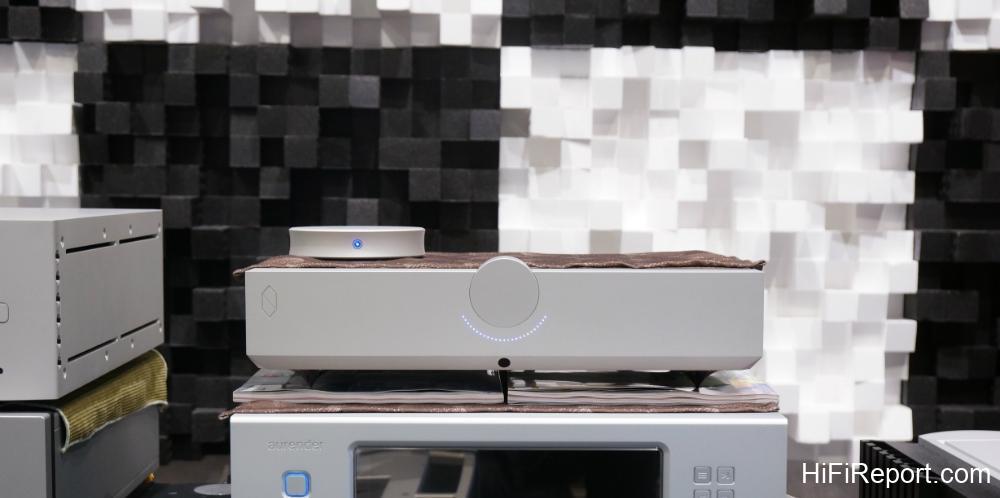
However, a distinctive characteristic is the traditional pleated cloth surround used for both the midrange and bass drivers, featuring a special folded pattern. Mr. Yang from Boyun Audio told me that this short-stroke cloth surround allows the bass drivers to react exceptionally fast, resulting in cleaner bass and more responsive transient dynamics for low frequencies. He insisted I listen for myself to understand.
Cabinetry
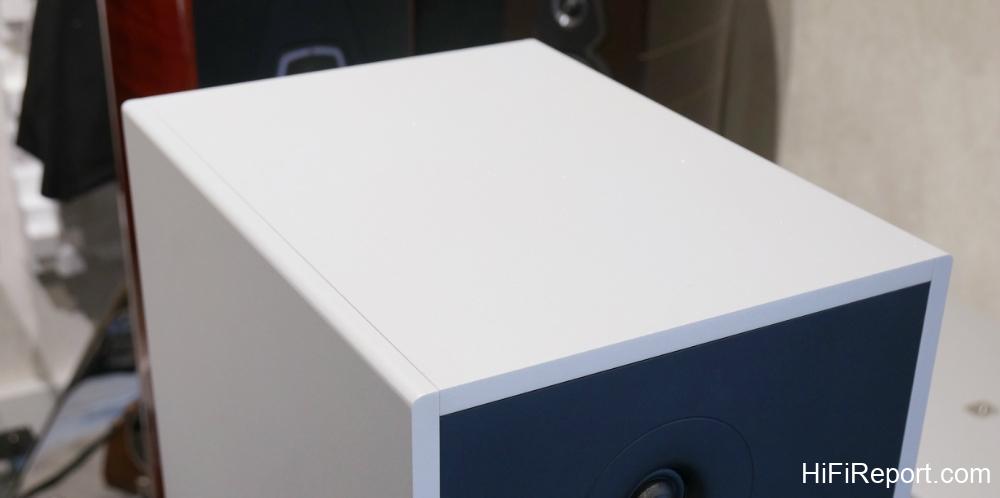
The Alumine Five’s cabinet is constructed entirely from aluminum alloy. The outer shell shows almost no visible seams. The straight lines running along the sides of the cabinet are custom-made damping strips. The manufacturer’s standard color is red, but users can order custom colors based on their preferences. These damping strips are replaceable, allowing them to match the color scheme of the listening environment, showcasing the artistry of Swiss audio design.
Touching the Alumine Five, its cabinet craftsmanship is first-class. Tapping the cabinet lightly reveals no resonance; the structure is incredibly solid. The speaker is 28 cm wide, 38 cm deep, and 120 cm tall, yet each speaker weighs 100 kg. This illustrates the high density and solidity of these speakers. However, the Alumine Five’s moderate cabinet size is not overly imposing, making it quite suitable for placement in a home environment.
Unique Features and Driveability
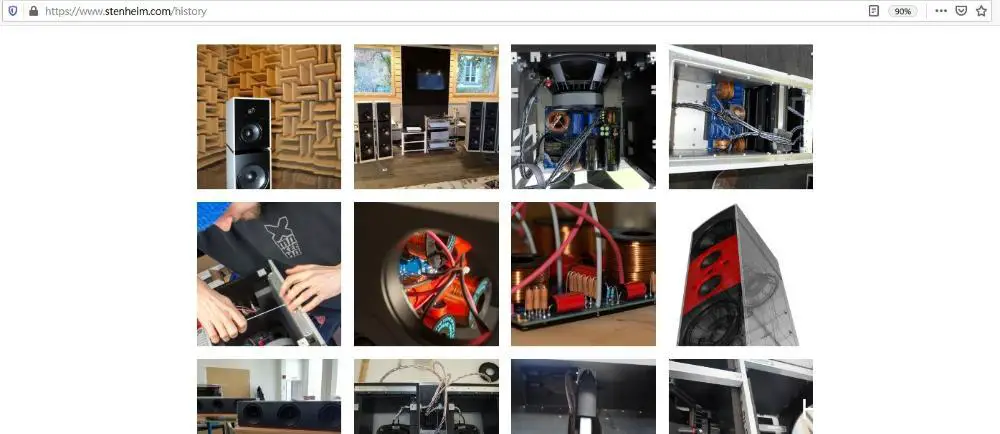
What else is special about the Alumine Five? Plenty! These speakers are incredibly easy to drive. They have an average impedance of 8 ohms, a frequency response of 28Hz-35kHz, and a high sensitivity of 94dB, making them perfectly capable even with low-wattage tube amplifiers. I believe the manufacturer has certainly incorporated unique design principles into the crossover. From images found online, it’s evident that the components used in the Alumine Five’s crossover are “super substantial.”
Both component selection and soldering methods demand absolute stability and sonic consistency, adhering to a stringent standard for part selection. Mr. Yang also told me that he himself had opened up an Alumine Five cabinet and was genuinely impressed by the factory’s crossover design. Unfortunately, the manufacturer doesn’t provide extensive details about their crossovers on their official website.
The next time I encounter a visiting Stenheim representative, I will definitely ask them for a thorough explanation.
Listening Impressions
Moving on to the listening experience, how does the Stenheim Alumine Five actually sound? I have to say, if you have ever stood before a vast Swiss landscape, with majestic snow-capped mountains in view and a millennia-old glacier flowing nearby, the emotion you feel is not one of intense excitement, but rather profound tranquility.
Yes, this ability to infinitely expand the sonic picture, naturally and clearly portraying music’s most natural and beautiful essence within that picture, is the feeling the Alumine Five imparts to me. This limpid and transparent quality creates a sense of serenity, much like standing before a magnificent icy and snowy panorama, where the surrounding natural sounds are always particularly profound.
Listening to Kim Kashkashian’s viola on the ECM recording “Asturiana: Songs from Spain and Argentina,” her playing immediately captured my attention. In fact, I’ve mentioned this ECM viola sonata album more than once in my reviews, but it’s genuinely not easy to reproduce the timbre of the viola so beautifully. The Alumine Five, like other speakers I’ve heard with aluminum cabinets, imparts a particularly clean and transparent sound quality.
Every subtle shift and blend of the string tones is rendered with exceptional clarity.
Does this mean the Alumine Five lacks its own sonic character? Not at all. I find there’s a particularly captivating aspect to these speakers’ sound: their remarkably comprehensive control, which makes the sound feel completely unstressed. Despite their relatively modest size, they effortlessly reproduce a level of sonic energy one would expect from much larger speakers.
Even when I deliberately increased the volume, attempting to fill the entire space with sound energy, these speakers seemed to possess ample headroom, maintaining their ability to present the most delicate and relaxed aspects of the music. Simply put, these speakers are not the overly aggressive type. Their tone is gentle and sweet, exuding elegance and refinement. Their capacity for relaxed reproduction gives them an inherent presence, easily conjuring an unexpectedly wide and deep soundstage.
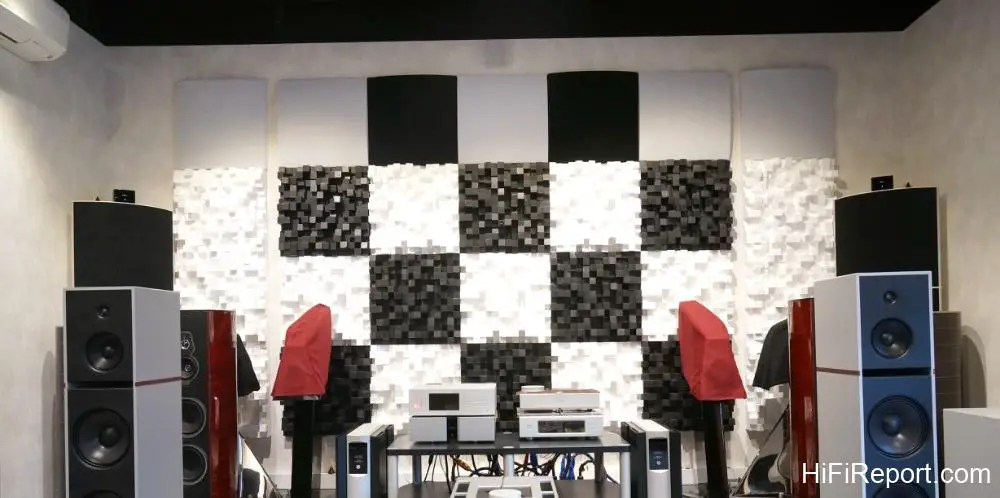
The ability to paint such an astonishing sonic image before the listener is the strongest I’ve encountered recently.
How good is the relaxed reproduction from these speakers? Just listen to Robert Levin’s piano on the same “Asturiana” album. Not only are the transients incredibly fast when the piano is struck forcefully, but with every strong press of a low-frequency key, I can hear a rich, captivating woody texture. The warm quality after the hammer strikes feels elastic, and the bass extension is remarkably natural.
Speaking of the speaker’s low coloration, dynamic transparency, and excellent natural bass extension, these characteristics are quite similar to the flagship STAX SR-009S electrostatic headphones I reviewed concurrently. Both offer an experience that feels “fresh” upon first listening, providing a renewed perspective even when listening to familiar reference material.
Switching to Lisa Wahlandt’s “Stay a While,” an album I hadn’t heard in a while, the Alumine Five portrays vocals with a full, healthy body, preventing them from sounding thin. They exhibit a gentle, sweet style that is quite captivating. Lisa Wahlandt is indeed a jazz singer skilled at conveying subtle vocal expressions, but through the Alumine Five, her enchanting charm is significantly amplified.
Even though the album is accompanied only by piano, double bass, and drums, plus her voice, the improvised and sensual atmosphere of jazz is completely rendered throughout the listening space.
Through this album, I discovered that the Alumine Five presents a truly realistic stage presence. Both vocals and instruments have clear outlines, and their relative positions in depth are distinct. The imaging can easily detach from the speakers, recreating a three-dimensional soundstage before you. Furthermore, the texture of cymbal strikes is exceptionally well reproduced, especially in the opening of the second track, “Light My Fire.”
Those initial metallic taps seem to visually present a sandy metallic texture, subtly highlighted against a dark background. Every impact on the drumheads, the instantaneous rebound texture, and the feedback force are handled with remarkable realism. The detail reproduction is simply outstanding.
Next, I put on Chen Qizhen’s “Coincidences.” The spatial ambiance recorded in the station hall at the beginning is naturally and infinitely expanded by the Alumine Five. This includes the sounds of the public address system, the footsteps of passersby coming and going, and the tiny details of luggage dragging on the ground, all realistically amplified. Chen Qizhen’s voice is similarly sweet, and this time I heard even richer vocal reverb.
Under the excellent mixing, it blends with the natural environment sounds of the station hall into a vast musical picture. How could music like this fail to be moving!
Playing Michael Jackson’s “Dangerous,” the third track, “In the Closet,” is perfect for testing a system’s transient response. Shortly into the song, there’s a sound of breaking glass. It hits the soundscape quickly and crisply, which alone demonstrates the speaker’s incredibly fast speed. Moreover, I found the bass performance of these speakers to be better than expected. The bass isn’t just powerful; it’s also energetic.
The impact of the low-frequency force is strong yet remains perfectly controlled.
Especially when playing “In the Closet,” the song contains many intricate electronic beats. These details are inherently difficult to reproduce well. The music also features many sudden dynamic shifts. Many speakers struggle to handle such fierce bass assault under strong sound pressure. The Alumine Five, however, shows no sign of strain; the energy that seems to appear from nowhere is boundless.

This also applies to the seventh track, “Heal The World,” which features a large choir harmonious with soft yet elastic electronic bass, forming a dense and substantial foundation in the lower frequencies. This was an outcome I hadn’t anticipated based solely on the size of these speakers.
Finally, I concluded my session with the Alumine Five using music by “Of Monsters And Men,” an artist I greatly admire. These speakers thoroughly unleashed the clean, crisp recording quality of this Icelandic rock band. Playing the first track, “Dirty Paws,” immediately conveyed the vast, glacier-like breadth of the musical arrangement.
Starting with simple guitar and vocals, progressing to electric guitar and drum hits in the middle, wave after wave of building energy felt like an overture initiating a journey towards a destination. The sound doesn’t need to be overly aggressive to generate a surge of adrenaline. Perhaps due to the traditional silk dome tweeter, I found the Alumine Five’s tone to be particularly soft and non-fatiguing in the high frequencies.
Superb high-frequency control firmly gripped the constantly ascending energy of the electric guitar, revealing the purest essence of the original recording without any annoying harshness. You could simply feel the raw energy of the electric guitar surging through your ears. I think the Alumine Five truly captured the soul of Of Monsters And Men, making the emotion feel so real and raw at that moment.
Conclusion
Frankly, for a pair of speakers priced at nearly $66,000 USD, the performance of the Stenheim Alumine Five is virtually flawless. Furthermore, from a design perspective, beyond the expensive aluminum chassis, the manufacturer uses a silk dome tweeter and composite fiber midrange and bass drivers.
These are not typically the metal diaphragms commonly found in high-priced speakers, yet they achieve a similarly refined, pure, and transparent sound quality that made me lose track of time at Boyun Audio, spending the entire afternoon there. On my way back, the scenery was beautiful, the sun was setting, painting the sky in shades of orange and red, and my mind was still filled with the beautiful soundscape the Alumine Five had created.
I couldn’t buy them with hard cash, but at least I could take the sonic beauty with me. What is the value of listening to million-dollar speakers? The lingering emotional impact might provide an answer.
Specifications
* All-aluminum chassis
* Independent internal chambers for drivers
* Sealed tweeter and midrange chambers
* Bass-reflex woofer chambers with slot ports
* 1-inch silk dome tweeter with waveguide
* Midrange driver with multi-layer fiber cone and damping coating
* Two 10-inch bass drivers with multi-layer fiber cones and pleated cloth surrounds
* Average Impedance: 8 Ohms
* Frequency Response: 28Hz – 35kHz
* Sensitivity: 94dB
* Dimensions (W x D x H): 28 cm x 38 cm x 120 cm
* Weight: 100 kg per speaker