
Roon Nucleus Titan Server Review
A Roon Server is an essential requirement for anyone using Roon. It can be an old computer or a NAS running the software, or a dedicated server engineered solely for music playback.
The Roon Server plays a critical role in final sound quality—a fact we have experienced firsthand across numerous tests. Ultimately, we adopted the Roon Nucleus+ as our reference Roon Server. Today, we are reviewing Roon’s flagship model, the Roon Nucleus Titan, eager to see what kind of remarkable musical performance it delivers.
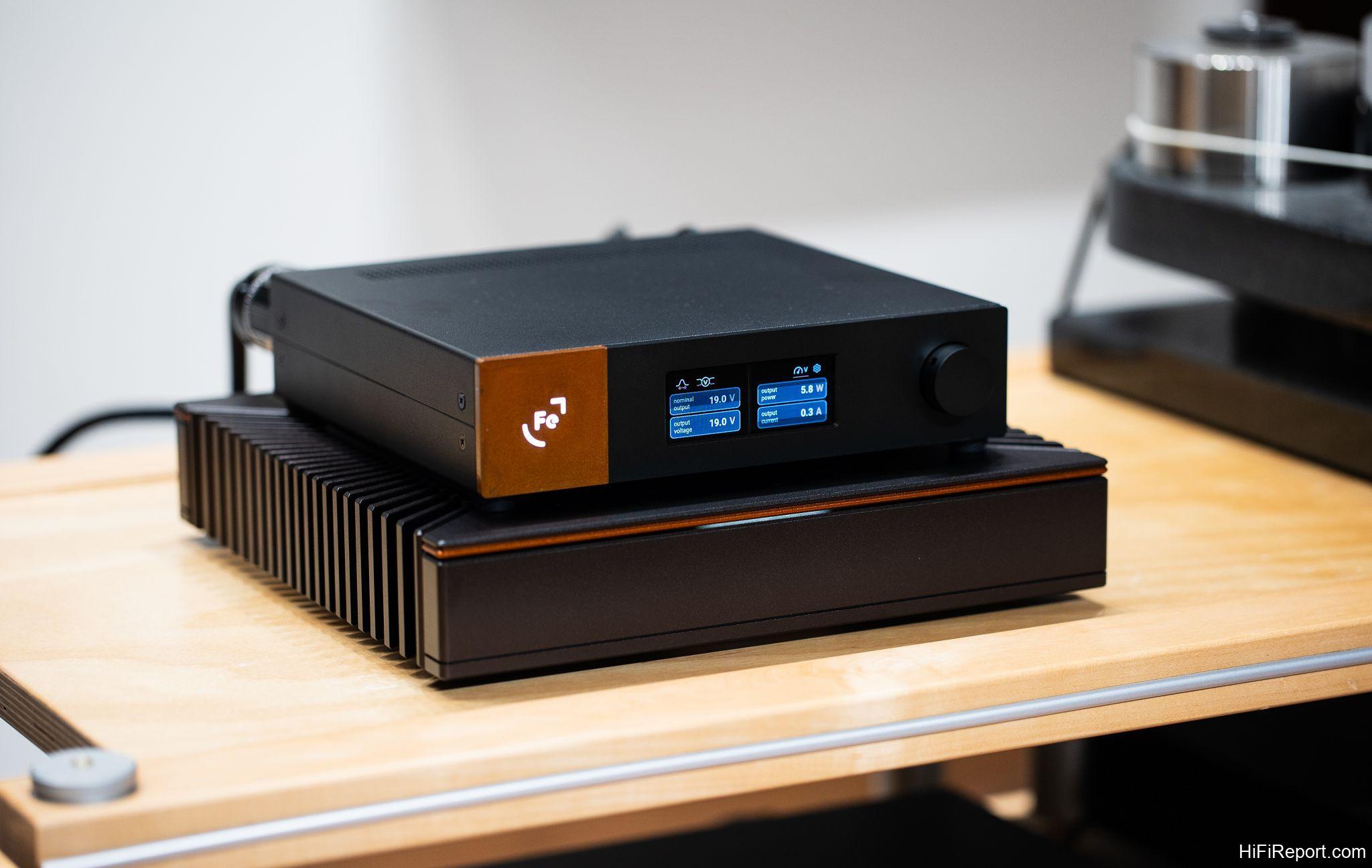
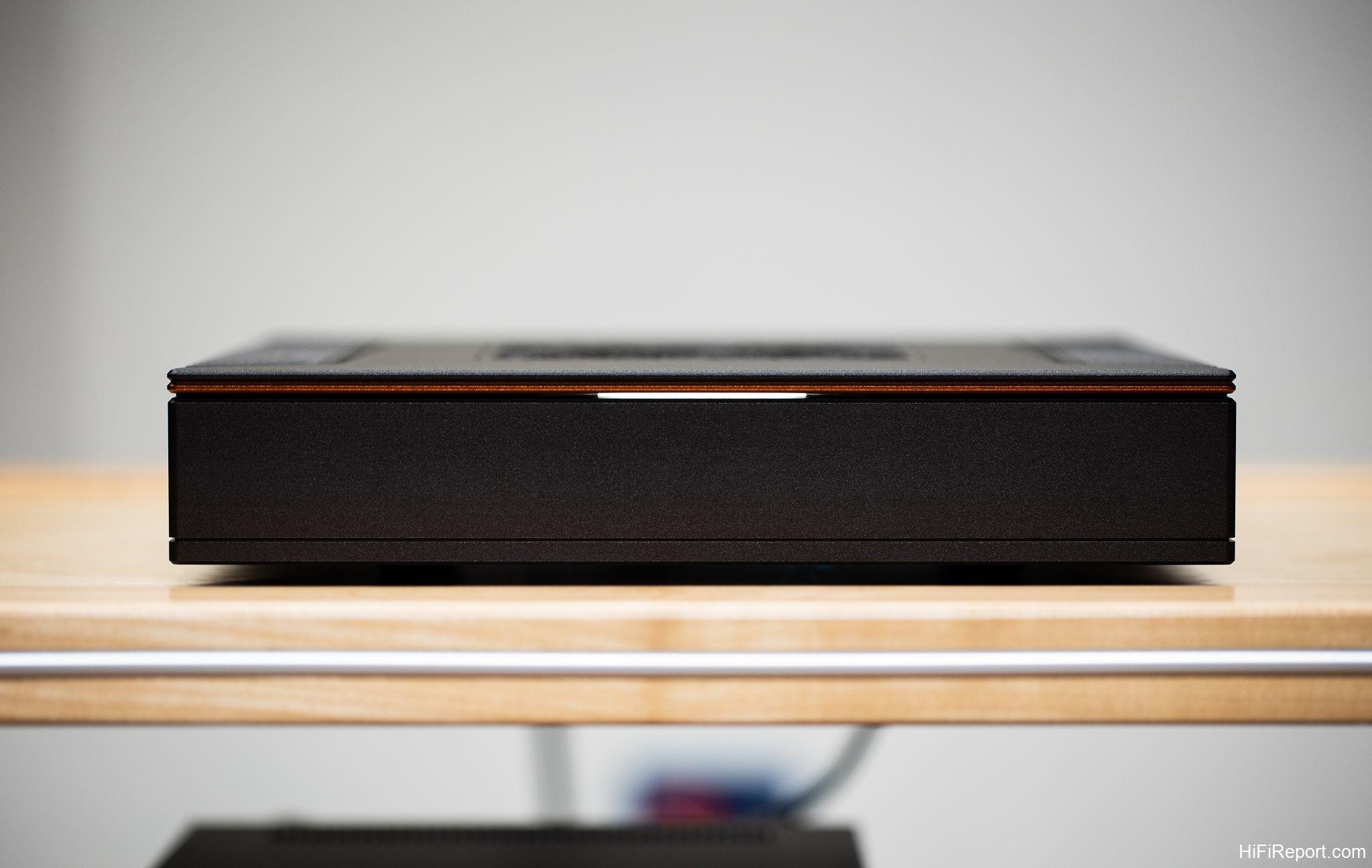
The chassis of the Nucleus Titan is meticulously crafted, combining high functionality with aesthetic appeal, available in multiple premium finishes to suit different user preferences.
The Network Streaming Revolution
Roon is an immensely popular music management and playback software. As network streaming gained traction among audiophiles, the user base expanded to include many who were less tech-savvy with computer configurations. Consequently, software interfaces needed to simplify and become far more user-friendly to make digital streaming accessible to all.
The launch of Roon solved a major pain point for audio manufacturers designing network streamers. While most manufacturers excel at hardware design, many struggled with software UI development. In fact, clumsy software interfaces were often the primary reason many otherwise good hardware products failed to gain traction in the market.
The Metal Finish
The mindset of an engineer differs vastly from that of an average user. While engineers comfortably navigate multi-layered menus, everyday users struggle to find essential functions hidden deep within settings. Software operations must be intuitive and clear—even a simple back button needs to be placed thoughtfully.
Roon succeeded precisely because it mastered this intuitive experience. Functions commonly used by audiophiles—such as searching for tracks, navigating playback screens, creating playlists, or comparing different master versions—are exceptionally easy to use.
In fact, 90% of users spend 90% of their time relying on these core features, expecting an interface experience seamless enough to rival established mainstream streaming platforms like Spotify, Apple Music, and KKBOX.
Thoughtful Thermal Design
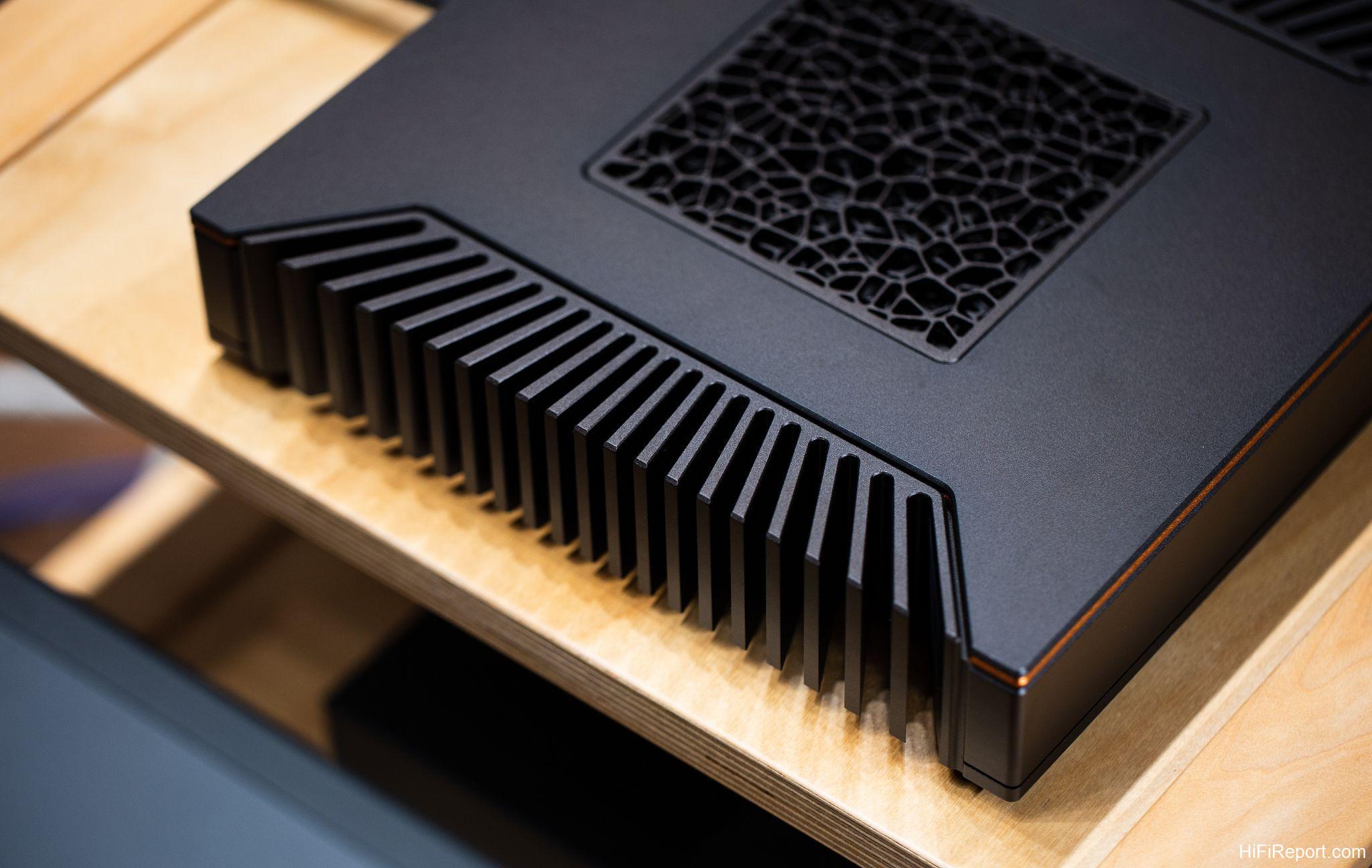
The heatsink fins on both sides of the chassis and the top ventilation pattern reflect meticulous attention to thermal engineering and visual design.
Software-Driven Hardware Evolution
Roon’s power extends to advanced features like DSP, multi-room control, multi-location storage management, and Roon ARC for remote mobile listening. To handle these computational tasks smoothly, Roon requires dedicated host hardware—formerly known as the Roon Core, now officially termed the Roon Server.
This host software can run on virtually any computer, with installers available on Roon’s official website for Windows, macOS, and Linux. Alternatively, it can run on dedicated audio-grade hardware engineered specifically for optimal sound quality, such as standalone Roon Servers offered by various high-end audio brands.
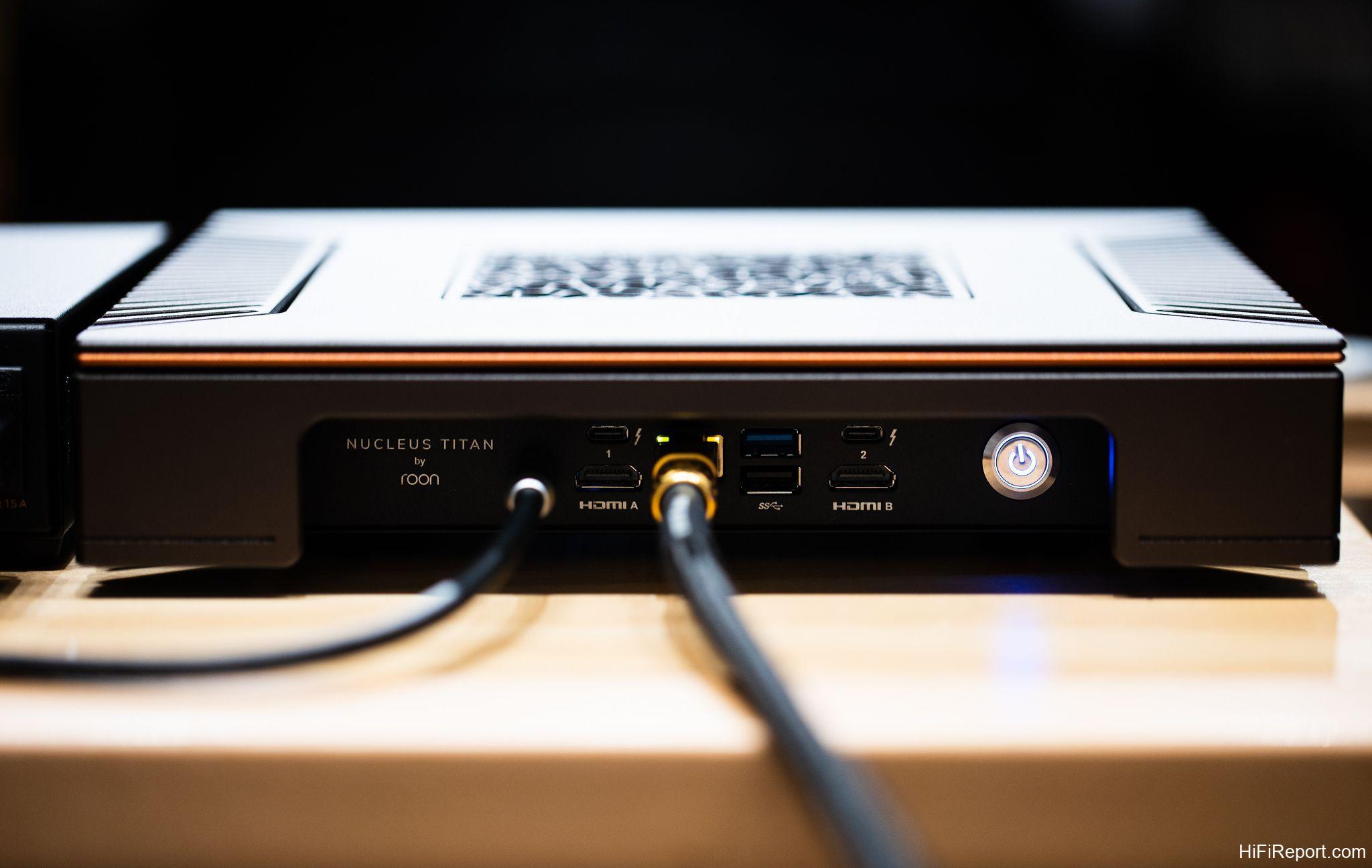
Rear Panel Connections
In addition to the network interface, the rear panel of the Nucleus Titan features USB ports and audio-only HDMI outputs.
If all this sounds complex, don’t worry. Roon offers its own dedicated Roon Servers designed to provide an ideal plug-and-play environment out of the box. Users simply connect power, log into their Roon account, and start listening, while system updates run automatically in the background.
Because these units are designed directly by Roon, every internal component is optimized for a single goal: delivering flawless Roon performance and the best possible sound quality. Currently, Roon offers two hardware models. The budget-friendly model, Roon Nucleus One, handles most core features—including up to six multi-room zones and most DSP functions—at an accessible price point.
The Ultimate Official Hardware
The flagship model is the Roon Nucleus Titan, the star of this review. It features superior hardware specs and an advanced fanless passive cooling design for dead-silent operation. Navigating large music libraries and processing heavy metadata searches is lightning-fast and seamless. It easily handles full DSP processing with plenty of headroom to support future software upgrades.
The Nucleus Titan includes an internal SSD slot supporting user-installable 2TB, 4TB, or 8TB drives. Users can also connect external USB drives or stream music files over the network from a NAS or computer.
Audio output options are highly versatile. It can stream over the network to network streamers, or output via USB to a DAC, active speakers with built-in DACs, or integrated amplifiers with digital inputs. Dual HDMI ports allow multichannel audio output to AV processors or receivers, while Apple AirPlay and Chromecast protocol streaming are also supported.
Note that downstream network receiving devices must be Roon Ready certified. With over 1,000 certified devices across major audio brands currently available on the market, virtually all mainstream streaming equipment supports the ecosystem.
What New Roon Users Need
* A paid Roon software subscription (monthly or lifetime plan)
* A Roon Server
* Music files or a subscription to supported streaming services (Tidal, Qobuz, KKBOX, etc.)
* A Roon Ready streamer or audio component
* A control device (computer, tablet, or smartphone)
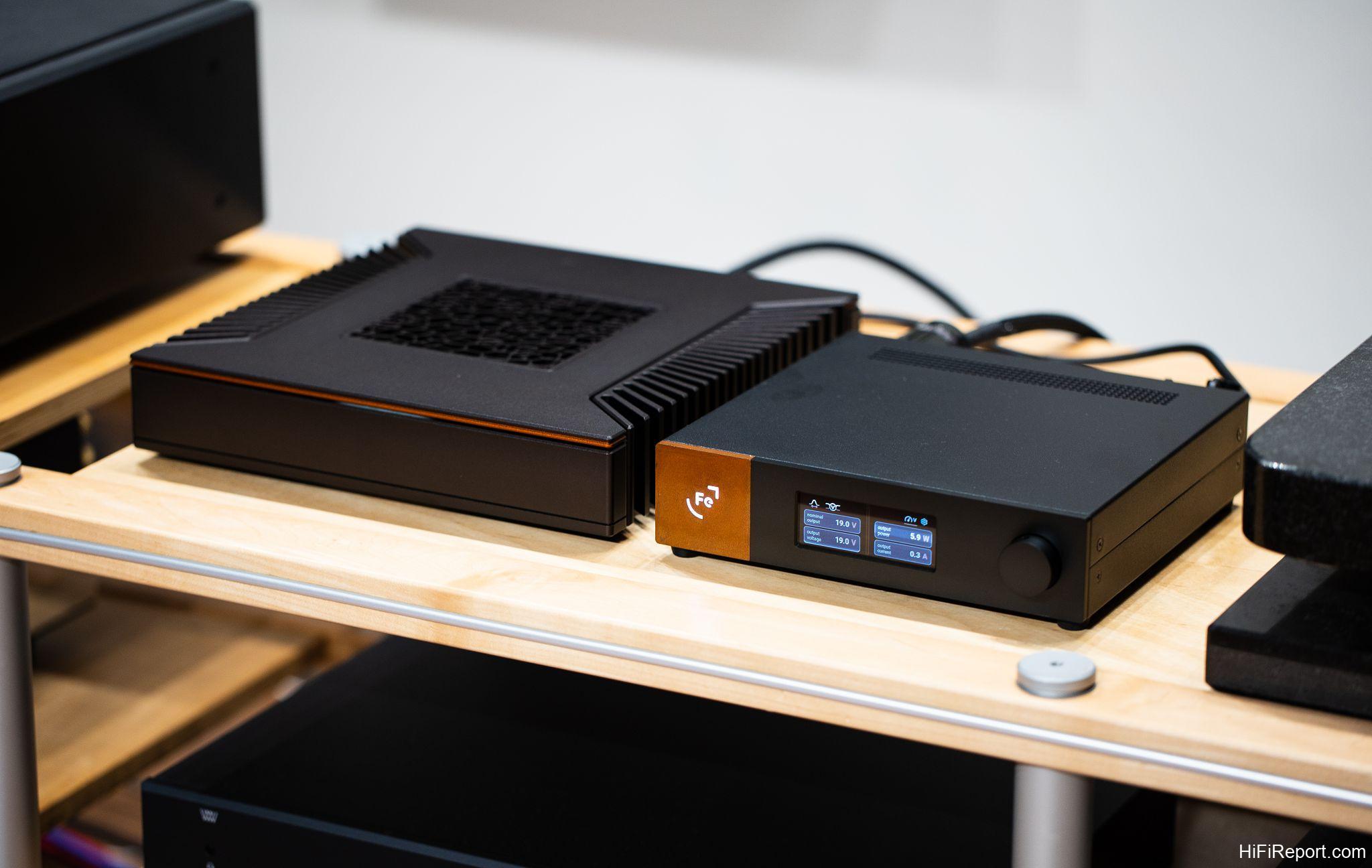
Here you can see three Roon Servers side by side: our reference Nucleus+, the review subject Nucleus Titan, and a laptop. While a laptop can function as a Roon Server, its audio performance falls far short of a dedicated server.
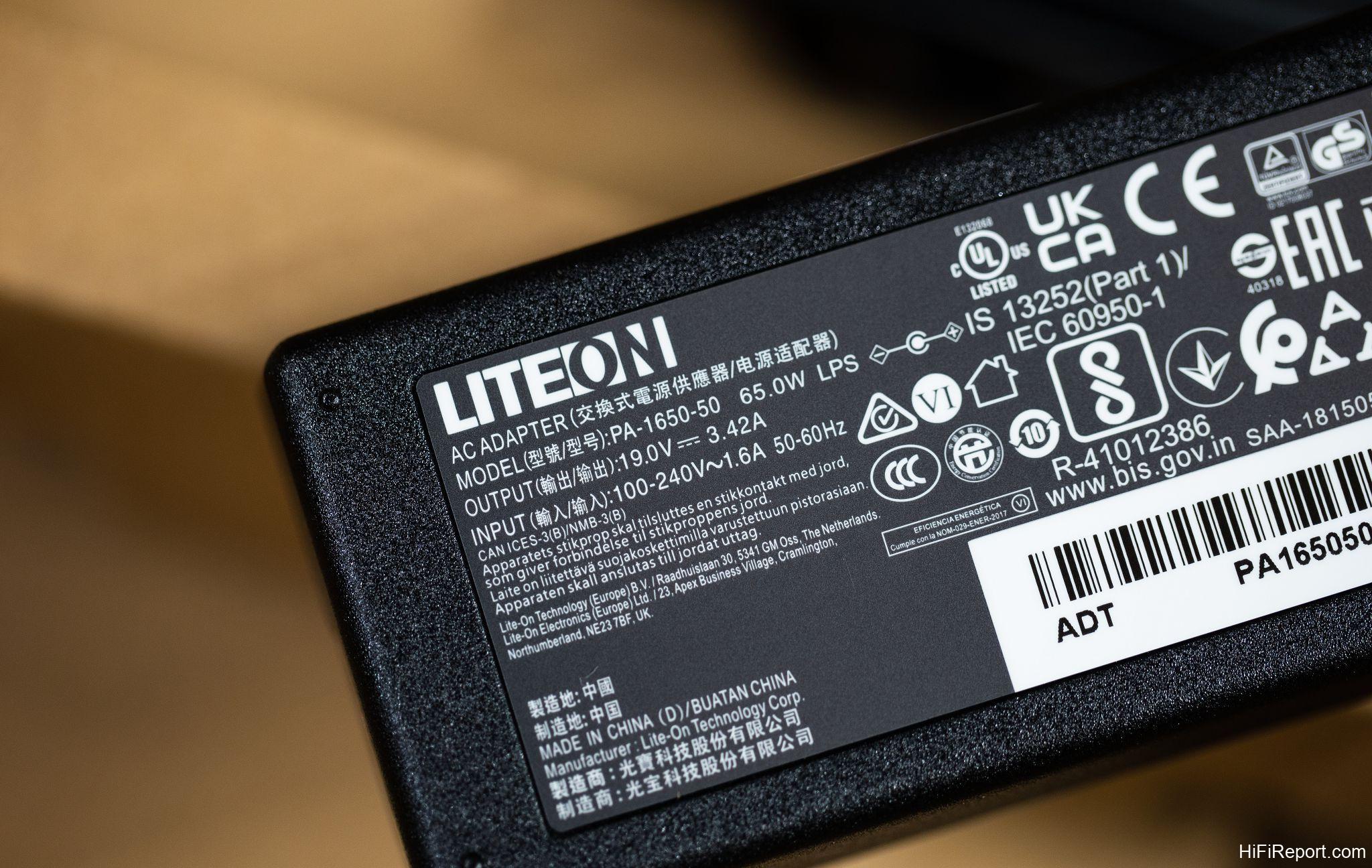
We also paired the unit with the Ferrum HYPSOS Dual Output flagship hybrid DC power supply from Poland to evaluate the benefits of a power upgrade. The Dual Output model can power two components simultaneously, and the sonic improvements Ferrum brings are widely acknowledged among digital streaming enthusiasts.
A Game-Changer for User Experience
In the past, we primarily used a NAS as our Roon Server, and we also experimented with running Roon Server on a laptop. We discovered that the device running the server makes a night-and-day difference in sound quality. If you are a longtime Roon user, try running Roon Server on your laptop for comparison—you will immediately hear the startling difference.
Therefore, for anyone relying on Roon for digital music management and streaming, I see no reason not to acquire at least a Roon Nucleus One as a dedicated server. It costs no more than an entry-level office PC—even less than a lifetime Roon subscription—yet guarantees superior musical performance.
However, if you are an experienced audiophile listening on a high-resolution system in a treated room, the Roon Nucleus Titan is the ultimate choice. Though pricier, it delivers an uncompromising experience in both user interface responsiveness and sound reproduction.
We previously relied on a multimedia QNAP NAS for a long time. Upgrading to the Roon Nucleus+ Server not only improved audio performance but also made navigation remarkably smooth, eliminating the occasional server non-responsiveness we experienced with the NAS. (It was during one of those NAS dropouts that we temporarily switched to a laptop, inadvertently revealing how heavily the host hardware impacts sound quality.)
Comparing the new Nucleus Titan directly to our reference Nucleus+, the Titan’s browsing speed is noticeably faster. Album art loads instantaneously during rapid scrolling, and selection response is immediate. For users running heavy DSP configurations, this extra processing headroom is invaluable.
Enhanced Scale and Background Quietness
Listening to Anne-Sophie Mutter’s *Bach, Bologne, Previn, Vivaldi, Williams*, the Nucleus Titan imparted a more commanding presence to the sound. The upper-midrange and treble sounded remarkably transparent and agile, while the lower-midrange gained solid composure. The overall background quietness was significantly improved, making the system sound larger in scale and more refined in texture.
During full orchestral passages, the background was jet-black and dead quiet. The listening room seemed to dissolve, leaving only vibrant, living music filling the space. The Titan delivered abundance without chaos—energy was powerful yet strictly controlled regardless of volume.
In delicate passages where only a few instruments accompanied the violin, imaging and pitch transitions remained rock-steady. The resonance, body, and scale of the violin were vividly rendered. When the full orchestra hit dynamic crescendos, the low-frequency energy was expansive yet extraordinarily clean, controlled, and rich, offering a supremely engaging listen.
Engaging Contrast and Three-Dimensional Imaging
Turning to “Every Breath You Take” by The Police, the opening track presented a delightfully engaging contrast. The drums carried impressive weight, dynamic impact, and a tactile sense of stick contact. Each strike exploded with crisp clarity before decaying smoothly into a realistic soundstage depth.
Meanwhile, plucked string notes were nimble and three-dimensional, effortlessly rendering the lively bounce and multi-layered pitch variations across a tall vertical soundstage. There was a dynamic, highly appealing balance between the punchy drum rhythm and the lively string work.
Cymbals were played delicately in the background, yet remained perfectly distinct amidst the powerful instrumental drive. The metallic crispness of subtle cymbal taps was rendered weightlessly, yet each strike occupied a clearly defined 3D space in the mix, accurately resolving fine detail.
Sting’s vocals demonstrated excellent tension and contour. Subtle breath and ambient air surrounded his voice, keeping vocals comfortably separated from the instruments. Whether in soft whispers or belted notes, the vocal delivery remained solid, expressive, and flawless.
Impeccable Balance and Captivating Musicality
Next, listening to Alison Krauss’s “New Favorite,” the opening string passages were stunning—richly layered, dynamically expressive, and vividly tactile. You could feel the tactile pluck of the strings and the natural decay of notes wafting across the soundstage, capturing the musician’s subtle touch without effort.
The low-end accompanying the acoustic guitars exhibited dense, seamless cohesion, drawing the listener in right from the track’s first few measures.
The drum hits were subtle yet tight, possessing solid weight and striking transient purity. The presentation managed to be both refined and grounded at once.
Vocals and instruments meshed in perfect harmony. Intricate guitar work framed Krauss’s vocals without ever overpowering them. Her voice was surrounded by a delicate halo of natural air and a smooth, golden sheen that gave every lyric an ethereal, soulful quality. The entire presentation felt beautifully balanced and poised.
Vocal Duets Like an Elegant Dance
Finally, listening to “20 Years” by The Civil Wars, the track opened with an effortlessly wide and spacious soundstage. Acoustic guitar notes panned back and forth across a vast acoustic space with pristine tonal clarity and dynamic elasticity. Each note had a round, full-bodied texture with a refined metallic sheen—neither overly bright nor overly damped—giving the acoustic steel strings a supple, shimmering realism.
The vocal harmonies were exquisitely rendered. The male and female vocals interwoven seamlessly like partners in a synchronized dance—intricate yet never cluttered or interfering. Each singer’s distinct vocal timbre shone through: the male vocal was gentle and tender, conveying deep emotional nuance; the female vocal was pure, silky, and warm with an effortless upper register.
The Nucleus Titan rendered both vocal textures with incredible density, weight, and emotional nuance.
Roon Nucleus Titan Key Features
* Official flagship Roon core optimized for maximum stability and compatibility
* Custom-tailored for Roon OS for fluid, latency-free operation
* Fully passive cooling design eliminates mechanical fan noise and vibration
* Precision-machined aluminum chassis provides high rigidity and effective vibration damping
* Flexible internal SSD storage up to 8TB, plus support for external USB-C/A drives and NAS connections
* Zero-configuration plug-and-play setup for instant music enjoyment
* Audio output options include USB DAC, HDMI (audio-only), AirPlay, and Chromecast
* Multi-room control easily manages multi-zone playback and device grouping across your entire home
Specifications
* Inputs/Outputs: USB Type-A 3.2 ×1, USB Type-A 2.0 ×1, USB Type-C 3.0 ×2
* Audio Outputs: HDMI ×2 (Audio Only)
* Network: RJ45 Gigabit Ethernet ×1
* Internal Storage Slot: 2.5-inch SATA SSD/HDD (up to 15mm thickness, supporting up to 8TB)
* Dimensions: 28 × 28 × 7 cm (W × D × H)
* Weight: Approx. 7 kg